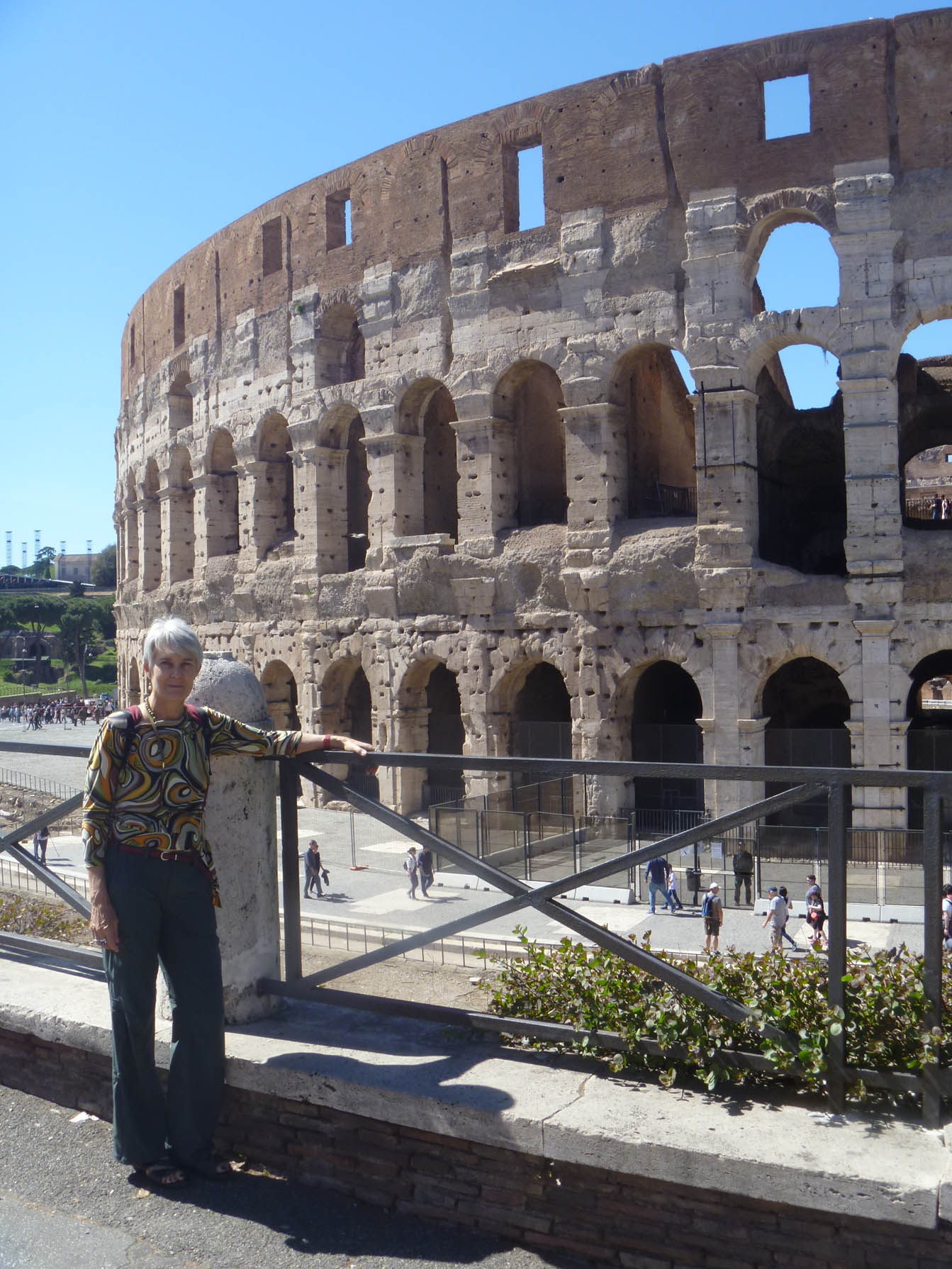
The “Top Ten” Problem

Call it the “Top Ten” problem. Visit any city in Italy (and other countries) and you will have to pre-book visits to major sights. If you don’t because you want to keep your plans flexible, you may not get in or it will be a scramble to get tickets to the major sights (the Vatican in Rome, the Uffizi Gallery in Florence, the Last Supper in Milan). Maybe you don’t really care that much about some of these places, but what are you going to say when you get home and everyone asks how you liked the Coliseum and you tell them you didn’t see it?

Llámelo como el “Top Ten” problema. Visite cualquier ciudad en Italia y tendrá que pre-reservar visitas a los principales lugares de interés turístico. Si no lo hace, y desea mantener sus planes flexibles, no puede entrar o será una lucha por conseguir entradas para los principales lugares de interés turístico (el Vaticano en Roma, la Galería de los Uffizi en Florencia, la Última Cena en Milán). Tal vez usted no se preocupa tanto por algunos de estos lugares, pero ¿qué vas a decir cuando llegues a casa y todo el mundo pregunta cómo te gustó el Coliseo y les dices que no lo vio. 
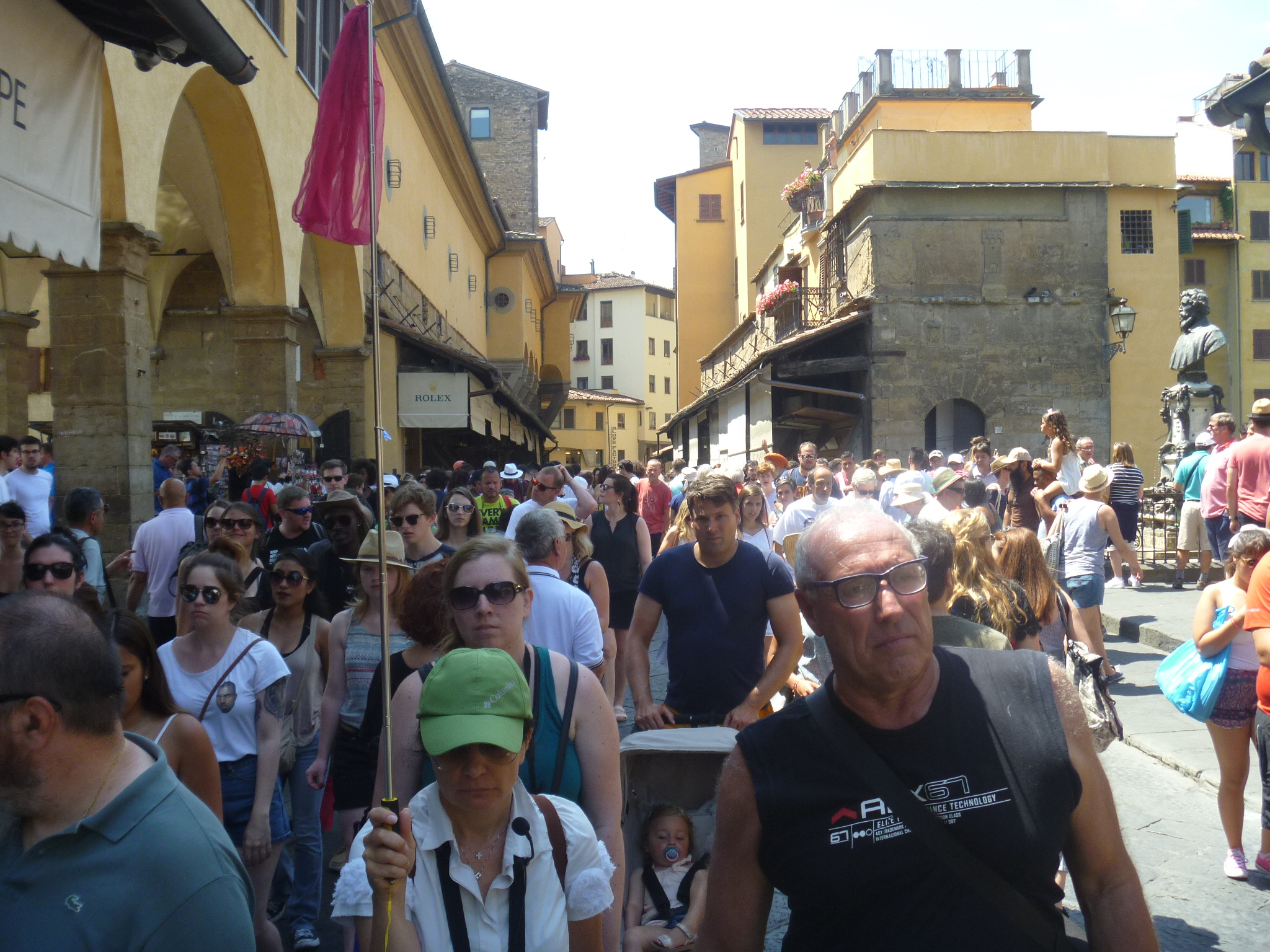
Ponte Vecchio, Florence

There are some hard choices that need to be made. The top ten places in every guidebook are going to be packed with visitors. At the Vatican, for example, there is only one tour and it covers all of the Vatican Museums and the Sistine Chapel. No one has the stamina to appreciate all the objects the Vatican encompasses in a single visit, yet most people have only that once chance. Many people have museum fatigue after 2-3 hours. (Most tours are that length.) Here are things to think about.

Hay algunas decisiones difíciles que necesitan ser hechas. Los diez primeros lugares en cada guía van a estar llenos de visitantes. En el Vaticano, por ejemplo, sólo hay un recorrido y cubre todos los Museos Vaticanos y la Capilla Sixtina. Nadie tiene la resistencia para apreciar todos los objetos que el Vaticano abarca en una sola visita, sin embargo la mayoría de la gente sólo tiene esa oportunidad una vez. Mucha gente tiene fatiga total del museo después de 2-3 horas. (La mayoría de los tours son de esa longitud.) Aquí hay cosas en que pensar.

–Do you really want to see places in the “Top Ten” or “Best of”? Most of us have some sights that we really want to see and we don’t care about the lines or the cost. If you feel that way about a place, whether the Tower of Pisa or the Coliseum, then buy your ticket and go see it.

– ¿Realmente quieres ver lugares en el “Top Ten” o “Lo mejor de”? La mayoría de nosotros tenemos algunas vistas que realmente queremos ver y no nos importa las líneas o el costo. Si te sientes así sobre un lugar, ya sea la Torre de Pisa o el Coliseo, luego comprar su billete y ve a verlo.

–If you are not really set on climbing the Tower of Pisa (I didn’t), or visiting a set of catacombs (I did), then don’t go. This is particularly true if you are bothered by long waits, large crowds, and in some cases stairs up (heights) or down (claustrophobia). Do some checking and be sure that you understand what a place will be like, particularly if it is also an expensive ticket. When you get home you can be enthusiastic about the places you did get to see. If you skipped the Forum and went to Ostia Antica, describe the spacious mosaic plazas and lack of crowds.
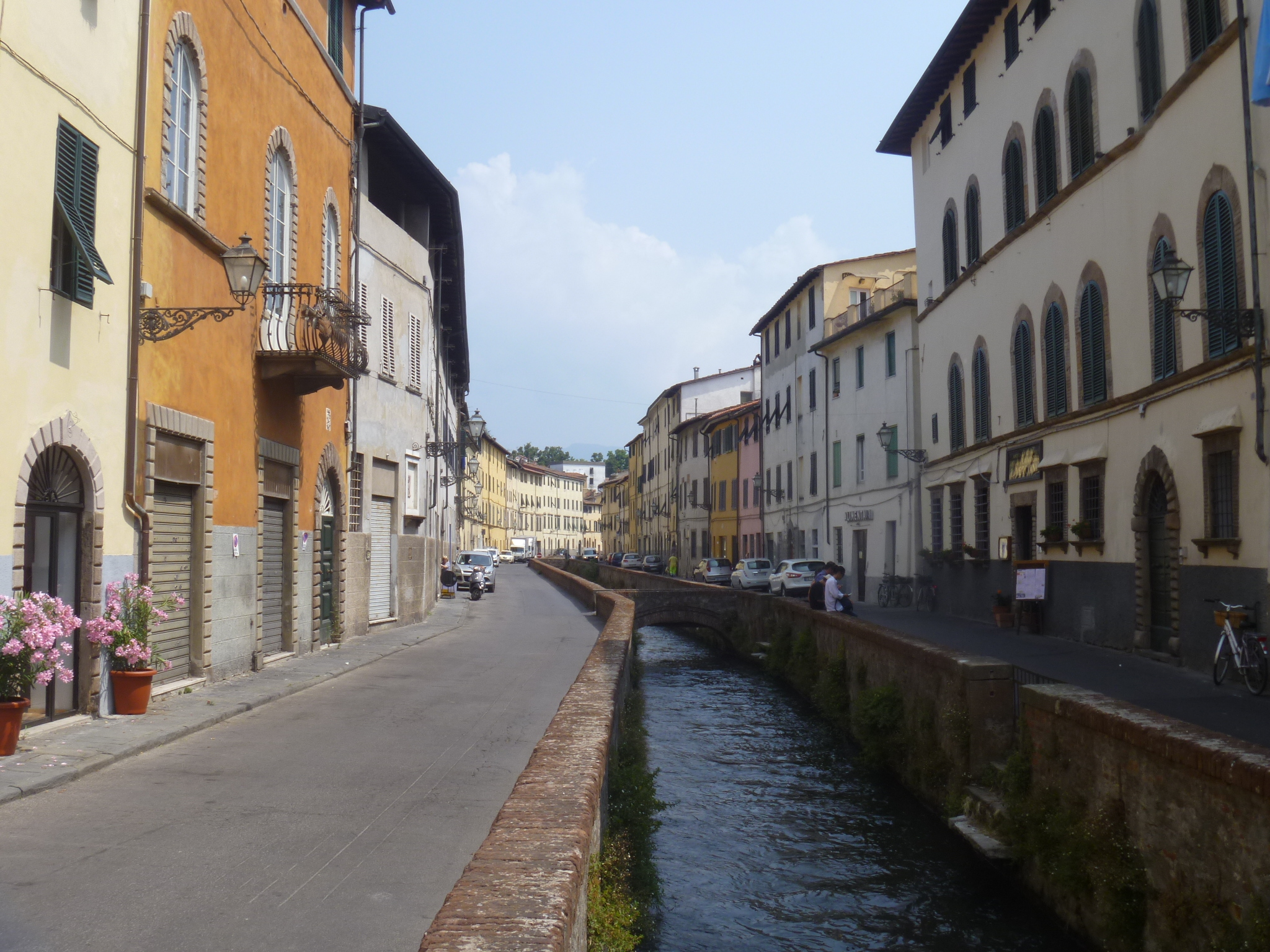
Lucca

– Si no estás realmente enfocada en escalar la Torre de Pisa (no lo hice), o visitar un conjunto de catacumbas (lo hice), entonces no vayas. Esto es particularmente cierto si te molesta por largas esperas, grandes multitudes, y en algunos casos escaleras arriba (alturas) o hacia abajo (claustrofobia). Hacer algunas comprobaciones y asegúrese de que usted entiende cómo será un lugar, sobre todo si también es un billete caro. Cuando llegues a casa puedes estar entusiasmado con los lugares que pudiste ver. Si se saltó el Foro y se fue a Ostia Antica, describir las amplias plazas de mosaico y la falta de multitudes.

The symbol of Rome, Capitoline Museums

–Consider alternatives to the top ten. While the Uffizi Gallery is booked a month ahead in the summer, the Bargello collection has sculpture that used to be in the Uffizi. It doesn’t have the Birth of Venus by Botticelli, but you can get in on any day. Archaeology and natural history museums are very accessible, too. In Rome, the story of Romulus and Remus being suckled by a she-wolf, then growing up to found the city is symbolized by an Etruscan she-wolf statue (with Romulus and Remus added later). The original is in a gallery that had almost no visitors when we were there. An article in today’s New York Times discusses beautiful libraries in Italy that are open to visitors.

Libraries that speak Volumes (NYT 18 june 2017)
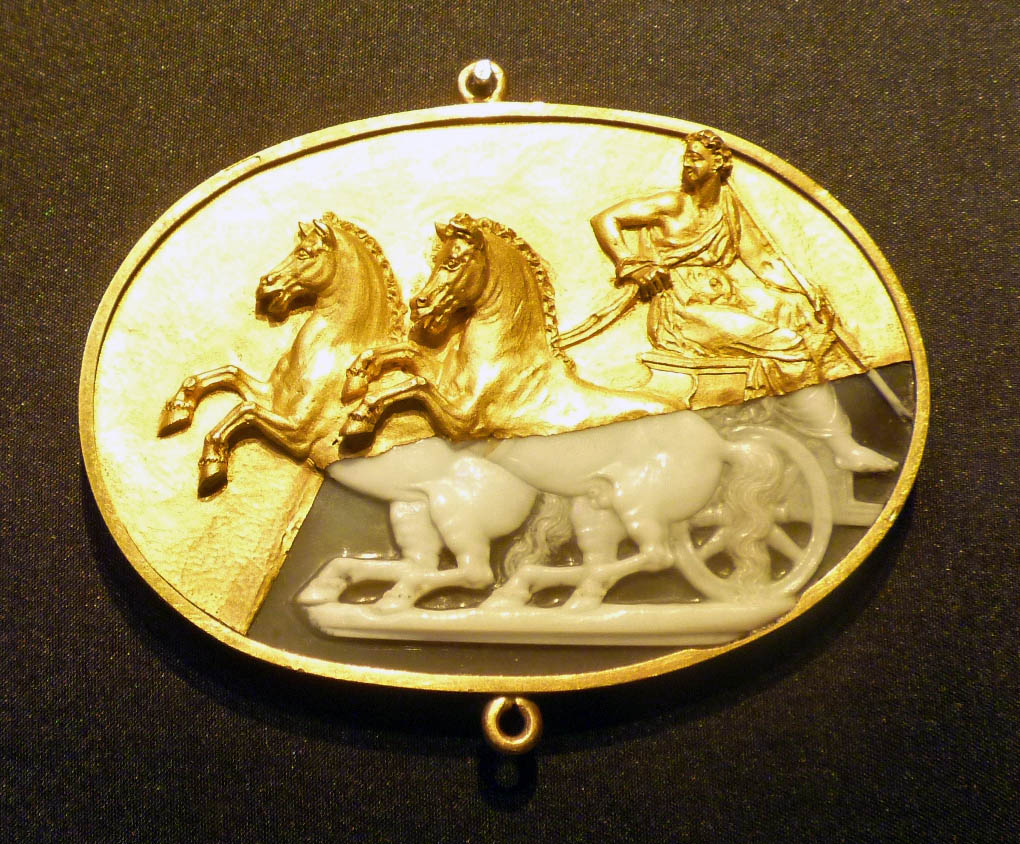
This is an ancient cameo said to have been restored by Benvenuto Cellini in the 1500s. It can be seen at the archaeology museum in Florence.

– Considerar alternativas a los diez primeros. Mientras que la Galería de los Uffizi se reserva un mes de antelación en el verano, la colección Bargello tiene escultura que solía ser en los Uffizi. No tiene el nacimiento de Venus de Botticelli, pero usted puede conseguir adentro en cualquier día. Arqueología y museos de historia natural son muy accesibles, también. En Roma, la historia de Romulus y Remus siendo amamantado por una loba que crece para fundar la ciudad es bien conocida. La estatua original de la loba está en una galería que casi no había visitantes cuando estábamos allí. El New York Times ha un articolo sobre bibliotecas lindas en Itali que estan abiertos a visitante.

Chiusi

-Make towns other than Florence, Venice or Rome your base of operations. We met a couple who stay in Chiusi regularly. They described its proximity to both the highway and the train line from Rome. It is a charming small town and they seemed to know many of the people passing by while we chatted over coffee. We were surprised by how many fewer people were in Chiusi, Monteriggioni, Lucca, even Pisa, compared to Florence. Remember that places with smaller numbers of tourists are often friendlier because the people who live there haven’t been exhausted by answering the same question 500 times. They are more likely to be patient with my terrible Italian, and more understanding if I forget myself and touch a piece of fruit in the market.

The Etruscan Museum, Chiusi

Haz ciudades que no sean Florencia, Venecia o Roma, tu base de operaciones. Conocimos a una pareja que alojarse en Chiusi regularmente. Ellos describieron su proximidad tanto a la autopista y la línea de tren de Roma. Es una pequeña ciudad encantadora y parecían saber muchos de la gente pasando por mientras conversamos sobre el café. Nos sorprendió por cuántas menos personas estaban en Chiusi, Monteriggioni, Lucca, incluso Pisa, en comparación con Florencia. Recuerde que los lugares con un menor número de turistas son a menudo más amigables porque las personas que viven allí no se han agotado al responder a la misma pregunta 500 veces. Ellos son más propensos a ser paciente con mi terrible italiano, y más comprensión si me olvido de mí mismo y toco una pieza de fruta en el Mercado.

If you are going to dive in to visiting “Top Ten” sights, and want to be less bothered by the crowds, here are a few things to try.

  • Buy your tickets in advance, brace yourself for the crowds, remember your manners and above all your sense of humor. Avoid taking offense. Be the bigger person, etc. etc. You’ll enjoy your visit more.
  • Go early or go late. Most tourist attractions receive the largest number of visitors 10 am-noon and 1:30-3:30pm.
  • Go with a guide. We did this for our first visit to the Vatican and at the Uffizi. They usher you to the head of the line, more or less, help you get tickets and tell you why it’s interesting. We were so absorbed by listening to our guide in the Uffizi that I didn’t really notice how full it was. (If you need a guide for Florence, or anything art history related in Italy, I have a great person for you. Just let me know and I’ll pass along her contact info.)
  • Focus on the place, not the crowds. Take a lesson from our visit with guides and even if you are on your own, look closely at things that interest you, skip what doesn’t, and ignore the crowd.
  • Below: (L) Our memory of the Vatican.  (R) This is what it looked like during our visit.

    In a previous post, I mentioned how strange it is that we cut the people out from our surroundings when we take photos. Maybe that’s for the best. When you get home, you will see the places you visited with little record of being jammed in with a thousand others. You might not remember the crowd was there.

  • Stop for coffee. If you are in a place where you can stop mid-visit and sit down for a cold drink or a cup of coffee, you will feel refreshed and ready for the second half of the visit. Some places in Rome have nothing more than a vending machine by the toilets, but the Uffizi has a gorgeous rooftop terrace. Other places do, too. Si esta decidida en visitar “Top Ten” lugares de interés, y quiere ser menos molestado por las multitudes, aquí hay algunas cosas para probar.    –Compre sus entradas con anticipación, prepárese para las multitudes, recuerde sus modales y sobre todo su sentido del humor. Evite ofenderse. Ser la persona más grande, etc, etc.  Usted disfrutará de su visita más.    –Ir temprano o ir tarde. La mayoría de las atracciones turísticas reciben el mayor número de visitantes de 10 am-mediodía y 1: 30-3: 30pm.    –Ir con un guía. Hicimos esto para nuestra primera visita al Vaticano y en el Uffizi. Te llevan a la cabeza de la línea, más o menos, te ayudan a conseguir entradas y decirte por qué es interesante. Estábamos tan absorbido por escuchar a nuestro guía en el Uffizi que no me di cuenta de lo lleno que era. (Si necesitas una guía para Florencia, o cualquier otra historia de arte relacionada en Italia, tengo una gran persona para ti, solo hazme saber y pasaré su información de contacto).    –Concéntrese en el lugar, no en las multitudes. Tome una lección de nuestra visita con guías e incluso si usted está en su propio, mirar de cerca las cosas que le interesan, omitir lo que no, e ignorar a la multitud.

         –En un post anterior, mencioné lo extraño que es que cortar a la gente fuera de nuestro entorno cuando tomamos fotos. Tal vez eso es un buen idea. Cuando llegue a casa, verá los lugares que visitó con poco registro de estar atascado con mil otros. Es posible que no recuerde la multitud estaba allí.

         –Toma un café. Si usted está en un lugar donde usted puede parar la mitad de la visita y siéntese para una bebida fría o una taza de café, usted se sentirá refrescado y listo para la segunda mitad de la visita. Algunos lugares en Roma no tienen nada más que una máquina expendedora cerca de los baños, pero el Uffizi tiene una magnífica terraza en la azotea. Otros lugares hacen, también.


    If all else fails, you can stay home and eat sweets.

  • Easy Crostata with jam and fruit

En todo caso, puedes quedar en casa y comer dulces.
The Uffizi Gallery–Custodian of the Renaissance

The Uffizi Gallery is one of those must-see places, whether you know much about it or not. I am not sure I could have told you when the Renaissance began or ended or what its art looked like before we visited, but now I have a clearer idea. This is largely because we had an absolutely terrific guide who may it all sound enchanting, but the gallery has such a large collection that includes multiple pieces by many artists, that you can see change taking place through time. (If you want a great guide for anything having to do with art in Italy, let me know and I will give you our guide’s contact info. A very knowledgeable, interesting young woman, she has all the credentials for Italy.) The collection covers the Renaissance, especially in Italy, from the 1300s into the 1600s, or in art historical terms from Cimabue to Michelangelo. All the greats are present.

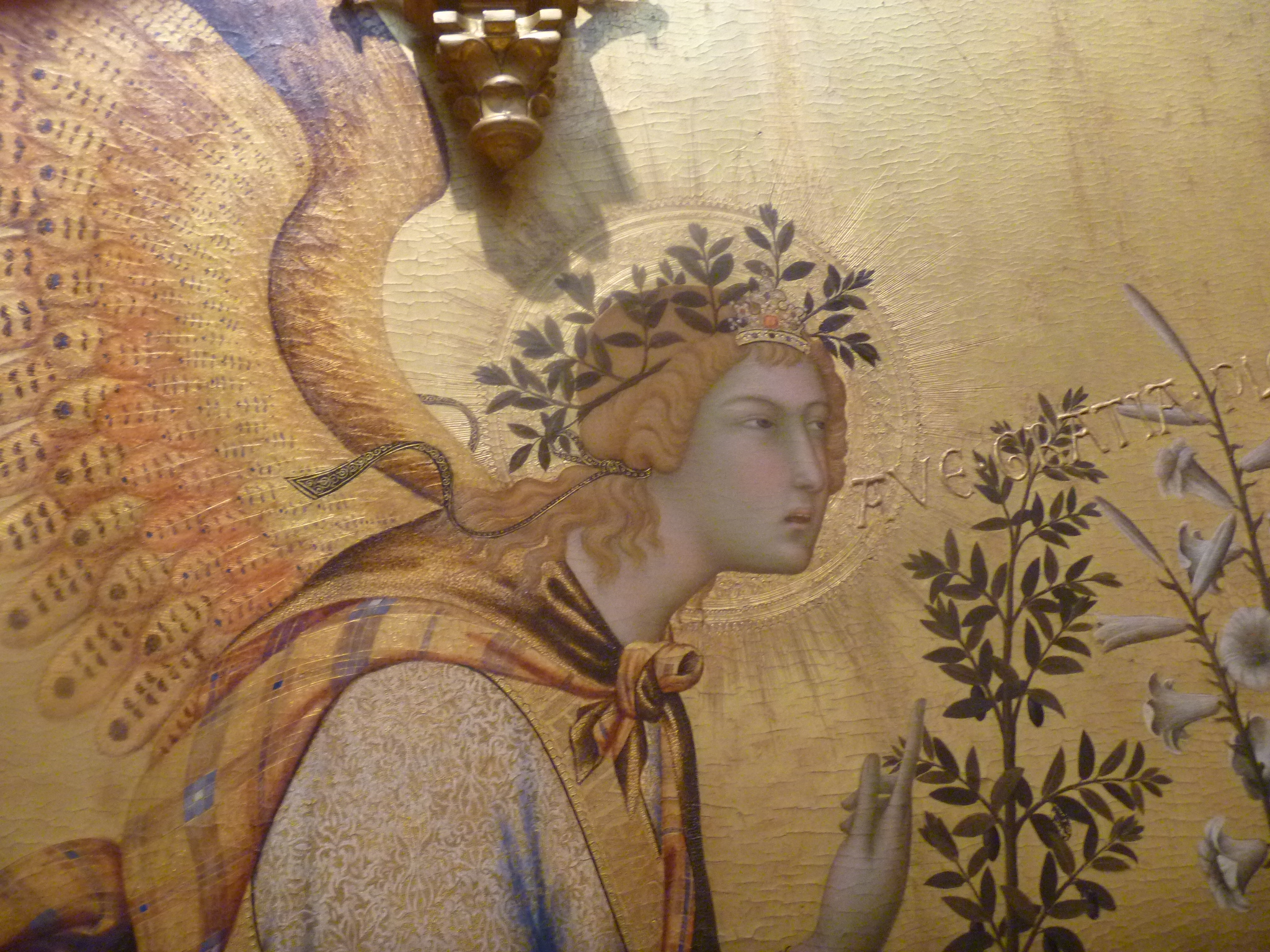
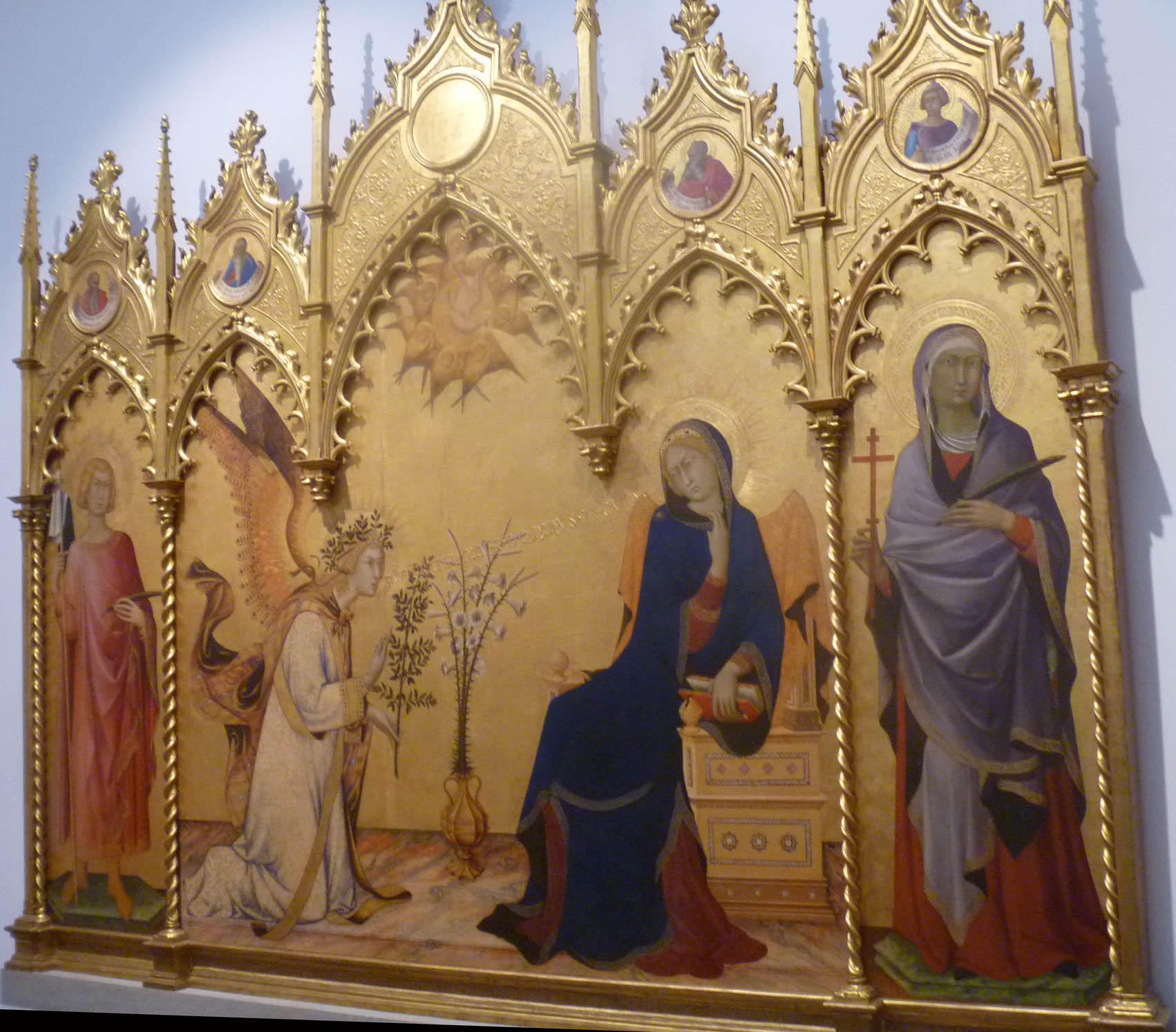
The very earliest images are religious themes that incorporate lots of gold leaf and elongated human forms similar to what we saw in the mosaics in Torcello and Ravenna. That’s the Byzantine influence. Here are two views of the Annunciation, the Virgin Mary receiving word that she’ll bear the son of god. First is the heavily gold leaf covered painting by Simone Martini. He painted beautifully, look at the feathers in the angel’s wings. He just doesn’t seem to have been bringing a message that Mary wanted to hear. The virgin appears to cringe away from her divine future.

La Galería de los Uffizi es uno de esos lugares de visita obligada, ya sea que sepas mucho o no. No estoy seguro de haberle dicho cuándo empezó o terminó el Renacimiento o cómo se veía, pero ahora tengo una idea mas clara. Esto es en gran parte porque teníamos una guía absolutamente maravillosa que puede sonar encantadora. La galería tiene una colección tan grande que incluye múltiples piezas de muchos artistas, que se puede ver el cambio que tiene lugar a través del tiempo, como el desarrollo del uso de perspectiva. (Si quieres una gran guía para cualquier cosa que tenga que ver con arte en Italia, hágamelo saber y te daré información de nuestro guía. Es una mujer muy conocedor, un interesante joven, ella tiene todas las credenciales para Italia.)

La colección abarca el Renacimiento, especialmente en Italia, desde el 1300 hasta el 1600, o en términos históricos de arte de Cimabue a Miguel Ángel. Todos los grandes están presentes.

Las imágenes más antiguas son temas religiosos que incorporan muchas hojas de oro y formas humanas alargadas similares a las que vimos en los mosaicos de Torcello y Ravenna. Esa es la influencia bizantina.He aquí dos visiones de la Anunciación, la Virgen María recibiendo la palabra de que ella llevará al hijo de Dios. La primera es la pintura con mucha hoja de oro de Simone Martini. Pintó hermosamente, mira las plumas en las alas del ángel. Simplemente no parece haber estado trayendo un mensaje que Mary quisiera oír. La virgen parece apartarse de su futuro divino.

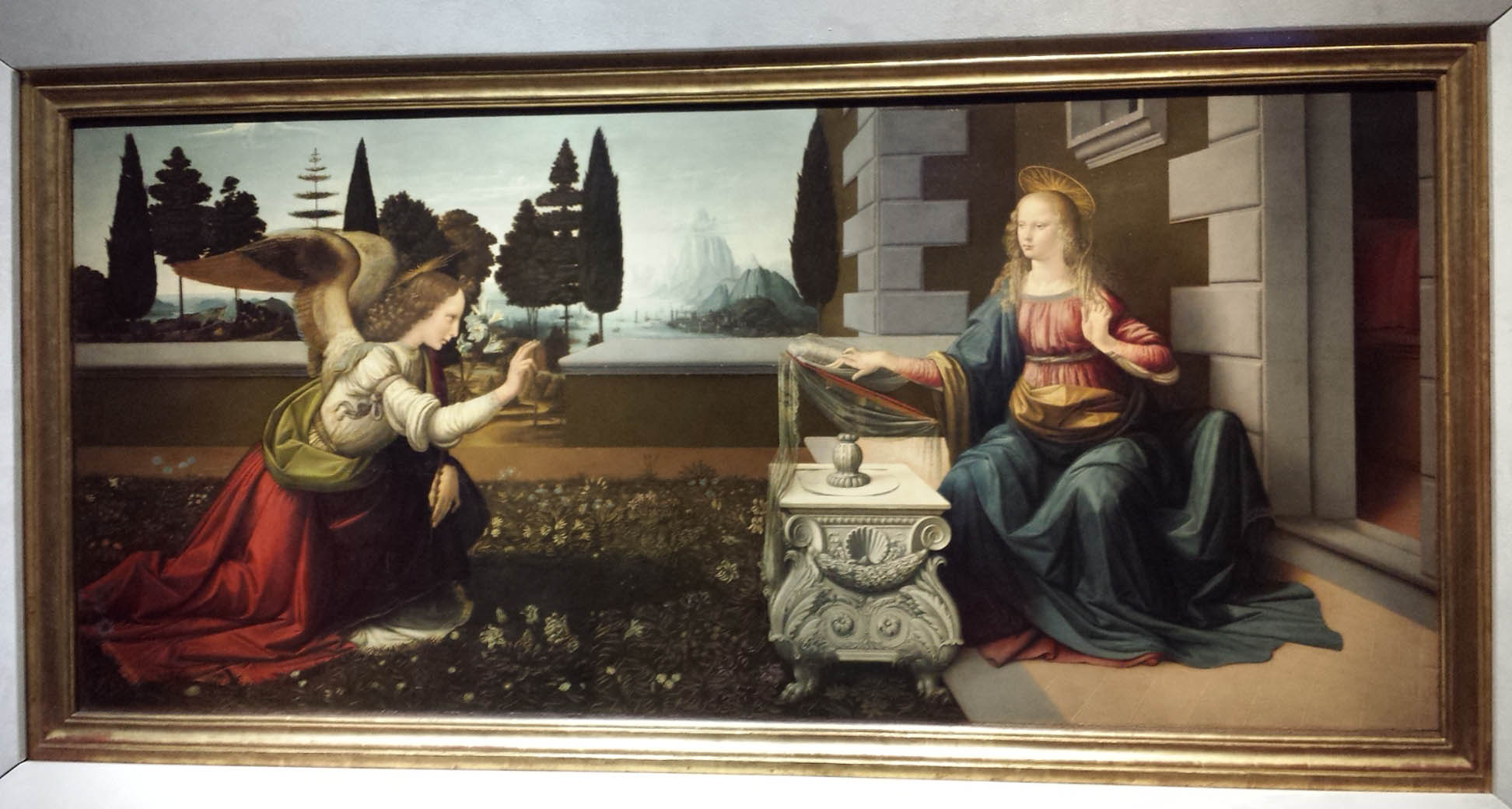
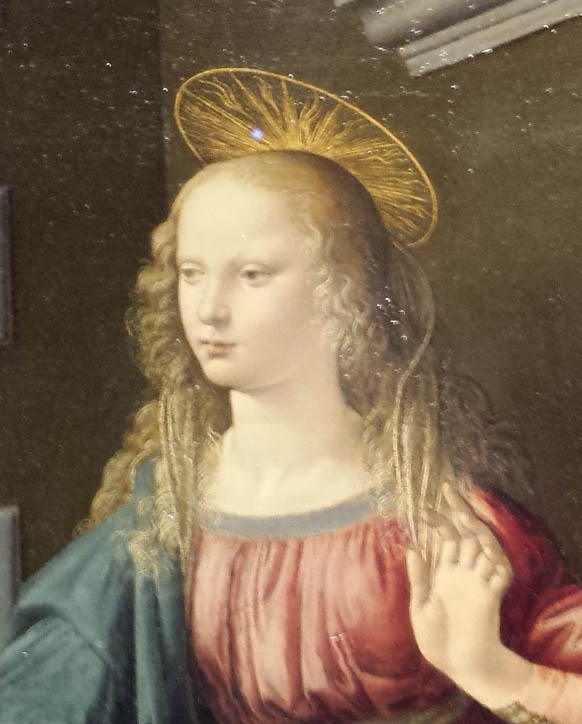
Now look at the same theme painted by Leonardo da Vinci. He might have spent a lot of time as an inventor, but the man could really paint. In his version of the Annunciation, the virgin appears to be cool and collected. In a close-up, she looks like a teenage movie star.  Ahora mira el mismo tema pintado por Leonardo da Vinci. Podría haber pasado mucho tiempo como inventor, pero el hombre realmente podría pintar. En su versión de la Anunciación, la virgen parece estar fresca y recogida. Visto de cerca, se ve como una estrella de cine adolescente.


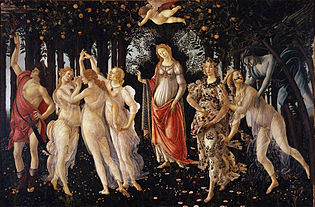
The Uffizi has several works by Botticelli and I particularly liked his Primavera.  It’s a dance through the seasons from Spring on the right to Fall on the left.     El Uffizi tiene varias obras de Botticelli y me gustó especialmente su Primavera. Es un baile a través de las estaciones de primavera a la derecha hast otoño a la izquierda.

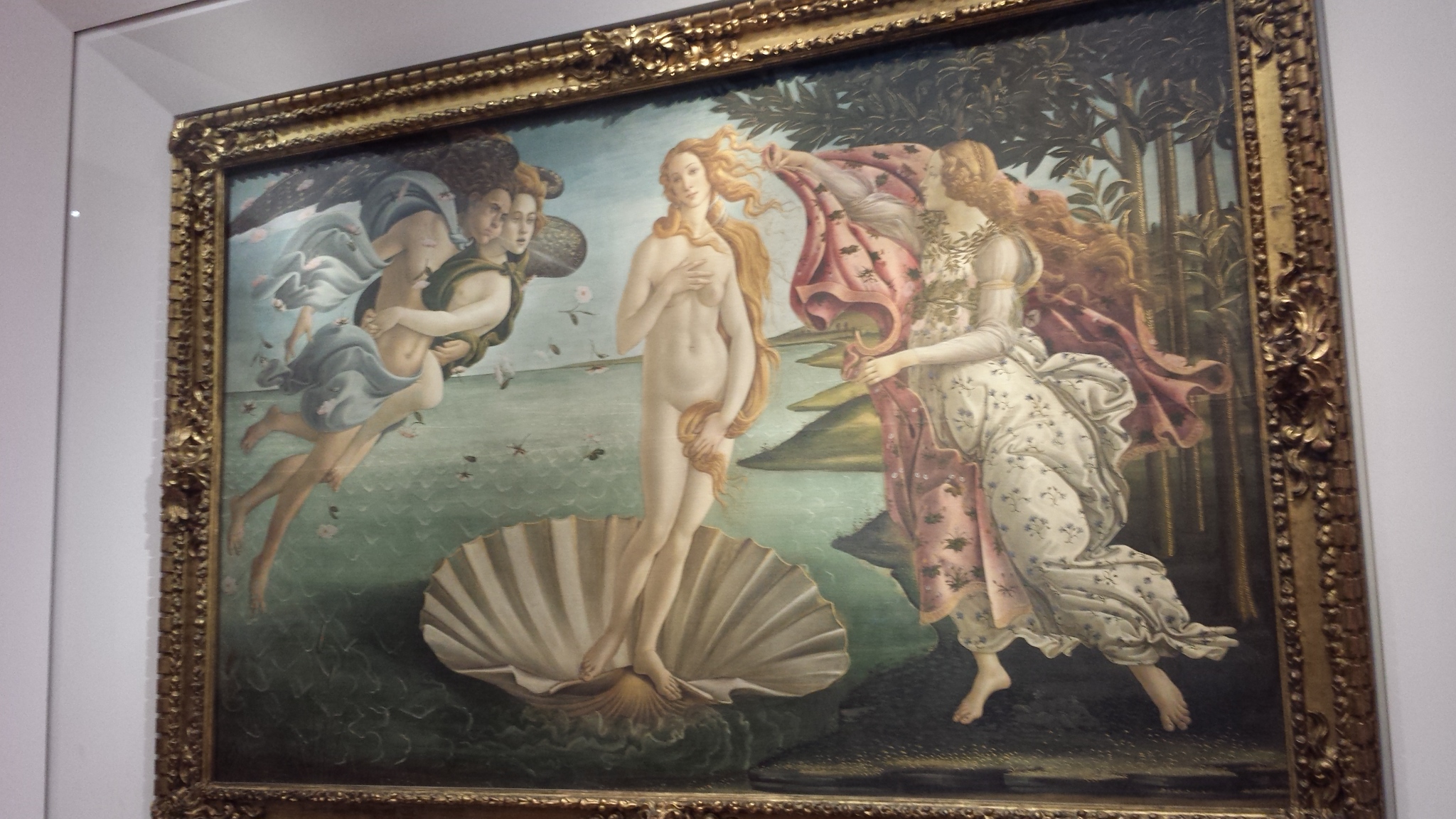
Birth of Venus by Botticelli is among the stars of the Uffizi, though I think most Americans call it “Venus on the half-shell”.

El nacimiento de Venus por Botticelli está entre las estrellas de los Uffizi, aunque pienso que la mayoría de los americanos lo llaman “Venus en la media cáscara”.

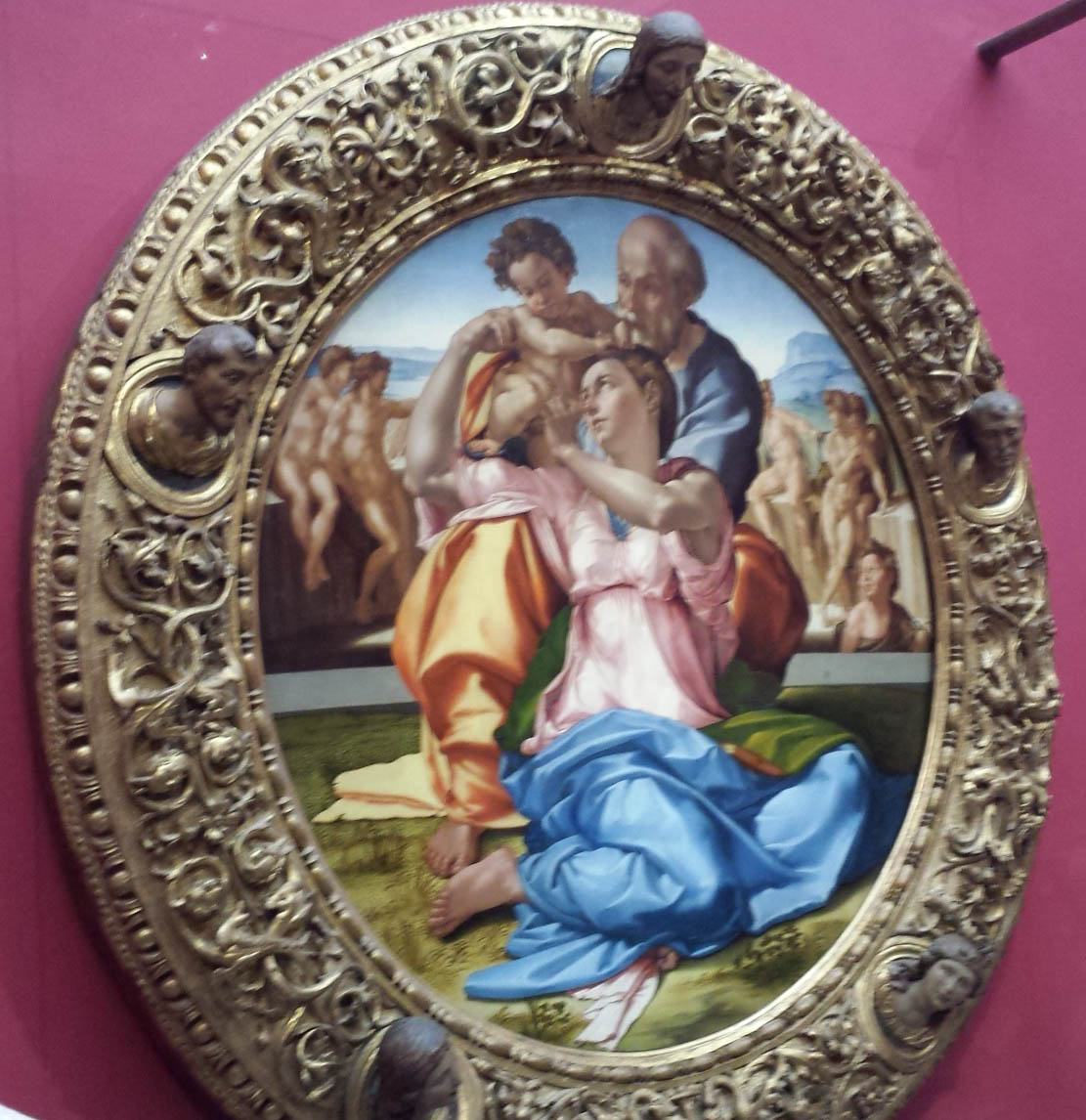
There are many sculptures that are copies of older works, since ancient Greek sculpture was the underlying model. There are portrait busts of prominent Florentines, especially the Medici and their contemporaries who assembled and showed off their art collections. There are hundreds of portraits of businessmen of the day ringing the gallery at ceiling height. These sculptures and paintings fill in and around the highlights like the Doni Tondi by Michelangelo. He even designed the frame for this scene.

Hay muchas esculturas que son copias de obras más antiguas, ya que la escultura griega antigua era el modelo subyacente. Hay bustos de retratos de destacados florentinos, especialmente los Medici y sus contemporáneos que se reunieron y mostraron sus colecciones de arte. Hay cientos de retratos de hombres de negocios del día rodeando la galería a la altura del techo. Estas esculturas y pinturas llenan los corredores alrededor de las obras mas famosas como el Doni Tondi de Miguel Ángel. Incluso diseñó el marco para esta escena.

I made a discovery of my own during our visit. Was Caravaggio a one-trick pony? Here’s Medusa on the head of a shield and the head of Isaac’s son from “Sacrifice of Isaac.” It looks like he used the same head for both. (I may not be the first person to notice that Renaissance painters reused forms from one painting to the next.)

Hice un descubrimiento de mi propia durante nuestra visita. ¿Era Caravaggio un pony de un solo truco? Aquí está Medusa en la cabeza de un escudo y la cabeza del hijo de Isaac de “Sacrificio de Isaac”. Parece que usó la misma cabeza para ambos. (No puedo ser la primera persona en notar que los pintores renacentistas reutilizaron formas de una pintura a la siguiente).

I haven’t included Raphael, Titian or some of the other wonderful paintings in the Uffizi Gallery. Go and look when you have a chance and I think you will agree it is worth its place in the top ten things to see in Florence. My next post is on the problem created by “top ten” lists.

No he incluido Raphael, Tiziano o algunas de las otras maravillosas pinturas de la Galería de los Uffizi. Ve y mira cuando tienes una oportunidad y creo que estarás de acuerdo en que vale la pena su lugar en las diez mejores cosas para ver en Florencia. Mi siguiente post es sobre el problema creado por “top ten” listas.


The High Noon Birdwatching Society

Italy is not known for birdwatching, yet we’ve had a couple of excellent experiences lately.  After visiting the archaeology museum in Chiusi, we had our picnic beside Lake Chiusi where we found a flock of Great Crested Grebes in their summer mating colors. We did not see any of the mating ritual they are known for but their colorful heads made them easy to identify.

Italia no es conocida por la observación de aves, sin embargo, hemos tenido excelentes experiencias últimamente. Después de visitar el museo de arqueología en Chiusi, tuvimos nuestra picinic al lado del lago Chiusi donde encontramos una bandada de Grebes con cresta en sus colores de apareamiento de verano. No vimos ninguno de los rituales de apareamiento que son conocidos, pero sus cabezas de colores hizo fácil de identificar.

In the same spot were two herons, one gray heron and one purple heron. We may not have seen the purple one before, with his  striped neck. (Thanks to the internet for all the bird photos in this post.)

En el mismo lugar estaban dos garzas, una garza gris y una garza púrpura. Podríamos no haber visto antes el morado, con su cuello a rayas. (Gracias a Internet por todas las fotos de aves en este post.)

While visiting the Archaeological Park of Populonia and Baratti with its wonderful Etruscan tombs, we saw a pair of hoopoe who are nesting in a barrel by the cafe this year. We followed this up with a good look at a hoopoe in the parking area. When we got back to our apartment, we realized that the strange almost electronic hooting we heard was, a hoopoe! They seem to be everywhere. If I seem really excited about this, it’s because for years we’ve used the hoopoe as an example of a bird we’d never thought we’d see–and here it is.

Al visitar el Parque Arqueológico de Populonia y Baratti con sus maravillosas tumbas etruscas, vimos un par de abubillas que están anidando en un barril por el café este año. Seguimos esto con una buena mirada en una abubilla en la zona de aparcamiento. Cuando regresamos a nuestro apartamento, nos dimos cuenta de que el extraño casi electrónico sonido que escuchamos fue, una abubilla! Ellos parecen estar en todas partes. Si me parece muy entusiasmado con esto, es porque durante años hemos utilizado la abubilla como un ejemplo de un pájaro que nunca habíamos pensado que veríamos – y aquí está.

Once again, our birdwatching is a success.

Nuevamente, nuestros esfuerzos en mirar a pajaros da fruto.

A few days later we went birdwatching to a wonderful place, the Padule di Fucecchio nature reserve. There were different kinds of herons, egrets, ducks, merganser, coot, stilt and lots of gulls. We spoke to a very helpful person at the visitor center who said there are also three stork nests this year and spoonbills. Since it’s June, there were baby birds paddling around everywhere.

Padule di Fucecchio nature preserve

Unos días más tarde fuimos a un lugar maravilloso, el Padule di Fucecchio reserva natural. Había diferentes tipos de garzas, egrets, patos, merganser, coot, stilt y un montón de gaviotas. Hablamos con una persona muy amable en el centro de visitantes que dijo que también hay tres nidos de cigüeña este año y spoonbills. Ya que es junio, había pájaros de bebé remando por todas partes.


Some Tuscan Towns and Country

We have driven out from Florence to see more of Tuscany. The traditional landscape of dry yellow fields bordered by tall narrow cypresses is there, but so are rolling forested hills, rocky outcrops bearing hill towns and dry plains bordered by umbrella pines and the sea.

Hemos salido de Florencia para ver más de la Toscana. El paisaje tradicional de campos secos y amarillos bordeados por cipreses altos y estrechos está ahí, pero son colinas cubiertas de bosques, afloramientos rocosos que llevan pueblos de colinas y llanuras secas bordeadas por pinos paraguas y el mar.

Monteriggioni has preserved sections of the medieval city walls, and a tiny town center ringed with cafes and restaurants. Even on a cloudy day it was beautiful, and not as hot as it might have been.


Monteriggioni ha conservado secciones de las murallas de la ciudad medieval, y un pequeño centro de la ciudad rodeado de cafés y restaurantes. Incluso en un día nublado era precioso, y no tan caliente como podría haber sido.


Colle Val di Elsa has a museum of crystal, with a surprising range of objects. Everything is narrow in Colle Val di Elsa.

Colle Val di Elsa tiene un museo de cristal, con una sorprendente gama de objetos. Todo es estrecho en Colle Val di Elsa.

We spent a day in Arezzo, at a huge monthly flea market, looking at streets full of vendors rather than at the countryside over the ramparts. The streets of the town were packed for the weekend. There was gorgeous jewelry, furniture, lots of Murano glass chandeliers, and even antique wood lasts for making shoes. Jonathan found a brass door handle for the Peru house.

Pasamos un día en Arezzo, en un enorme mercado de pulgas mensual, mirando las calles llenas de vendedores más que en el campo sobre las murallas. Las calles de la ciudad estaban llenas para el fin de semana. Había joyas, muebles, montones de lámparas de cristal de Murano, e incluso madera antigua dura para hacer zapatos. Jonathan encontró un tirador de latón para la casa de Perú.

We also spent a day at the beach in Viareggio, and another chasing the Etruscans through Colle Val d’Elsa, Chiusi and Populonia (that will be another post), while getting a peek at the yachts moored in the Gulf of Baratti.

También pasamos un día en la playa en Viareggio, y otro persiguiendo a los etruscos a través de Colle Val d’Elsa, Chiusi y Populonia (que será otro puesto), mientras que echar un vistazo a los yates atracados en el Golfo de Baratti.

A First Dip into Florence

We are visiting Florence sparingly to avoid total burnout from the combustion of cultural experiences under the force of heat and pressure from crowds. The first rule of visiting cities: Never Take the Car, is easy here. There is excellent tram service from Scandicci into the city center. There is parking in a nearby shopping center and the possibility of picking up whatever is on the shopping list on the way home. Tram tickets are €1.20 each way and the vending machines work, and though they do not accept credit cards, they make change.

Estamos visitando Florencia con moderación para evitar el agotamiento total de la combustión de las experiencias culturales bajo la fuerza del calor y la presión de las multitudes. La primera regla de visitar las ciudades: Nunca tomar el coche, es fácil aquí. Hay un excelente servicio de tranvía desde Scandicci hasta el centro de la ciudad. Hay un aparcamiento en un centro comercial cercano y la posibilidad de recoger lo que está en la lista de compras en el camino a casa. Los billetes de tranvía son € 1,20 cada trayecto y las máquinas expendedoras funcionan, y aunque no aceptan tarjetas de crédito, hacen cambios.

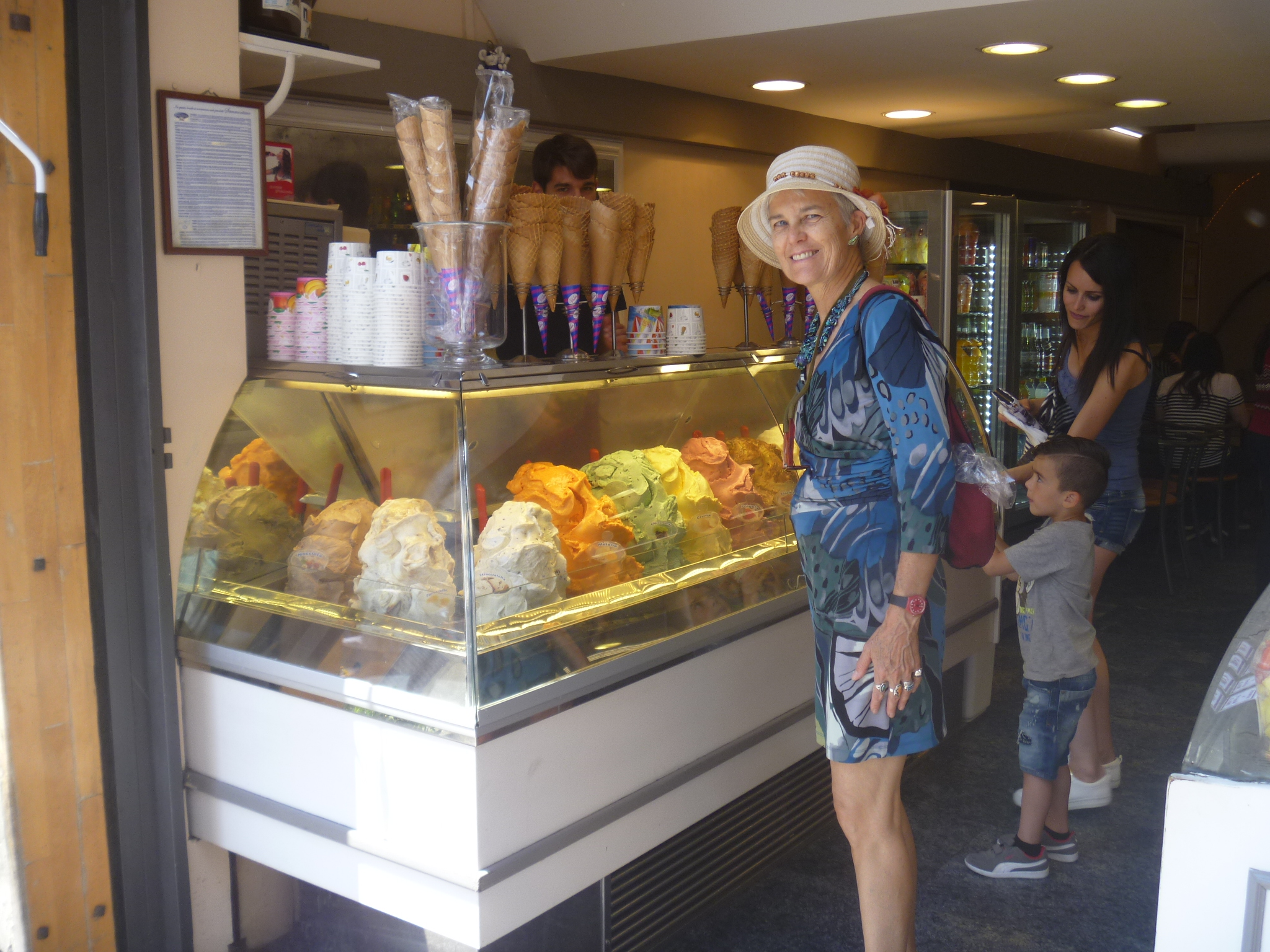
No surprise that our first visit was to the Central Market and the Mercatale di Firenze, a market of specialty food producers held on the first Sunday of the month in the Piazza della Repubblica. We each found things to ogle–Jonathan meat and fruit, while gelato was the view I liked best. He’s already made pizza and I’m looking forward to the next one.

No es de extrañar que nuestra primera visita fue al Mercado Central y el Mercatale di Firenze, un mercado de productores de alimentos de especialidad celebrada el primer domingo del mes en la Piazza della Repubblica. Cada uno de nosotros encontramos cosas para ogle – Jonathan carne y fruta, mientras helado era la vista que me gustó más. Él ya ha hecho pizza y estoy esperando la siguiente.

Italian Pizza Dough

We followed this visit with a look at the Piazza della Signoria and the loggia full of sculpture, including the copy of Michelangelo’s David where it used to stand (the original is in the Accademia). David is the simplest of the sculptures there, as you can see.

Seguimos esta visita con una mirada a la Piazza della Signoria y la logia llena de escultura, incluyendo la copia del David de Miguel Ángel donde solía estar (el original está ahora en la Accademia). David es la más simple de las esculturas allí, como se puede ver.

This slideshow requires JavaScript.

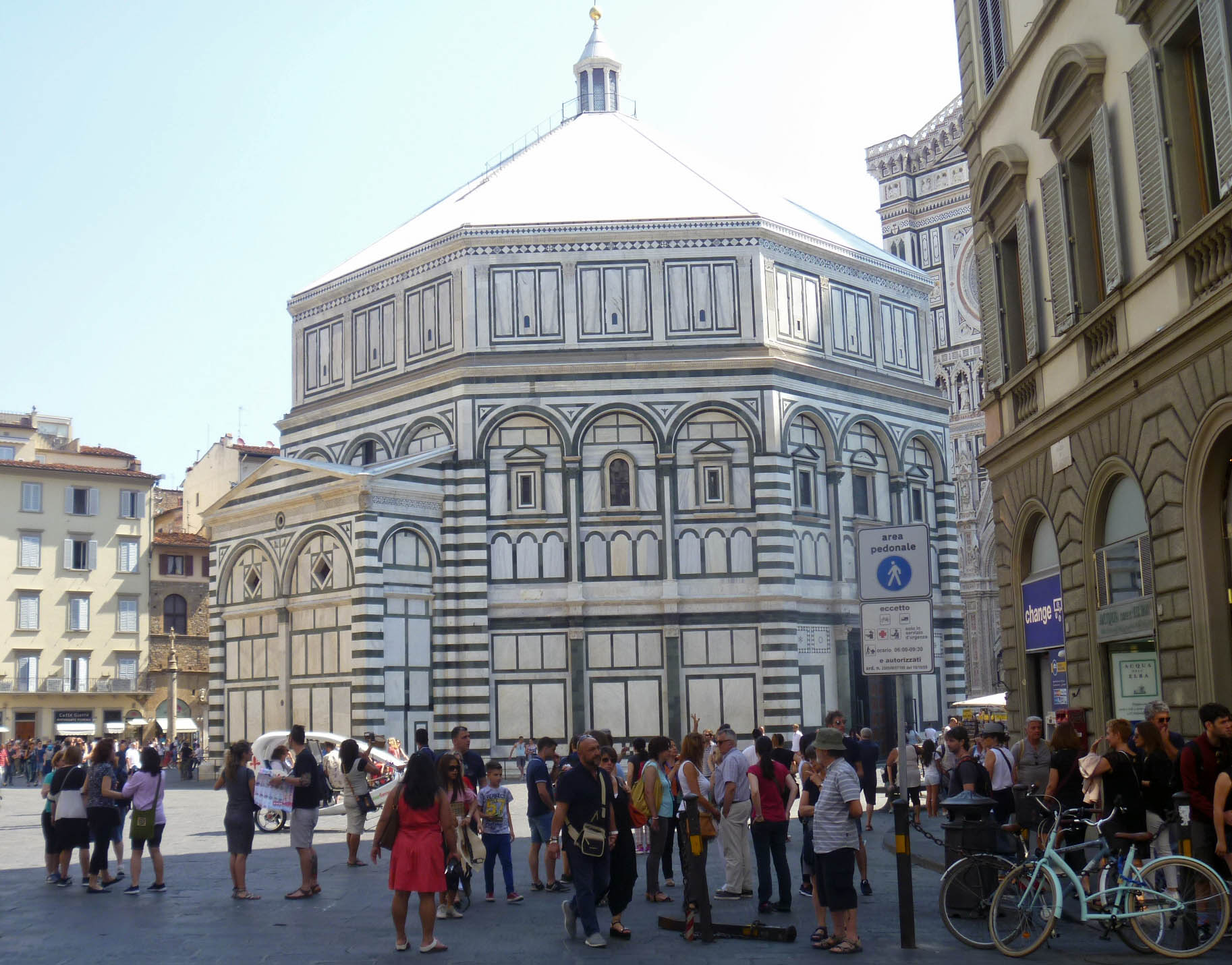
We walked back to the tram via the Baptistry and Duomo. The multicolored marble facades on Tuscan churches are unlike anything I’ve ever seen. Up close, the dark marble is green, not gray.

Caminamos de regreso al tranvía a través del Baptisterio y Duomo. Las fachadas de mármol multicolor en las iglesias toscanas son diferentes a todo lo que he visto. De cerca, el mármol oscuro es verde, no gris.

We have covered a lot of ground in this first week, not including our trip to the Boboli Gardens, our out of town travels including searching for the Etruscans. We’re keeping busy.

En una sola semana hemos traversado mucho terreno, no incluyendo nuestro viaje a los jardines de Boboli, nuestros viajes fuera de la ciudad incluso nuestra busqueda a los etruscos. Estamos ocupados.

Visiting the Etruscans

This looks Assyrian. Did the Etruscans inspire the Assyrians or vice versa?

The  people who lived between Rome and Florence from about 800- 200 BC were the Etruscans. Eventually these people were absorbed into the Roman population of Italy but they had a huge influence that is not well known because of the way Etruscan religion and culture merged into that of Rome. Best known from artifacts looted from elaborate tombs by professional looters, the “tombaroli”. There are lots of Etruscan artifacts but not many sites where people lived. On our travels around Tuscany, we have looked at Etruscan artifacts in museums and saw some surviving Etruscan tombs, as well.

La gente que vivió entre Roma y Florencia desde 800 a 200 aC fueron los etruscos. Con el tiempo estas personas fueron absorbidas por la población romana de Italia, pero tuvieron una enorme influencia que no es bien conocida debido a la forma en que la religión y la cultura etruscas se fusionaron con la de Roma. Más conocido de los artefactos saqueados de tumbas elaboradas por saqueadores profesionales, los “tombaroli”, hay muchos artefactos etruscos, pero no muchos lugares donde vivían las personas. En nuestros viajes por la Toscana, hemos mirado artefactos etruscos en museos y vimos algunas tumbas etruscas sobrevivientes, también.

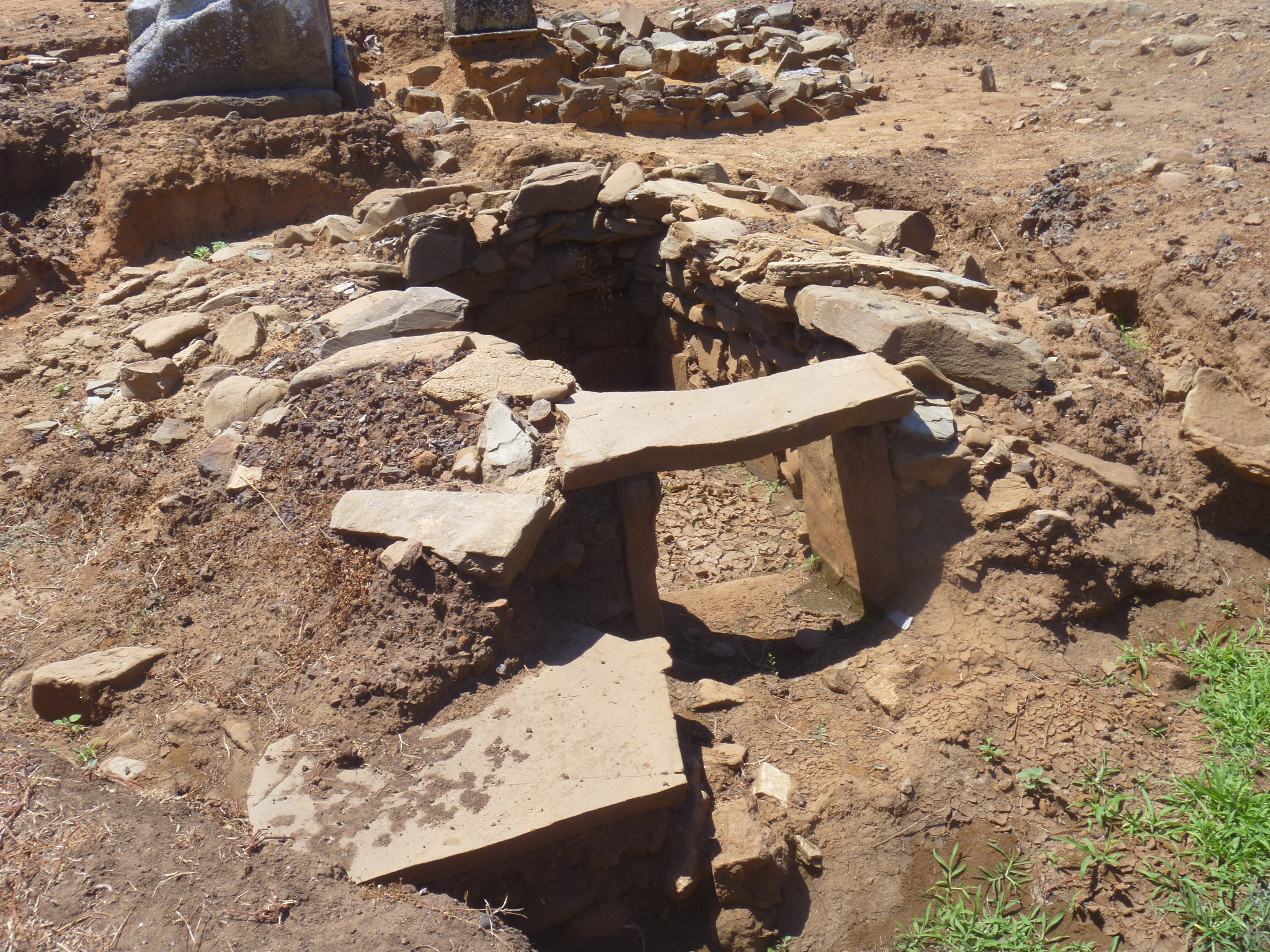
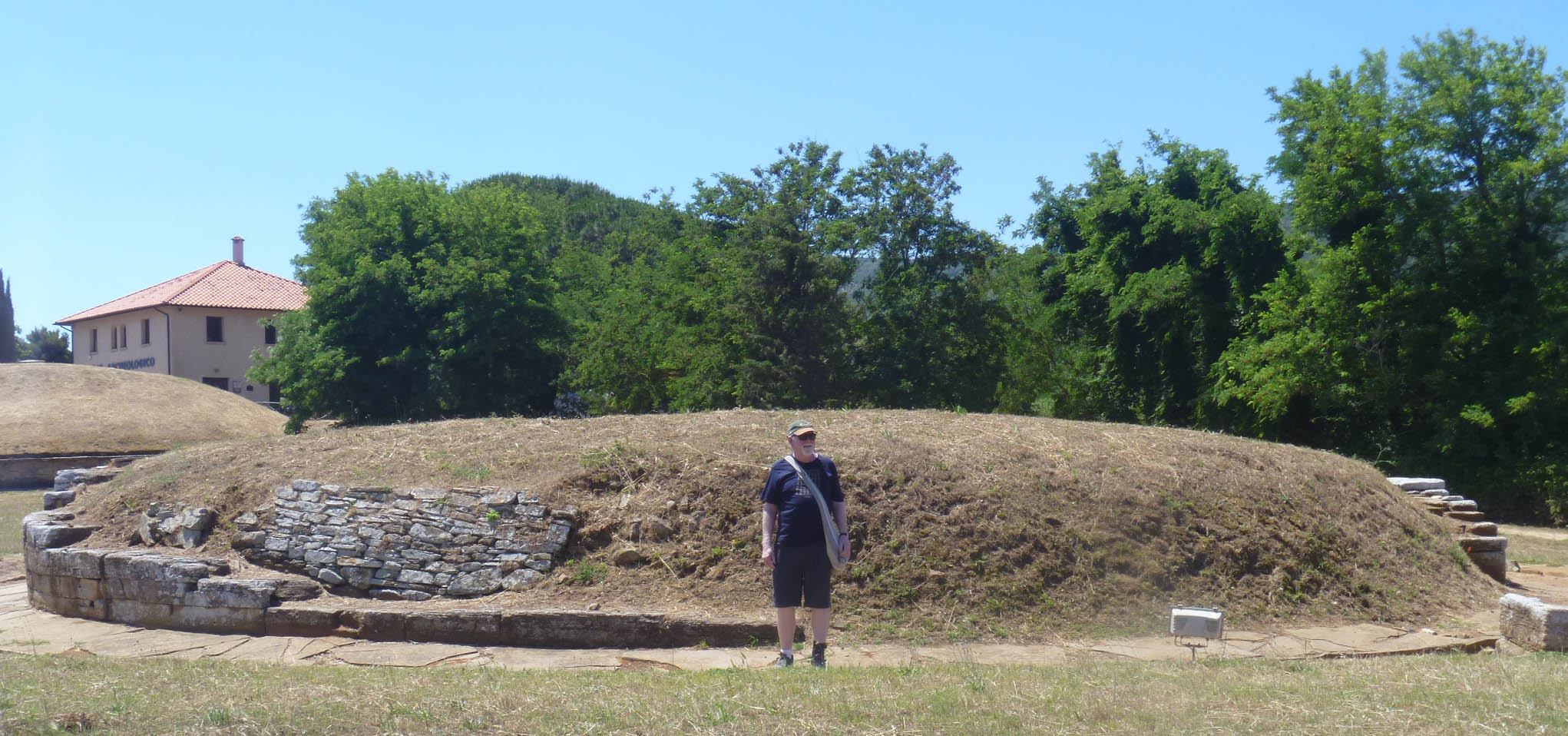
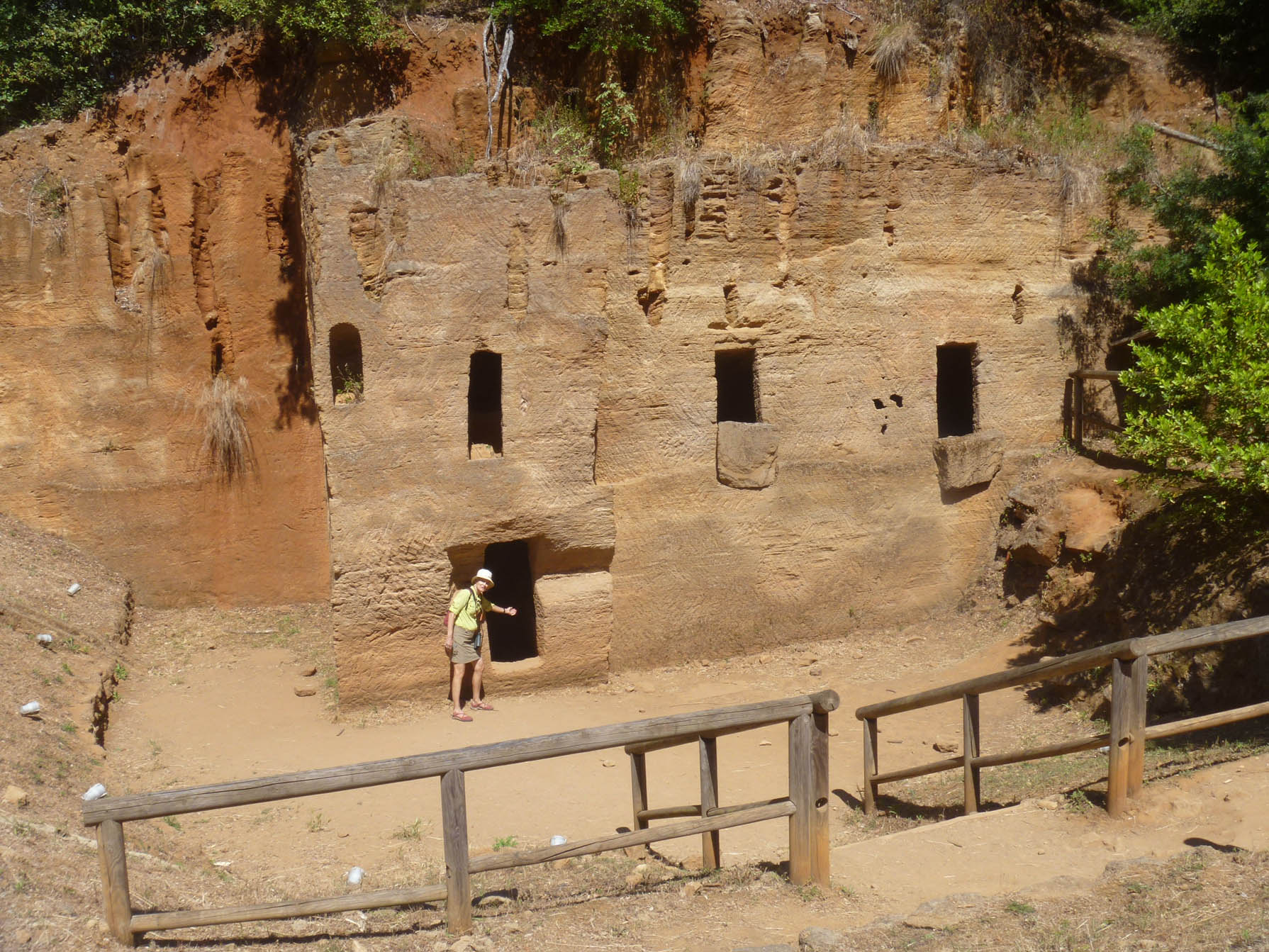
This is the remains of an Etruscan tomb. Many tombs were looted during Etruscan times for the gold objects that were placed with the dead.

Estos son los restos de una tumba etrusca. Muchas tumbas fueron saqueadas durante los tiempos etruscos para los objetos de oro que fueron colocados con los muertos.

An Etruscan tomb at Populonia.

Why look for the Etruscans? Because they  influenced everyone who came after them. The Etruscans developed cities, elaborate religion and long distance trade before 500 BC. Greek and Roman civilization borrowed from them. Etruscans traded with the Greeks, Egyptians and Middle Eastern groups and included some of those objects in tombs. That means we can see some of their connections in the things they left behind. There are many museums in Italy with Etruscan materials. We visited collections in Rome (but not the Vatican, as their Etruscan collection was not open on either of our two visits), Florence, and Chiusi. We visited tombs in Chiusi and Populonia. This is only a start, but we saw some impressive things.

¿Por qué buscar a los etruscos? Porque influenciaron a todos los que vinieron después de ellos. Los etruscos desarrollaron ciudades, elaboraron la religión y el comercio de larga distancia antes del año 500 aC. La civilización griega y romana tomó prestada de ellos. Los etruscos comerciaban con los griegos, los egipcios y los grupos del Medio Oriente e incluían algunos de esos objetos en tumbas. Eso significa que podemos ver algunas de sus conexiones en las cosas que dejaron atrás. Hay muchos museos en Italia con materiales etruscos. Visitamos colecciones en Roma (pero no el Vaticano, ya que su colección etrusca no estaba abierto en cualquiera de nuestras dos visitas), Florencia, y Chiusi. Visitamos tumbas en Chiusi y Populonia. Esto es sólo un comienzo, pero vimos algunas cosas impresionantes.

The Etruscan collection at the Museo Archaeologico Nazionale di Firenze had a scattering of visitors on a Saturday morning, nothing like the crowds at the Duomo.

La colección etrusca en el Museo Archeologico Nazionale di Firenze tuvo una dispersión de visitantes en un sábado por la mañana, nada como las multitudes en el Duomo.

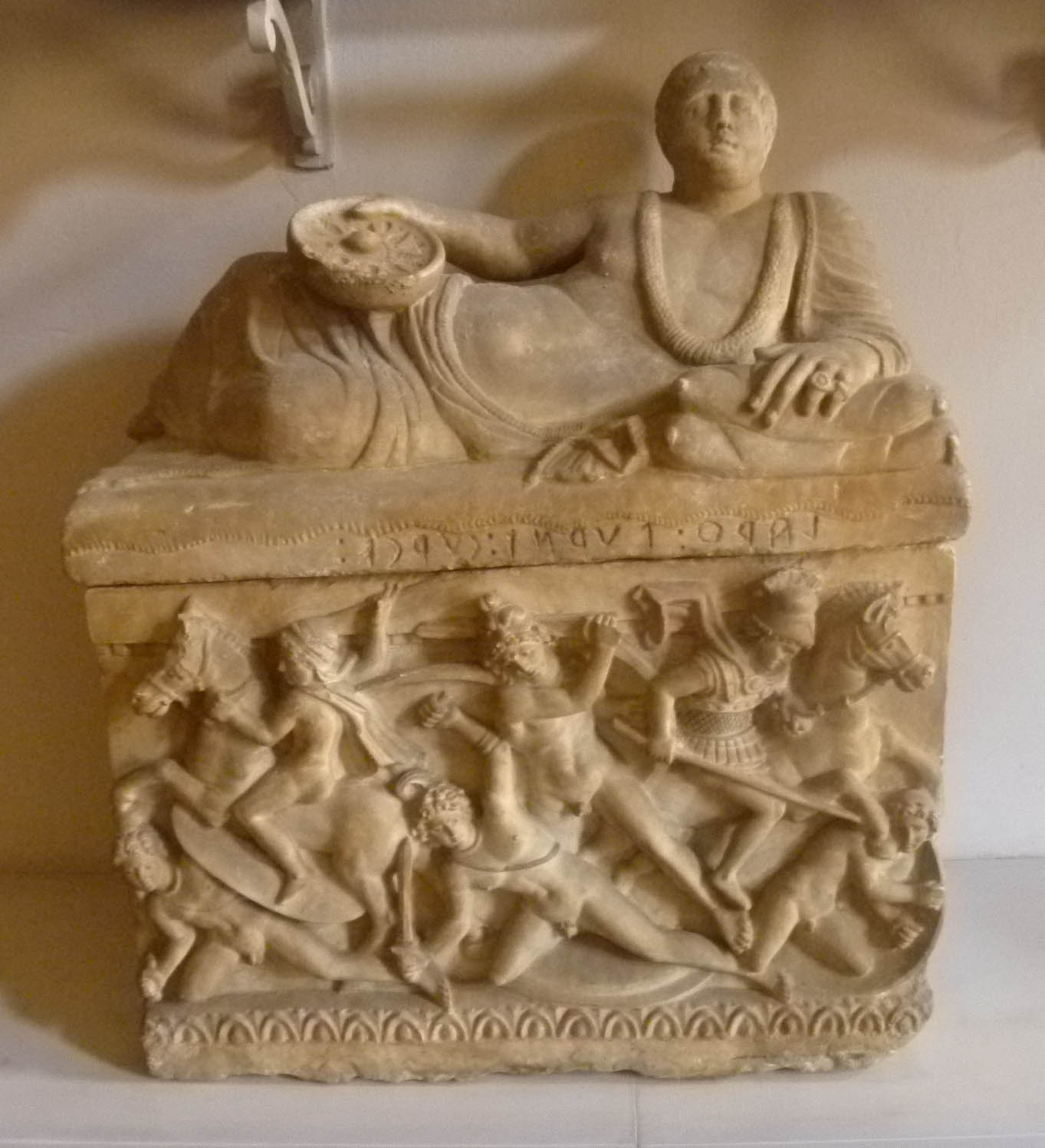
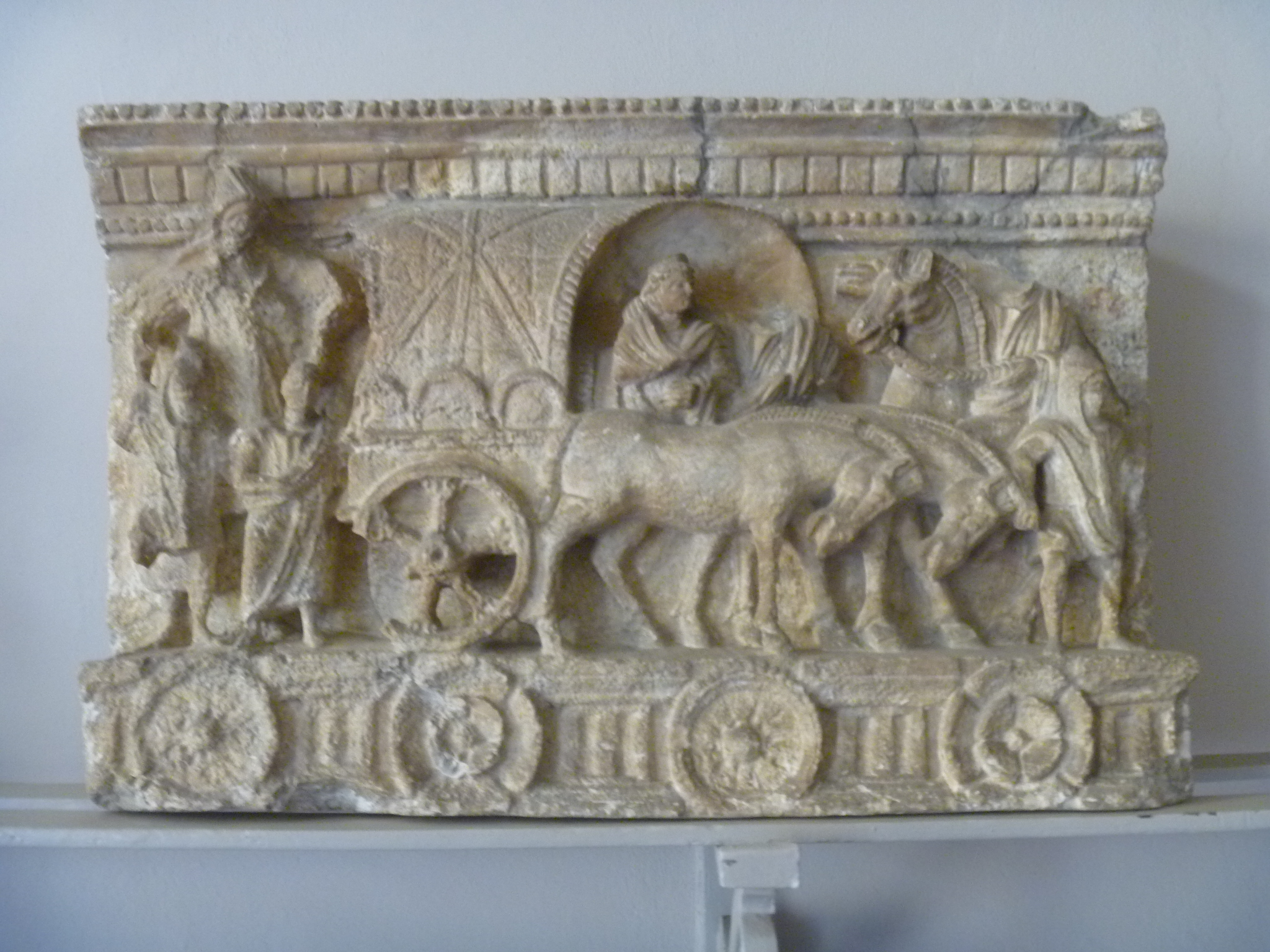
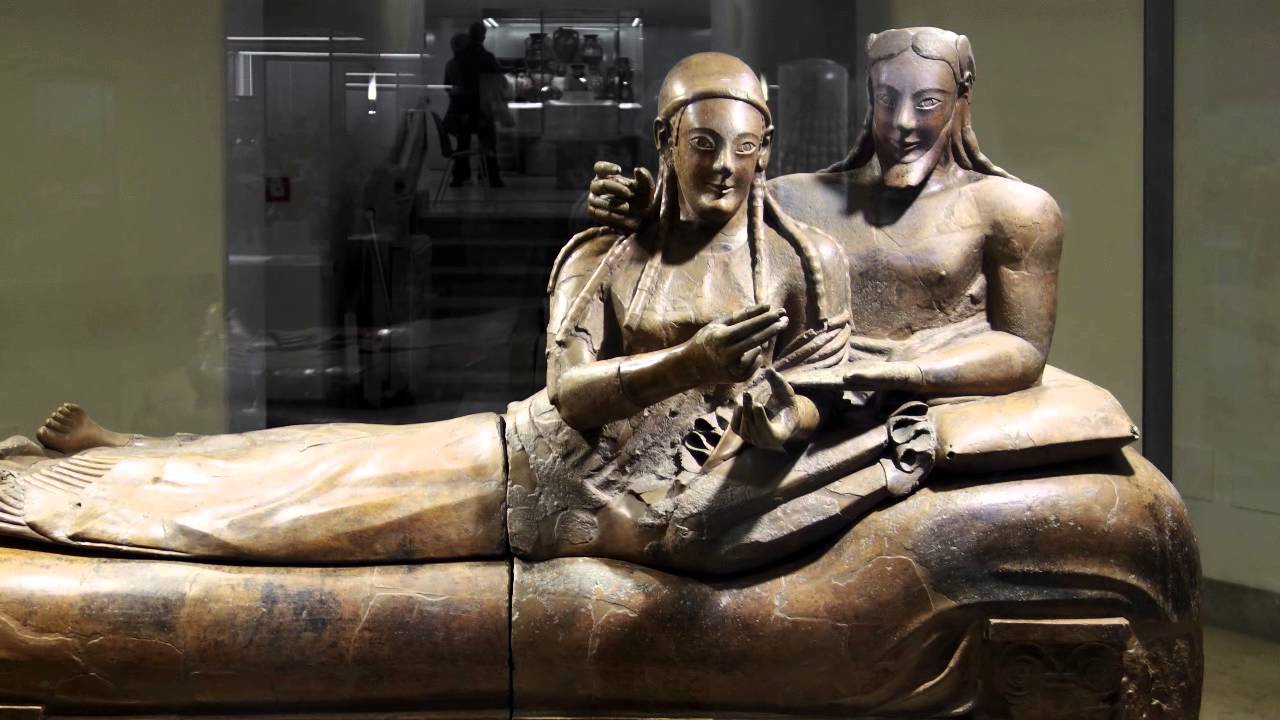
There were sarcophagi like this one. He looks very calm considering that a battle is raging on the lower half of his sarcophagus. Often the upper and lower sections were carved by different sculptors. The quality of the carving is remarkable, as in the scene below of a man driving a covered wagon.

Había sarcófagos como éste. Se ve muy tranquilo considerando que una batalla está rabiando en la mitad inferior de su sarcófago. A menudo, las secciones superior e inferior fueron talladas por escultores diferentes. La calidad de la talla es notable, como en la escena abajo de un hombre que conduce un carro cubierto.

Some remains were placed in urns like the one below with a bronze body and a clay head.

Algunos restos fueron colocados en urnas como la de abajo con un cuerpo de bronce y una cabeza de arcilla.


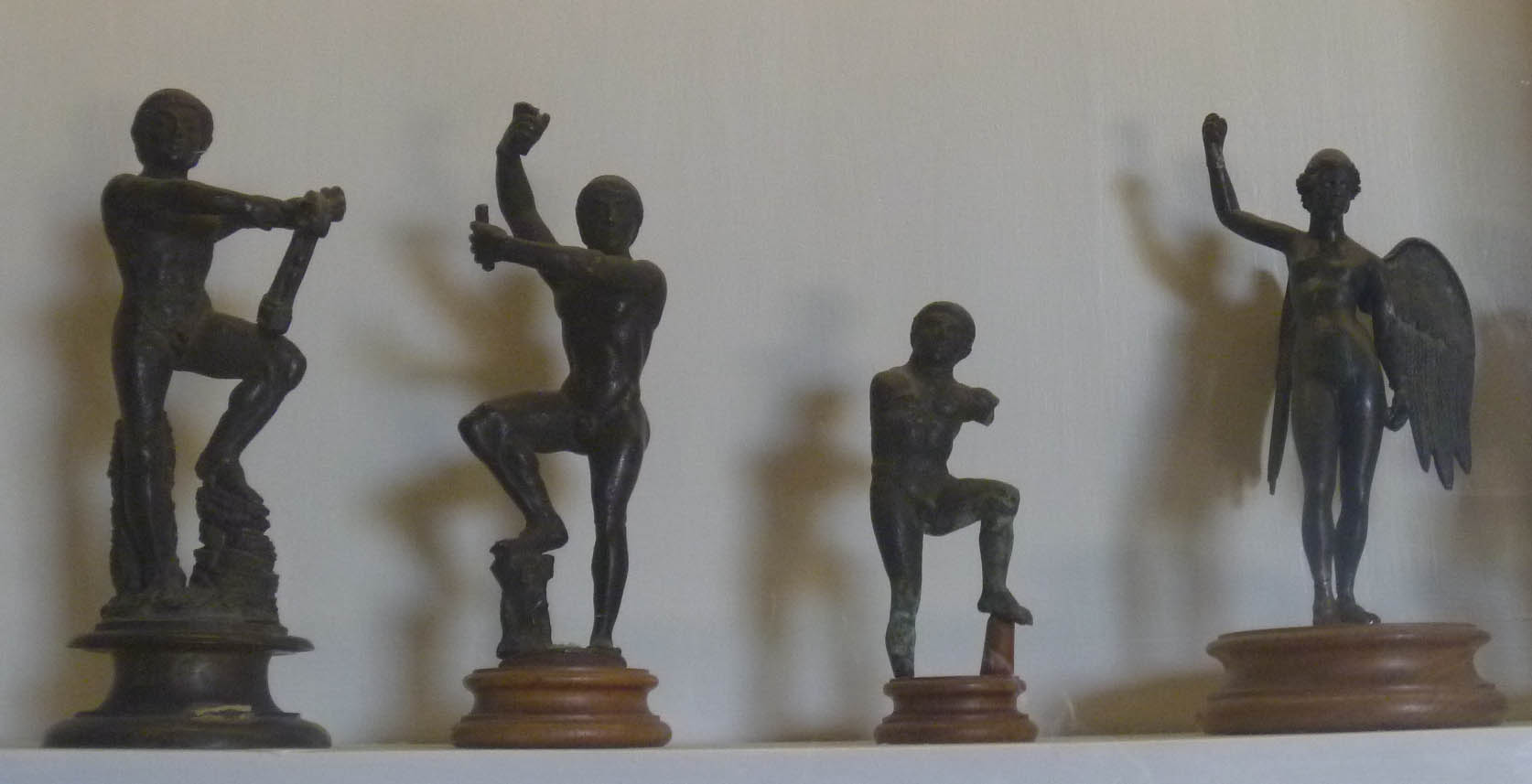
The Etruscans made a wide variety of bronze figurines ranging from fingertip to near life size. Those above have wonderfully animated poses. In addition to human figures there are lots of animals.

Los etruscos hicieron una gran variedad de figuras. Los anteriores tienen poses animadas. Además de las figuras humanas hay un montón de animales y las figuras van desde el tamaño de la punta de los dedos hasta el tamaño de la vida casi.

On the left is a whimsical ceramic lid for a jar that probably was a funerary urn and contained the cremated remains of an individual. It appears to be two men riding horses with each man holding a hand to his head. They look like claymation figures that are about to tell a joke about the hands on their heads.

A la izquierda hay una caprichosa tapa de cerámica para un tarro que probablemente era una urna funeraria y contenía los restos cremados de un individuo. Parece que hay dos hombres cabalgando caballos con cada hombre sosteniendo una mano en su cabeza. Parecen figuras de arcilla que están a punto de contar una broma sobre las manos sobre sus cabezas.

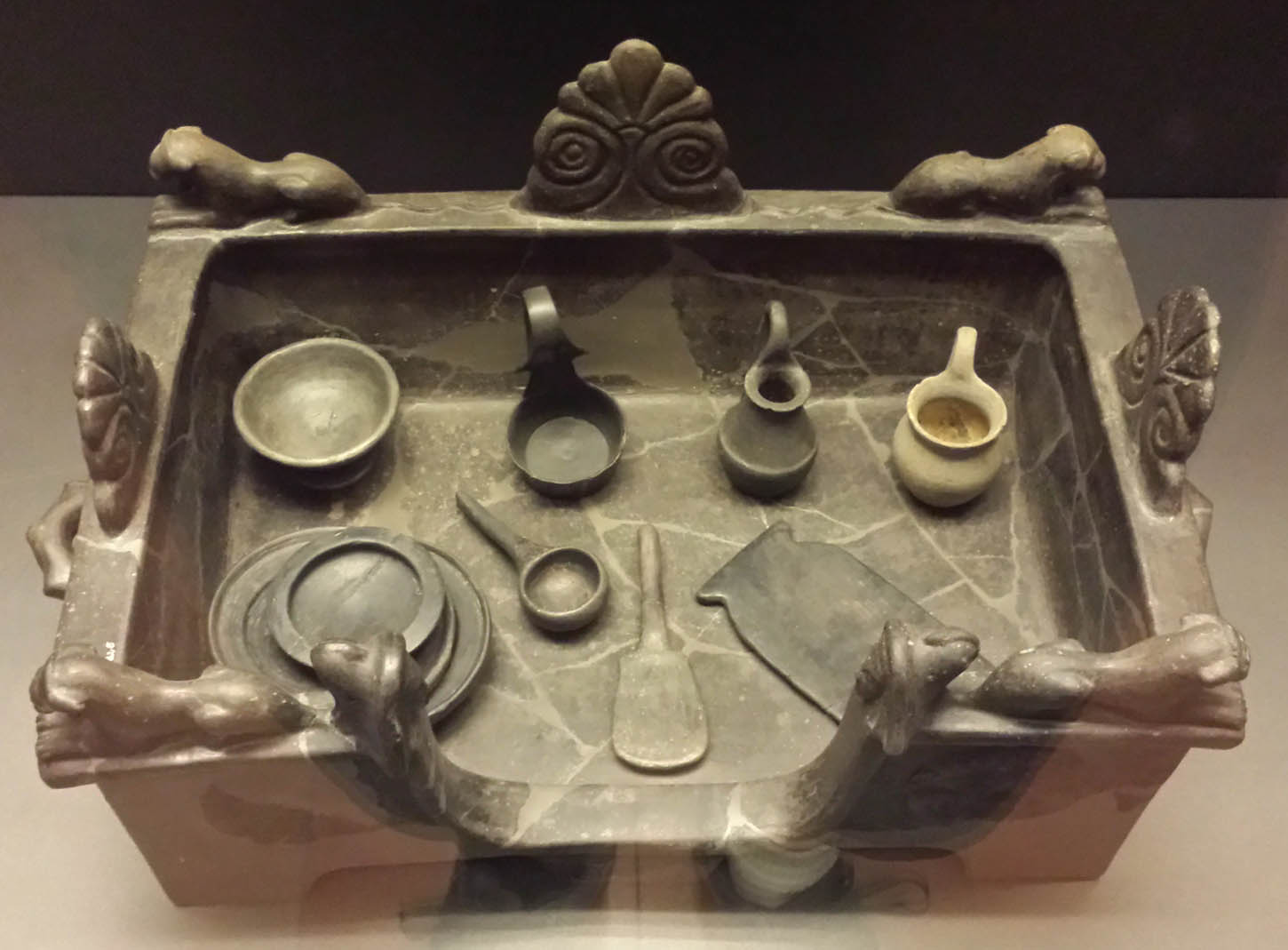
I also liked this model of a house with a range of kitchen equipment displayed inside.

También me gustó este modelo de una casa con una gama de equipos de cocina que se muestra en el interior.

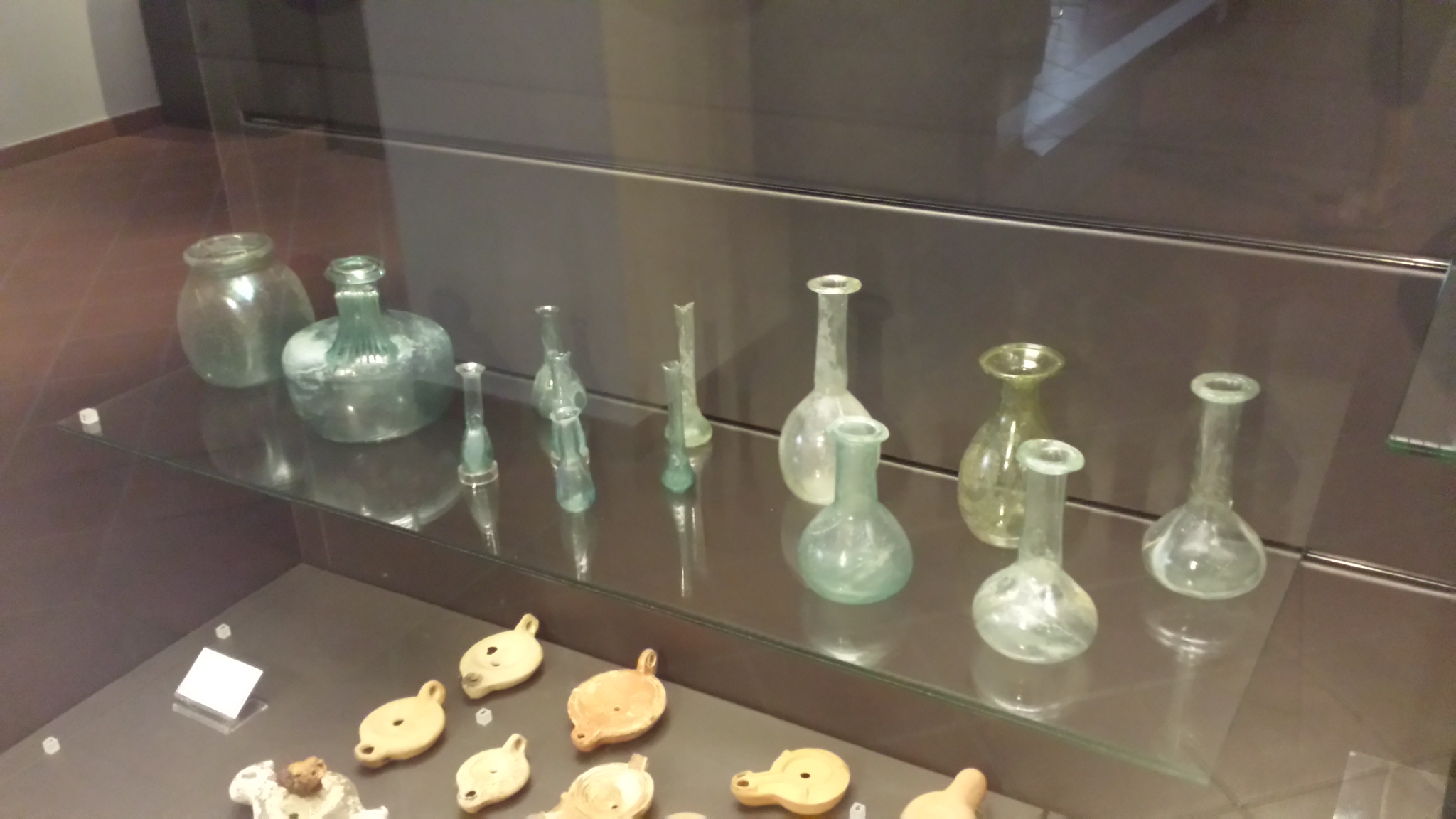
I tend to think of the Romans as the first to use glass containers, yet here are a number of glass vessels from Etruscan sites dating between the 7th and 3rd c. BC.

Tiendo a pensar en los romanos como los primeros en utilizar recipientes de vidrio, sin embargo, aquí hay una serie de vasos de vidrio de los sitios etruscos que datan entre el 7 º y 3 º ac.

The Etruscans were admirers of Greek vases and imported both red- and black- figured ware like these bowls. In fact, Greek ceramics became so popular that Greek craftsmen moved to the area to make Greek vases for wealthy Etruscans.

Los etruscos eran admiradores de jarrones griegos e importaron los tipos mas conocidos. De hecho, la cerámica griega se hizo tan popular que los artesanos griegos se trasladaron a la zona para hacer jarrones griegos para los ricos etruscos.

Internet photo–Euphronios Krater

Arguably the most famous Greek painted vessel in existence, the Euphronios krater, does not come from Greece, but from Cerveteri, an Etruscan tomb site WNW of Rome. This vessel is estimated to have been made in 515 BC and was in the collection of the Metropolitan Museum of New York until 2008, when it was repatriated to Italy after a great deal of controversy. Is it really Greek, or is it Etruscan? The story of how it got to the Met and back to Italy is fascinating.

The Story of the Euphronios Krater

Podría decirse que el vaso pintado griego más famoso que existe, el Euphronios krater, no viene de Grecia, sino de Cerveteri, una tumba etrusca noroeste de Roma. Se estima que este buque se hizo en el 515 aC. Estuvo en la colección del Museo Metropolitano de Nueva York hasta 2008, cuando fue repatriado a Italia después de una gran controversia. ¿Es realmente griego, o es etrusco?

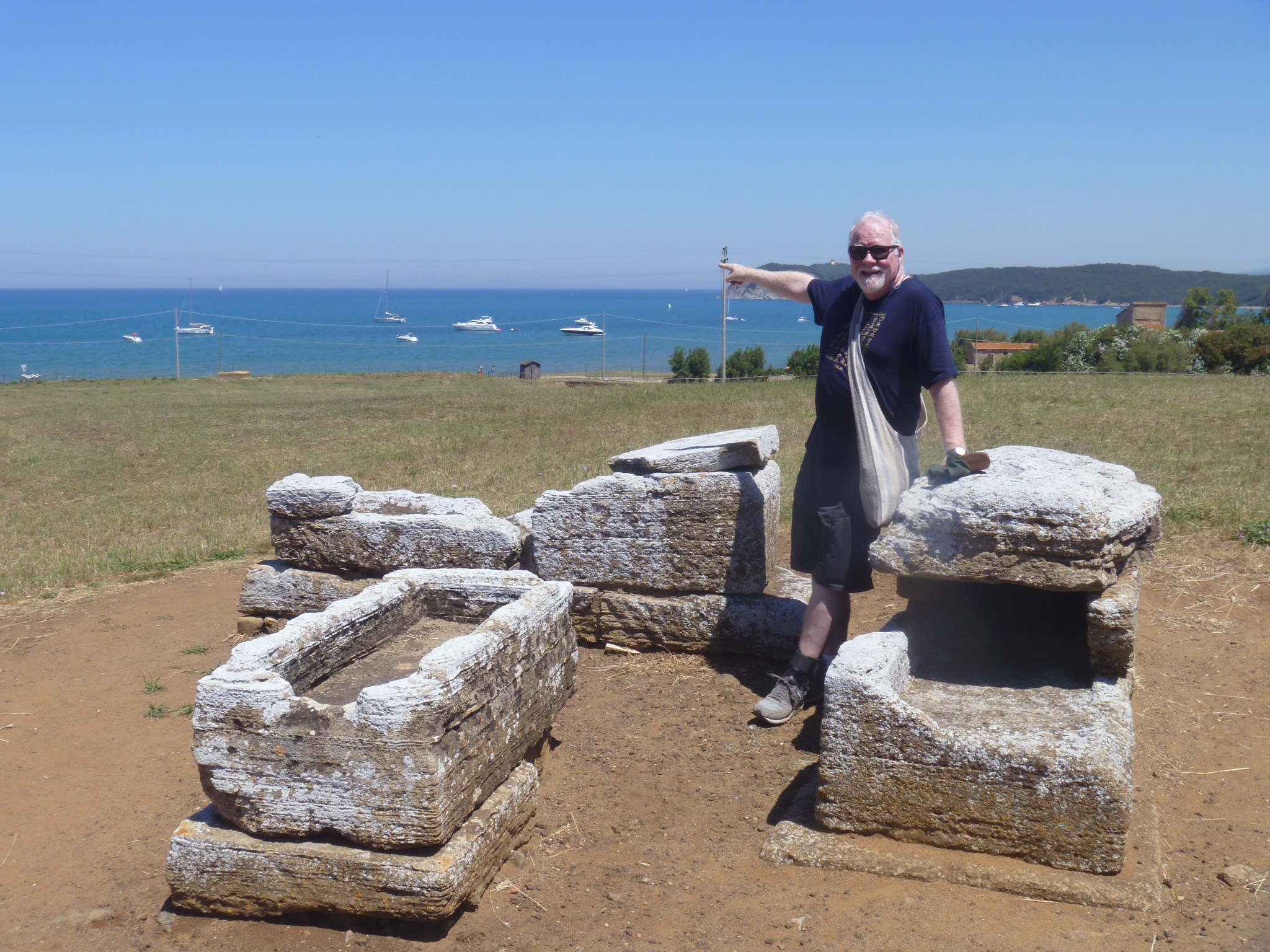
Populonia is interesting because it includes tombs cut into the rock as well as the mounds like the one that appears above. The mounds are the oldest burials, dating to the 7th and 6th centuries BC. Rock cut tombs like this one are later. There are free standing sarcophagi, those these may have been covered originally. Some are shaped like temples.

Populonia es interesante porque incluye tumbas cortadas en la roca así como los montículos como el que aparece arriba. Los montículos son los entierros más antiguos, que datan de los siglos VII y VI aC. Las tumbas rocosas como esta son más tarde. Hay sarcófagos de pie libres, aquellos que pueden haber sido cubiertos originalmente. Algunos tienen forma de templos.

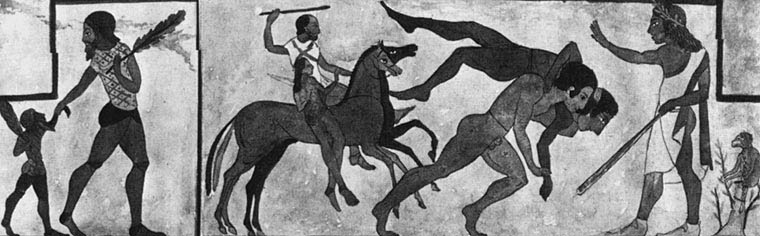
We saw different tombs on our visit to Chiusi. These tombs were created to be underground houses for the dead and consist of three or more rooms laid out in a cross shape. Some were dug very deep into the earth and are accessed by long stairways. A few have the remains of painted walls. We were able to visit the Tomb of the Monkey. It is very humid and cool inside and that preserves the painted surfaces. No photos were allowed, but I found a drawing of the scene. It’s a bit strange that it’s called the Tomb of the Monkey based on a small figure in the lower right corner of the painting, but it was an unusual figure. Barbary macaques can be found in Gibraltar as well as Morocco. Ancient people knew about monkeys from North Africa, and there may have been an occasional pet monkey, so they weren’t unknown.
Vimos diferentes tumbas en nuestra visita a Chiusi. Estas tumbas fueron creadas para ser casas subterráneas para los muertos y constan de tres o más habitaciones dispuestas en forma de cruz. Algunos fueron excavados muy profundamente en la tierra y se accede por largas escaleras. Algunos tienen restos de paredes pintadas. Pudimos visitar la Tumba del Mono. Es muy húmedo y fresco dentro y que conserva las superficies pintadas. No se permitieron fotos, pero encontré un dibujo de la escena. Es un poco extraño que se llame la Tumba del Mono basada en una pequeña figura en la esquina inferior derecha de la pintura, pero era una figura inusual. Los macacos de Barbary se pueden encontrar en Gibraltar así como Marruecos. La gente antigua sabía de los monos del norte de África, y puede haber sido un mono de mascotas de vez en cuando, por lo que no eran desconocidos.

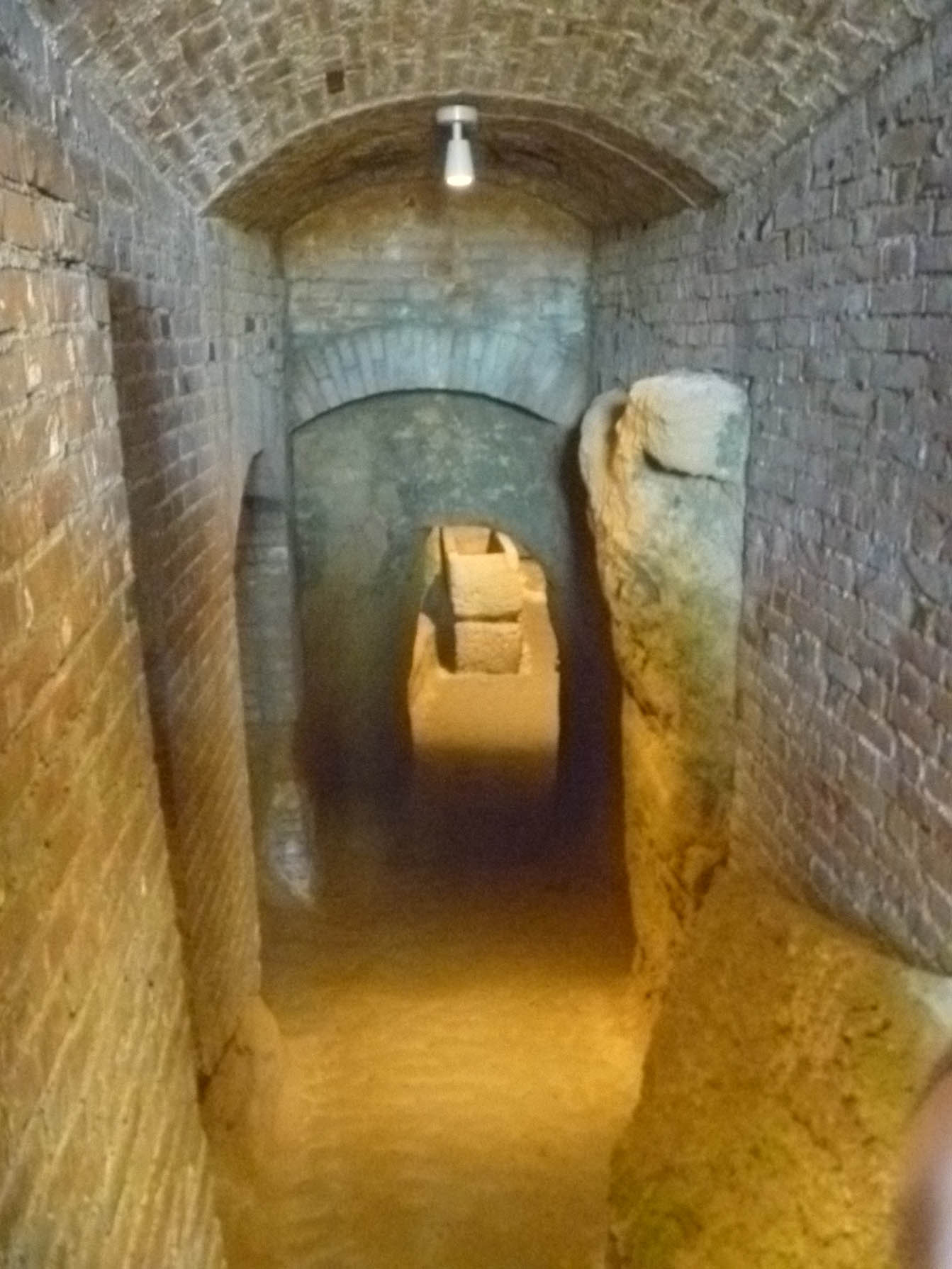
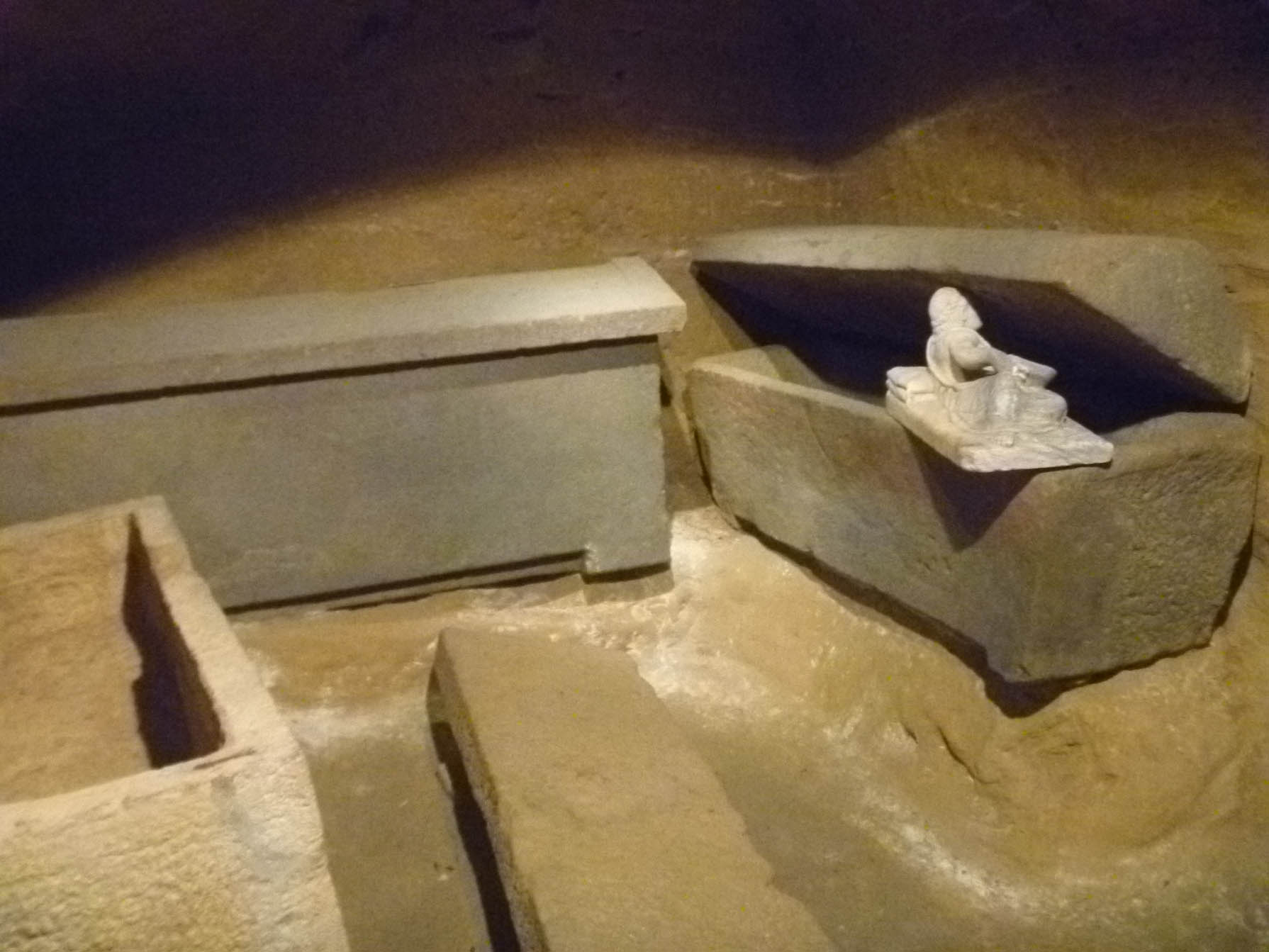
We also visited the Tomb of the Lion, where nothing is left of the painting that gave the tomb its name, though there is some preserved molded ceiling. There is a long shaft into the tomb that either provided ventilation or was the work of a very ambitious tomb robber. It is more than 15 feet deep. The Tomb of the Pilgrim was particularly interesting because much of the contents were left in place. You can see sarcophagi in the niches excavated for family members, and in the room where the main individual was buried, the lid of a plain stone tomb (pietra fetida) was propped open with the top of another smaller sarcophagus.

También visitamos la Tumba del León, donde no queda nada de la pintura que le dio a la tumba su nombre, aunque hay algún techo moldeado preservado. Hay un largo eje dentro de la tumba que o bien proveyó ventilación o fue el trabajo de un ladrón de tumba muy ambicioso.

Tiene más de 5 m de profundidad. La Tumba del Peregrino fue particularmente interesante porque gran parte del contenido se dejó en su lugar. Se puede ver sarcófagos en los nichos excavados para los miembros de la familia, y en la habitación donde el individuo principal fue enterrado, la tapa de una tumba de piedra llana (pietra fetida) se abrió con la parte superior de otro sarcófago más pequeño.

We enjoyed our visit with the Etruscans very much, but the most remarkable artifact we saw remains the huge sarcophagus carved of porphyry in the National Etruscan Museum in Rome, the Villa Giulia.

Disfrutamos mucho de nuestra visita a los etruscos, pero el artefacto más notable que vimos sigue siendo el enorme sarcófago tallado de pórfido en el Museo Nacional Etrusco de Roma, la Villa Giulia.


Welcome to Scandicci (Florence)

On June 1, we moved into our new apartment, half a house above Scandicci, a suburb of Florence. It is very comfortable, and our hostess, Lucia, is very warm and willing to put up with my stumbling Italian.

El 1 de junio, nos mudamos a nuestro nuevo apartamento, media casa encima de Scandicci, un suburbio de Florencia. Es muy cómodo, y nuestra anfitriona, Lucía, es muy cálido y aguanta mis esfuerzs para hablar italiano.

This slideshow requires JavaScript.

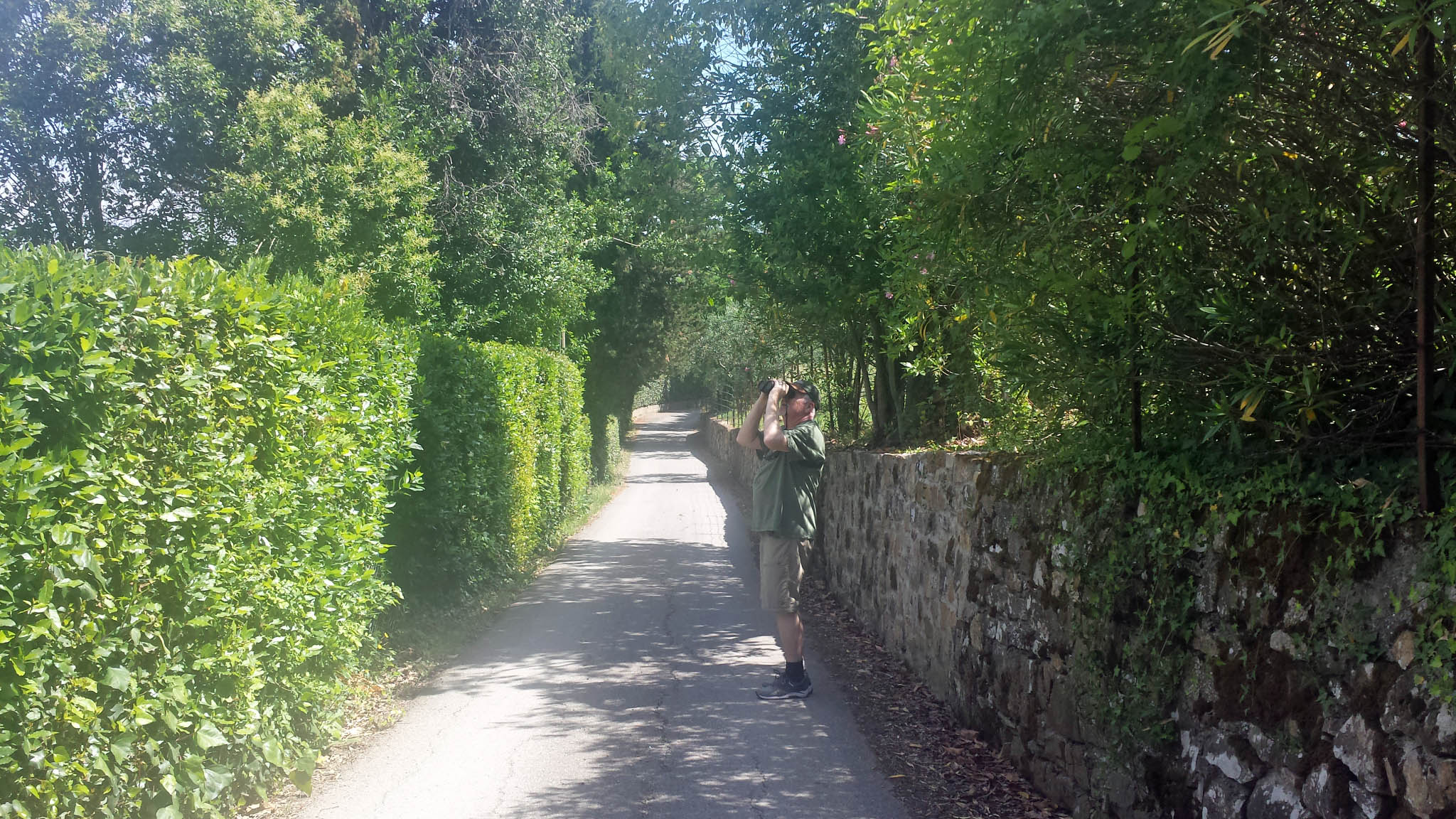
We went for a walk in the neighborhood along the narrow road.

Fuimos a dar un paseo por el barrio a lo largo de la calle estrecha.


Later we watched the sunset.

Más tarde vimos el atardecer.

We like it here.

Nos gusta aqui.

Making Mosaics

There are mosaics in Venice, but I didn’t find any place that was making mosaics. In Ravenna, however, there are several large mosaic studios. We visited one and I enjoyed seeing the range of work that was being done. Some pieces are copies of classical mosaics, or pieces made in classical style.

Hay mosaicos en Venecia, pero no encontré ningún lugar que estaba haciendo mosaicos. En Ravenna, sin embargo, hay varios fabricantes grandes del mosaico. Visitamos uno y disfruté ver la gama de trabajo que estaba haciendo. Algunas piezas son copias de mosaicos clásicos o hecho en estilo clasico.


Lots of other styles are made, too. We watched a woman work on a lamb that was covered with tooth-sized pieces making it’s wooly coat. She seems to have just finished making a wolf for the same set.

Muchos otros estilos se hacen, también. Vimos a una mujer trabajar en un cordero que estaba cubierto con piezas de diente de tamaño haciendo su capa de lana. Parece que acaba de terminar de hacer un lobo para el mismo conjunto.

I liked some of the birds that they’d made.

Me gustaron algunos de los pájaros que habían hecho.

And I enjoyed seeing the materials that were around the studio.

Y disfruté viendo los materiales que estaban alrededor del estudio. 

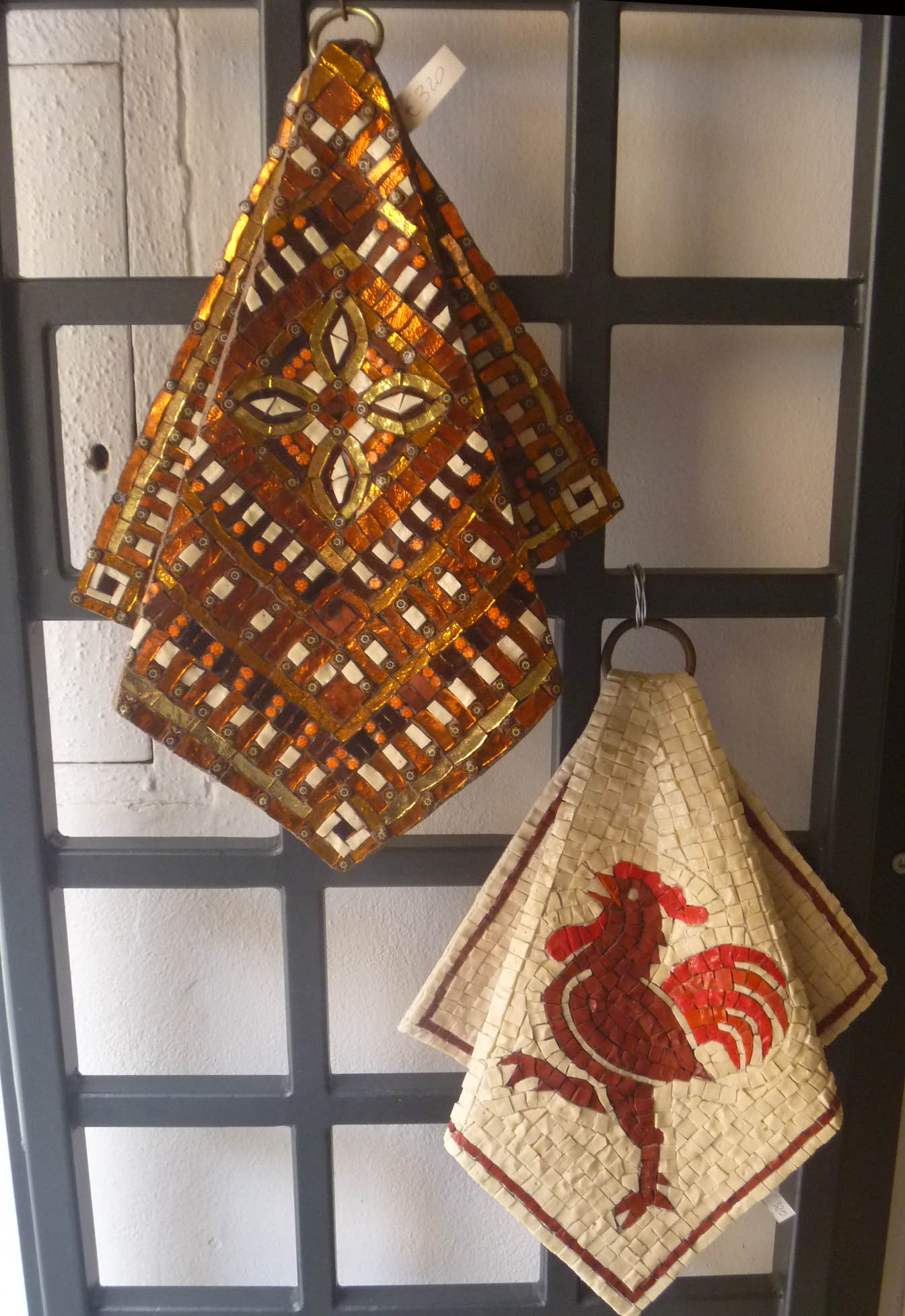
Here’s a clever design I saw in a nearby gift shop. I’d hang one of these in my kitchen.

Aquí está un diseño que vi en una tienda de regalos cercana. Colgaría uno de ellos en mi cocina.

Ravenna, a mosaic jewel

We spent the day between rental apartments in Ravenna. I visited in 1968 with my Italian family when I was a summer exchange student and I never forgot these beautiful works of art and I wanted Jonathan to see them. We had a rapid but satisfying visit to all the main sites. The mosaics are Byzantine style with influence of Greek and Roman mosaic artisans. The buildings stand out because they have survived all this time. Elsewhere such work was knocked down and replaced with the next big thing. All these photos are of mosaics created in the 6th century. They are 1500 years old! Amazing!
Pasamos el día entre apartamentos de alquiler en Ravenna. Visité en 1968 con mi familia italiana cuando era estudiante de intercambio de verano y nunca olvidé estas hermosas obras de arte y quería que Jonathan las viera. Tuvimos una visita rápida pero satisfactoria a todos los sitios principales. Los mosaicos son de estilo bizantino con influencia de los artesanos de mosaico griego y romano. Los edificios se destacan porque han sobrevivido todo este tiempo. En otras partes, ese trabajo fue derribado y reemplazado por el siguiente gran acontecimiento. Todas estas fotos son de mosaicos creados en el siglo VI. ¡Son 1500 años! ¡Asombroso!

There are two baptistries, built by supporters of different sects, but the central image on both is the same, Jesus being baptized by John the Baptist. I like the differences in the water of the Jordan River in each.

Hay dos batisterios, construidos por partidarios de diferentes sectas, pero la imagen central en ambos es la misma, siendo Jesús bautizado por Juan el Bautista. Me gustan las diferencias en el agua del río Jordán en cada uno.

The mausoleum of Galla Placidia, below,  is the earliest of the mosaic monuments in Ravenna, begun in about AD 495. It had very inventive mosaics, as well as alabaster panels over the windows. The light was a lovely color.

El mausoleo de Galla Placidia es el más antiguo de los monumentos mosaicos de Ravena, iniciado hacia el año 495 dC. Poseía mosaicos muy inventivos, así como paneles de alabastro sobre las ventanas. La luz era de un color encantador.

There are also three churches. The basilica of San Vitale, Sant Apollinaire Nuovo and Sant Apollinaire in Classe.

También hay tres iglesias. La basílica de San Vitale, Sant Apollinaire Nuovo y Sant Apollinaire en Classe.

San Vitale is the most unusual church because it is octagonal rather than a long rectangle. The apse is decorated with  mosaics so tightly packed it is difficult to show it all at one time. It is a challenge to decode the messages coming from the past that are embedded in each person, their face, positions, gestures and associated symbols. There are some very good photos of the mosaics in Basilica San Vitale in Wikipedia.

San Vitale es la iglesia más inusual porque es octogonal en lugar de un largo rectángulo. El ábside está decorado con mosaicos tan fuertemente empacados que es difícil mostrarlo todo a la vez. Es un desafío para decodificar los mensajes que vienen del pasado que están incrustados en cada persona, su rostro, posiciones, gestos y símbolos asociados. Hay algunas muy buenas fotos de los mosaicos en la Basílica de San Vitale en Wikipedia.

San Vitale, Ravenna

Also in the town itself is the church of Sant Apollinaire Nuovo. There is a long procession of Martyrs down one side of the church, and Virgins down the other side. These long ranks of figures give the church an air of vastness that is unlike anywhere else.

También en la ciudad misma está la iglesia de Sant Apollinaire Nuovo. Hay una larga procesión de Mártires por un lado de la iglesia, y las Virgenes por el otro lado. Estas largas filas de figuras dan a la iglesia un aire de inmensidad que es diferente a cualquier otro lugar.

The procession of Virgins is led by the Three Kings (R above). They wear pants and soft hats (Phrygian cap) indicate they are from the East.

La procesión de las vírgenes es dirigida por los tres reyes (R arriba). Llevan pantalones y sombreros blandos (gorro frigio) indican que son del este.

Our last stop on the way out of town was Sant Apollinaire in Classe, which was the seaport for Ravenna in AD 500. This church has a vivid mosaic of a pastoral scene.

Nuestra última parada en el camino fuera de la ciudad fue Sant Apollinaire in Classe, que era el puerto marítimo de Ravenna en 500 dC. Esta iglesia tiene un mosaico vívido de una escena pastoral.

The gold tiles shimmer even in low light. Ravenna is a great place to visit, mysterious and faintly unearthly-all those figures in procession. I haven’t begun to tell you about the history of the Byzantine (Eastern Orthodox) church in Ravenna or scratched the surface of the religious symbolism embedded each mosaic scene. Whether you want to immerse yourself in the history of church schisms and who-was-who in church hierarchy during the 500s, or whether you would be content to see wonderful mosaic scenery, it’s all in Ravenna.

Los azulejos de oro brillan incluso en poca luz. Ravenna es un gran lugar para visitar, misterioso y débilmente sobrenatural, con todas esas figuras en procesión. No he empezado a contarles sobre la historia de la iglesia bizantina (Ortodoxa oriental) en Ravena o la simbolismo religioso incrustado en cada escena de mosaico. Ya sea que quiera sumergirse en la historia de los cismas de la iglesia y quién-fue-que en la jerarquía de la iglesia durante los años 500, o si usted se contentaría con maravillosos paisajes de mosaico, todo está en Ravenna.

Dilemma in Venice

Tourists stop in the middle of the bridge

Venice has signs along some of its narrow streets and on its narrow bridges that remind visitors that real people (Italian people, VENETIAN people) live in Venice and have places to go, people to see, things to do. If tourists would kindly keep moving and not stop in the middle of bridges, people who live in Venice will be able to get where they are going.

….Welcome to Venice?….

Oops!

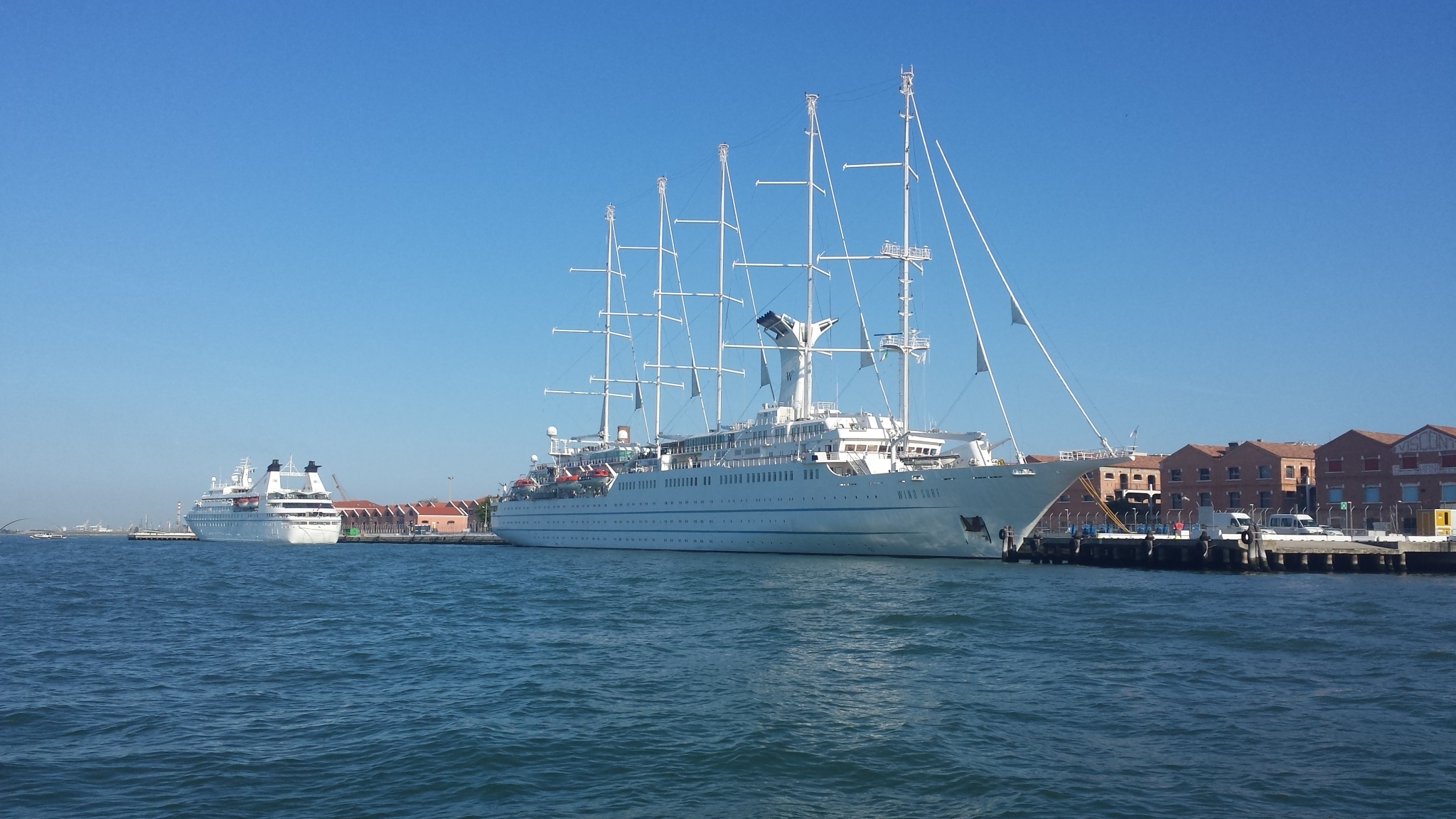
The dilemma is that the city is being loved to death. Without tourism, Venice would be a moldering ruin, rapidly emptying of people, the Detroit of ten years ago. The center of activity would be the decidedly less glamorous port and industrial area on the mainland nearby. With tourism, Venice is a showplace of art and architecture that blends Moorish with Baroque and a bit of everything else. There is barely a slow season even in the dead of winter. Venice fills in March and starts to come apart at the seams from Late April through October, bursting with visitors of all kinds.During our visit in late May, there were three cruise ships docked on most days. Three cruise ships with 6-10 stories above the water. This does not include the river cruise boat, or the vast sailing cruise boat. (I’ve never seen such a large sailboat.) Nor do I include groups of all sizes down to Jonathan and myself, independent travelers. There were many, many people like us.

Venecia tiene señales a lo largo de algunas de sus calles estrechas y en sus estrechos puentes que recuerdan a los visitantes que la gente real (pueblo italiano, pueblo VENECIANO) viven en Venecia y tienen lugares para ir, la gente a ver, cosas que hacer. Si los turistas se animan a seguir en movimiento y no parar en medio de los puentes, la gente que vive en Venecia será capaz de llegar a donde van.

… .Bienvenido a Venecia? ….

El dilema es que la ciudad está siendo amada hasta la muerte. Sin turismo, Venecia sería una ruina en descomposición, vaciando rápidamente a la gente, la Detroit de hace diez años. El centro de actividad sería el decididamente menos glamoroso puerto y zona industrial en el terrafirme cercano. Con el turismo, Venecia es un lugar de arte y arquitectura que combina lo morisco y barroco y un poco de todo lo demás. Hay apenas unas semanas fuera de temporada. Venecia llena en marzo y comienza a deshacerse en las costuras de finales de abril a octubre, repleto de visitantes de todo tipo. Durante nuestra visita a finales de abril, había tres cruceros atracados en el Puerto todos de los días. Tres cruceros con 6-10 pisos sobre el agua. Esto no incluye el barco de la travesía del río, o el barco de crucero grande de la navegación. (Nunca he visto un velero tan grande.) Tampoco incluyo grupos de todos los tamaños hasta Jonathan y yo, viajeros independientes. Había mucha, mucha gente como nosotros.

The hierarchy of disdain for tourists seems to be in direct proportion to how local a person is. If you were born and live in Venice you look down on everyone, if you live in Venice, you look down on everyone except native Venetians, who you want as friends, etc. etc. Beggars don’t care where you are from. There is a level of impatience with customers that is unparalleled in the world. Yes, you’ve just sat down in a restaurant, but if the wait staff is on their cell phone, don’t expect a menu until they are finished. It’s the same in a store. Sales people answer their cell phone in mid-conversation with you. You’re a foreigner–how valuable is your business? (You have no value, no importance. Another foreigner will be along in a moment. You are in the way.)

A gaggle of tourists clog the sidewalk

Venice is a city that may as well have a big sign over the entry points “Welcome to Venice. To minimize the inconvenience of having you here, please deposit your money in this box and then go away.”

La jerarquía del desdén para los turistas parece estar en proporción directa a cómo es local una persona. Si naciste y vives en Venecia miras a todos, si vives en Venecia, miras a todos menos a los venecianos nativos, a los que quieres como amigos, etc., etc. Los mendigos no se importan de dónde eres. Hay un nivel de impaciencia con los clientes que es incomparable en el mundo. Sí, usted acaba de sentarse en un restaurante, pero si el personal está en su teléfono celular, no esperes un menú hasta que hayan terminado. Es lo mismo en una tienda. Las personas de ventas responden a su teléfono celular en medio de la conversación con usted. Eres un extranjero – ¿qué tan valioso es tu negocio? (No tienes valor, no importa, otro extranjero estará en un momento, estás en el camino.)

Bars have very few seats, and besides, a seat costs extra.

Venecia es una ciudad que también puede tener una gran señal sobre los puntos de entrada “Bienvenido a Venecia. Para minimizar el inconveniente de tenerlo aquí, por favor deposite su dinero en esta caja y luego vaya.”

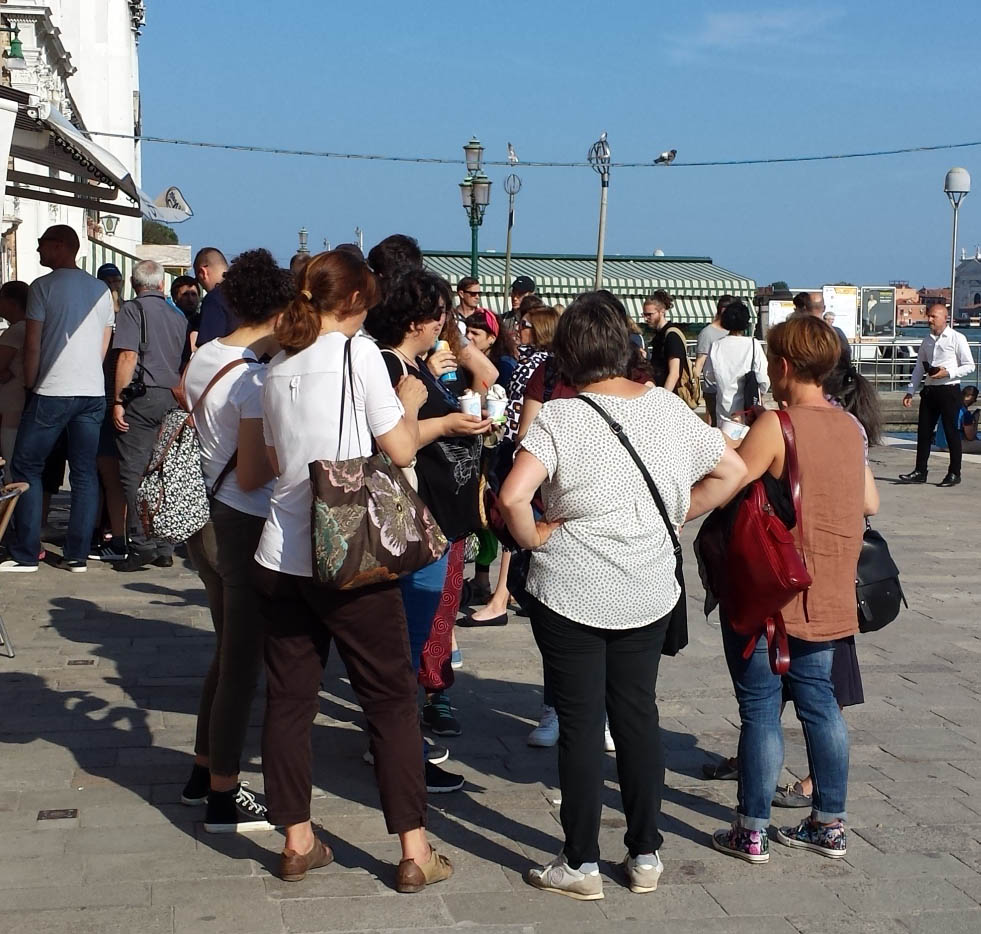
This attitude is common among people providing services in restaurants and stores, and among pedestrians on the street. But there is plenty of blame to go around. Visitors are unbelievably, incredibly thoughtless. Every visitor seems to have the idea that their trip to Venice is more important than anyone else’s, and no visitor seems willing to give an inch to their fellow traveler. As a result, visitors bump into other visitors, they jostle other people in lines, they walk in the middle of the (very) narrow streets, stop suddenly to admire the view, or halfway up a set of steps, when there is a long line of people behind them. We visitors are utterly frustrating to others, including ourselves, the other visitors. Is there a way to improve this situation—maybe not. Visitors! Try to remember that you are not alone.

Everyone wants to take this photo of themselves. Notice that the crowd is far in the background.
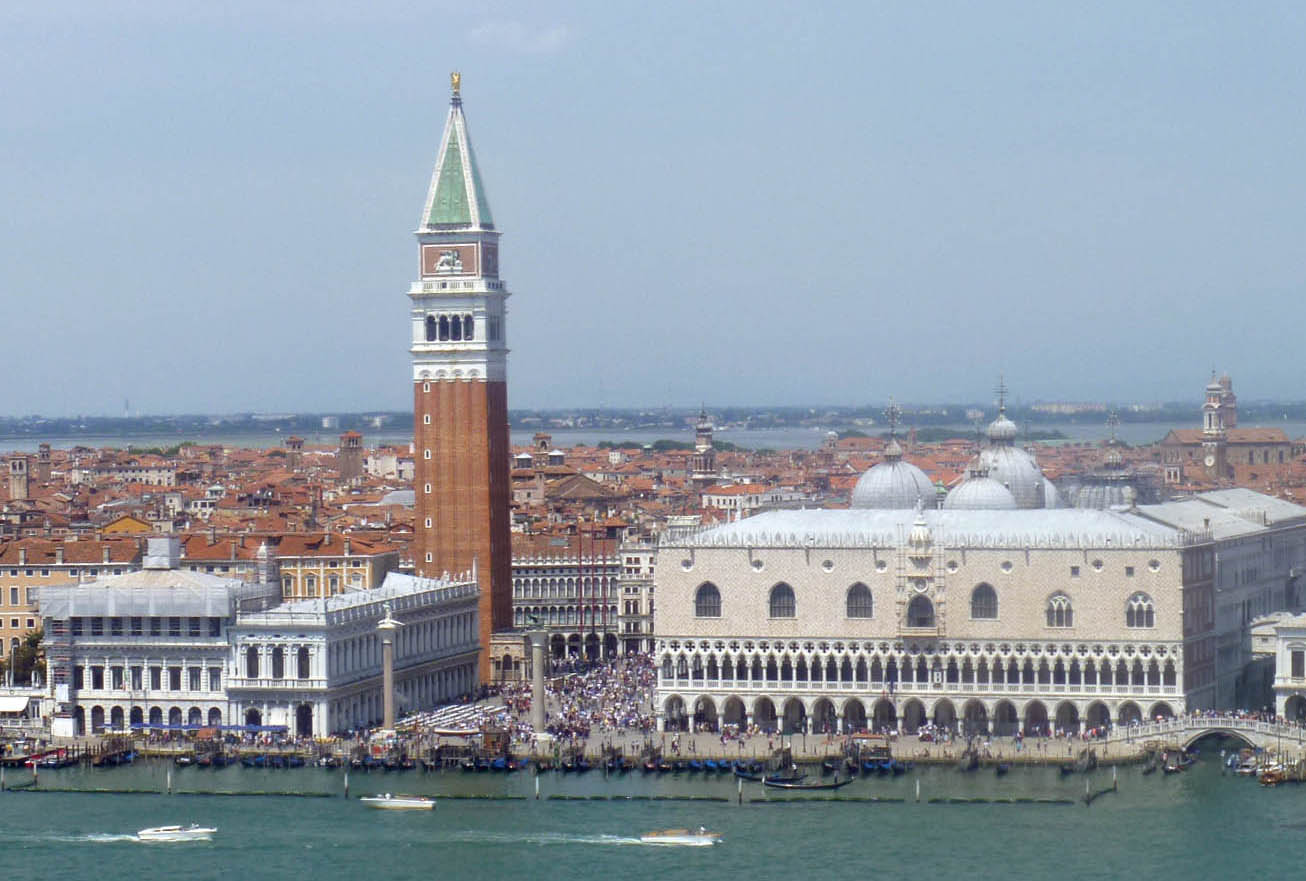
This is what it really looked like in Piazza San Marco that afternoon.

There is proof of this obliviousness to others in the photos we take. Look at your photos from a recent visit anywhere. You will find that you’ve cut out the crowds and all the other people. Your photo will include only the people in your group with rarely even a person walking in the background. We edit our travels to suggest that we are out there on our own, even in a crowded area. (The Grand Canyon is a great place for this. I also have photos from our walk to Arthur’s Seat in Edinburgh last year that show Lillian and Neil and I. When I wanted a photo that showed how many other people we out there–easily 150 others on the trail– I didn’t have one.)

The Doge’s Palace is crowded, as usual.

Esta actitud es común entre las personas que prestan servicios en restaurantes y tiendas, y entre los peatones en la calle. Pero hay mucha culpa por recorrer. Los visitantes son increíblemente increíblemente irreflexiva. Cada visitante parece tener la idea de que su viaje a Venecia es más importante que cualquier otra persona, y ningún visitante parece dispuesto a dar una pulgada a su compañero de viaje. Como resultado, los visitantes chocan con otros visitantes, empujan a otras personas en filas, caminan en medio de las (muy) calles estrechas, detienen repentinamente para admirar la vista, oa la mitad de un grupo de escalones, cuando hay un largo Línea de gente detrás de ellos. Los visitantes somos absolutamente frustrantes para los demás, incluidos nosotros mismos, los otros visitantes. ¿Hay alguna manera de mejorar esta situación? Quizás no. ¡Visitantes! Trate de recordar que no está solo.

Hay pruebas de este olvido a los demás en las fotos que tomamos. Mire sus fotos de una visita reciente en cualquier lugar. Usted descubrirá que ha cortado las multitudes y todas las demás personas. Su foto incluirá sólo a las personas de su grupo con rara vez incluso una persona caminando en el fondo. Nosotros editamos nuestros viajes para sugerir que estamos por ahí solos, incluso en un área llena de gente. (El Gran Cañón es un gran lugar para esto.También tengo fotos de nuestro paseo a Seat de Arturo en Edimburgo el año pasado que muestran Lillian y Neil y yo. Cuando quería una foto que mostró cuántas otras personas que por ahí (fácilmente 150 Otros en el camino), yo no tenía uno.)

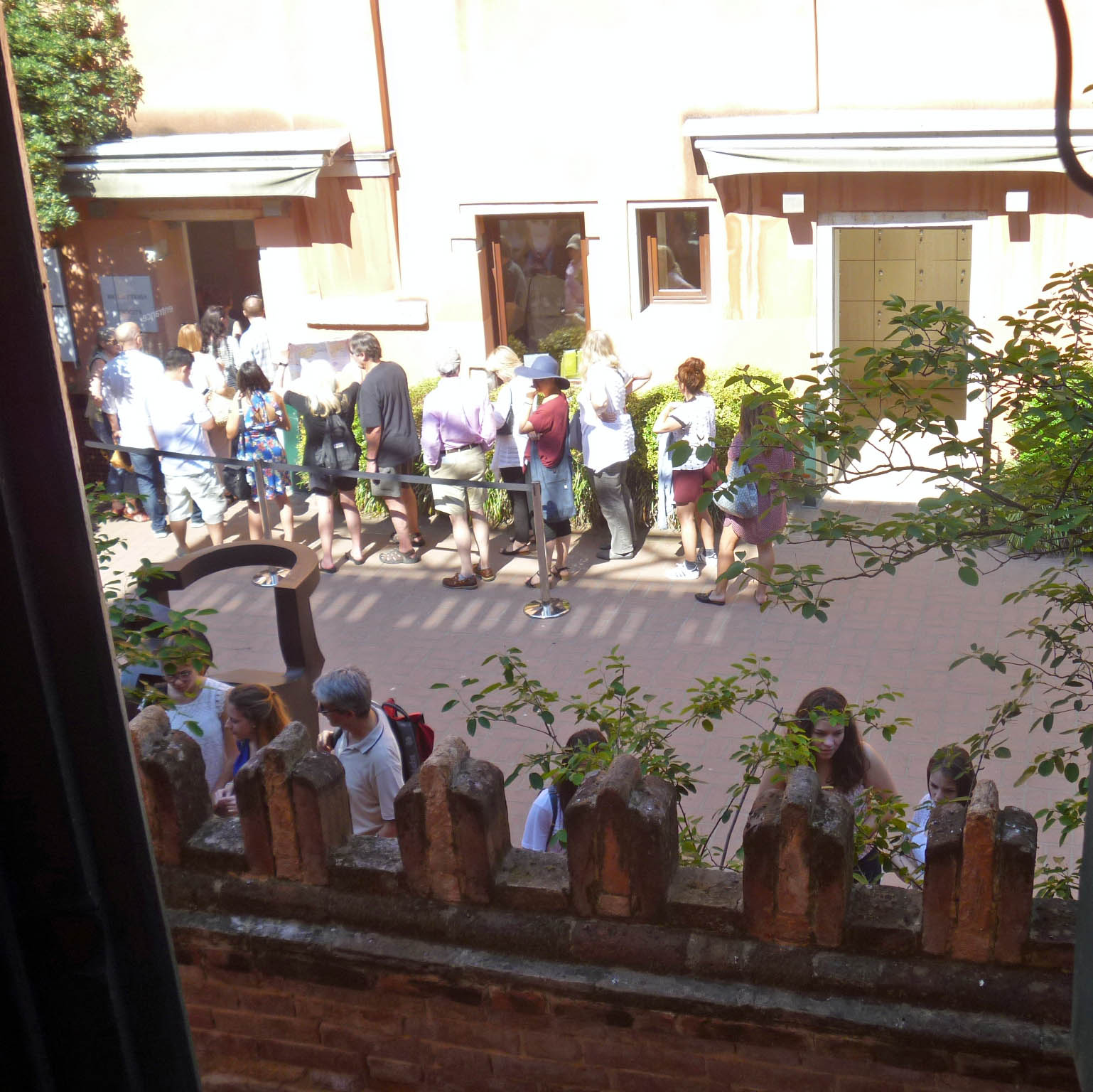
Lines at the Peggy Guggenheim Collection

What is Venice to do? The newspaper reports that discussions are underway to gate the Piazza San Marco and sell tickets to control the crowds. Right now the only control is if you sit in a café. A spritz is €17. It doesn’t cost anything to walk around the square, where you can visit the Doge’s palace and see some of the largest, gaudiest, look-at-me jewelry made with real gem stones that I have ever seen.

There are rumors that the total number of visitors to Venice will be capped to decrease congestion. I cannot imagine how that could happen. If climate change is any indicator, humans can’t, and won’t see a problem until it is way too late (Have you read The Lorax?). Venice will sink due to the weight of tourists. At least if you go now you can see what’s still afloat. If this sounds negative, see my previous post for some of the reasons I love Venice and would go back.

¿Qué está haciendo Venecia? El periódico informa que las discusiones están en marcha para cerrar la Plaza San Marco y vender entradas, para controlar a las multitudes. En este momento el único control es si te sientas en un café. Un spritz es de 17 €. No cuesta nada caminar alrededor de la plaza, donde se puede visitar el palacio de los duxes y ver algunas de las más grandes, más gauditas, look-at-me joyas hechas con verdaderas piedras preciosas que he visto .

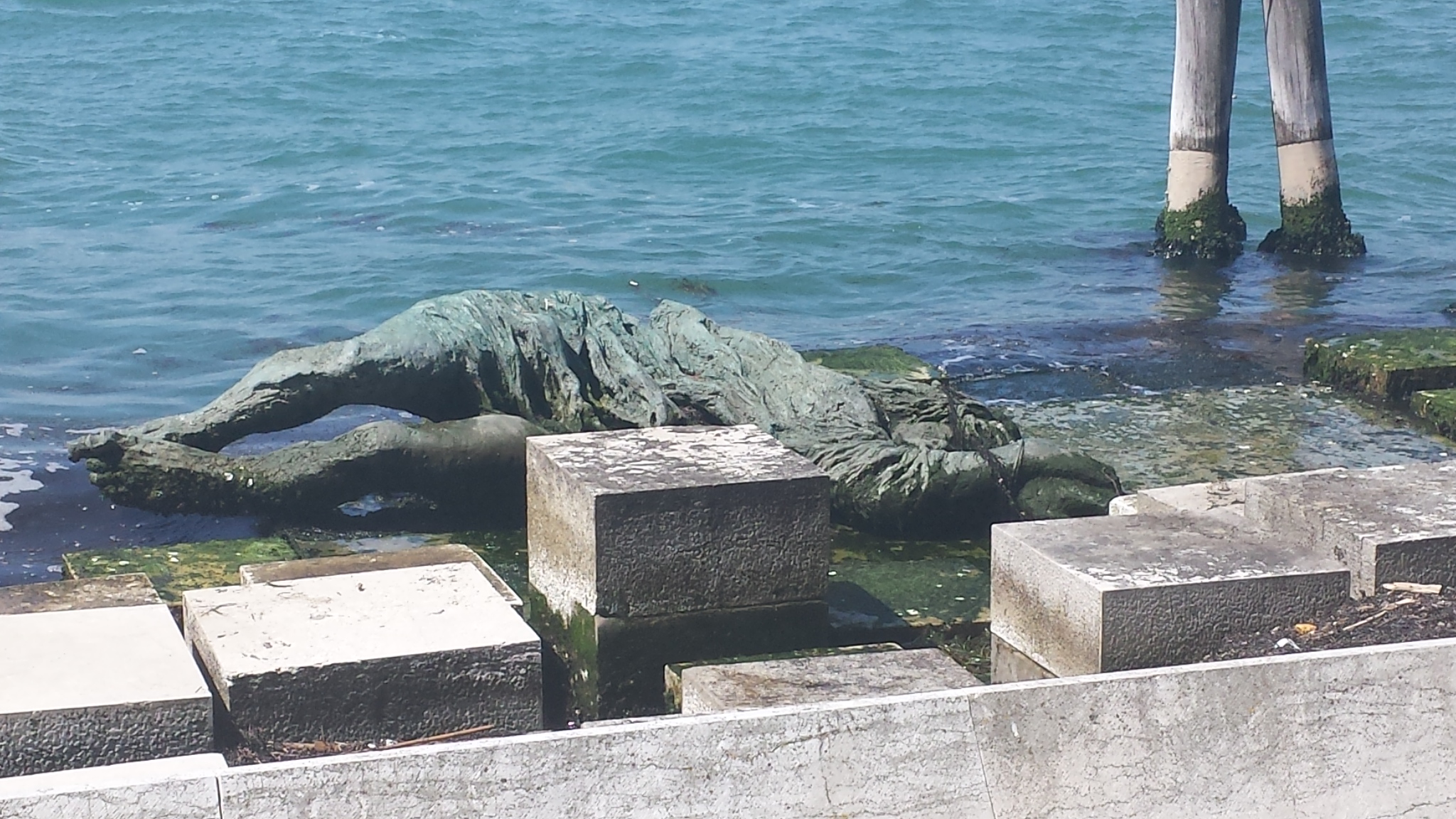
Is this Venice? (The Partisan Woman, at Biennale Gardens, by Augusto Murer)

Hay rumores de que el número total de visitantes a Venecia será limitado para disminuir la congestión. No puedo imaginar cómo podría pasar eso. Si el cambio climático es un indicador, los humanos no pueden, y no verán un problema hasta que sea demasiado tarde (¿Has leído El Lorax?). Venecia se hundirá debido al peso de los turistas. Al menos si vas ahora puedes ver lo que sigue a flote. Si esto suena negativa, ver mi post anterior para algunas de las razones por las que amo Venecia y regreseria.