First Bites of the Big Apple

Arrived NYC from Barcelona on Wednesday, bought household supplies and crashed. The weather is wonderful for November, short sleeves, high 60s to low 70s, with some rain. Thursday was subway tickets (unlimited 1 week) and the Met. We selected 4-5 different galleries we’d like to see, mostly temporary exhibits (Faberge eggs, American quilts, House models from the Americas, and some jade). As we moved from gallery to gallery we had brief looks at many other things, Greek vases and sculpture, the Temple of Dendur, Egypt.

From the Met we returned to our neighborhood (E. 3rd St.) and had a late lunch at Katz’s delicatessen that resulted in our not needing dinner. It was divine pastrami, chopped liver, coleslaw and a vanilla egg cream, not to mention pickles.

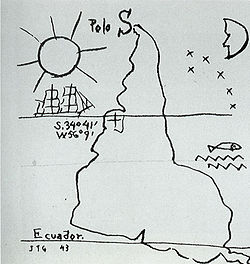
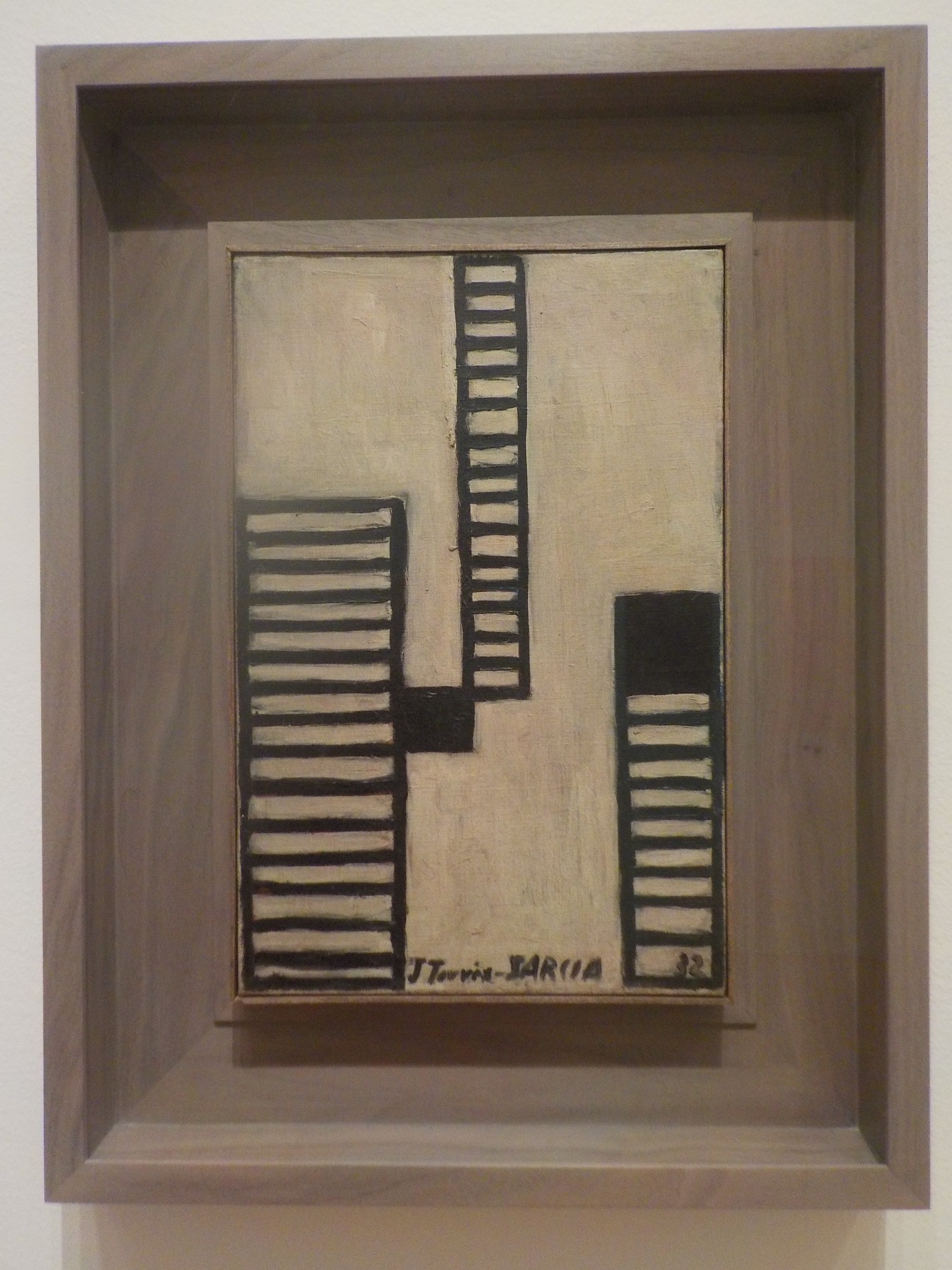
Friday we went on round 2 to MOMA. I was particularly interested in the temporary exhibit on Joaquin Torres-Garcia (1874-1949) because of his overlap with the Barcelona modernists. Torres-Garcia lived the artist’s mobile life in Europe, working in Gaudi’s studio in Barcelona, spending time in Paris, and 2 years in the US. Well established by 1932, and seeing the impending possibility of war, Torres-Garcia returned to Uruguay where he began a school and taught, wrote and campaigned for art until his death in 1949. He was the first person to draw a South American’s view of the continent, America Invertida:

Torres_García_-_América_Invertida

Much of Torres-Garcia’s work looks familiar to be because it seems to have influenced my late mother-in-law, artist Eleanor Haas.

Torres-Garcia:                                     Eleanor Haas:

6.11.15 J Torres Garcia URU at the metsm 32L18WanimalsEleanor Haassm


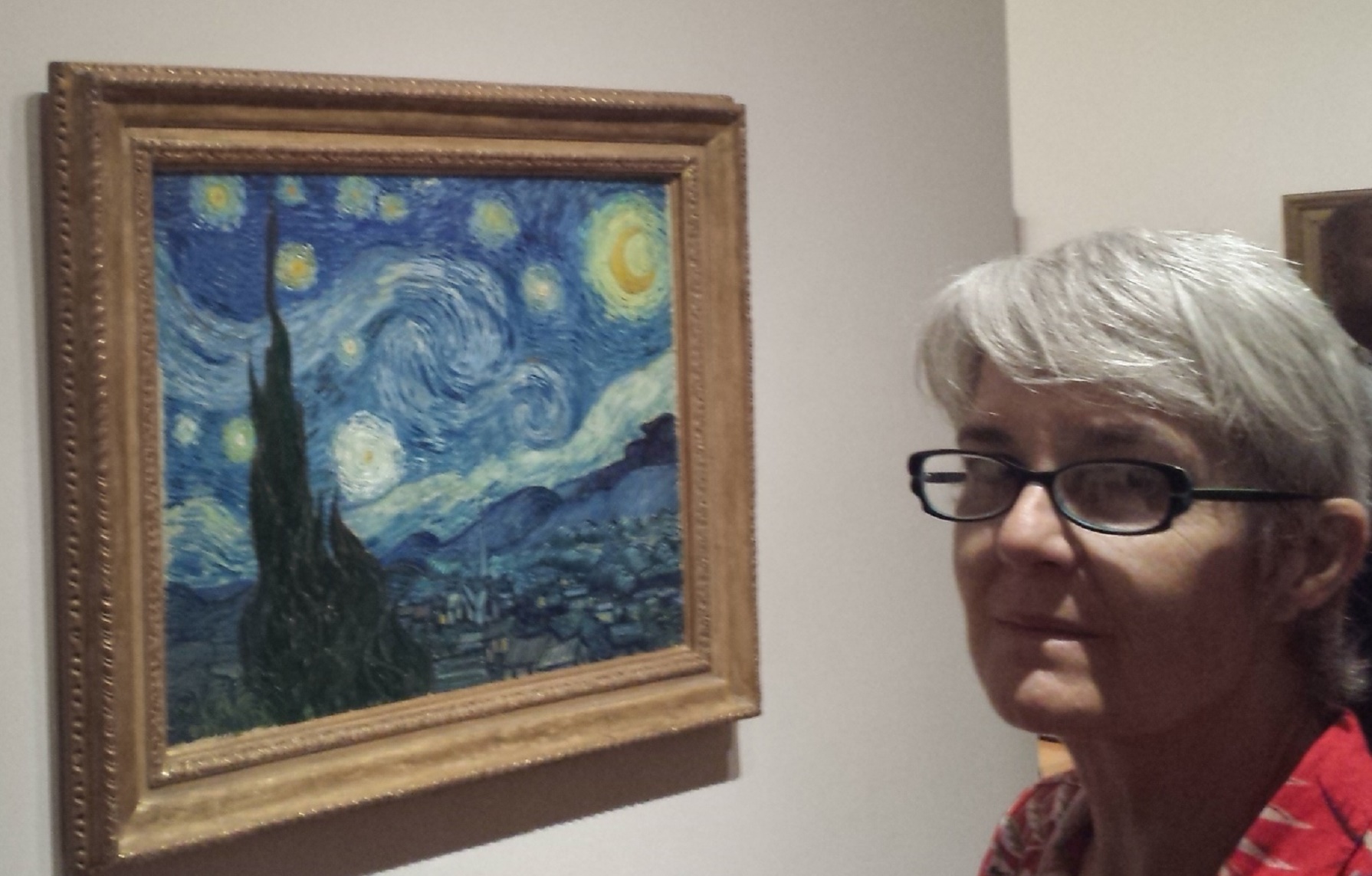
Not to brag, but here I am with a famous painting….

6.11.15 MOMA-007crop

Here’s a short explanation of  Van Gogh’s success at depicting turbulence in “Starry Night,” despite this being a thorny problem in physics.

We leave Barcelona

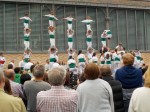
I am sorry to be leaving Barcelona. It is a walkable, livable city, architecturally rich, with a new vista or decorated facade around every corner. Most people have a balcony and there are lots of people in the streets. There are many daily markets and even more appear on weekends. People take festivals and traditions seriously. Take the castellers, they are not just forming towers, but all kinds of human sculpture. Note the satisfied coach on the left. This is a youth group. I’m impressed.

No place is perfect. I understand that Barcelona still has high unemployment among college educated young people. The real estate market is described as just now rebounding from 2008. There are beggars and street people. I still think it is a wonderful city.

I cannot say what has been my favorite experience. I made a list of all the things we did and places we went, something different almost every day of the 60 that we were here, and some days more than one stop on the tour. I didn’t want to forget anything. We had a last meeting with Joan, who provided our apartment and we chatted about Barcelona and travel and home. When I started this blog, I put Gaudi tile work on the banner because visiting Barcelona was a long-standing dream. I have to consider changing the image now and see what the future holds. For now we are on to the US and then to Peru for the winter. The next two posts after this one are informational, highlights of Barcelona, and a “Good to Know” section with a few practical thoughts.

Thanks for coming with us this far.

Gaudi Day, the Sagrada Familia church

We were going to use our ICOM cards to visit Sagrada Familia, but it requires waiting in the long ticket line and then returning for the timed entry, often late in the afternoon. We caved and bought the online tickets.

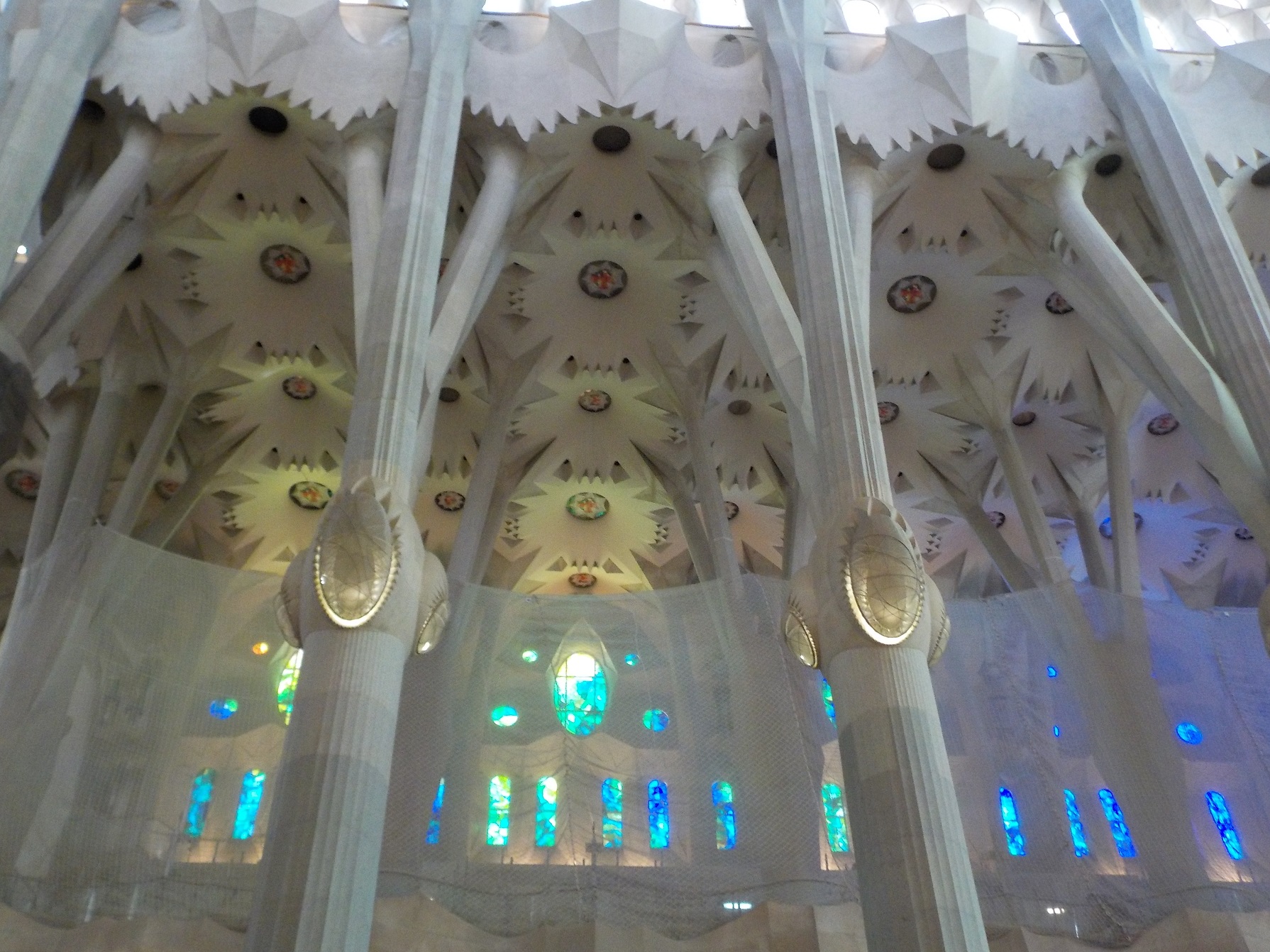
10.29.15 Sagrada Familia-051smEven waiting until the end of October didn’t diminish the crowds much, though we got right in at our ticketed time. Now fully roofed and dedicated as a minor basilica (no resident cardinal) by Pope Benedict XVI, Sagrada Familia looks very different from the last time I visited 25 years ago. It is much less a ruin and more a church. The constant loud sound of power tools detracts from the atmosphere, but does show that work is ongoing.

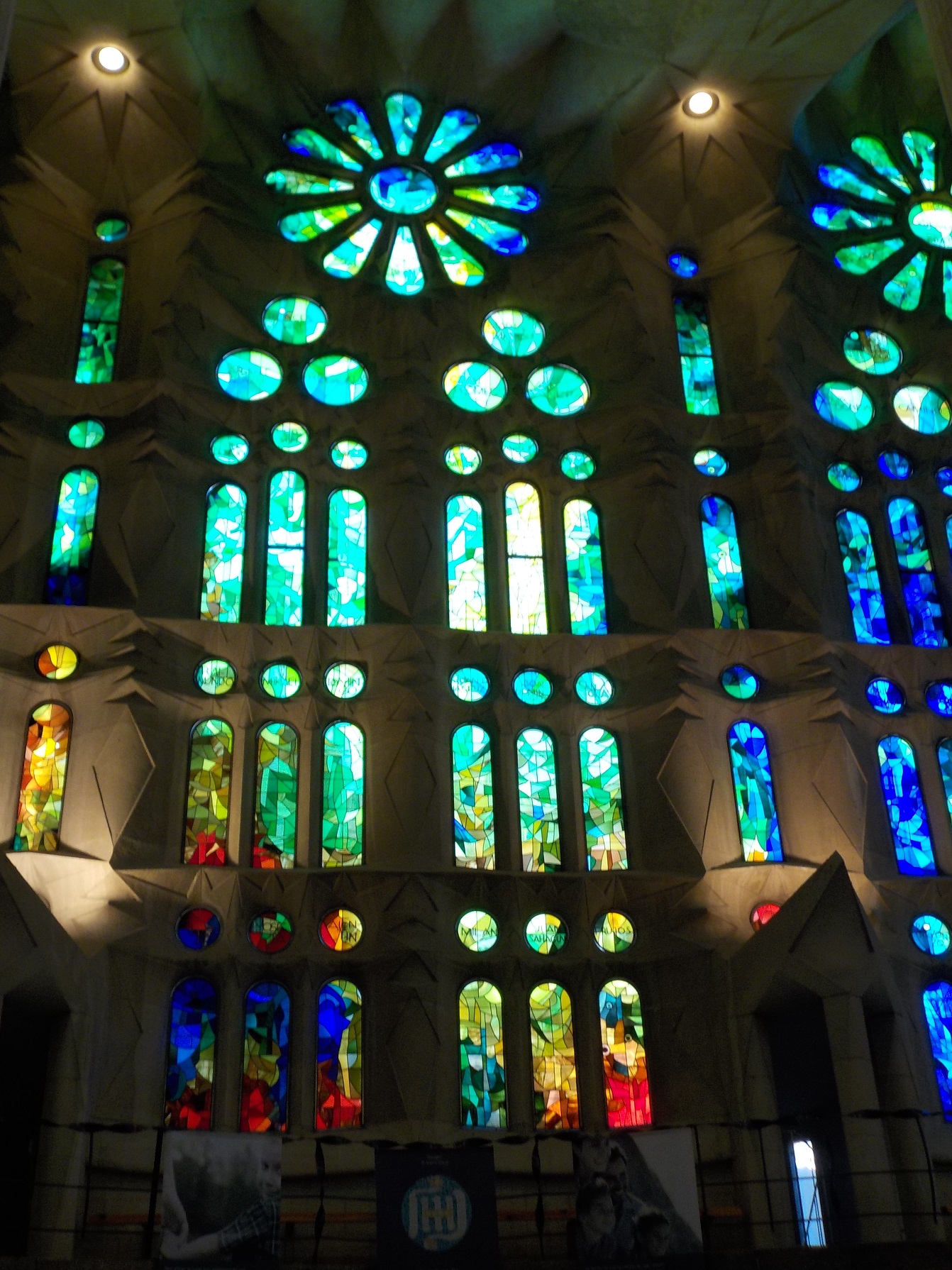
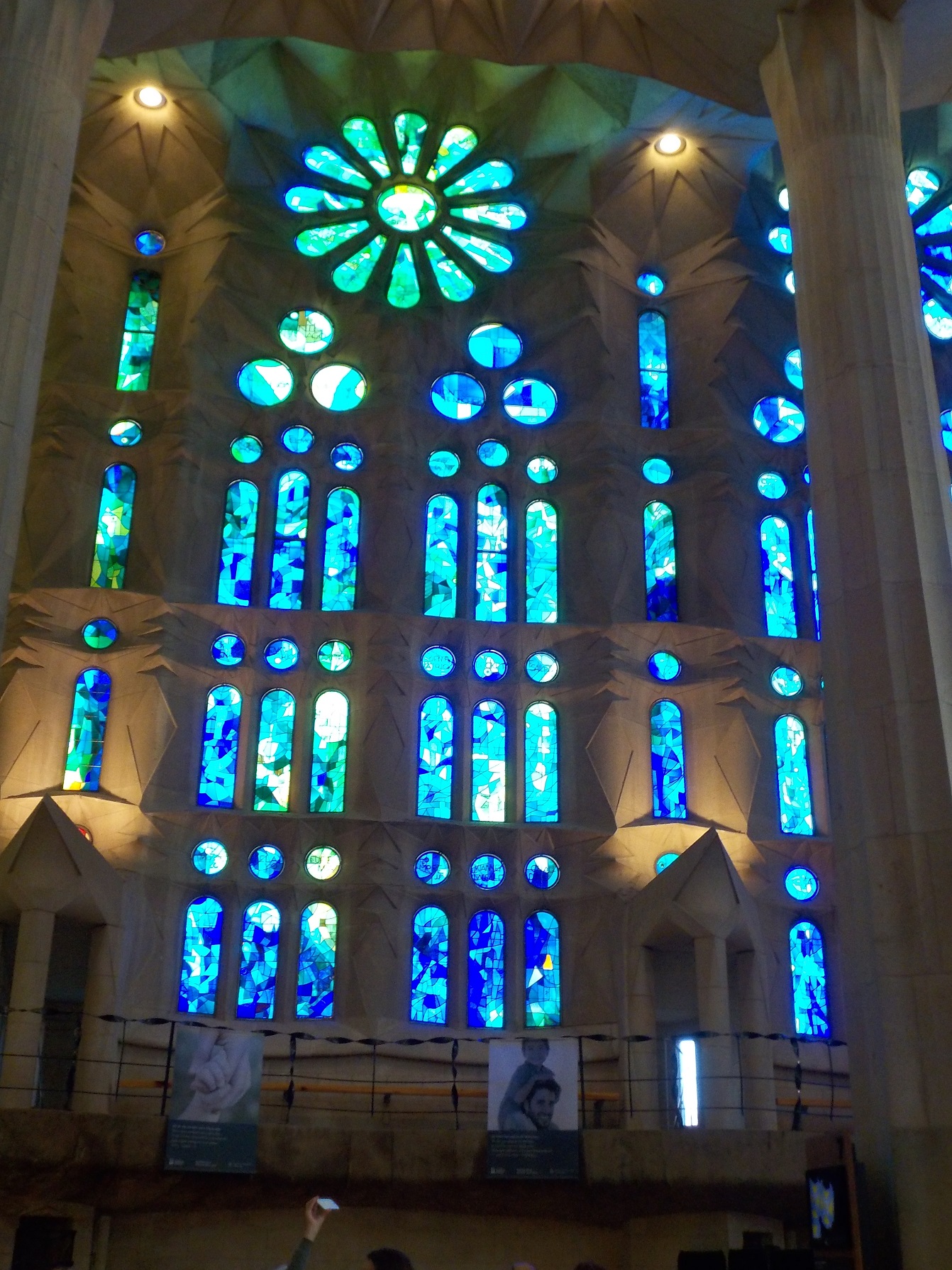
Optimists see the church finished in 2026. The stained glass is beautiful, though Gaudi was also very smart to design the windows of the highest stories to be clear so that the church is full of light.

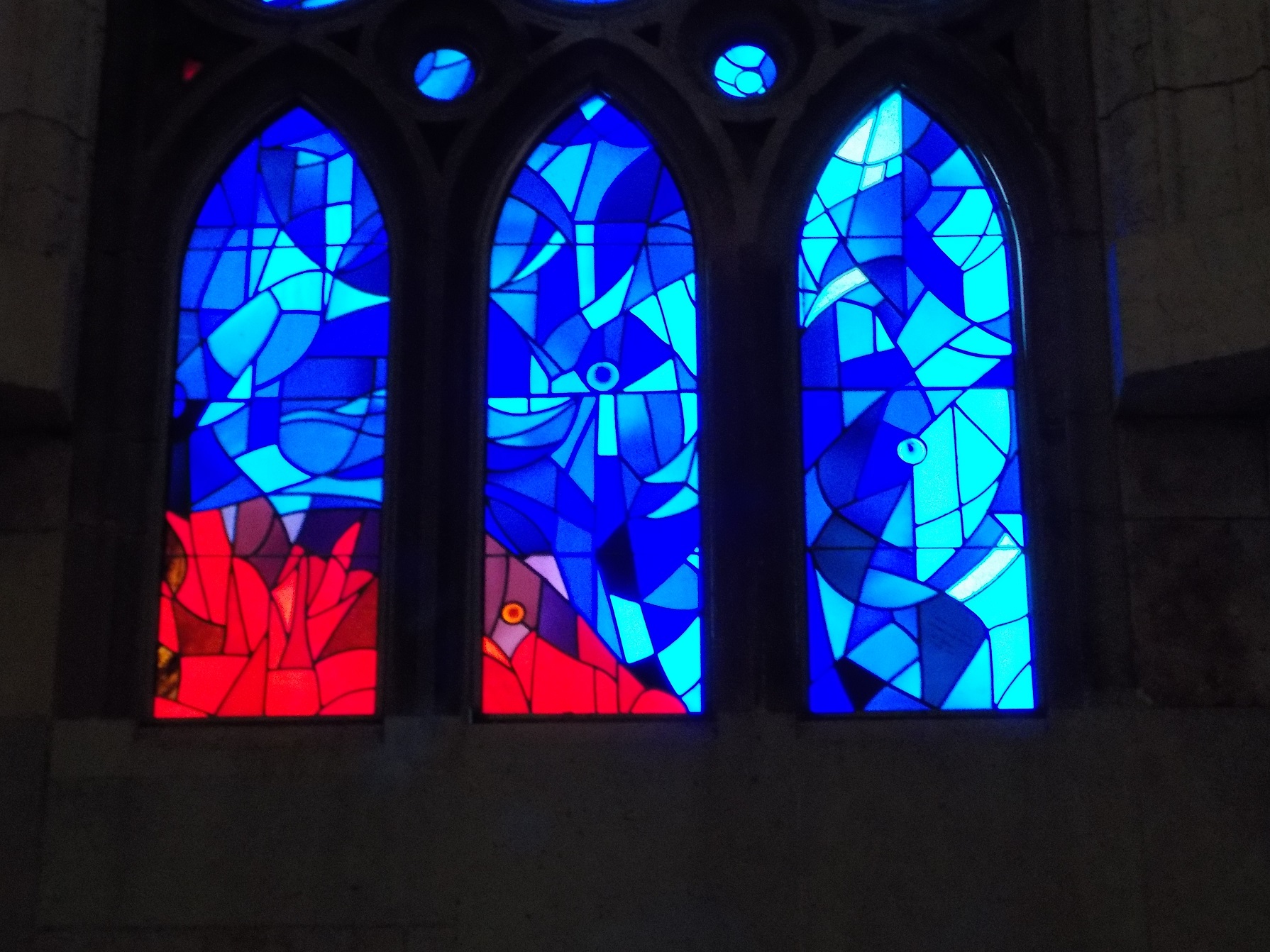
10.29.15 Sagrada Familia-038In some churches, stained glass appears like embers in the dark. At Sagrada Familia it adds color to the light. Here is a single small pane.


The color gradations from window to window are spectacular. Here’s the big picture.

10.29.15 Sagrada Familia-010sm 10.29.15 Sagrada Familia-011sm 10.29.15 Sagrada Familia-018sm 10.29.15 Sagrada Familia-019sm

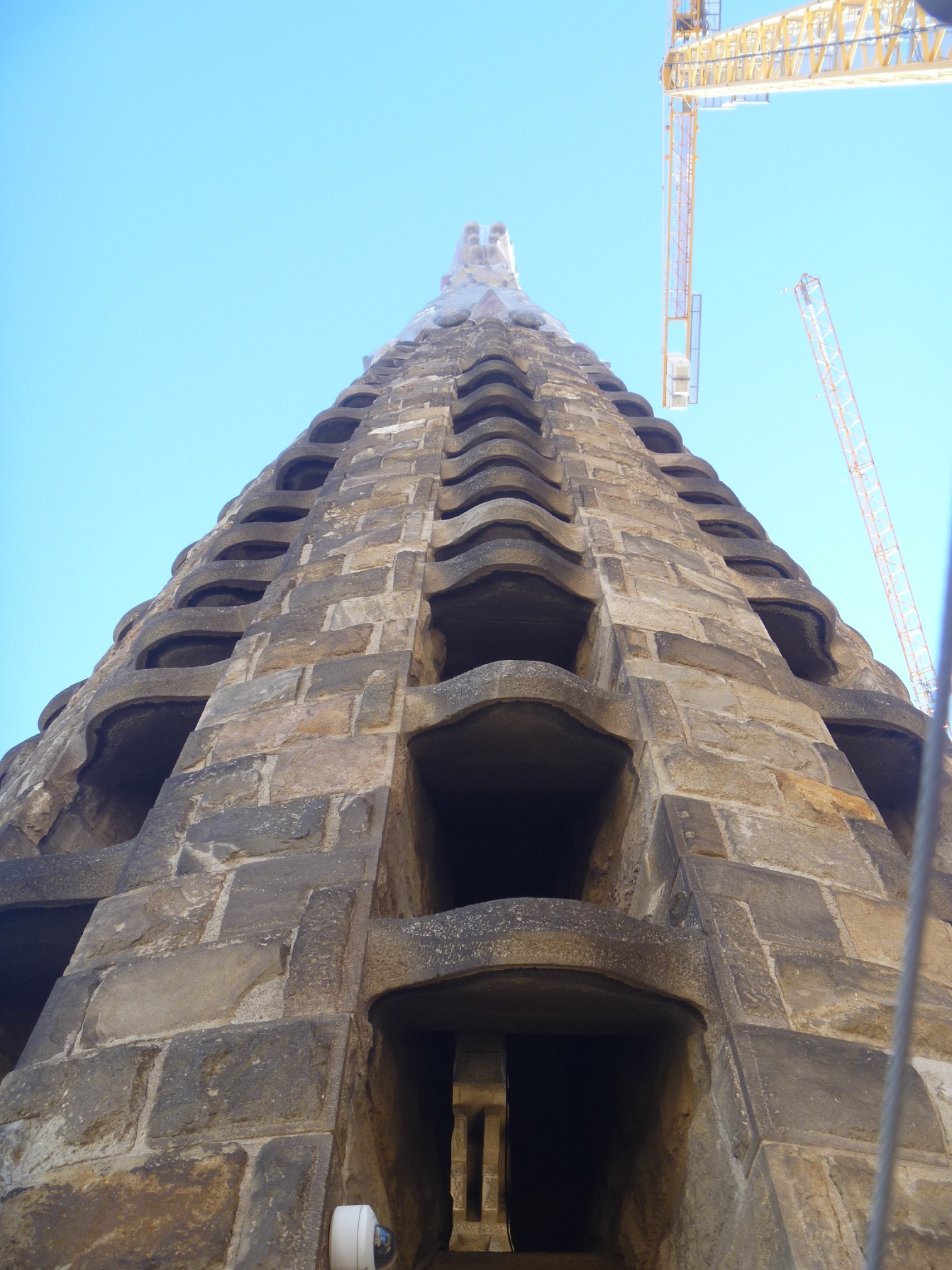
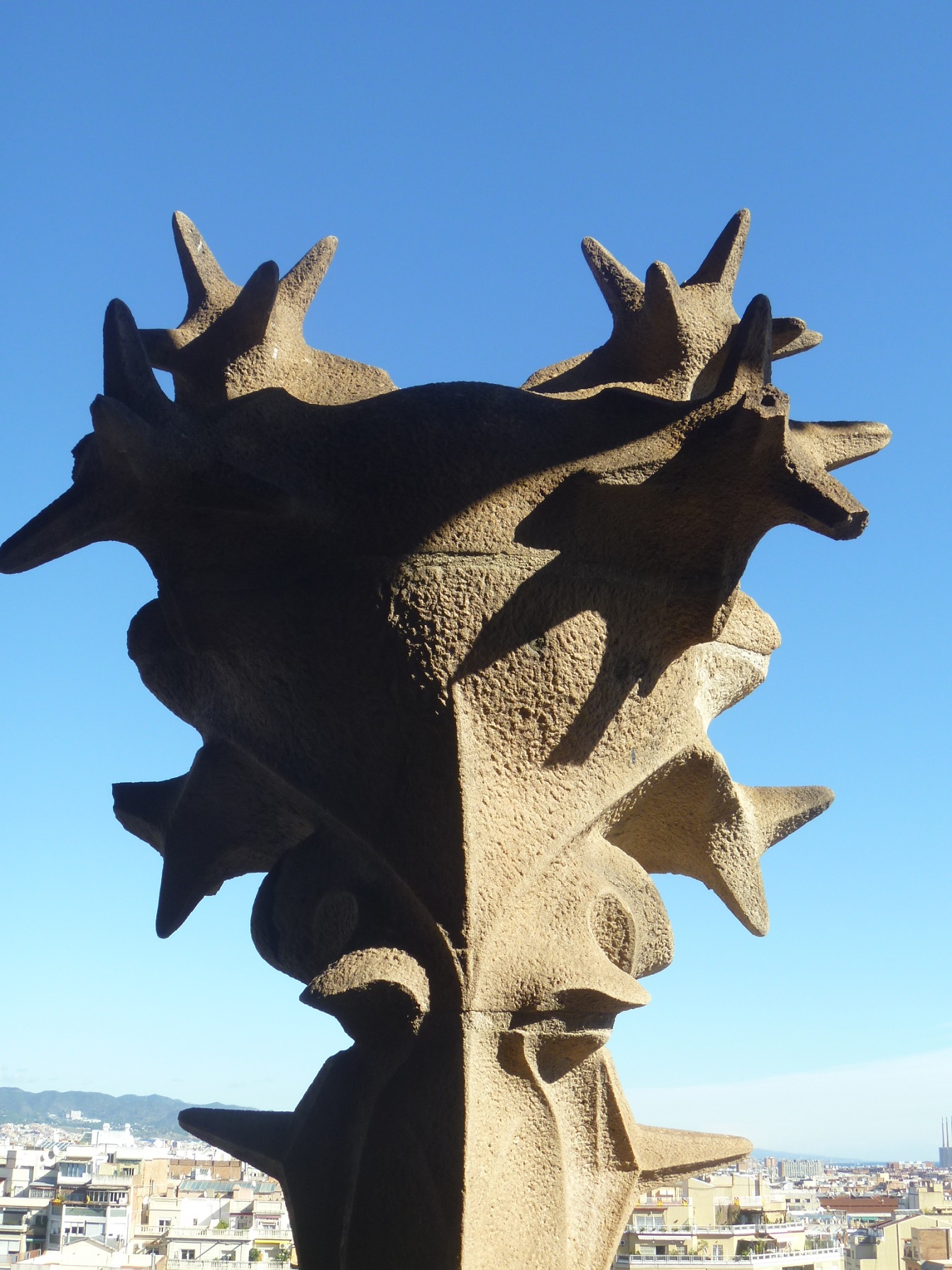
I purchased the additional ticket to go up in one of the towers, but I didn’t realize that it was only an elevator UP in the Nativity Tower. You walk down. It wasn’t as bad as I realized and the view was fascinating because you see the work currently underway.

Note the construction office perched in the rafters.

We could see the details.

10.29.15 Sagrada Familia-067sm

10.29.15 Sagrada Familia-095sm

It is a breathtaking structure.


Gaudi incorporated many animals into his design. Here are some of them.

Here is Gaudi’s idea of the ceiling as a forest canopy.

10.29.15 Sagrada Familia-022sm10.29.15 Sagrada Familiasm

I have to point out that God the Father has a lot of competition in this church. Gaudi was sure that his work was great, but he’d be horrified to find that it competed with religious observance. For such a wildly creative person, he was devout and ascetic, never married and worked all the time.

He spent the last months of his life living inside the constructed portion of Sagrada Familia. He died after being hit by a tram, unrecognized for his first couple of days in the hospital because he was dressed in work clothes and carried no ID. Would it have been different if he were wearing a suit and hat, carrying a briefcase?


Roman Tarragona

Welcome to Roman Tarragona!

10.29.15 Tarragona-002sm

Tarragona, Roman Tárraco, was the capital of Hispania Citerior during the Roman Republic, from about 197 BC until 27 BC when the emperor Augustus arrived. He stayed until his death in 14 BC, making Tarraco both capital of his new province Hispania Tarragonensis and the unofficial capital of the Roman Empire. The emperor’s presence fostered prosperity and expansion that continued during the first two centuries AD. This link provides an excellent summary of the story of Tarraco:
https://www.tarragona.cat/patrimoni/museu-historia/en/history-of-tarragona/roman-tarraco

Our visit was confined to the oldest part of Tarragona, partially encircled by the remaining Roman walls and originally the location of Roman military barracks and the provincial forum.

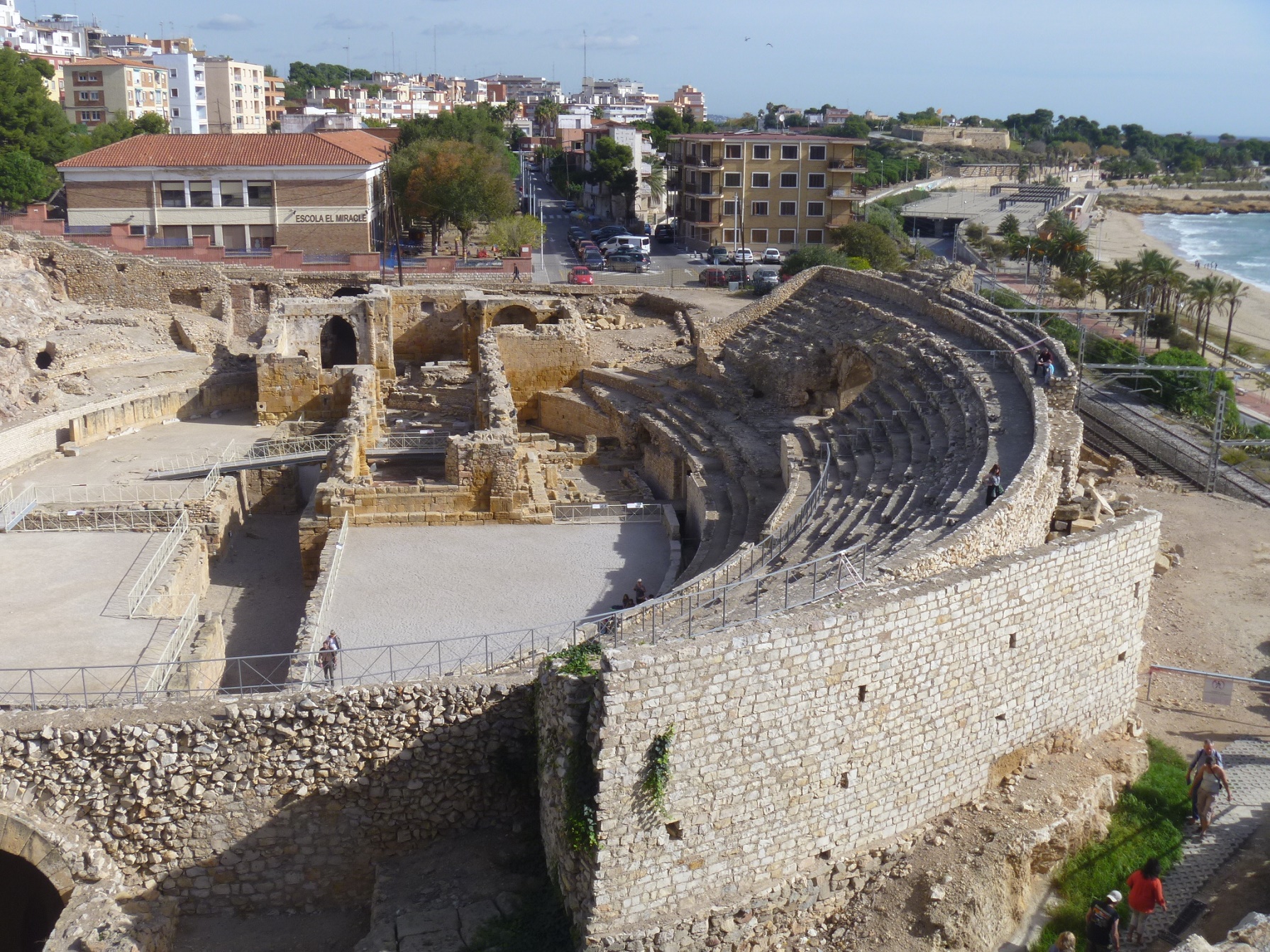
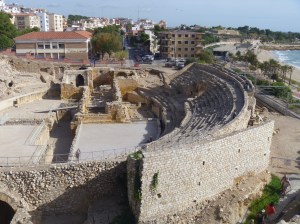
We had a great field trip. We took the train, even changing platforms (ooooh) and using our Tarjeta Dorada to get our senior discount. The train takes a bit longer than an hour. We paid 9.70€ each for a round-trip ticket. I checked the train that only takes a half hour (AVE). If I read the schedule correctly, it was about 31€ each way. (Can that be correct?). Just down the street from the train station is the amphitheater, our first stop.
10.29.15 Tarragonasm

The seats are largely restored but there is a lot of Roman construction left, along with the remains of a Visigoth church and a later church. They overlap one another and comprise the cross-shaped structure in the center of the amphitheater. It is a gorgeous location with the Mediterranean in the background. It was sunny and warm all day, Oct. 30.

Up the hill and into town, the closest corner of the old walled city brings you to the Placa Reial and the National Museum of the Archaeology of Tarragona, with artifacts from before the Romans up through the many historic invasions and rebuildings. We focused on the displays of materials related to Roman daily life, and the mosaics. Like the other archaeological collections we’ve seen on this trip, they have beautiful glass, from vials to large pale blue jars with lids. I wonder what they kept in them? Beyond these things is the display of mosaics, actually on two floors.

10.29.15 Tarragona-013crop

This is a portion of a much larger mosaic with sea creatures showing lots of personality. See the sad fish near the bottom looking at the hermit crab?

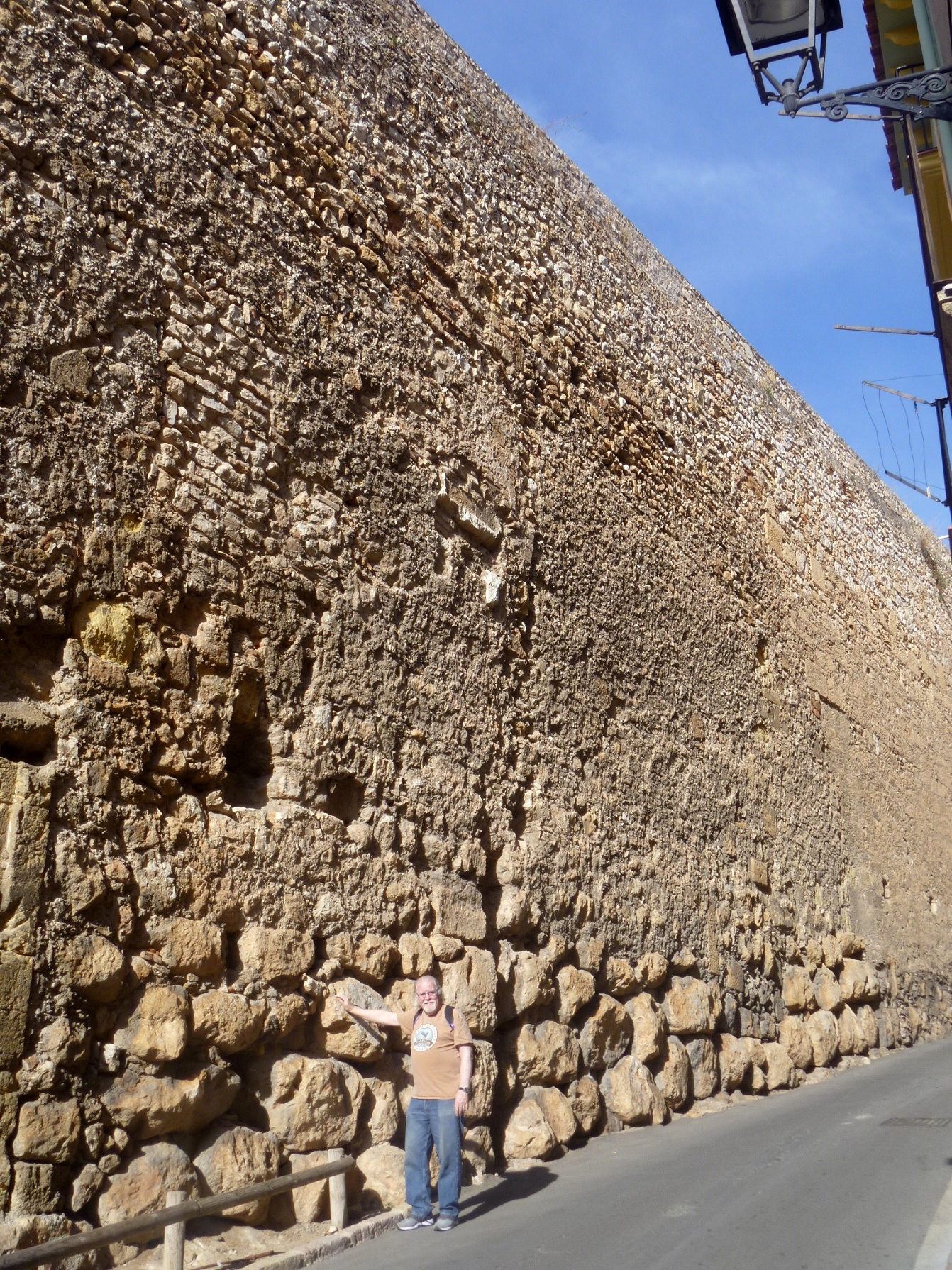
After the museum we walked the archaeological promenade, a landscaped path between the inner Roman walls and the later outer walls. The earliest surviving portions are huge rocks that form the “cyclopean” base of the Roman walls from the beginning of the 2nd century BC. Expansions took place up until the construction of the final outer fortifications during the War of Spanish Succession in the 18th century. In places, the walls are 15 m high and 6 m thick.

10.29.15 Tarragona-023sm.15 Tarragona-023

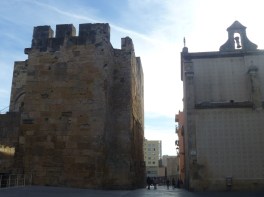
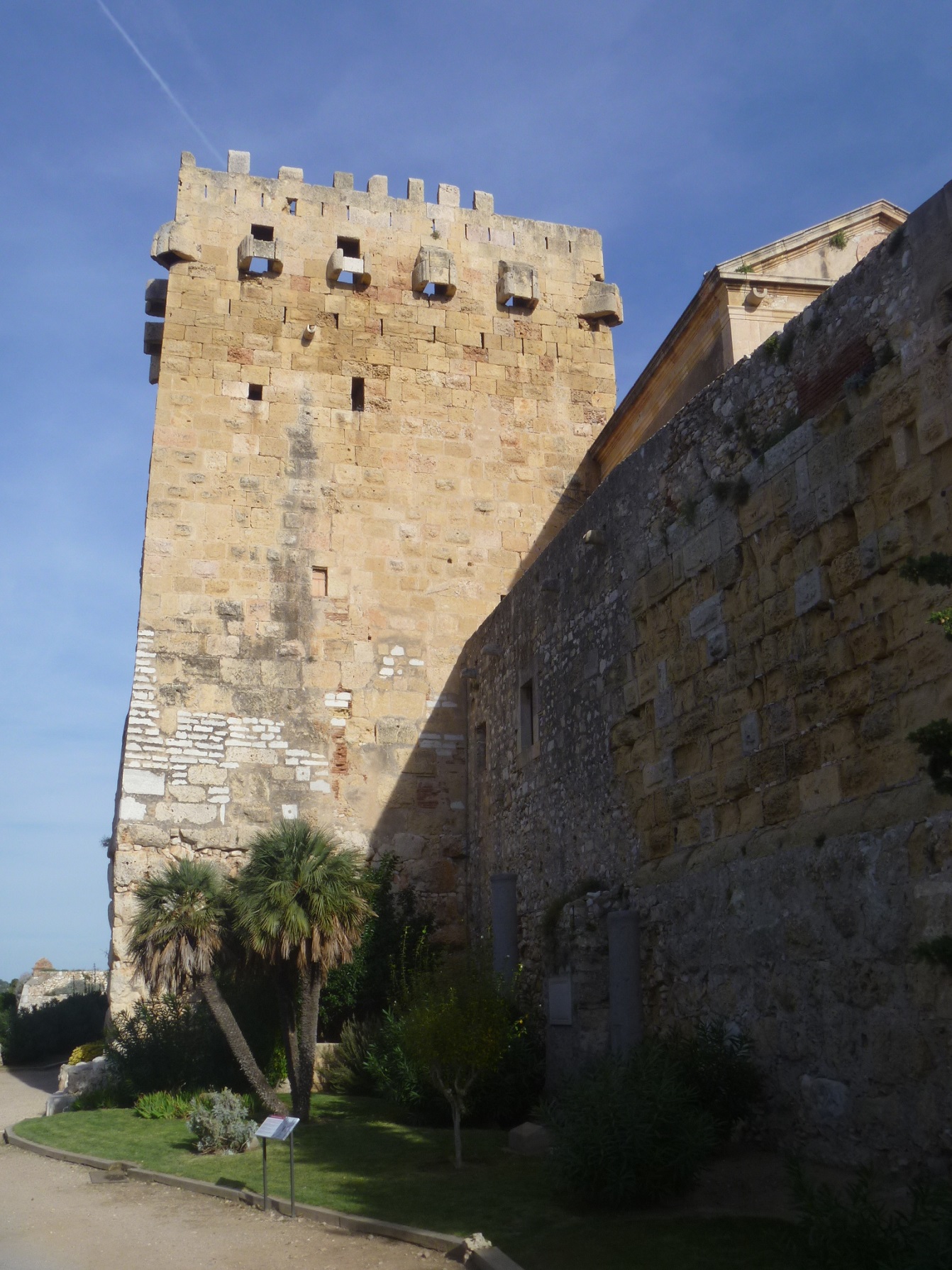
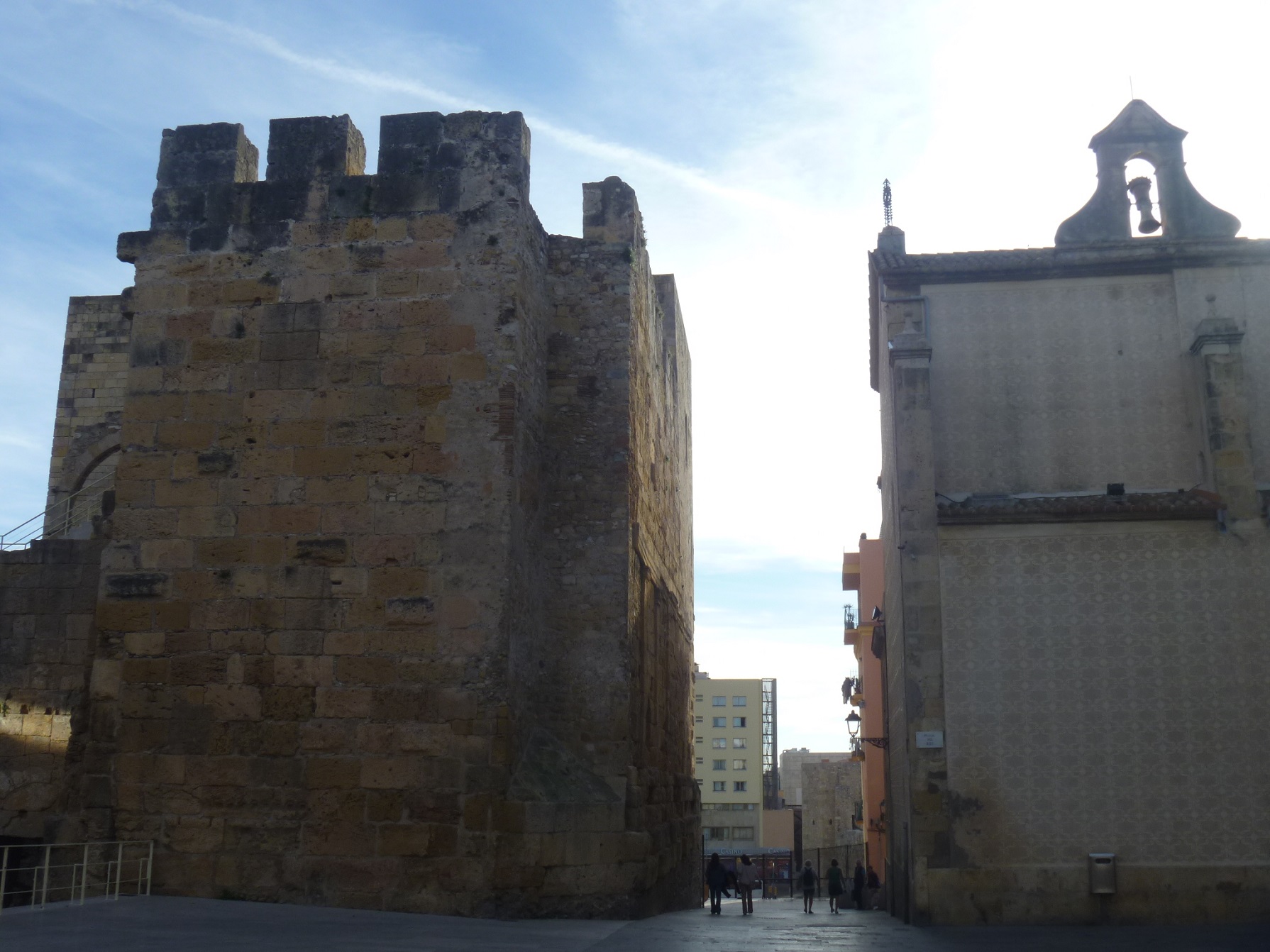
There are two surviving towers, as well.

10.29.15 Tarragona-026sm


10.29.15 Tarragona-034sm


The description of the tower on the left includes the two rows of arrow slits, the machiolations (spaces where rocks can be dropped on the attackers below), and the crowning row of merlons (tooth-like upright rock). Castles have their own vocabulary.

The portion of Tarragona within the Roman walls is on a hill as well, and from the highest part of the walk between the walls is a view over the rest of the city. The part of town within the Roman walls is the oldest, streets are very narrow, and I imagine parking is a nightmare. It still is charming.

10.29.15 Tarragona-025sm

We chatted with a man at the “maqueta”, or scale model of Roman Tarragona. He said that buildings in the old portion of the city were becoming increasingly difficult to renovate because of the requirements to conduct an archaeological excavation any time the ground is opened. If nothing found is new or considered significant, it can be covered, but ordinarily remains cannot be removed. Significant finds have to be both excavated and preserved below whatever work is eventually carried out above ground. The man we spoke with told us that more and more properties are being abandoned rather than renovated. He pointed to a building that we had noticed, wrapped in netting and labeled with a big placard about renovation. He said it has been at a standstill for the past three years awaiting a budget to complete renovation.

10.29.15 Tarragona-024smThis is a sad situation, since the area would be lovely as apartments. The alternative is to turn the old city into a Disneyland, importing people to work the tourist places, but leaving the area empty at the end of the day.

Just outside the old city walls we sat in a park to eat lunch. There was a public drinking fountain and we shared the area with school groups doing the same as we were, visiting the old city and having a picnic. Sections of roadway in the old city and sidewalks nearby have been repaved with colorful pebble mosaics.

10.29.15 Tarragona-022sm

This seems too pretty for a sidewalk–I love it. Can you tell it does not snow here so there is no need to use a snowplow and chip out part of the mosaic every winter? At the end of the afternoon we strolled back to the train station and returned to the big city, leaving Rome behind for the moment.


Roman Barcino (Barcelona)

We spent two full days exploring Roman Barcelona and now, much later, a day in Tarragona (we could have stayed a week), visiting the Roman ruins there. Archaeology is alive and well in both cities. This post is on Barcino, the next on Tarraco.

In Barcelona, there is an ongoing program of archaeological excavations in the area of the Roman walled city that has been underway for many years. A guide to walking around the Barri Gotic, the oldest portion of the city that still retains a bit of Roman wall and street layout, includes stops at surviving places. We found that the Roman features were right under our noses in places that we had already visited, but only with a list that said to look here, look there, did we see the Roman remains underfoot.

9.25.15 Ps.de Gracia strs-001sm

An archaeologist’s puzzle. Which wall came first, and what happened after that and after that?


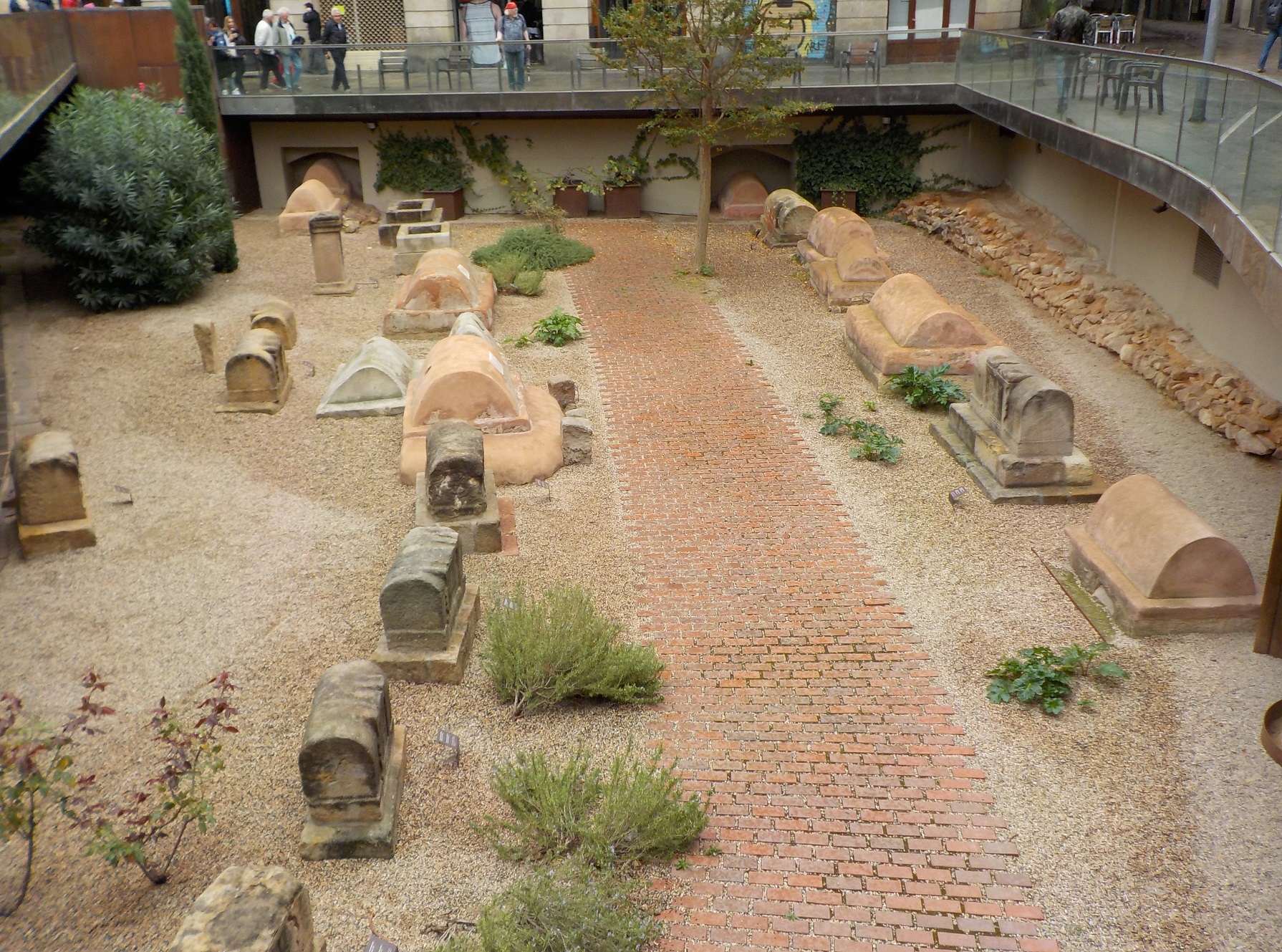
There is a Roman cemetery in a park beneath the streets.

9.30.15 Roman Barcelonasm

The convent over the tombs burned down in 1936 and the area underwent urban renewal in the 1950s when these were discovered and incorporated into the landscaping of the area, now called Plaza Vila de Madrid. http://www.barcelonaturisme.com/wv3/es/page/492/muhba-via-sepulcral-romana.html

The tour of Roman Barcelona took us all over the old part of the city and showed that the part of the city retains the shape established by its Roman walls. The walking tour ends at the Museu de la Historia de Barcelona (MUHBA). This museum was established when renovation in the city center revealed the remains of occupation from the Romans up through the Middle Ages. Archaeological investigations ran continuously for more than 30 years and continue from time to time today. A network of stairways, ramps and boardwalks over the ancient remains is accessible to visitors. The associated information shows the relationships among the different eras represented, but it is a maze of interwoven layers. Even with the detailed presentation of levels and layers, we had trouble following what went with what. The fact that a Roman city lies below Barcelona and a portion of it is there to look at is fascinating.

10.1.15 Roman Barcinosm

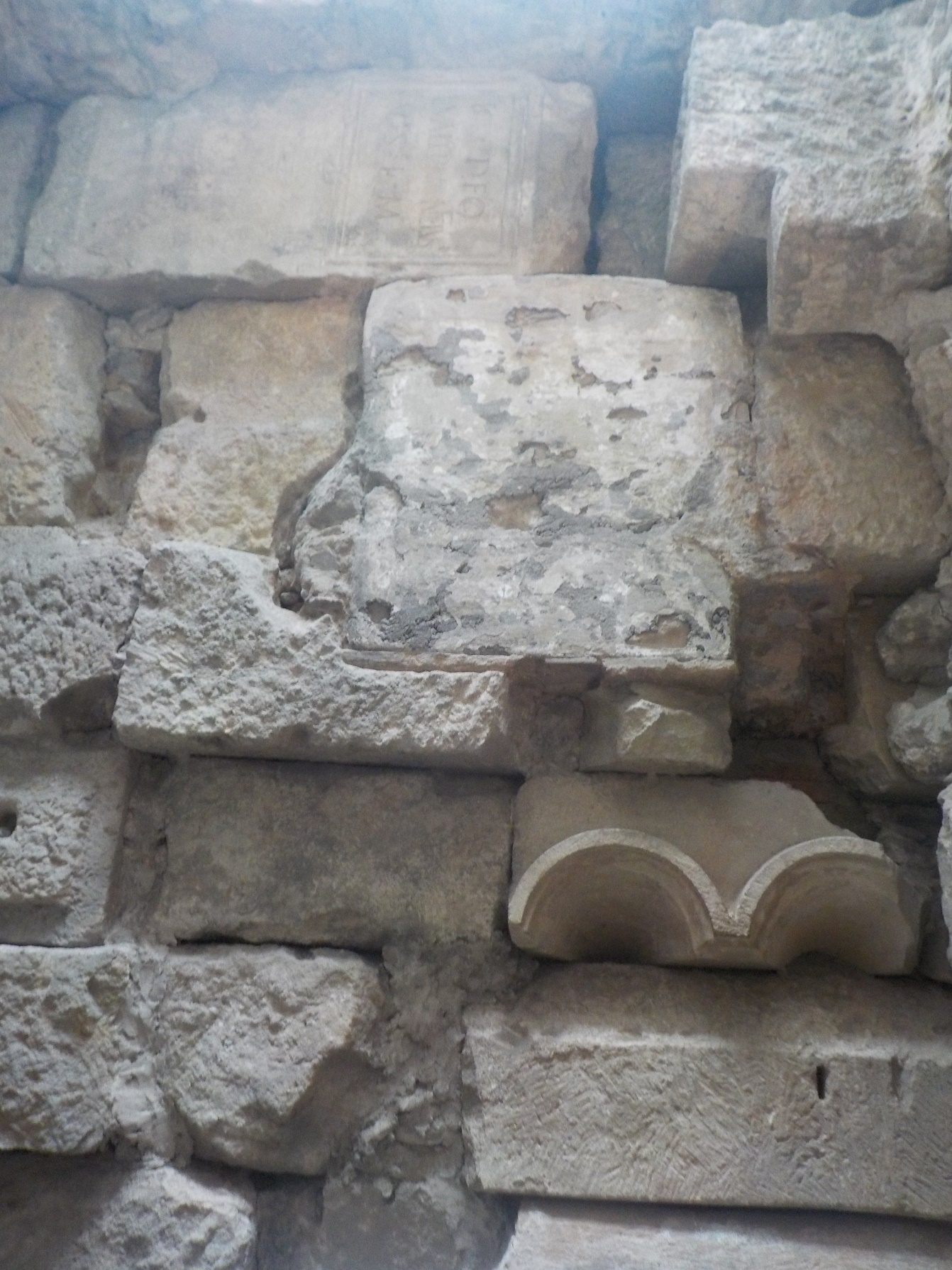
This wall of miscellaneous stone includes various shapes and one with a Roman inscription. Materials were reused over and over.


10.1.15 Roman Barcino-002sm

We are looking over the wine-making facilities of an ancient occupation. The archaeological work continues for a very extensive area underground.


Later, when we visited the Santa Caterina market, we found there is an extensive section of preserved excavations under the market and the plaza in front of it. This isn’t surprising, as the market is one block east of the cathedral. The posted information traced constructions back to the 11th century in this area, though there could be even early material below the stone buildings.

10.30.15-001sm

The apotheosis of Modernism–Lluís Domènech i Montaner

I started with a list of 130 buildings considered part of architectural “Modernisme” in Barcelona. I began collecting them like postage stamps. (some are on my post “Barcelona Modernism”). Whenever Jonathan decides to rest his knees, I go out and look at a few more buildings. This reached its logical conclusion the other day when I walked a huge rectangle to count a few more structures and came home with very sore legs. I am now winding down, checking out a couple more highlights and throwing in the towel on getting to others. I will have checked out more than 86 modernist structures, photographed a lot of them, and saw the inside of a few.

Top of the list after Gaudi’s work come two people (IMO), Lluís Domènech i Montaner and Josep Maria Jujol i Gibert. The title of this post refers to Domènech i Montaner’s Palau de la Musica Catalana. This building is so ornate that it makes high Victorian look simple. He threw the entire book of modernism at this building and let it all stick.

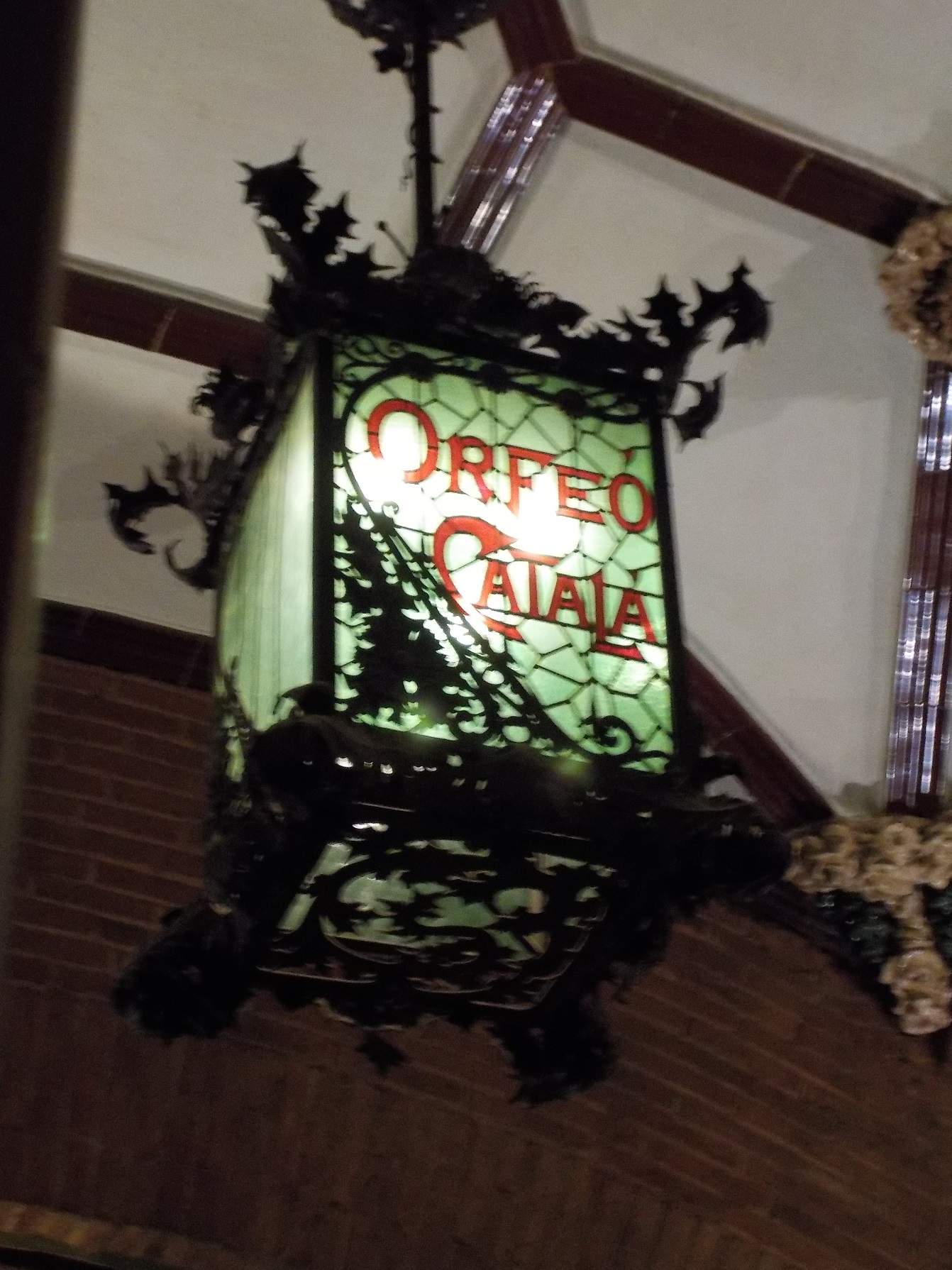
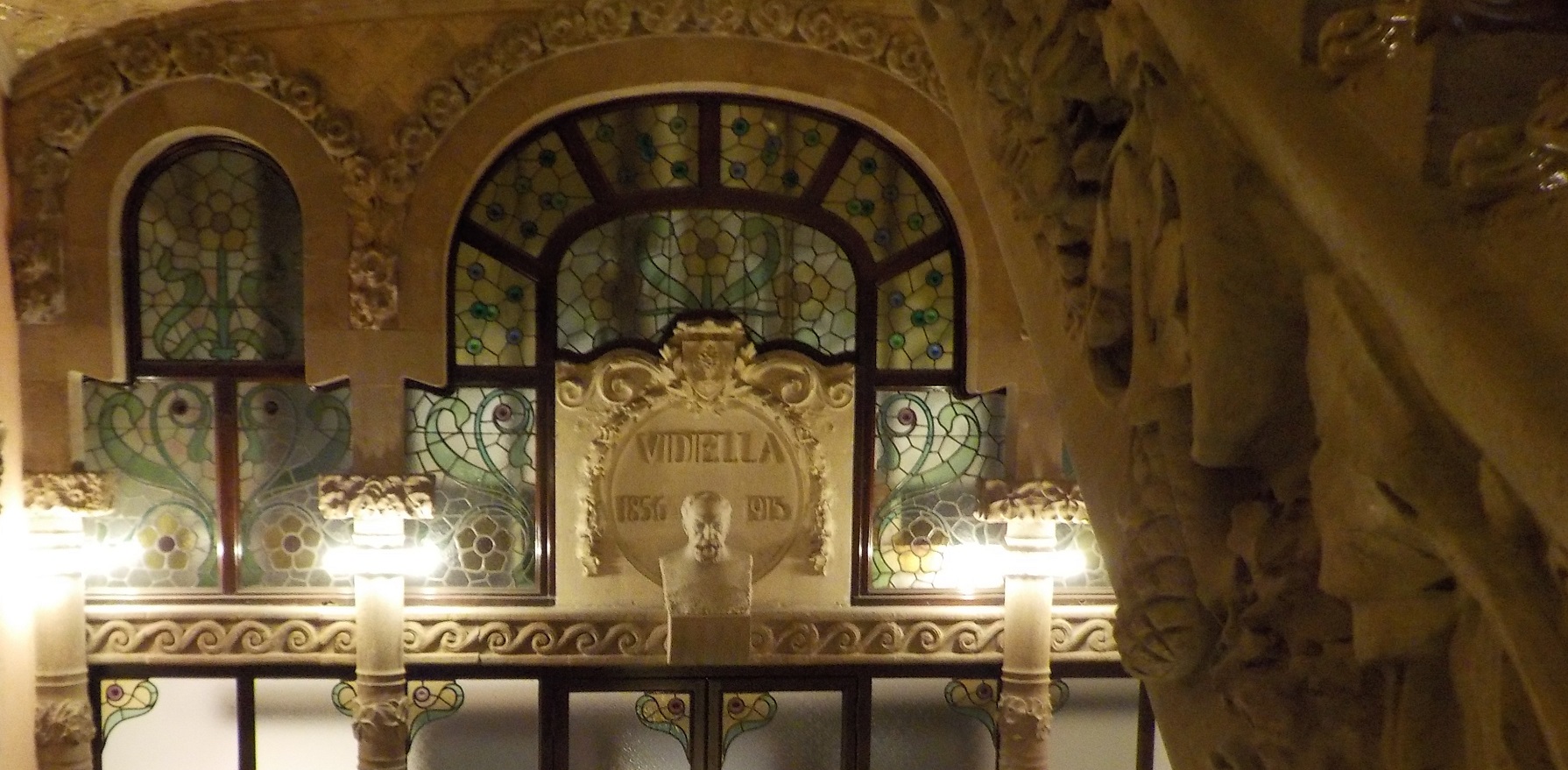
Originally, the Palau (palace) was created to be the home of Orfeo Catala, a choir group, music school, performing arts organization. Its organization and governance have changed over the years, but it still hosts lots of wonderful concerts, both locally produced and brought in by promoters. One stairwell is a shrine to the first conductor of the Orfeo.

10.25.15 Palau de la Musica-05510.25.15 Palau de la Musica-034sm


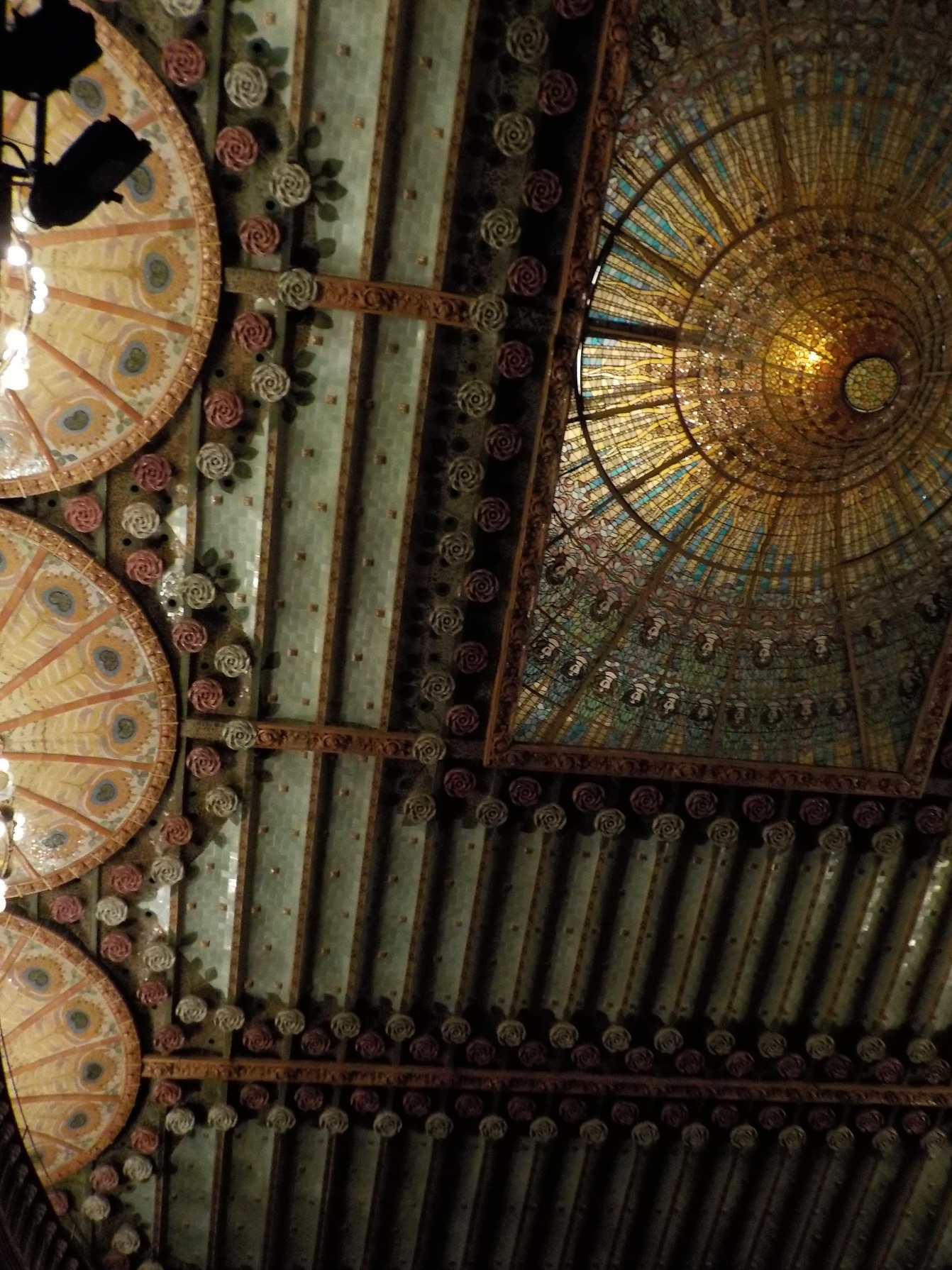
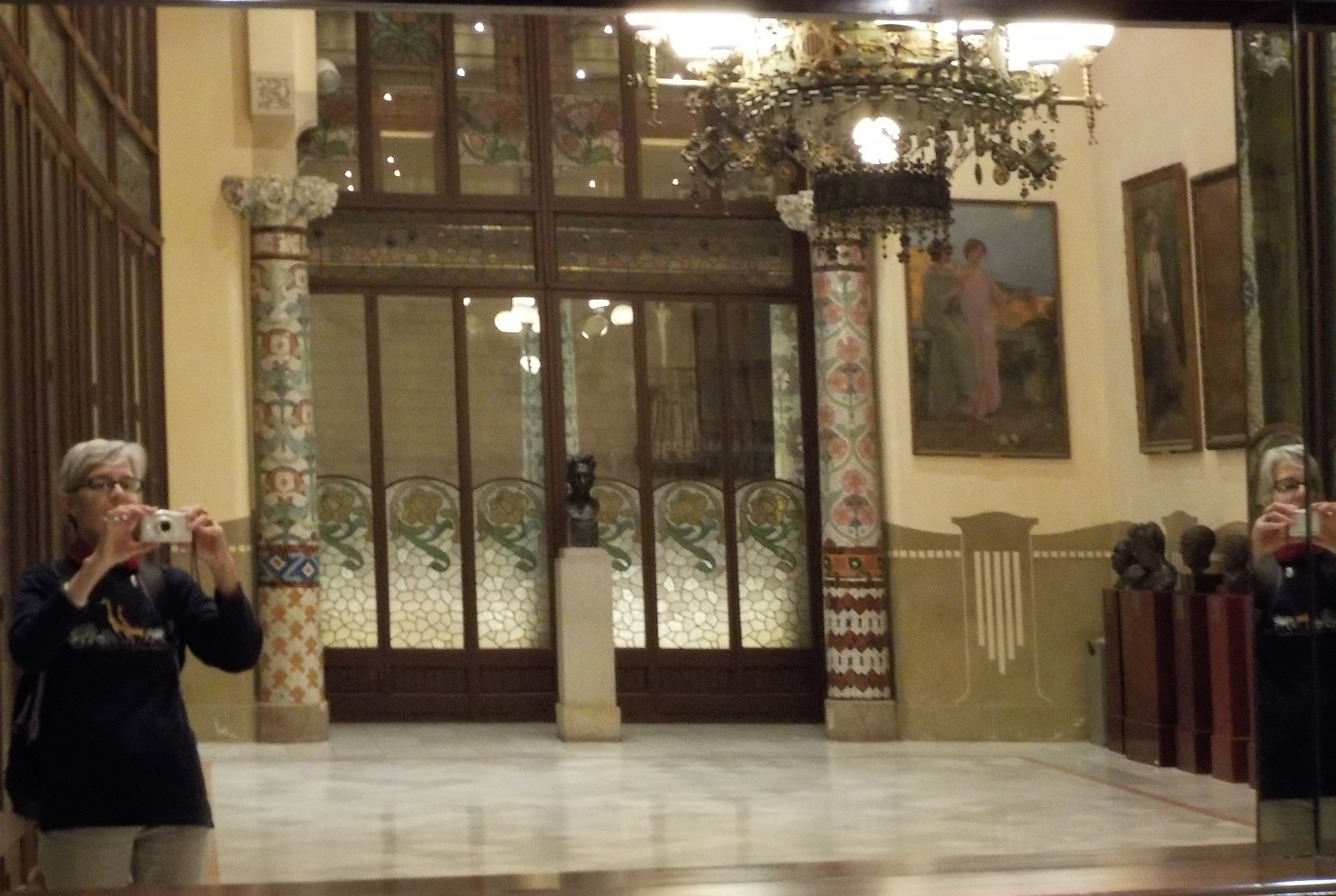
The main auditorium of the Palau has everything that Modernist designers used. It has columns, tile, stained glass, carved wood, marquetry (inlaid wood), and paint. All these media are then all combined in flat, raised, and 3D forms.

10.25.15 Palau de la Musica-046sm

This is the view up toward the ceiling from my seat. There is a tour to see all this, but a ticket to one of the locally organized concerts was only 6€, so I decided that I’d look around during the intermission. I was looking forward to it, an organ concert by Jennifer Bate, a renowned player, but in the end it was cancelled because the organ computer links malfunctioned, so I didn’t have much to do but take photos for a half hour until the official word came down. It was good for photos, but not much for music. I went home and listened to her play on Apple Music.


10.25.15 Palau de la Musica-045sm

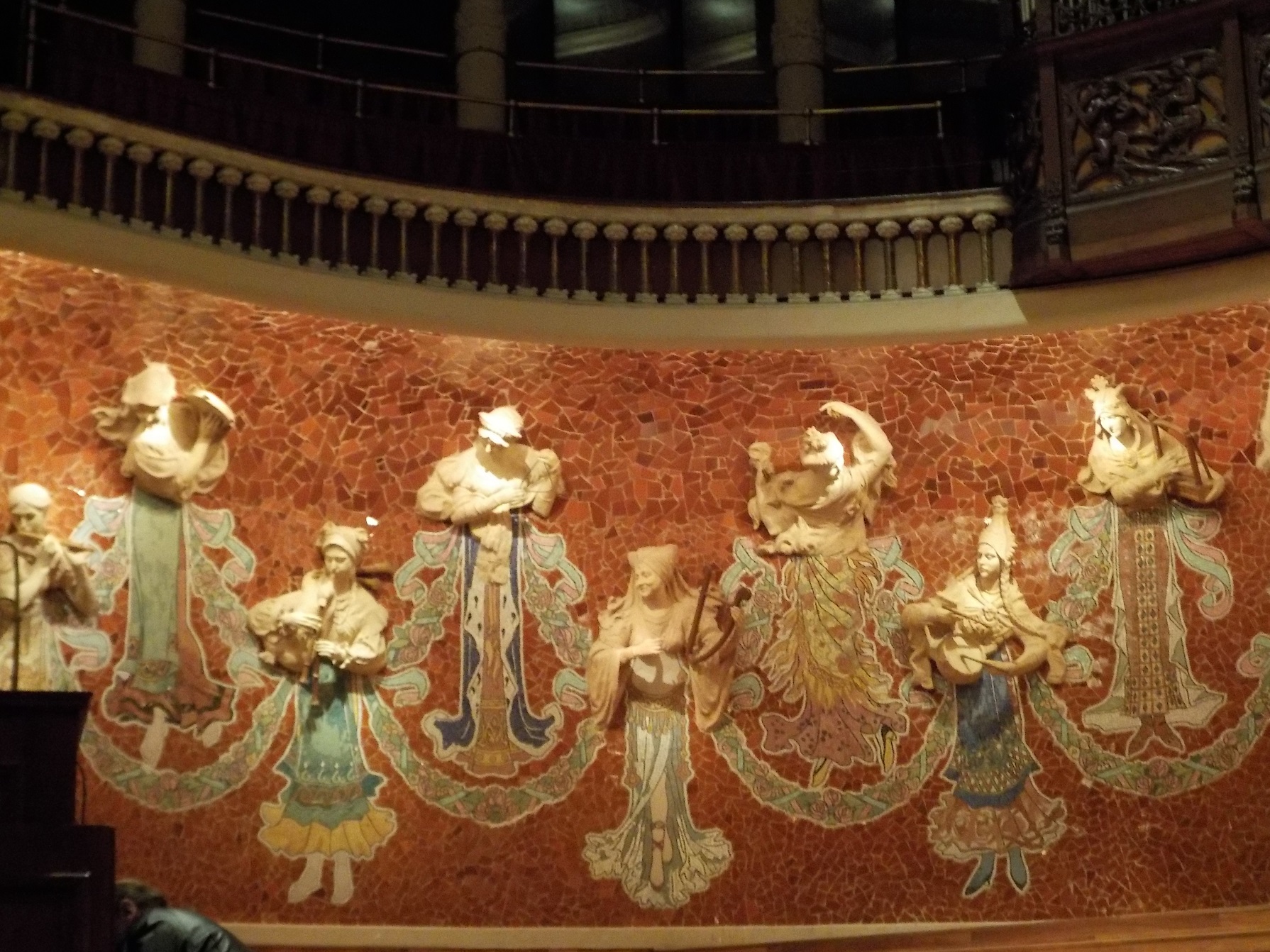
On either side of the stage are carved decorations that are each almost three stories tall.


Around the edge of the stage area is a mosaic frieze of figures with high relief busts at the top of each individual.

10.25.15 Palau de la Musica-044sm

The level of detail is remarkable. This is the only place I have ever seen the balusters or uprights in a staircase made of glass. I would guess there are more than a thousand of them around the theater.

10.25.15 Palau de la Musica-047sm

(See the railing above the figures in the previous photo, as well.)


Ceramic rosettes are featured in several places, at the top of the balusters, on the ceiling of the main auditorium, and at the top of several columns.

10.25.15 Palau de la Musica-056sm

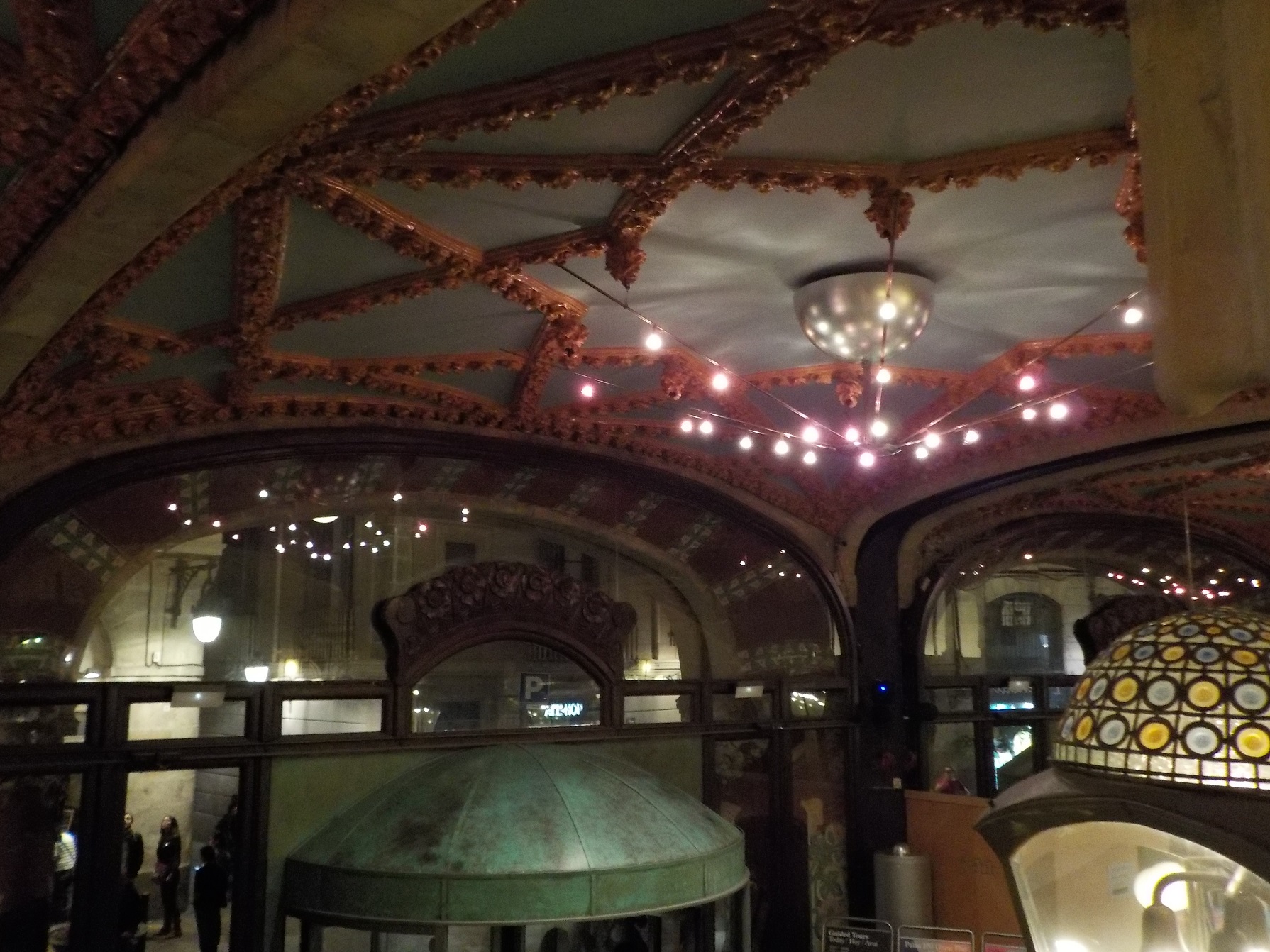
The ceilings are unusually chock full of decoration.

10.25.15 Palau de la Musica-050sm

The pink lines are high relief ceramic tiles. Above the door are carved wood rosettes. On the right is a lamp topped with stained glass circles and on the left is a patinated copper fixture.

(got that?)10.25.15 Palau de la Musica-032sm


Stained glass panels in a door with a row of glass balusters in the background.


10.25.15 Palau de la Musica-028sm


Lots of tiled columns and stained glass.


10.5.15 Palau de la Musica Catalana.15-004sm

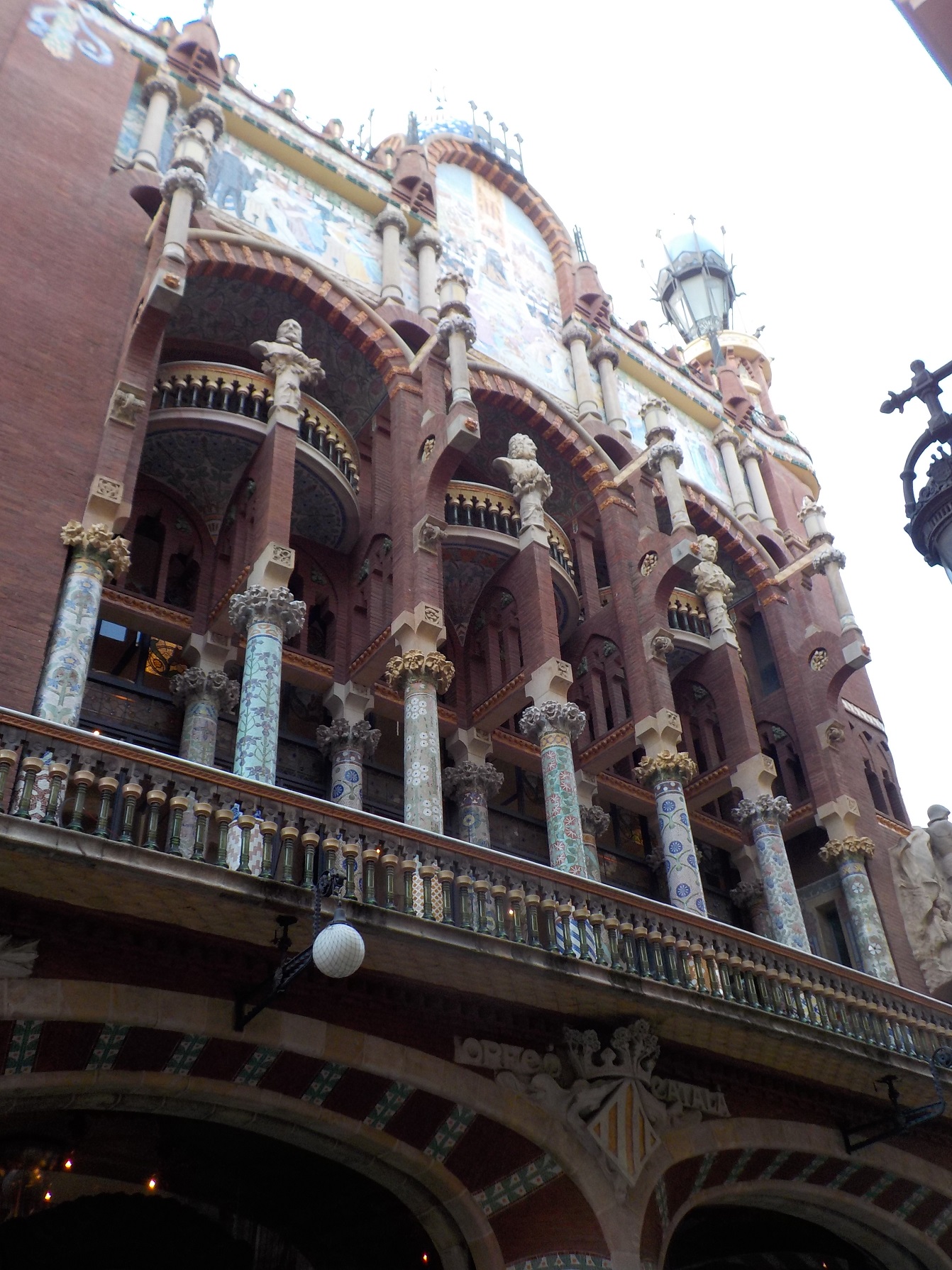
The exterior is equally ornate. This is the base of a pillar.


10.5.15 Palau de la Musica Catalana.15-005sm

Every pillar appears to be tiled with a different pattern.


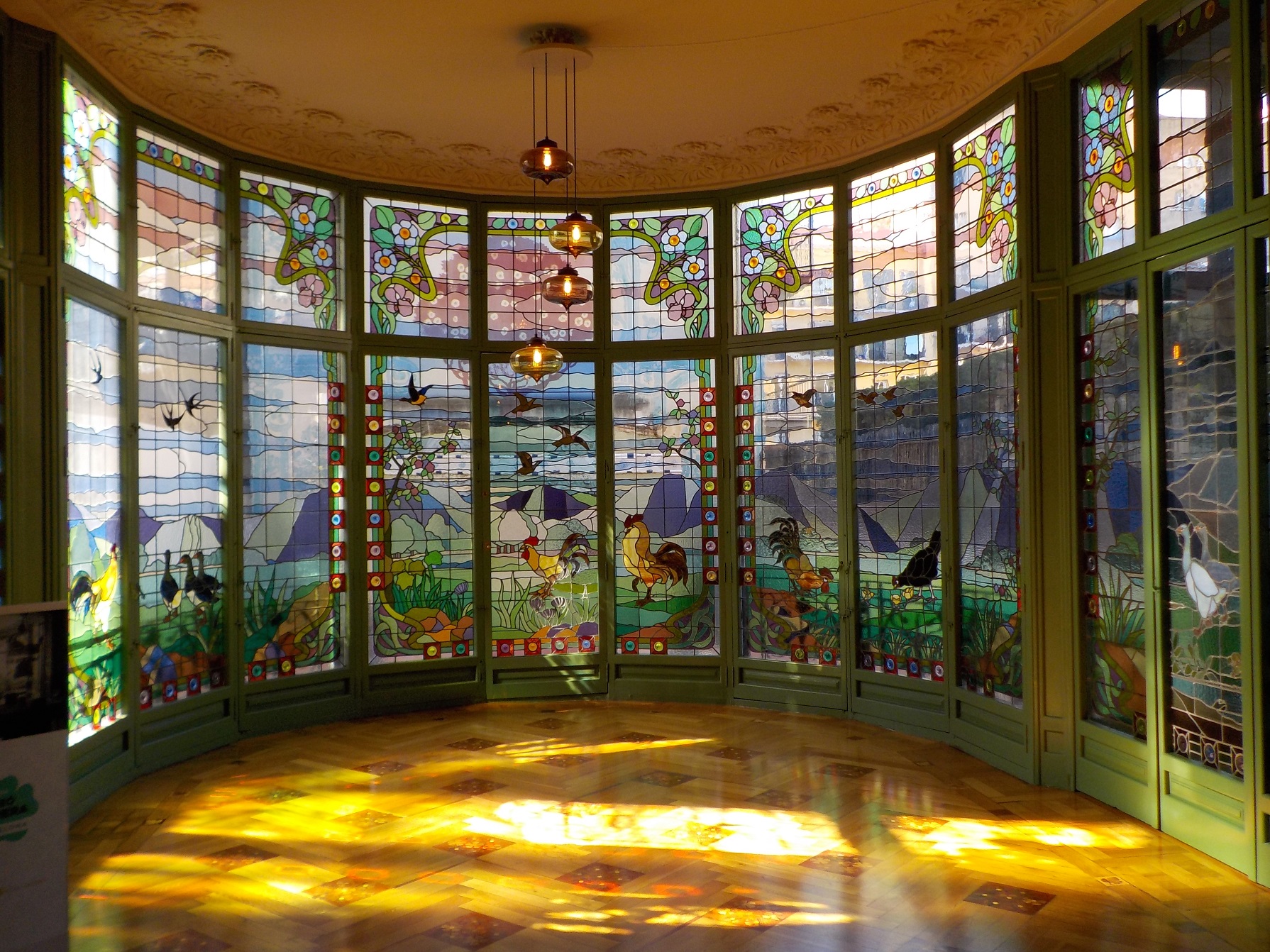
Last but not least, I visited another building that Lluís Domènech i Montaner worked on, the Casa Lleo i Morera. Here is possibly the most beautiful sun room ever made.

10.22.15 Casa Lleo i Morera-024sm

Who wouldn’t want to sit here?

A lighthearted look at the Romanesque

The 11th and 12th centuries were a busy time in the Pyrenees, people were building churches in every little valley and painting them from roof to doors with frescoes. That was a lot of work and a long time ago.

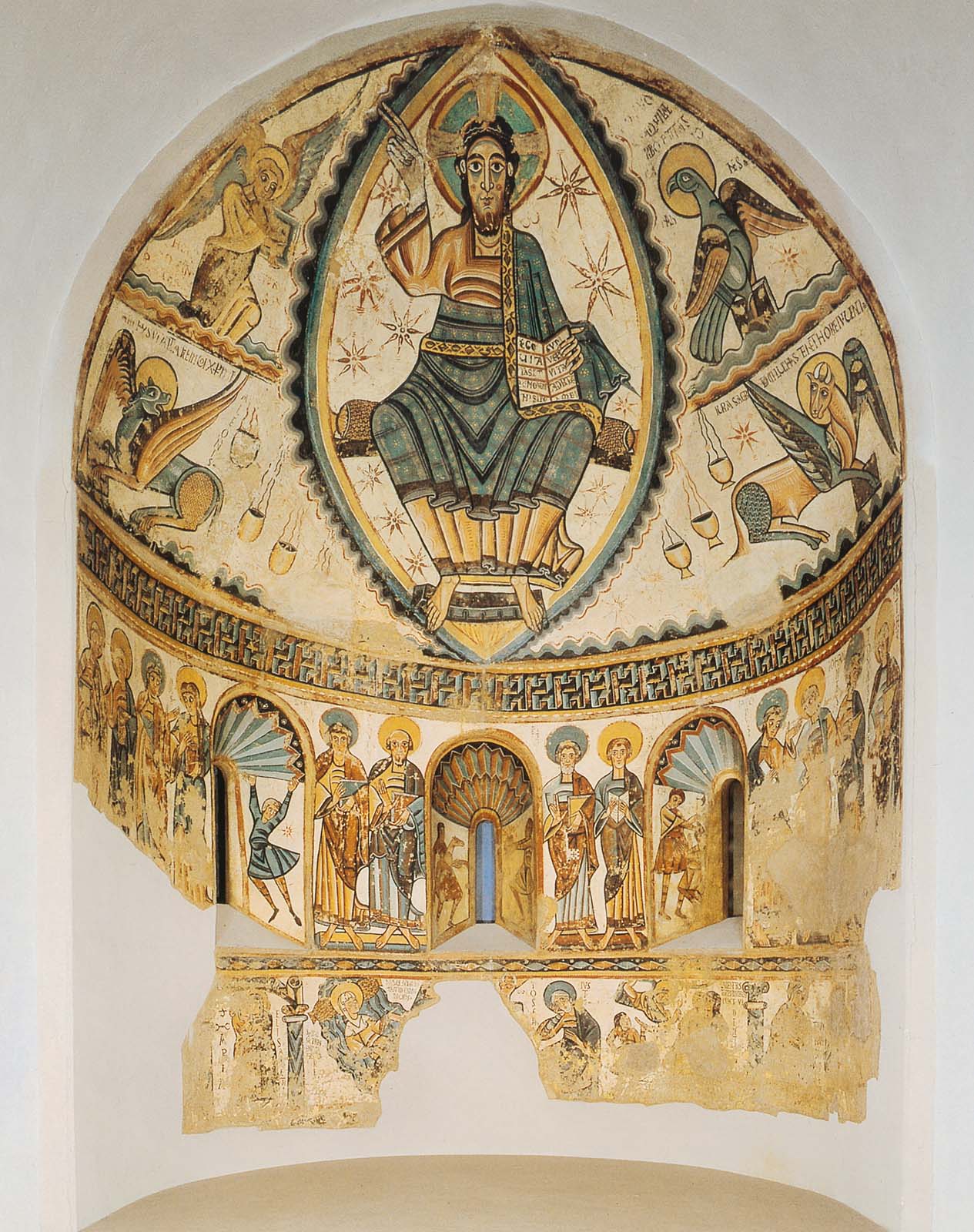
Time passed. At the beginning of the 20th century when museums were building their collections in the US, European art was considered essential because it showed a relationship with the Old World, an appreciation of high culture. In 1919, the rector of a small rural church in the Pyrenees with a very elaborate Romanesque fresco behind the altar sold it. After passing through a few hands it arrived at the MFA Boston in 1921 (MFA paid $92,500–how much of that do you figure the rector got?….). For more:

http://www.mfa.org/collections/object/christ-in-majesty-with-symbols-of-the-four-evangelists-31898

frescoGreat publicity ensued and the Spanish in Catalonia got wind of the fact that the artwork in these remote and sometimes abandoned churches was prized elsewhere. As a result, the regional government purchased the interiors of 19 rural churches, removed the frescoes and brought them to Barcelona, to the Museu Nacional del Arte de Catalunya. The galleries have dimensions, apses and niches that allow the frescoes to be shown in positions similar to their original location. The video showing how the frescoes were removed is cringe-worthy today because conservation standards have changed. There were no cotton gloves, no careful peeling of the fresco. There’s some chiseling, and some flapping of frescoes, but they made it and are still around. Here are some of my favorites. WITH APOLOGIES TO THE HISTORY OF ART.

10.23.15 MNAC visit 2 Romanesque-011sm

It was tough to be alive in the 11th century. People had been embarrassed since the days of Adam and Eve.


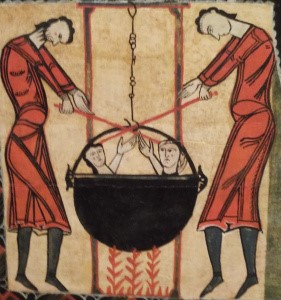
It was difficult to make it to adulthood. If you were a bad child, punishment was severe.

Into the pot with you, bad children!


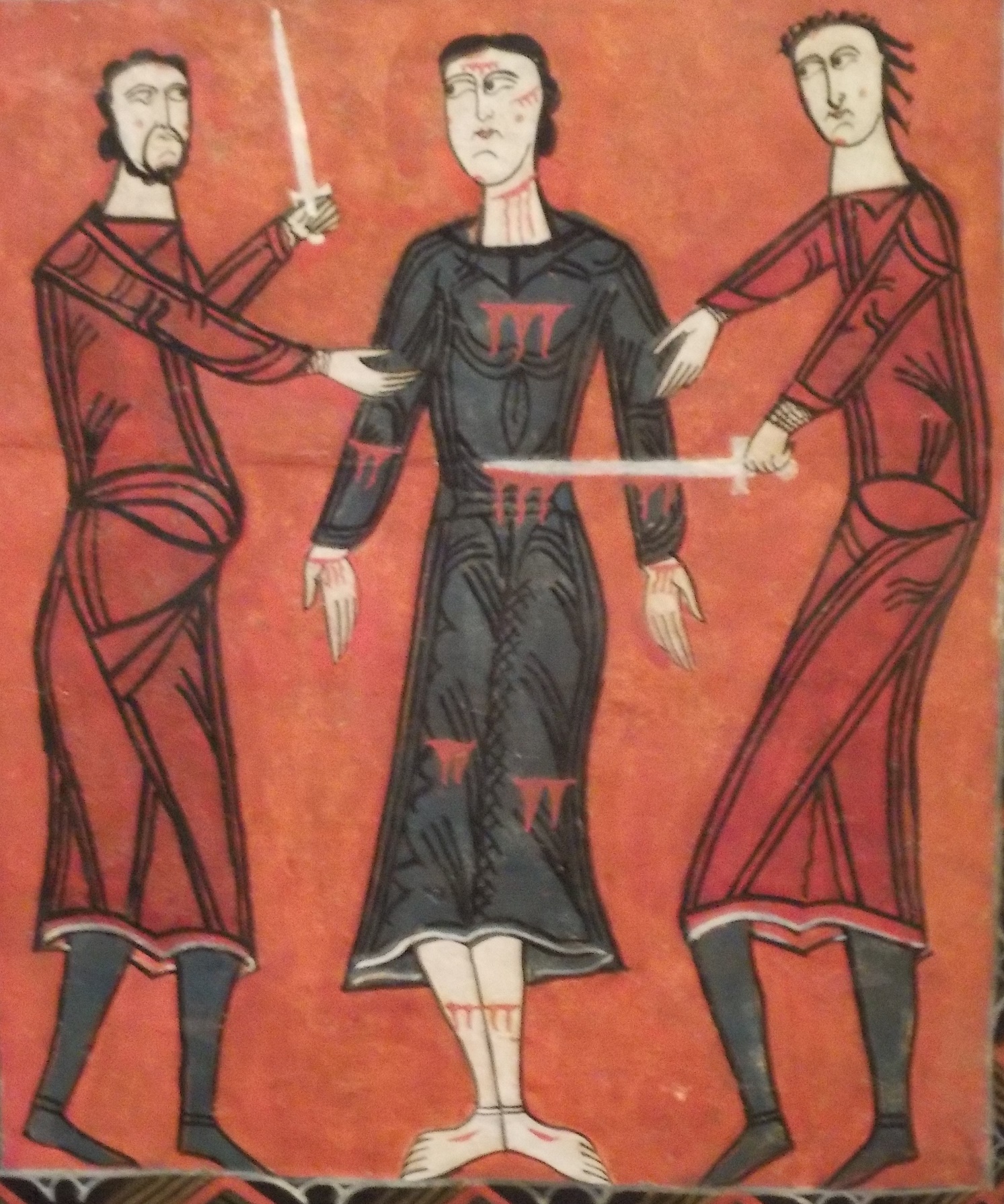
Sometimes the stress of life gave a person tremendous aches and pains:

10.23.15 MNAC visit 2 Romanesque-005sm

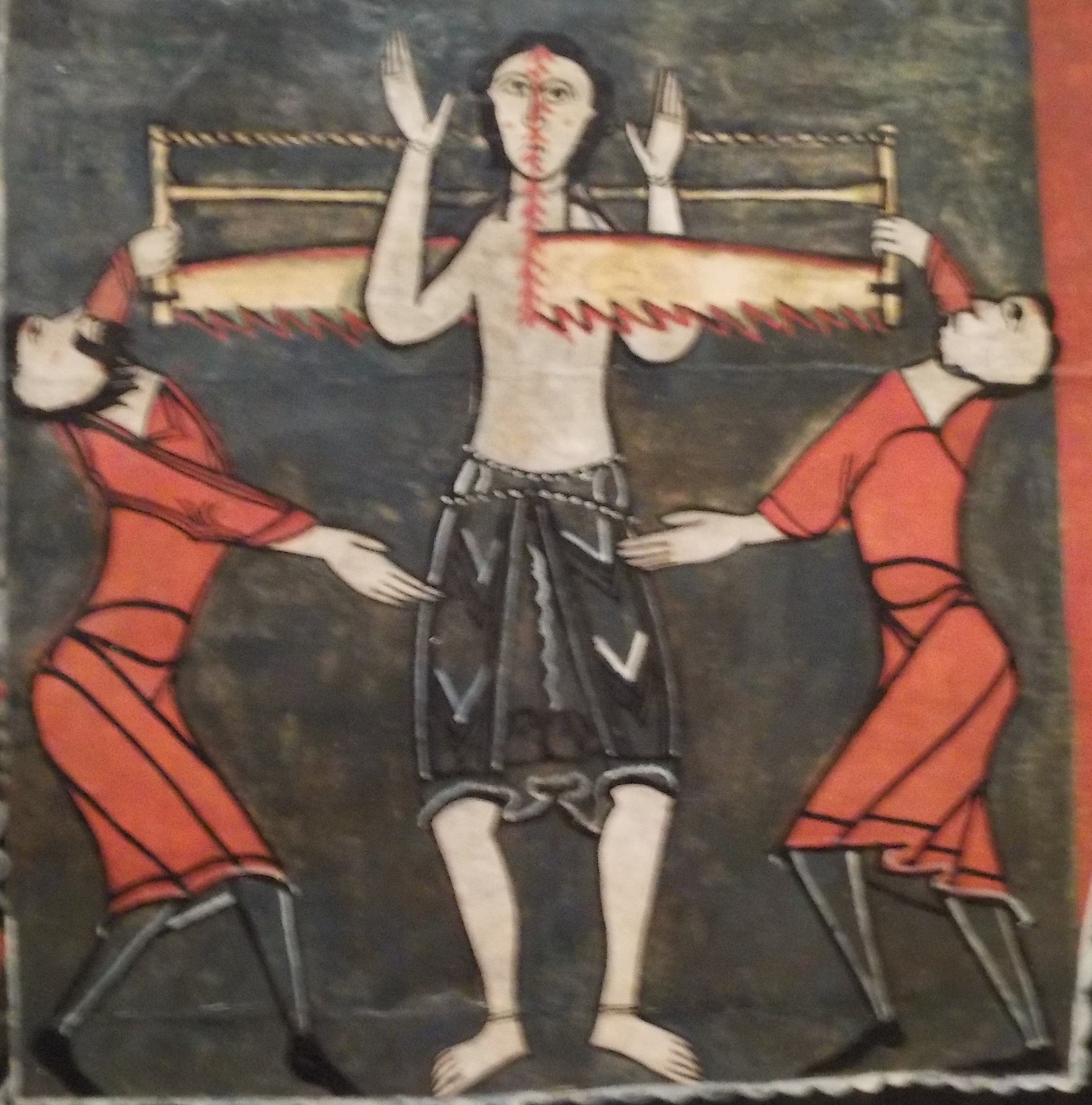
Medical care was very haphazard. Take surgery, for example. Sometimes, the doctors weren’t even sure where to start.

10.23.15 MNAC visit 2 Romanesque-007sm


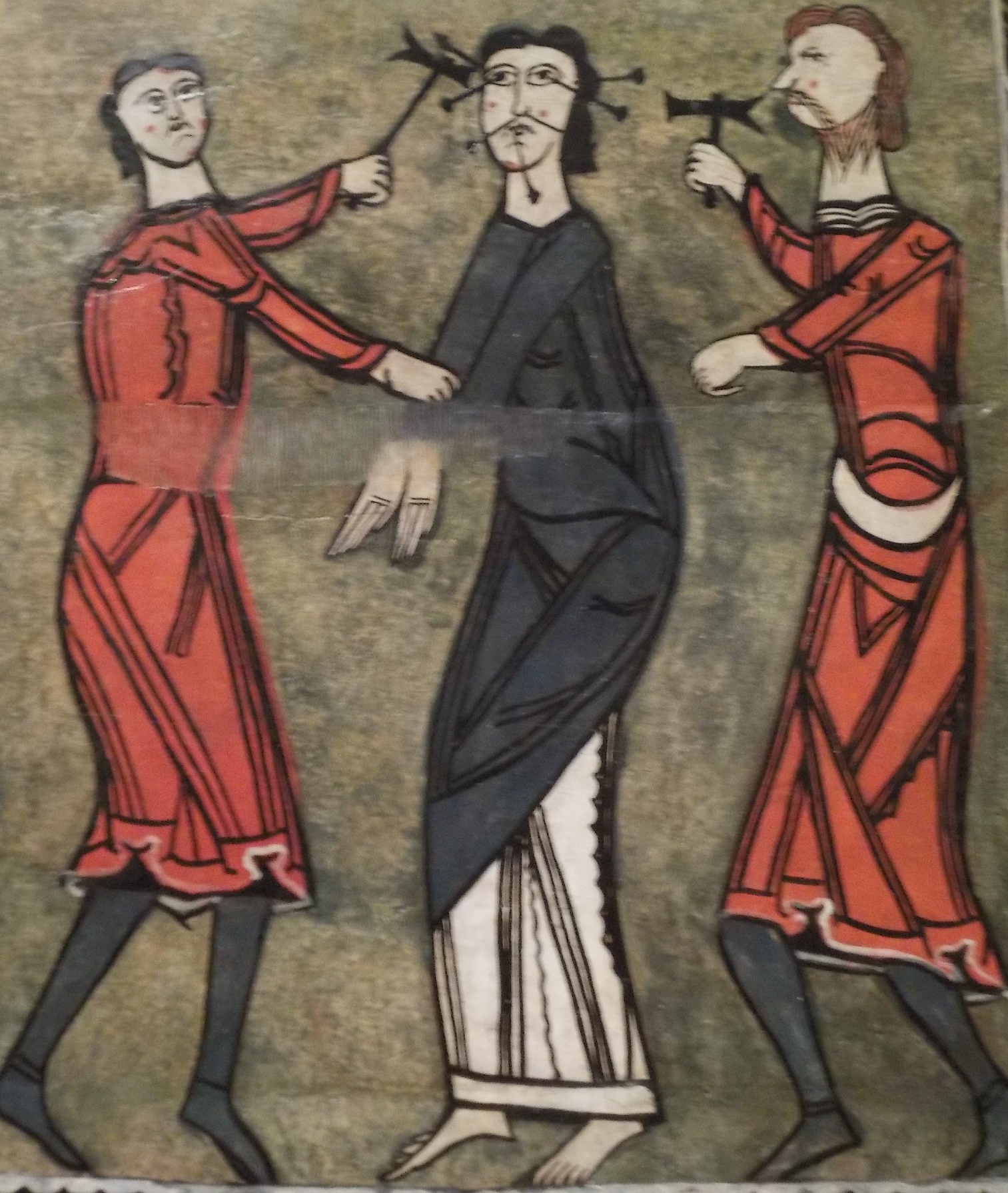
Don’t get me started about old age! The treatment for macular degeneration, well, the odds were against a cure:

10.23.15 MNAC visit 2 Romanesque-006sm

Religion was a real force in the world, and people were watching you all the time.

10.23.15 MNAC visit 2 Romanesque-003smFortunately, there was help:

index

Don’t worry apostles, the Power Puff girls are coming! (Same eyes)


To see all 19 galleries of Romanesque frescoes in Barcelona, visit the MNAC.

http://www.museunacional.cat/en

A Cabinet of Curiosities in a park full of wonders

It was our week in Montjuic Park, where we spent one day walking from the castle along the ridge, looking at the commercial harbor. We watched a container ship back in to a slip. I was sure it would all be done electronically, after all, a person is so small that the idea of pulling a supertanker with a rope seemed impossible.

Wrong.

The ship backed in as neat as you please and then tossed a rope to a guy on the wharf. He dropped it over a bollard and the ship pulled against the rope to move the bow in to shore. What is that rope made of? This is a container ship we’re talking about.

Next we strolled around looking for the Botanical Garden. We had a lovely walk, but never found the garden. We did find a couple of birds, a nice change from the pigeons and Monk parakeets that have taken over most of the city.

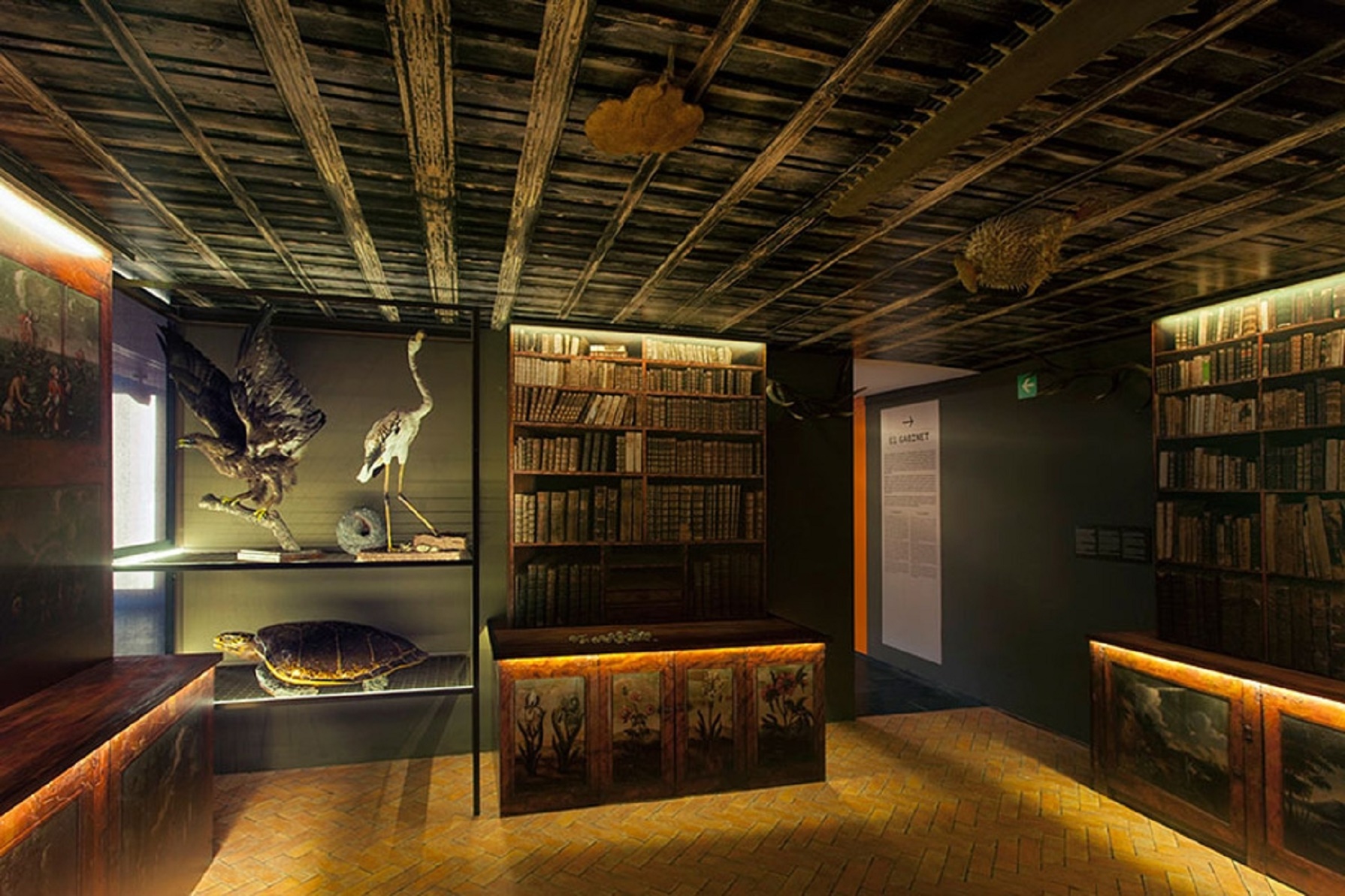
After that, we looked up the location of the Botanical Garden and went there. It was lovely. A temporary exhibit in the Botanical Research Institute showed the personal cabinet of curiosities of the Salvador family that now belongs to the Botanical Garden. In addition to 1200 plant samples that are now part of the herbarium, some of the original painted wood cabinets and drawers survive and were on display, along with some of the original collected materials, from as early as 1714 and kept together until well into the 20th century.

salvadoriana_exposicion_01

10.16.15 Jardi Botanic-003sm 10.16.15 Jardi Botanic-004sm

10.16.15 Jardi Botanic-005sm

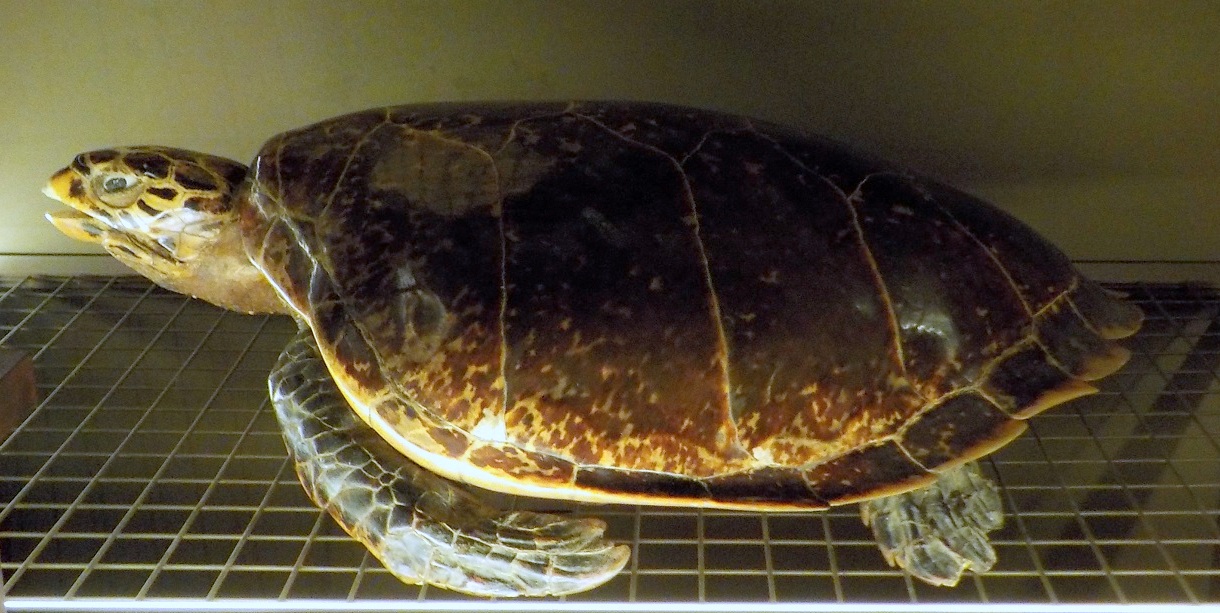
Specimens like this sea turtle are part of the reason there are so few left in the wild.

The Salvador family, who owned this collection, held onto it for five generations, though there was decreasing interest after the first hundred years. Fortunately, the cabinets were left in the pharmacy building that the early generations ran and though deteriorated, it was never discarded. The collection was an important scientific venue for the entire city of Barcelona at the turn of the 19th century. The present exhibit was developed for the tercentenary (1714-2014) of the collection.

http://agenda.museuciencies.cat/ca/museus/institut_botanic_de_barcelona/activitats/exposicions/2014/05/20/salvadoriana/

Compare this one with the cabinet of curiosities created by the Tradescant family (father and son) in England. These ‘Keeper(s) of his Majesty’s Gardens, Vines, and Silkworms’ traveled widely for their times and  their cabinet made its way to Oxford and formed the nucleus of the original Ashmolean Museum.

http://www.ashmolean.org/ash/amulets/tradescant/tradescant00.html

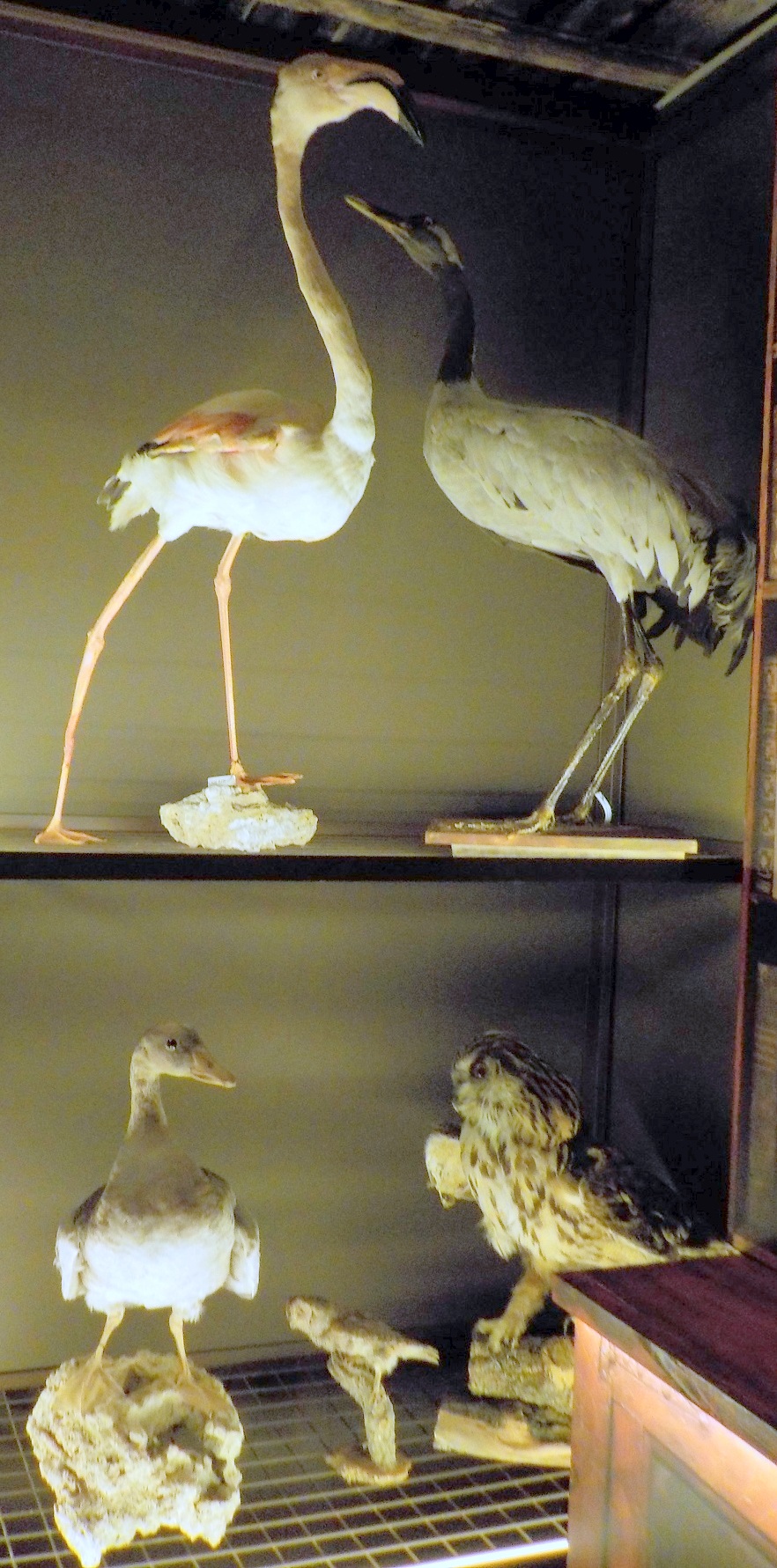
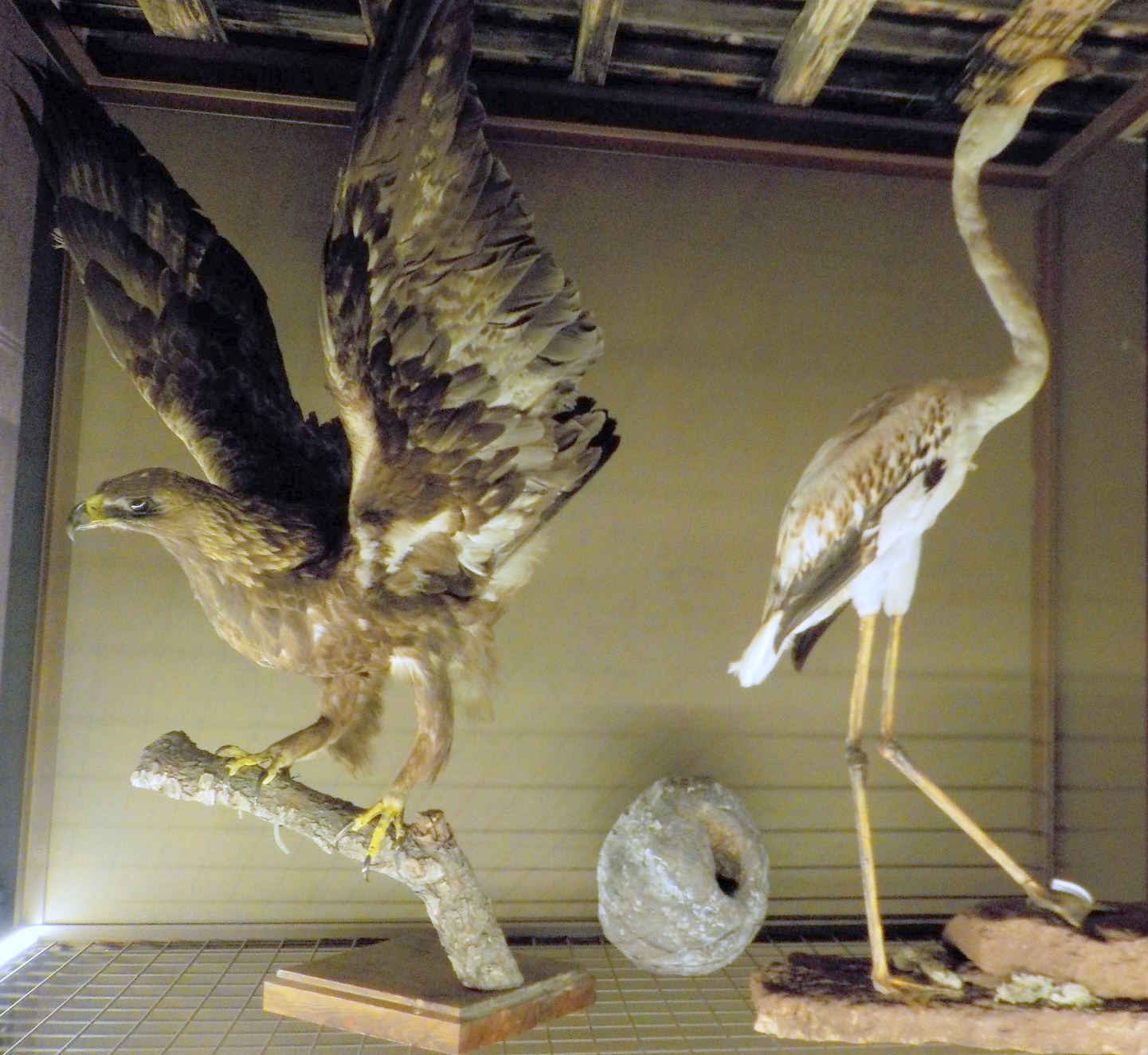
When we were bird watching, we saw all the mounted birds shown in the Salvador’s cabinet (except the owl)–the flamingo, stork, marsh harrier and duck.

10.14.15-006smMost of the live birds have more color than the ones in the cabinet of curiosities that are more than 100 years old.There was a large flock of storks in the marsh we visited last week, but this one perched close to us and didn’t mind the photos. When I looked closely at my picture I noticed he has only one leg. He might need to stop in at the nearby wildlife rehabilitation center. Maybe he already goes there for PT.

Last but not least we visited the Archaeology Museum. Spain has a very long record of human occupation and this was well illustrated. The archaeological details throughout were largely based on sites in Catalonia. I was impressed by how much a person from this region could relate to history of the ancient past from its tremendous continuity.

The recently reopened Ethnographic Collection is near the Archaeology Museum, also in Montjuic. The exhibits were on everyday life in Spain in the past, organized by industry, interesting, but not novel. In contrast, the open storage on the ground floor was wonderful to look at. The permanent collection includes the most extensive collection of ancient glass that I’ve seen on display this side of the Corning Museum.

Montjuic is a remarkable city park when you realize that it holds the Museum of the Art of Catalonia, Miro Museum, all the places I’ve just mentioned, and the stadium and swimming facilities left over from the Olympics. Throw in a cable car, the Magic Fountain, views across both the city and the Mediterranean–it’s pretty comprehensive entertainment.

One Weird Dude–Dali

Now that you know we’re talking about Salvador Dali, I can assure you that he was immensely creative despite being as weird as a two-headed cat. We rented a car and drove to Figueres to visit the museum that Dali designed himself. That’s part of the problem, letting a surrealist design his own space. It doesn’t even look surreal, just ???? A barn-red tower topped with huge eggs and dotted with replicas of loaves of bread. (Huh?)

museo_dali_figueras_t1700809.jpg_1306973099

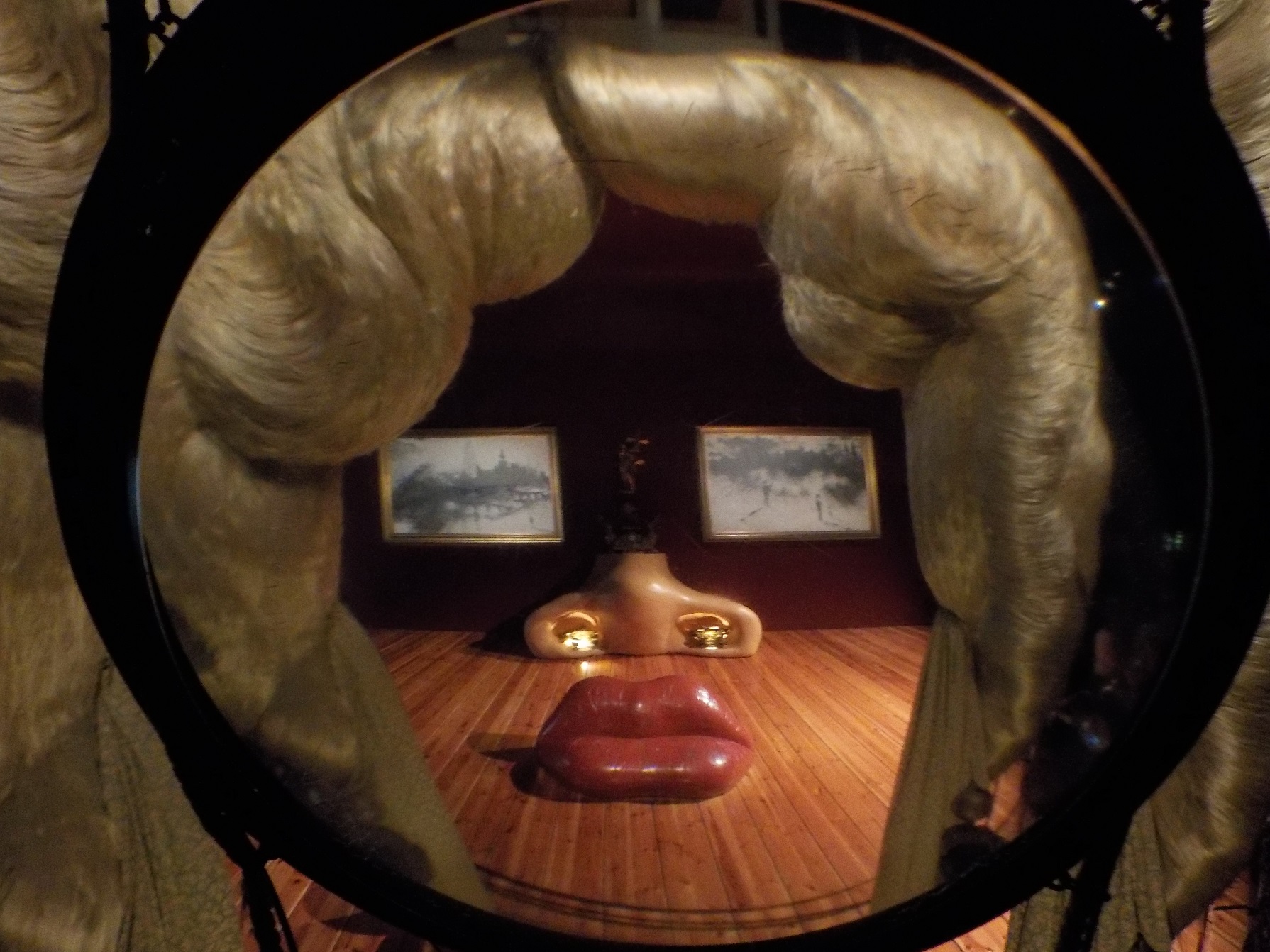
Dali was thrown out of a Surrealist painters group because he was considered too focused on money. He went to New York, and drew or painted anything that anyone would pay him to do. Eventually, he created this museum in Spain and lived not far away for the rest of his life, failing to burn himself up but burning one of his houses down in the process. A lot of his work seems hasty, but I believe that’s because he was so full of ideas. For example, who could even think of this: Mae West as an apartment.

10.13.15 Figueres Dali-005

The original is a painting at the Art Institute of Chicago. This is an actual room in the Dali Museum, but to see it complete like this, you have to climb some stairs and look at the room through a convex glass that hangs from the belly of a fiberglas camel, and peer between the huge acrylic tresses. Honestly, who could even think of this? Once you have the idea, you can start imagining all kinds of people as apartments, but who could imagine such a thing to start with? Dali.

Dali was bursting with ideas. There is a series of sketches where he seems to have been emptying his very busy and tightly packed brain onto sheets of drawing paper and they include a lot of misogynist imaginings. We know he absolutely adored his wife Gala. The paintings of her are spectacular, but buried in among all that was some pretty uncomfortable imagery, if you’re a woman, or have any nerve-endings.

10.13.15 Figueres Dali-003

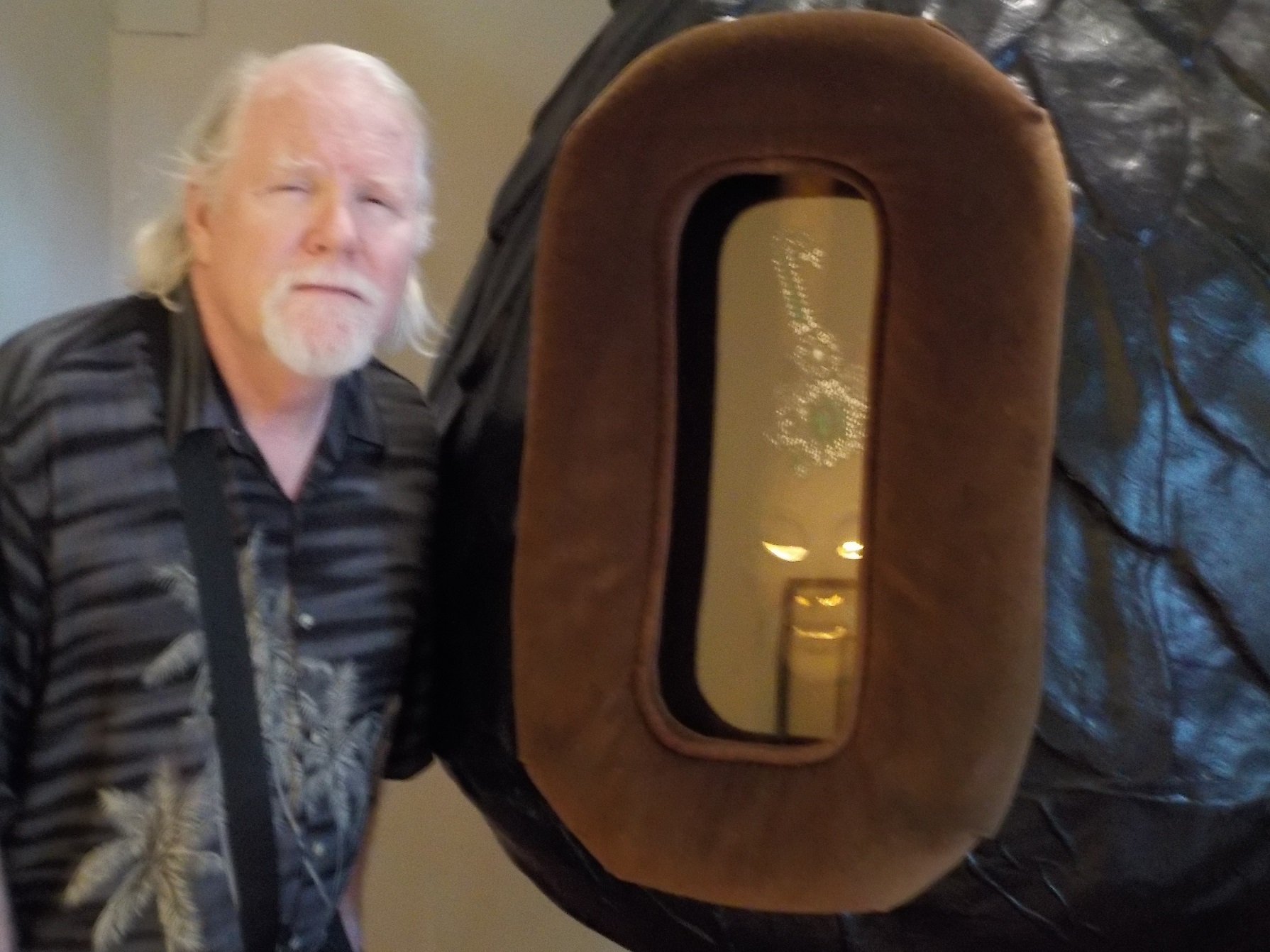
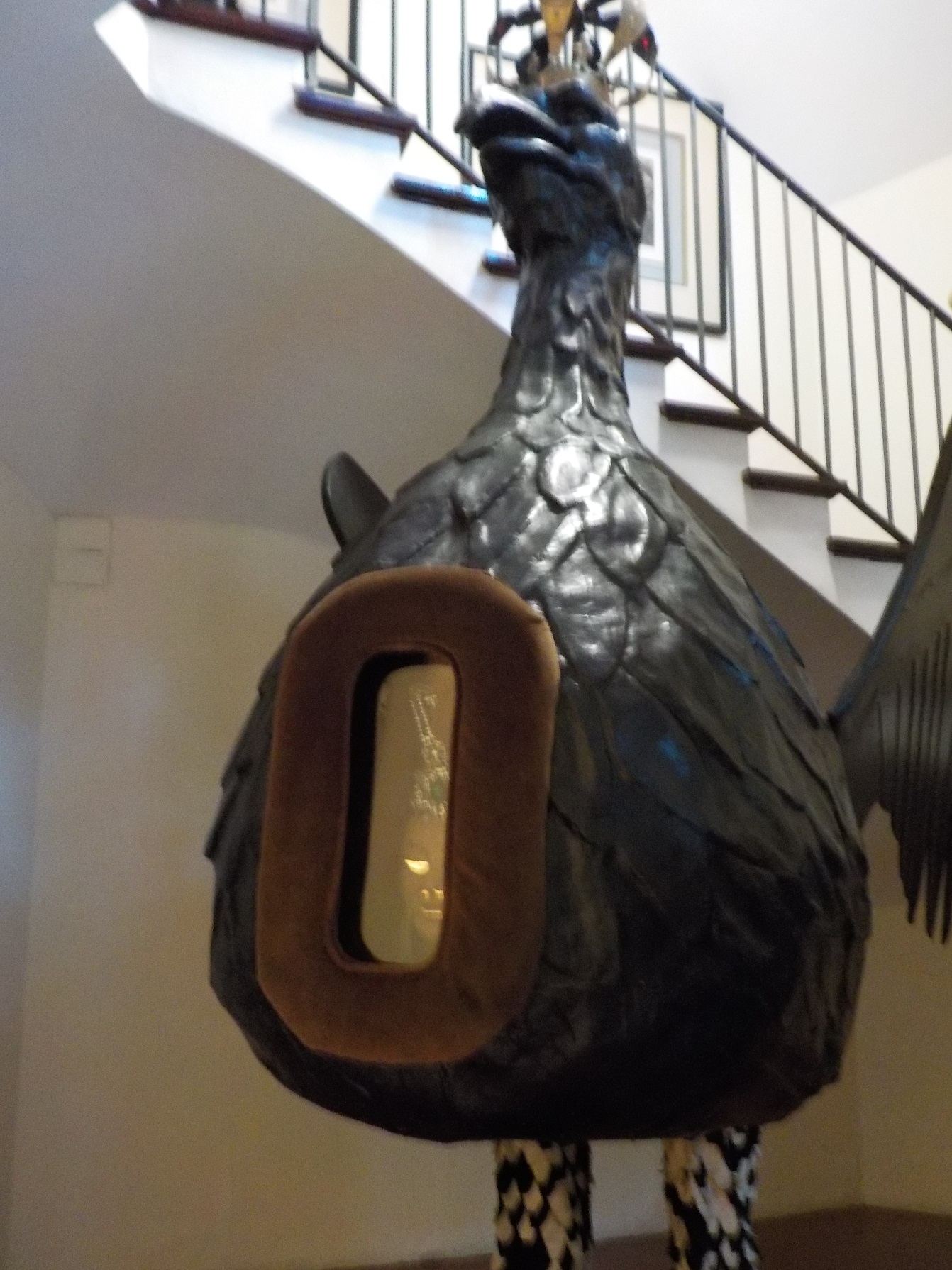
There are lots of quirky exhibits, like this African mask, embellished and placed in the stomach of a huge bird.

10.13.15 Figueres Dali 10.13.15 Figueres Dali-001

I stopped taking photos, because the place is both overwhelming and slapdash. Some of the art is excellent, but some appears hasty, as though he had so much on his mind that he had to keep moving. There is a ceiling full of “bats” that turn out to be painted burlap bags. There is another ceiling full of galvanized buckets.

The highly detailed, carefully painted pictures like the melted watches that he is known for are largely elsewhere. The painting that I found on a postcard and sent to the whole family is one that reminds me of Jonathan: Self-Portrait with Bacon.

October’s bright blue weather and a semi-abandoned science zone

That was the name of a poem I had to memorize in about 3rd grade–I don’t remember anything but the title. The description is very apt, as the days have been exquisitely blue and bright, even as the sun rises a bit later and sets a little earlier every day. We’ve visited two large city parks, the Ciutadella and Montjuic, as well as spending another day at the beach. I even went for a dip.

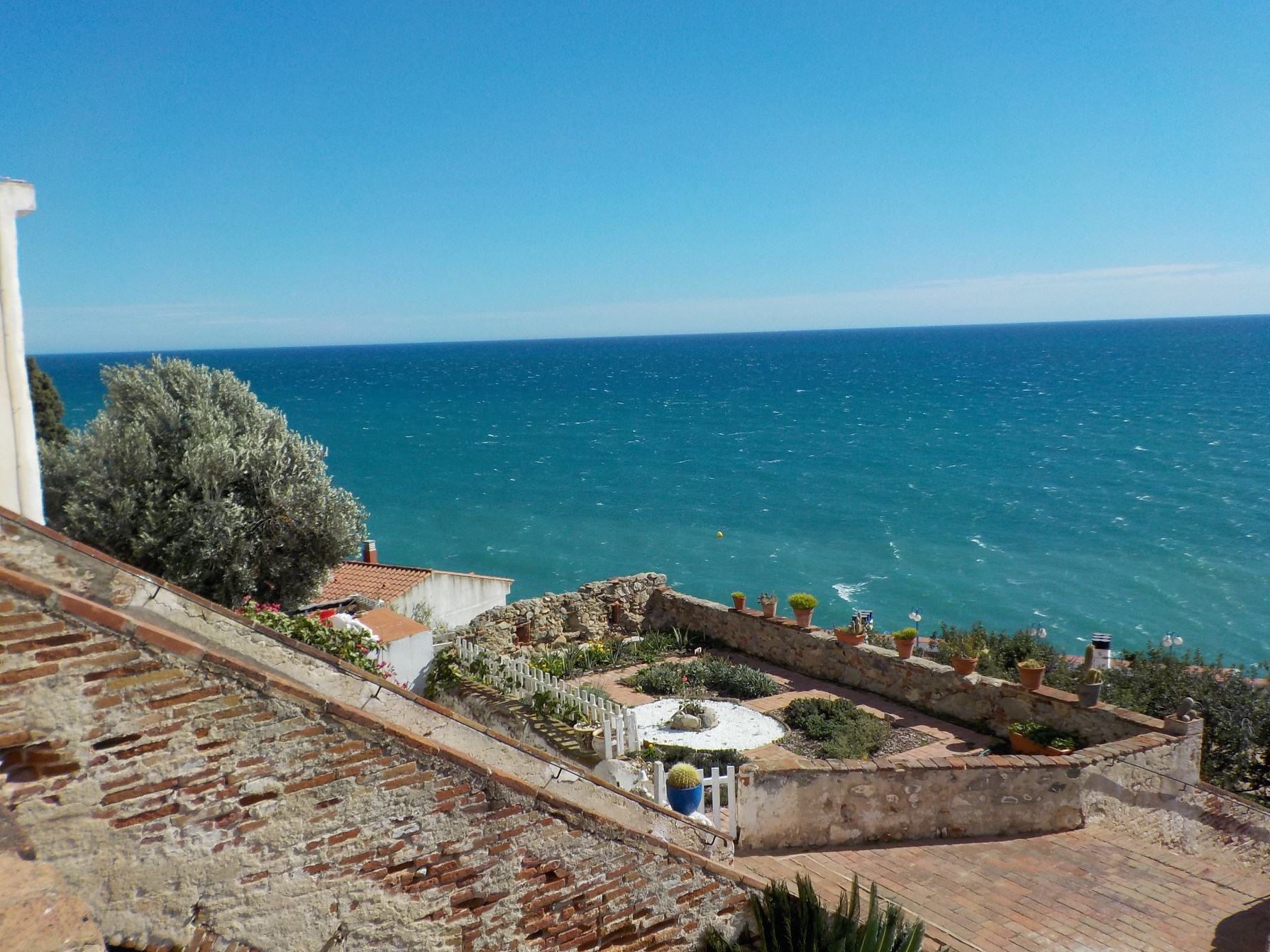
10.6.15 Sant Pol de Mar-004smThe Mediterranean from the Ermita de Sant Pau in the town of Sant Pol de Mar. There’s not a lot in the town, but walking to the top of the hill provides this gorgeous view, and the hermitage (we’re standing on its terrace) is the oldest building around, started in the 10th century. The beach is the real draw here.


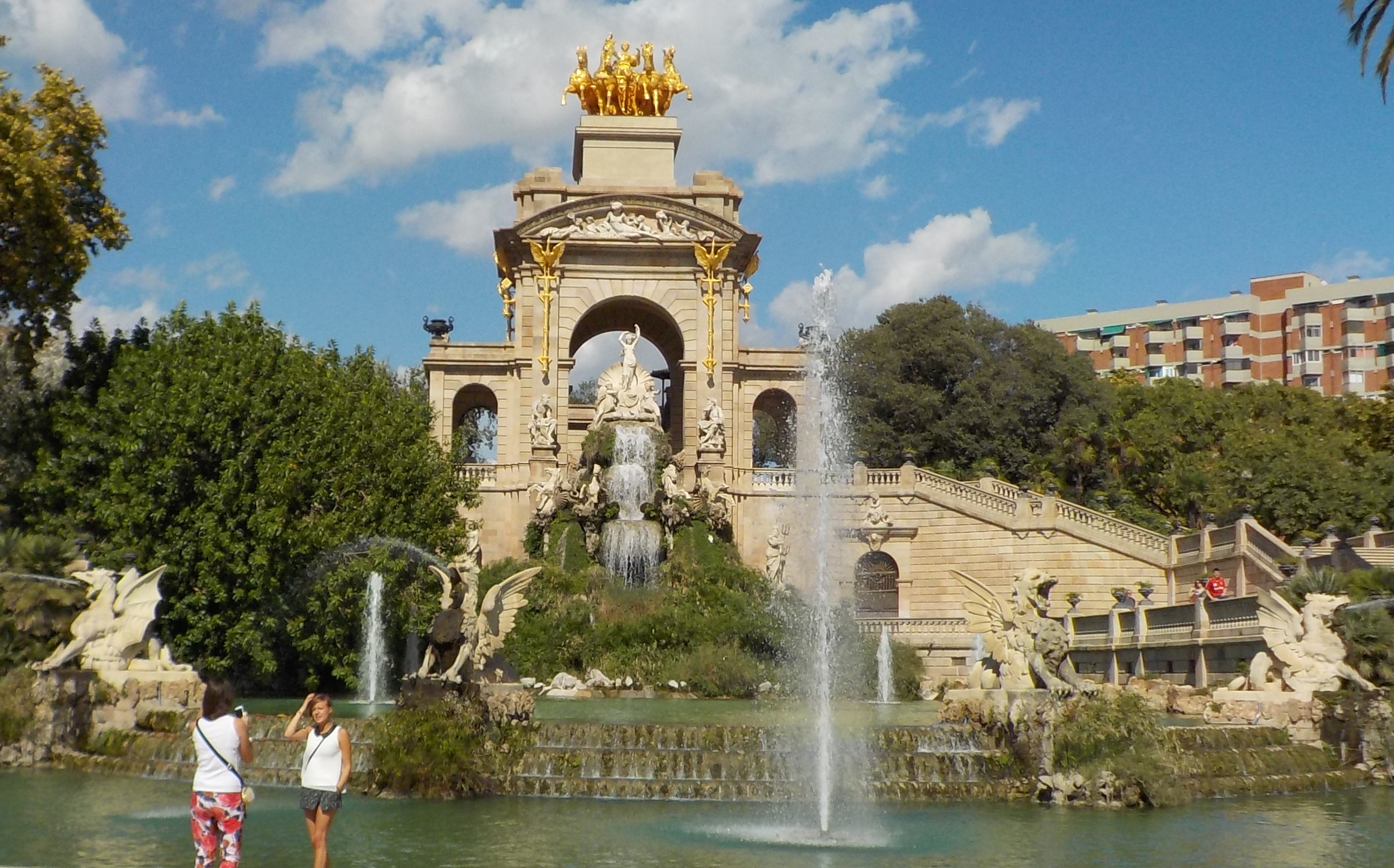
In the city, we are now focusing on the great parks. The Ciutadella seems to have been intended as a multi-site natural history zone, but that was around 1888. Most of the buildings were repurposed or are currently abandoned or semi-abandoned, while the collections have moved elsewhere. An eclectic group of stops remains. There’s the spectacular “Monumental Fountain”

10.7.15 Ciutadella-013sm

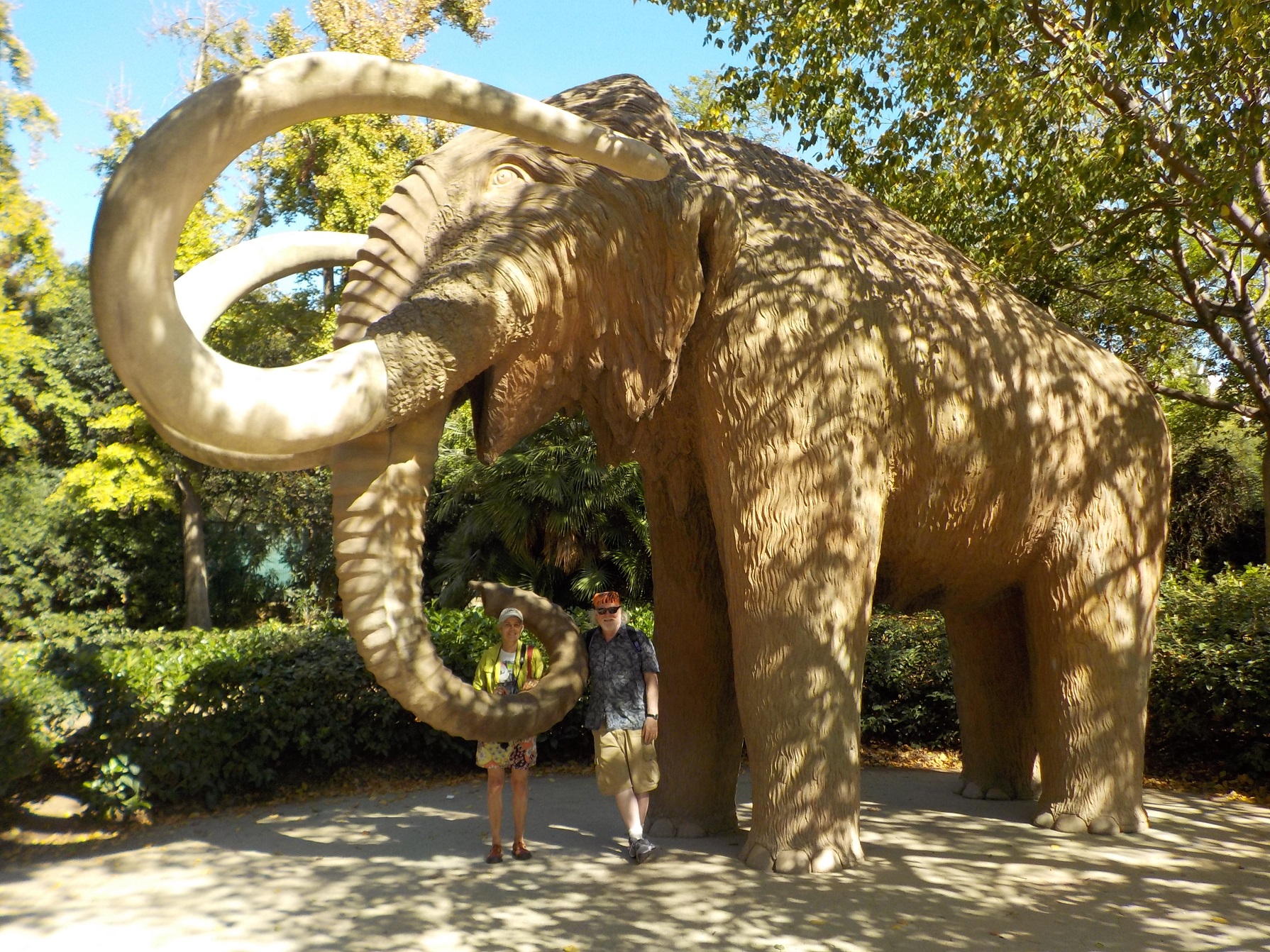
There’s also a mastodon:

10.7.15 Ciutadella-0sm

And a lake with rowboats:

10.7.15 Ciutadella-017sm

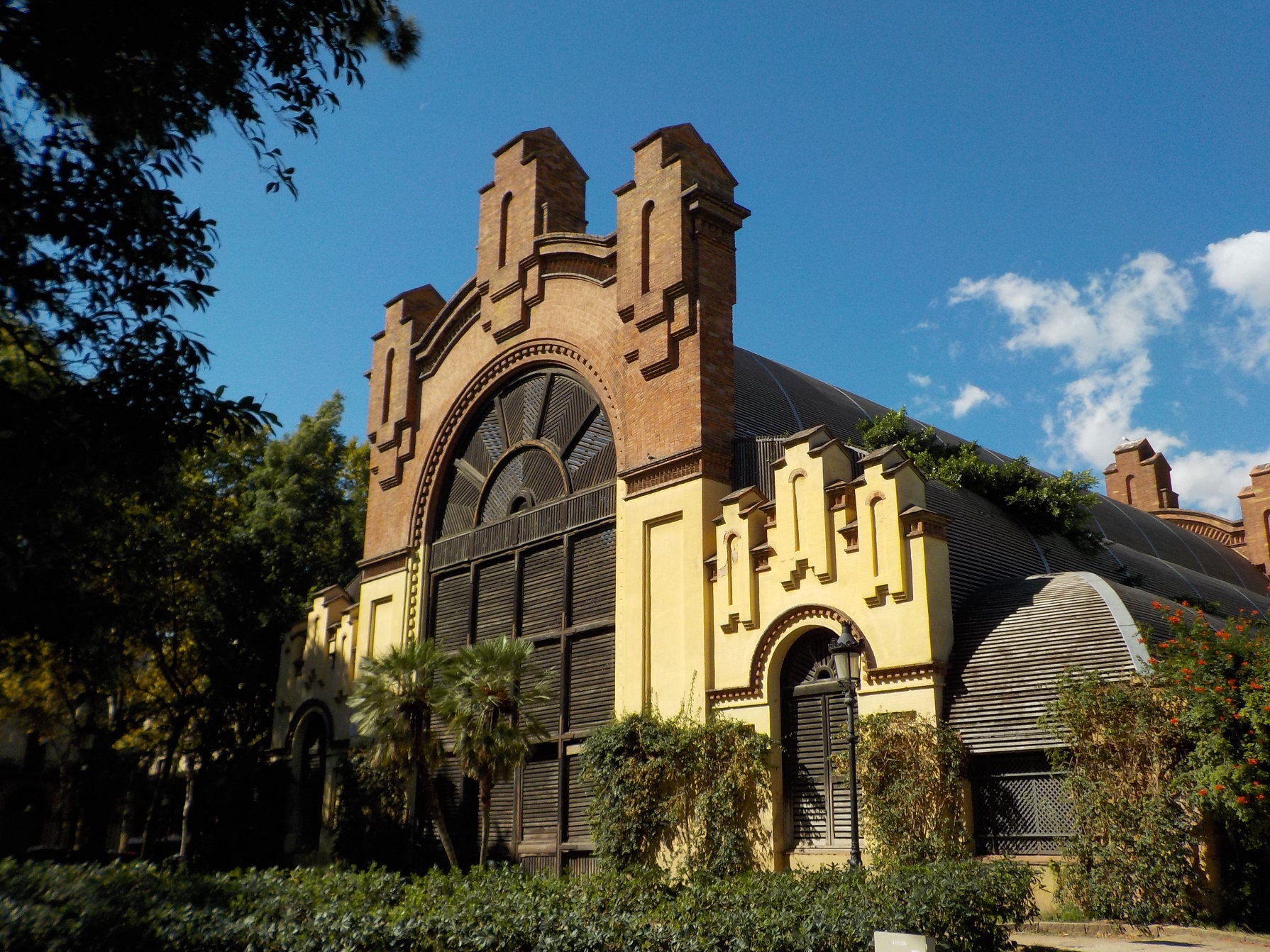
The science museum buildings are all from the modernist era:

10.7.15 Ciutadella-012sp

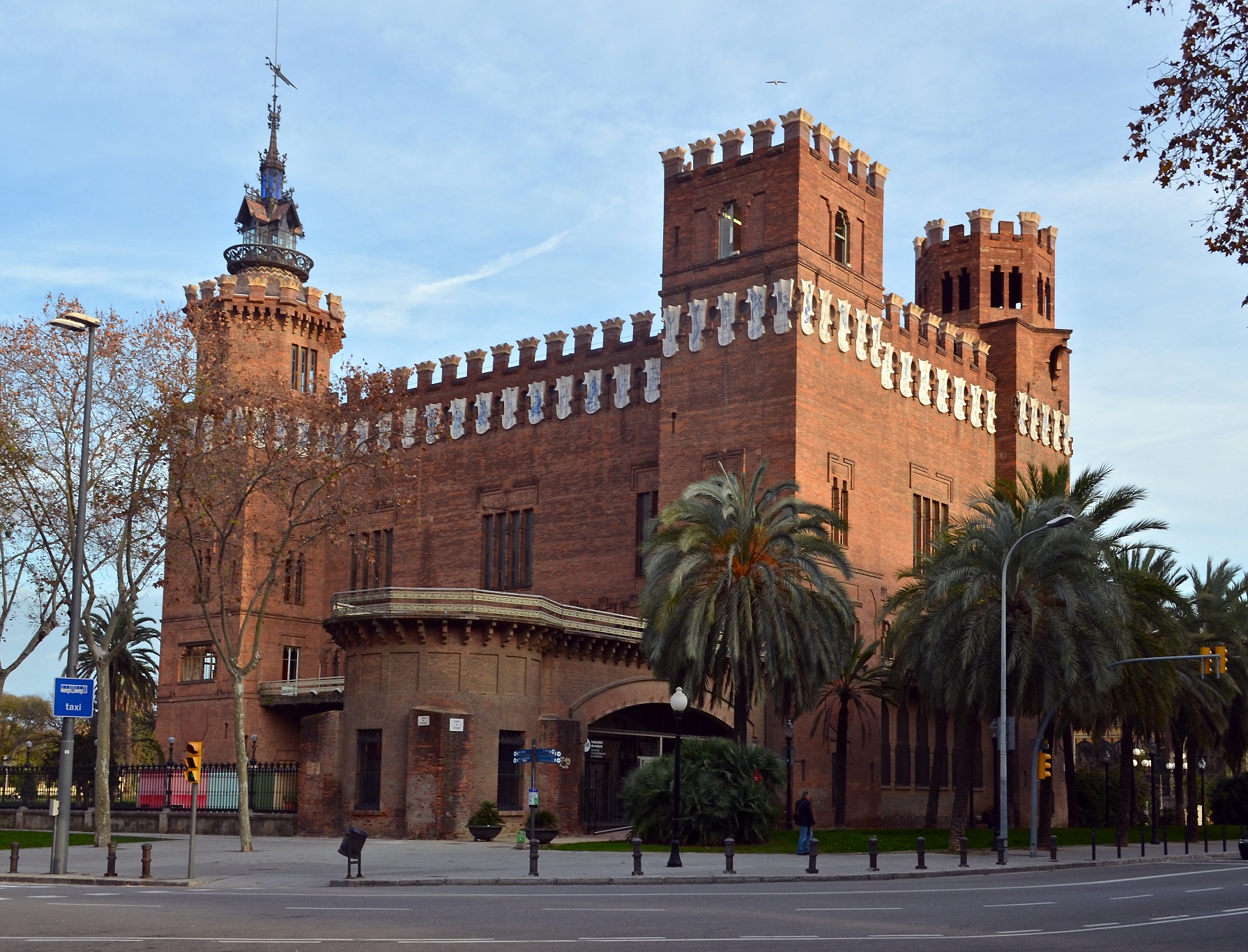
This, for example, is the Umbracle, or shade house, a building with a slatted roof but no windows so that air circulates but the bright sun doesn’t burn the leaves of tender plants. There’s also a Hivernacle, or green house. I would have liked to have my office in the Castle of the Three Dragons, now a science research library.

Barcelona_-_Castell_dels_Tres_Dragons_(2)

The idea of science in the park is lovely, but the reality is not. All the buildings we visited are in disrepair, the castle above is roped off for repairs and closed to the public. The contents of the plant houses are well on their way to running wild and the greenhouse has broken windows. A homeless woman was drying her clothes on the greenhouse fence.
10.7.15 Ciutadella-002sm

When we went home, we tried to find out what had happened to natural history, as the large geology museum between the two plant houses was also closed, and abandoned-looking. The collections have all been moved to a large contemporary building, the Museu Blau, in another part of the city. What is discouraging in terms of promoting science to the public is that there is no explanation at all about the buildings in the Ciutadella park, among the most heavily visited in the city. A visitor is left with the idea that there is no interest in science, because there is nothing to tell you why these vintage buildings are abandoned or where you can find the science museum today. Since there is an effort to preserve every structure considered modernist and the structures in the park seem to be in the limbo between active use and repurposing as part of the “modernism route.”

Next time we’ll visit the zoo, located in the southern portion of the Ciutadella.