It was a wonderful weekend. Our youngest daughter Lillian and her husband Neil flew out of Chicago before the big winter storm hit. They arrived in Eureka on Dec. 22, completing our family group. Amanda and Jim finished cleaning up after Monday’s earthquake, Lyra finished up pre-holiday work, and we were ready to celebrate.
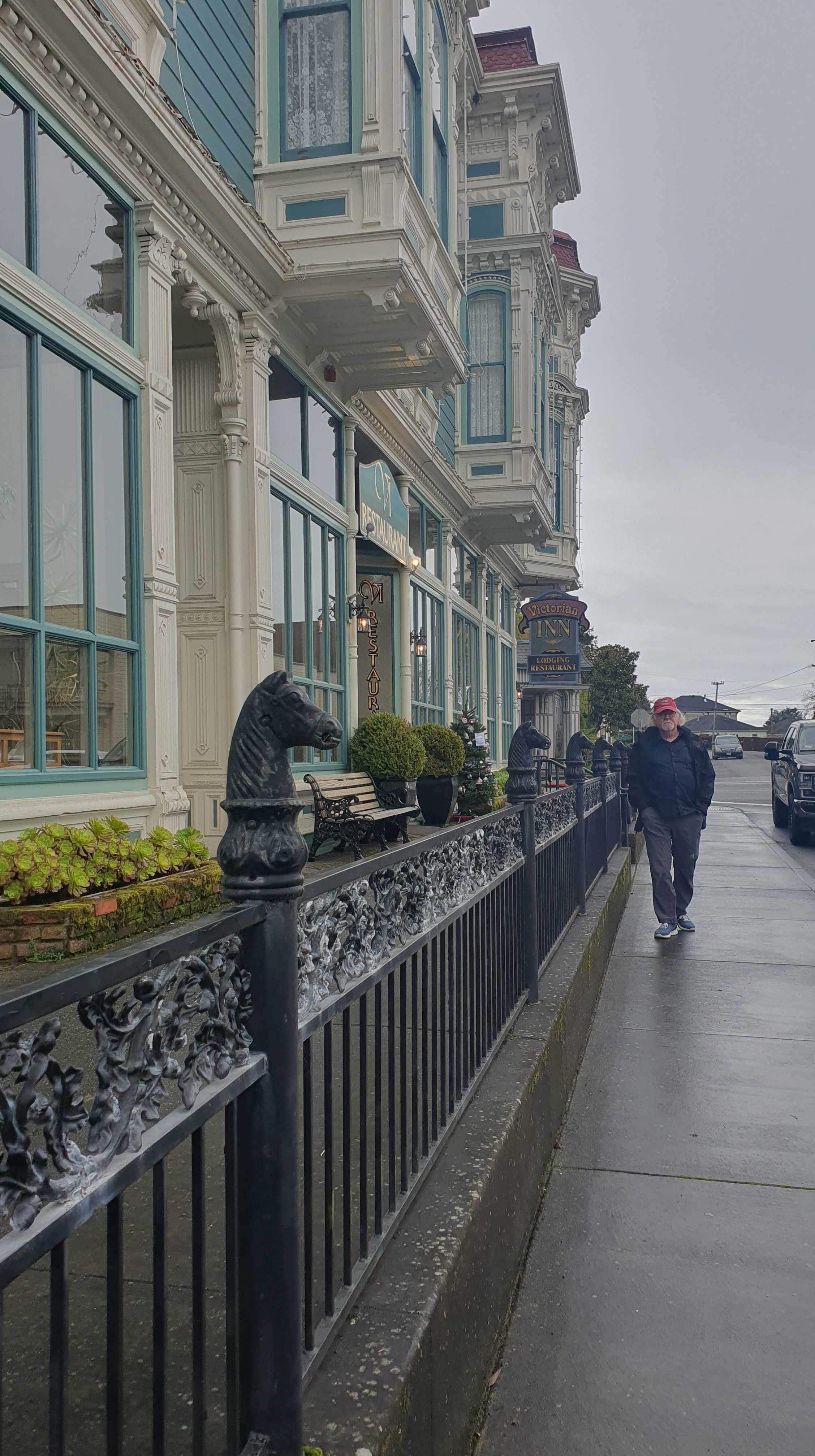
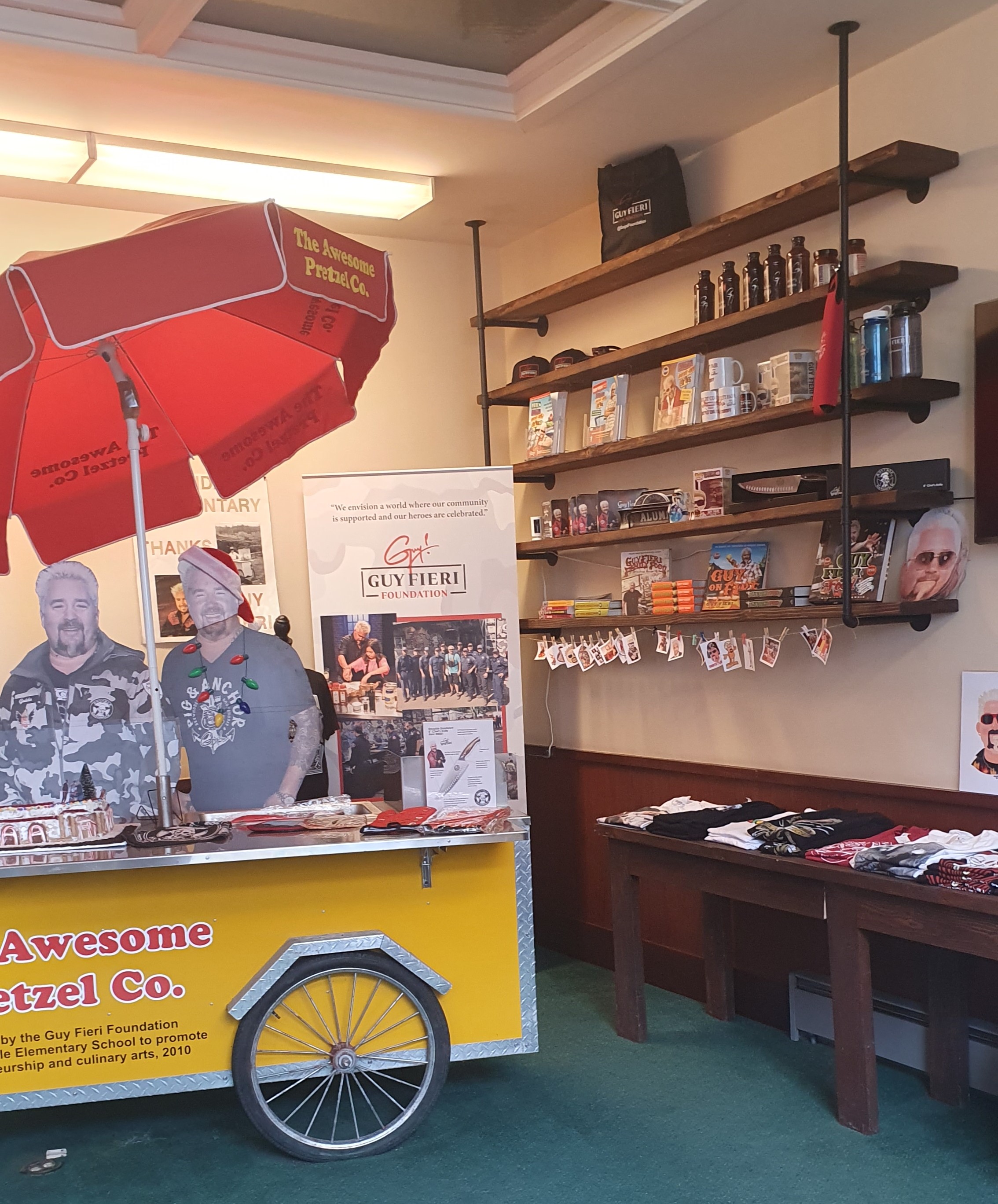
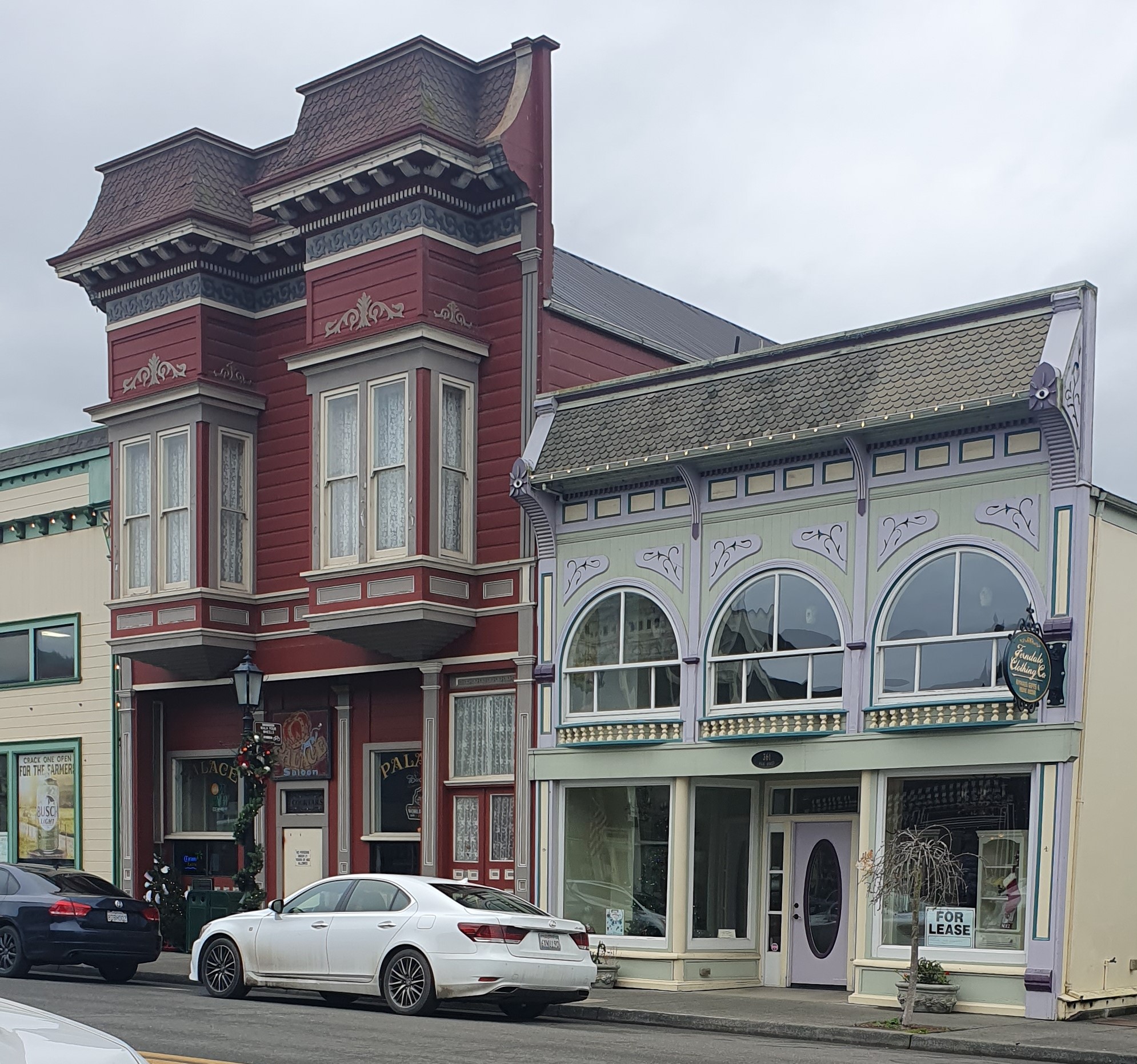
On the 22nd, we went to Ferndale for some pre-Christmas shopping. It’s a lovely, small town with lots of Victorian storefronts. It’s also where TV food personality Guy Fieri grew up. After window shopping, we had lunch at Tuyas, a very good Mexican restaurant.
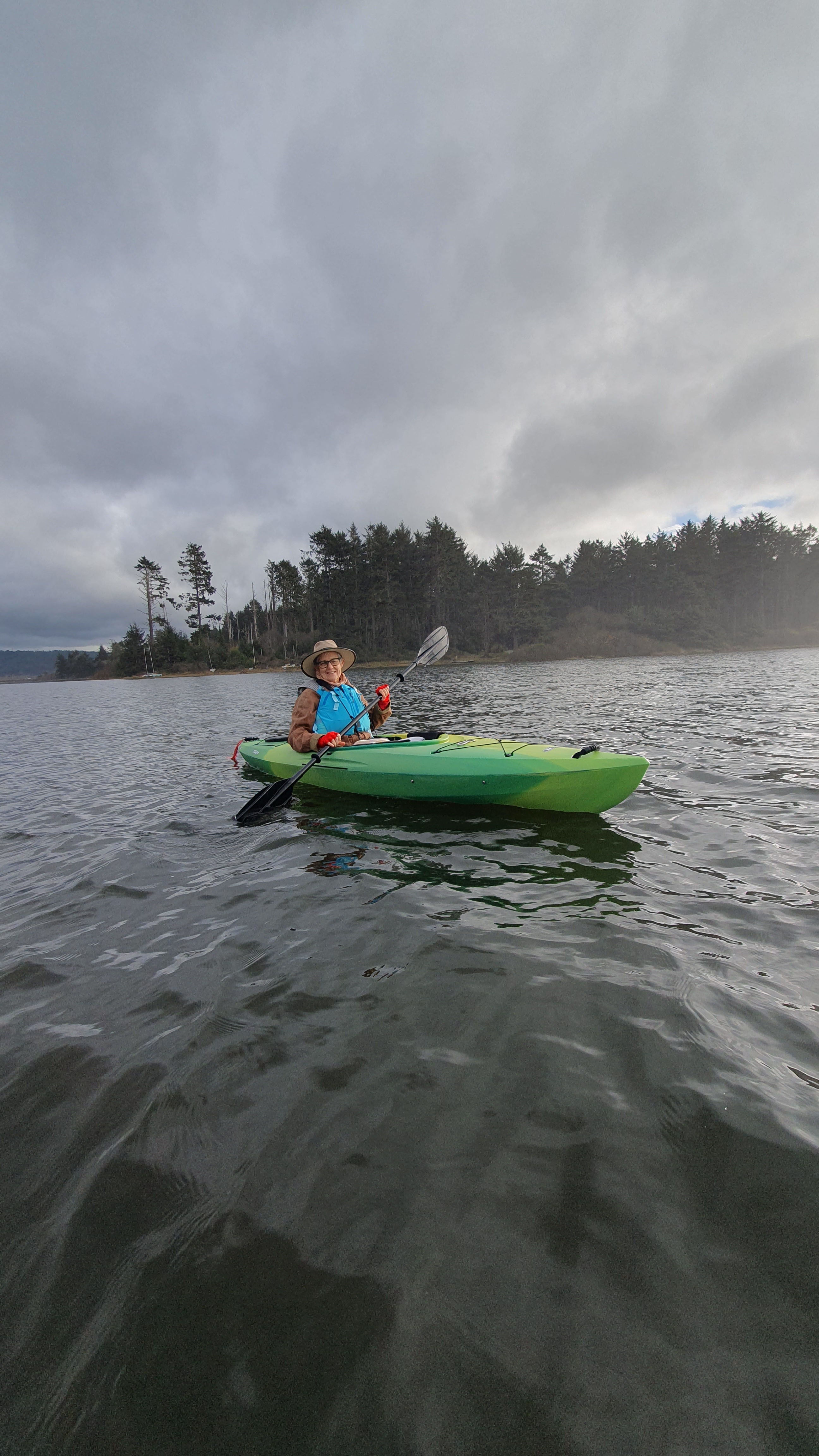
The next day, we stopped at Piled High Deli for sandwiches and took them to Big Lagoon for a picnic lunch and some agate hunting. Everyone found a few tiny agates. We strolled the beach, and took turns going out in Amanda and Jim’s kayaks. It was a beautiful day for a ride around the lagoon, and we stayed until the afternoon clouds started to come in and the temperature began to drop.
Christmas Eve we all got together to hug Aurora and have salmon for dinner. It was delicious and fun to be together.
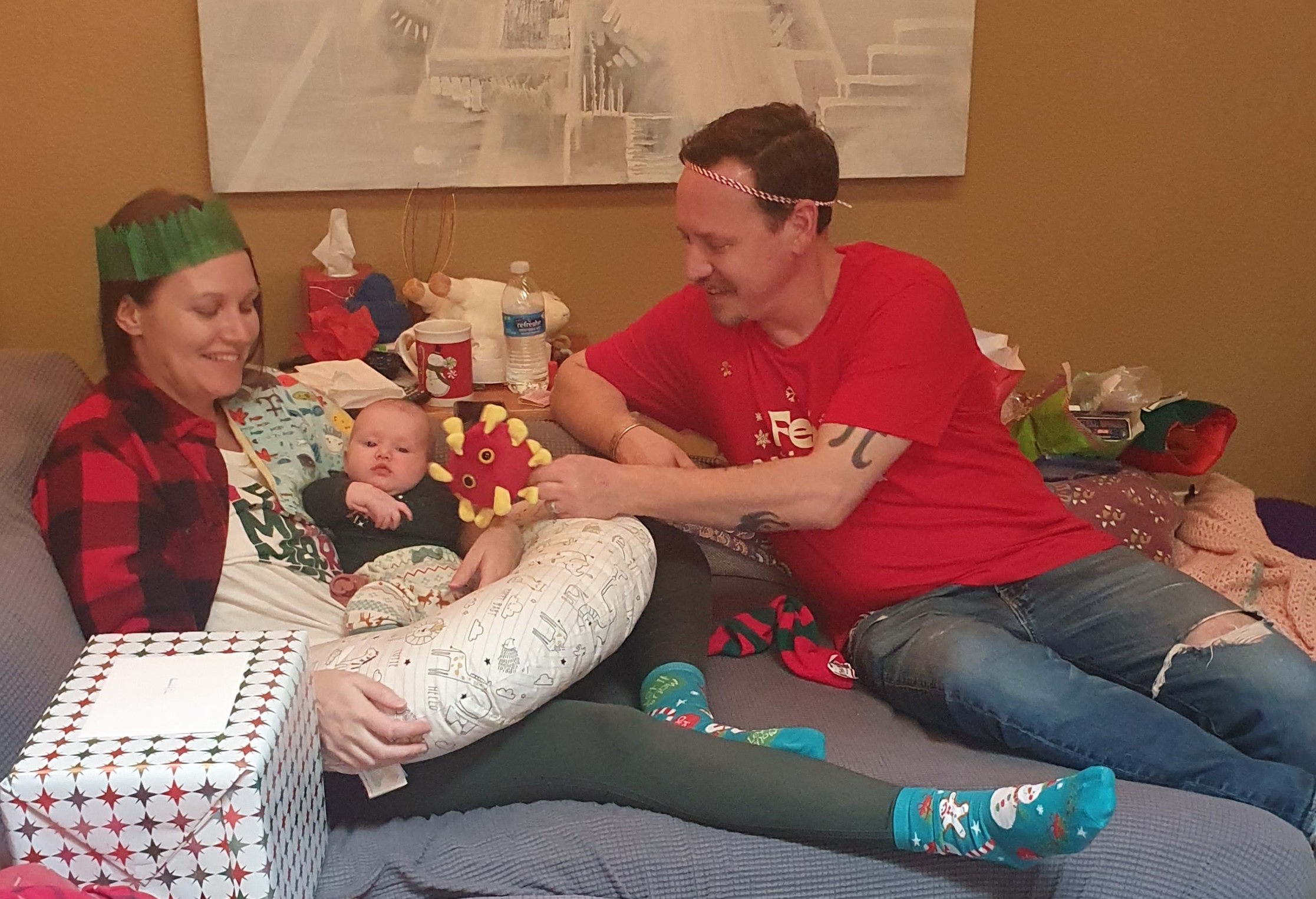
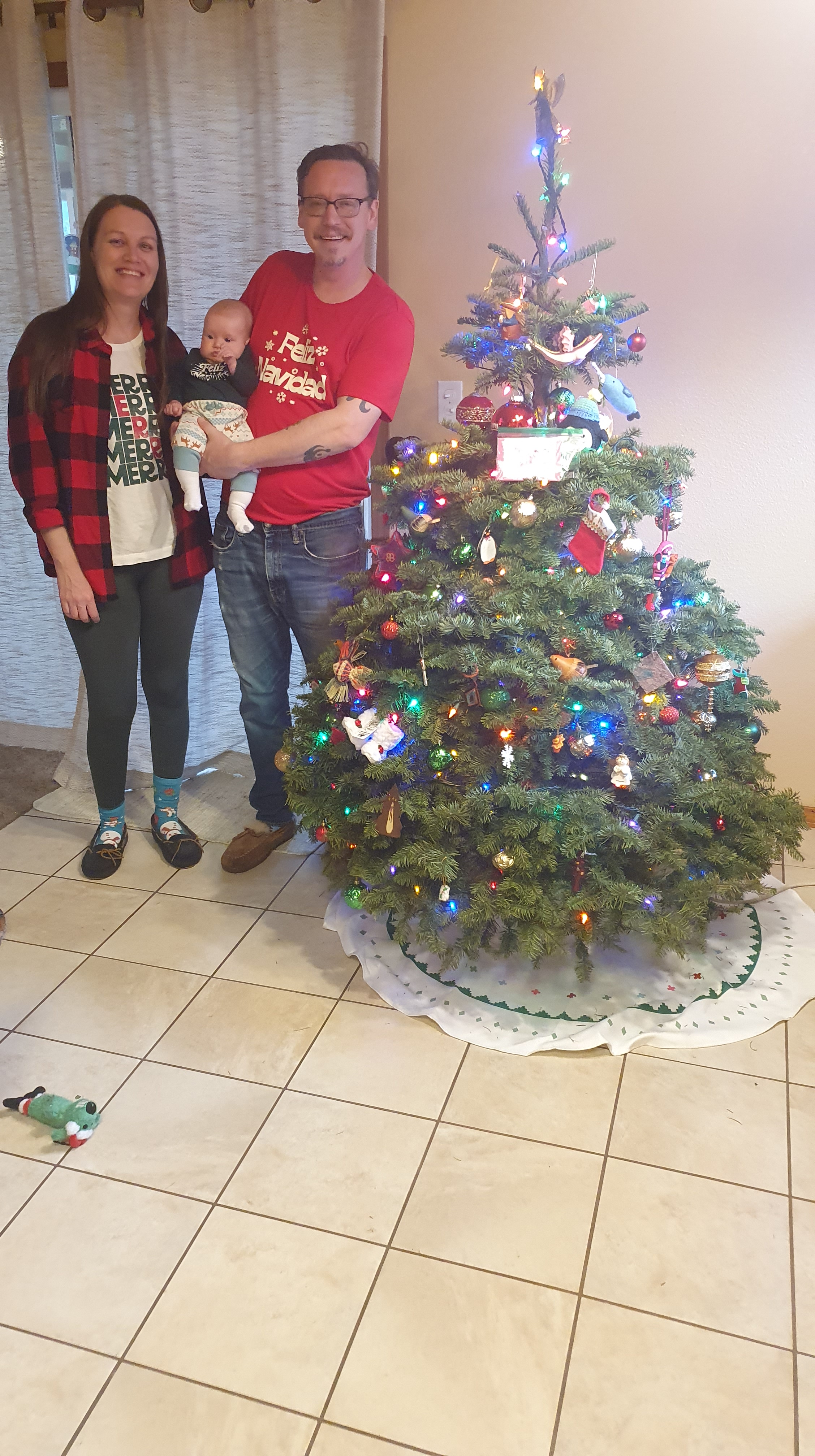
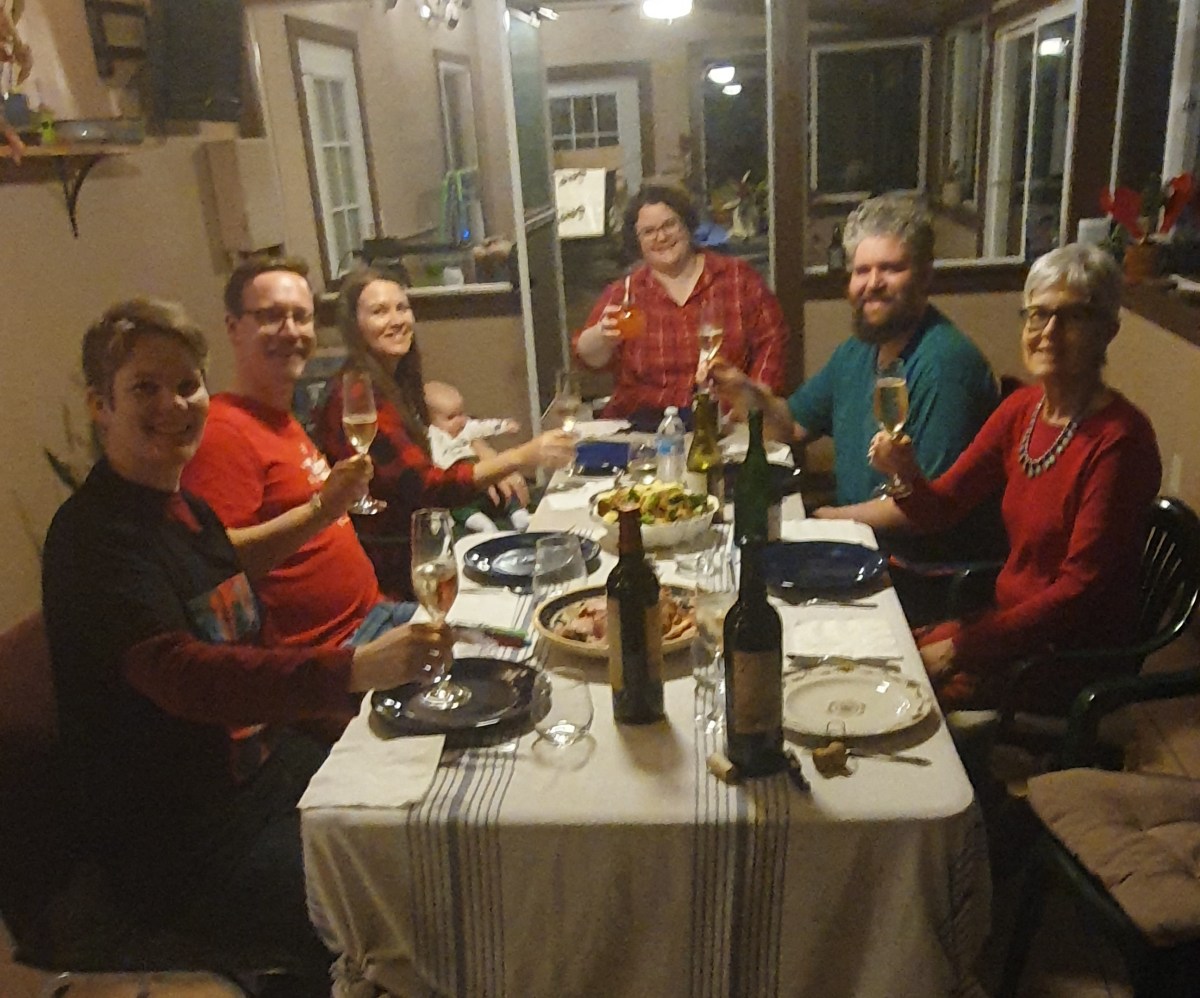
We reconvened the next day for Christmas breakfast, and to open Christmas stockings and gifts. There were a lot of fun things for Aurora, clothing, toys, and books. We took a walk with the dogs, watched Christmas movies including The Santa Clause, then had a collaborative dinner. Jonathan baked the ham, Neil made brussells sprouts, Jim made cicvara (Serbian polenta), Amanda and Lillian made cranberry pie, and I made pumpkin cheesecake. It was a Christmas feast for us all.
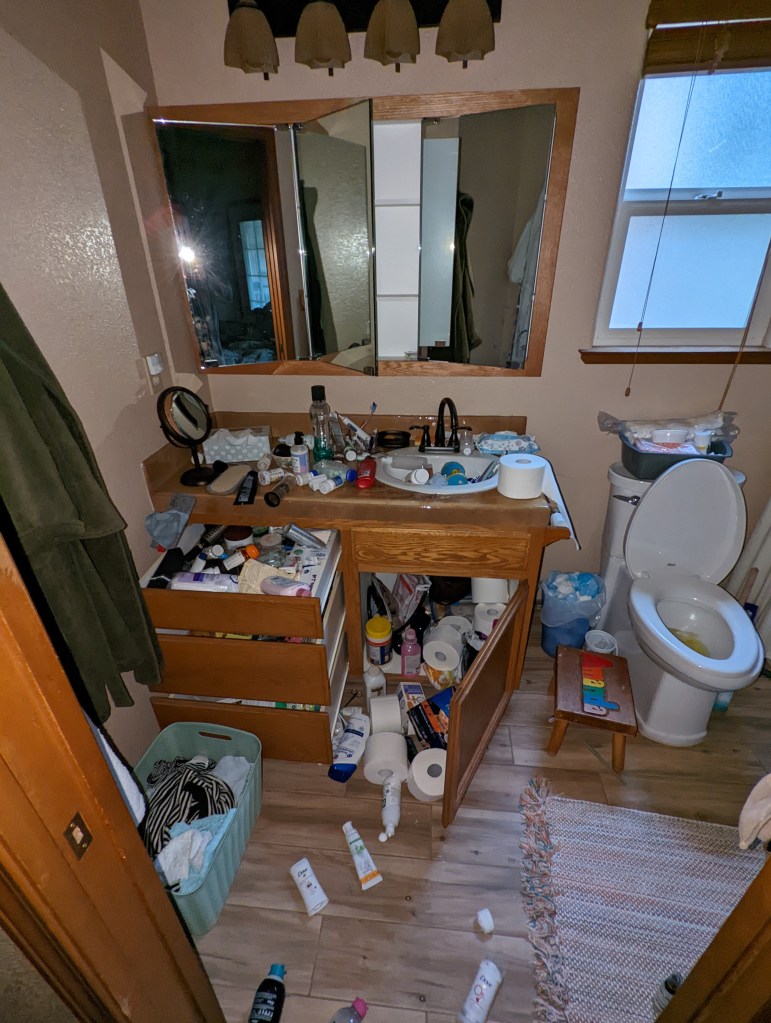
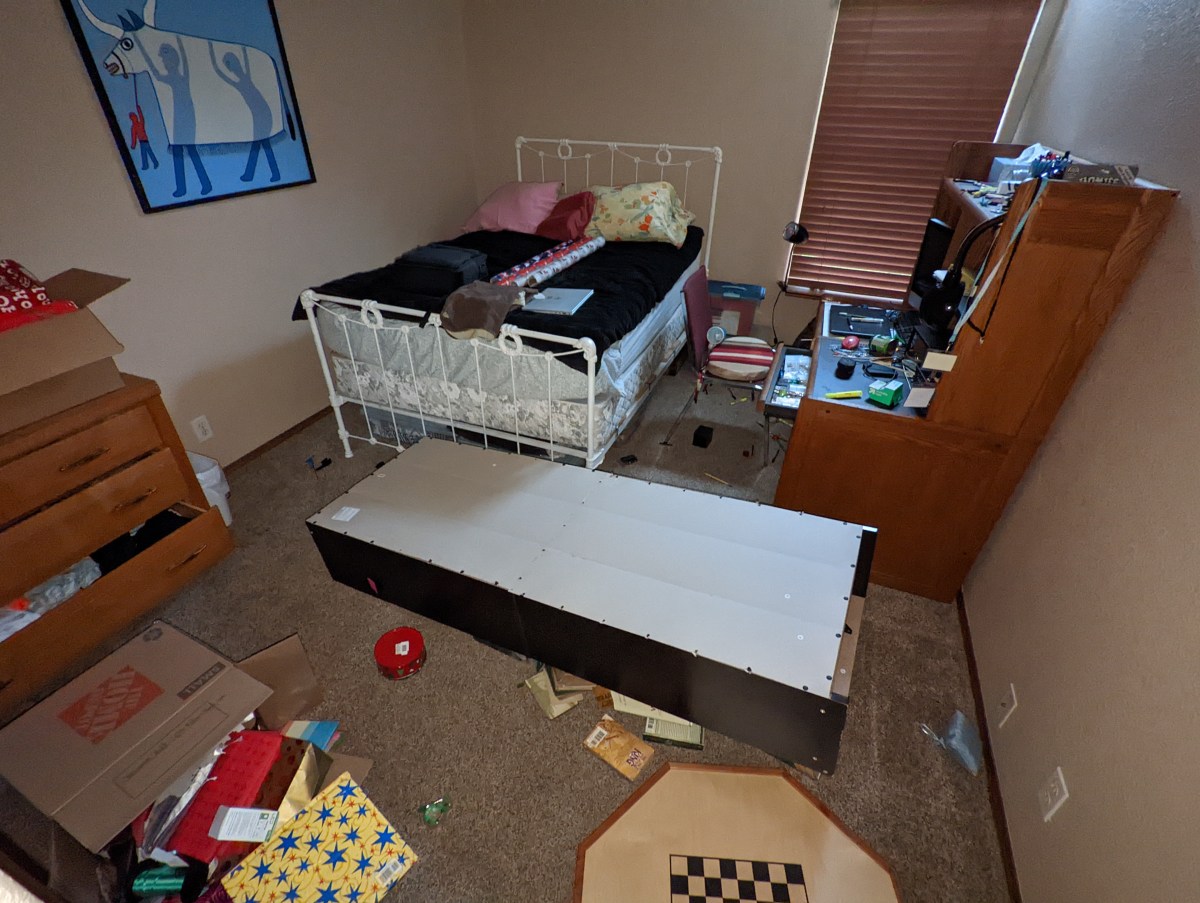
I’ve already heard jokes about the lengths I’ll go to get material for my blog, but I promise you I had nothing to do with the earthquake that hit Tuesday at 2:34 am. We were jolted awake and wondered briefly whether we should put on coats and go outside. The shaking stopped by then and we got up to check on what happened. The power was out. A bottle of bourbon flew off the shelf and smashed on the floor, but other bottles that fell off didn’t break.
Jonathan’s knives are attached to magnetic strips along the wall by the stove and fridge. The shock of the earthquake threw knives across the kitchen. It looked like a failed circus act. I’m glad we were in bed.
We got back into bed and called the girls. Lyra was ok though her Christmas tree tipped over, spilling water all around. Amanda was distraught but she and her family were unscathed. Their house was a shambles, damage uncertain. We told her to try and get some sleep and that we’d come help in the morning.
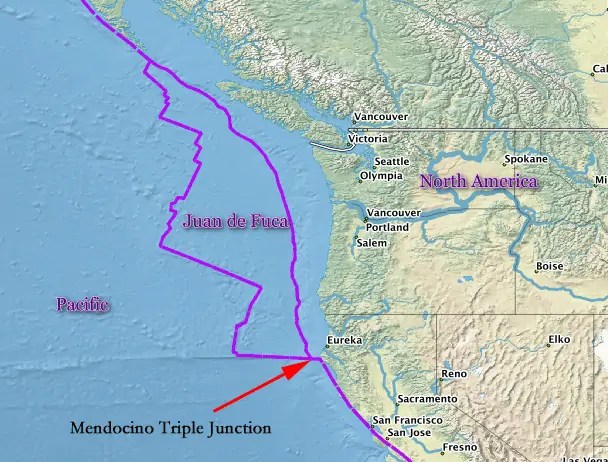
It took a while to get back to sleep, especially with the occasional aftershock reminding us of the general instability of our region. The epicenter of Tuesday’s magnitude 6.4 earthquake was almost exactly on the Mendocino Triple Junction. The Triple Junction is where three of the tectonic plates that make up the earth’s crust come together. The meeting of three of these is a bit unusual. Along the Pacific Rim of North and South America, one plate is pushed below another where they meet. A triple junction makes things more complex. Often, when the plates move they cause earthquakes.
We got some sleep, and in the morning it was raining. Jonathan heated water for instant coffee over the extra burner of our gas grill, not a great solution in the rain and wind, but we got some caffeine. The power was still out. We left for Rio Dell to help Amanda and Jim and hoped the power would come on while we were away. Outside the house, I could hear the hum of generators, as everyone who has a home generator fired them up to run their refrigerator or a heater.
Traffic lights were blinking, but people seemed to remember how a four-way stop works, and we got on to the highway without difficulty. Most stores were closed, and there was no place to get coffee.
Jonathan and Aurora wore matching outfits!
We arrived with a gallon of water and work gloves. A quick tour showed that most cupboards and cabinets had disgorged their contents onto the floor, into the sink or the bathtub. A set of curio shelves dumped tiny agates, beach rocks, sea glass, and small souvenirs in a pile of glass shards. We put glass into paper bags and rocks into cloth bags. When we eventually got all the objects and larger bits of glass picked up, we vacuumed the area, picking tiny crumbs of glass up as they sparkled in the light.
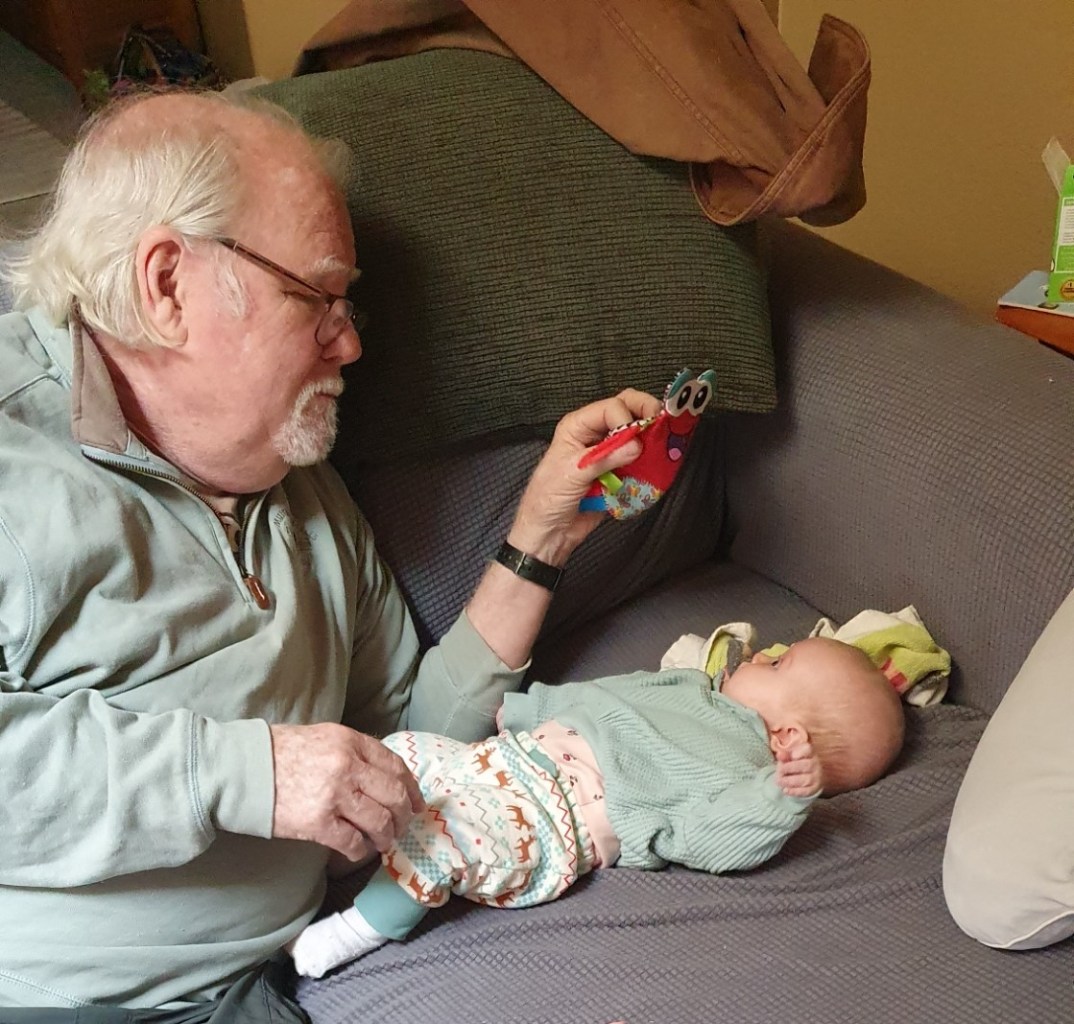
Everyone took a turn with the baby, keeping Aurora changed and fed and entertained while the others picked up. Their two dogs were corralled in the hallway by the bedrooms to keep them out of the glass. Every now and then we’d carry them outside for a moment of freedom, but even after the rain stopped, the ground was wet and cold.
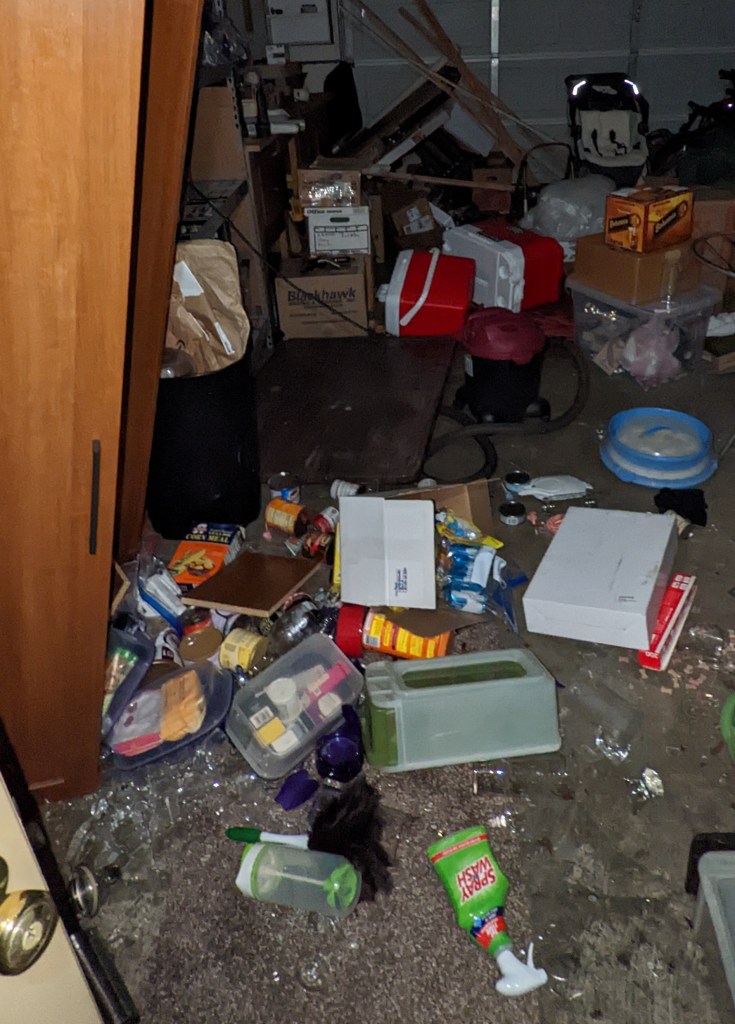
The garage was full of crushed glass from the cabinet of wine glasses and flower vases. Jim worked on picking up fallen cans of paint, oil, and piles of wood, then he and Jonathan swept up glass fragments.
Lyra arrived with her camping gear. She and Jim set up a table and her camp stove in the driveway, and Jim set about making coffee. He offered it to the neighbors, too, and spent a few minutes exchanging earthquake stories. We were happy to have another sip of coffee. Friends from work stopped by to deliver ten gallons of drinking water, and soup ready to be heated. Every phone filled with texts asking how we all were faring.
The kitchen was covered with broken glass and the remnants of a bottle of cooking oil. First, we picked up and swept up glass, then Lyra went over it with degreaser and we could finally walk across the room safely. Others restored order to the bathrooms and bedrooms, and started in on cleaning up the sunroom, where a number of plant pots had crunched on the tile and needed repotting as well as cleanup. Little by little the mess receded.
Though there was still some cleanup left, we left at 2:30 pm, with the house in much better shape. Everyone came to our house for dinner, and Amanda, Jim, and Aurora will stay until there is power and water again in Rio Dell. We made a stop at the grocery store. Stores were open in Eureka by mid-afternoon. At home, the power was still off, and with the inside the same mid-50s temperature as outside, taking a short nap seemed the only practical thing to do. I lay in bed reading, then tried to sleep. Suddenly, the lights came back on. Then the heat! We were back in business.
By the time the kids arrived just after 6 pm, I was baking cookies and Jonathan had the chicken for dinner marinating. We had a delicious dinner and everyone agreed that we’d turned a bad day into a pretty good one. Having family and neighbors to call on during the aftermath of the earthquake was a huge relief. People smiled and spoke to one another, we all worked together without any complaints or harsh words, and we had everything back in order more quickly than anyone thought possible. The losses are just things. Some were sentimental favorites, and I did bring home a bag of pieces that may eventually be made into other things, but overall we were happy to be together. We’re the lucky ones, grateful to have friends, neighbors, and each other.
Postscript: Last year, on Dec. 20, 2021, just after noon, a magnitude 6.2 earthquake hit almost the same spot, just a bit further off shore. This year, same day, a magnitude 6.4 earthquake hit. What will happen next year?
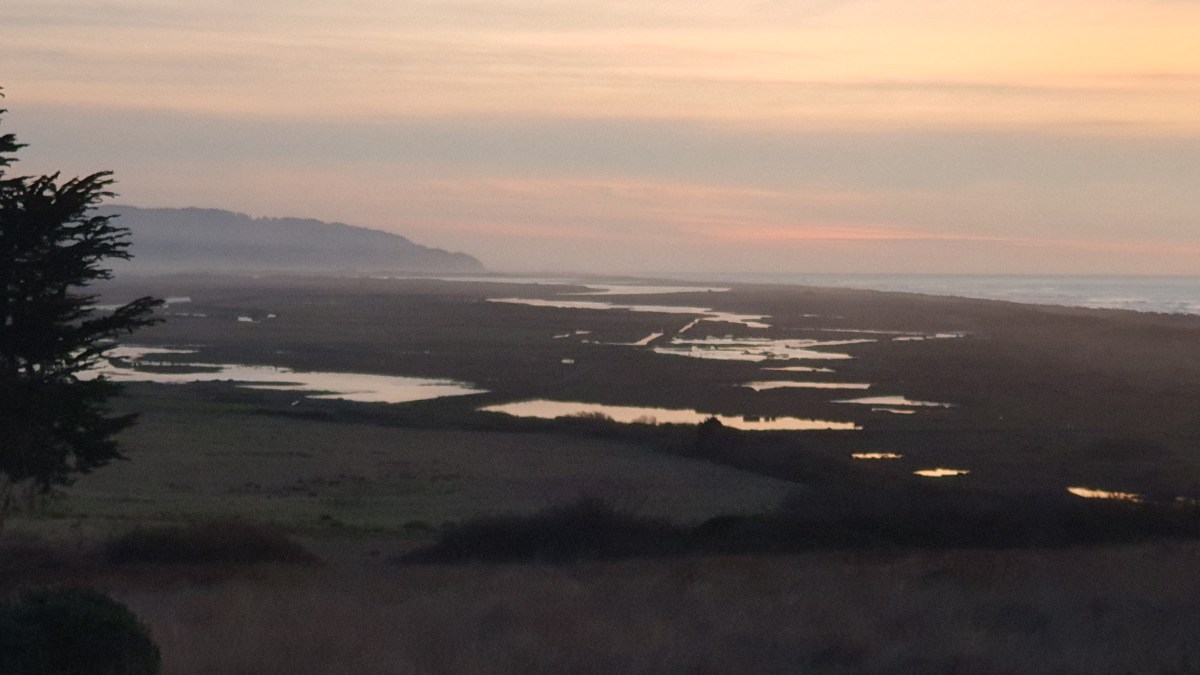
South Spit is a long narrow finger of land that extends around the west side of South Bay, the south end of Humboldt Bay that includes the mouth of the Eel River. Getting there requires a drive south along Rte. 101 to the turnoff at Beatrice, then west along the marshy land south of Humboldt Bay. The Humboldt National Wildlife Refuge occupies the marshy side of the road, and the water was covered with birds when we drove past. Hundreds, possibly thousands of pintail ducks were resting, and we pulled over to have a look.
A large group flew up, and we thought we’d spooked them. Then another group did the same, and we saw that a hawk was swooping low over the marsh, scaring the birds into the air. We saw a second hawk doing the same thing and stood transfixed watching the waves of ducks rise and settle back onto the water as the hawks dove and passed overhead. We did not see the hawks catch anything. Maybe they need a particular distance, angle, or individual duck to catch something, but it looked a lot like they were playing.
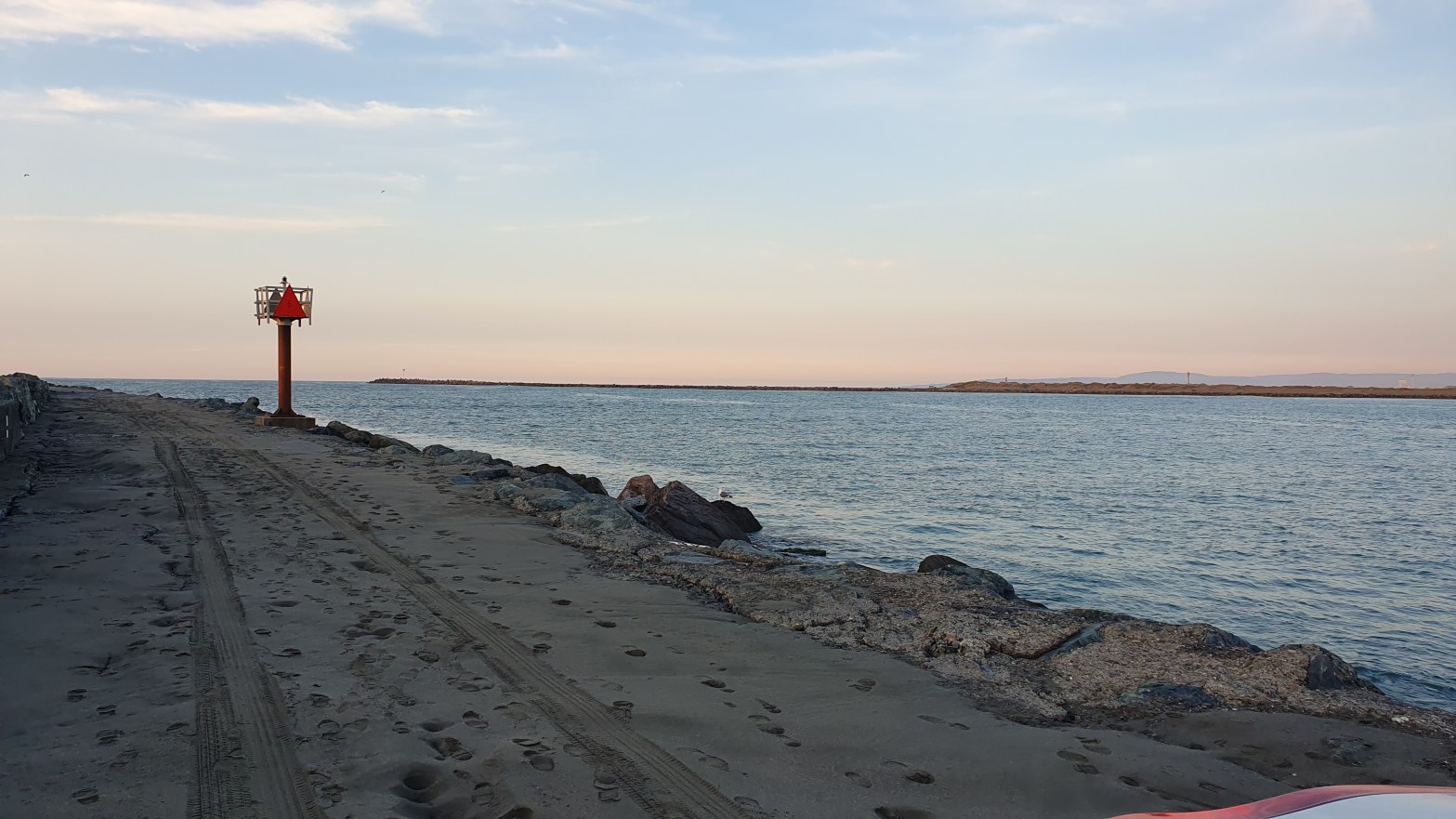
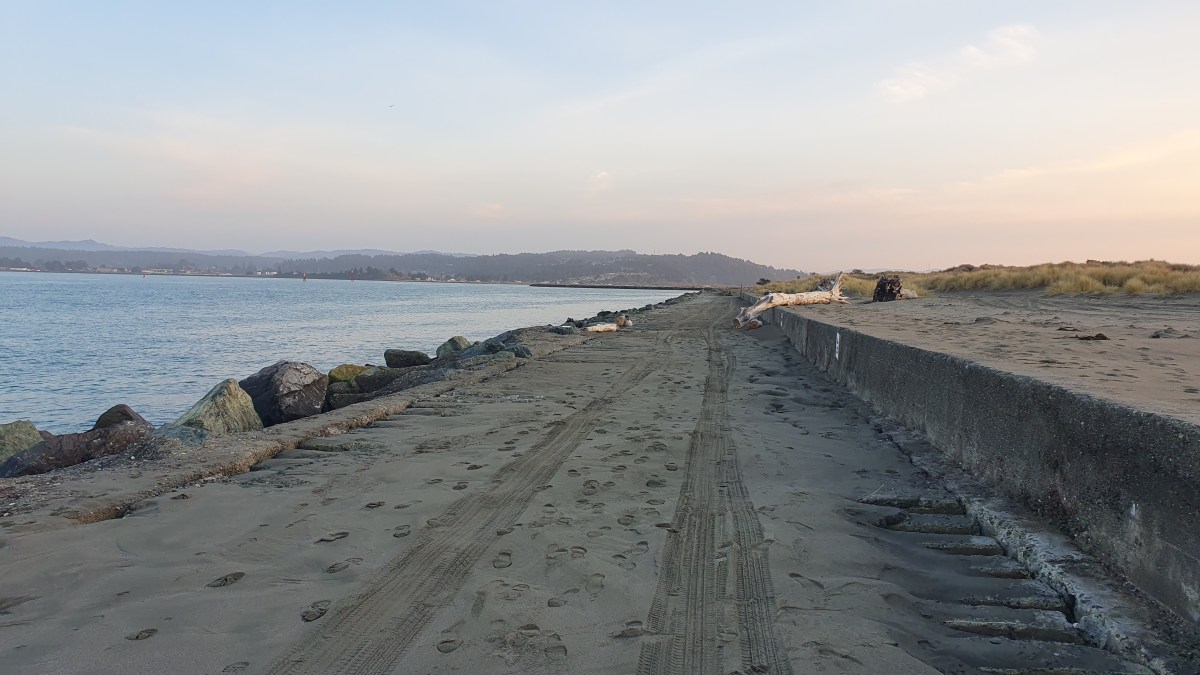
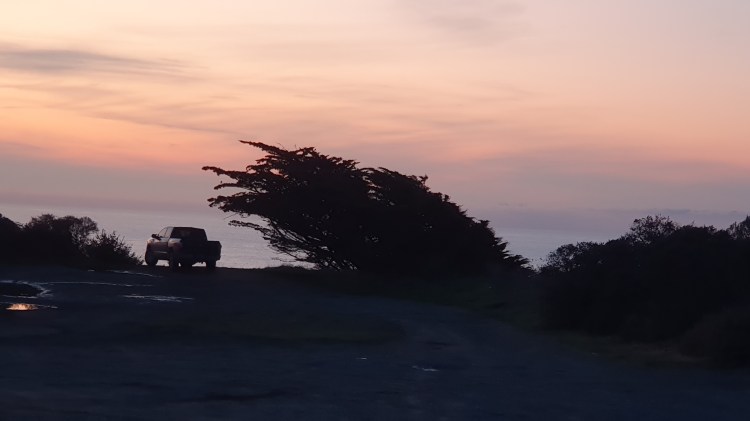
We drove on to the ocean. There’s a parking area at the south end of the spit where we’ve stopped in the past, but I wanted to go out to the end of the road. Long, narrow spits of land are often without roads, or the trail is gated, but this one is wide open. Once a paved road, the remnant is passable, with sections that test the mettle of a Prius. We did see another sedan out there, though most visitors drove trucks. It takes about 20 minutes to drive all the way to the end. A jetty extends out along the channel that connects Humboldt Bay to the ocean.
We watched a few boats going out. An unpaved road goes out some distance on the jetty, but erosion has left the concrete structure exposed. It was like driving on a road composed entirely of large speed bumps. We turned back to the end of the spit.
It looks harmless, but this is not a road for cars. We turned back.
Surprisingly, the spot overlooking the channel is prepared for visitors. There’s a restroom and parking area. Not much, but more inviting than just a sand dune.
We started our drive mid-afternoon, meaning it was already getting dark by 4:30 when we got to the jetty. We walked around, looked at the birds and the water, then headed back. Unpaved roads marked as hunter’s access points lead toward the bay. We saw deer grazing peacefully by the roadside (none had antlers). There’s a beach on the bay side of the spit almost all the way back to the south end of the peninsula. It looks like it would be good for swimming in the summer. Not much in the way of beach-combing, the broken glass was all recent, and there were very few shells. It was good to walk up and down, consider interesting pebbles, and decide to return another time to walk on the ocean side.
We’re having a stretch of good weather, sunny and clear, with none of the rain winters here are known for. We decided to go for a walk in King Salmon, a tiny town on a peninsula south of Eureka. It’s all low-lying land, and floods whenever there’s an especially high tide. I wanted to have a look. We drove out, and parked at Gill’s By The Bay, a seafood restaurant at the far end of the road.
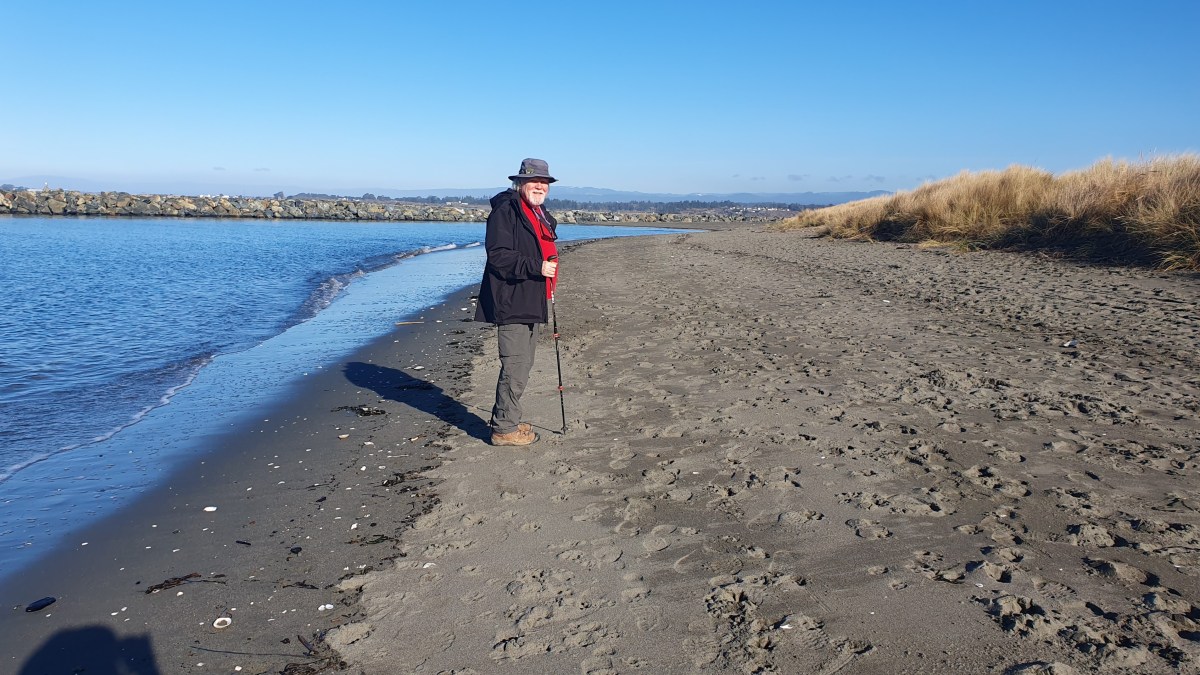
We walked along the shore on the Halibut Trail, past the pet cemetery, and along the beach. We passed a few other people walking, and saw a couple of fishermen on the jetty, though it was very quiet. There were a surprising number of large clam shells. Usually they’re broken, and it’s hard to find whole ones, but one after another turned up along the beach. The bright sun made it a lovely walk. We’ll go back another day and pick up where we left off. I’d like to walk the entire shoreline of the region, though a lot of it is too far from roads and parking lots for us. Still, it’s a good goal, or starting point for exploration.
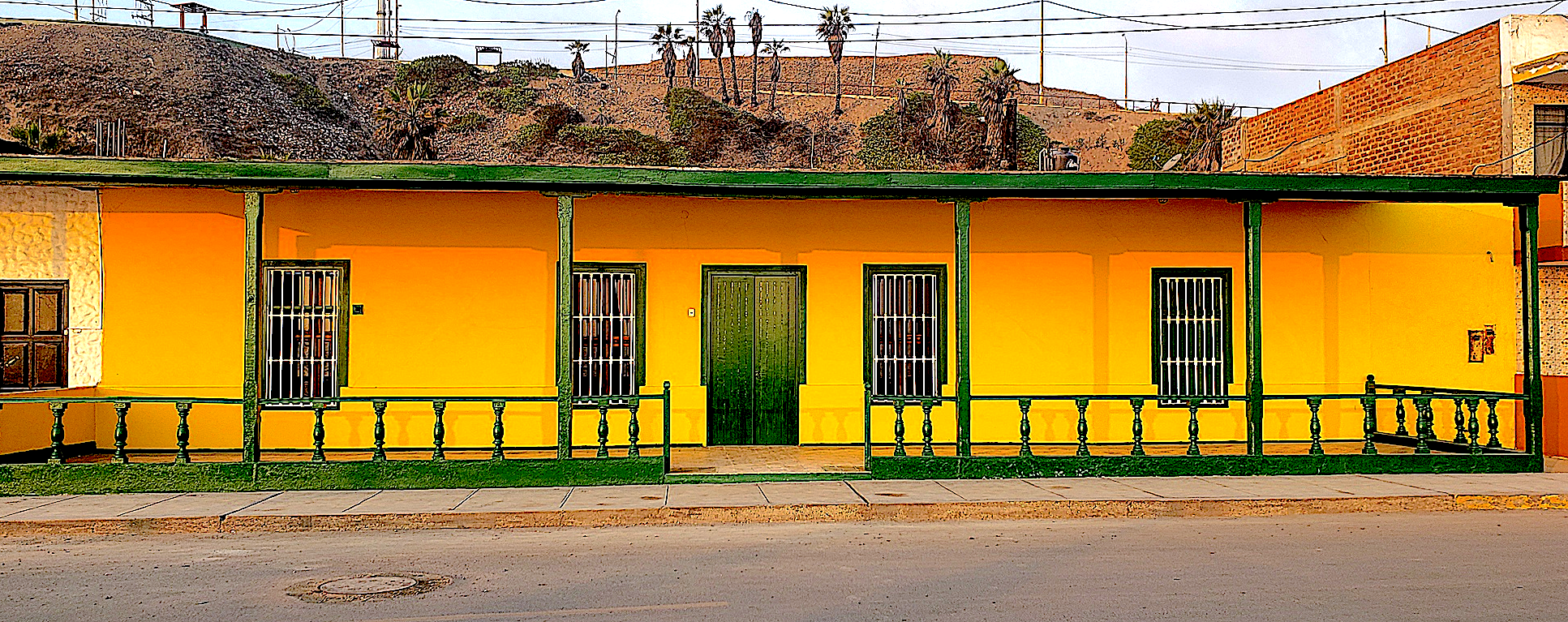
As we took off from San Francisco, I looked out the window at the hills. The houses pasted to bone-dry hillside looked a lot like Lima. We arrived in Peru on Tuesday morning and went straight from the airport to Barranca. Tired from the overnight flight, we didn’t notice much other than that the weather was similar to what we just left in San Francisco, overcast and cool.
The early morning air didn’t have the same bite in Lima as in the US, because summer is just beginning in South America, while California is heading into winter.
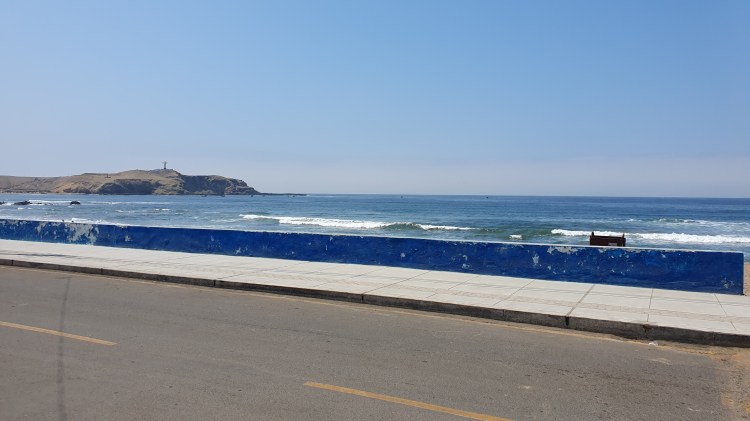
The next day, the sun came out by noon and the beach warmed up. Each day the sun came out earlier and the day warmed further. By Saturday, the bright sun was out by ten am and families began coming down the hill from town on foot, or parking along the sidewalk. By 1 pm, it was summer and the beach was rocking. Restauranteurs on the beach believe that the louder they play music, the more likely they are to attract clients. The music was loud. The seasonal restaurant on our next door neighbor’s terrace opened for the season. They’ve put up a volleyball net on the sand across the street, in hopes that players will stop in after working up a thirst. It seems to be working. From quiet and empty on Wednesday to raucous and crowded on the weekend, it was a quick transition.
Sunny Day on the Beach
We went for a walk down the beach past all the seasonal places that suddenly appeared from behind closed windows and doors . Almost every house is now a store or restaurant, cevicheria, bar, resto-bar, snack bar, or cremolada stand. We threaded through the people on the sidewalk. Mid-afternoon on Saturday and some were already deeply into their multi-packs of beer, or swigging from a depleted whisky bottle. A favorite technique is to put music on one’s car radio or player, open the door facing the beach and turn up the volume. Every 10 or 15 feet you walk past a different car playing different tunes.
Sunset in Barranca
People bring their dogs, and their children, though often not their bathing suits, and end up swimming in their clothes. When we reached the far end of the beach by the fishing boats, we walked back along the sand, watching children run into and away from the water, dig pits and canals, and lie in the sand soaking up the warm sun. Dogs paced the edges of the soccer and volleyball games, ran around or sat by their families. A few people fished, but the weekend is mostly given over to water play. We strolled down the beach, nodding to the occasional fisherman we recognized from less crowded moments, until back to our starting point, happy to head indoors where the noise doesn’t penetrate. If the crowd dies down during the late afternoon, we sit on our front porch to play cards and watch the sunset. Jonathan’s genius idea years ago to put casters on easy chairs lets us wheel out comfy chairs every evening.
Strange that summer pretty much arrived during the week that we have done our final packing. We arrived on Tuesday, applied for the last form we needed before closing on the sale of our house, and settled in for the week. I would have said that all our personal items were gone after our visit in August, when we packed four full suitcases after realizing that shipping household goods to the US was a bad idea.
This week, I found another four suitcases full of stuff on shelves and in drawers that I believed were empty! By Saturday, I had filled three of our four suitcases, leaving only one for Jonathan. I still spent an entire day putting things in and taking things out. Late in the afternoon I looked around and saw that we’d stripped the house of decoration, leaving it akin to another empty Airbnb on the day of departure.
We visited with neighbors to say our goodbyes, gave away things that couldn’t be packed and that the new owner didn’t want, and braced ourselves for Monday morning. The morning arrived with bright sun, summer in full flow. We stowed our big suitcases and our carry-ons in the car and set off for Lima and our new home in California.
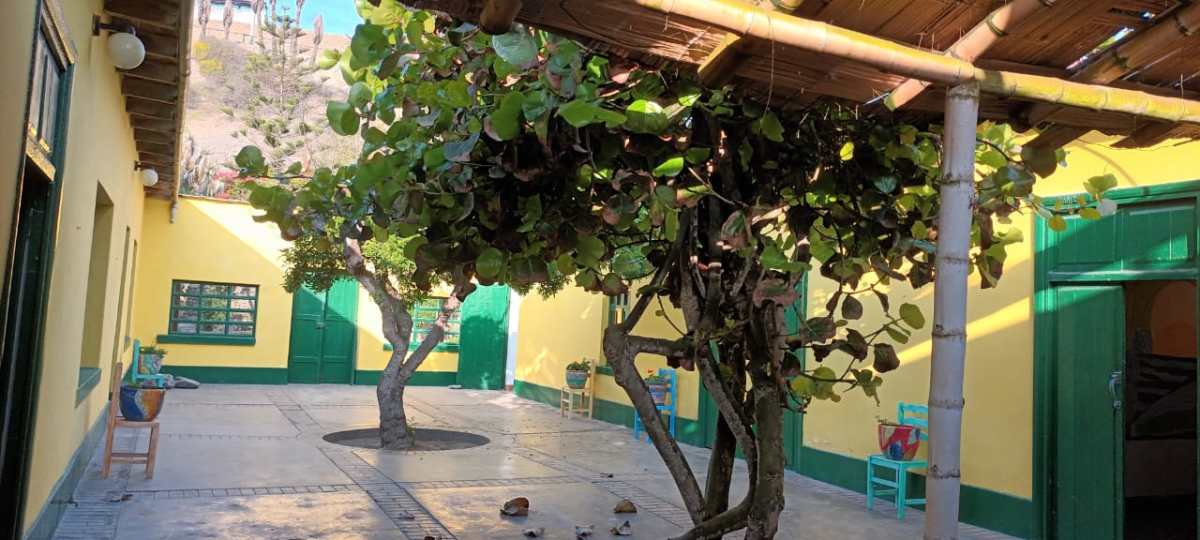
I stared at the ceiling in the middle of the night imagining how to write about the sale of our house in Peru. We owned our huge, wonderful, historic house for twenty years, visiting every year. At first, it was our research station, where we arrived the week after school let out and stayed until the week before we all had to be back for fall semester. When we retired, it became the place we went every winter, enjoying the South American summer from Christmas to Easter. We live across the street from the Pacific Ocean, and if there is anything better than that, I don’t know what it is.
We had wonderful neighbors, ate fresh fish from the market, attended festivals, visited archaeological sites and beaches, and generally enjoyed ourselves.
My mind flooded with cliches about time and eras and tides and people and aging. We decided to sell our house now that we are both over 70. Much as we love adventure, we recognize that we are not as sharp as we once were, and the time had arrived to let go of our overseas possessions.
Almost exactly a year ago, we put our house on the market. I knew it would not be a quick sale, not everyone wants a 7,000 sq ft house with a second two-story house in the back yard. It takes a lot of maintenance. As of today, that is someone else’s to consider. The buyer lives locally and exports agricultural products. He seems mildly interested in the place, though it may be just another investment for him. I feared it would take two or three years or more to find a buyer, so I am not questioning the motives of the person who has just made our lives simpler, with minimal haggling and no foot-dragging about payment.
With that, we spent the day packing the odds and ends we did not take on our previous trip in July. There are a lot of them! I somehow thought that I had packed up everything I wanted, and have still managed to pack two suitcases. I’m starting on a third, as Jonathan claims he only needs one of the two suitcases he is allotted.
Monday we head to Lima, then on to the US on Wednesday morning. We can come back and visit any time. We have neighbors who are just furnishing a new apartment for Airbnb, so there is always a place for us. Whether that will happen is anyone’s guess. For now, we look forward to getting home to California and celebrating Christmas there. We’ll have one long, sad look behind on Monday morning, then focus on the future.
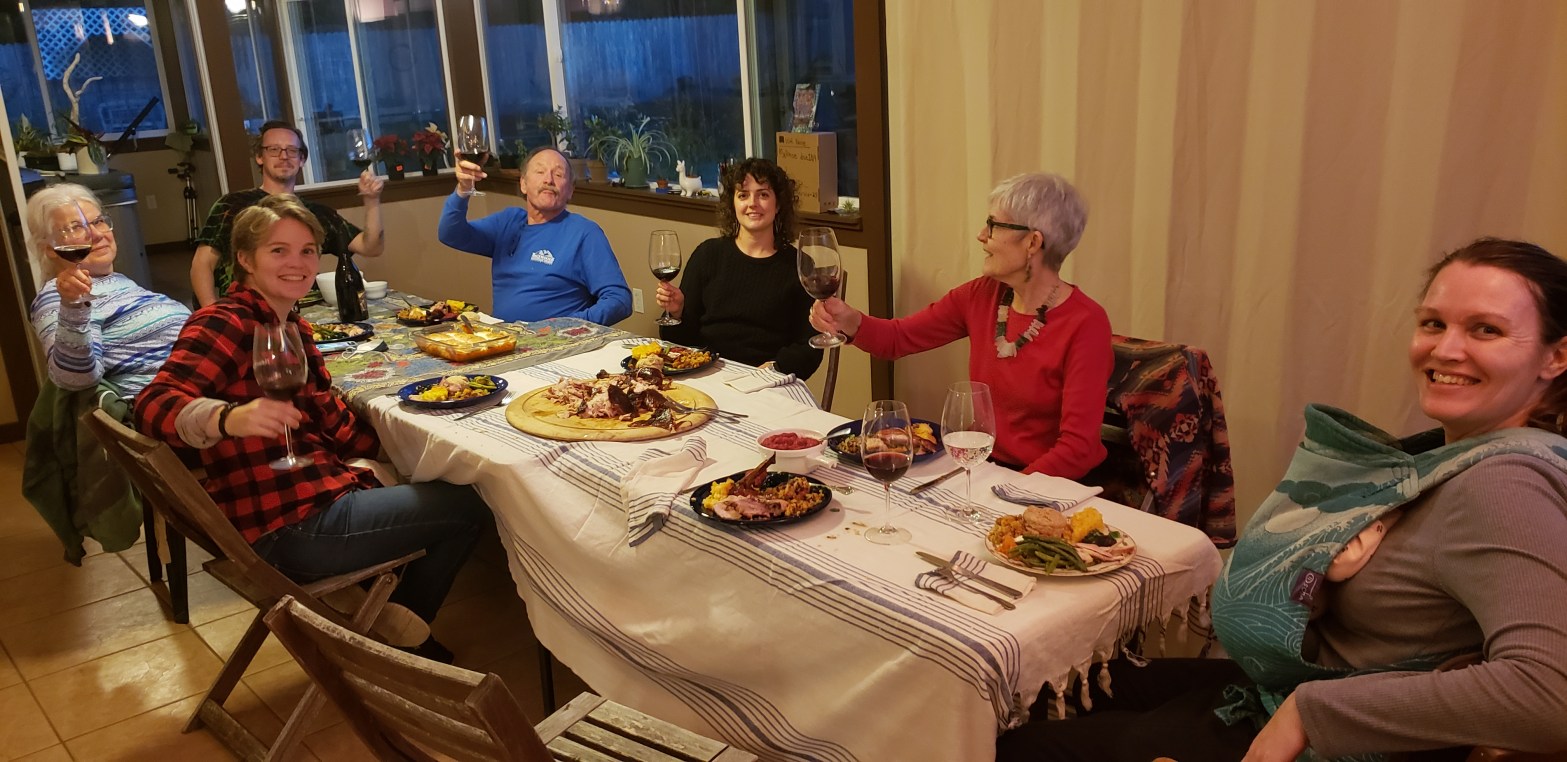
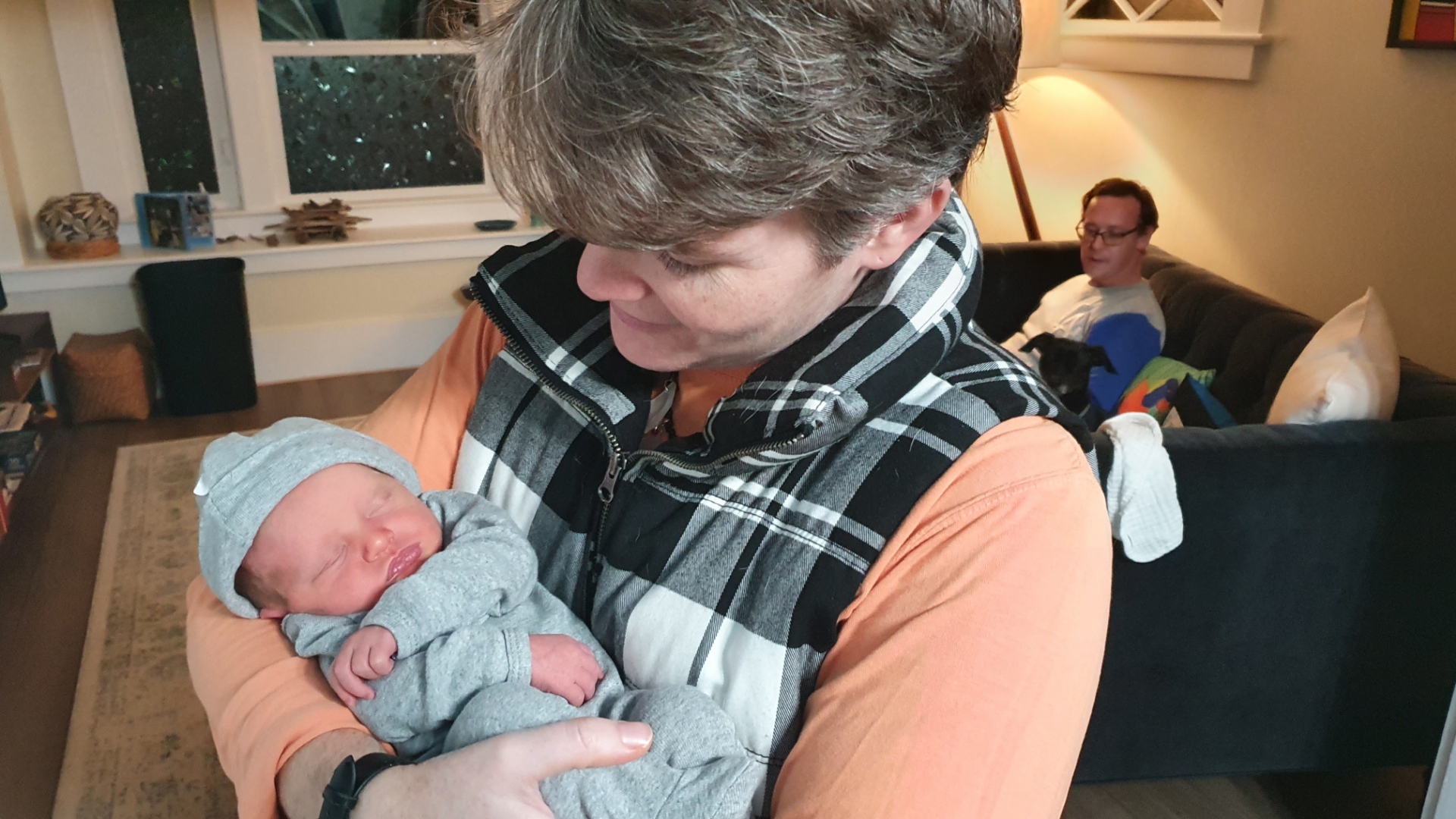
We got home from England in time for Thanksgiving. I have a lot to be thankful for this year. Top of the list is my new gradddaughter, Aurora Violet Haas Woodhead. We were invited for Thanksgiving dinner at Amanda, Jim, and Aurora’s house–to decrease the need to packs up the relevant baby paraphernalia and come to ours. Lyra was there, too, and their friend Natalie, my sister Paula and her partner Wayne.
Everyone cooked, with the result that no one had to bear the brunt of the dinner. It was an excellent plan. Jim smoked a turkey. He’s done it before, and he’s good at it.
Lyra made biscuits, then held the baby while Amanda cooked vegetables, baked sweet potatoes, and made stuffing with the cornbread and broth that Jonathan made. Jonathan also made his grandmother’s renowned lime jello with chopped and cherries stirred in, a 50s throwback. He made cranberry orange relish for the turkey, too. It goes with turkey, stuffing, and gravy, and is pretty good all by itself.
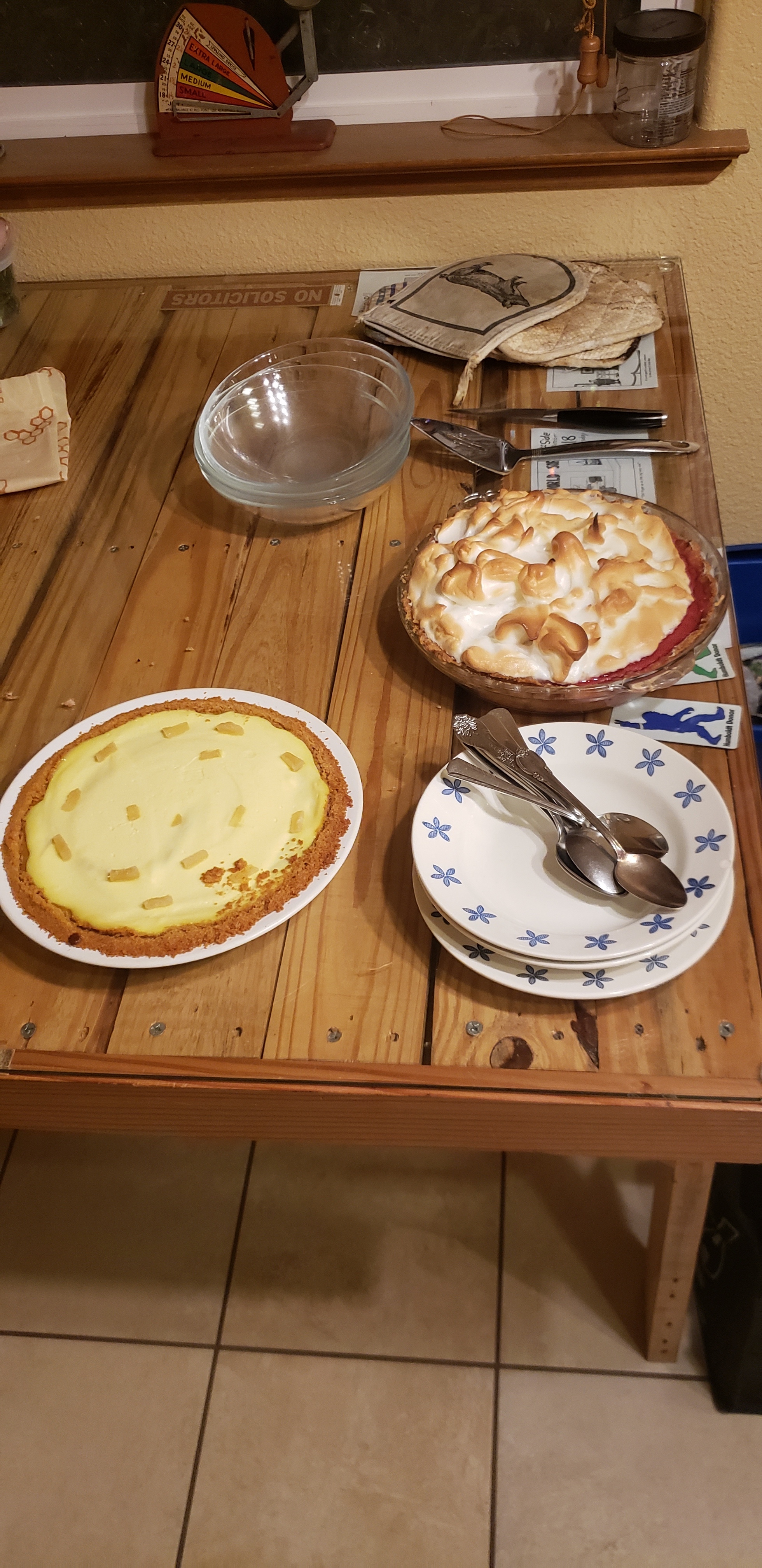
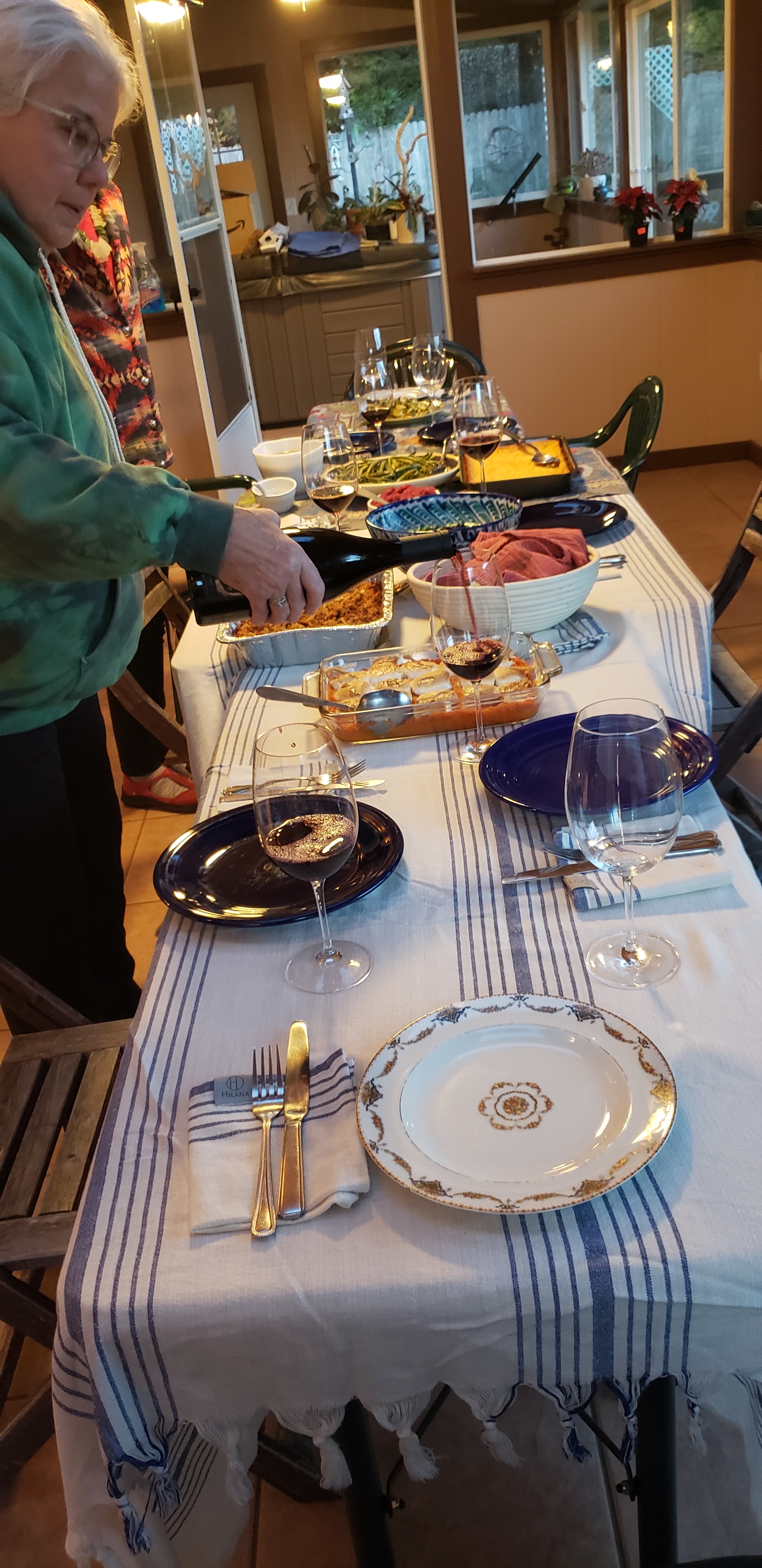
Photos: Part of the Thanksgiving spread; our dinner group with Natalie behind the camera; pie and cheesecake; Lyra and Aurora; Paula pours the first wine; Aurora in her Autumn outfit.
Paula brought bottles of fabulous wine from her wine cellar, and Natalie brought pumpkin cheesecake with turmeric sour cream and candied ginger on top, straight from the NYT recipe section. Wayne wrangled the folding tables and chairs in his pickup, so that we all had places to sit.
Afterward, everyone helped divvy up the leftovers and clean up. Soon, everyone had a pile of containers to take home, and the kitchen was clean, dishwasher purring. No one had more leftovers that a meal or two. Thanksgiving can be an uncomfortable time when family members and friends gather not knowing that they have different views on everything from football to politics to whether or not pumpkin pie is delicious. Our group was a compatible and companionable one. We agreed it was as happy and enjoyable Thanksgiving as we have had, and a model for collaborating on future occasions. It’s always nice to go home looking forward to the next gathering rather than heaving a sigh of relief that it’s finally over…..
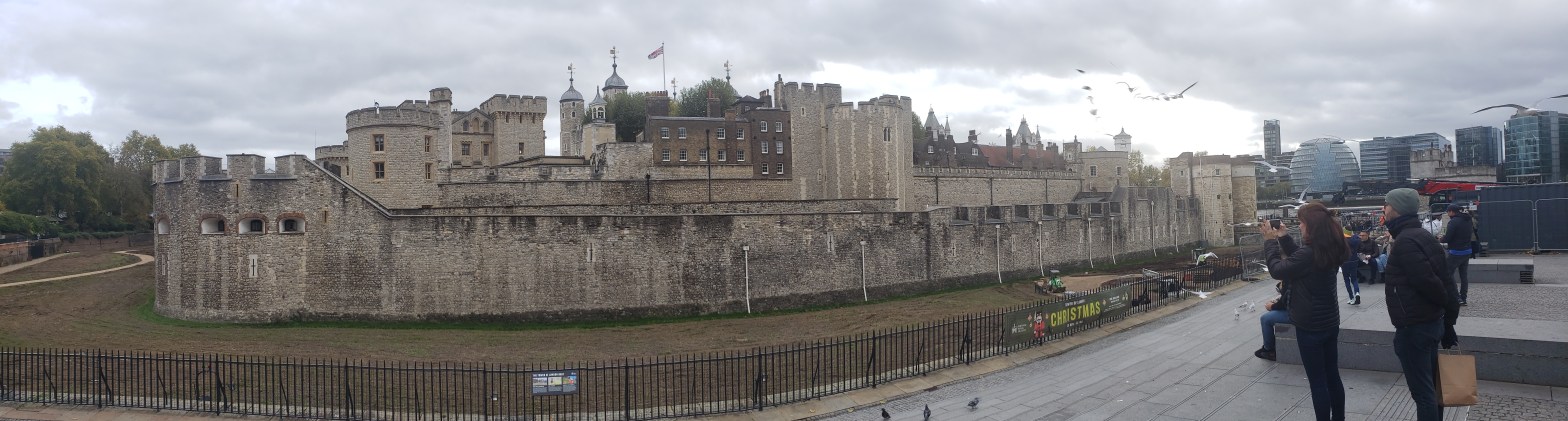
Best month ever! That’s what I usually say at the end of our month-long stays. When people ask what place we liked best in all our travels, we like the place we are right now. This year in London the weather was gorgeous (one day! of rain, only one!), the mudlarking was a lot of fun, we met new people, went to a cocktail party at the Ivy Club, toured the Tower of London, snacked at Harrods, drank tea at Fortnum & Mason.
Were there a lot of other things we could have done? Naturally. This is London, and all world class cities have more on offer than visitors can possibly do and see. Just as we were leaving, I got recommendations for more museums, shows, and places to go than we could get to.
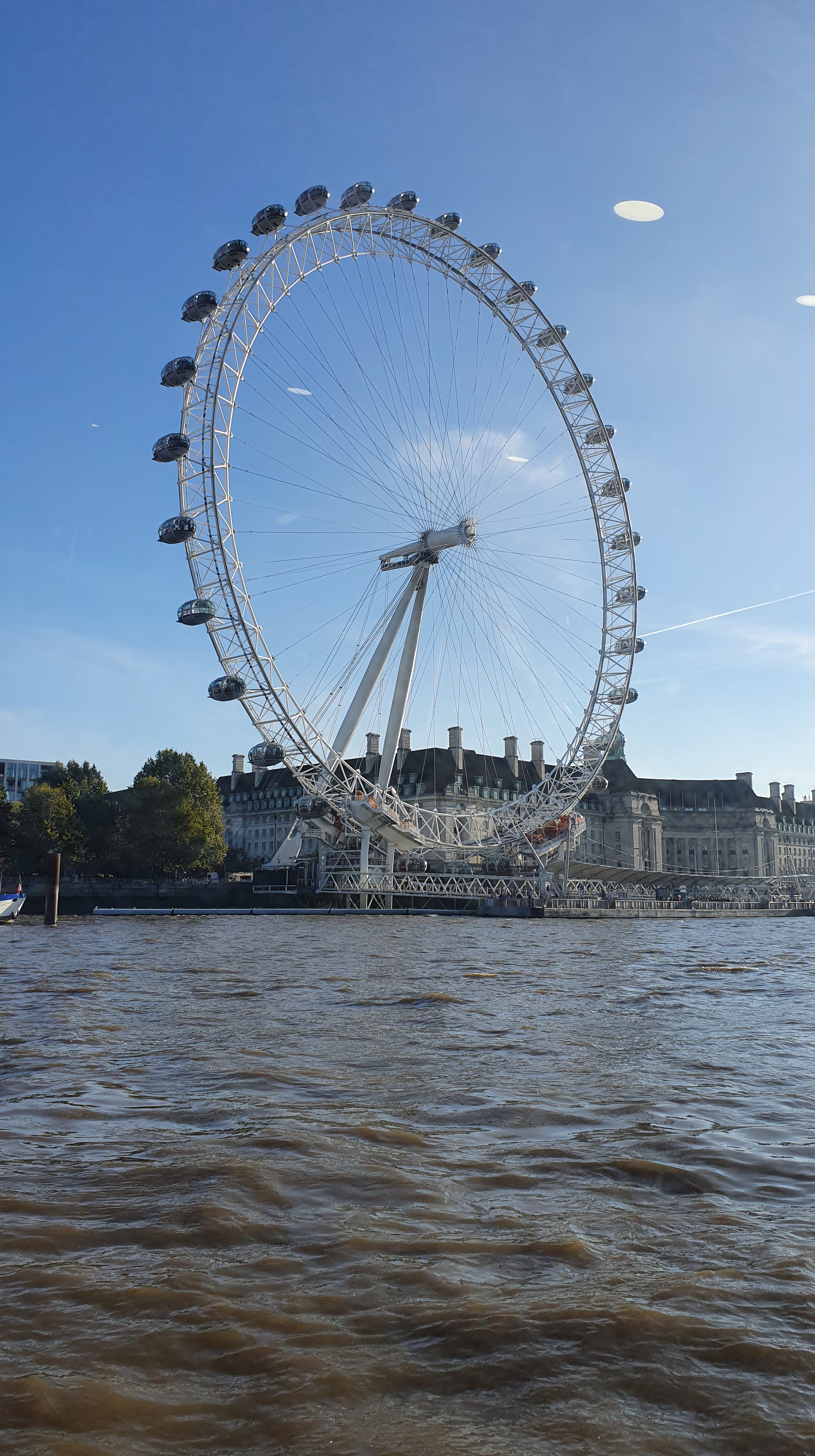
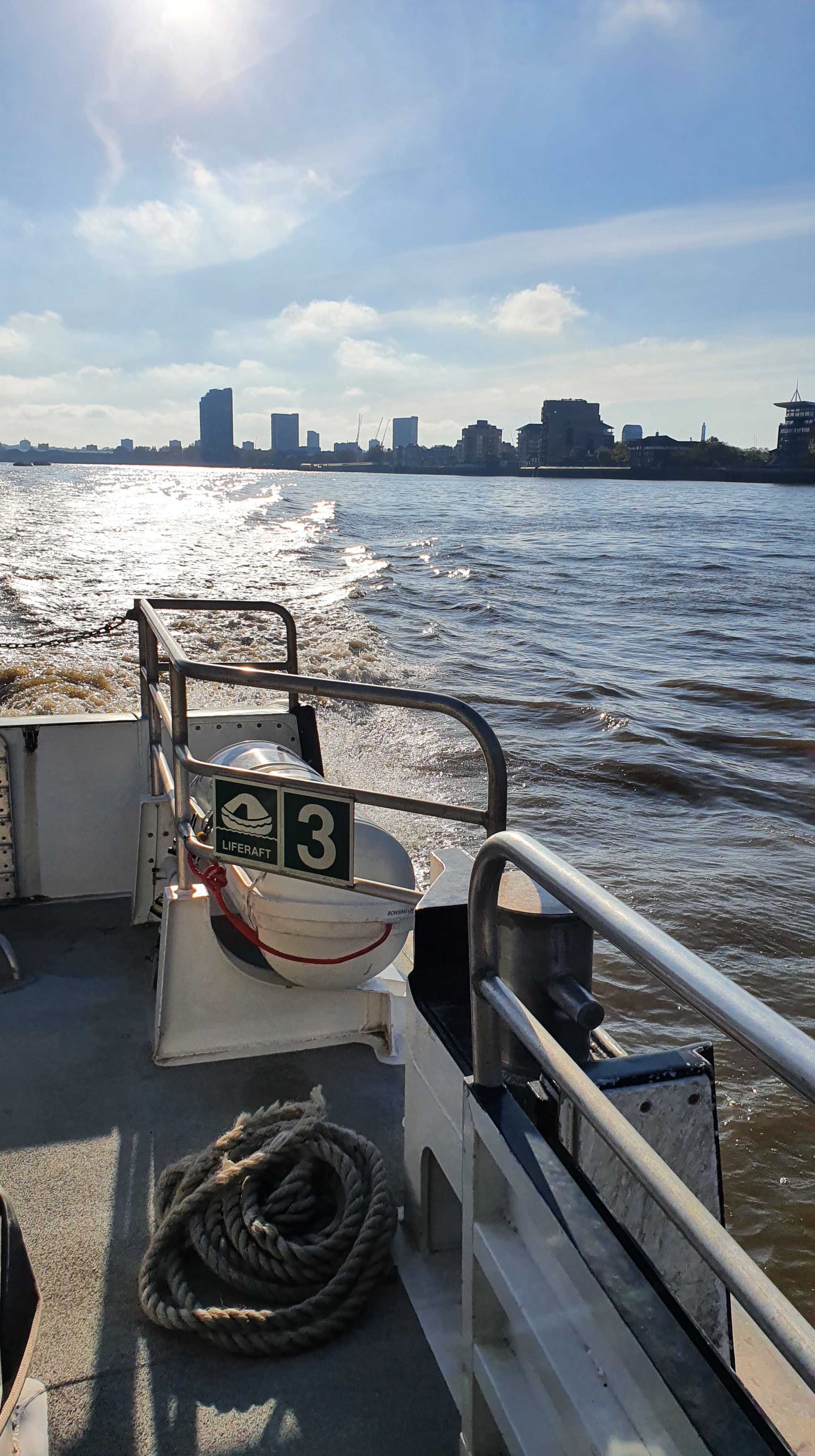
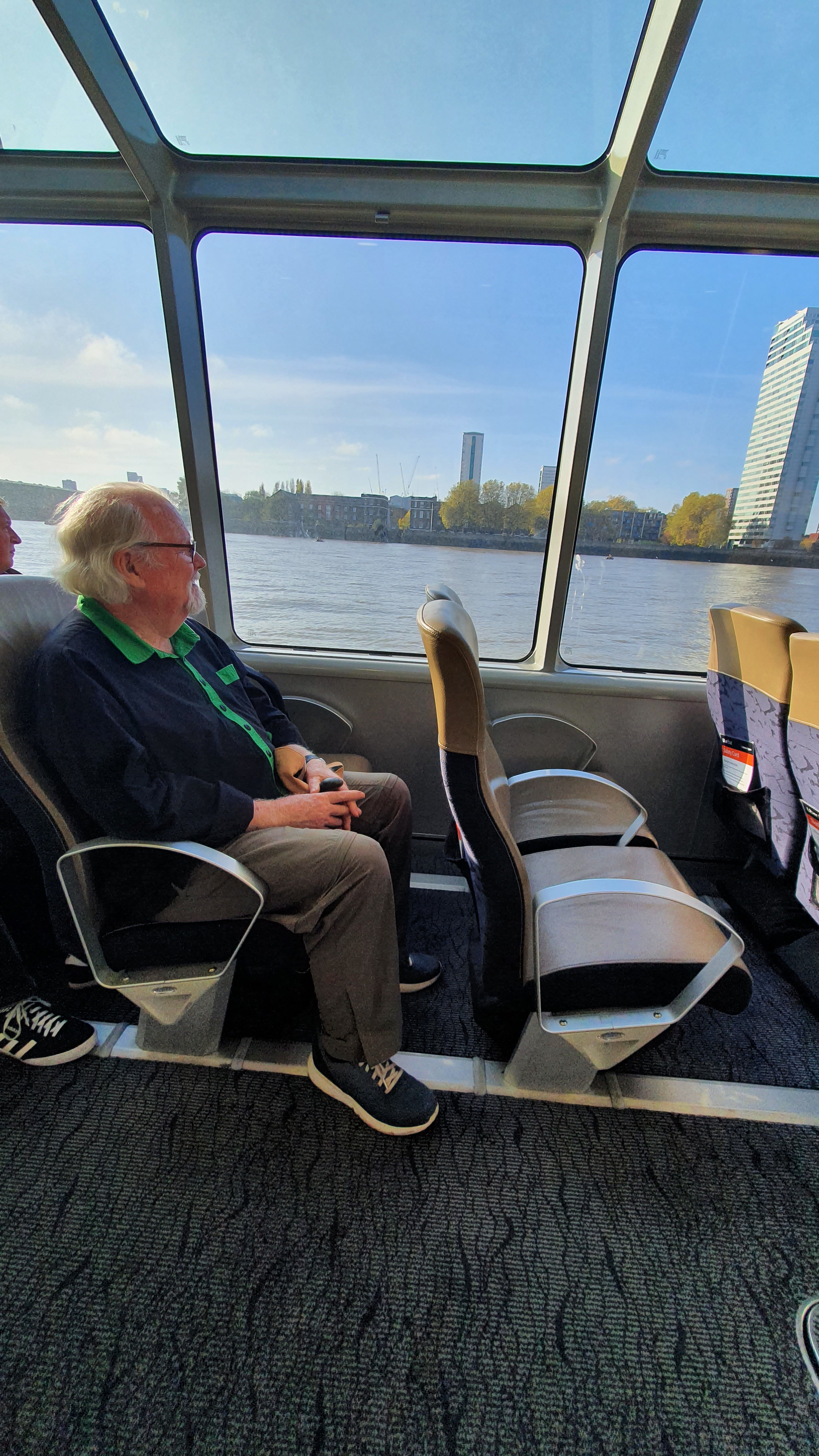
One of our final mudlarks was in Greenwich. Afterward, we strolled by the Cutty Sark sailing ship, then took the river boat service back to Battersea. We could use our Oyster cards, just like on the tube, though it cost a bit more. I’m not sure what route it was, as there are several going up and down the river. A great river tour, no commentary, just views. It took almost an hour and was perfect for us. This service is part of the London transport system, though the boats are all marked “Uber Boats”. This is an easy and fun outing for any London visitor.
L-R: Cutty Sark, London Eye from the river, heading downstream, watching the view.
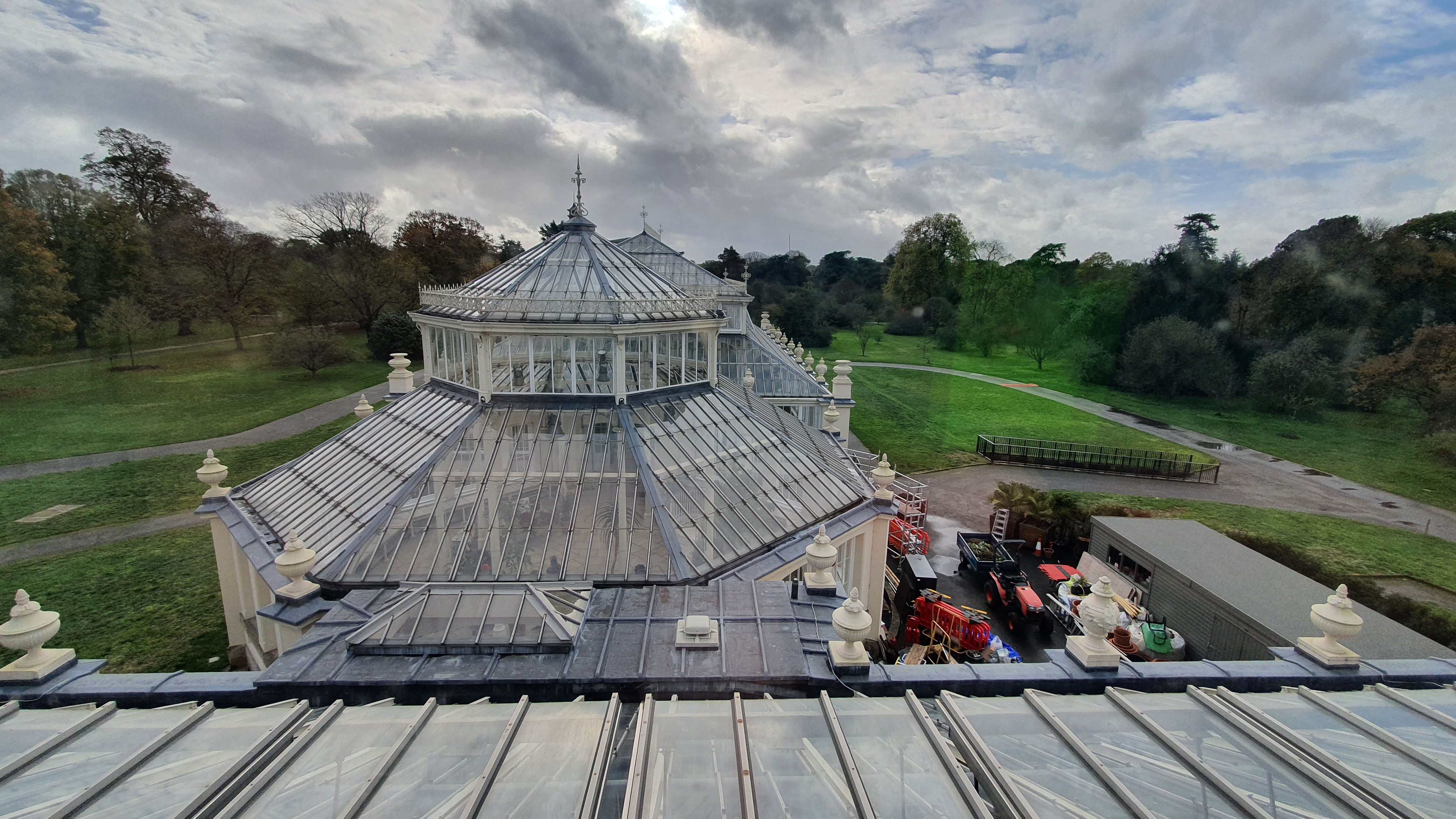
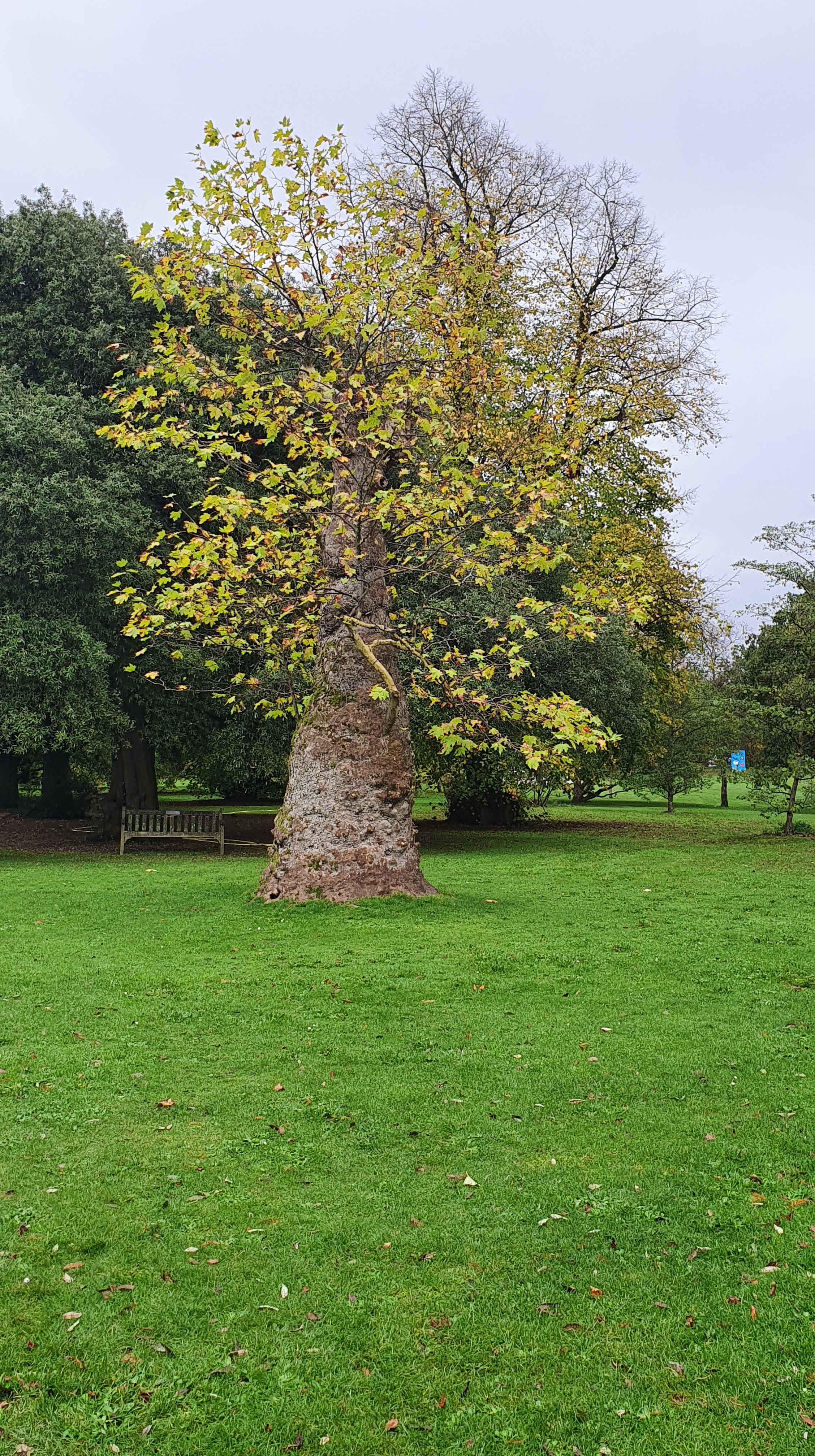
We had a lovely day at Kew Gardens, walking around outdoors and in one of the giant greenhouses.
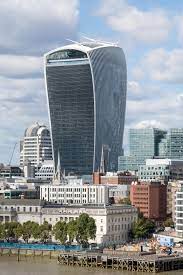
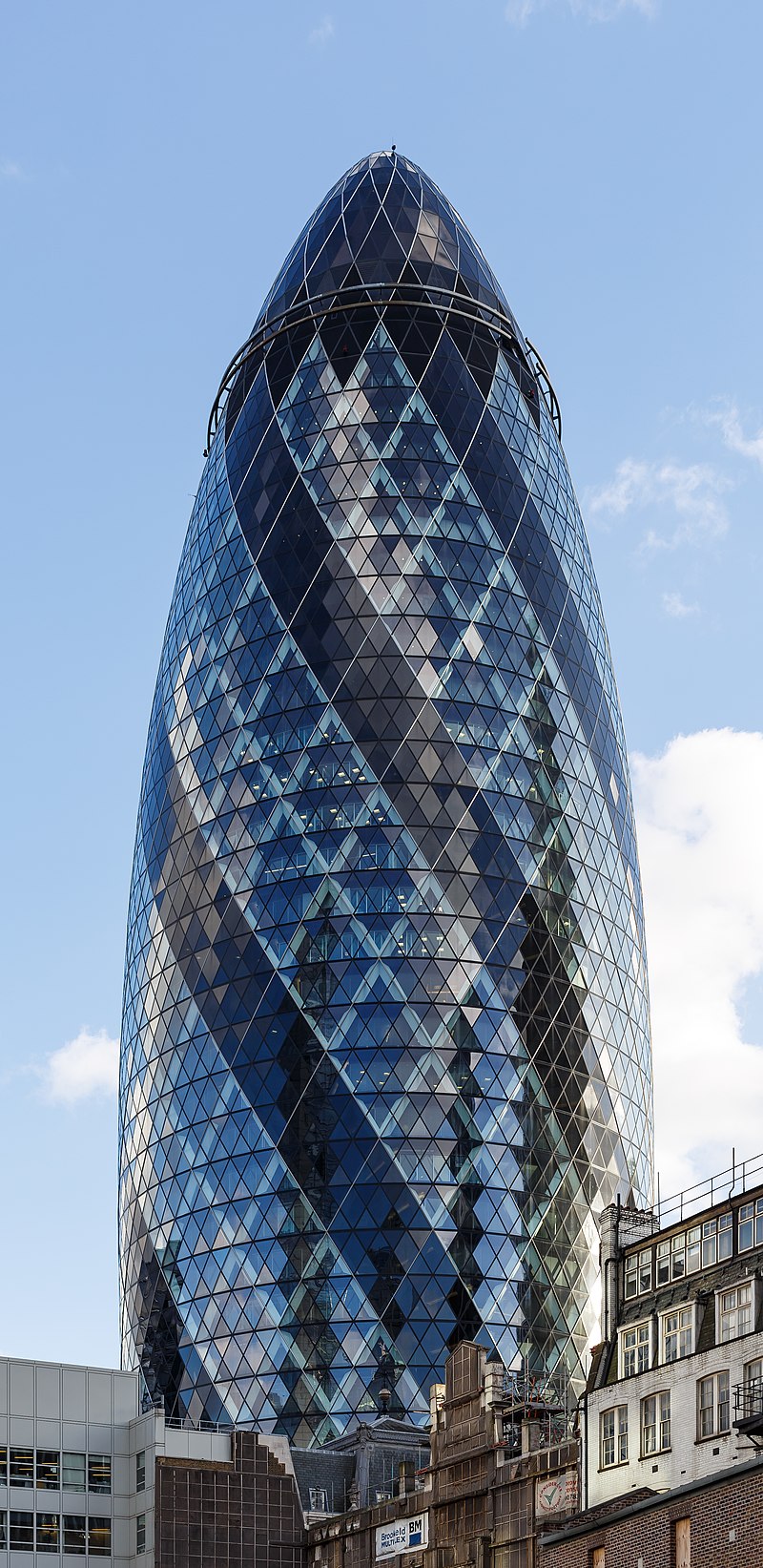
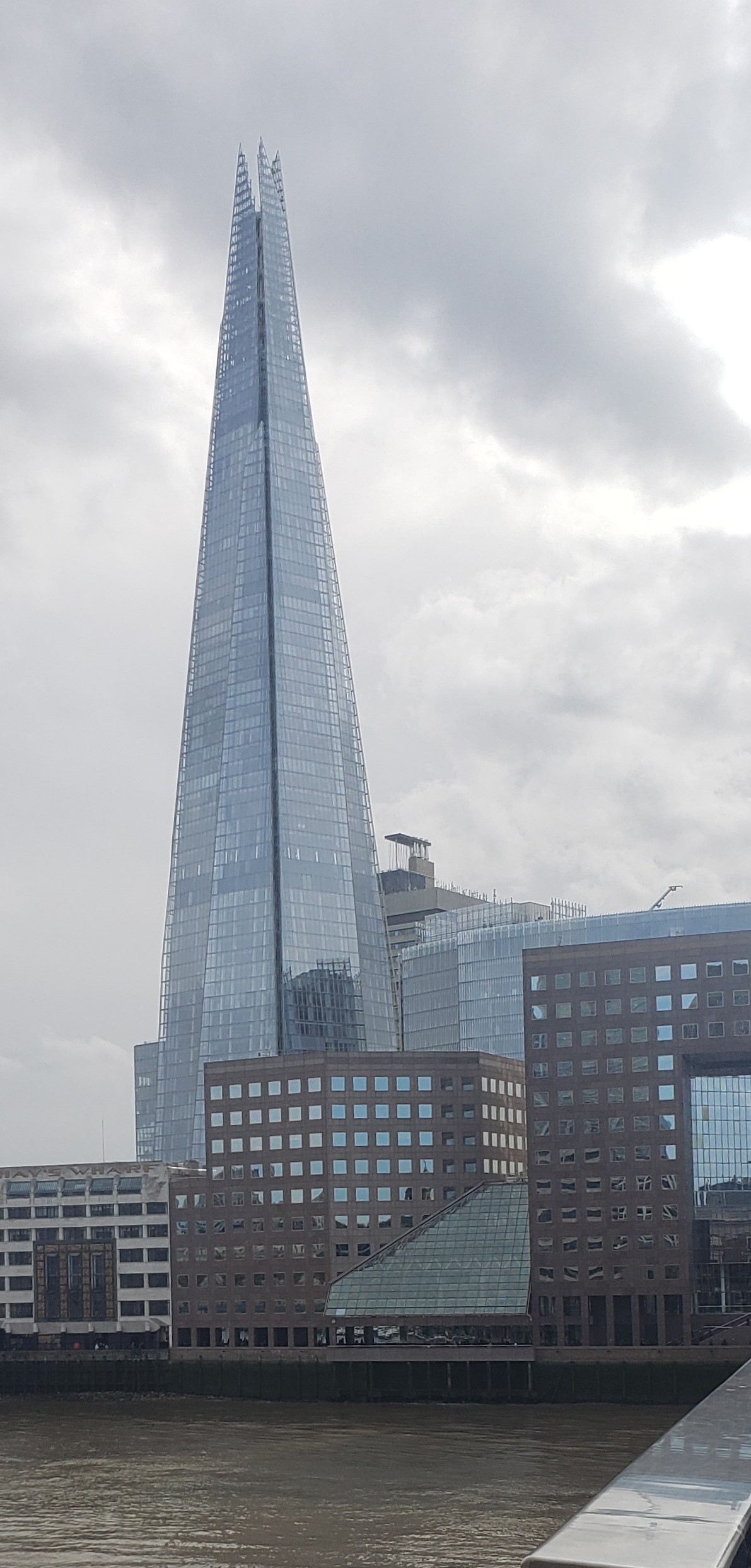
We saw the tall buildings that all have nicknames, The Cellphone, The Gherkin, and The Shard.
L-R: The Cell phone, The Gherkin, The Shard
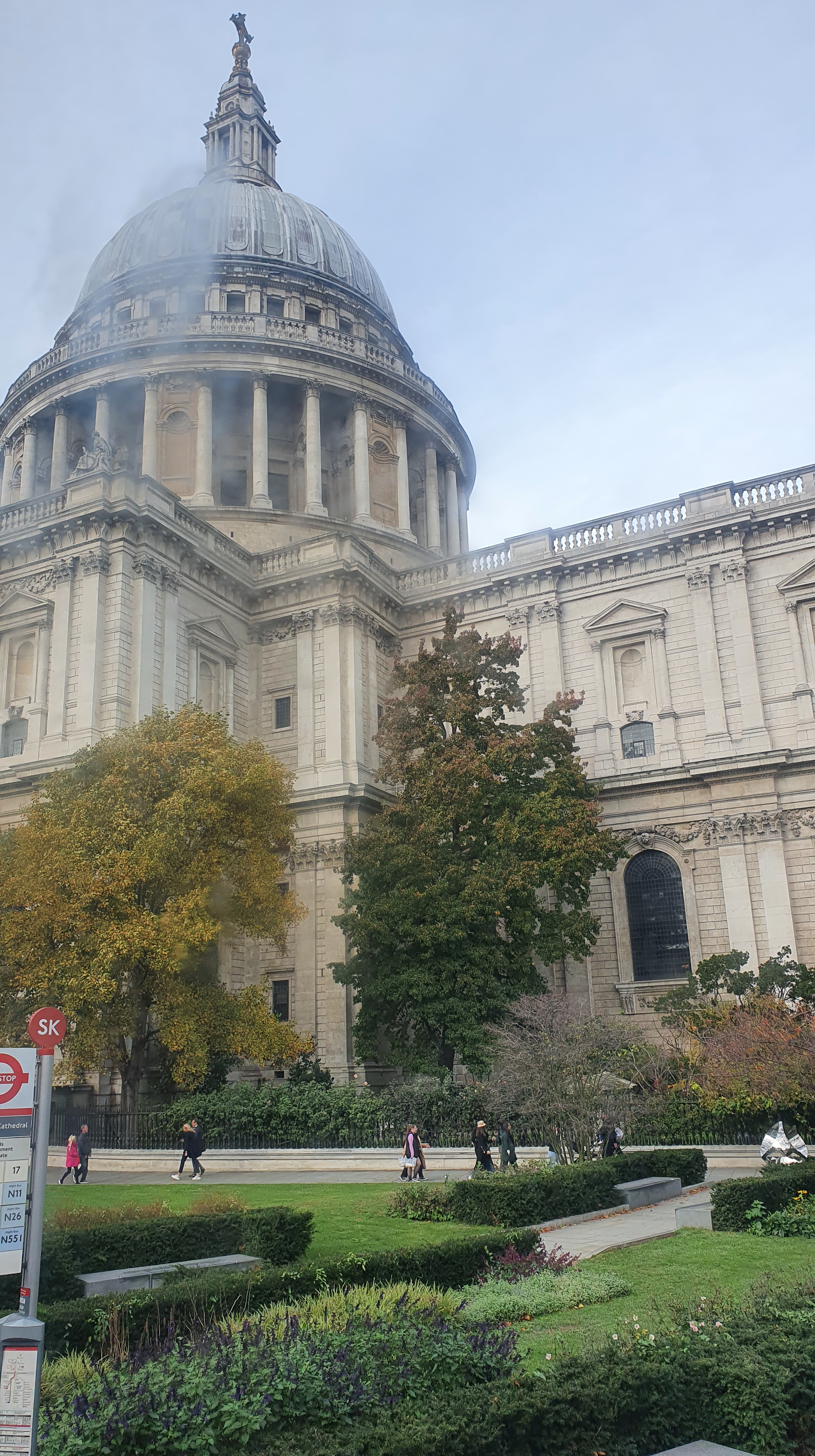
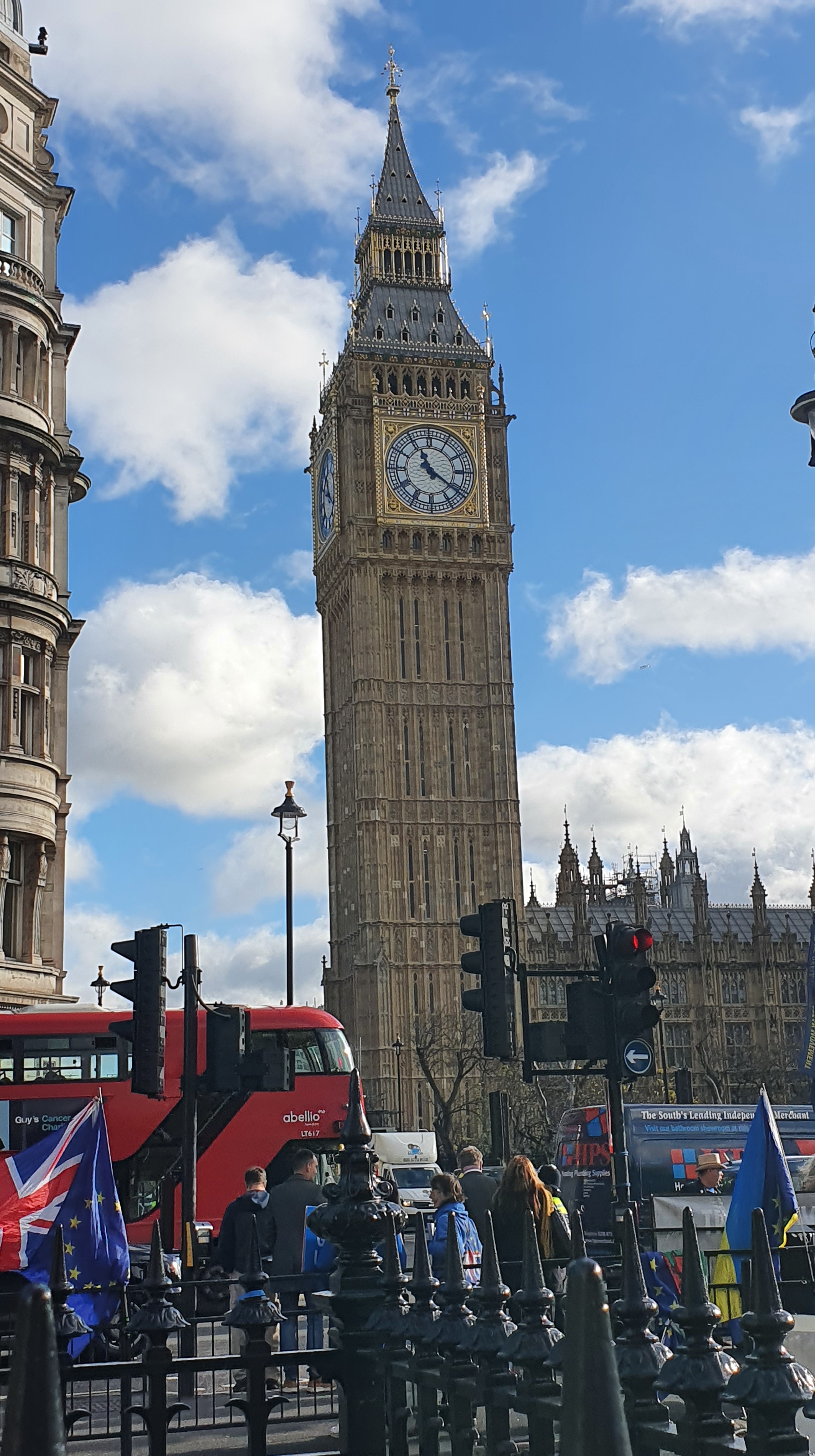
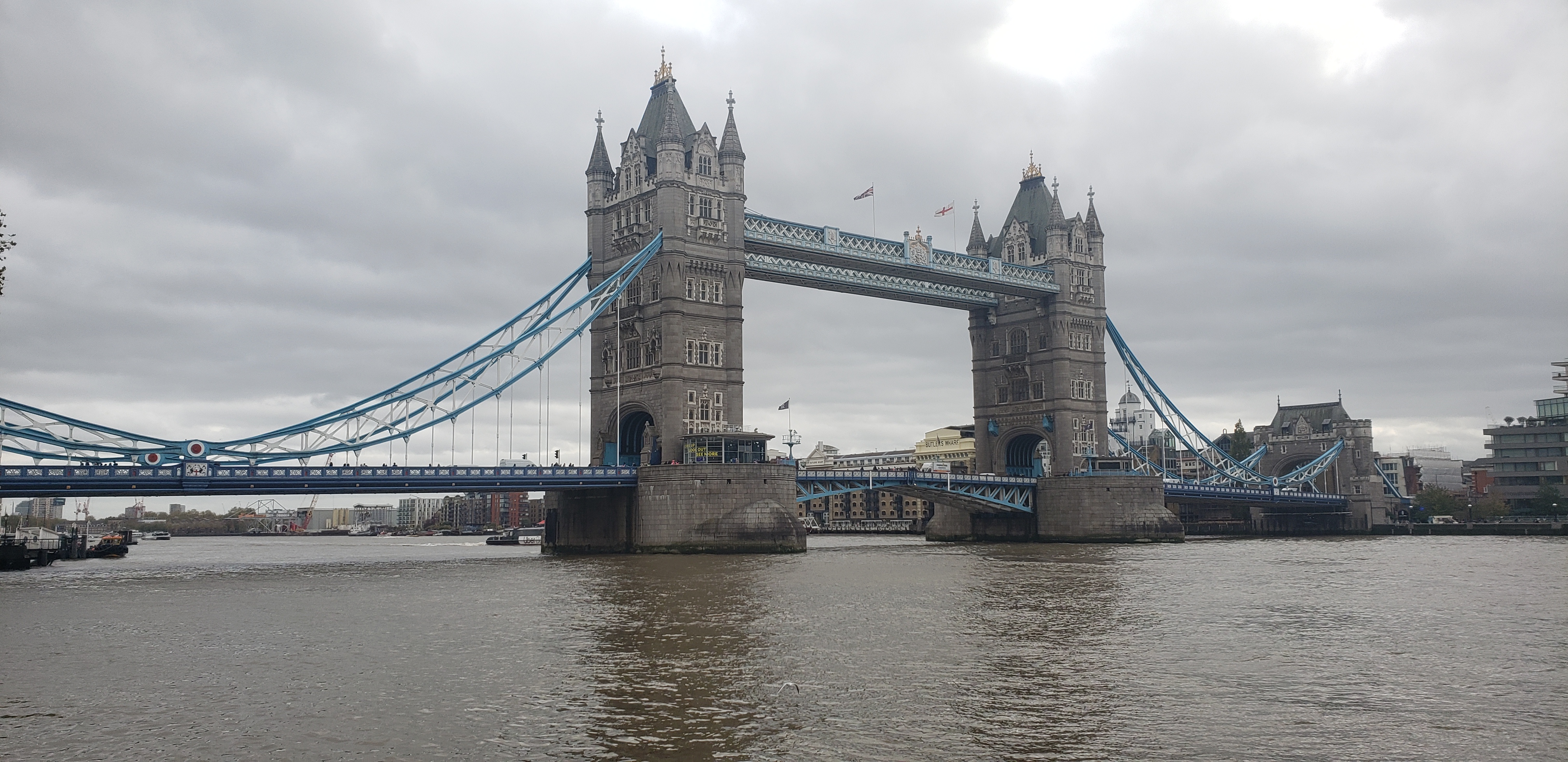
We saw the traditional buildings on our walks, too; (L-R below) St. Paul’s, Big Ben watching over a demonstration near the houses of Parliament. We saluted Nelson on his column in Trafalgar Square and took many photos of Tower Bridge.
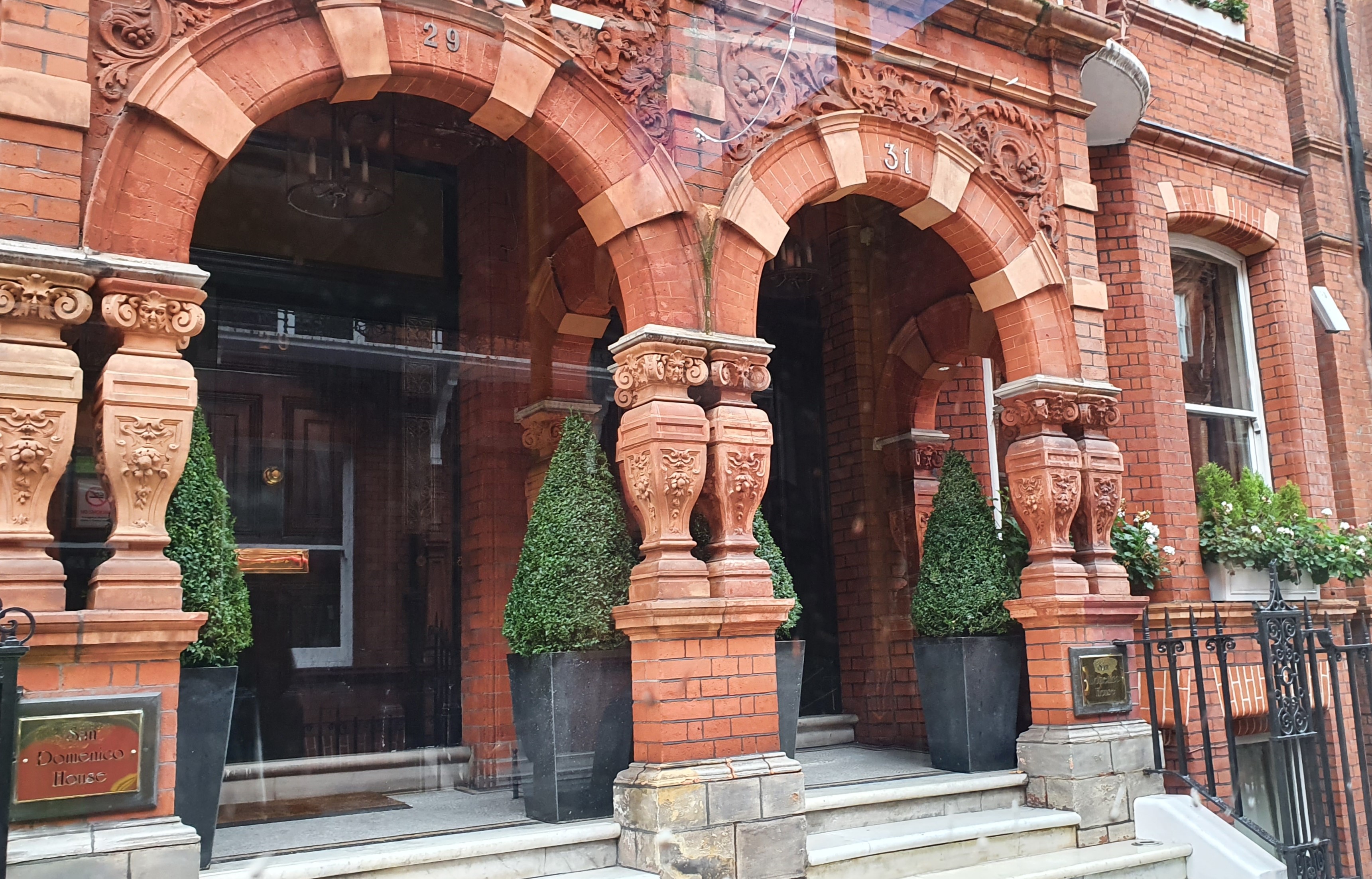
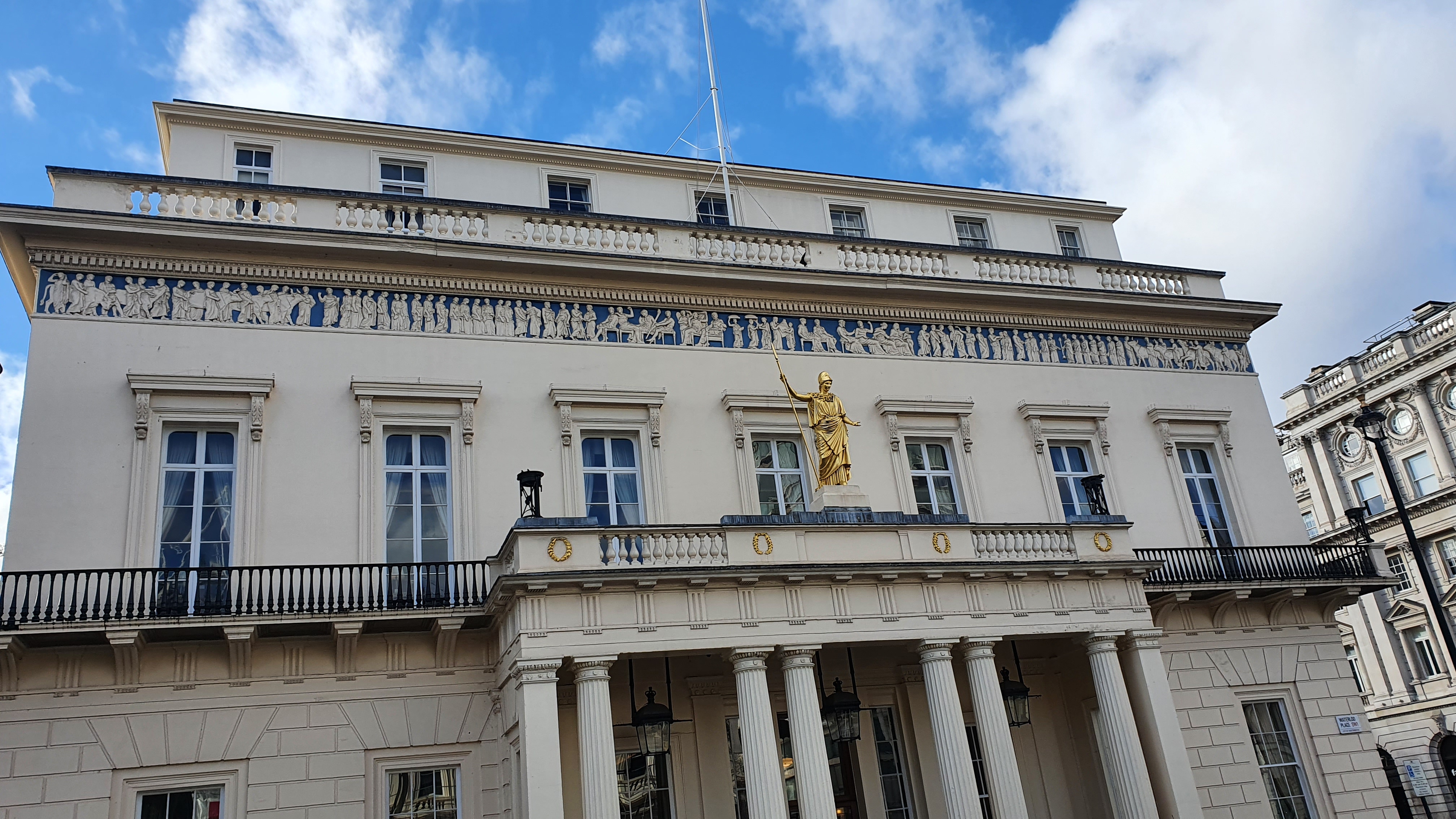
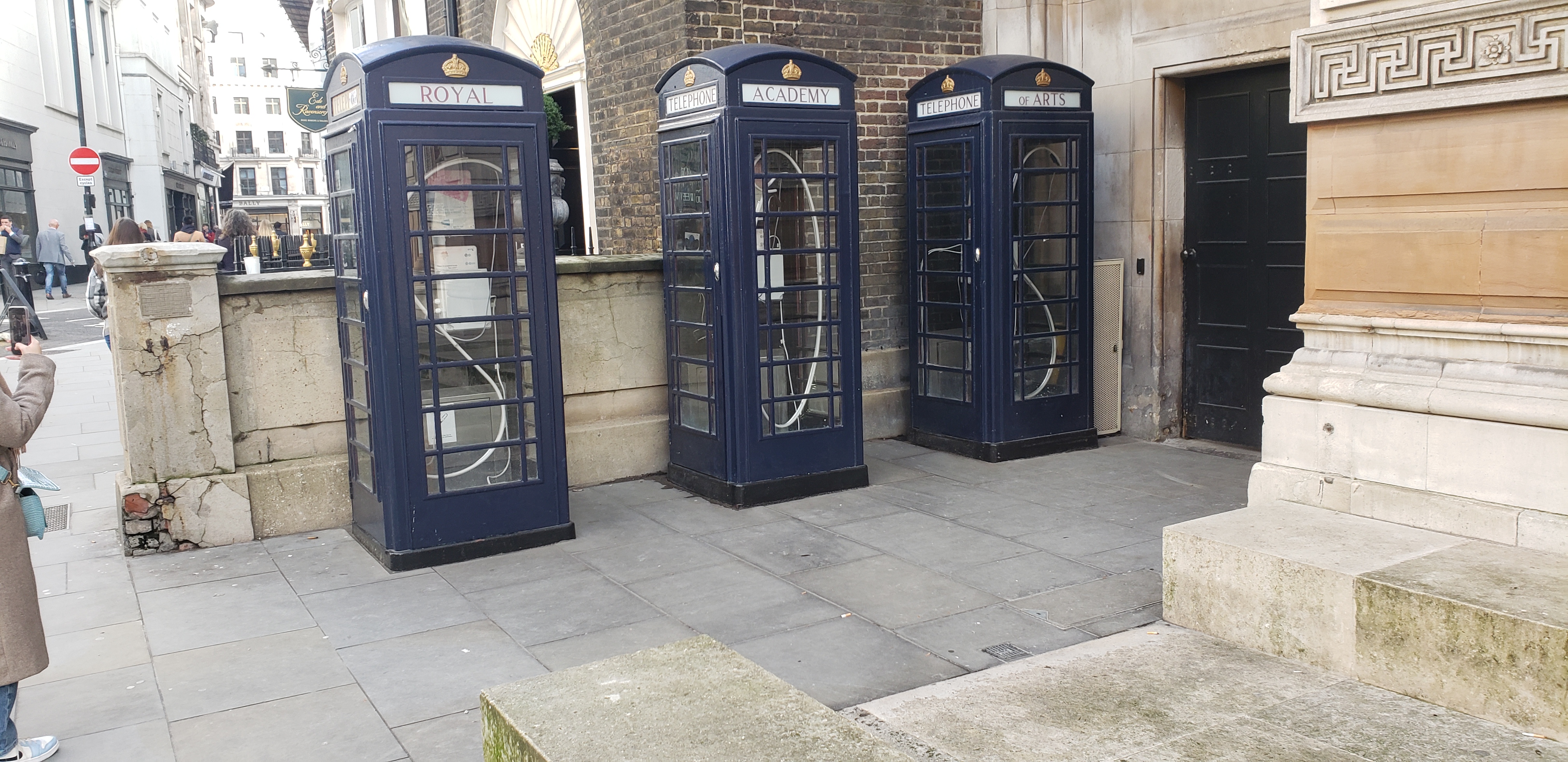
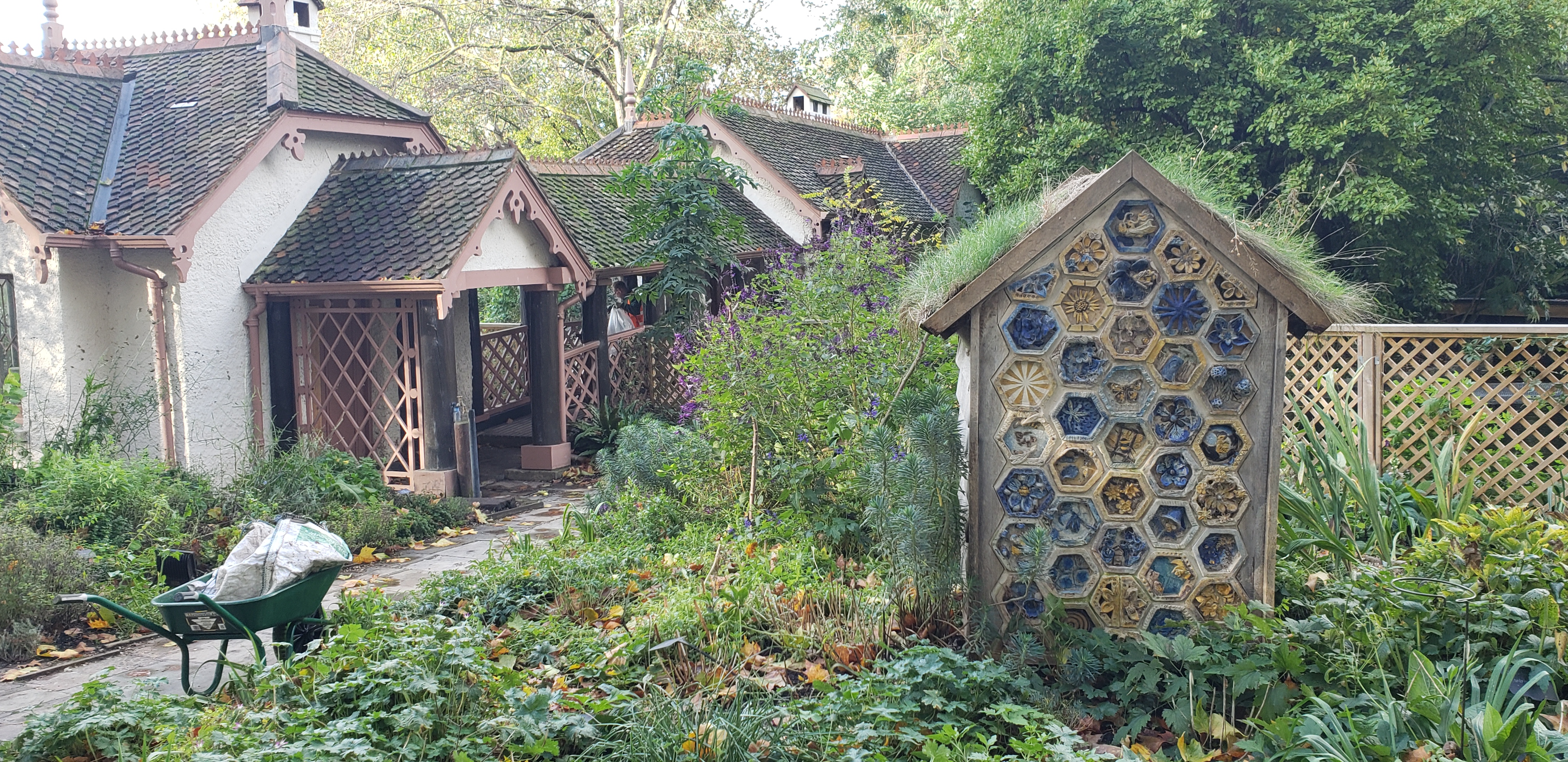
Whimsical places and interesting details captured our attention, too. Clockwise from upper left: We saw the stained glass picture window of the Michelin Man, a gorgeous doorway in Chelsea, a long terracotta frieze on the London Atheneum, art with phone boxes in front of the Royal Academy of Arts, wire jungle animals at the Tower of London, and the best office in London. A woman emerged from a tiny house in Green Park and we asked what it was–her office!
We’ve been to London in the past, but I’d venture to say we enjoyed it more this time than ever before merely by living in the city. It was a spectacular visit, and I haven’t even talked about all our mudlarking finds.
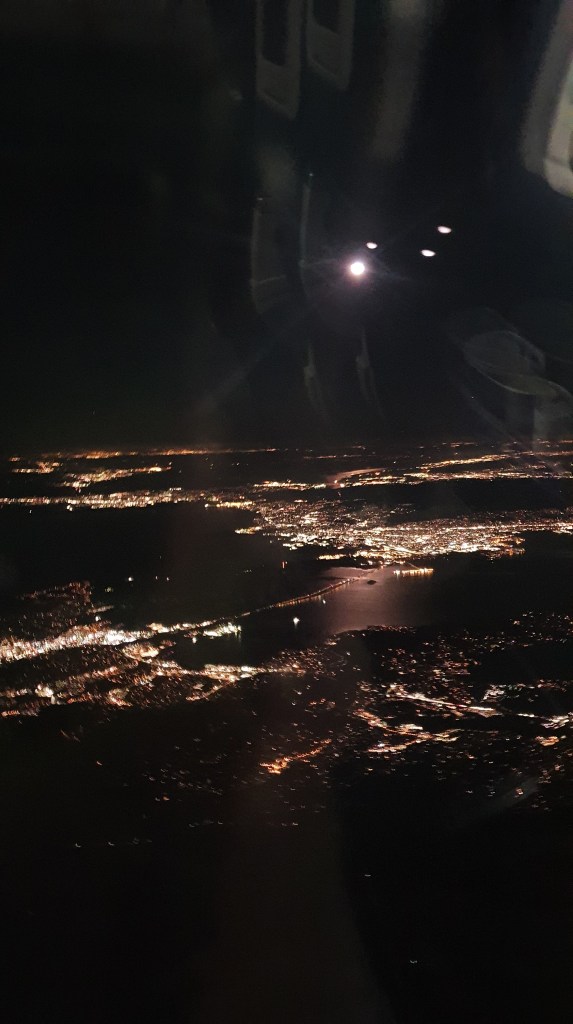
It was difficult to leave just as we felt we were settling in, but that’s travel. We left our flat in Kennington just after noon, left Heathrow just after 3 pm, and arrived in San Francisco around midnight (after a stop in Seattle). It was absolutely clear over San Francisco Bay, beautiful and welcoming.
The Victoria and Albert Museum is England’s attic. This national museum of art and design has the task of encompassing everything that has been designed and made in the UK, going back to ancient times. The V&A does a fabulous job with this impossible task. For some people the collections may be too crowded and overwhelming. For those interested in the encyclopedic view of all things British, it’s a marvel.
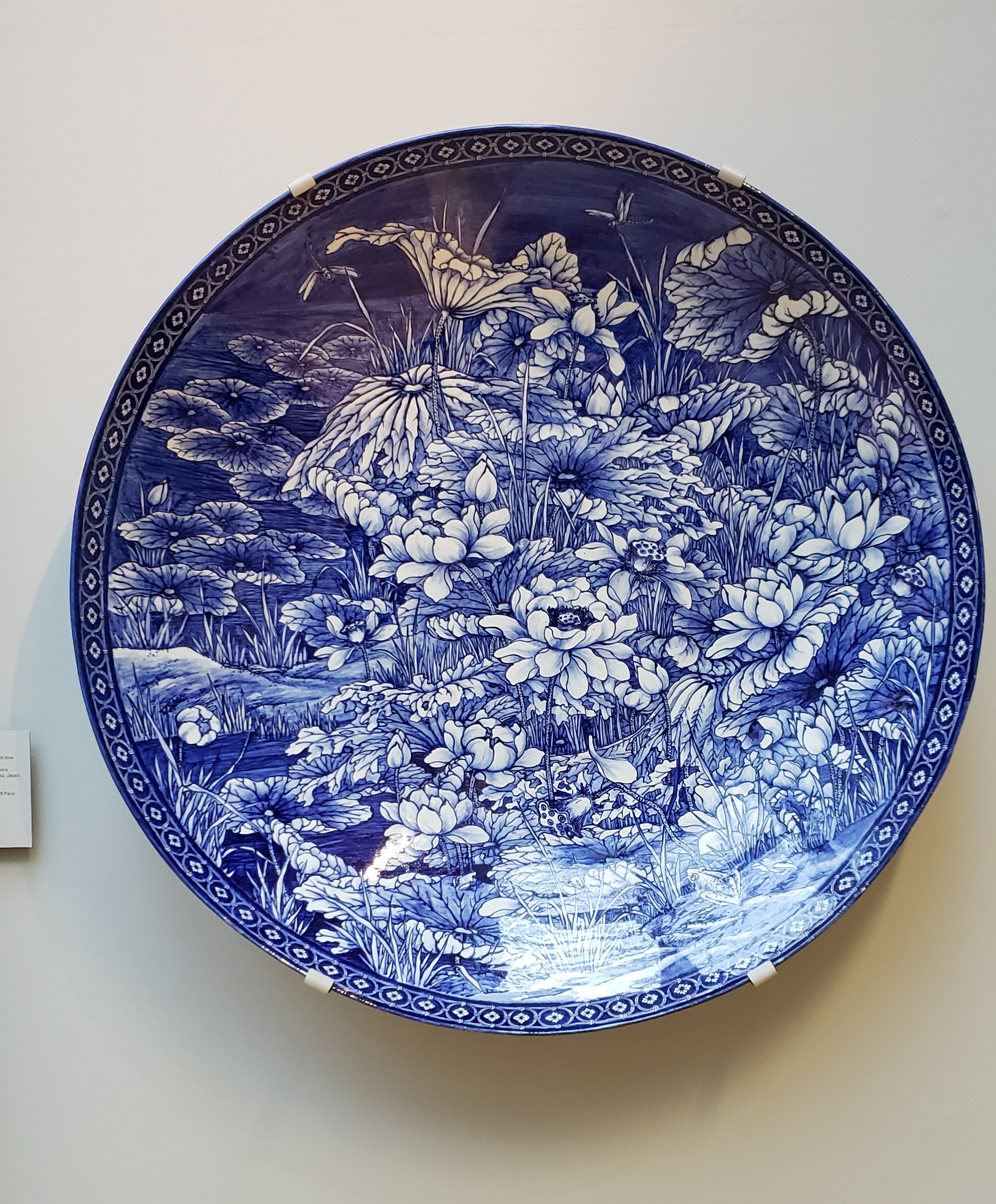
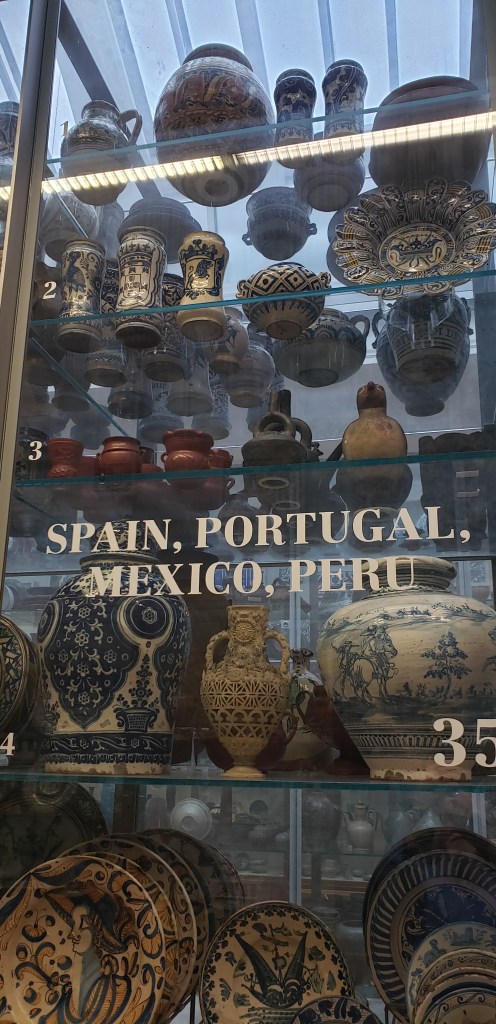
There are all kinds of things here, from the national collection of iron work (yes, that is a thing), all the varieties of pottery and glass a mudlark might find on the shore, the Georgian silver tea sets for which England is famous, and millions of other things. We knew we couldn’t see more than a small slice of the museum in a single visit, so we chose pottery and glass, two categories of objects that we have found on our mudlarking trips. The objects are impressive. Among the blue on white ceramics was a plate about 30 inches in diameter (L above). The other object that surprised me was a decorated ceramic wig stand (R above). Imagine finding a small piece of this and trying to work out what it was!
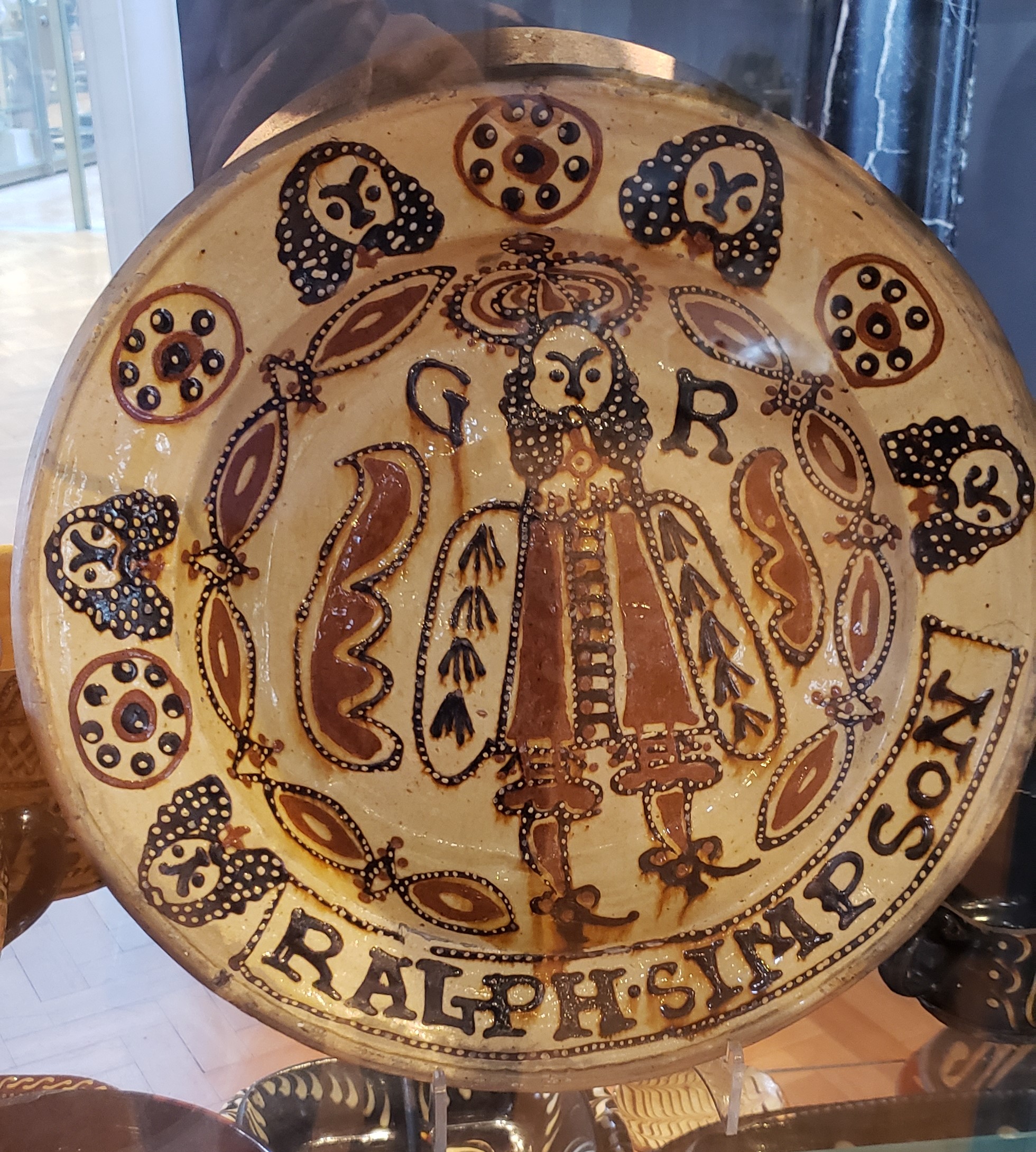
I found out a bit more about the pieces we’ve collected, and admired the whole examples. For example, every mudlark wants to find a face from the neck of a Bartmann jug like the one below (L). Either of the whole slipware plates (below center) is much more extravagantly decorated than the tiny pieces I found, though they are related. The person depicted (center L) appears to be an ancestor of Homer Simpson.
Many collections at the museum are now in “visible storage”, a response to criticism that museums display less than 1% of their holdings. Floor to ceiling glass cabinets hold hundreds of plates, cups, teapots, platters, and other things. The finest examples in each category are displayed and labeled, while the remainder have an index number that can be looked up in a notebook at the end of each hall. It’s also possible to make an appointment to visit and see an object first hand, though I imagine the museum asks you to have a reason for doing so. The opportunity for close scrutiny is there, and I took advantage of the many examples of 18th century pottery to reconsider some of my finds. For example, pieces of stoneware that I believe to be German, may well have been made in England. I realized that my finds aren’t large enough to determine place of origin.
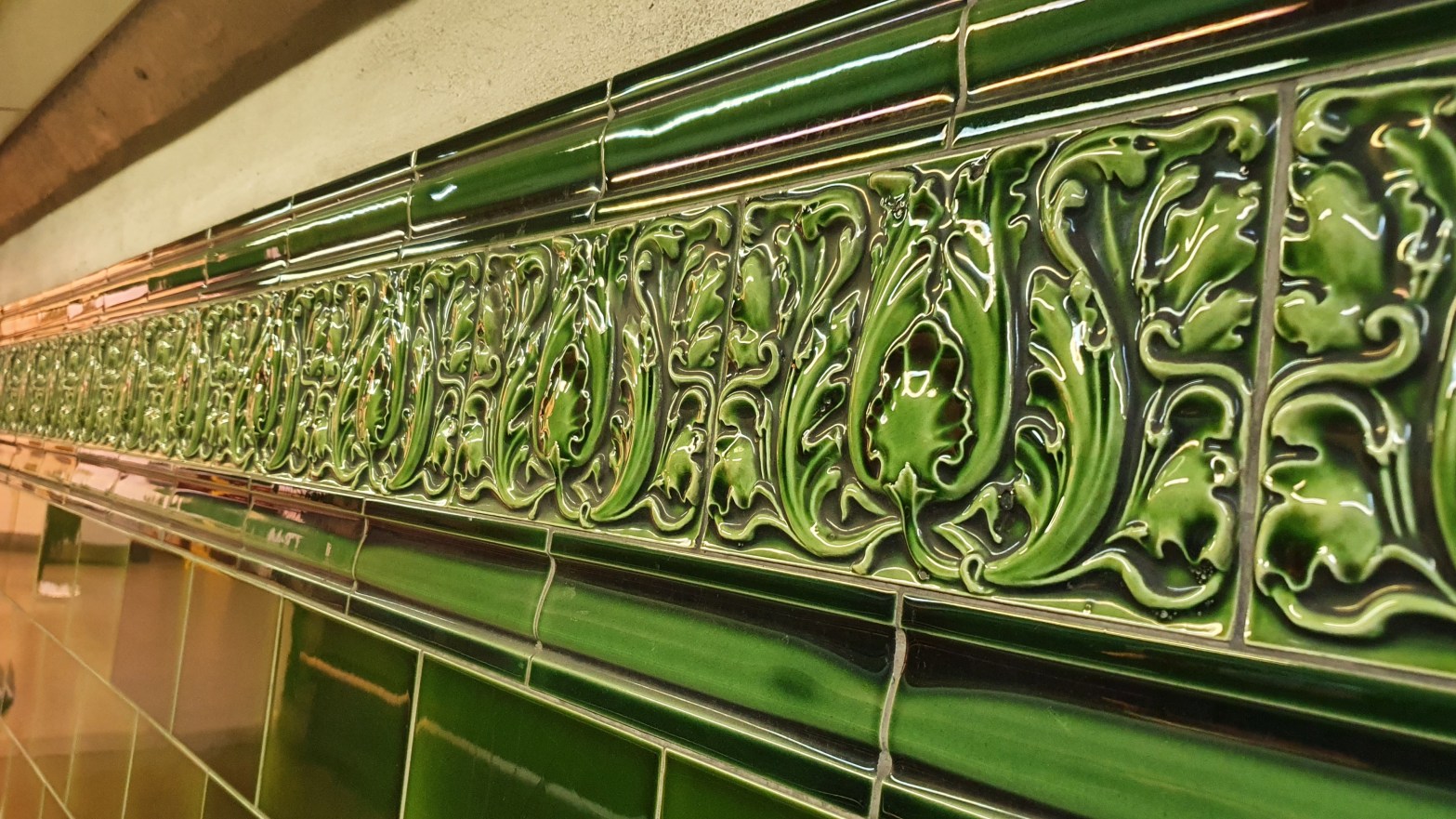
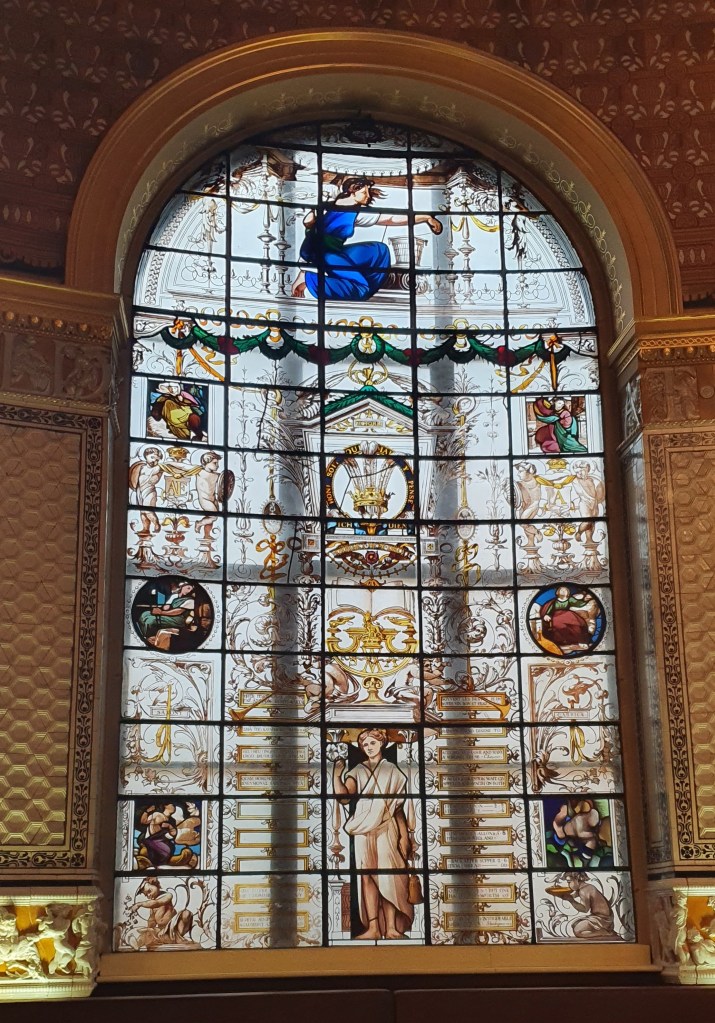
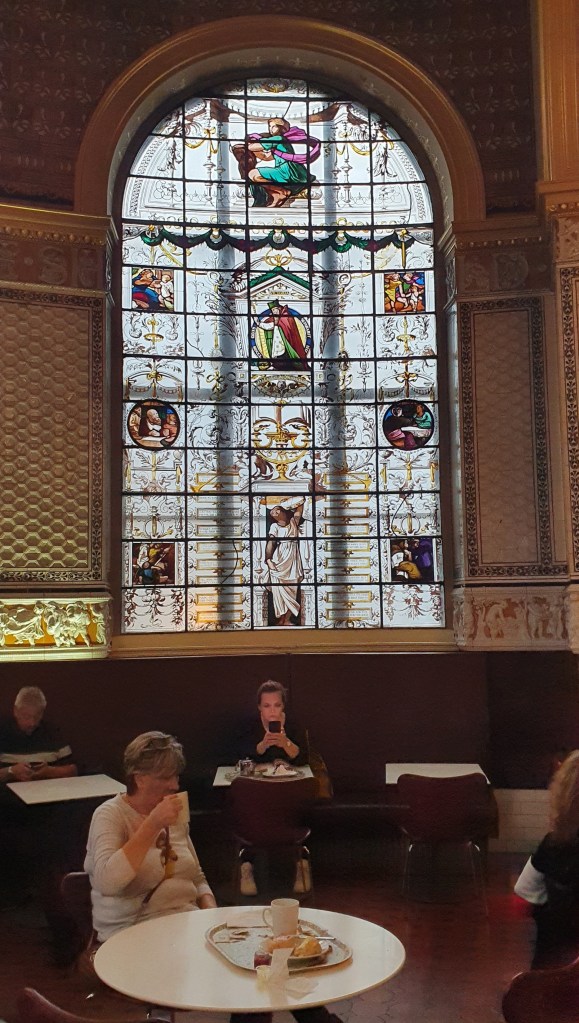
Walking on hard museum floors is very tiring and it felt like miles before we decided to stop at the cafe. We stepped into the adjacent room to sit down and I was amazed by the elaborate decoration. It was a wonderful, magical cafe space under a dome decorated with sculpture, tile work, painting, and stained glass. I cannot remember when I’ve had a snack in such an ornate place. It added a lot to my carrot cake and fizzy drink.
In addition to all the exhibits we looked at, there were exhibits for different audiences: Beatrix Potter illustrations (children), African fashion (young people, fashion followers?), and Korean contemporary life (the K-pop/anime generation?). The museum currently makes an effort to focus on something other than upper crust memorabilia–though I admit it, I love the teapots. The exhibit at the V&A had a lot in common with the sales display at Fortnum and Mason (table of tea ware at F & M).
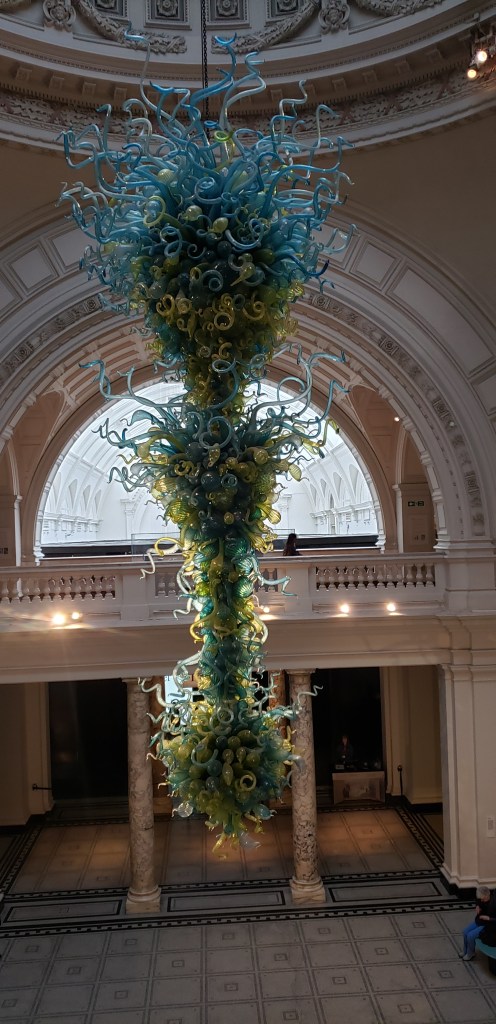
On our way in and out, we passed a few pieces that hint at the huge range of the Victoria and Albert, a sculpture of The Three Graces by Canova, one of the world’s great sculptors, and hanging from the ceiling in the entry, a massive multi-story chandelier by Chihuly, the king of blown glass. There’s truly something for everyone, or for many visits.
We’ve been in London before, and enjoy visiting museums. Some, like the British Museum and the Tate Modern, are familiar to us. Others are new to us. We visit for a few hours, stop in the cafe, stroll the shop, and call it a successful visit.
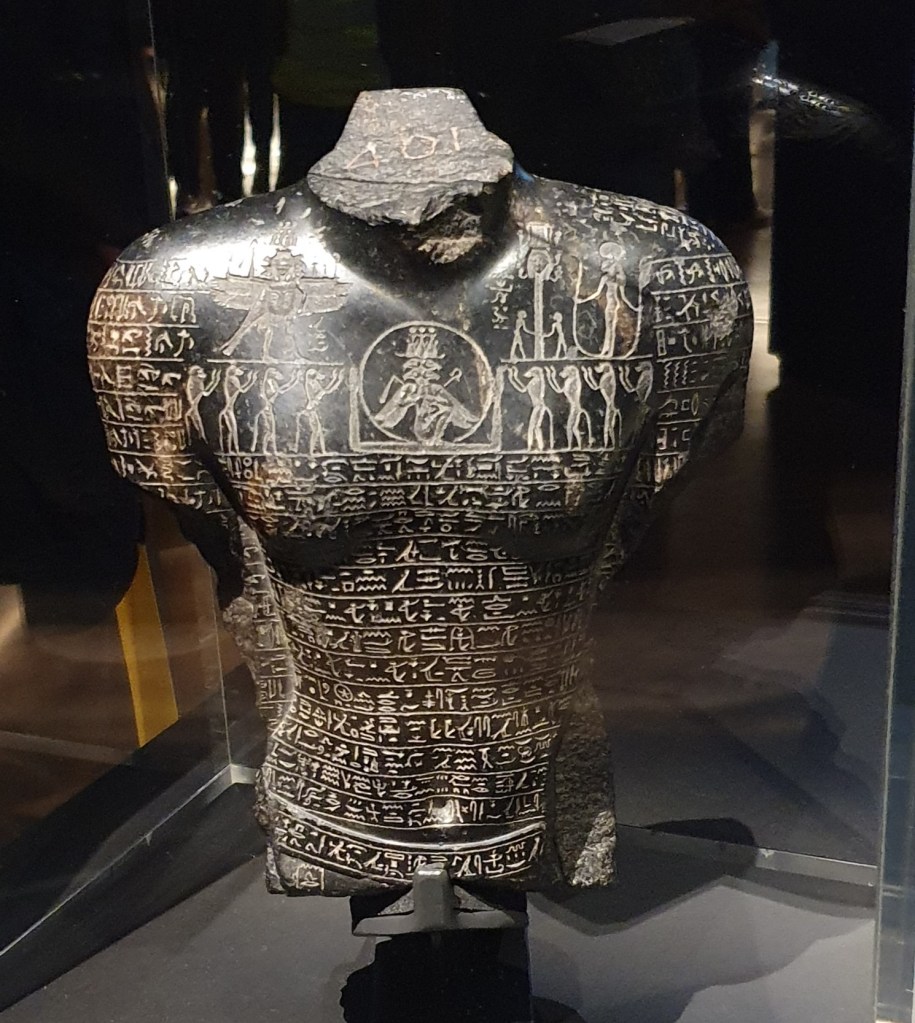
The British Museum’s featured exhibit right now is on Hieroglyphs, featuring the Rosetta Stone. There were lots and lots of inscriptions, and discussion of how hieroglyphs came to be translated by Champollion and Englishman Thomas Young. A torso of a man covered with hieroglyphs reminded me of a young person covered with tattoos.
One of my all time favorite collections at the British Museum is the Lewis Chessmen, on the banner at the top of this post. These Viking era chess pieces were likely carved in Trondheim, Norway, and were on their way to Dublin to be sold or perhaps to be delivered to the wealthy merchant or clergyman who commissioned them, when somehow they were waylaid on the Isle of Lewis in Scotland, where they were found buried in a pit lined with stone on the beach. It’s a story of international trade almost 1000 years ago. Jonathan and I have now seen all the chessmen in existence, divided between the National Museum of Scotland and the British Museum. I love the personal expressions on the individual pieces, the glum queen, the bug-eyed king holding his sword, the berserker chewing his shield. They’ve got a lot of personality for little pieces of walrus tusk.
The Tate Modern is the complete opposite of the British Museum. Rather than a purpose-built Victorian edifice in the heart of the city, it occupies a former industrial space, the Bankside Power Station, on the edge of the Thames. The gigantic turbine hall at the center of the building provides a display space for huge works of art. When we visited it was hangings by Cecilia Vicuna, called Brain Forest Quipu. She took the idea of a quipu, strings of knots used for record keeping by the Inca, and ran with it. Groups of trailing white strands hang from the ceiling and pool on the floor.
I also appreciated some whimsical pieces of art, such as the “animal” with an impressive set of horns, the rest of it made of a few boxes and a disassembled chair. I was surprised to find a piece related to mudlarking at the Tate Modern, since most of the art is contemporary looking, as well as contemporary in date.
In the center of a small room is a very large, old-fashioned-looking cabinet with glass doors on the upper shelves and shallow sliding drawers and cabinets below. Every space is filled, and I thought it was an old “cabinet of curiosities” brought in by an artist. It turns out to be a piece commissioned by the museum. The contents of the cabinet are materials collected along the shore of the river in front of the Tate Modern and across the river on the shore in front of the Tate Britain. The cabinet holds bricks, pieces of flint, rope, metal bars, hooks, nails and parts of drains, bottles, pottery, a wide variety of seashells, and many other odds and ends, a cross-section of what is out on the shore of the Thames. It seemed especially put in place for me. We’ve been mudlarking in both places, the beach in front of the Tate Modern and the Tate Britain, too.
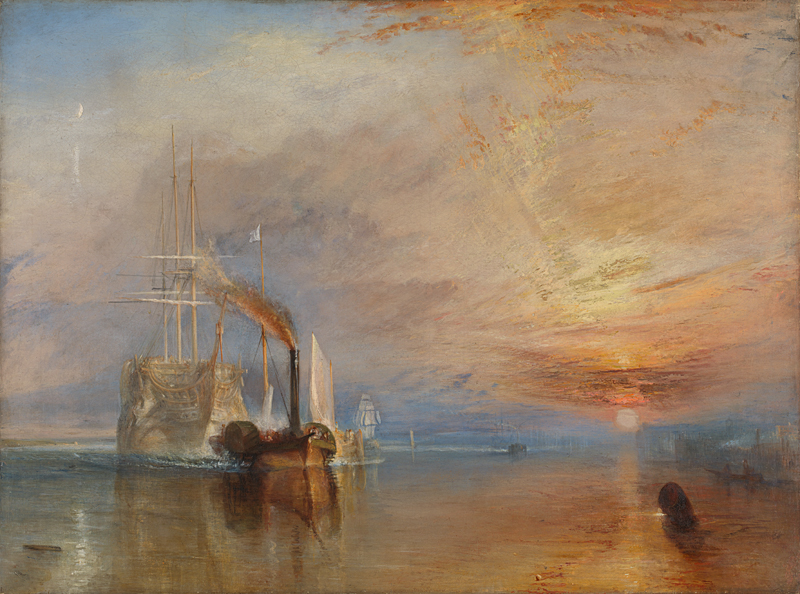
We went to see a current exhibit, Winslow Homer: Force of Nature at the National Gallery, and also to see some old favorites (mostly J. M. W. Turner). I realized during our visit that my affection for paintings of these artists and other traditional painters of the western canon (Goya, Gainsborough), goes back to my elementary school experience. I attended a crowded Catholic school, with 55 students in each classroom, and not a teacher’s aide in sight. Each of us had a black and white patterned composition notebook for a periodic class called Picture Study. We received a postcard-sized reproduction of a famous painting and pasted it on a clean page. The nun or teacher then dictated a couple of sentences about the picture that I remember laboriously copying below. There must have been a quiz, because there always was. Winslow Homer’s, The Gulf Stream, was one of the featured paintings in the Tate Britain exhibit, but nearby hangs a smaller work, Fog Warning, and I recognized it from my picture study of long ago.
From the Homer exhibit we went to see the J. M. W. Turner paintings. Iconic Turner paintings show the rising or setting sun over a crowded seashore, with huge sailing vessels at anchor or lumbering slowly out to sea. Again, one of these, The Fighting Temeraire, was in the picture study book of my childhood. It is remarkable to recall these paintings so clearly, and moving to see the real thing.
There were Turners at the Tate Britain, too, where there is a curious juxtaposition of a room full of dark and somber maroon and black paintings by Mark Rothko adjacent to the Turners. Rothko admired Turner and donated the series in hopes it would be hung as it is today, near the works he admired. They have nothing in common beyond the feelings of one artist for the work of another.
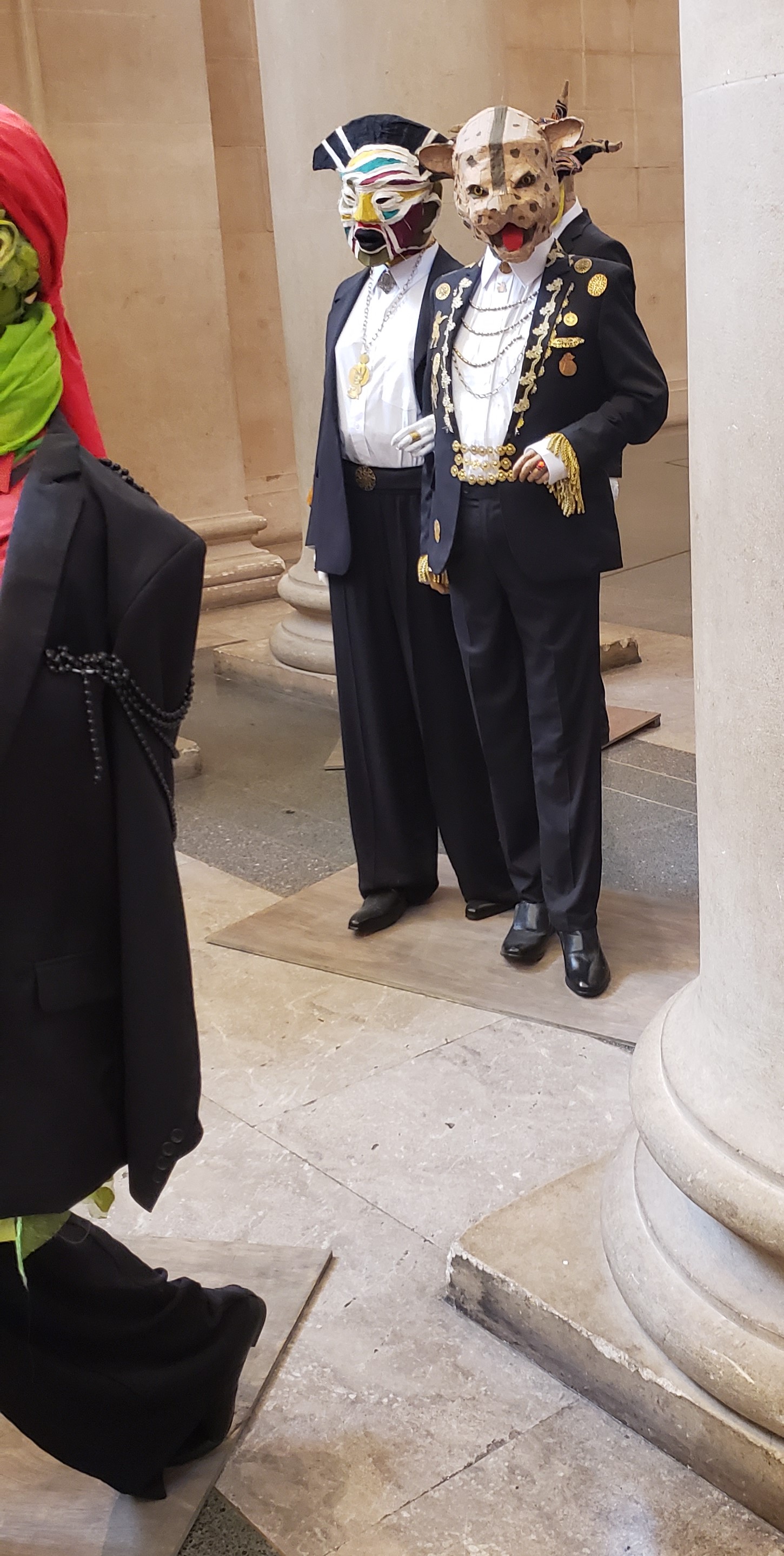
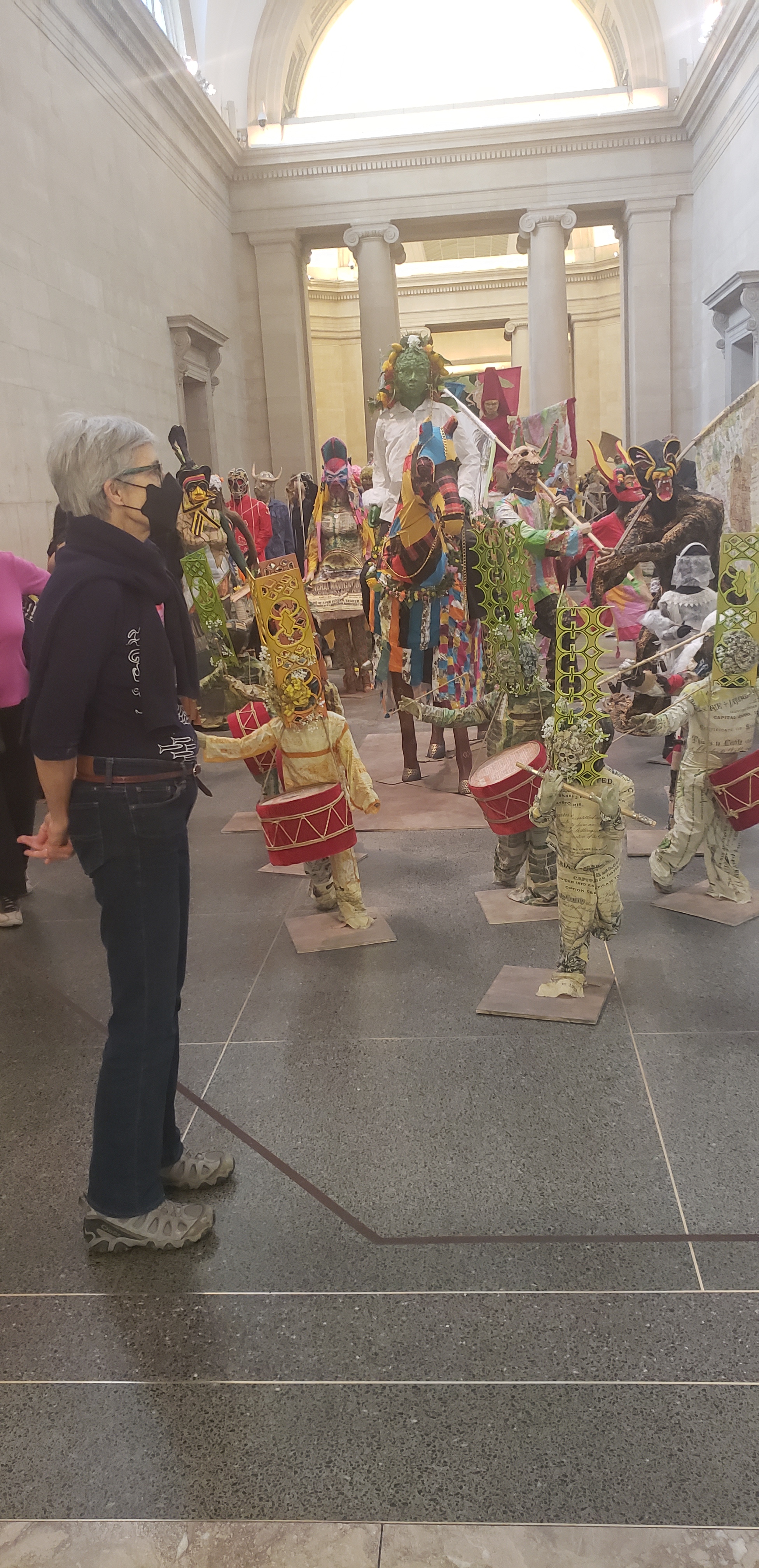
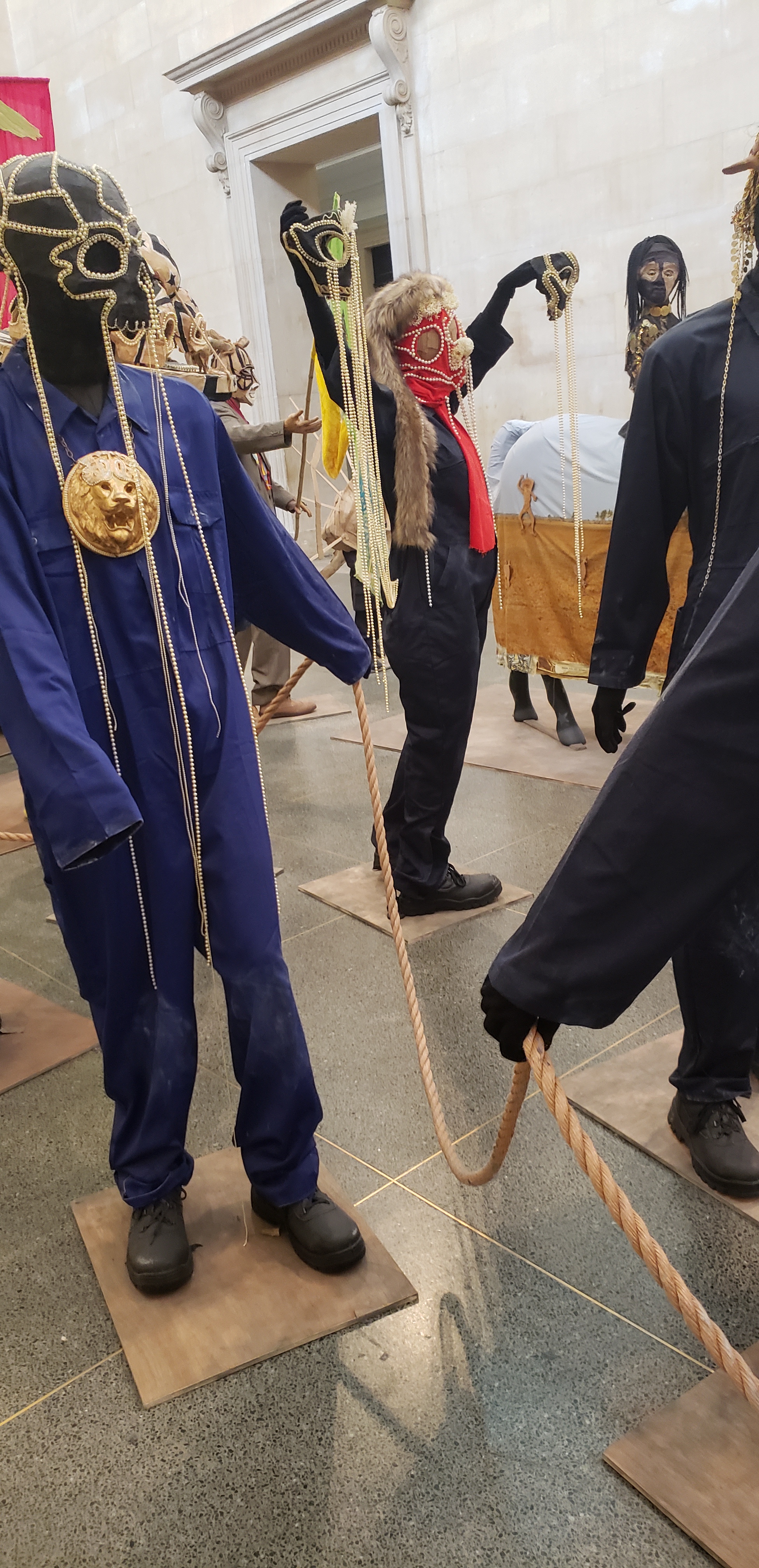
What struck us most strongly at the Tate Britain is the 2022 commission by sculptor Hew Lock, The Procession. It looks like a frozen parade, spilling out of rooms and down the main hallway. On closer examination, it is not a Mardi Gras celebration, but an elaborate allegory of colonialism and related themes. So many hints are embedded in the pieces that there are guides to indicate the numerous veiled references. (Jonathan’s comment was that conserving such an extensive group of objects would be an epic curatorial challenge.)
We’re going to keep visiting, though there are many, many museums here. If you include all the “house” museums, preserved homes, studios, and offices from the past, there are over 100. I’d have to be staying longer than one month!







































 Llywindatravels 2025