Walking through History on Hovsveien

Using the magic of the internet I found, “Tjelsundet: A Channel Through the Ages,” a guide to Hovsveien, an ancient road along the north side of Tjeldoya Island.  This 2 km section  is open for walking, set up with trail markers and some informational signs.

You can see the roadbed pressed into the landscape.

6.23.16 Hovsveien pkc-004Along the way are ruins related to ancient farmsteads that were connected by the road. Today’s hamlets of Hov and Hol are named after the early farms (The stone may be a marker.) 6.23.16 Hovsveien-011

The road connects Hov and Hol. There is an extensive view over the Tjelsund fjord. “At Holshøgda (the heights of Hols) the prominent farmers are buried, with extensive views of their land and the channel.” This peaceful view would make a good memorial.
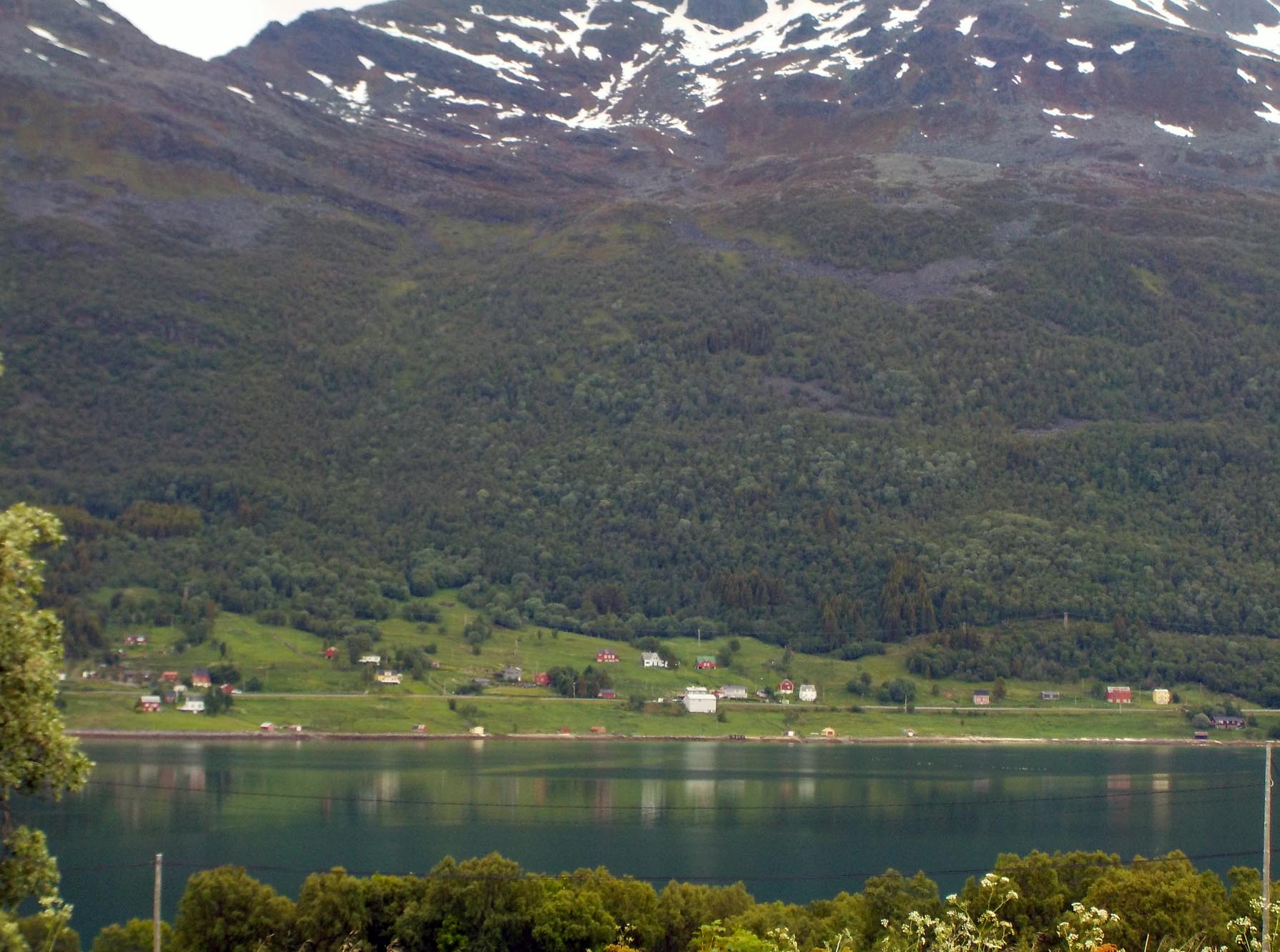
6.23.16 Hovsveien-005smEvery walk includes some wonders of nature.

6.23.16 Hovsveiensm

A drop of water in a leaf is a diamond.


6.23.16 Hovsveien pkc-007


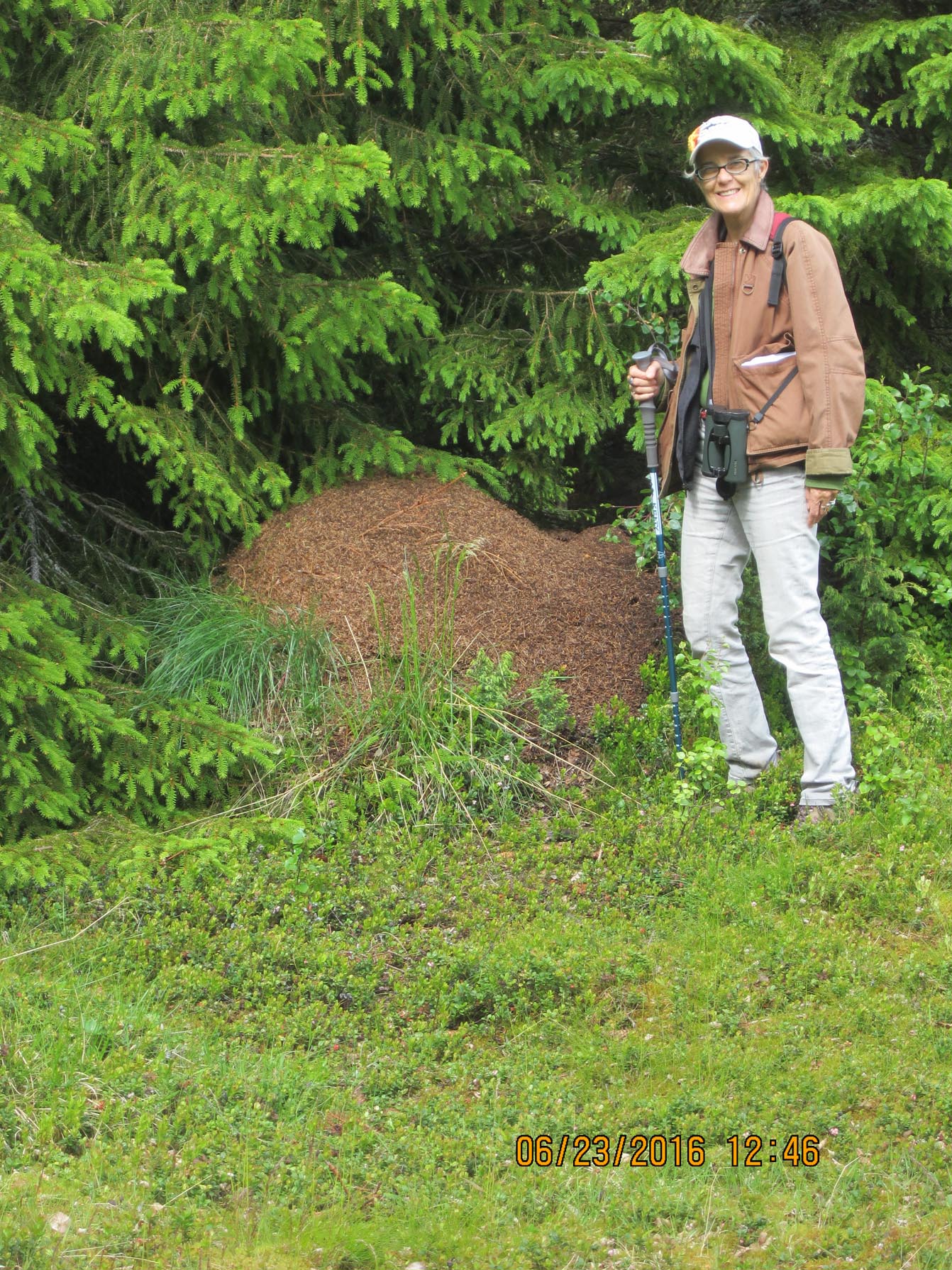
A huge anthill–there were several. Are we in Africa? The ants and their trails kept us stepping lively along the path.


Hovsveien ends at the Tjelsund church. We ate our picnic at one of the tables in the churchyard.

6.23.16 Hovsveien-016We made the return trip along the road, passing a few of the locals who were agog at our passing.6.23.16 Hovsveien-014

Though the Tjelsund Historical Association doesn’t appear to be as active today as it was when the booklet was published, the English translation is a gem and the trail still has some of its markers. Most sections are still mown and are easy to walk. Other trails branch off. We saw a walker in the distance who entered Hovsveien from another path.

Tjelsundet: A channel through the Ages (1994), by Hein Bjartmann Bjerck. Part of the Fotefar Mot Nord series.

http://www.arkivinordland.no/Handlers/fh.ashx?FilId=1529

The High-Noon Birding Society

Jonathan and I like to watch birds. We do not like to get up before dawn, as I believe diehard birders do. We therefore watch birds when we are out, often in the middle of the day. Our High-Noon Birding Society has had darn good luck, and I recommend others to start their own branch.

We’ve seen about 25 different birds in Norway. Some are species that we see elsewhere like ravens, magpies, jackdaws, mallards, and tits.

https://i0.wp.com/leirdal.net/blog/wp-content/uploads/2012/09/white-tailed-eagle-showing-off-the-loot.jpg

Others are new and different, like the white-tailed eagle that is rare anywhere but Norway.


https://llywindatravels.com/wp-content/uploads/2016/06/57060-fieldfare1.jpg

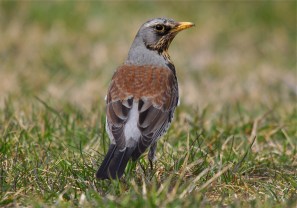
Fieldfare are the birds that take the place of robins we see in the US, hopping along the edge of the road and yards. They are unmistakable when they take off. Their lower back is light gray, a real giveaway when they are flying away from you.

                                                  The white wagtail is another bird we see that is easy to identify.


Many birds seem to be color-coded: Redwing, Redpoll, Redshanks, and a pair of red-breasted mergansers (ducks), along. Then there’s the Greenfinch.

https://i0.wp.com/www.audubon.org/sites/default/files/Bluethroat_w02-24-156_l.jpg


No Bluethroat yet, however.

We get a big kick out of seeing something new, trying to get a good enough look at it to go to our book, “Birds of Europe” (Princeon Field Guides) and identify it. Amanda gave us tiny post-its that look like owls that we use as bookmarks. We’ll never have a “Big Year” of birding (see the funny movie of the same name), but we have a good time.

[None of the bird photos on this page were taken by me–thank you to the people who post them on the internet.]

A Whirl Through Scandinavia: 3 countries in one day

Paula said, “Have you thought about going to Finland? It’s not that far.”

(Ha Ha Ha)

“Why not?” we replied. We decided to go to Finland on Tuesday as long as Jonathan didn’t stay up all night looking at the summer solstice on Monday. He did take photos at 2 am and 6 am, but the day started out sunny and we left for Finland at 8:30 am.

Our first pit stop had lots of local color.

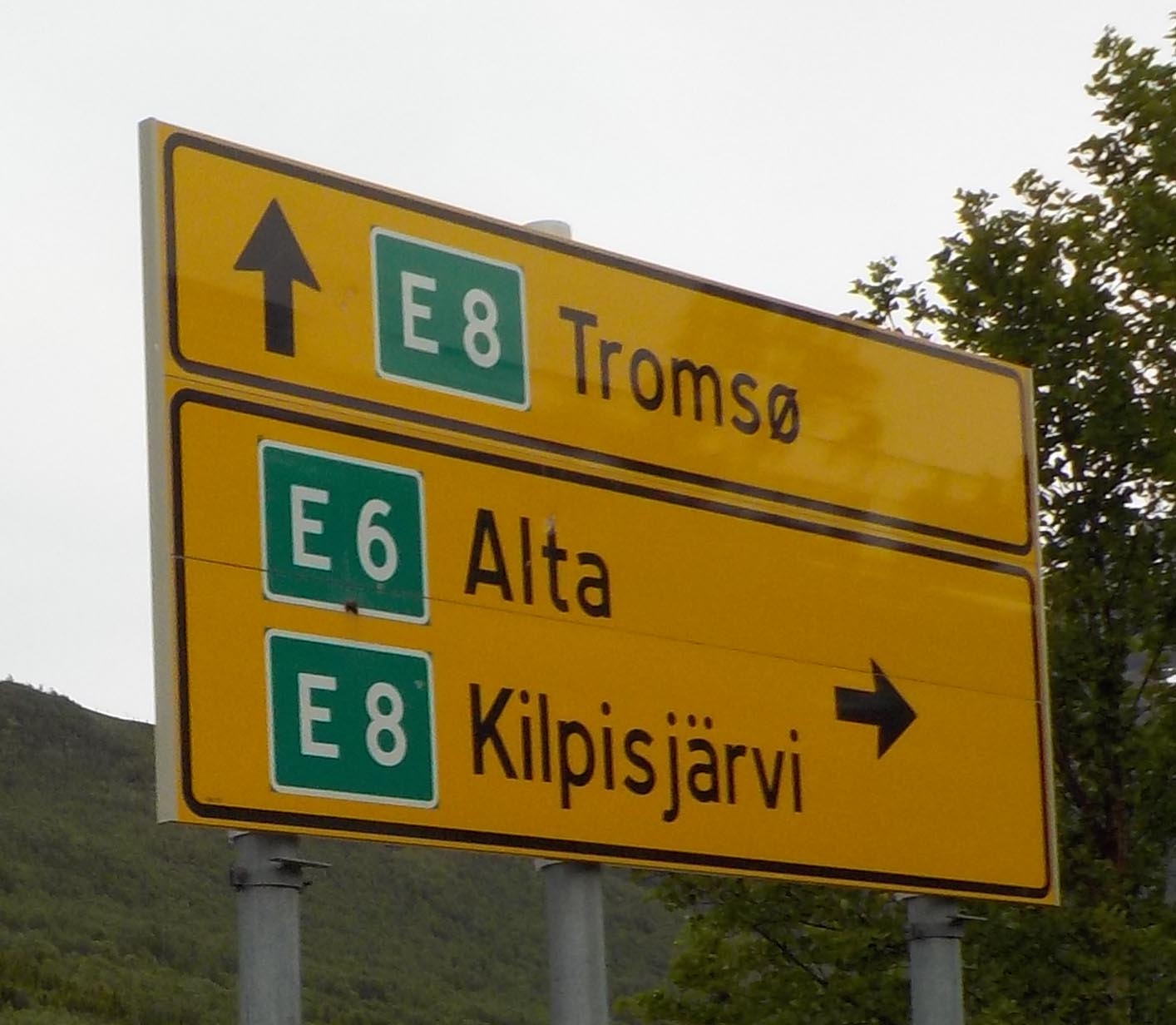
It was a pretty long drive. We celebrated at the halfway point when our destination was finally on the map, Kilpisjärvi.

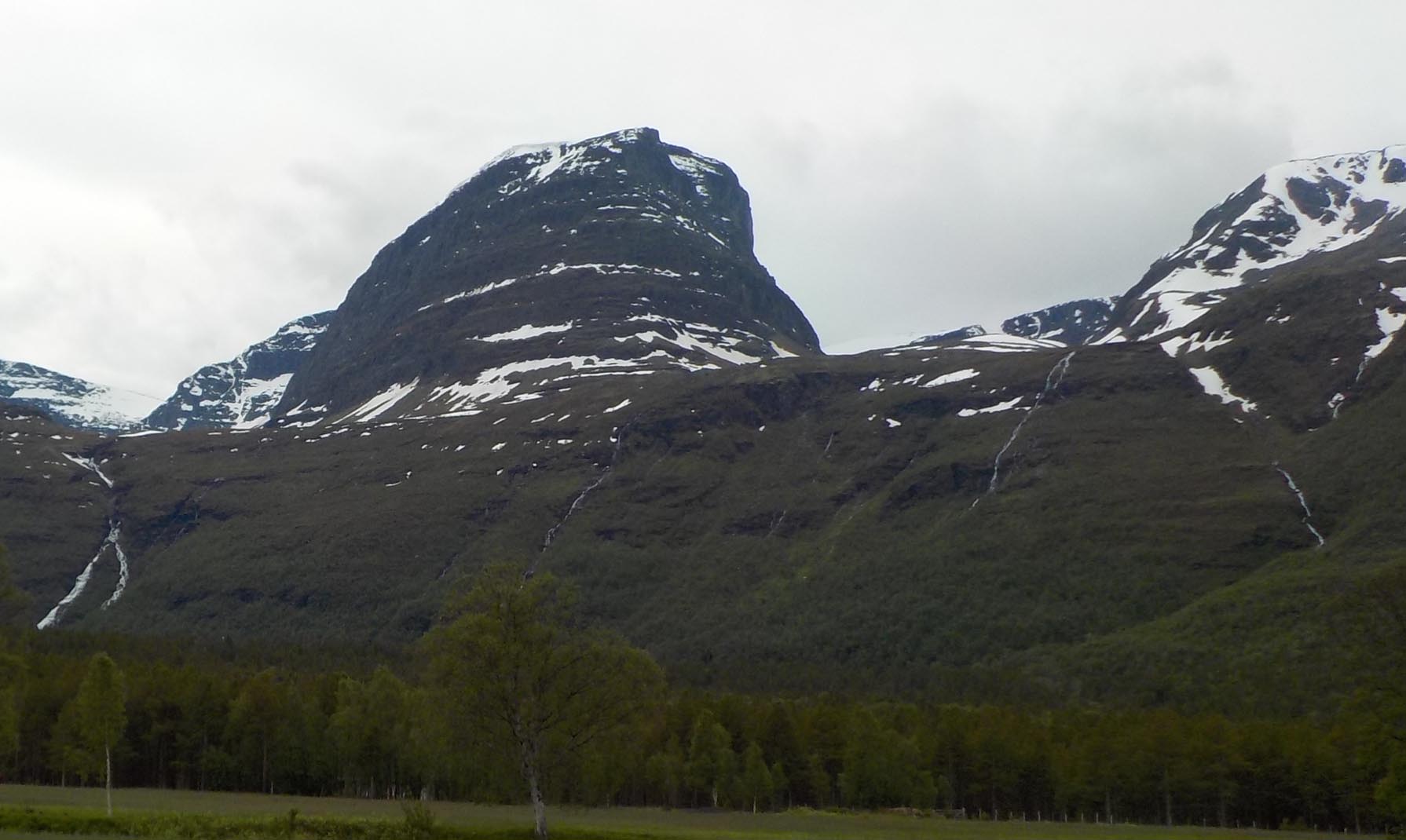
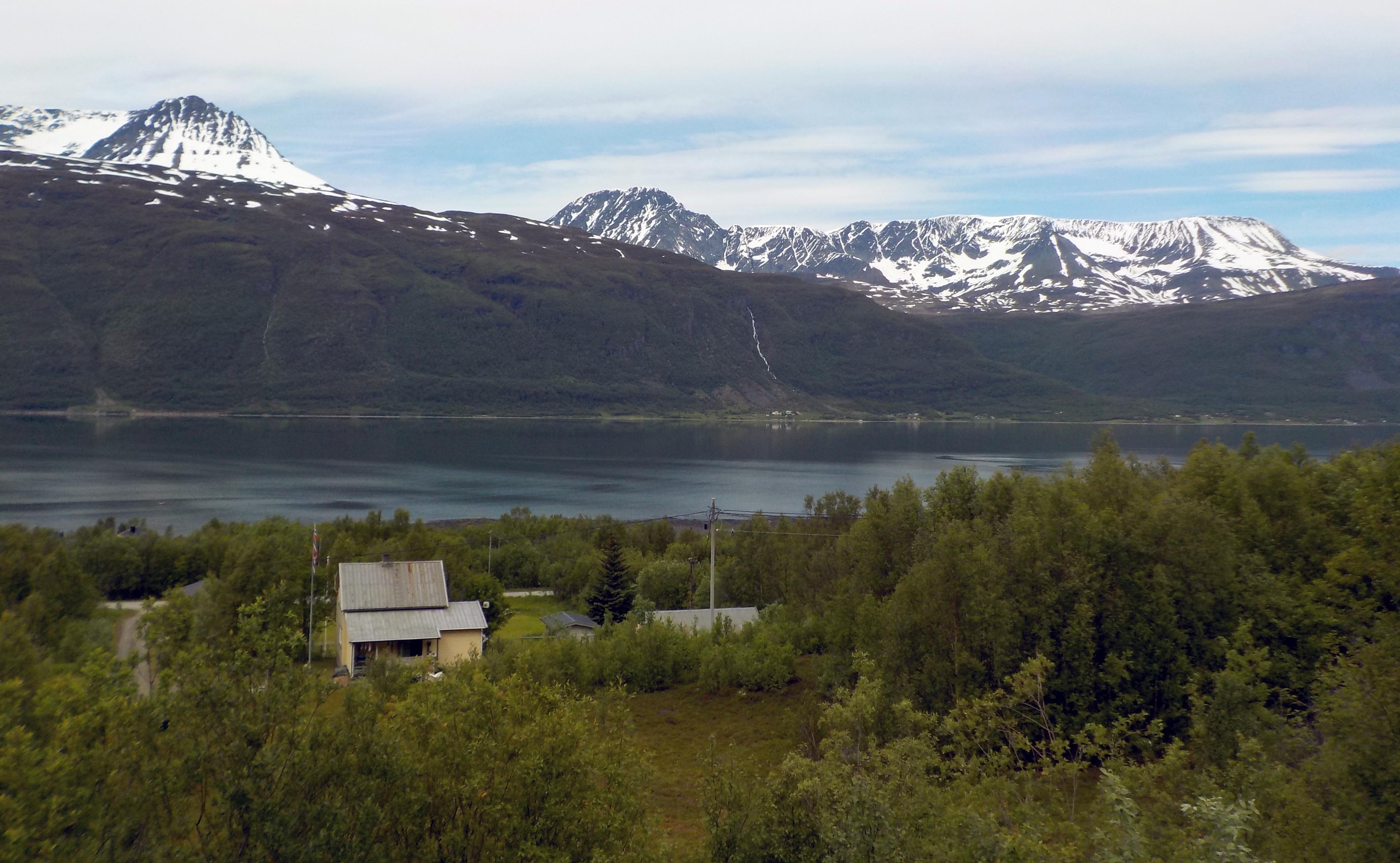
6.21.16 trip to Finland-008smYou drive across the top of Norway and then south to the border with Finland.  The mountains along the route were spectacular.

6.21.16 trip to Finland-013smInstead of the tree line at 12,000 ft. it was at about 1500 ft. just above us. The vegetation of fir trees, small birch, alder, aspen trees, and thick moss is considered taiga, one of those areas you learned about in geography and never expected to see.

6.21.16 trip to Finland-011smKilpisjärvi is the first town you come to on this route to Finland. There are rental cabins, fishing trips and lake tours. We ate lunch overlooking the large lake. After lunch we did a bit of birdwatching and saw a brambling, and others that didn’t stay long enough to identify.

6.21.16 Finland trip-004smDespite the fabulous scenery, one highlight of Kilpisjärvi is shopping, that is, beer is much less expensive than in Norway, about € 1 per can. It’s a bit like going into a store on the edge of the Navajo reservation.

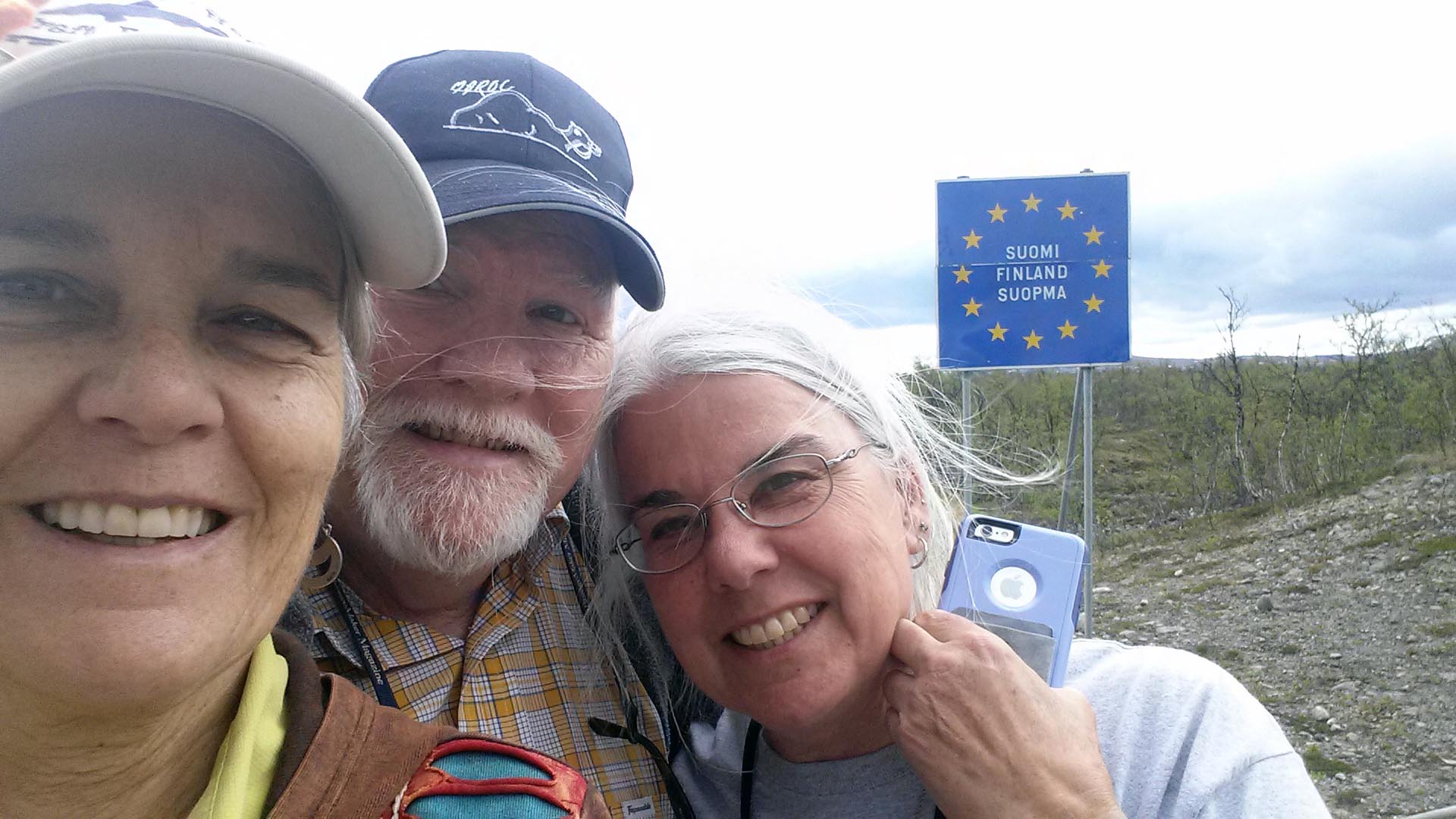
We didn’t need to stock up but we found a source of postcards, stamps and even a mailbox that offers “a special postmark”. I can’t wait to see when they get to the US. I now have a pair of wool socks that say “Kilpisjärvi”. Jonathan has a tshirt with reindeer, and Paula has a small bag that says “Finland”. Woo hoo, we’re souvenir-ed up, complete with selfies at the Finnish border. There was no one to stamp our passport.

6.21.16 Finland (3)The map showed no roads into Sweden, so I checked on GoogleEarth and found a spot that looked like it went into Sweden, so we continued another 20 km down the road to see if we could hit a third country. The road was there, though a rather unprepossessing neighborhood–it was the recycling depot with about a half dozen wrecked cars, two recycling containers and a small parking lot. Bummer–no road to Sweden. However…..

6.21.16 trip to Finland-014smThere is a footbridge from one gravel parking lot to an equivalent spot on the other side. We crossed the river, checked our cell phone maps to make sure we were actually in Keinovuopio, Sweden, cheered, and went back to Finland.

The drive back got a bit long. We arrived back at our house in Kjerstad about 12.5 hours after we left, having traveled just over 700 km. Quite an adventure!


The North Norway Music Festival

June 18-25 is the annual music festival in Harstad, held during the week of Midsummer Eve (June 21). We went to Harstad for the opening ceremony, which made a rainy day a lot of fun. We heard from Norway’s Minister of Culture, Linda Cathrine Hofstad Helleland, then the crowd was conducted to a nearby plaza accompanied by a humming choir and musicians playing along the route.

In the plaza, music played, people flipped colored cards, an overhead camera recorded the patterns and balloons sailed away while everyone danced.

The women’s drum line marched from the central square to the nearest wharf where they played before another group who spoke from a floating dock. It was fun to watch even if I couldn’t understand the remarks.

We did a bit of shopping, including postcards from the tourist office and mementos for our hats–possibly relevant for later in the summer. A group of women presented locally designed clothing, jewelry, art glass, painting and hand made crafts. These were all very creative and out of the ordinary. I wish I needed—anything! We had coffee and pastry at a pop-up bakery cafe. By then we’d seen the sights and the festival was underway. The many performances: theater, music, dance, discussions, workshops and a program for families are spread across the coming days from 10 am to midnight. It is a well-known event in the region, that is, a cruise ship stopped in Harstad today, we could recognize the passengers by their transparent raincoats. Paula and I can be recognized by our newly acquired mementos pinned to our hats:

6.20.16 Tjeldodden campfire-001smFind out more about the North Norway Music Festival at: http://www.festspillnn.no

Iron and War

How much we learned in school! How little that was! Like most Americans, I know nothing of the history of Norway other than a general sense of it being politically neutral in general (probably confusing it with Sweden). We’ve discovered that our area was central to the German invasion and occupation of Norway, 1940-1944.

This is Ofotfjord:

6.11.16 Georges Plass-003The island we are on, Tjeldoya, or Oystercatcher Island, is at the mouth of Ofotfjord, the fjord that extends to the city of Narvik. Narvik’s port is ice free all year long and was built to facilitate the export of iron ore from Sweden to the rest of Europe. Norway is quite narrow and the distance from the iron-ore producing center of Kiruna, Sweden to Narvik, Norway is shorter than the distance to the nearest Swedish port, Luleå. Further, ports at the northern end of the Baltic like Luleå, are frozen much of the winter, making Narvik doubly attractive. During WWII, the invasion of Norway wasn’t confined to Narvik, but it was carried out to obtain its iron ore.

In the 1930s, both Germany and England had their eyes on Narvik,  to secure the iron ore coming from Sweden, and to prevent ore from reaching the other country. In late 1939, a report passed in front of Hitler suggesting the importance of taking over Narvik and he ordered an invasion plan drawn up. This was carried out in April 1940 just before an invasion planned by the Allies, and in fact the German forces were defeated in battles on the water just off Tjeldoya (our island), and on land. However,  Allied troops were evacuated from Narvik in early June when Germany invaded Belgium, the Netherlands, Luxembourg and France. Norway was occupied for four years and it sounds like the Allies ceded Norway to Germany because other battles had begun (!). (For an interesting footnote on how the evacuation of Narvik could be related to Ian Fleming’s James Bond, see https://en.wikipedia.org/wiki/Operation_Alphabet ).

Frederik, our host here in Kjerstad, left us an excellent topographic map of the island and we set out to explore and fish. One of our first stops was the end of the road on this side of the island (the coast road doesn’t completely encircle the island). We saw a sign that we later translated as “Please do not drive vehicles on the fort.” There were some lumpy, rocky formations clustered around what I assumed was a miniature visitors center. I was wrong on both counts. Tjelddoden, Oystercatcher Point, refers to the entire south end of the island, completely covered by bunkers and other features built during the occupation of Norway. The area is about one square kilometer, very large when you are on foot, and includes the ruins of bunkers, gun emplacements, and lookout posts dug into the rock of the island. There are concrete-lined trenches dug into the rock and faced with rock, and facing away from Ofotfjord are olive green barracks buildings now falling to pieces. There is a series of rooms within a hill that appears to have been the mess hall. There were about 300 soldiers stationed here. (More information at Tjeldodden.com)

After WWII the fort was taken over by the Norwegian armed services. It was decommissioned in 1993 and given to the municipality in 2002. It looks like some structures were dismantled or demolished and windows and entrances to the underground structures were blocked with cement before the handover to the community. Today the fort is open to visitors but otherwise unchanged. We discovered that in addition to being repurposed for visitors (see “History, Arts, and Culture…” post), some of the structures have been reopened by curious visitors with sledgehammers. The area is beautiful, a strange park with remnants of violent history all around.

Recycling is a mystery

Norway has a system for recycling food waste, paper, glass, metal, plastic packaging, other plastic and everything else (“residual waste”). Sounds great, doesn’t it? The resulting system is so complex that: a) after two weeks, I still don’t know what goes in the green-topped bin vs. the blue-topped bin, and b) it appears that most of our neighbors separate food from everything else and skip most recycling.

Mystery #1–Colors. There isn’t a place, including the multi-page recycling pamphlet in English, that tells you what the color codes are. I’m stumped partly because in Portugal there was a system (yellow, green, blue, battery box, dumpster) that I had figured out. Every home in Norway has four bins: blue, green, brown, black. However, either blue or green is paper and I’m not sure what goes in the other. Brown is food waste that goes in very fragile compostable bags that are provided, and all else goes in the black bin.

Note the cider can. It has a PANT pf 1.5 NOK.

Mystery #2–PANT. You are charged a deposit on most plastic and metal beverage containers. Marked on the exterior of the container is PANT 1Kr up to 2.50 Kr.

Note the cider can in the photo. It has a PANT pf 1.5 NOK (Norwegian Kronor).

You are instructed to rinse these containers and bring them to the store. I had some trouble finding the machine because it was inside the store in the beverage section. Perfectly logical except that recycling in the US is general done on the margins of the store. The machine takes and read each container. At the end it issues you a credit slip that can be applied to your shopping or redeemed. Not difficult other than the accumulating and rinsing and remembering to take to the store part. (Joke for Americans: How do you get a pair of pants in Norway? Answer: Have two beers.)

Mystery #3– Plastic. Plastic is divided into two groups, plastic packaging and other plastic. Packaging goes in a plastic bag that is put out weekly with your bins–but not in them. Problem: here the wind is usually blowing hard enough that the idea of leaving out a bag full of lightweight plastic is, well, a very bad idea. Other plastic is supposed to be taken somewhere and dropped off to be recycled, but I haven’t been able to figure out where that is. I haven’t found a bin at home or near the store. Right now, it’s just piling up.

I stopped collecting plastic from along the high tide line because it falls into the category that I don’t know how to recycle, such as this boot, rubber gloves, jerry cans and other fishing debris that gets washed off boats.

Mystery #4–Those other things. Having established that bottles/cans, food, paper, and some plastic can be recycled, what do you do with glass, non-PANT metal, and “other” plastic. There are supposed to be places to drop off these materials, but so far, see my previous comment.


I haven’t given up, but I’m starting to think that my neighbors who separate wet from dry and call it a day may be on to something. If you know what goes in the green or blue bins, please let me know!

History, arts and culture–if this is the result of high taxes, give me some.

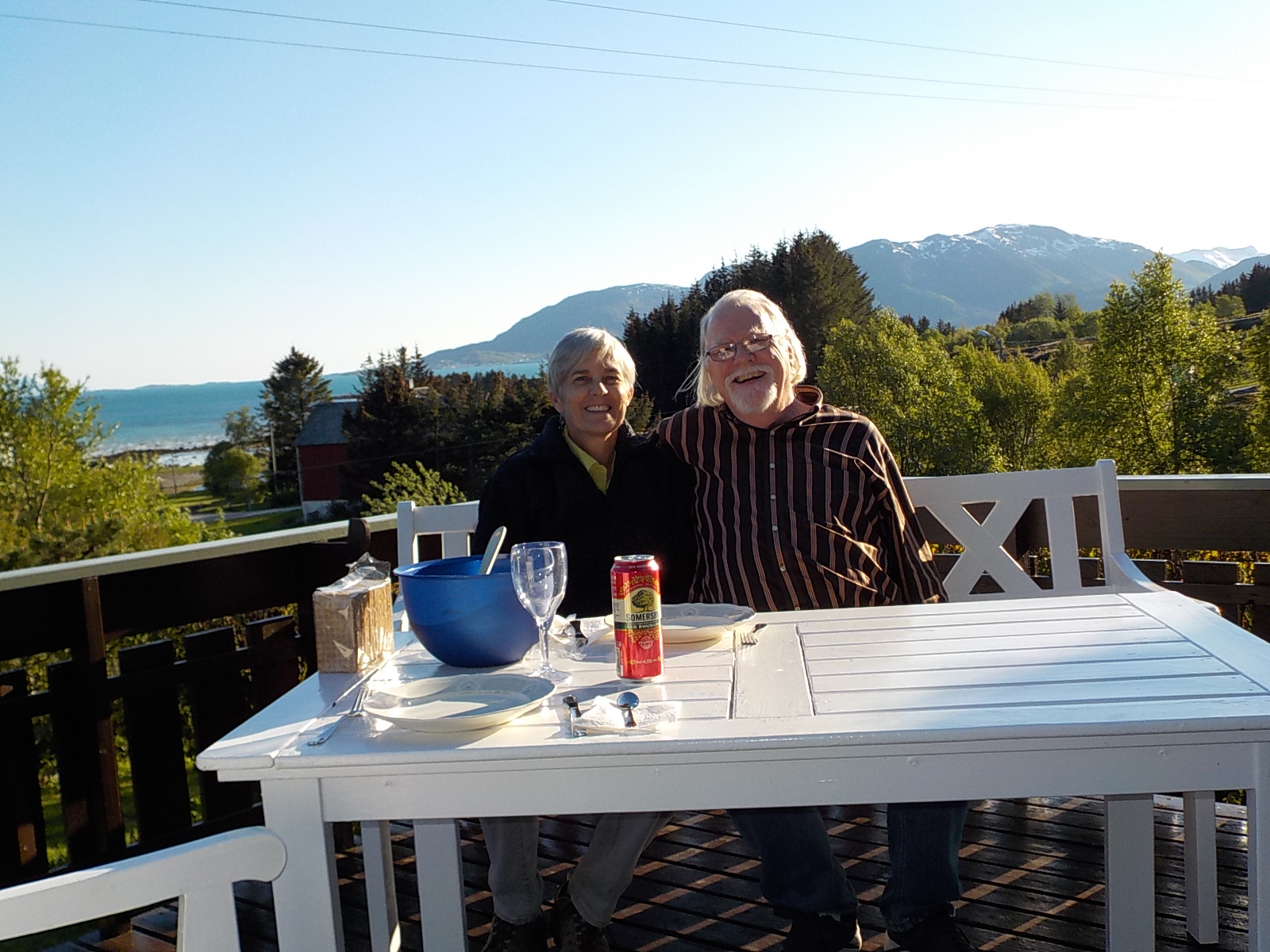
At the end of the road on Tjeldoya Island (and that is saying something) we parked, got out to fish and amid the ruined bunkers of the WWII Fort Tjeldodden we found Georg’s Plass, a picnic spot complete with tables, benches, fire pit, tripod and cooking vessel, dishes, cups and other supplies in a setting with a view over the water. You could have a barbecue for a big crowd here. All the supplies were in order and other than a few plastic cups in the fire pit and a stray coke bottle, it was orderly and without graffiti. One sign asks that users clean up after themselves.

0606161122sm

We were amazed. (See pictures in previous post.)


A few days later we visited an archaeological site from the Viking period and Middle Ages. Beyond the site along the shore was another attractive and well-furnished picnic area, again in perfect condition. Parking along the road and signs directed us.

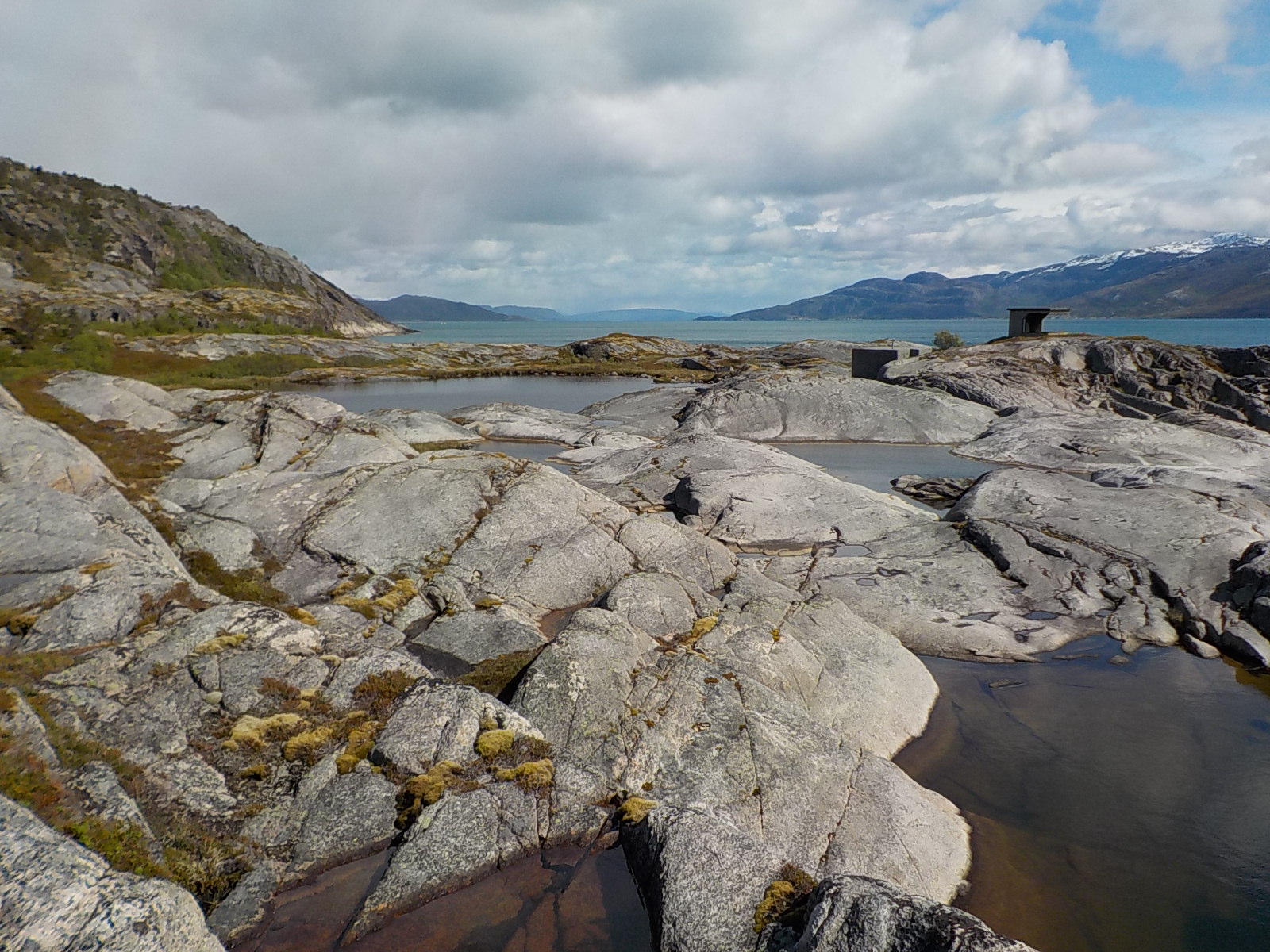
Another day, we drove to the other end of the road on Tjeldoya (the road doesn’t complete a circle around the island, it’s too steep). We found a beach and rocks and two men camping and fishing from a canoe who had gotten cod and trout (“no salmon,” they said regretfully). We stopped at an area marked for “Parkering” with a sign, and found an article that we couldn’t translate, but we also found a path. We hiked up on the rocks for about 10 minutes and about when we were ready to turn back we found a small structure with big windows facing the ocean. Like fairy tale characters, we went inside.

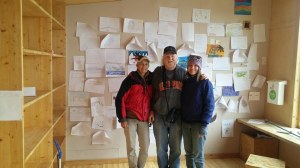
A bench and shelf lines the window, art supplies are provided (paper, colored pencils, watercolors) and the resulting works are pinned to the side walls. Periodically, the works are gathered up, placed in a binder, dated and filed on the back wall. It’s an ongoing art project. We saw artworks from just a day or two before our visit, going back to the opening of the place in 2006. Again, the door was unlocked, the place was in order–it was a respite from the cold and wind and encouraged you to draw and look out the window. In the picture below, you can tell which is by the art student (Jim).

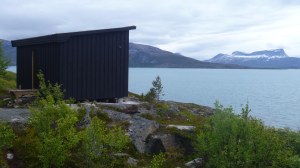
6.12.16 Mykelbostad Tjeldoya-024Back on our own side of the island, we went to investigate a hut at the Tjeldodden fort, (or possibly Fort Tjeldoya). Construction of this German fort began late in 1940 after the takeover of Narvik and all of Norway. It held up to 300 men and was occupied until at least 1944. (See Iron and War post coming up.) We thought the hut would be a view point over the remains of the fort. This is what we found:

We have now visited four of these sites. Three are historic sites set up for cooking/heating and numbers of visitors. The fourth is an art site. All are left unlocked and are unharmed and ungraffitied, their supplies intact. Some even have bathrooms. This island is the most remote in the Lofoten chain (often not included in the “Lofoten”, though it is an island), yet all these sites are equipped to make visits interesting and fun. Each site has information posted or in laminated pages available inside the structure.

How do these places happen? They are great. There should be places like this in the US. If you know of one in the US, please let me know.

Fishing

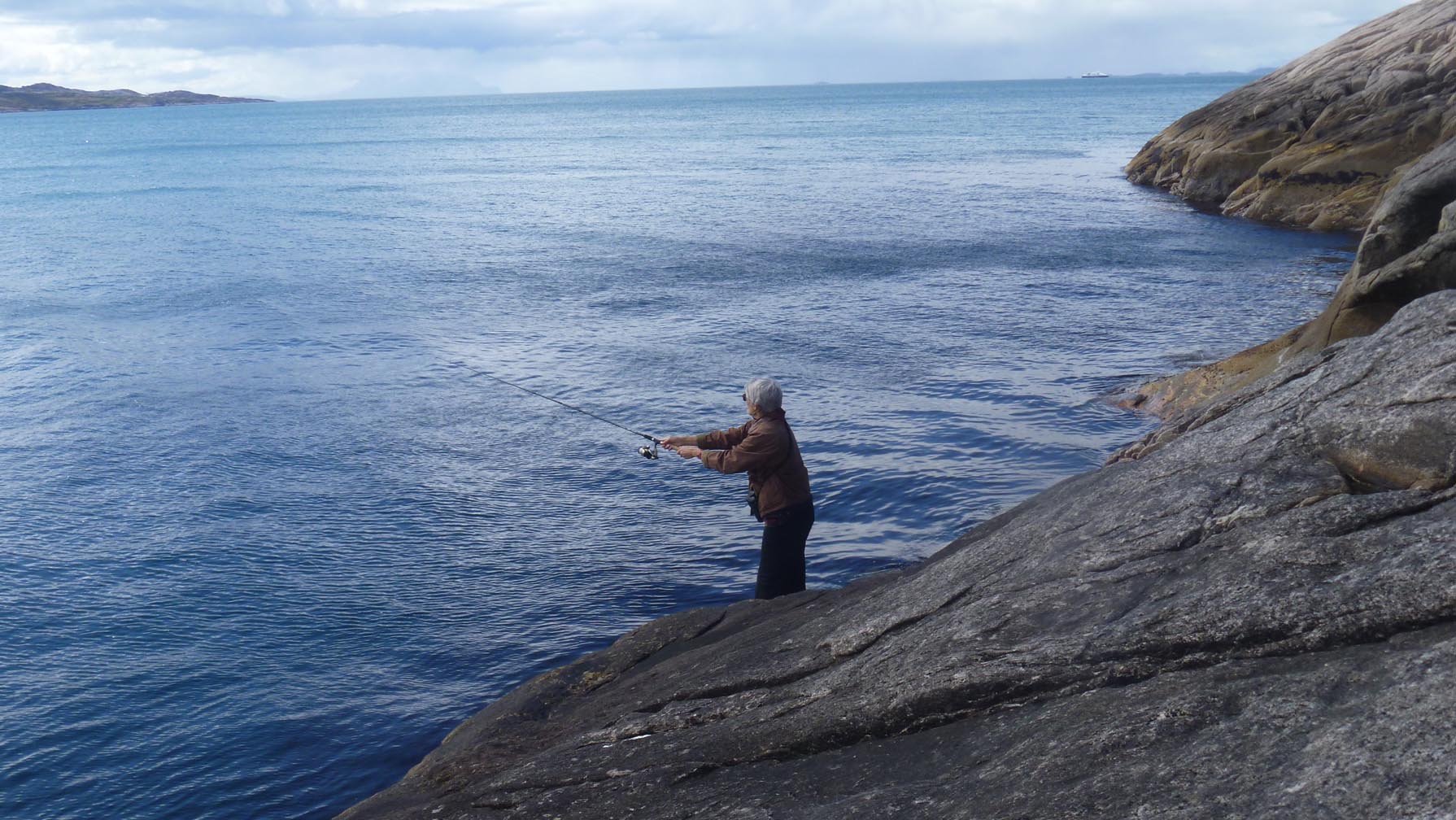
A great day of fishing, everyone caught fish and had to toss them back. We kept enough fish for two meals, one of pollock.

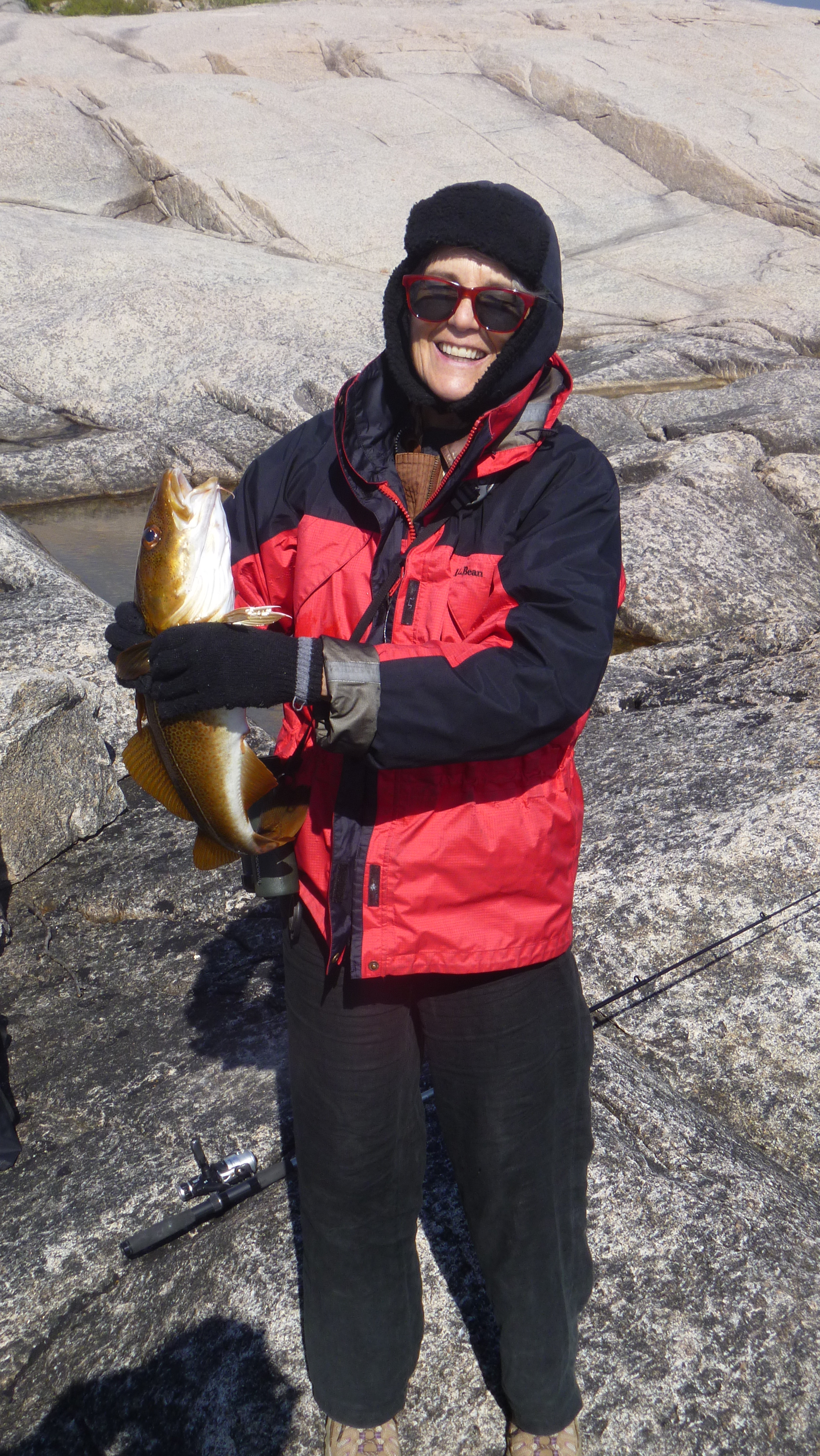
My big moment was catching a cod, the first fish other than a pollock (seithe) that we’ve gotten.

6.9.16 fishing (2)sm


6.9.16 fishing-023


The wind had come up a bit by the time I caught the cod, so I have my winter hat on. For much of the day, it was quite a bit warmer, but whenever clouds cover the sun or the wind picks up it gets pretty chilly.

6.9.16 baked cod


6.9.16 baked cod-003

It was a great fish.


Amanda thinks for a while and then addresses the fjord.

Jonathan caught fish under Jimmy’s watchful eye.

We fished from a wonderful place set up for a huge gathering near the water called George’s Place. The sign says “Please clean up for next time.”

Amanda looks around at the chairs, cooking utensils, fireplace with hanging pot and says, “So…. Norway has no tweakers? This would all be stolen from anyplace near us.” We then discussed whether Norway’s farm support policies help people in rural areas make a living–and therefore people don’t need to resort to producing meth to make money. It’s a thought. The area was spectacular.

6.9.16 Fishing-008

Beachcombing in northern Norway

6.7.16Beachcombing is not so simple in our area–most of the shore is rock. There are a variety of clams, whelks and we learned that little sand trails come from lugworms. (Amanda is our visiting marine biologist.) There is still a lot to look at when there is a sandy spot, and a surprising quantity of junk along the high tide line. Most of it probably washes in from boats, garbage escaping from the ferry, etc., but some is local. Originally, I said that the person who found a piece of narwhal tusk would be the beachcombing champion. After we arrived, I looked up narwhal and found they live in Canada and Greenland and are nowhere to be found in Norway. No narwhal for me. In any case, our first day walking along the rocky shore in Kjerstad, Jonathan took the prize for the entire Norway beachcombing season, by finding this:

6.5.16 Kjerstad-016smA blown glass float in its netting. I concede.

Today we woke up to 9 degrees C (48 degrees F), howling wind and rain. When it let up we went exploring to the nearest town with a store, Ramsund, only about 35 minutes drive (vs. a hour to the next closest store). We bought more fishing tackle (fishing post soon) and picnicked in the car (still cold out). We saw a new bird, too. A redwing.

In the late afternoon, the rain stopped and we went for a walk along the shore near Kjerstad, just looking at the birds, the new snow on the mountains that surround us, naval vessels going by, beachcombing. Then I made my find:

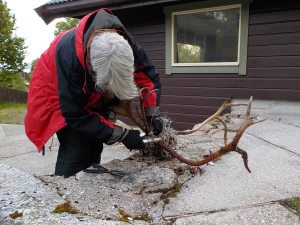
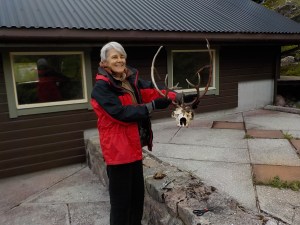
The reindeer skull and antlers are in a place of honor on the shed roof. The beachcombing stakes have gone up. Who knows what we will find next!

Our house in the woods

We’re not exactly roughing it here in Norway. Our rental home is spacious and light, as well as very nicely decorated. There are some Norwegian folk art bowls in the kitchen on a shelf above a painted chest dated 1855, though most of the furnishings are quite a bit more recent. See the photos below for some additional comments.

This slideshow requires JavaScript.