Good to Know About Sydney

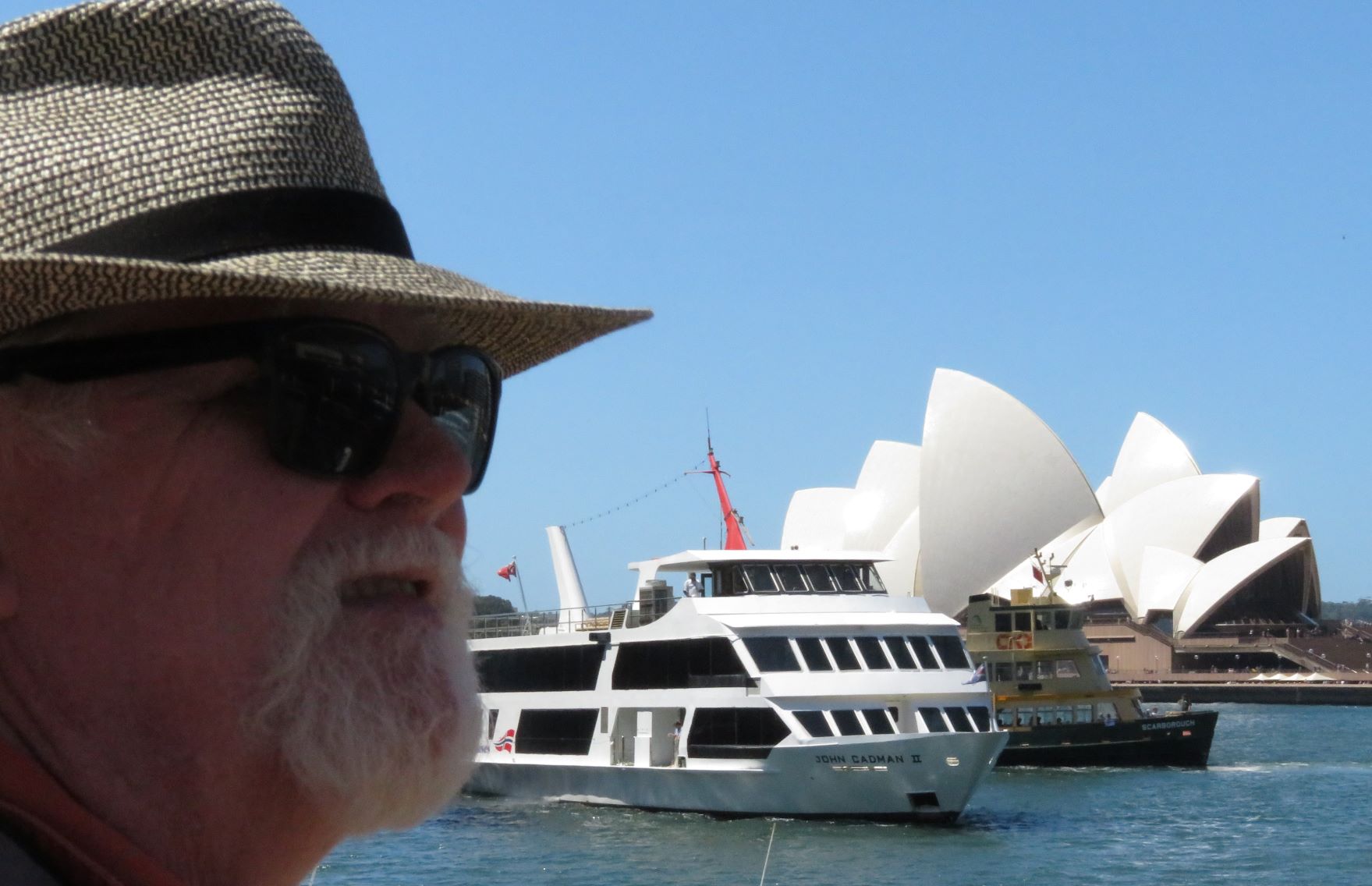
We said farewell to Sydney at the end of the month after a very good visit. The city is justly famous for its opera house. The surroundings are gorgeous, there are cafes to stop at for a drink or a meal, and the view over the Harbor Bridge is unmatched. Once you’ve seen that iconic spot, however, the tourist part of the city is not as well known. Beyond the opera house and the adjacent Botanical Gardens there are remnants of the old city hidden in many places. These require a bit of searching. Sydney’s “Big Dig” preserves archaeological excavations in the area of downtown called The Rocks, where there are renovated old homes and warehouses, even a funnel-like alley called “The Suez Canal.”
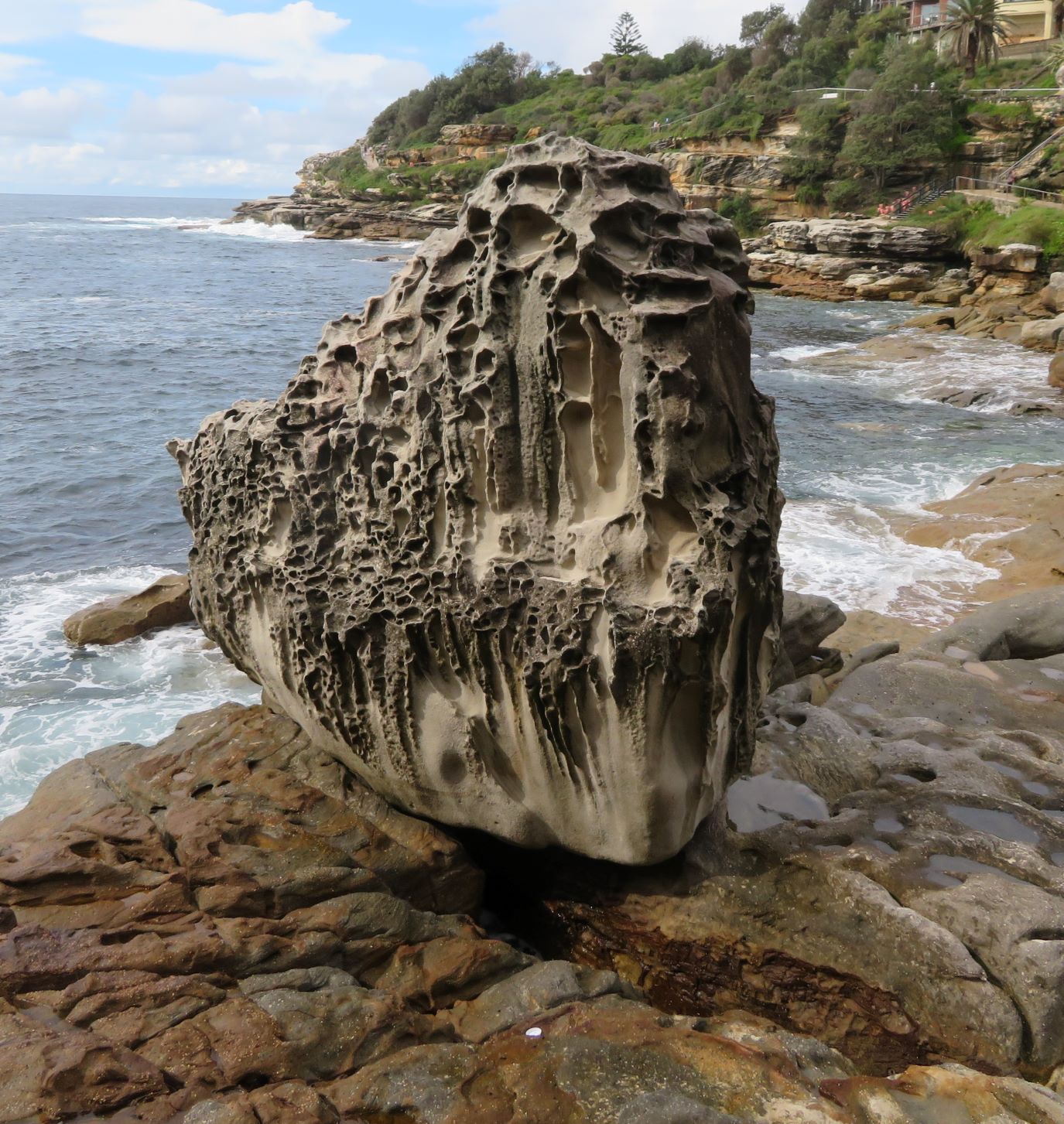
From the coast around Botany Bay and into Sydney Harbor, there are miles and miles of riverbank, bays, points, ocean beaches, and wonderful salt water pools. You can spend weeks exploring the coast and every walk is rewarding. We went beach combing and found star-shaped shells, cowries, and beach glass below strange rock formations carved by the waves and wind. Sydney may be a hub of industry and culture, but nature takes the spotlight, and for that reason, living in Sydney wouldn’t be my choice. Too much traffic into the center of town and houses tightly packed right to the edge of the beach.
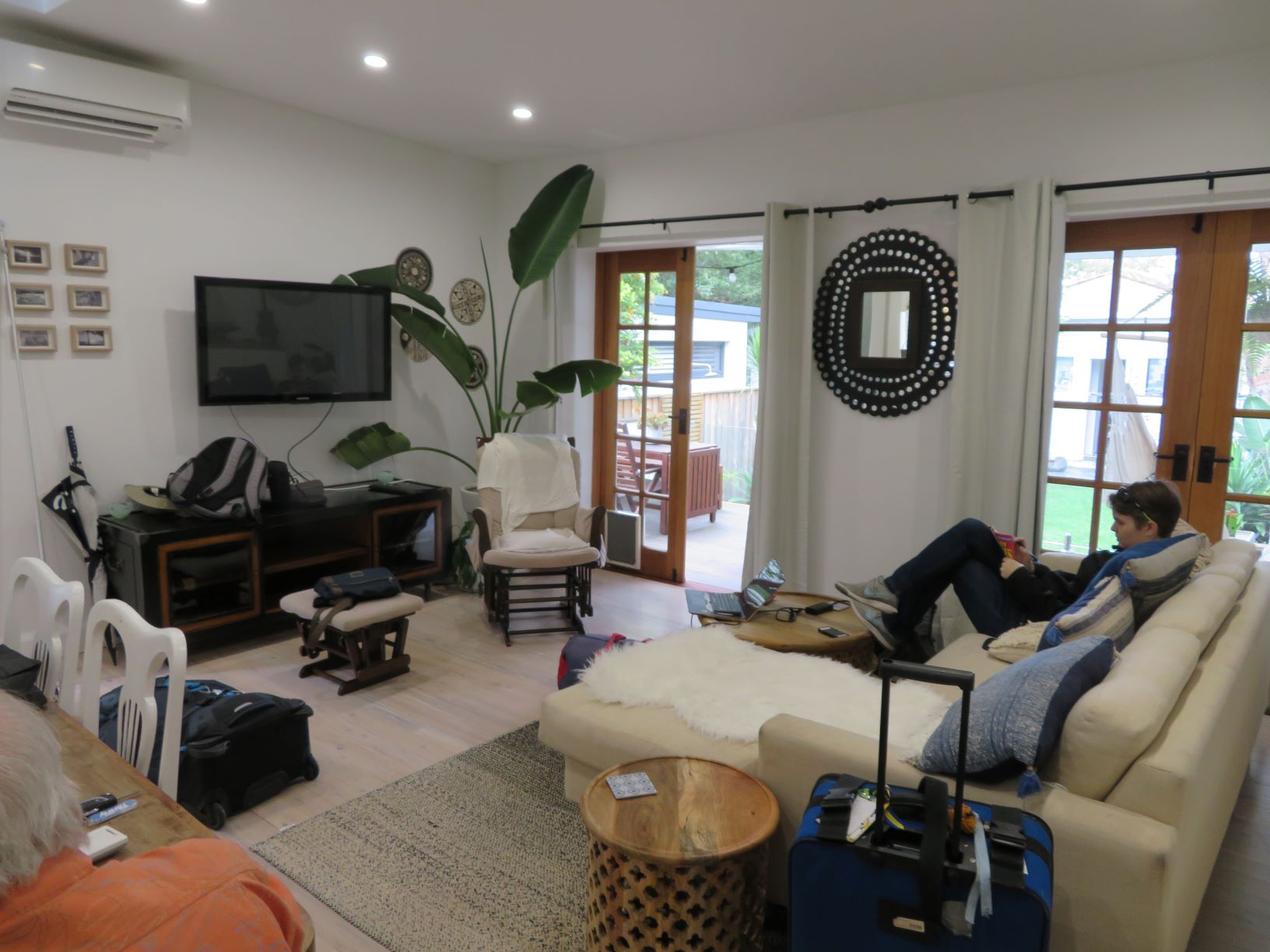
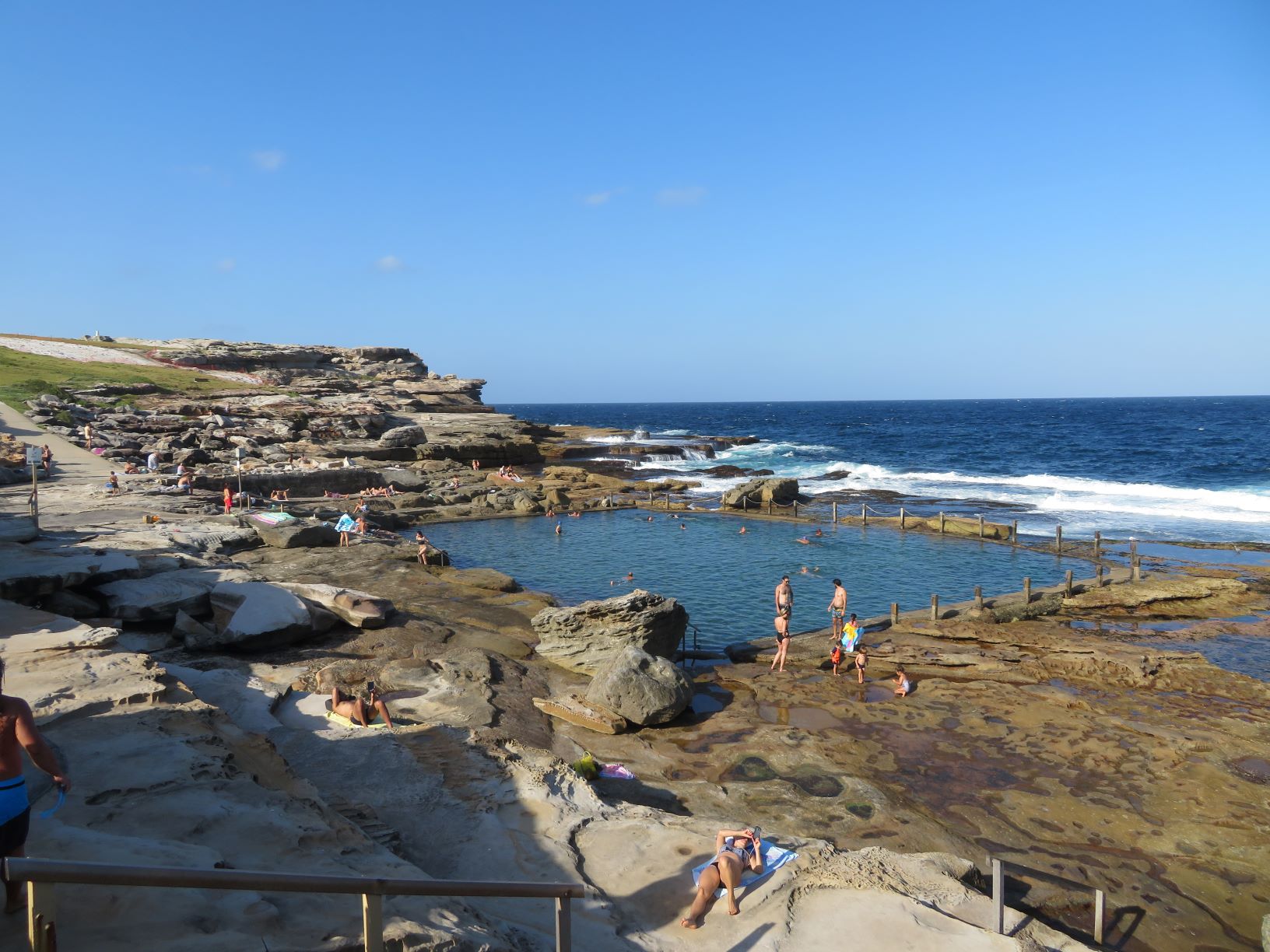
Airbnb: We had lots of places to choose from and were very happy with our location in Eastgardens, a five minute drive from Maroubra Beach and Mahon pool, yet on a bus line into the city (but see my Public transportation comments). As in Melbourne, our rental was half a house, yet we heard only a few footsteps from our neighbors through the wall. We were surprised to find a tiny studio apartment in our backyard shared the parking, entryway, and yard–this wasn’t mentioned in the Airbnb description. Fortunately, the tenants proved to be charming new friends.
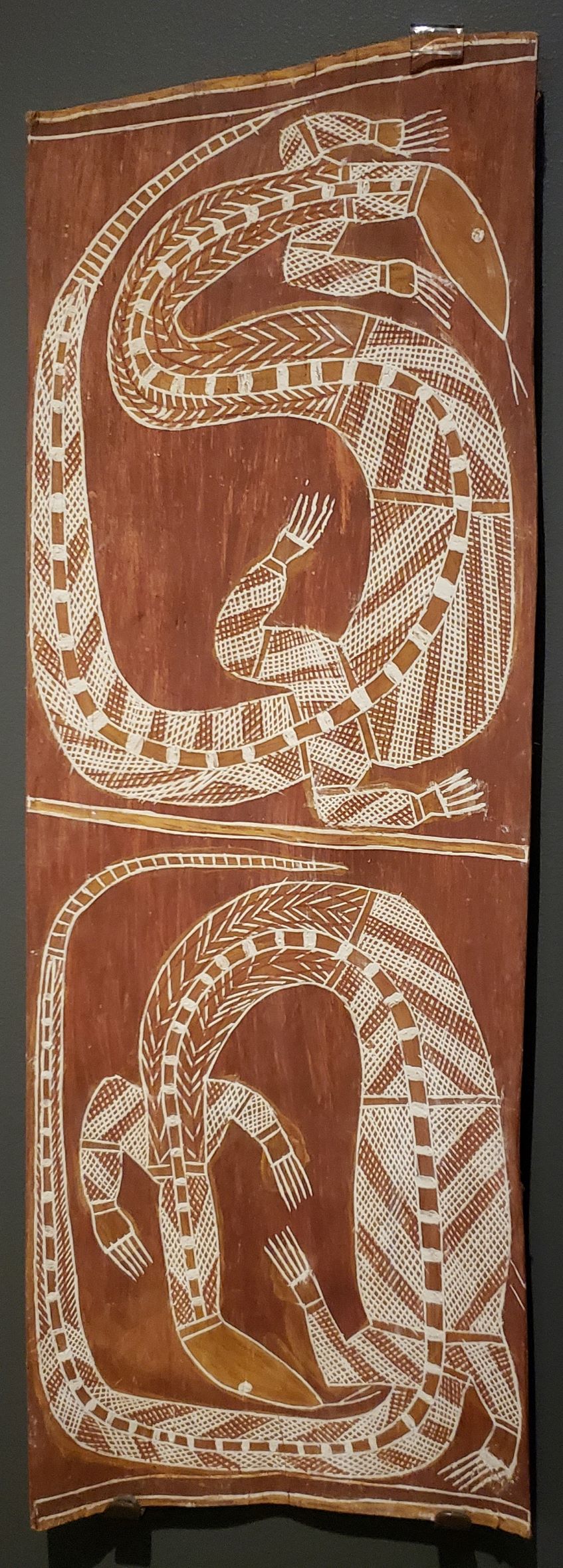
Art and Culture: Our favorite museums were the National Gallery of New South Wales and the National Library collection of art. We also enjoyed the Museum of Contemporary Art, including its collection of aboriginal art. We thought about going to Canberra to see the museums but we didn’t. Our opera at the Sydney Opera House was excellent, we sat in the last row of the orchestra for about $100 per person. Expensive, but it was a rare treat.

Cost of Living: Sydney has become one of the world’s more expensive cities.  A wide selection of goods is available, with few bargains. Housing is expensive, transport is relatively expensive, food is a bit higher than average, restaurants are expensive….you get the idea.

National Parks: Sydney has large national parks to the North, West, and South of the central city. Entry fees are determined by the regional government, and can differ from place to place. We found that purchasing a parks pass would cost more than paying for each visit, $8-$12 per day depending on the park.  We spent a day hiking near Wattamolla Beach in Royal National Park, another day visiting the Jibbon Aboriginal rock art site near Bundeena, part of the same park. We went to the extreme southern point of Botany Bay in Kamay Botany Bay National Park, beyond the marker to where Captain Cook came ashore. We also drove out to Cape Solander.
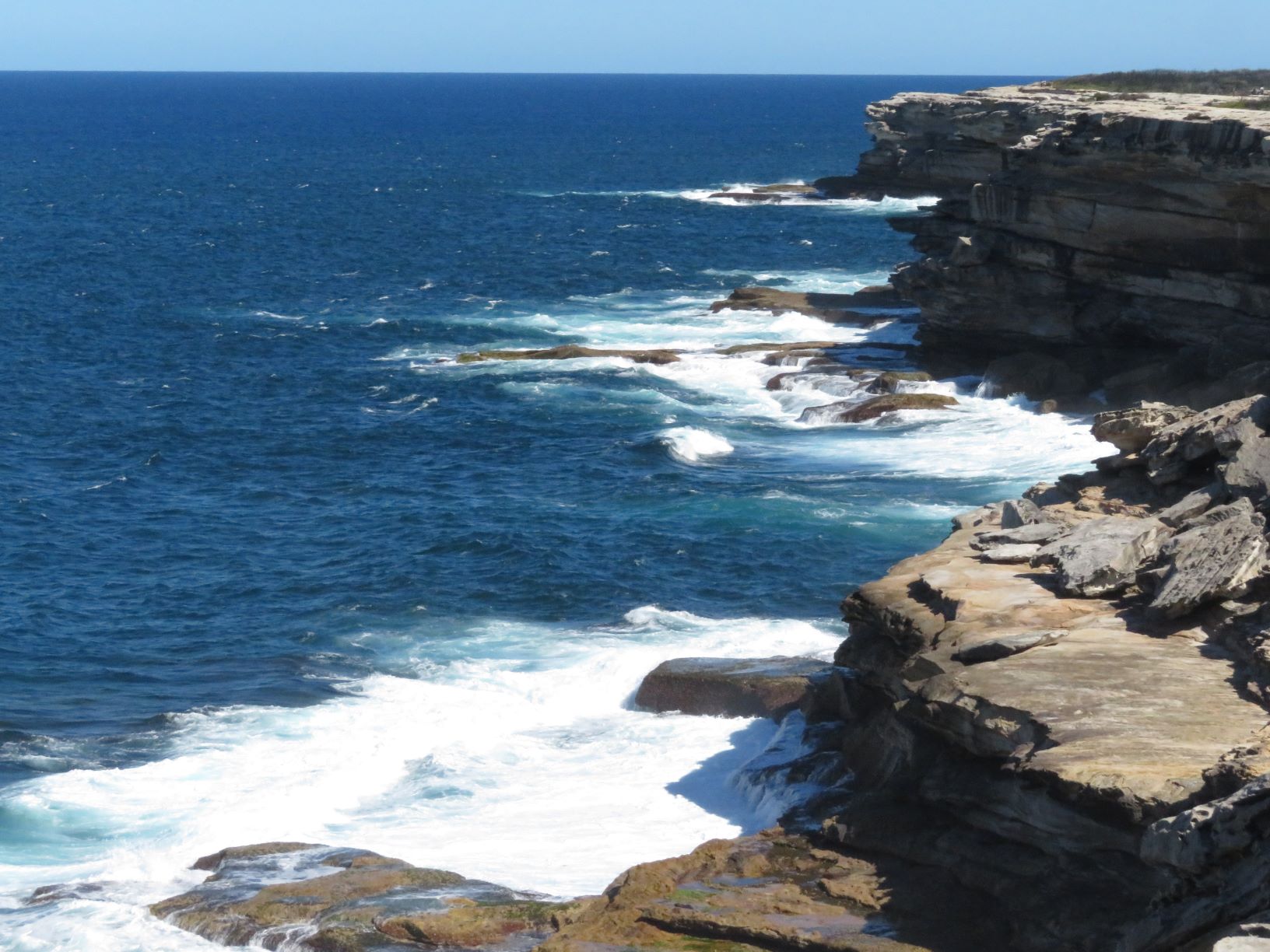
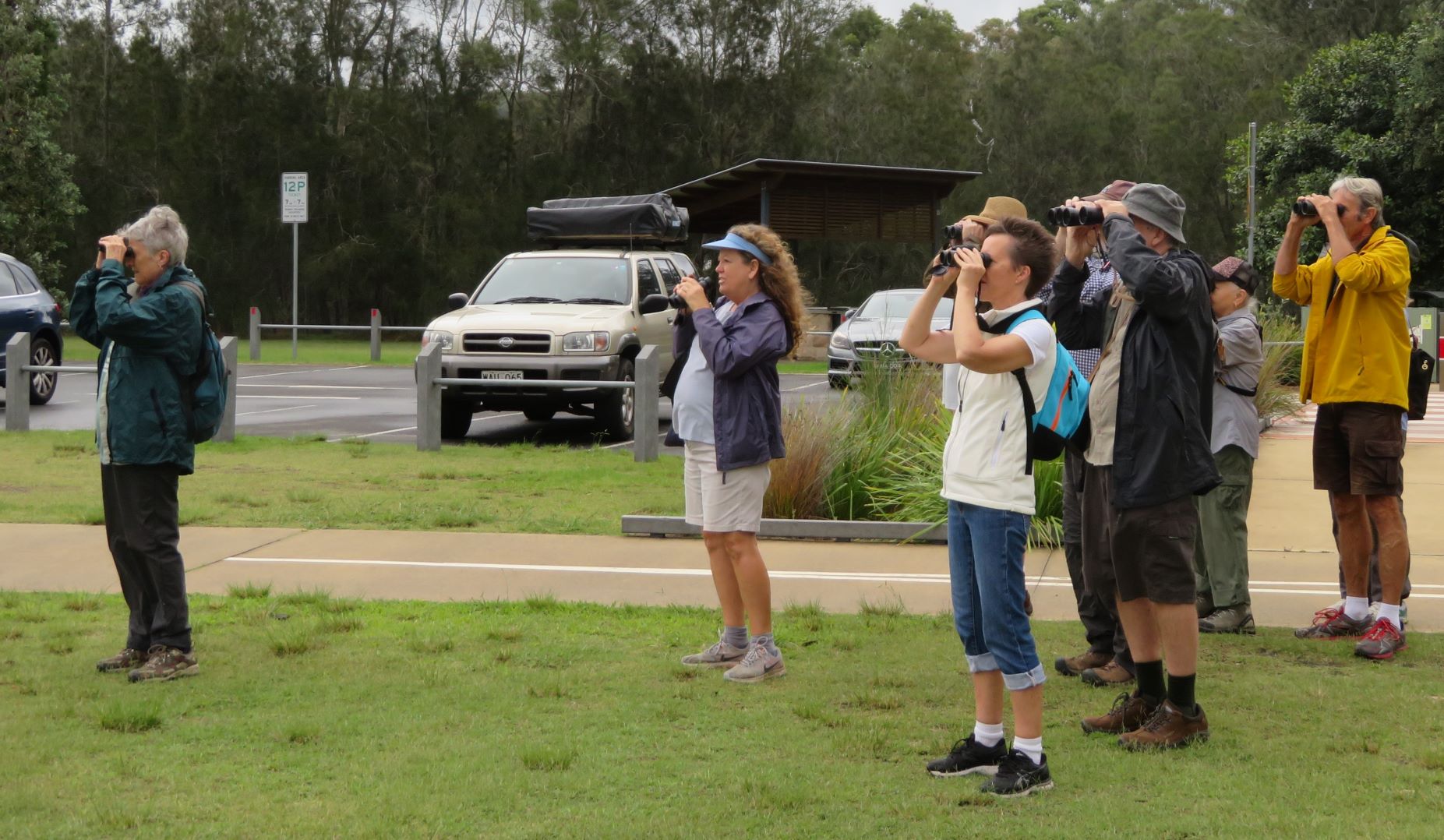
North of Sydney Harbor, we visited Lane Cove National Park, where we did some bird watching and strolled the pathways along the water. Each visit required a park fee. There is parking, along with toilets, picnic areas, and some visitor information.

Phone Service: We continued to use our Optus SIM cards. For $30 per month we get more data than we can use as well as phone calls and messages. This works well for us.
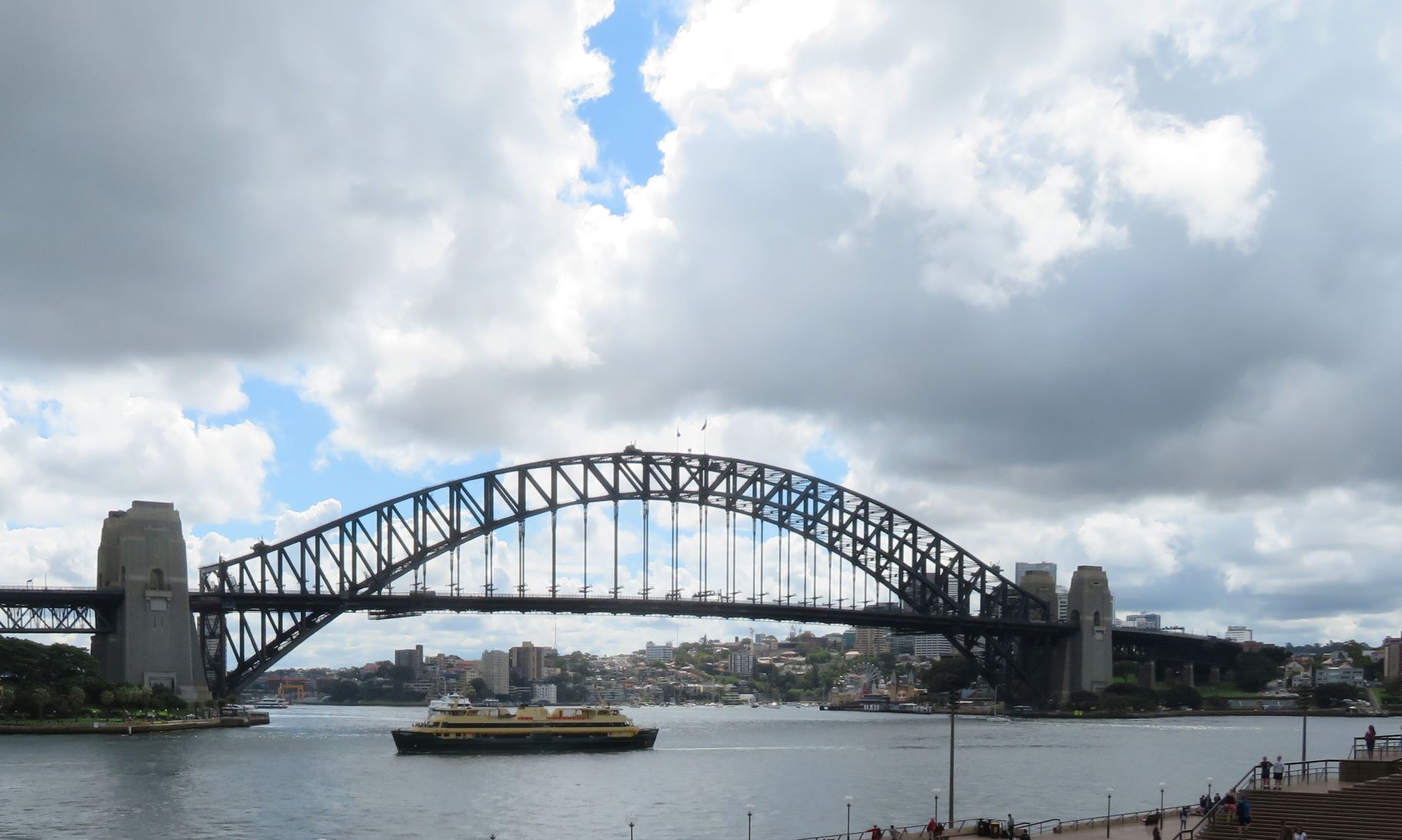
Public transportation: Sydney has a unified public transport system that includes trains, ferries, and buses. A new tram system is about to start up in 2019, though it was not open during our visit. Travelers need an Opal card, which is free, You add money (a top-up), then you hold your card to a scanner when you board and depart the vehicle to deduct the fare. Buses do not sell single ride tickets. The full price is $4.71 per ride. Occasionally the fare is less but it is impossible to find out what a fare will be in advance unless it is the full fare. Because the minimum recharge is $10, you can be short a dollar or two for your last fare before leaving, but you can’t pay cash, and you can’t use your card unless you put $10 on it. Lots of money gets left on cards that way. Train and ferry prices vary. Riding a ferry can be an alternative to a harbor cruise, though we didn’t get around to it. People recommend taking the ferry from downtown (Circular Quay) to Manly. You see the sights without the high price or the commentary.

The buses were frustrating, they didn’t run on time and followed neither the printed schedule posted at the bus stop nor the Opal app run by the transport authorities. All you know is that the bus runs at least twice an hour. Next time I might skip public transport and use Uber to go downtown.
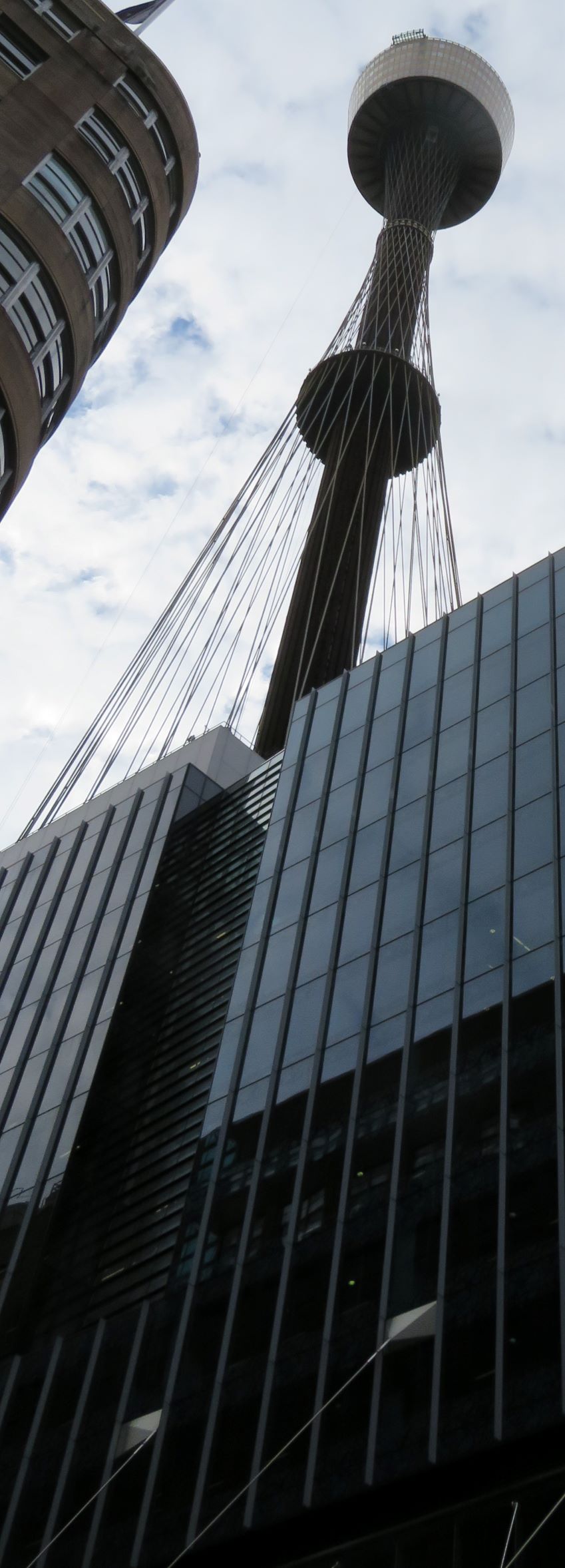
Sydney Tower: We didn’t intend to have dinner in the tower, in fact I thought it didn’t have a restaurant, but when we were marooned in town on our day of departure due to train breakdown (see my post on the Indian Pacific), we were taken there for an early dinner. The view is spectacular as the restaurant revolves over the center of the city, and the buffet was fine. I recommend it for the great views.
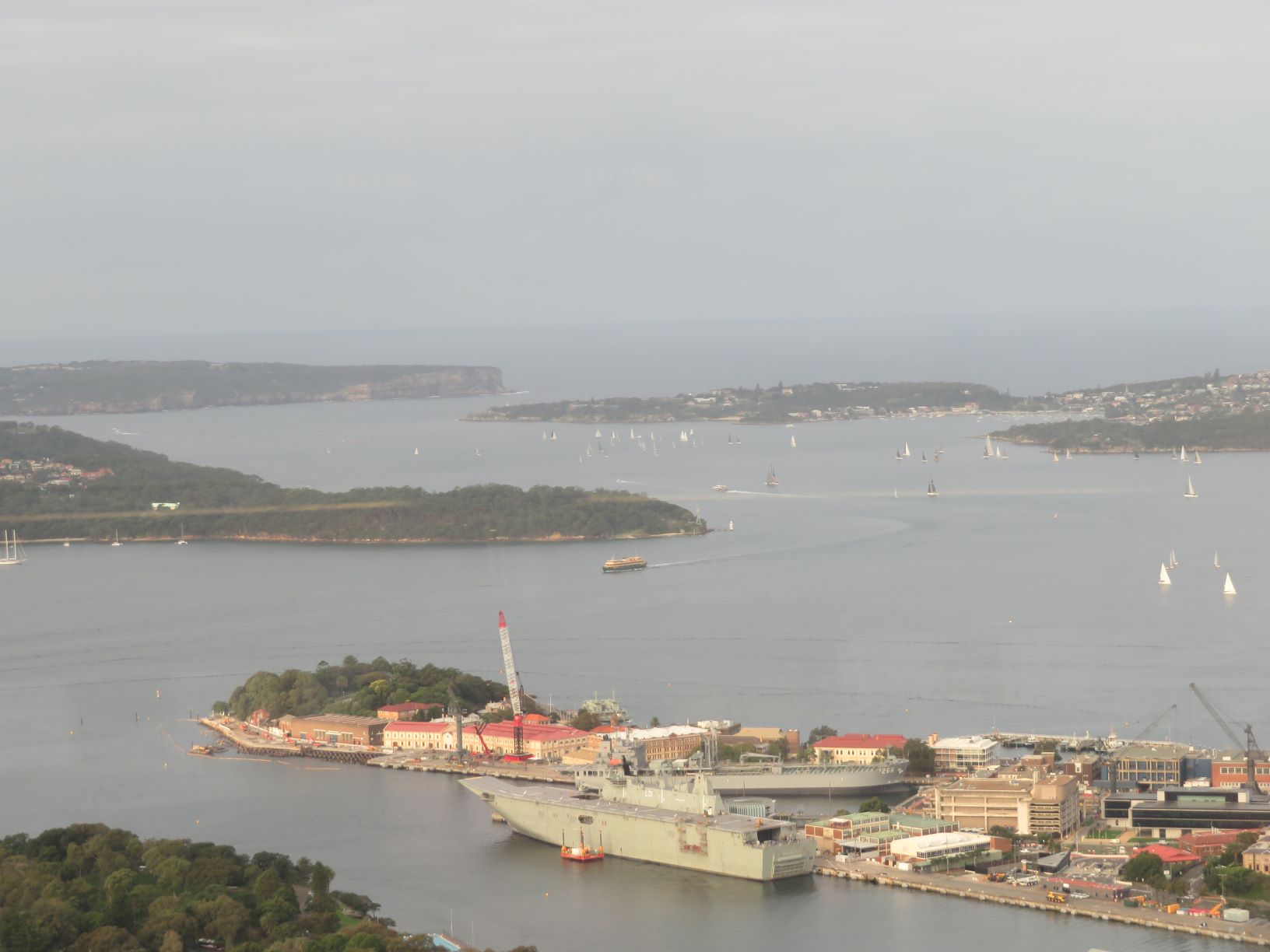
The sunset over Sydney Harbor with North Head in the distance. It’s a beautiful place.


Sydney Architecture

If prosperity is measured by the number of construction cranes hanging over downtown structures, then Sydney is very prosperous, indeed. Huge cranes are perched on top of twenty story office and apartment towers, old houses are being torn down in the city center and contemporary beach houses are replacing older single-story homes near the water.

A few older buildings remain in the city center, though we found evidence of the ones being torn down, a very archaeological view. Extensive excavation of an early neighborhood of Sydney is preserved at the “Big Dig” site in The Rocks.

Elaborately trimmed Victorian structures from bus shelters to houses can be still be found in the neighborhoods beyond the city center. Cast-iron balcony and porch railings on older buildings in Sydney remind me of New Orleans.

This slideshow requires JavaScript.

The stately Queen Victoria Building covers a large shopping precinct. Older buildings nearby display glazed terracotta tiles. The Queen Victoria Building and the Sydney Central train station both have complex stained glass windows. Here are some of the quirky elements I noticed.

I like the Australian emblem with a kangaroo and emu holding a central shield. Don’t ask me why there is a castle atop the clock in the Queen Victoria Building.

This slideshow requires JavaScript.

There are even some Art Deco buildings that have managed to avoid the wrecking ball. We didn’t see any private homes, but hotels and industrial buildings with characteristic deco features.

This slideshow requires JavaScript.

Contemporary architecture is tall, and colorful or dramatic, if not as graceful as older structures.

There is a lot to look at while walking anywhere in Sydney.


Contemporary architecture is tall, and often colorful, if not as graceful as the older


structures.


The newest structures are the least interesting, very tall towers of glass. There is a lot to look at while walking anywhere in Sydney.


Meeting friends in Sydney

We had a sociable week getting together with friends and family in Sydney, a week in which we met up with new friends from birdwatching, visitors from home, and finished up with the arrival of our daughter, Lyra. For us this was more festivities than normal and we had an unusually good time.

We met Barbara and Tony during a walk with a group from Birding NSW, starting at Deep Creek Reserve and going on to Long Reef Point. As we walked and looked at the birds around us we chatted with members of the group, about Chicago, Australia, birds, children, travel. It was an excellent day. Barbara invited us to come for Sunday lunch with them in Roseville, and at their home we met Donna and Neville, another couple with wide experience of Australia and beyond. Barbara’s garden is really lovely and the sun was shining on a some purple-leaved plants in a way that produced a bright spot of magenta beneath a tall spreading tree. The glass walls between living room and the outdoors were opened up so that we were at the dining table but felt like we were in the garden. We spent the relaxing afternoon appreciating the indoor/outdoor nature of Australian homes.

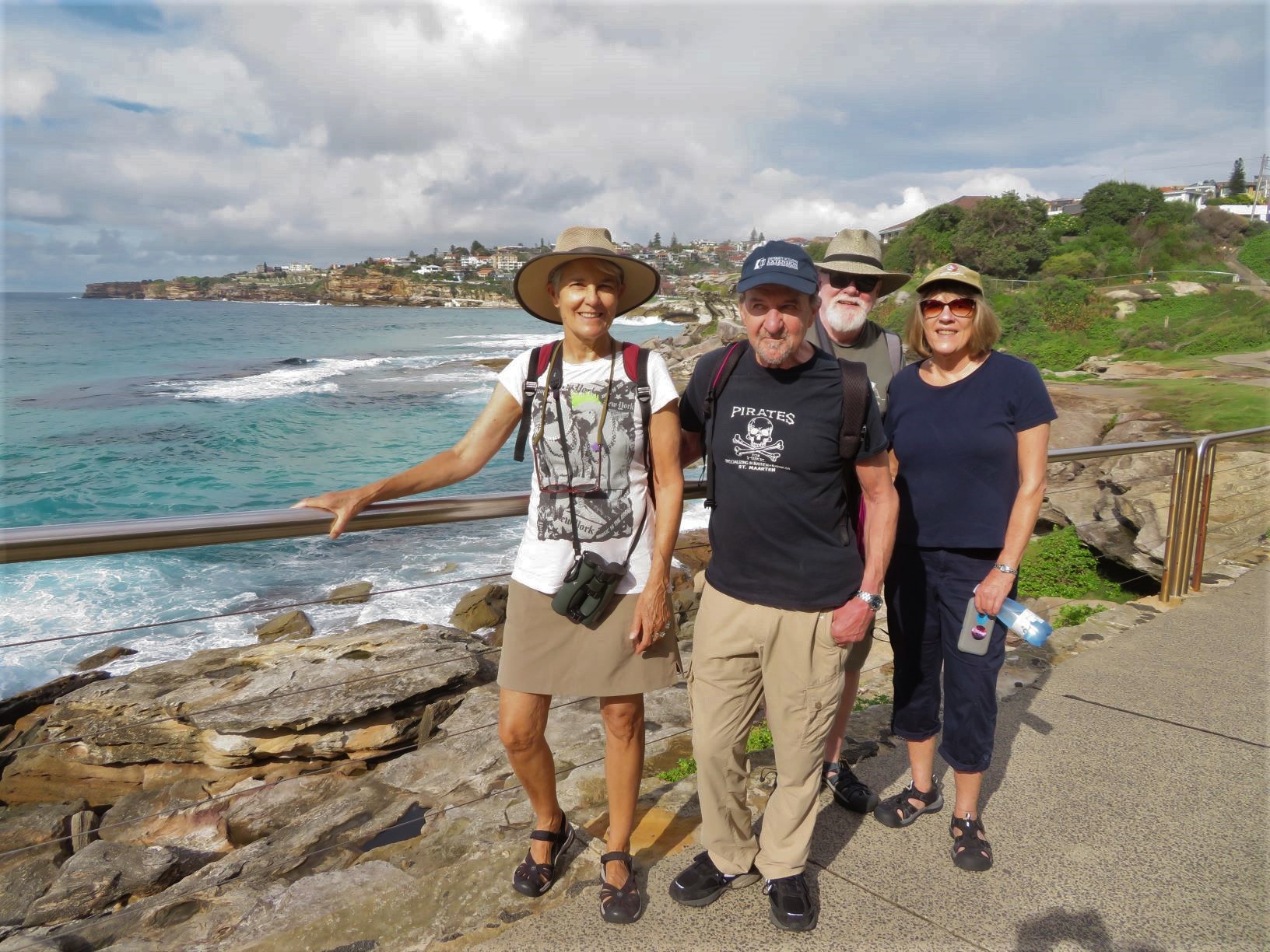
The same week, our good friends and colleagues Sue and Bob stopped in on their way to Brisbane. With them we went to stroll around the Opera House and Botanical Gardens. The next day we walked a section of the Bronte to Bondi Beach trail. We caught up on news from home and chatted about where we might cross paths next year over a few good meals. Greece, next time?

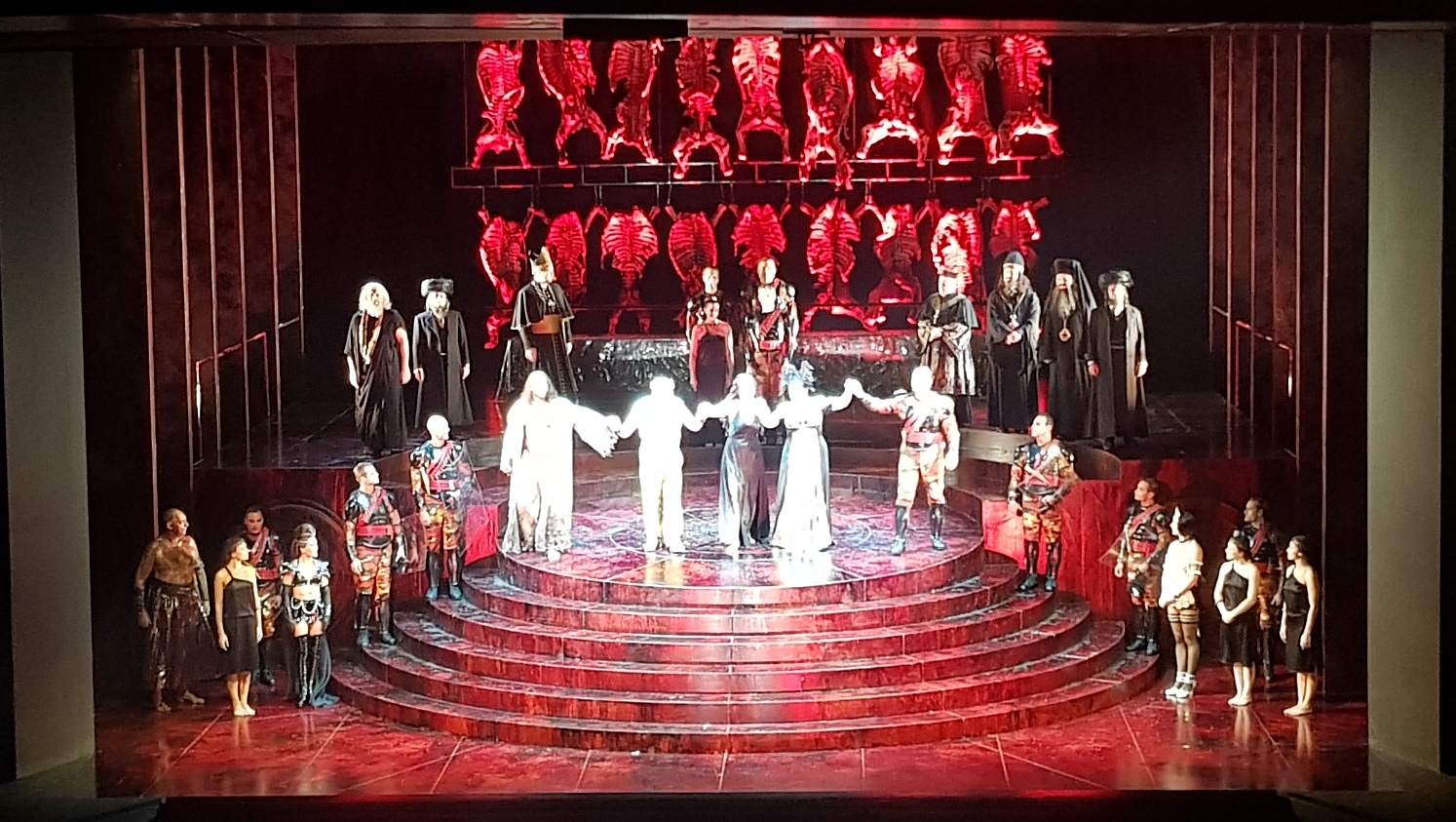
Finishing out the week, we made one last trip to the airport to collect Lyra, who will be with us for two weeks. It is a special pleasure to have one of our children visit, and we are savoring every minute. We decided to go to the opera while Lyra was with us, so after a very good dinner at The Bridge Room, we saw Salome in the Joan Sutherland Theater at the Sydney Opera House. The backdrop was black with what looked like skeletal rib cages in red. The voices were excellent.

The Opera House is as interesting on the inside as the outside, as its unusual shape requires the interior facilities to adapt to the spaces created during construction. The theater is enormous with plenty of space under the highest of the “sails” that make up the roof.

After that it was time to pack up and get ready for our next adventure.

Sydney through the eyes of painters

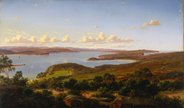
The forecast was rain, putting museum visits at the top of the day’s activities. We have visited both the northern and southern extremities of Botany Bay and Sydney Harbor, so when I read that a painting of the view from the North Head was newly installed in the National Library of New South Wales, it became a must-see. We had visited the North Heads on a perfect day.It was also a beautiful a day when Arthur Streeton painted the view in 1894.Panoramic View of Sydney Harbour and the City Skyline, depicts the complex entrance to Sydney Harbor. Streeton is one of the best known of late 19th-early 20th century Australian painters. I found other views of the same vista by painters of the previous generation, equally lovely.

I get great pleasure from seeing a painting of a landscape I have visited. On the left is the North Heads by Eugene von Guerard in 1856, on the right by Conrad Martens in 1866. The landscape didn’t change much until the 20th century, yet each artist shows the bay in a slightly different way. Between the National Library and the Art Gallery of New South Wales, we had a tour of the history of Australian art 1850-1960.

There were other places we’ve seen that look different today than they did when painted. Fairy Bower is still a lively spot between Shelly and Manly beaches.

This is the Fairy Bower pool today (left) and when painted in 1956.

Romantic paintings of the beaches are often so much lovelier than the reality. Both the above are from Bondi Beach, and the ones below show beachcombing.

One last painting caught my eye because it depicts countryside that we have seen in the parts of rural Australia we’ve visited so far. Morning Light, by Elioth Gruner, painted in 1916. Few of the Australian artists are well known outside these borders, though their common themes of natural beauty and tranquility are universal. It makes me happy just to look at them.

Sydney’s Ocean Pools

I read about the swimming pools built into the edge of the ocean in the Sydney area but I wasn’t sure how to find them. We went to beachcomb between Manly Beach–one of the favorite Sydney beaches–and Shelly Beach, a tiny patch of sand beyond Manly. There is a lovely walk between the two beaches where we found the “Fairy Bower” pool built into a bend in the walkway.  I had to have a swim. It was high tide, and the waves did occasionally splash into the pool. The pool isn’t large or very deep, but has the advantage that there aren’t any jellyfish (very common along this coast), nor sharks.

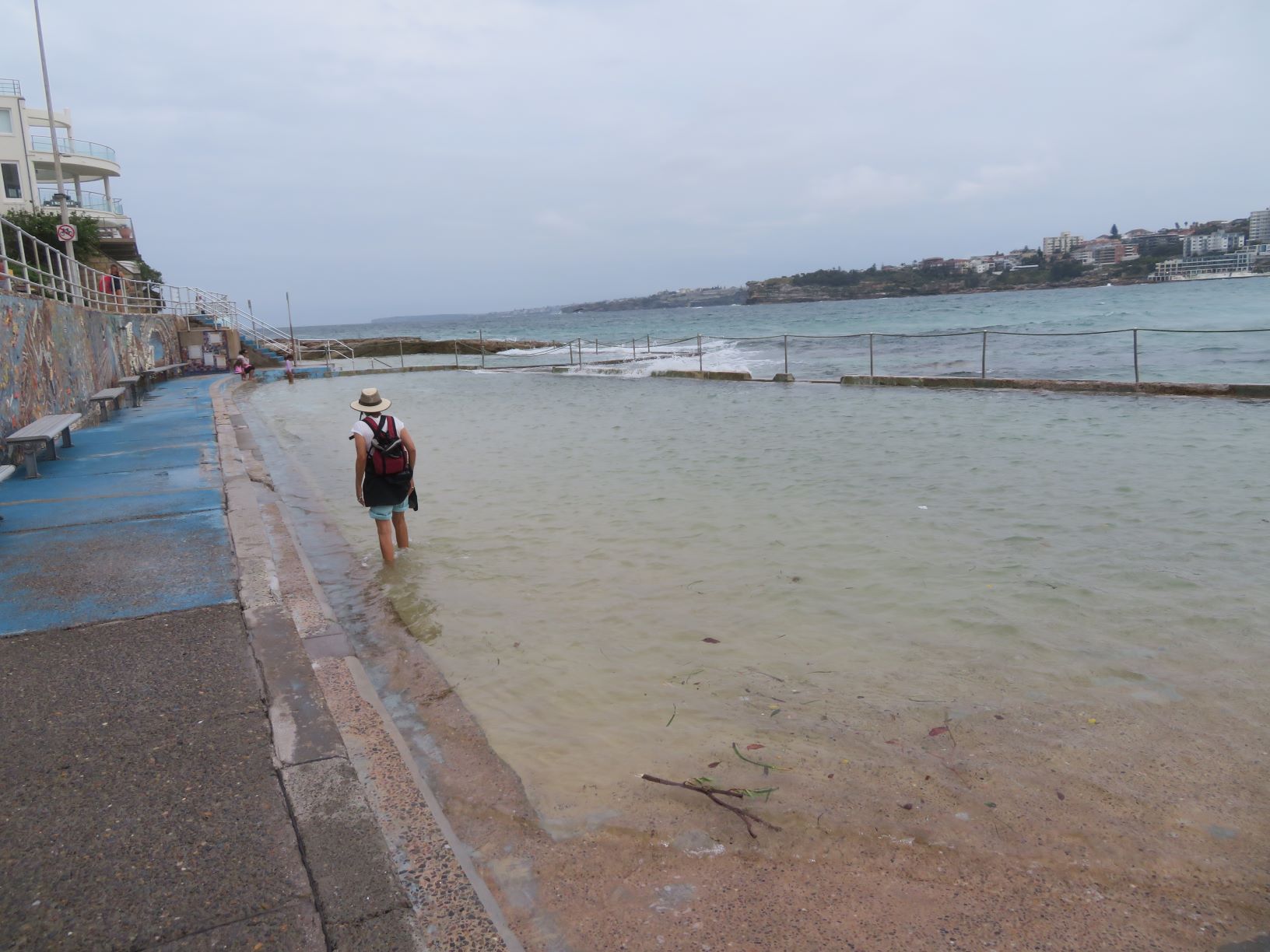
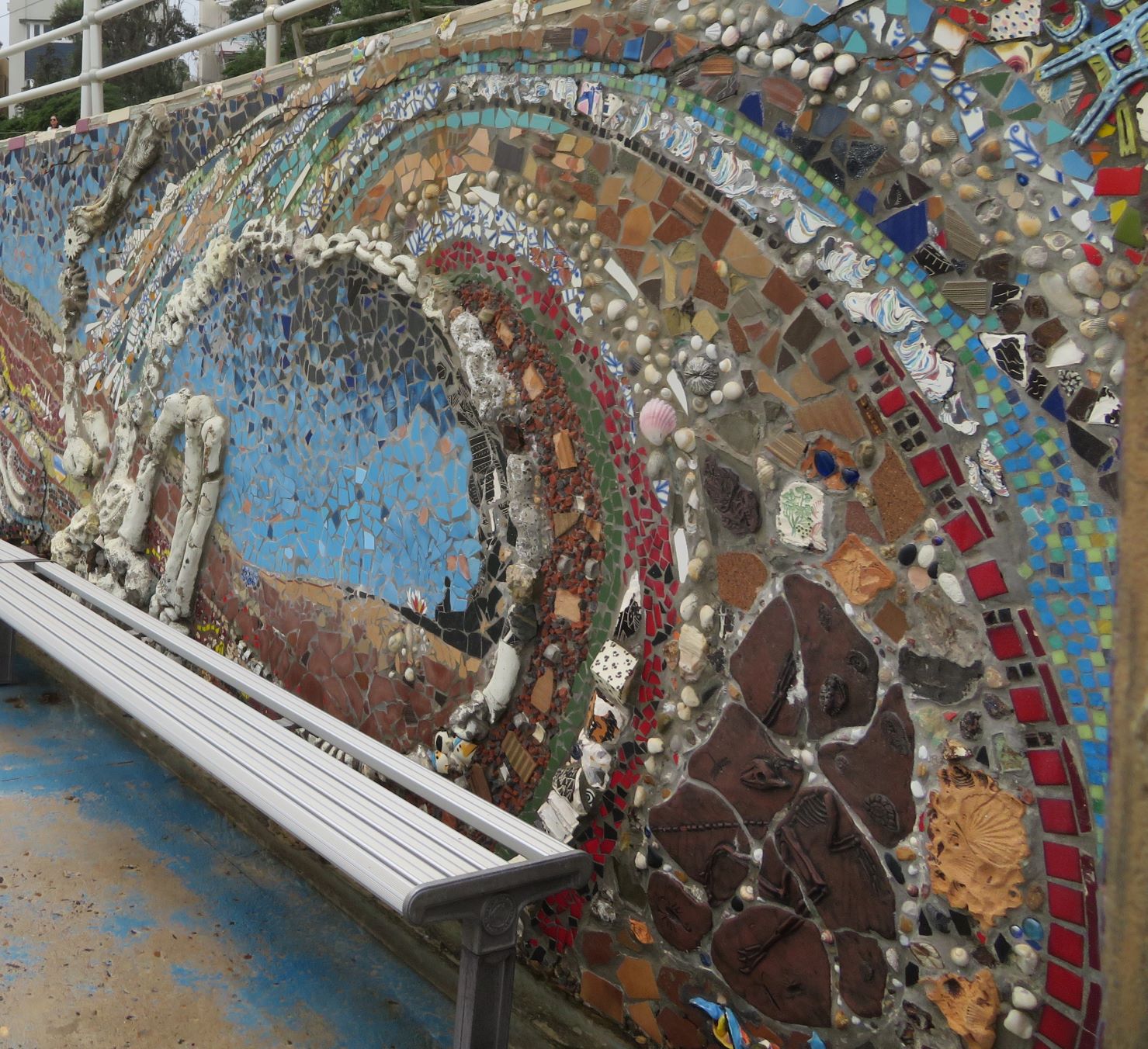
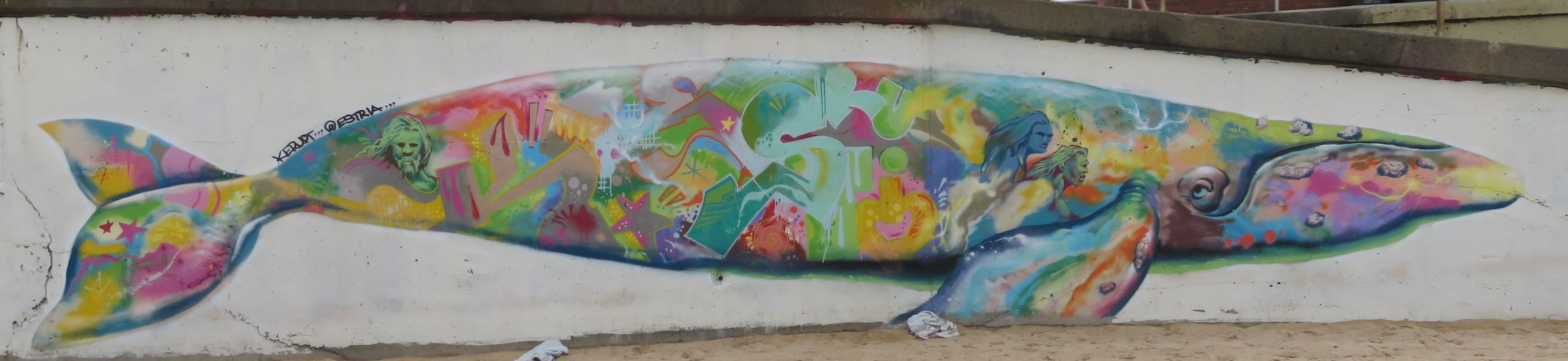
Captivated by the Fairy Bower, a little online research revealed that there are lots of these pools, including one at the north end of Bondi Beach, the other must-see beach in Greater Sydney. It was a little cool for swimming that day, but I waded around. The Bondi pool has a wonderful mosaic along the side, and there is other artwork along the shore in this area including an impressive whale.

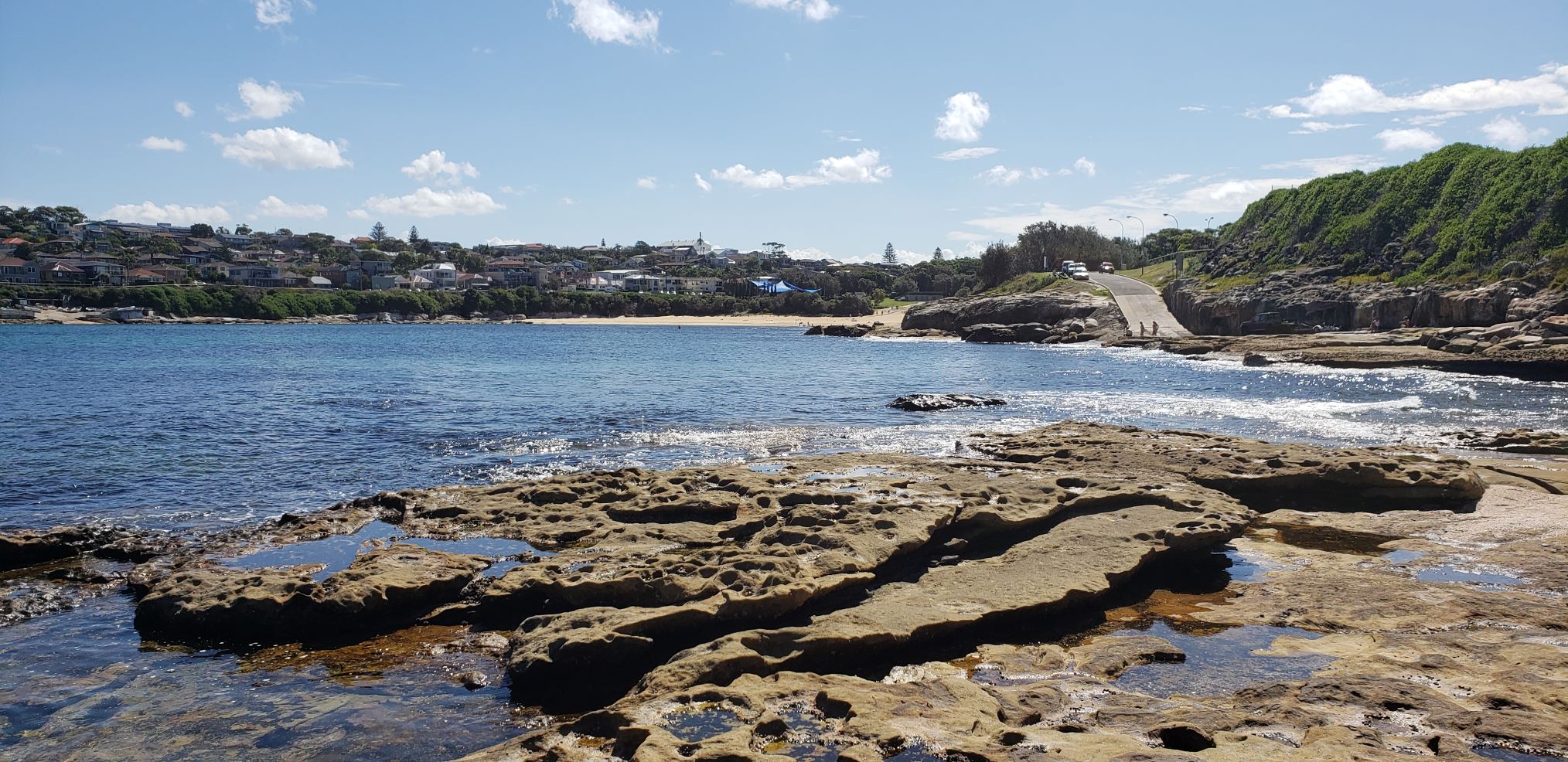
Bondi also appears to be known for the large surf-lifesaving presence on the beach. We were there on a weekend and it was very busy despite the overcat conditions. People were surfing and swimming but in addition were about thirty lifeguards. Two first aid stations were set up on the beach, a guard on a surfboard paddled among the surfers, and another on a jet ski trailed back and forth beyond the surfers. Some looked like they might be trainees, but even so it was a heavy presence. Closer to home I found Mahon Pool, a rock pool north of Maroubra Beach, just down the road from our current home. I went for a dip and it was as much fun as the others. Mahon Pool is cut into the rock, not poured concrete. The bottom is irregular and the cracks in walls and floor are home to snails and limpets, even a couple of tiny fish swam by me. These gorgeous pools, complete with bathrooms, changing rooms, and showers are free of charge so far. I’m going to visit as many as I can.

Botany Bay

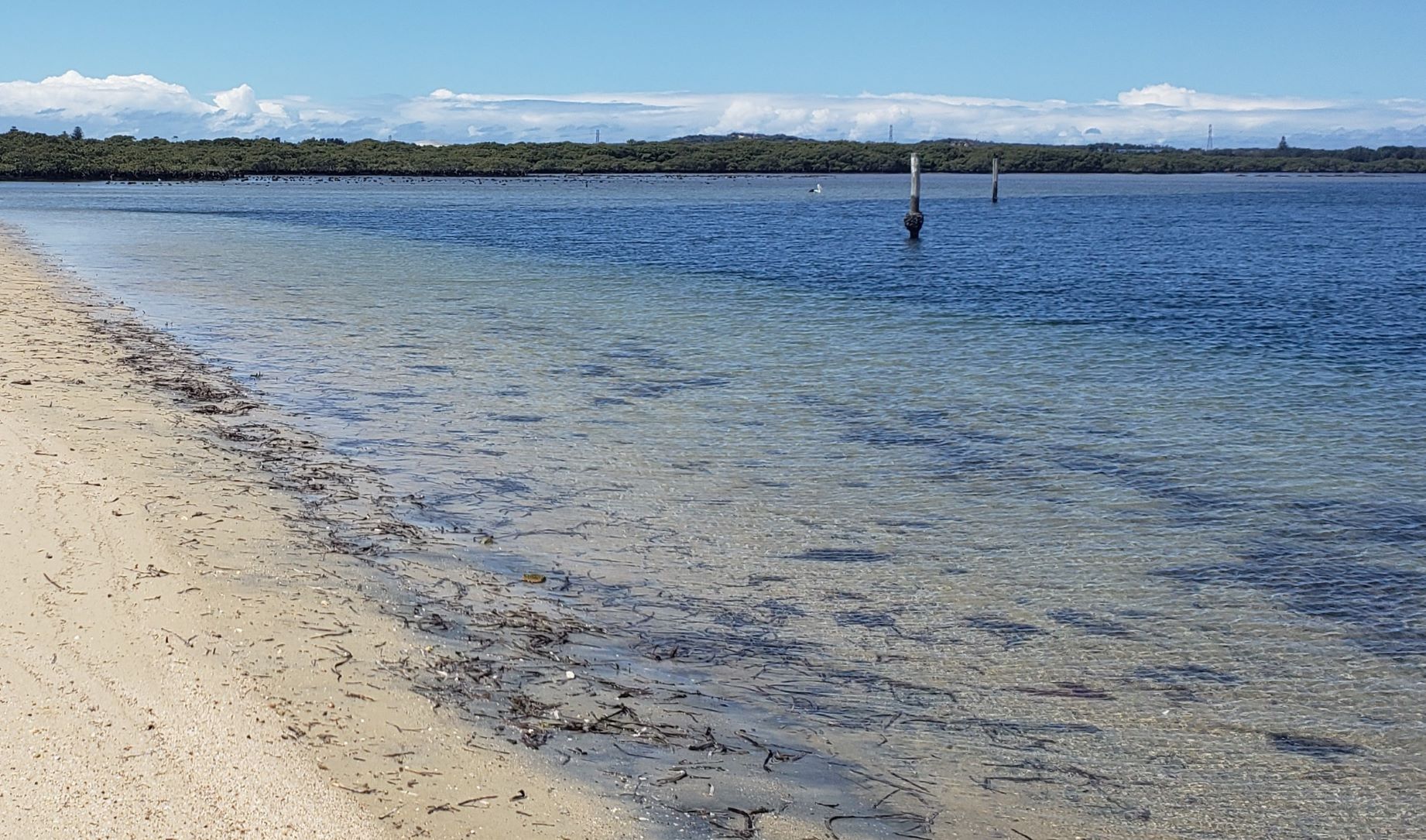
The north shore of Botany Bay is just a few kilometers from our home SE of downtown Sydney. We explored this historic area by driving around the perimeter. We stopped along the way to look for birds, walk along the shore, take a swim, and have a picnic.

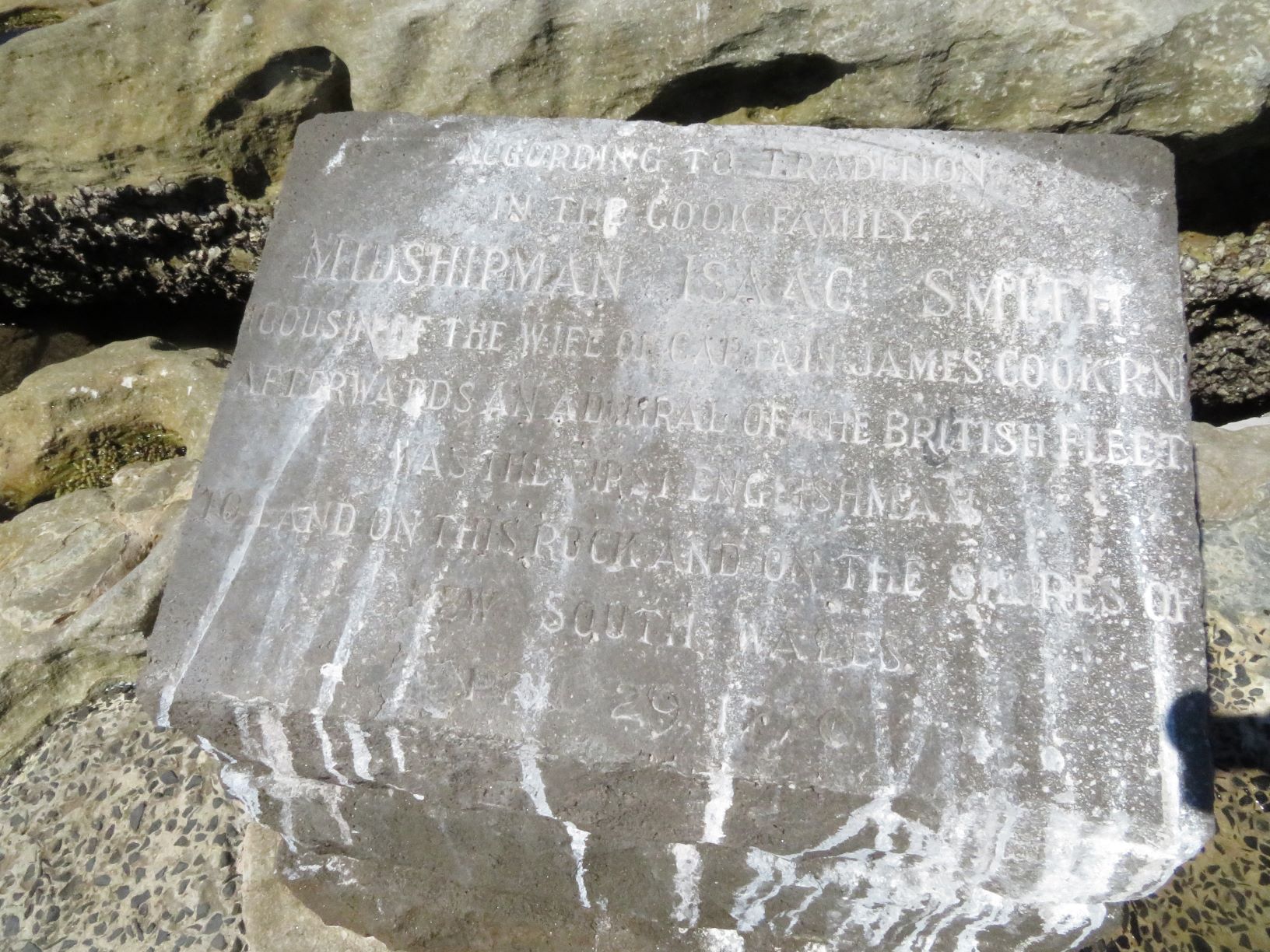
This rock is said to be where Captain Cook’s crew stepped ashore in 1770, the first Europeans known to have landed in Australia (there were probably earlier unrecorded sailors). Cook’s stop led to Britain’s establishing their penal colony nearby, and the rest…is history. I’ve just finished reading, A Commonwealth of Thieves, by Thomas Keneally, describing the founding of Australia and the very early years. It’s remarkable that anyone survived the journey to Australia, and then survived living there in the early days where there was never enough food.

Botany Bay was the destination of the first fleet sailing to Australia, but it proved to be a less useful harbor than the inlet to the north, named Port Jackson, that is now Sydney Harbor. Botany Bay today is lined with huge wharves along the north side and with popular parks and beaches on the west and south. The water is relatively warm and shallow, and we saw everything you can imagine at the beach: sailing, windsurfing, motorboats, jet skis whizzing along, people fishing from boats and from the shore, swimmers, even a few parasailers in the distance. And dogs, lots of dogs accompanying families that set up their sunshades for a day at the beach. Beachcombing turned up a few interesting items, too.


Sydney from the Opera House

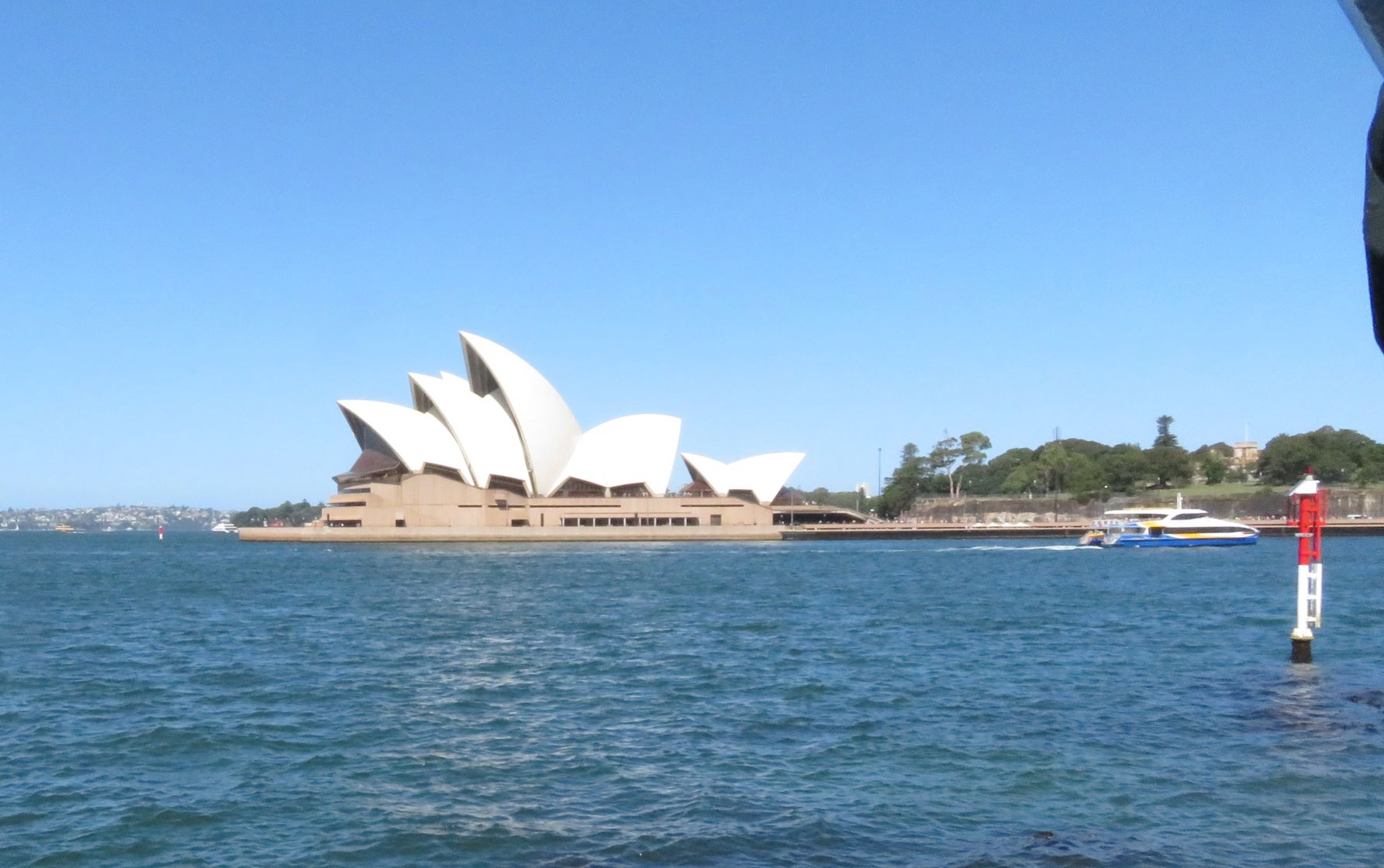
For us, the Opera House is the heart of Sydney. We made our first pilgrimage to this icon by bus to Circular Quay, then a stroll toward the point where rounding a row of apartments, the Opera House is revealed in all its glory. On a sunny day the roof tiles create a dazzling reflection.

We walked all around the building, noticing that it is three separate rooftops, not a single one as it often appears in photos. From one spot it looks like three giant-sized Spanish conquistadors helmets.From another angle, it looks like a spaceport, with at least one spaceship ready to take off.Close up, the Opera House is a busy place. Tourists walk around taking photos, runners avoid them as they circle the Opera House on the path. Women in black dresses walk in and out. Either Sydney is a lot like New York or the dress code for staff is “wear black.”

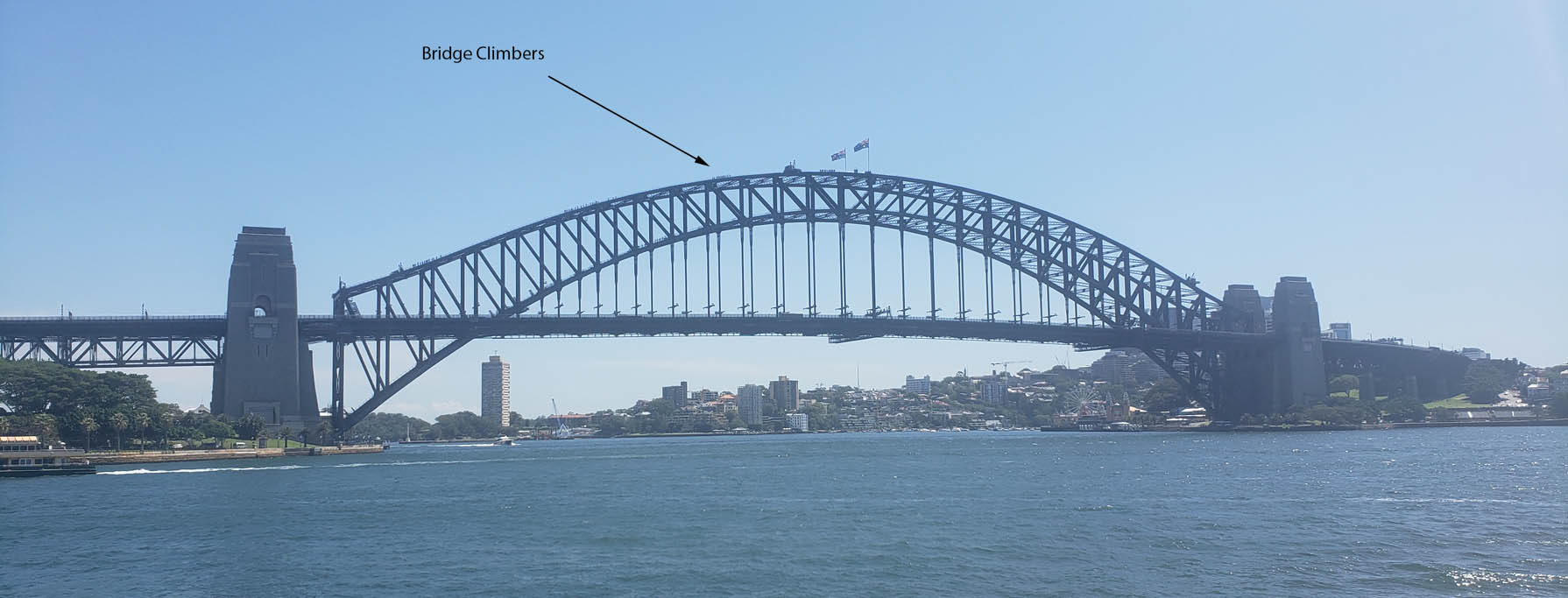
From the Opera House you can see tiny figures of the groups climbing high up the sides of the Harbor Bay Bridge. We walked around the edge of the ferry docks into the neighborhood called “The Rocks.” It is full of shopping and restaurants, and a lot of stairs. We ended up in the park beneath the huge bridge where plaques explain the process by which the fort located on this point was demolished and the bridge built. From a distance the Opera House looks quiet and peaceful, a ship at its mooring.In this age of celebrity architects, we couldn’t name the designer of this marvel, Jørn Utzen. After winning the design competition, new construction techniques had to be invented in order to build his design, methods that made later more free-form works by Frank Gehry and Zaha Hadid possible. Construction was both expensive and political and Utzon resigned from the project part way through. He never returned, not for the opening or to receive any of the awards offered to him by subsequent Australian governments. “If you like a person’s work, you don’t give them an award, you give them something to build.” There are a lot of stories there. Here are a few:

From the Sydney Opera House website


First Stop in Sydney: the Beach

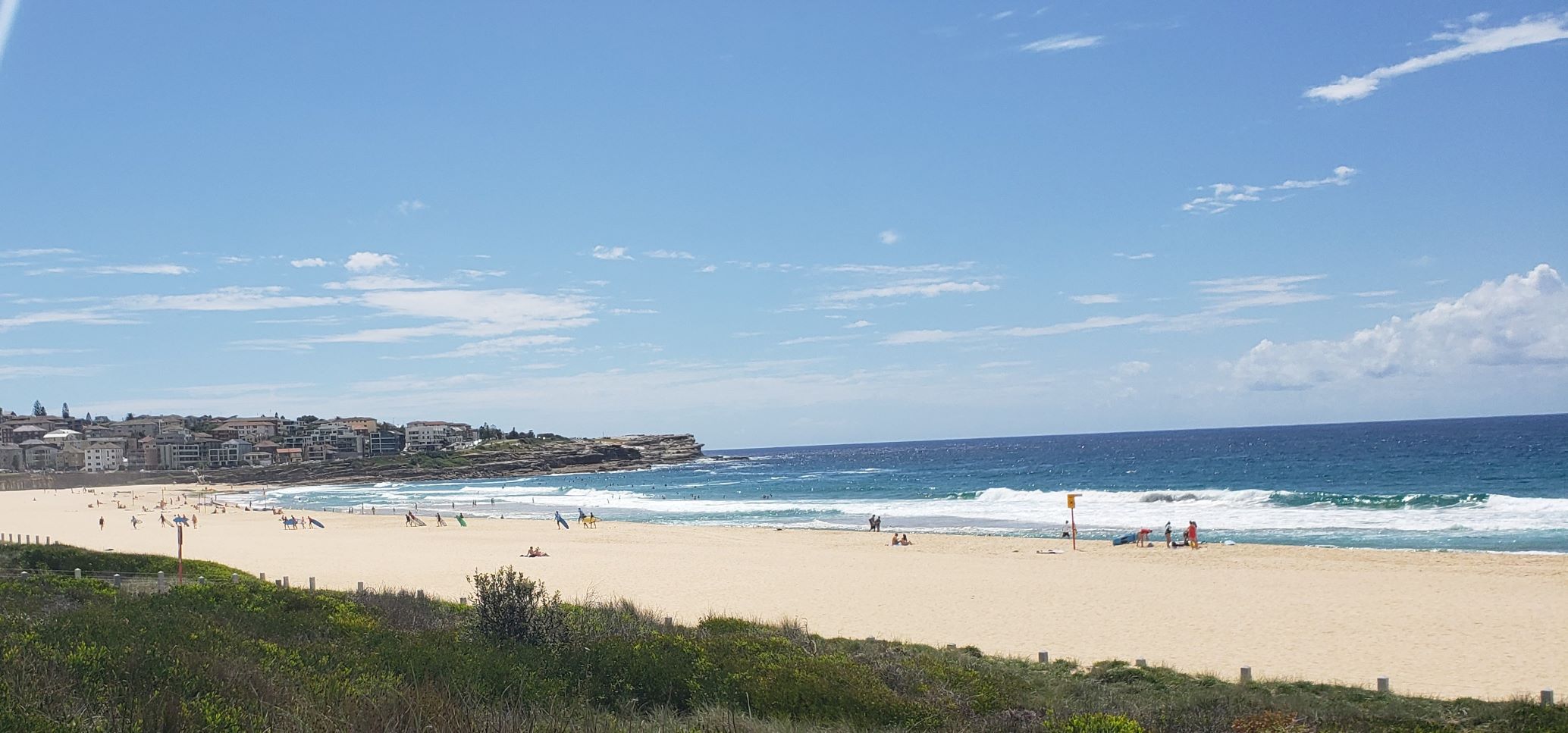
Our first day in Sydney was focused on settling into our new Airbnb and shopping, but the next effort was to explore the nearest beach. Maroubra Beach is just one km from our house, about 5 minutes by car. It has everything, sandy beach, interesting rock formations, good beachcombing, surfers, even a biology class combing the rocks. This is a lively zone.

We stopped in at the next beach to the south, Malabar Beach, for a follow up. In between beaches are cliffs and headlands. There are lots of walking trails and views out over the ocean–beautiful!

Good to Know About Melbourne

Melbourne proved easy to live in, another testament to Jonathan’s Airbnb research skills. We were walking distance from the beach, very handy on hot days, and also close to public transport. We drove into the center of the city on our first day to go to my eye doctor appointment and it was as nightmarish as in any big city. So was the price of parking. We learned the bus, tram, train system immediately, and had no trouble getting around in the city subsequently. In fact, there is virtually no down side to Melbourne apart from the big issue–it is difficult to emigrate. We met lots of young people from all around the world in Australia for a year or two, including a woman who arrived from England the day before, and a young man returning to France next month after two years working and traveling here. None knew of a legal way to emigrate apart from marrying an Australian. The young Frenchman said, “Yes, I could, but I am here with my girlfriend and she would object.”…..

Our half of a duplex.

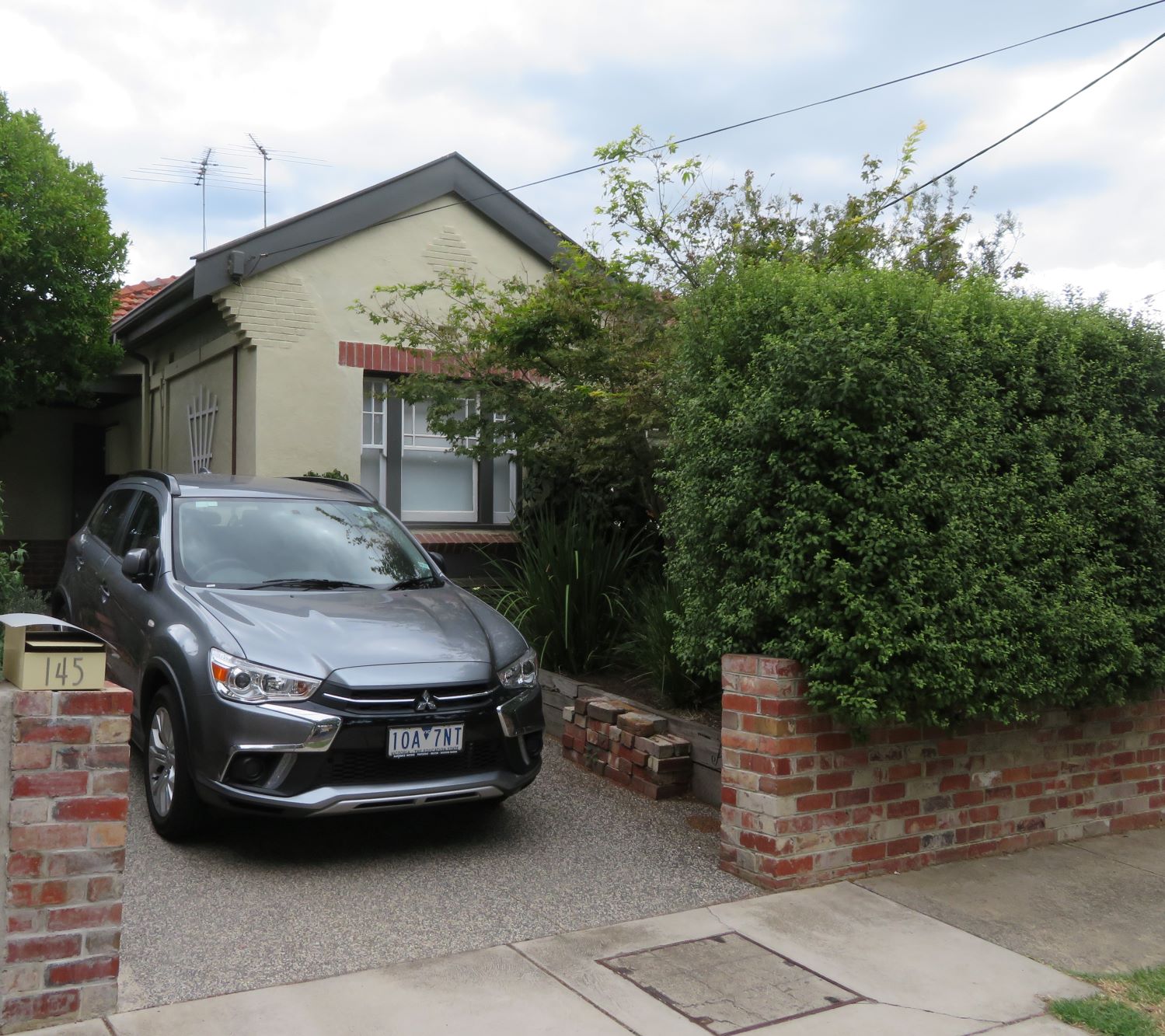
Airbnb: Airbnb is legal here despite the scarcity of housing across Australia. We found lots of choice, though it was not inexpensive. The neighborhood we lived in, Elwood, was a good balance of proximity to the city and also the beach. Our Aribnb was a duplex that shared a wall with neighbors, though we rarely heard them. I liked having the chance to live in one of these older houses. Ours had been thoroughly renovated, so none of the Edwardian inconveniences remained.

Bus, tram, train: Melbourne has an integrated transit system that allows you to use one pass (Myki card, $6) to get around. A genius policy decision provides free transit in the heart of downtown for everyone, card or not. The system is not inexpensive, but there is a cap on the fare you pay each day at $8.80, a full fare round trip. When we went to the Botanical Garden in the evening to see a play, my tram ride was free because I’d been in and out of the city during the day. To pay, you scan your card on a device in the station or onboard, and you scan again when you get off. In the month of our visit, only one time did a conductor pass along the aisle of the train double-checking tickets. These checks are random and the fines are high, so people pay up.

Markets: So much shopping, so little time! The Queen Victoria market is probably the best known of the Melbourne markets, and it was full of delicious goods, but so is the South Melbourne market, which we hadn’t even heard of. There’s an equally large market in Footscray, just across from the railroad station. We are visiting during the summer and that means there are weekend markets in many neighborhoods. We went to a good sized spread at the Elwood elementary school, just two blocks from our house. There are more specialized markets that lean toward artisan items on Saturdays, Sundays (St. Kilda), monthly dates, and special events including the St. Kilda Festival, the Bright’n Sandy Festival (Brighton), and many others.

Parking: This is one reason people travel by public transport. We paid $16/hour in the city center, comparable to any other world city (and less than Chicago). Parking at the beach was $5.70/hour and the price per day is capped at the three hour price, so it isn’t bad for a full day outing. Beach-hopping is a bit pricey–not that it stopped us. It is always possible to look for free parking in the neighborhoods across from the beach, but some of these areas are now posted for residents-only parking.

People: We found people in and around Melbourne to be friendly and helpful. People were easy to talk to and we often ended up in conversation on the beach, in the store, anywhere we happened to be. We got our recommendations on where to stop along the Great Ocean Road from a couple we sat next to at Mozart by Moonlight. We felt very comfortable here.

Phone: We use the Optus phone service we began in Tasmania, and renew automatically every 28 days ($30). The pay as you go service is heavy on data. Apparently people who use this tend to watch video on their phone. The good news is this means we’ll never run out of data and can look up directions constantly. The phone battery runs down long before the data runs out.

Weather: Welcome to global warming. Some days it was 95, others topped out in the high 60s. I don’t think this is unusual anymore–call it the new normal. It can be difficult to have the right clothes at the right time. Dress for something between sunbathing and cross-country skiing. We tried, and mostly succeeded.

Places we visited and recommend:

Food/Shopping

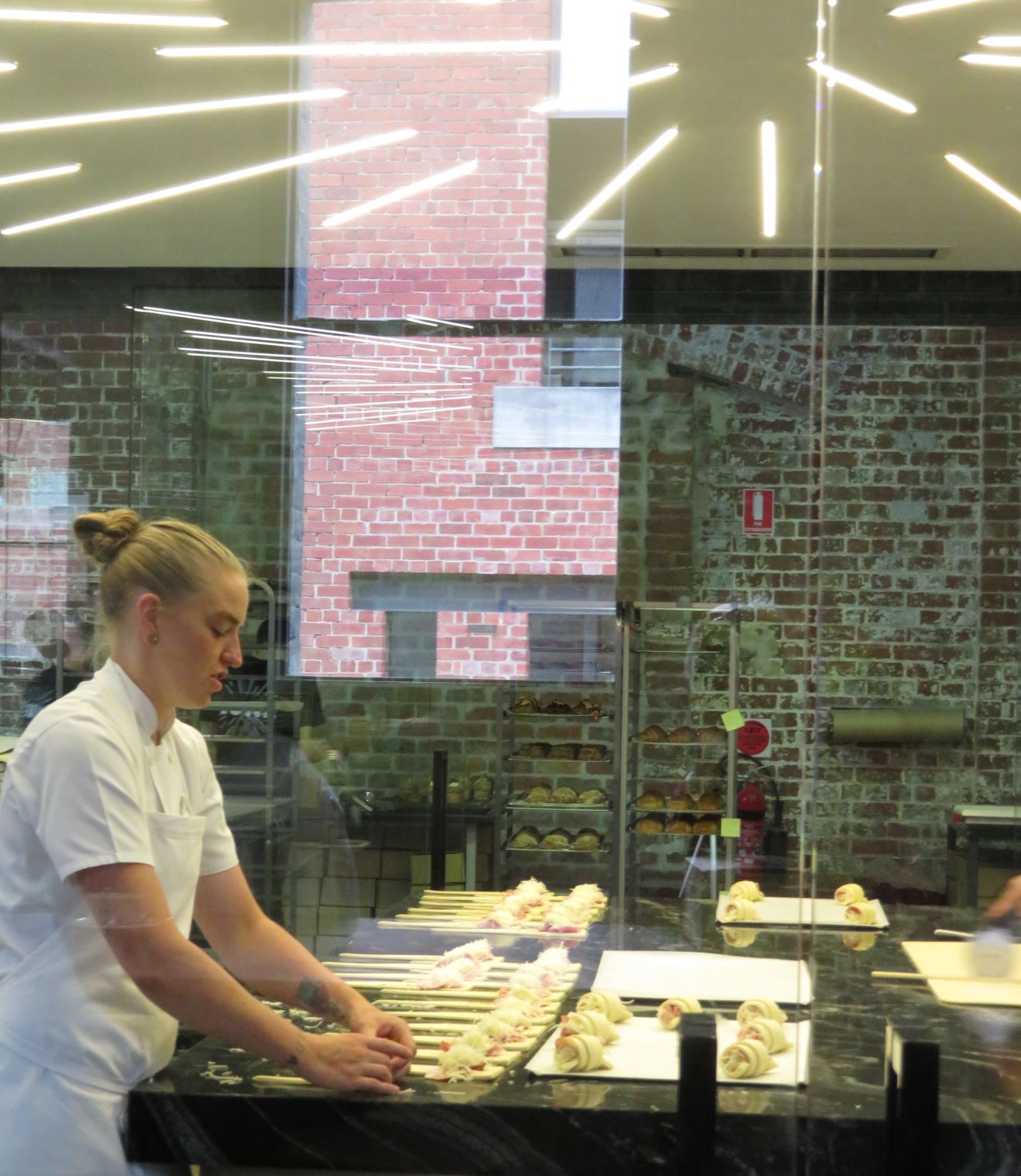
  • Lune Croissanterie, Fitzroy
  • South Melbourne Market
  • Queen Victoria Market
  • Wineries, Mornington Peninsula, Yarra Valley
  • St. Kilda farmer’s market
  • Elwood school weekend market
  • Melbourne arcades and laneways

Outdoors–

  • Any beach around Melbourne Bay (St. Kilda, Elwood, Frankston, Hampton, Mentone, Mornington, Mt. Eliza, Rye, Sandringham)
  • Beaches on the ocean: St. Andrews, Torquay, Bell’s Beach
  • Royal Botanical Garden–see an evening performance in the garden
  • Walking the laneways and shopping arcades of downtown Melbourne
  • Walking in any older neighborhood
  • Brighton Bathing Boxes
  • Healesville Sanctuary
  • Great Ocean Road, Koala cafe stop is a short bird/koala walk
  • Yarra Bend Park
  • Lake Connewarra

Indoor–

  • Federation Square, Australian Center for the Moving Image
  • Melbourne Museum
  • Heide Museum
  • The National Opal Collection (store/museum, with a very pleasant, informative salesman who didn’t push us to buy)


Melbourne Architecture

Looking at buildings gives me a sense of the age of a place, style, and how lively and economically vibrant it is. You won’t see construction cranes on the horizon if people aren’t doing well. Melbourne is very dynamic, with a skyline full of cranes, new buildings pushing out the old. The skyline is developing a panorama of very new, very tall structures. “Melbourne style” consists of angular multi-story buildings patterned with color. There are apartments that look like stacks of cubes and buildings decorated with lego-like designs and dramatic geometric patterns.

This slideshow requires JavaScript.

The skyline is filling with tall structures and continues to expand. It certainly impressed us when we arrived. Contemporary architecture is entering the neighborhoods, too. It can be jarring to see it run into the older building styles when angular contemporary homes fill lots created by the demolition of older homes gradually transforming neighborhoods.

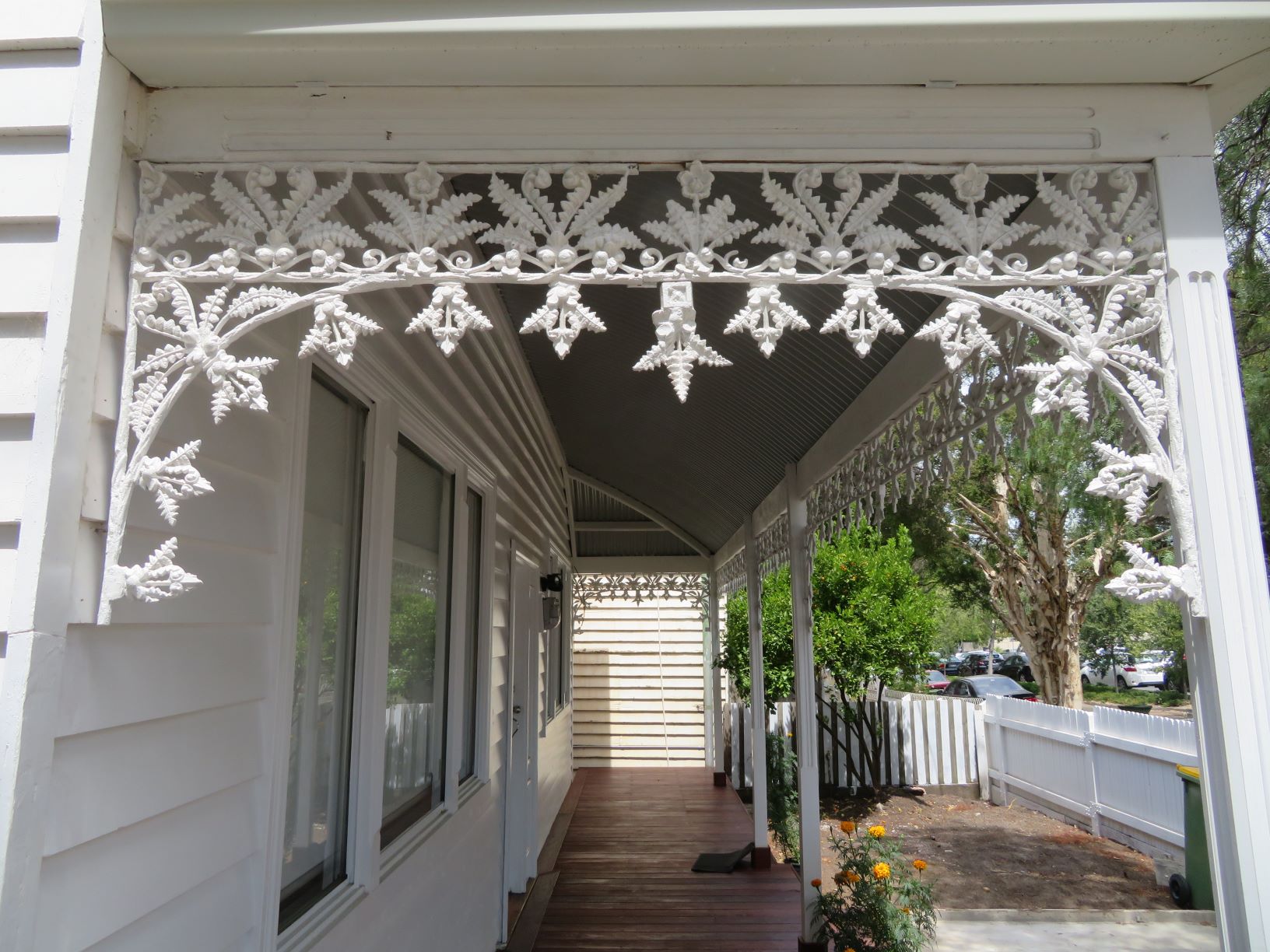
The other interesting architecture harks way back–Victorian/Edwardian cottages decorated with elaborate cast iron railings or complex wooden barge boards and gingerbread trim, beautiful and intriguing. These are often quite small, 1000-1800 sq ft, with a tiny garden front and back. Many were designed and built as single story duplexes, sharing a center wall.

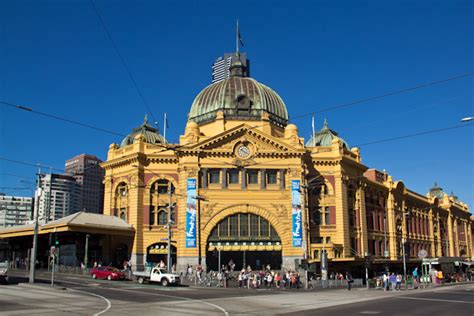
Fans of Phryne Fisher will recognize the older buildings and some of the more ornate civic structures that display decorative circular towers, balconies, and niches. The covered shopping arcades also reflect turn-of-the-century style. The Flinders St. train station is a stately and highly decorative central place. In addition to all its flourishes, it apparently hides a ballroom on the top floor that is only open once a year for visits by architecture aficionados.

Above: Flinders St. Station

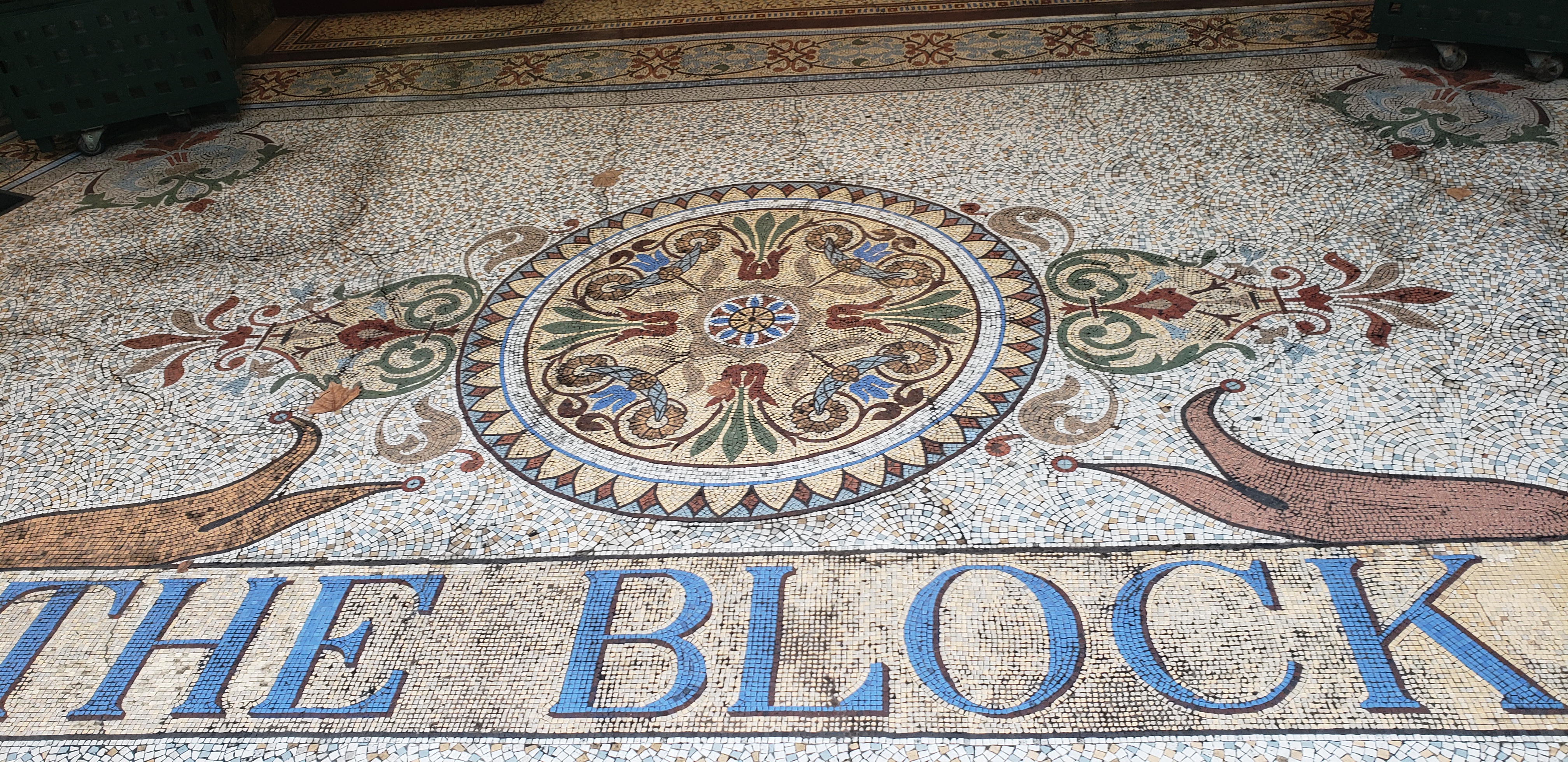
Left: Shopping Arcade Below: Mosaic floor detail

While I like the old style, a brick cottage has limited space and light. Upkeep on all that gorgeous decorative trim…. I was unable to find any evidence of historic districts in residential areas. This may not be a concept that is applied in Australia. Without one, though, the charming cottages of the older neighborhoods will be gone sooner rather than later as the city expands upward.