For all we hear about the decline of Catholicism around the world, a version of it is alive and well in Barranca. I am not sure how many people I know go to Mass every Sunday, but almost everyone participates in one of the many festivals in honor of the Virgin Mary or other saints that take place around the year. I was reminded of this recently when I realized there are three shrines to the Virgin right here on the beach, and there is another at the market.
One shrine is by the water company pumping station down the beach a bit. Just down the street from our house is a shrine to Our Lady of Lourdes that is maintained by a group of women who hold an annual celebration in her honor. The original shrine is up on a hillside overlooking the beach. When some of the members found it difficult to walk up to it, the group conducted a fundraising campaign to build a building on a small patch of land that they got the city to donate. The shrine is maintained by a group of women that seems to include almost everyone on the beach. The responsibility for organizing the annual feast day celebrations rotates among members.
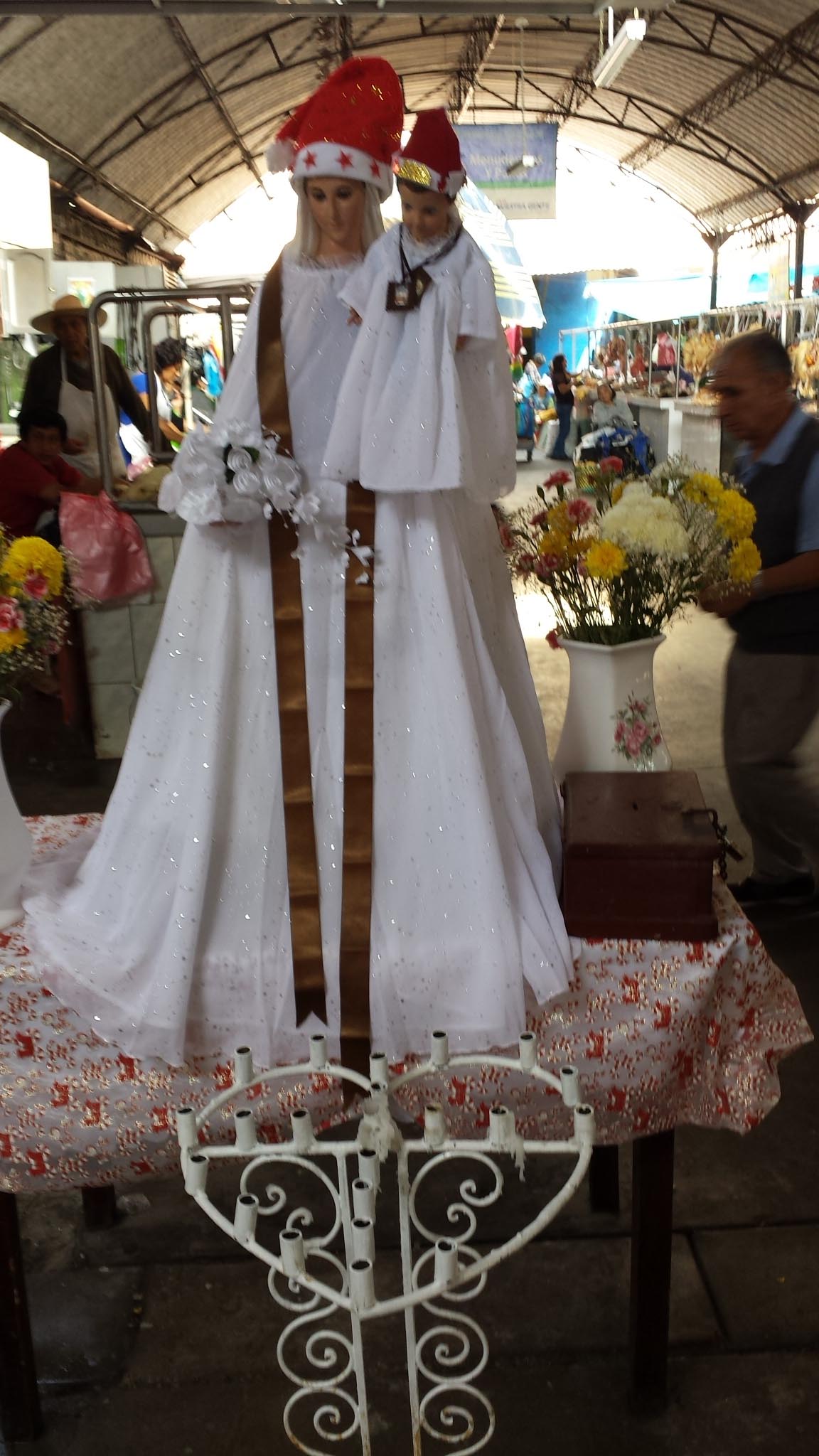
Another Virgin presides over the market. She seems to be ready for the season.Our region also celebrates a number of saints. Every town has a roadside shrine or two. There is national veneration of Senor de los Milagros, a mural that survived an earthquake in 1655 when all the walls around it fell. The procession through the center of Lima honoring this image is said to be the largest in the world.
Closer to home, I couldn’t understand why there were fireworks last weekend, especially during the day. They were part of the celebration of the feast day of Saint Martin de Porres. A special seating area was set up in front of a temporary shrine across from the sea wall. After being on view most of Saturday and Sunday, there was a procession up and down the street, with stops at some houses. I saw a small child held up to touch the image of the saint. In addition to Saint Martin, there is Saint Rose of Lima, Saints Peter and Paul patron saints of fishermen, and the Virgen del Carmen, called the Perpetual Mayoress of Lima. Each of these elicits processions, vigils, and sometimes festivals up to a week long. This is a largely secular society, but there is still a lot of faith.
I am diverging from my usual posts to add this to my blog. I urge you to read through it and think about the message–that the US Congress has an important role in the systems of checks and balances on the power of the other branches of the US system, the executive and the judicial. Roger Myerson is a distinguished ecnomist at the University of Chicago, and a winner of the Nobel Prize in Economics. (Most important of all, he is a member of my undergraduate cohort at Harvard.) His opposition to term limits for members of Congress is presented in a very understandable, articulate way and I agree with his message.
We know that other countries have sometimes elected presidents who then manipulated the great powers of their office to nullify constitutional constraints and establish a permanent grip on political power. But from George Washington’s first election until now, Americans always selected presidents who, in prior public service, had demonstrated their commitment to exercise power responsibly within legal and constitutional limits. In January 2017, however, America will for the first time have a President who has never held any public office and who, as a businessman, has a long record of manipulating laws to his personal advantage.
Throughout the presidential campaign, many have consistently underestimated Donald Trump’s ability to market himself and denigrate his opponents in a relentless drive for power. Now his perplexing mixture of extreme and moderate policy statements must not distract us from the fundamental constitutional issues which may be at stake in the next four years if…
We wanted to make another guest room more attractive because we are having both daughters visit over Christmas. If Amanda and Jimmy take the suite, Lyra would be left with an unimproved space. The ceilings are so high that it is difficult to get artwork big enough to fill the wall.
I designed a patchwork wave that was going to be made of mantas cut in quarters and hemmed into squares. My problem was that I would end up putting a lot of nails in the wall to put it up.
Help was needed! My friend Leila Wilson came over to give me artistic consultation. Leila is a ball of energy and loves to paint. She decided–and I completely agreed!–that it would be more fun to create a mural on the wall. Taking off from the wave theme, she sketched a scene of waves and the beach and started painting. I even got to help a little bit. (I’m behind the ladder.)
This slideshow requires JavaScript.
When we get the rest of the room organized, I’ll post the entire new space, but we have to wait until the wiring is replaced and the patches in the wall from the new connections get plastered and painted. It won’t be long. Didn’t she do a great job?
Trying to look at a familiar place with fresh eyes is a difficult proposition. I’ve been here in Barranca many times. One of the good things about a beach community is that it doesn’t change. The same fishermen haul out their beach seine every afternoon even though I have yet to see more than a few tiny fish in it after all these years. The beach is still there, the waves crash endlessly, the sunset is both the same and completely different every day. That’s why we sit on the front porch and eat our lunch, then wheel chairs out to watch the sunset. The ocean and the sky are the fixed points in our universe.
Midday on the beach
Sunset from the front door
What is going on if I look the other direction, toward the land?
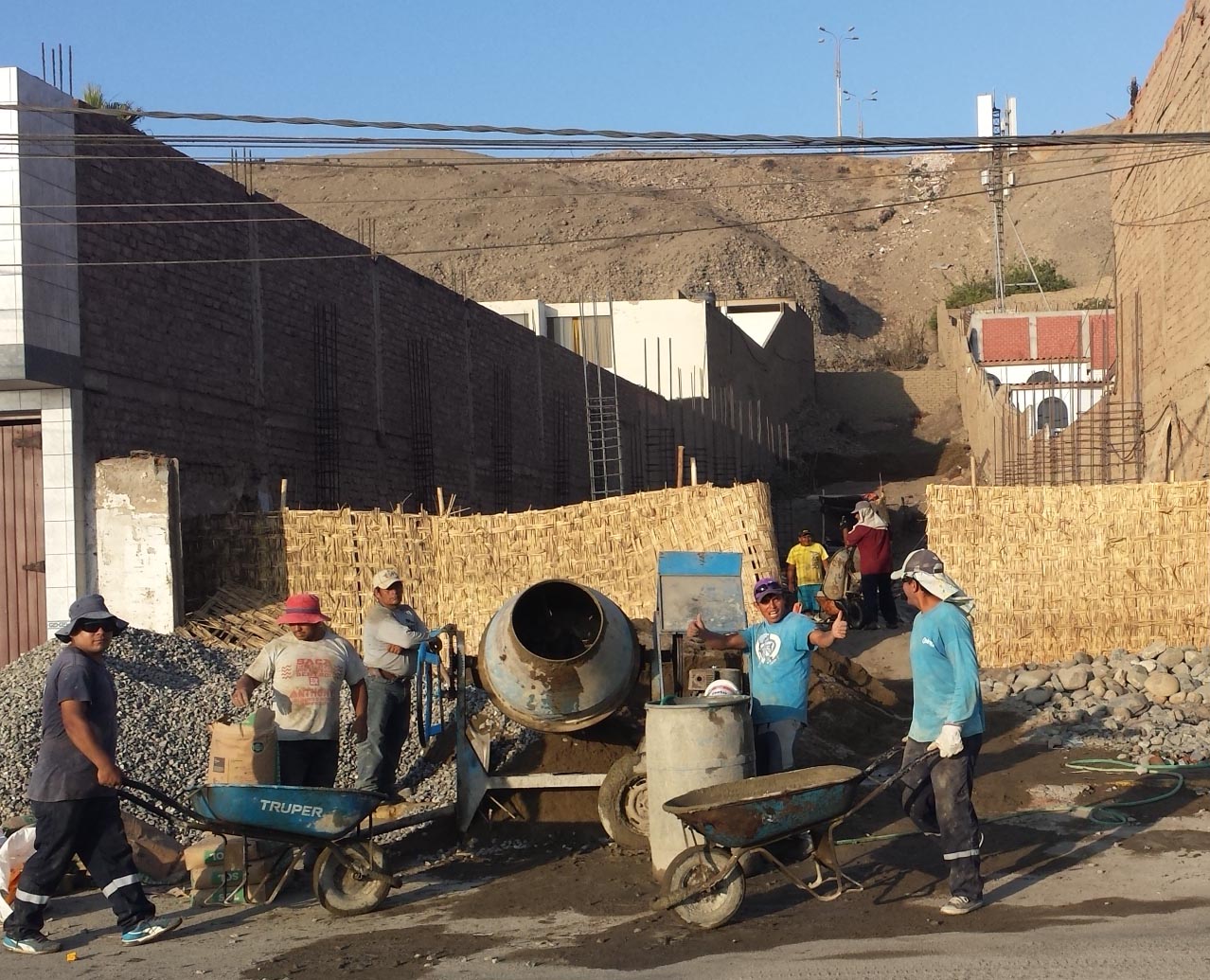
Barranca is booming. There is construction in many places around town. There are properties for sale (When we arrived here in 1999 there was almost nothing for sale or rent). Outside town the new highway from Huacho to Pativilca is almost finished (The Panamerican Highway up to four lanes from two, though still full of speed bumps).
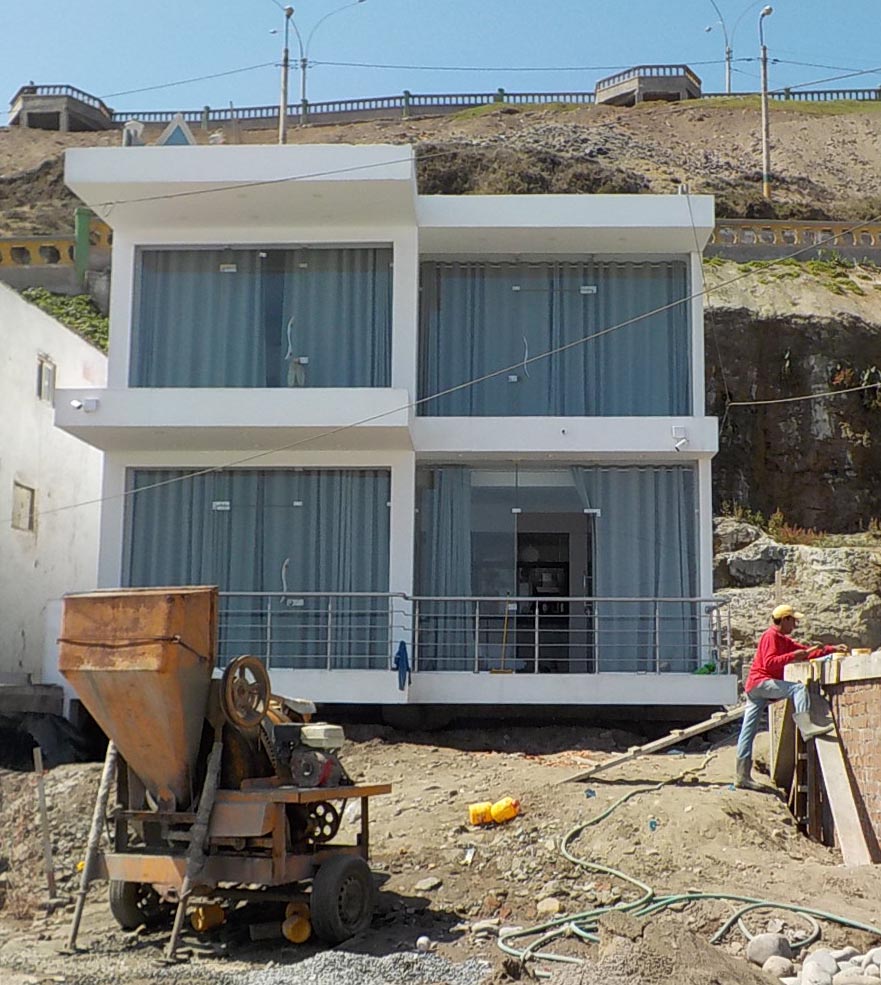
Here on the beach there is a new house built by a local hotel owner, Arturo. It looks like apartments, but he assures us that it’s a house. The small pool on the right is just about finished.
Farther down, I am watching the slow construction of a new building–probably a small hotel–in what has always been an empty lot.
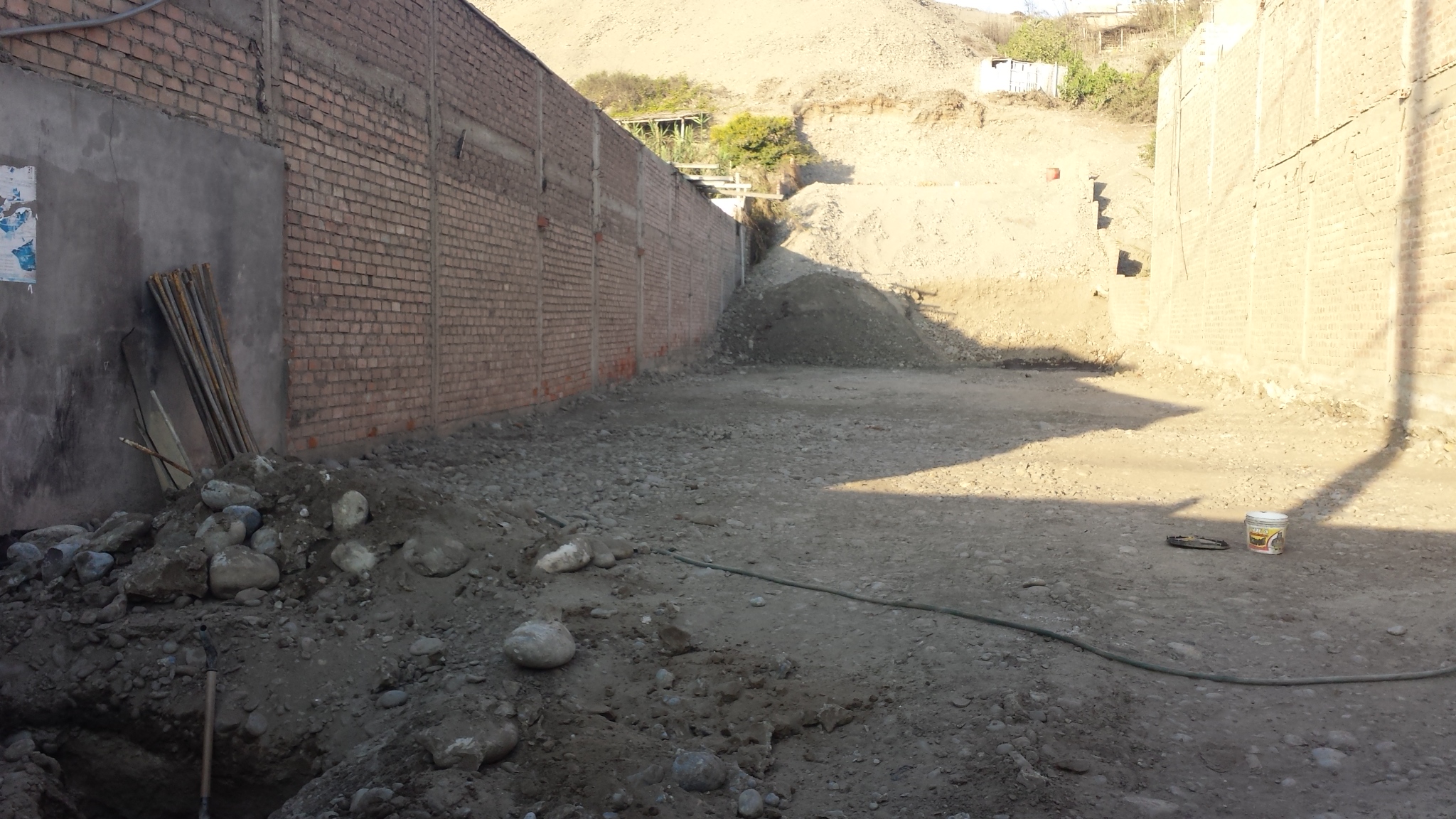
Another empty lot is being landscaped as a restaurant parking area. Or so they say.
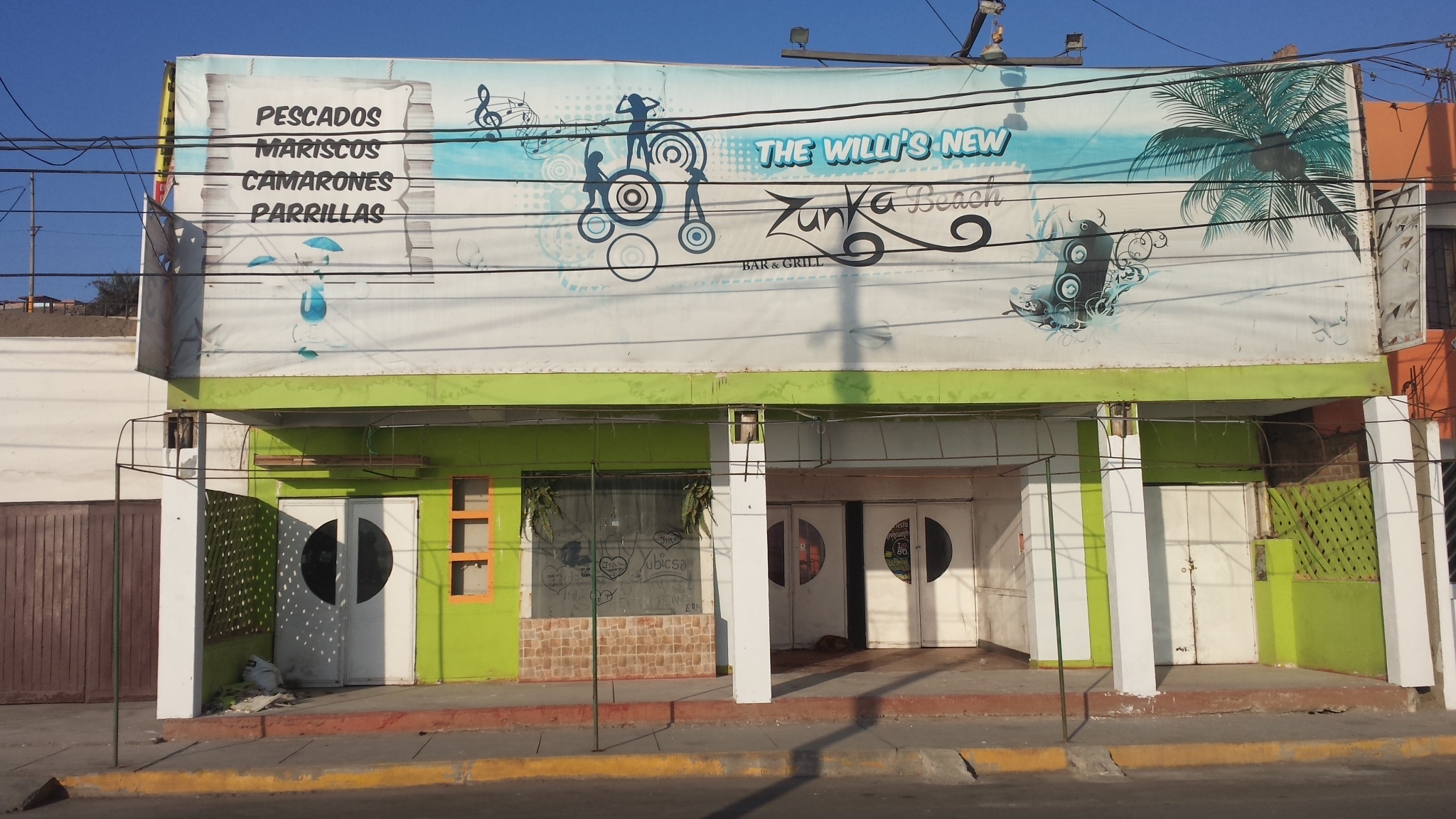
One disco is being refreshed for the holiday season. So far, the second disco remains abandoned (and that’s a good thing).
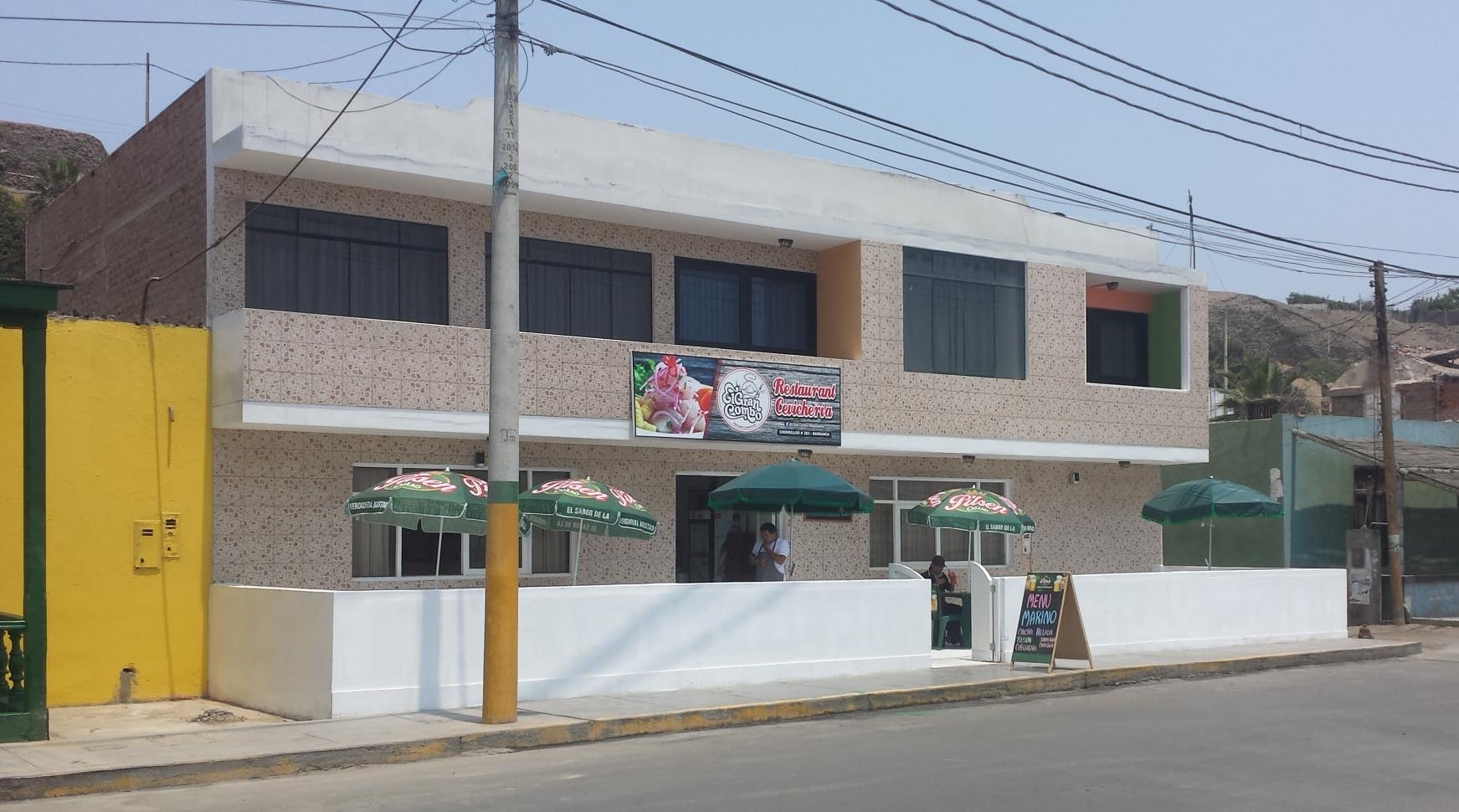
There is a new restaurant in the ground floor of our neighbor to the south. That may not be a good thing–it depends on what music they play, and how loud. Restaurant Gaviotas has been our neighbor on the north forever.
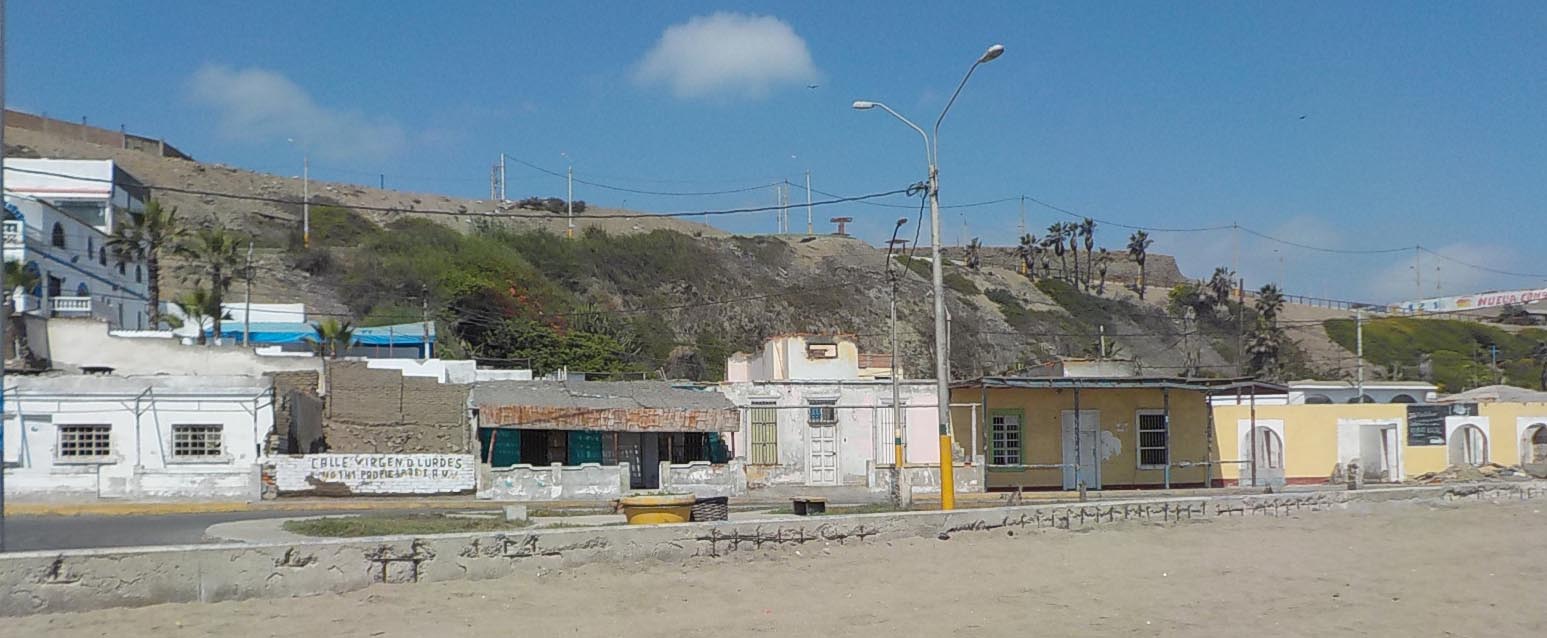
There is lots of scope for new development. Here is an area waiting for investment.These six properties are empty right now. They were home to families of fishermen. Some died, some moved away. Just to the left of this photo is a large new home and next to that is Arturo’s new house. Our house is down the beach to the right. In the 1930s along this roadway was a long wooden boardwalk trimmed with picket fencing and with a large gazebo at the end. Anyone ready to invest? No rush, it’s been this way for most of the past 15 years.
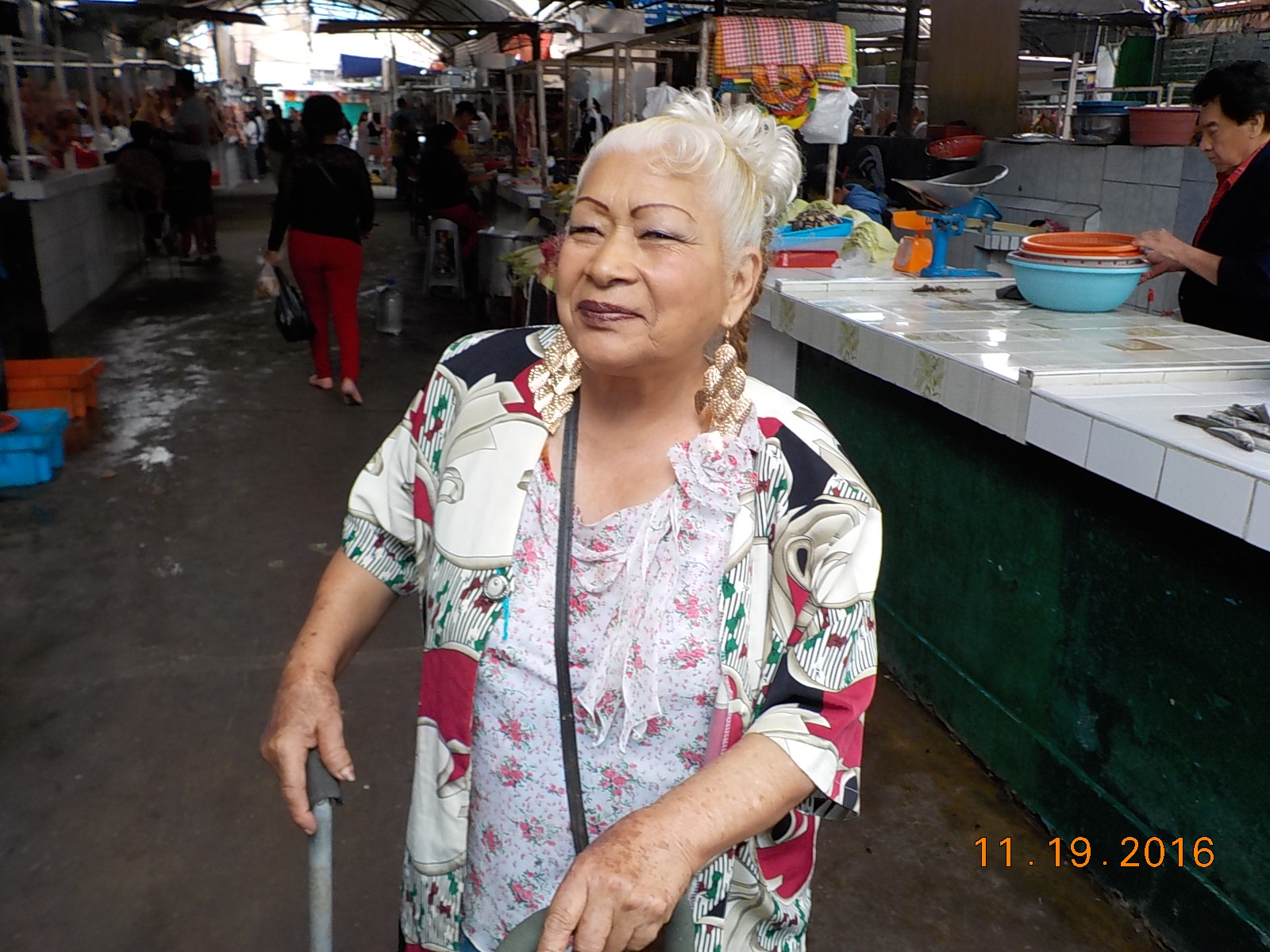
I still go to the market with Jonathan at least once a week and keep my eyes open for interesting things. On Saturday, I asked this woman if I could take her photo because she was dressed up for the market. You could tell she put some time into getting ready. What’s interesting, too, is that when you were looking at how carefully she was made up, you stopped noticing her walker. (There may be a lesson here.)
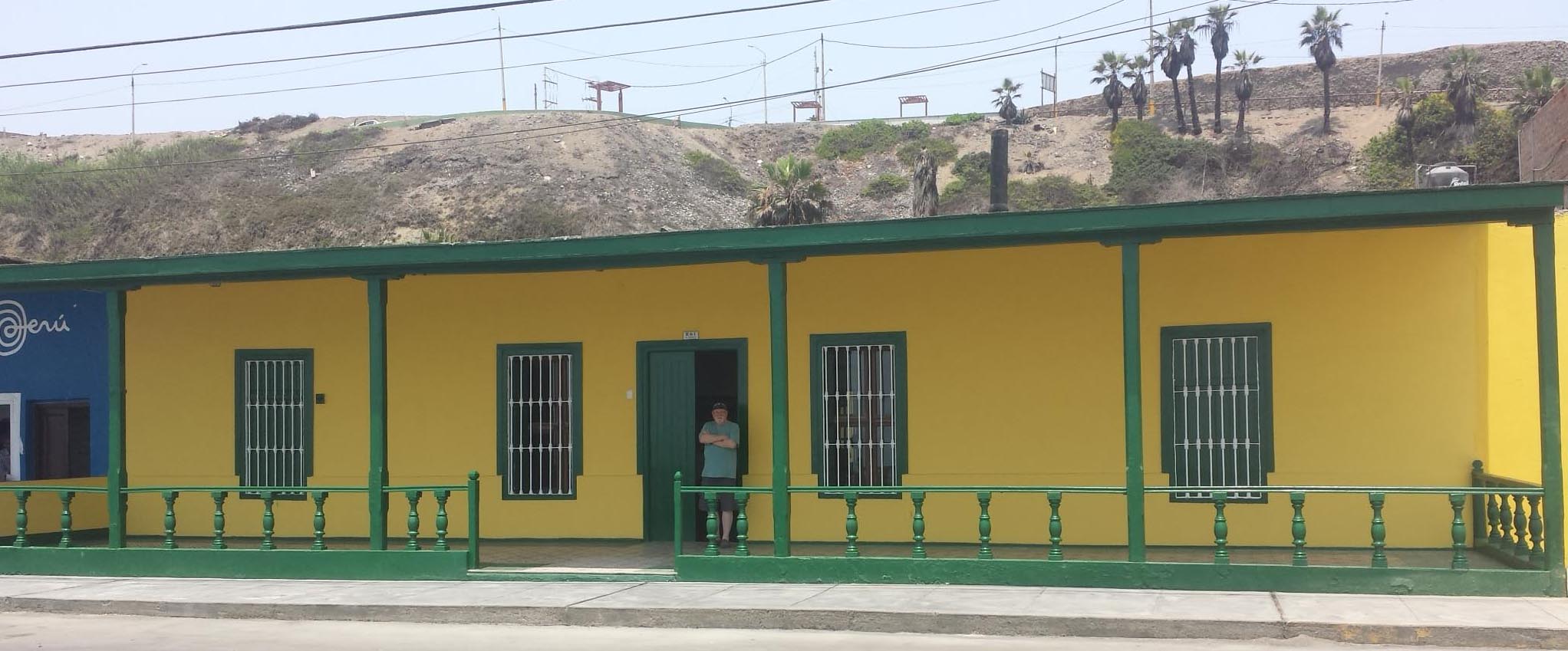
I’ll be keeping my eyes open for more great local sights. Here’s Jonathan, the happy homeowner on his front porch.
The last time I spoke to someone who was openly for Trump was a taxi driver in Edinburgh back in July. This shows you that I was completely out of touch with what most Americans think, or at least half of the US citizens who voted. During the eight months that were were on the road from Morocco to Norway between March and October, I assured everyone I spoke with that there was no way Donald Trump could be elected.
Today we see that I was wrong. I took for granted that people would understand the big picture importance of the environment, health care, trade, and the principles of equal opportunity and non-discrimination. I forgot that politicians only consider the short term, actions that directly affect whether they will keep their jobs in the next election. What will happen when global temperature rises at a pace that can no longer be controlled because politicians were more focused on getting elected than cutting atmospheric emissions? We are about to find out.
The majority of voters made it clear that they want to have a high paying job that doesn’t require a lot of education and they want to live in a town full of people who look just like themselves. Those days are past, at least I hope they are. It sounds like science fiction to suggest that we will now return to an isolated US that looks inward, European countries with individual frontiers, immigration quotas everywhere. Will each country also seek to become self-sufficient and try to minimize trade? I have lived in the era of the “global village” and have enjoyed my efforts to be part of that larger community. It is painful to realize that we may be at a turning point in world history where the one step forward that has taken place since about 1945 may be about to be reversed, and we may go two steps back before positive momentum returns. I may not even be alive to see it.
I hope I’m wrong about that, too. I’ll check back in four years to see where we are.
It is strange to be back in Peru after eight months. A little has changed and a lot hasn’t. Our flight was smooth and we arrived on time after leaving Miami a few minutes late. We landed at 10:30 pm and were probably at the Hotel Senorial by 12:30 am, which isn’t bad considering that traffic is now heavy 24 hours a day. The Senorial has been our hotel of choice for many years. They are suffering a bit as the neighboring property that was a “casona,” a large single family home with an extensive back yard and garden has finally been sold to a developer–it was empty for about 10 years–and a six story building with 65 apartments is filling the space. The “National Sound Of Peru” (hammers on concrete) provides music with breakfast and is likely to continue for another six months.
We did some shopping and left for Barranca. Lima continues to expand in all directions and increase the number of automobiles. Getting to the northern city limits took about about an hour and a lot of the time the air smelled of diesel fumes, fish or rotting meat, but after we passed the new landfill (marked by circling vultures) the smells decreased and the pace picked up. We were in Barranca in 3 hours and 15 minutes, better than some of our recent times.
Our neighborhood on the beach is largely unchanged. There is one newly completed house and a couple of properties for sale, but that is not unusual.
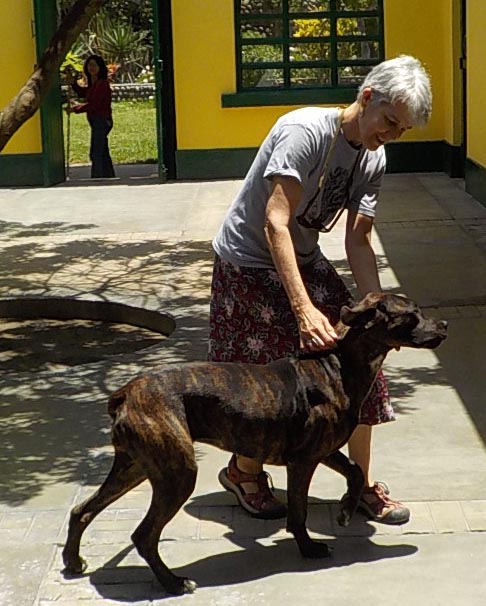
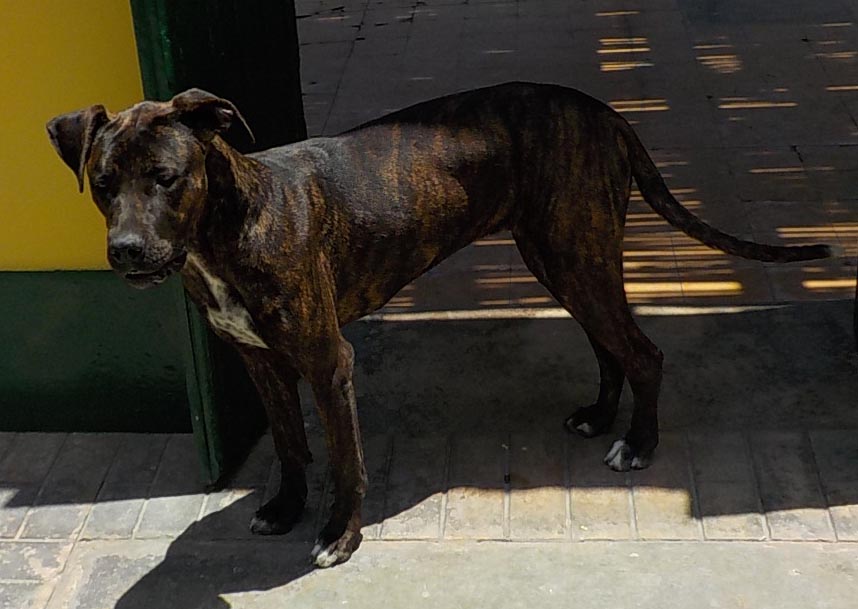
The biggest surprise was seeing Orca, the puppy we last saw in March. She is now enormous. We expected that, but not that she would be such a good looking dog. It is very sweet that she remembers us and insisted on coming and sitting with us after dinner. Fortunately, she doesn’t want to sit on our laps. Orca is half doberman and half brown farm dog. She has a brown brindle coat. Less than a year old, she probably isn’t quite finished growing.We plan to chill out on the beach for a while before trying any new adventures.
There is no internet in Cuba. If you believe those who say there is limited access depending on where you are, you will waste a lot of time trying to connect to systems that have the broadband width of a human hair. Turn your devices off, bring a book to read and try not to think about it. Leave a phone number to be used in case of emergency—there probably won’t be one.
Travel
We went with a tour (see US Citizens, below). I have no useful information about either air or ground travel to or in Cuba because we had pre-arranged transport. Taxis are relatively expensive in Havana ($15-20 each way to the Tropicana and more if you take a vintage ride). As I mentioned in a previous post, we went with Insight Cuba and were very satisfied with the Cuba portion of our tour, and had excellent guides. We were less than satisfied with our pre-tour contacts, orientation and information.
Shopping
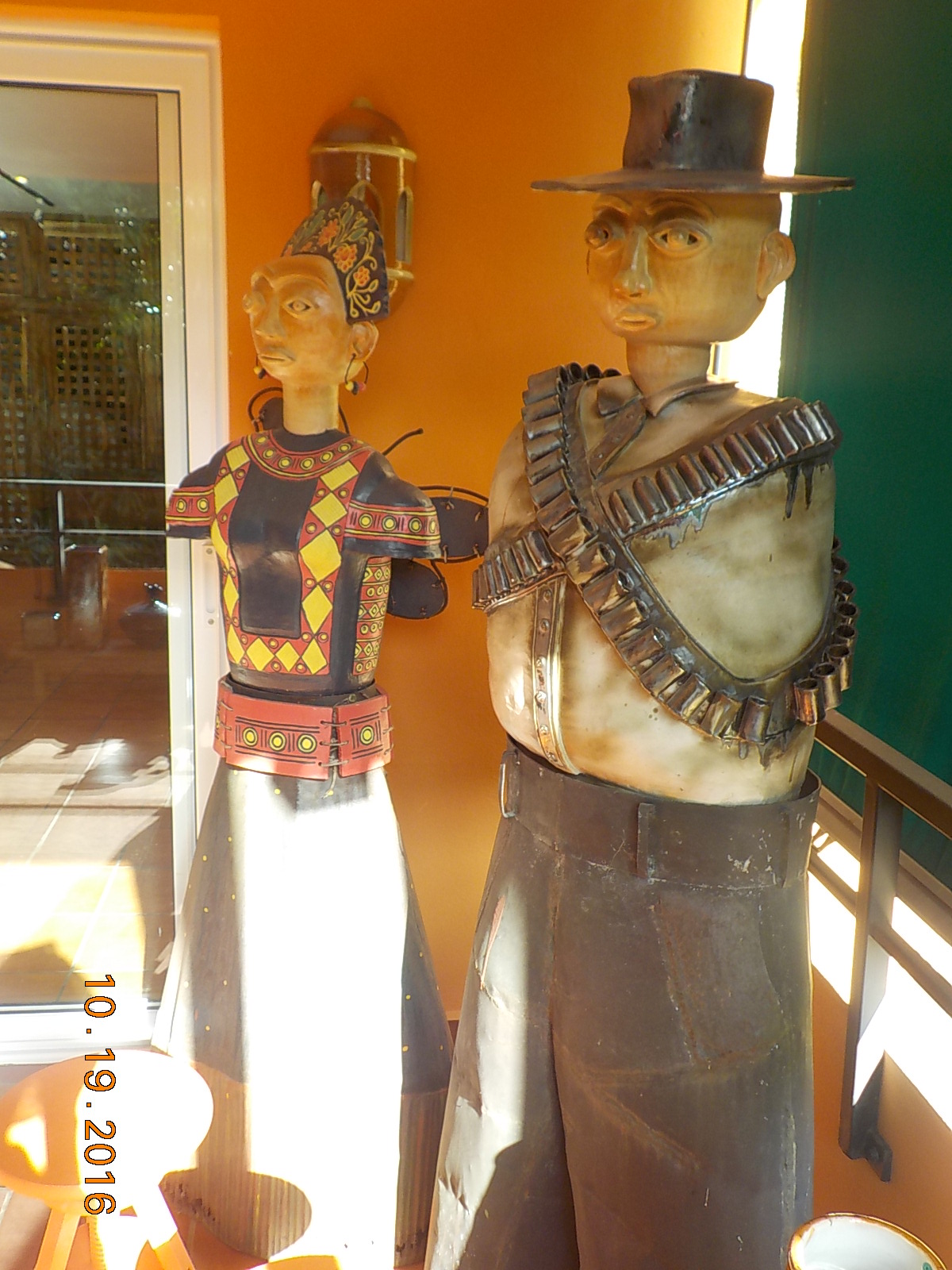
Cuba is schizophrenic right now. Some items are inexpensive, such as souvenirs at the many kiosks around interesting sites and in downtown areas like Old Havana or Trinidad. Souvenirs purchased during visits to artist’s studios are enormously overpriced and rely on captive tour groups to purchase them before they find out that you can purchase a similar item for 2/3 less elsewhere. Art purchased from studios also varies wildly in quality and price. Artists who have been “discovered” by the outside world ask high prices, while undiscovered artists have more modest prices.
We visited a gallery where the artist recently returned from a successful show in Minneapolis and tripled his prices. He is still selling and his work is very skilled—can we begrudge him this good fortune? Beware the artist who has merely tripled his prices without displaying commensurate skill!
Money
Cuba has an unattractive exchange rate. Each Cuban convertible peso (or “kook”) costs US$1 plus 13%, or US $1.13=CUC $1. There is no legal alternative to this exchange rate and it seemed unwise to inquire about a black market of currency. Cuba also has a currency called the Cuban peso (or CUP) that is not technically available to foreigners. US $1= CUP 23. A foreigner can possess this currency but it cannot be used in most places tourists visit. These CUP can be used in some stores and ice cream parlors where subsidized goods are sold. Thus nine of us ate ice cream one evening for CUP 24.50 or slightly more than US $1. We didn’t realize that the ice cream place only took CUP when we went in and we were amazed by the price (Our Cuban guide came along and paid our bill). On the other hand, there was only one flavor. Everyone in Cuba receives a ration book for highly subsidized food products each month with prices payable in CUP. That effectively eliminates hunger in Cuba because everyone gets rice, beans, oil, coffee, sugar and a few other things at minimal cost. There is probably a lively black market in these items, but our tour guides didn’t discuss it.
….and Tipping
An unanticipated outcome of the currency system is that tipping itself is a major industry in Cuba. We were told that a typical salary in Cuba is US $20 per month, or 460 CUP. A US $1/1 CUC tip therefore amounts to 5% of a regular Cuban salary and consequently even the woman who tends a restroom and receives twenty-five cents CUC per person has the potential to make far more money than a person at a salaried job. Restroom attendants clear away all the small change and leave 1 CUC coins in their little dish so that if you are confused about the cost of a pit stop you can feel free to leave them a dollar/CUC.
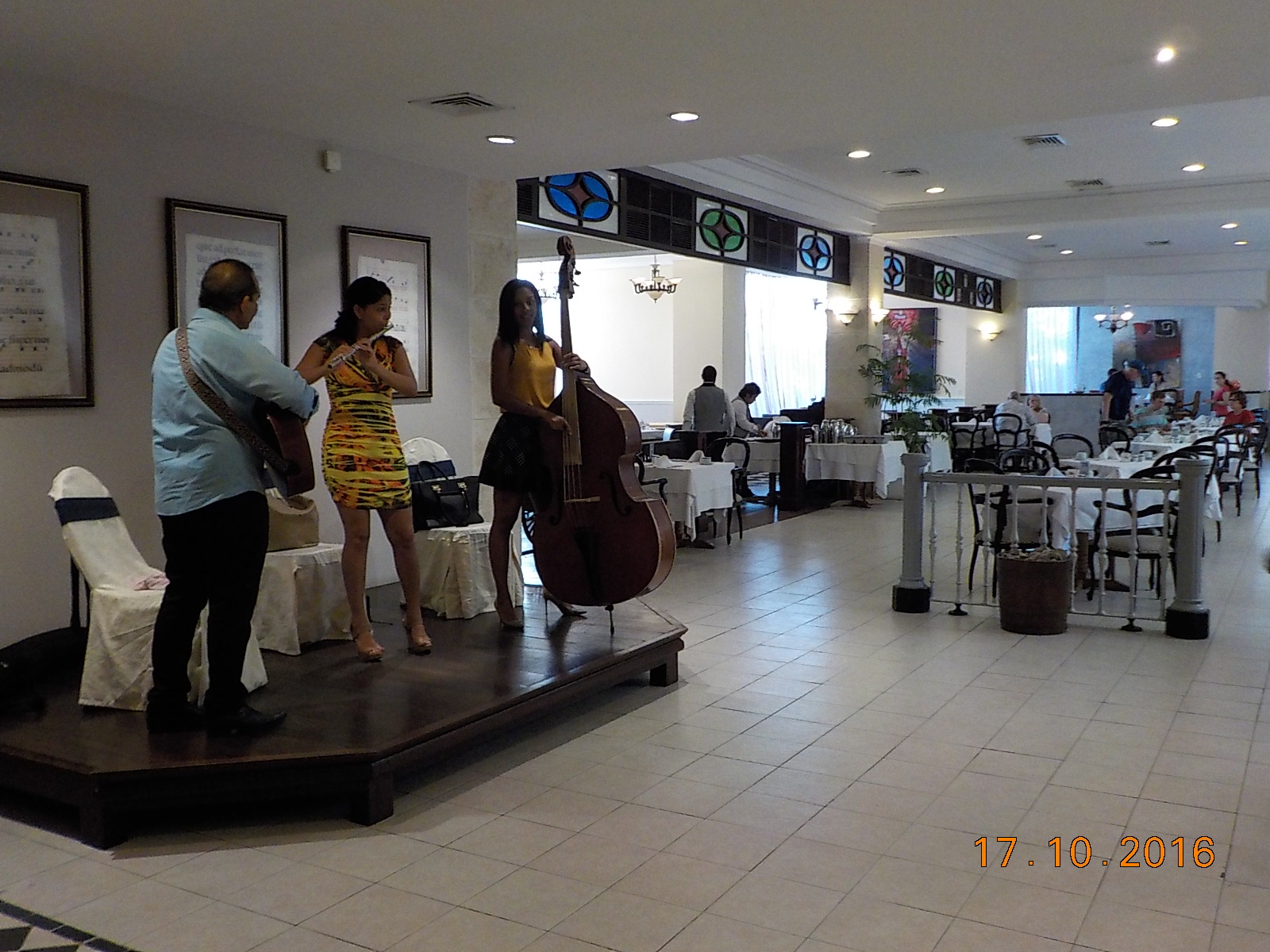
Music at Breakfast–don’t forget to tip.
There were also musicians everywhere, in the street, at every site, at every restaurant, even at the hotel’s breakfast buffet! Musicians offer you the opportunity to purchase a CD for about 8 CUC, or to give them a tip.
Everyone would like a tip. Normalizing relations with the outside world will require some difficult changes to the monetary system. NB: Our local tour guide had been a teacher, but realized that his income would be far greater as a guide. Cuba has a really admirable history of teaching everyone to read and write, as well as providing excellent low cost health care. Can this be sustained when all the teachers and doctors realize that they can earn a lot more money as restroom attendants, waiters and tour guides?
If you are NOT a US Citizen
Go to Cuba—now—prices are only going up. Head to the beach spot of your choice and any side trips you want based on your own interests. In addition to the civic orchestra that plays community concerts twice a month in Trinidad, I enjoyed visiting Hemingway’s house outside Havana, and Carlos Fuster’s crazily mosaic-covered fantasyland and studio. The show at the Tropicana was also a lot of fun (skip the dinner). You might want to take a ride in a vintage convertible. Have a great time.
US Citizens
Was our trip to Cuba wonderful? Should you book a trip to Cuba right away, “before it all changes?”
Whoa.
There are things to consider before you rush off to Cuba. The most important issue applies only to US citizens. You cannot go to Cuba for a beach vacation until the embargo is lifted. If you’re thinking of a week or two in the sun, forget it. US citizens must go on a “culturally meaningful people-to-people exchange” program. We had a good time, but only had one noontime opportunity to swim in the gorgeous warm Caribbean water.
We did have the chance to visit a polyclinic, listen to the adult choir at a geriatric center, visit an animation studio for a short film, and see the Bay of Pigs museum for the Cuban side of the story. We saw a wood carver’s studio, a print studio, and a ceramicist’s studio. We heard the civic orchestra in Trinidad, and they turned out to be a passionate, wonderfully skilled group of eight professional musicians who filled a concert hall all by themselves. They even had a handsome young violist as spokesperson. Cuba was interesting and surprising, but not relaxing, because the US doesn’t allow it, yet.
You should book your tour to Cuba if you are avidly interested in a) the history of Cuba’s wars of independence, the Cold War and the Bay of Pigs, or b) Cuban baseball, or c) automobiles from the 1950s that survive in Cuba (approx. model years 1947-1961). Otherwise, I suggest you wait until the US embargo is lifted, possibly in 2017. (It didn’t get lifted). Then book yourself a beach vacation, whether at a resort in Varadero or an AirBnB anywhere, and enjoy sitting in the sun and staring at the impossibly beautiful water, because the ocean is one of Cuba’s greatest resources. It’s worth waiting for.
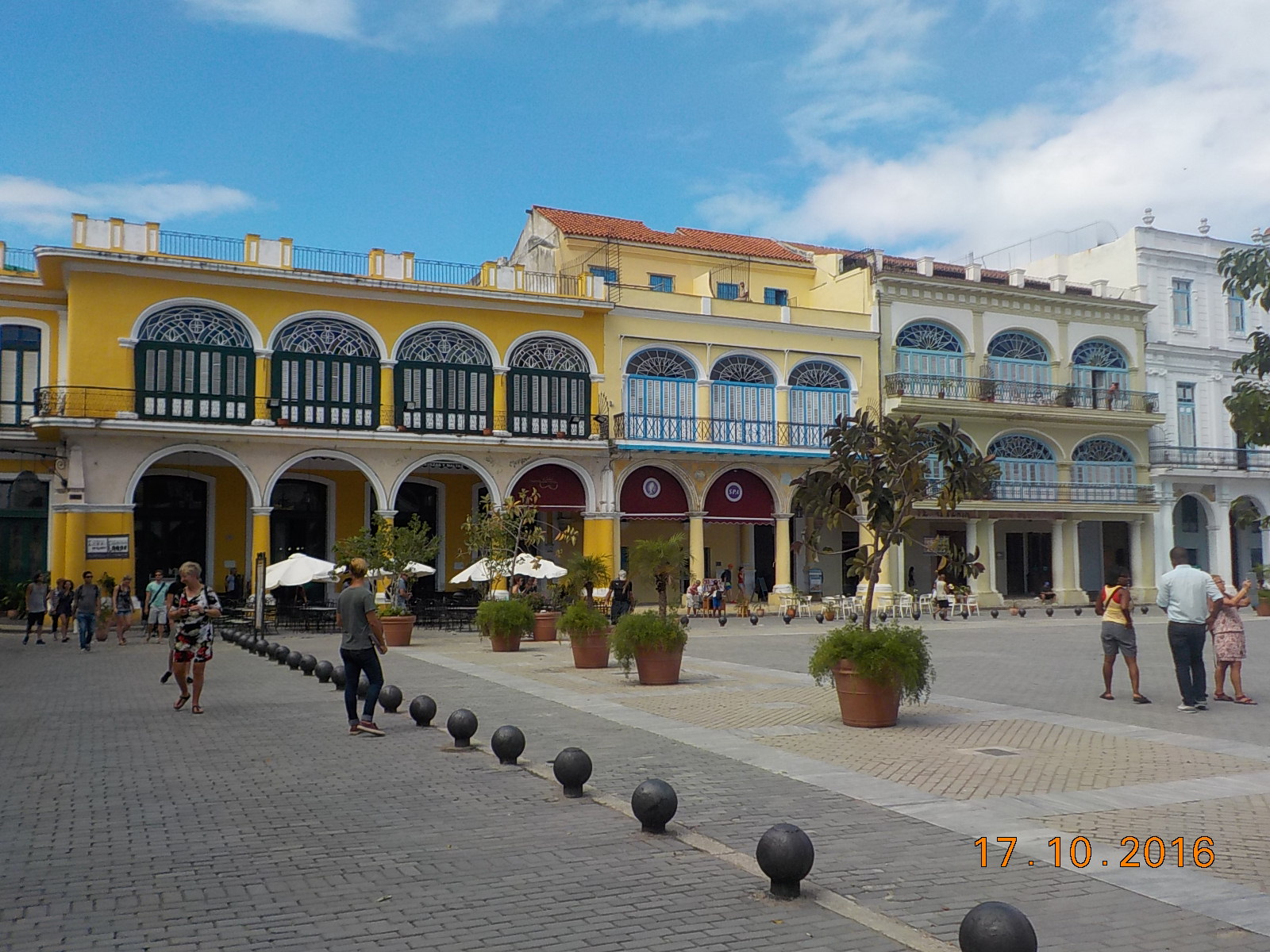
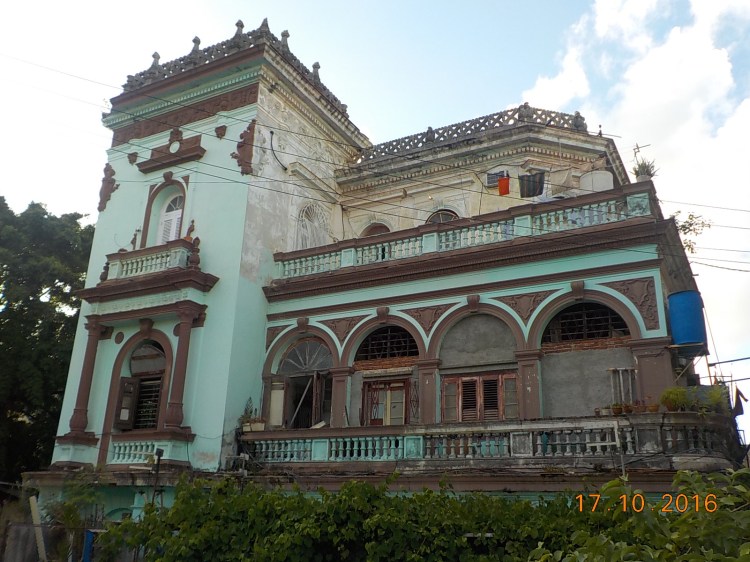
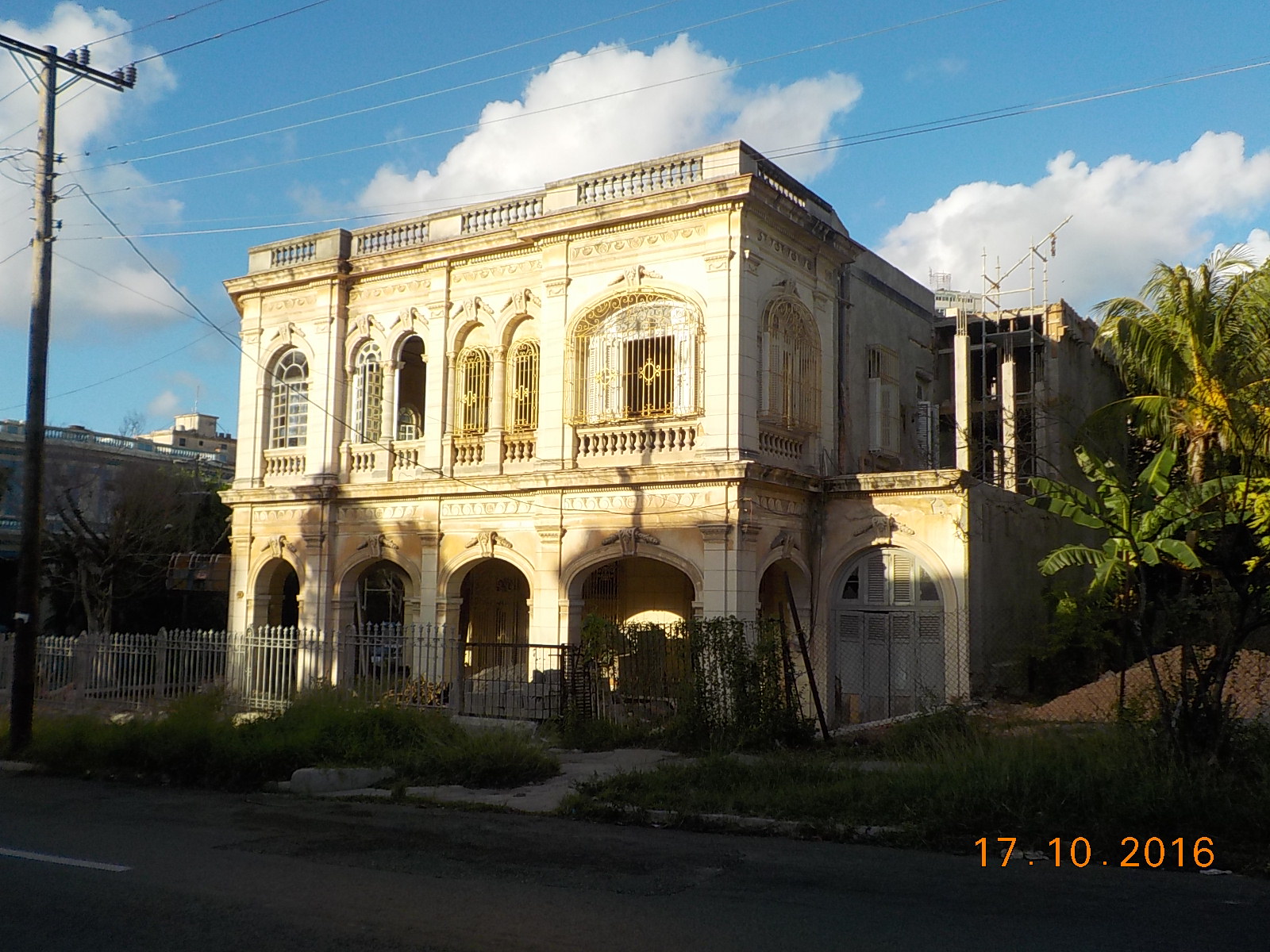
I’d like to begin by discussing the really ancient architecture of Cuba, but we didn’t get to any archaeological sites apart from the footings of a few colonial-era walls that have been cleared in Old Havana. Archaeological work in Havana is directed by the city Historian, who seems to be in charge of a lot of the cultural entities. The oldest surviving structures easily visible are the forts around Havana.There are many graceful old buildings in Havana that mostly date to the 19th century. Condition varies and our guides tell us there have been times when people could not afford any repairs or even paint. That situation is changing.
Much of Old Havana is being repaired and renovated (left).
In other neighborhoods the renovated buildings are interspersed with buildings in need of a facelift (right).
Some places have a lot of character even though they are in need of work (above).
This building is just starting the renovation process. In the photo below, you can see the canopy of the entryway (left side of the upper photo). The glass panels are a traditional decorative technique.
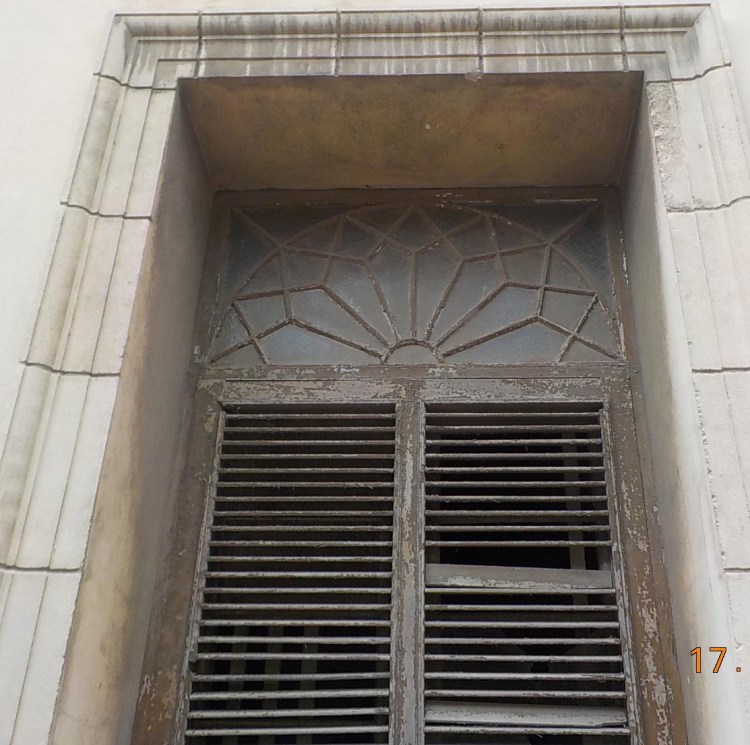
Fanlights of colored or painted glass were used frequently. Some are stained glass, but many panels of glass are held together with narrow strips of wood.
Fanlight without illumination.
Lighted from behind
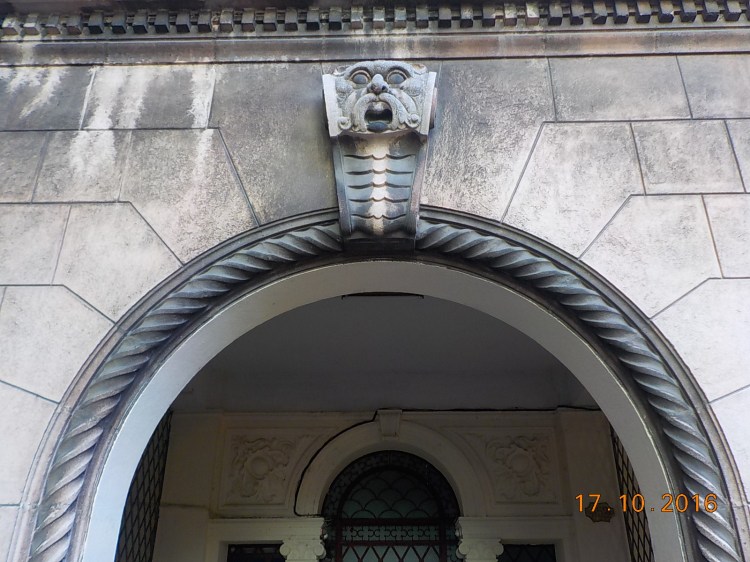
There are some great details:
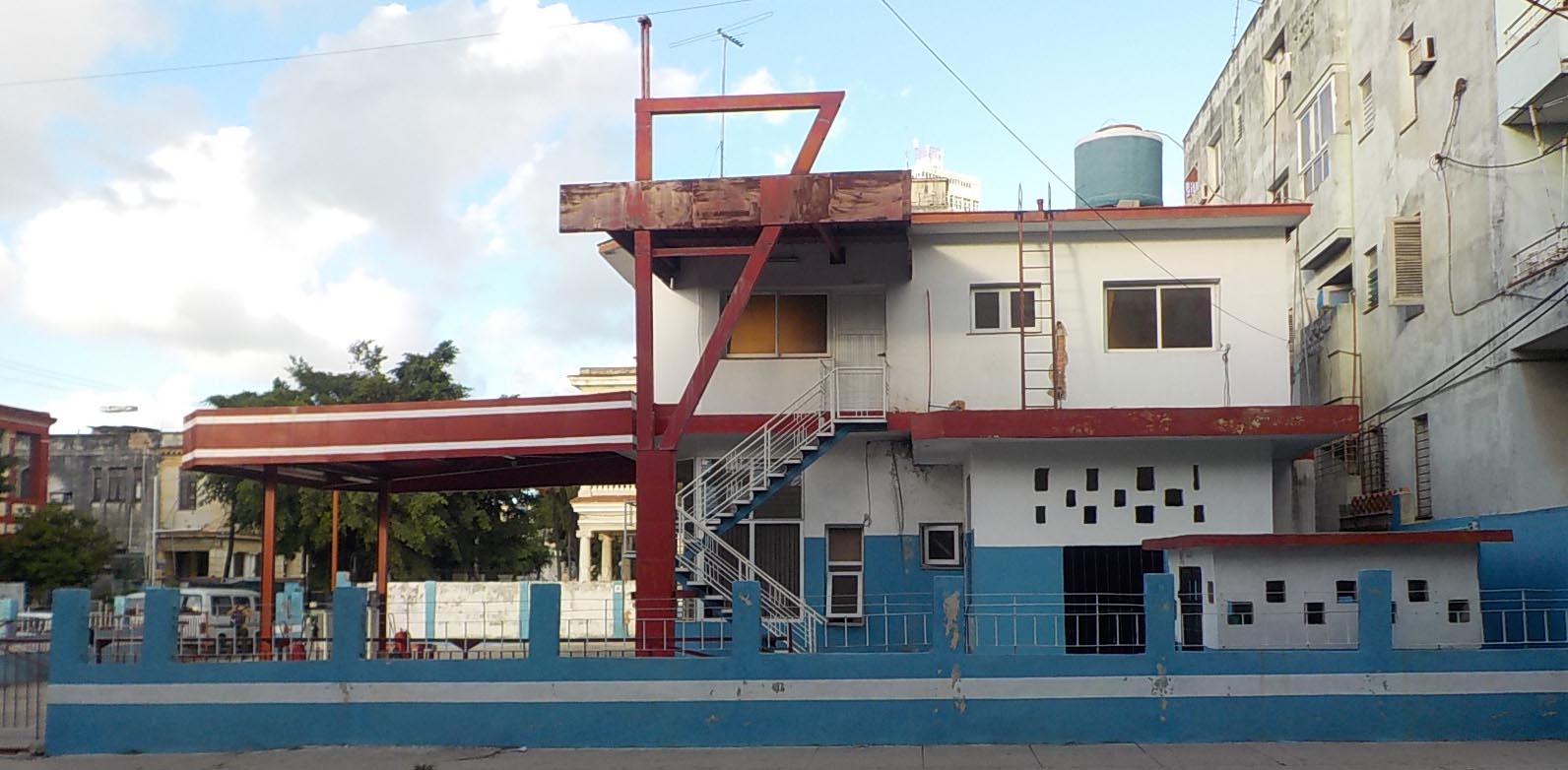
In addition to architecture that comes from the colonial tradition, there is some newer work that shows off the versatility of cement. I believe these were mostly built in the 60s and 70s.
There are not many of these “space age” buildings. My overall impression of Cuba was of graceful buildings in many places and lots of interesting architecture to look at.
Not knowing much about vintage cars, I figured out that the models you see in Cuba range from about 1947-1961. Some are beautifully restored, others less so. It is fun to look at them, like being on a movie set. Here is a slideshow of the ones I managed to photograph. I was unable to get a good photo of a motorcycle and side car with its passengers, or the motor scooter with dad driving, mom on the back and a baby squashed between the two (Mom and dad wear helmets). There are also cargo trucks that have been turned into buses, horse drawn buses that hold eight passengers, and bicycles, though we were told that people got so tired of going by bicycle during the 1990s (The Special Period), that they don’t like them much anymore.
Actually getting to Cuba is the first part of the tour’s adventure, as it turns out. We met our group the night before departure and they proved to be a congenial bunch.
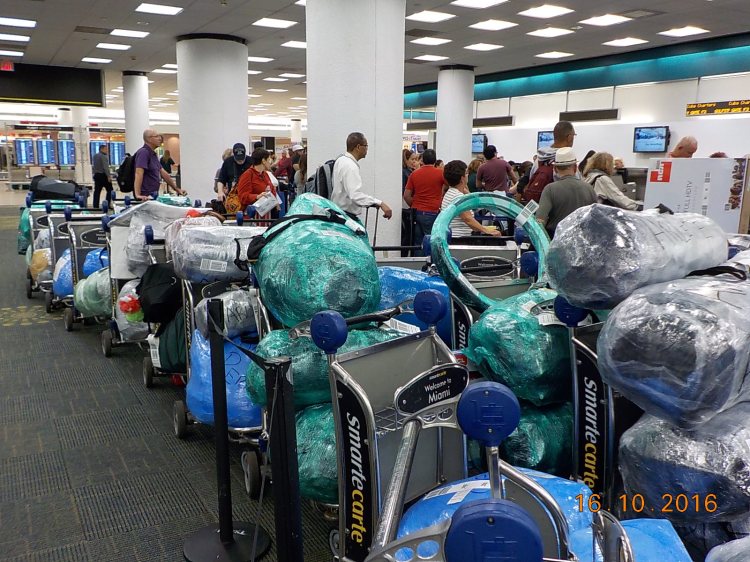
We had to be at the airport three hours ahead of time (boring), but we saw the array of goods that people take to Cuba. We later heard that every Cuban who visits the US may take two televisions back with them each year, and we saw clear evidence of this in the Miami airport….55 inch screens seemed to be popular. Despite our tour company suggesting we bring a 22 lb bag, we found the luggage limit for travel to Cuba is three 70 lb checked bags. People definitely were aware of this option.
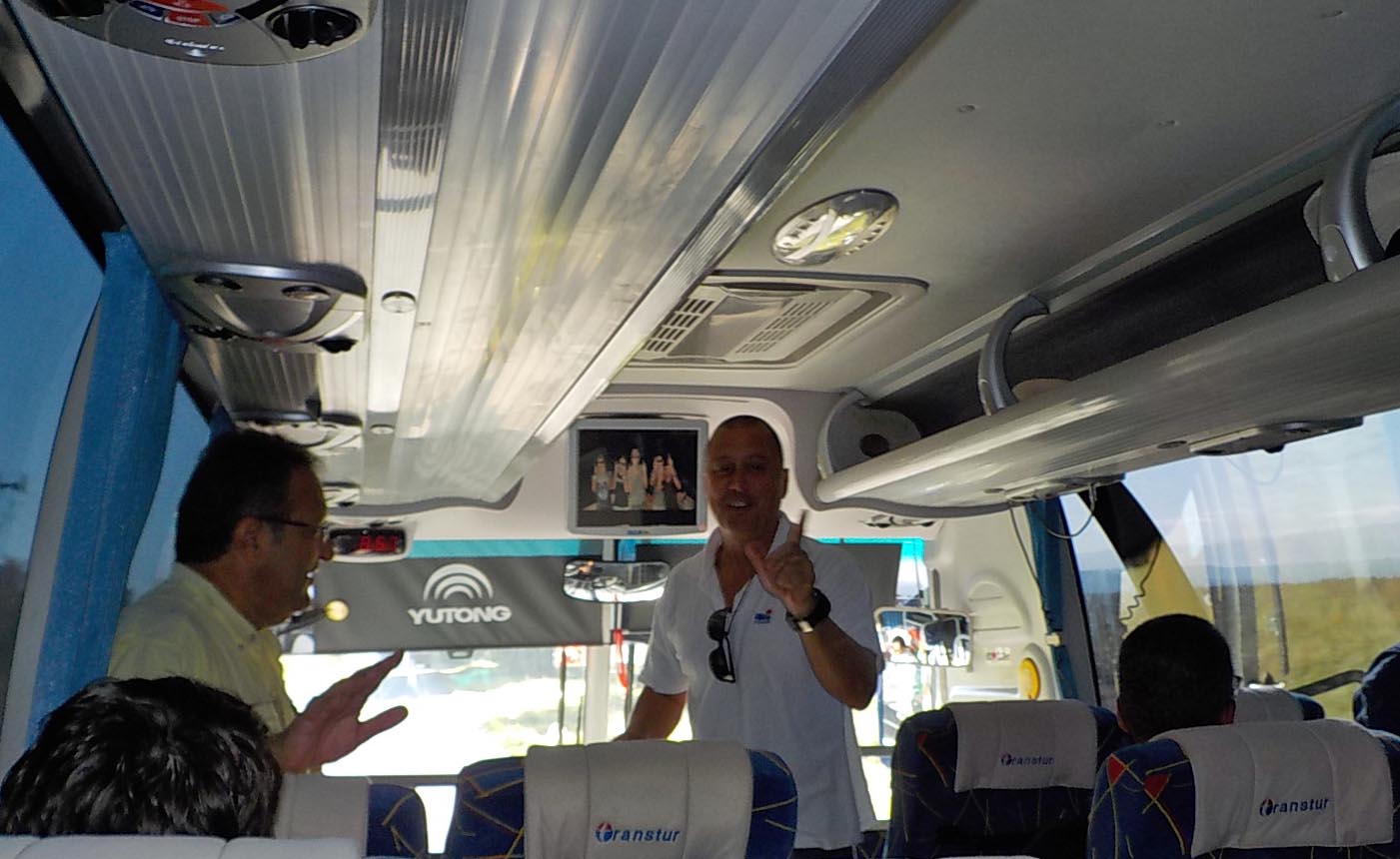
Marlon sings karaoke with “Bailando” on the bus.
We traveled with Insight Cuba, on their Classic Cuba tour. Our logistics person was Alfredo from Costa Rica, and our local guide was Marlon. Our driver was Manuel. The team was excellent. The tour ran smoothly, there was daily communication about plans and any changes being made. They handled all issues and Marlon is full of Cuba content. As a former teacher, he knows what life is like in Cuba for most people, and he was diplomatic about issues of politics and race.
Though a lot of waiting was involved, we got to Cuba pretty painlessly and no one in our group was stopped or inspected with any particular scrutiny.
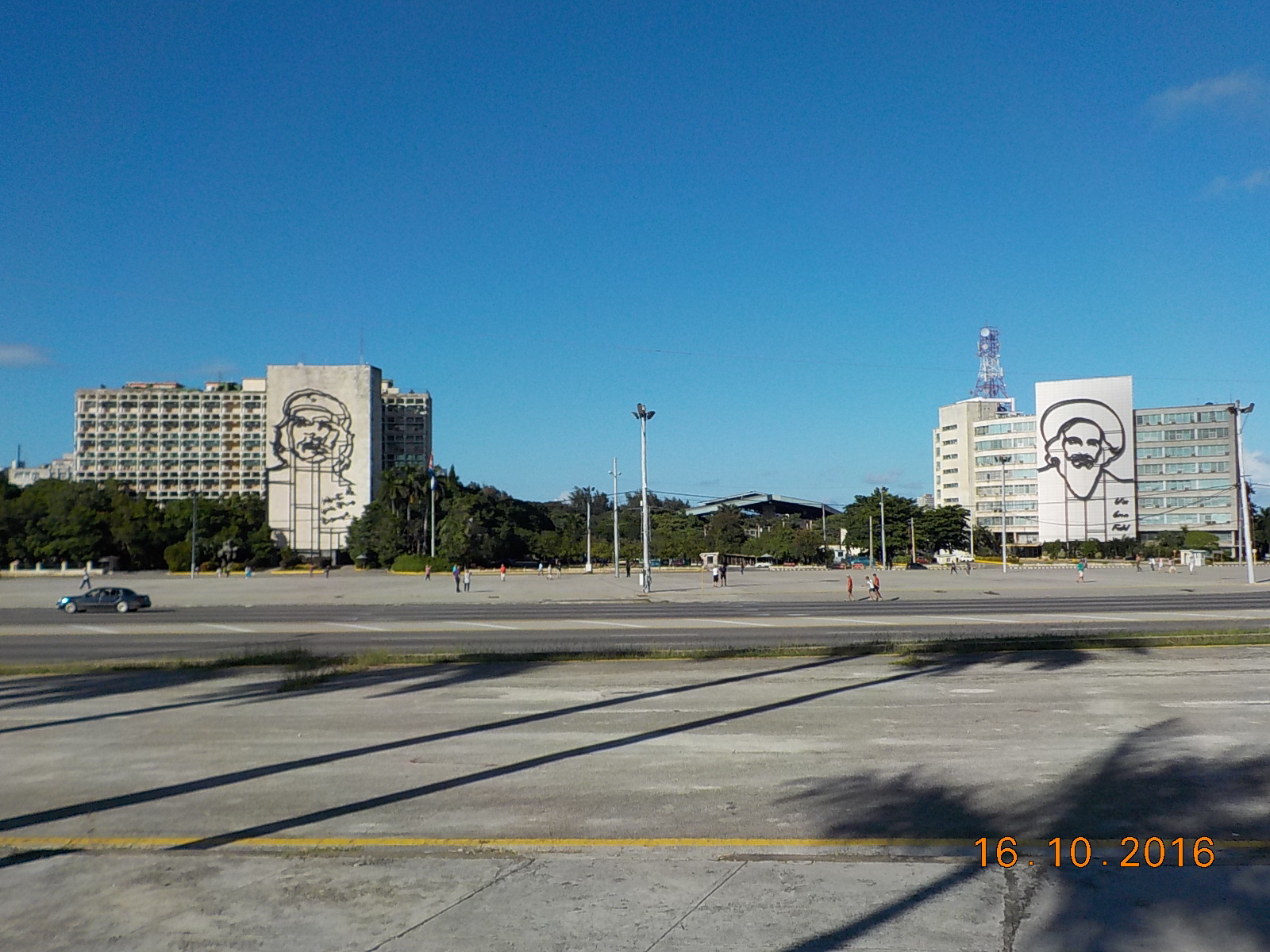
We visited Revolution Square in Havana on our way in, and I found it much bigger and less park-like than I expected. The iron faces of heroes were impressive.
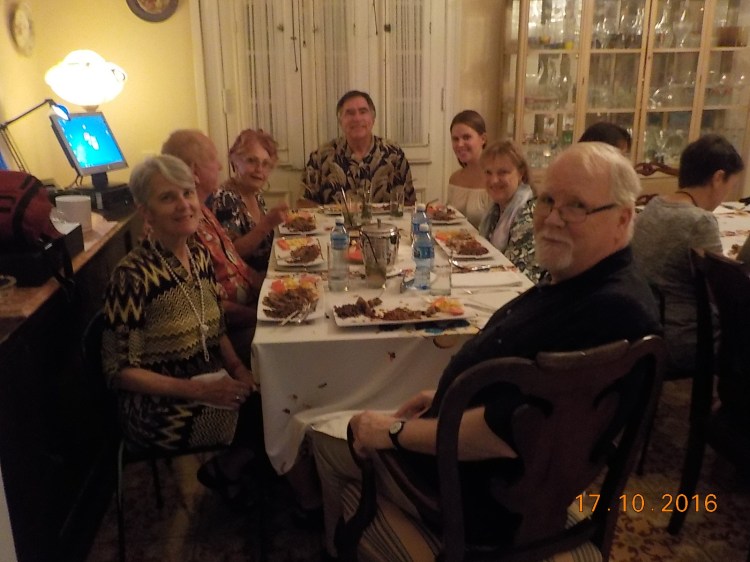
We had a welcome dinner at Los Naranjos, one of Cuba’s paladares, privately owned restaurants that began in homes, though many are now full-fledged restaurants with room for tens of diners.
We heard a lecture on architecture, visited Old Havana and a center for elderly people who sang us a song and were charming to chat with for a few minutes.
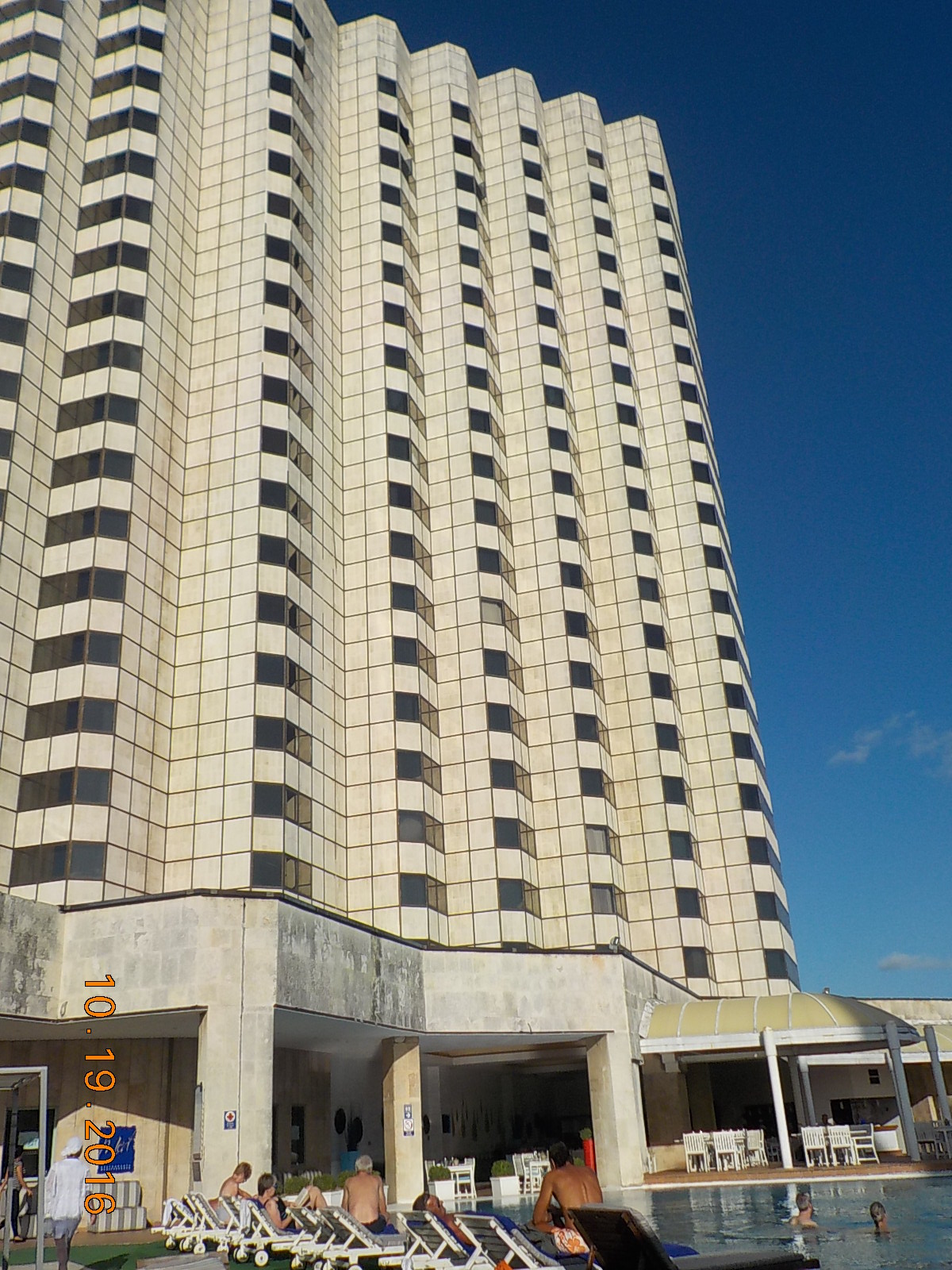
I managed a swim in the hotel pool at the end of the day before we left for dinner. The next day we went to the market, where we tried to purchase food for an entire meal with 1 CUC (US $1.13). It was possible, but not easy (no meat). We also visited a dance company, a museum of the great Literacy campaign of the early 1960s in Cuba, and an animation studio.
Here are my new animated friends.
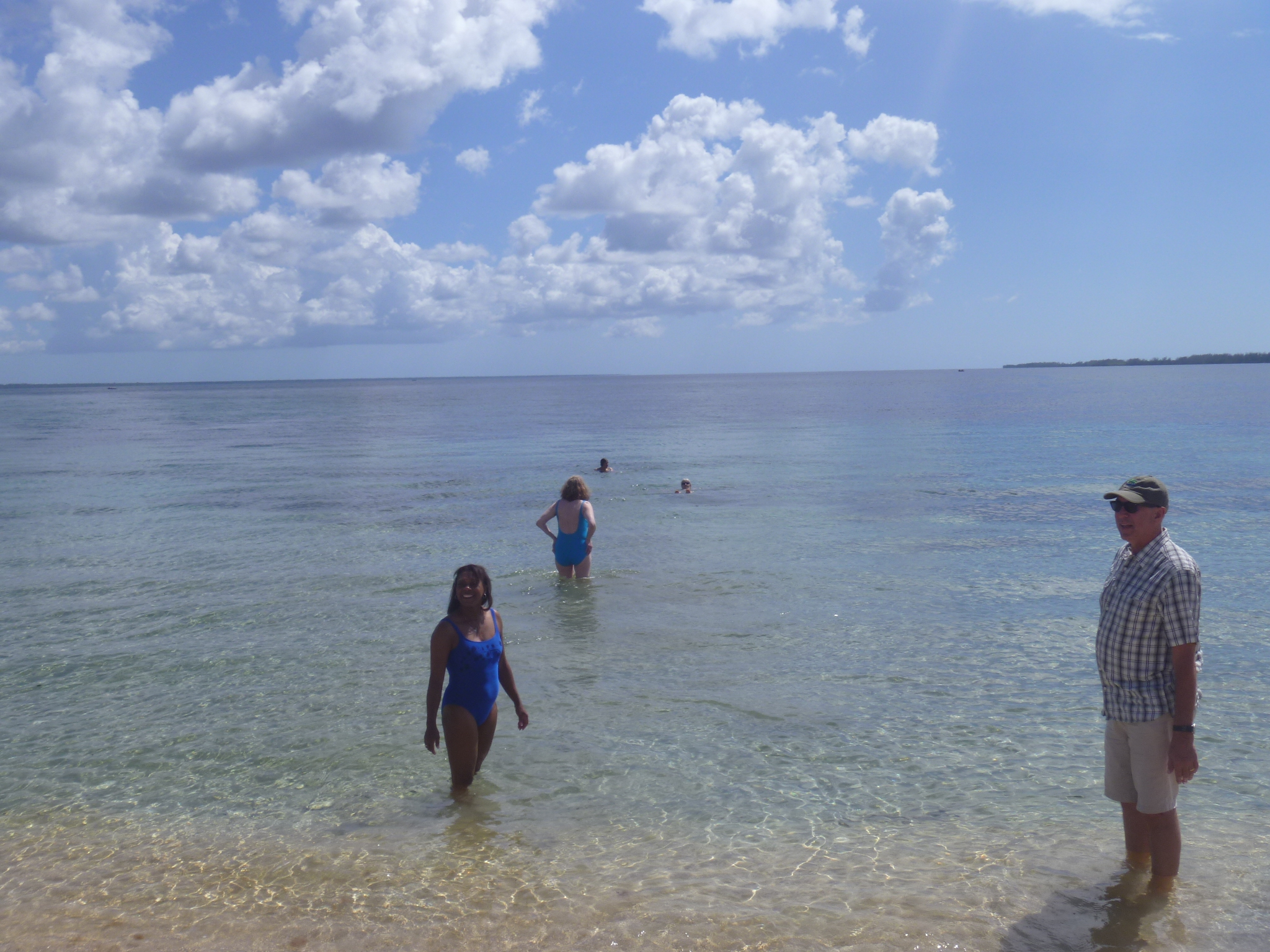
Our restaurant surroundings were lovely for lunch and dinner every day, but the lack of ripe tomatoes, fresh fruit and vegetables and the same entrée choices started to become apparent by the third day. The next day was a visit to the huge Cristobal Colon cemetery (Jose Marti is not buried there), followed by a medical clinic, and after lunch the studio of a well-known ceramic artist, Beatriz Santacana. We got on the road the next day for Cienfuegos, and stopped at the beach for lunch and an excellent talk about the national park adjacent to the Bay of Pigs. Our only swim in the Caribbean was here and it was wonderful.
This fish is a pentyptych ? (five panels) painted bas relief.
I was ready to sit under an umbrella all afternoon, but it was not to be. We were due to stop at the museum that tells the Cuban story of the Bay of Pigs and move on to our stay at “casas particulares” private home B&Bs in Cienfuegos. Jonathan and I had a room that was pretty basic, but the air conditioning worked. The public areas of the house were very pretty and airy, though we had little time to sit with our feet up. The next day we visited Trinidad, a town preserved by a big economic slump during most of the 20th century. There we walked on the old cobblestone streets, visited the architecture museum, met with a priest of Santeria, and saw the studio of a very creative woodcarver, who began using old cabinet doors as the material for his bas-relief portraits when artists materials were scarce during the 1990s and beyond. I think everyone slept on the bus back to Cienfuegos.
The next morning we were back on the bus, first visiting a printer’s studio that specializes in wood block and linoleum prints. I did buy an eight-color lino print that I like a lot. Later I found out that most of the people who work there are not paid but live off their government ration cards and what they make from selling prints.
We next heard the Cienfuegos Municipal Orchestra play and they were wonderful, full of energy, as well as very good. There are eight musicians and all teach in the local art school as well as performing concerts twice each month.
From the orchestra we headed back to Havana, stopping only for sandwiches on bread shaped like a Cuban crocodile.
Before arriving at the hotel, we stopped at Hemingway’s house outside Havana. The man knew how to live. The house is comfortable and airy, with a big pool and beautiful gardens surrounding it. Decor is heavy on dead animals, but we knew he was a big-game hunter. The cape buffalo head is pretty massive and would be a bit strange presiding over a cocktail party.
This was our final full day in Cuba, so we celebrated by going to the famous Tropicana nightclub show. Dinner began at 8:30pm and the show started at 10. The dinner was utterly uninspired, but by purchasing it on top of our admission fee we qualified for good seats by the stage.
Great singers
The Finale
Dancers
Chandelier headdresses…
We rode home with our heads full of the colorful frenetic dancing. But that wasn’t the end. The next morning we made one last stop at the fanciful compound of artist Carlos Fuster, who has developed a project to cover his home and neighborhood with mosaics. It looks a bit like Gaudi’s mosaics in Parque Guell in Barcelona, doesn’t it?
We decided on a group photo in front of one of the community-made mosaics by Casa Fuster. Then we said goodbye to Cuba.Our week in Cuba is a bit compressed because I was unable to get internet access and had to wait and post when we returned. Still to come are my posts on vintage American cars in Cuba and Cuban architecture. Last but far from least will be my opinionated “Good Things to Know About Cuba.”
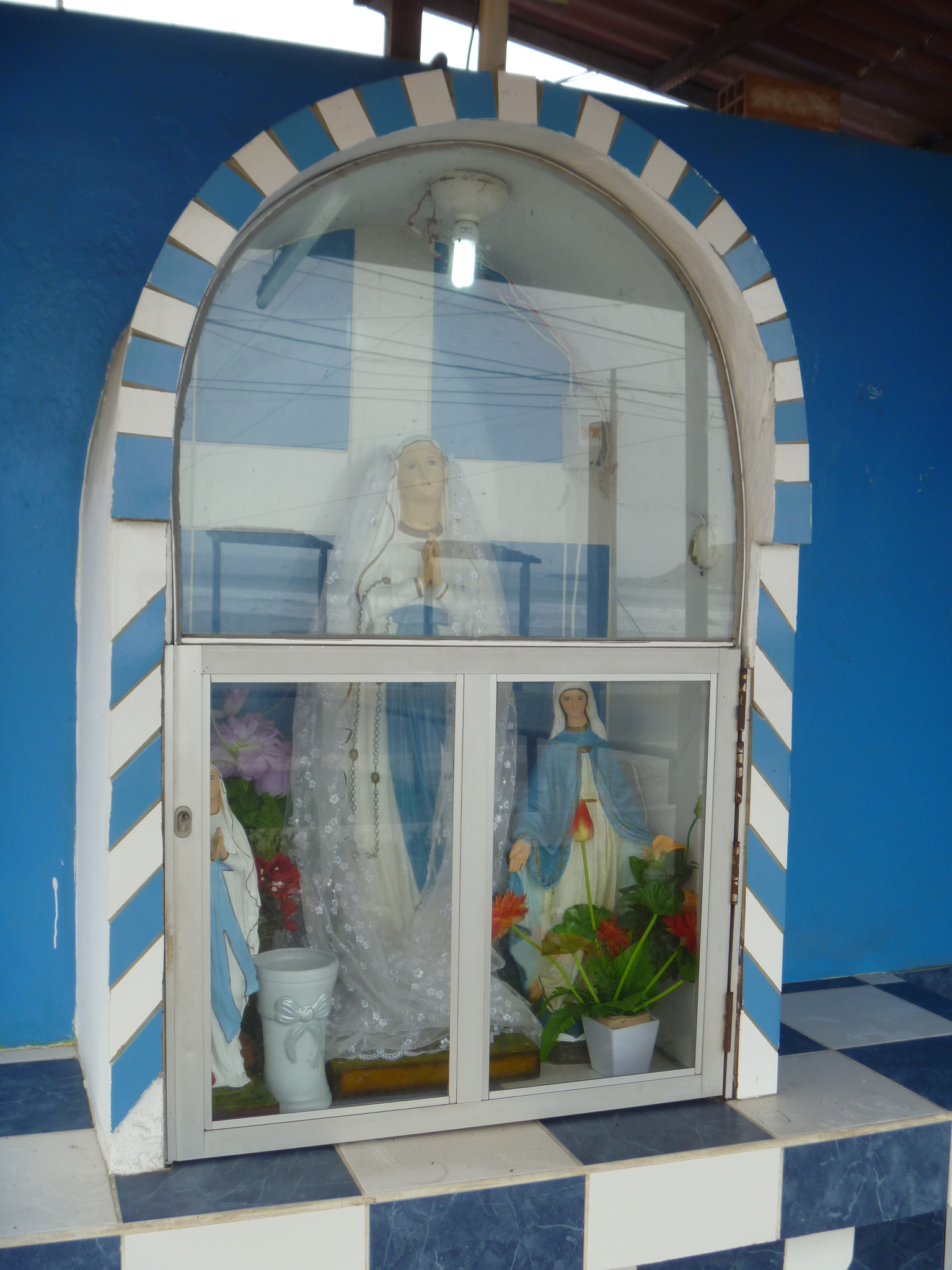 Just down the street from our house is a shrine to Our Lady of Lourdes that is maintained by a group of women who hold an annual celebration in her honor. The original shrine is up on a hillside overlooking the beach. When some of the members found it difficult to walk up to it, the group conducted a fundraising campaign to build a building on a small patch of land that they got the city to donate. The shrine is maintained by a group of women that seems to include almost everyone on the beach. The responsibility for organizing the annual feast day celebrations rotates among members.
 Another Virgin presides over the market. She seems to be ready for the season.
 Our region also celebrates a number of saints. Every town has a roadside shrine or two. There is national veneration of Senor de los Milagros, a mural that survived an earthquake in 1655 when all the walls around it fell. The procession through the center of Lima honoring this image is said to be the largest in the world.
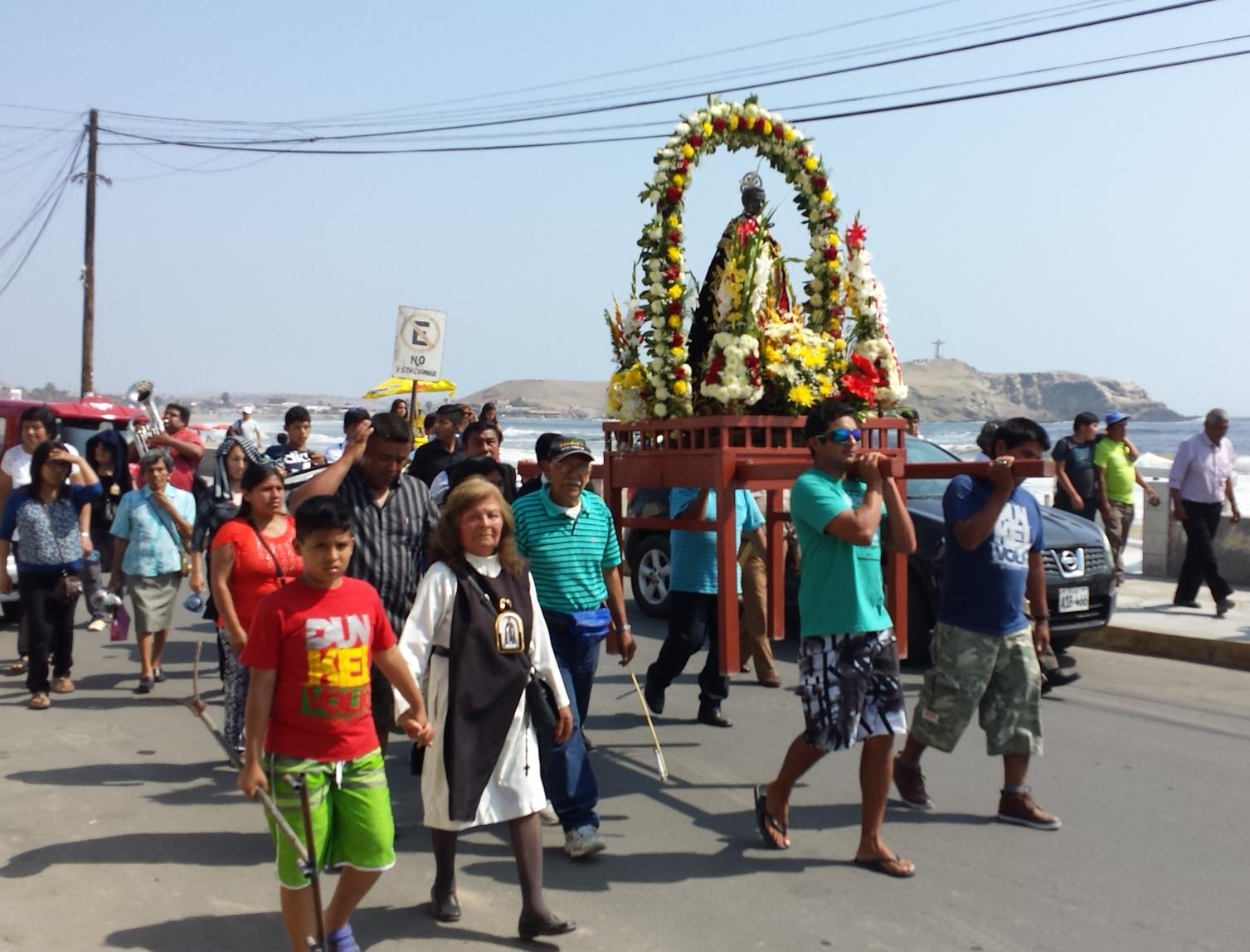 In addition to Saint Martin, there is Saint Rose of Lima, Saints Peter and Paul patron saints of fishermen, and the Virgen del Carmen, called the Perpetual Mayoress of Lima. Each of these elicits processions, vigils, and sometimes festivals up to a week long. This is a largely secular society, but there is still a lot of faith.


























 Llywindatravels 2025