Arriving on Peggy’s on a Tuesday evening, I was already infectious with Covid, though I didn’t know it. I was there to tackle our storage unit and getting it moved west. The next day we had lunch on the outdoor terrace of a local restaurant, and went to our AAUW branch meeting in the evening. The following morning, on my way home from meeting with a mover’s rep at our unit, I noticed a funny feeling in my chest. That afternoon I took a Covid test, and it was positive.
I felt progressively worse for the rest of the day, my nose ran, my eyes were puffy, I felt feverish and congested. I went to bed. With nothing to do for the five days until I could test again, I rested. Fortunately, Peggy wasn’t sick, and plied me with food and drink. She notified our branch president of my illness. No word yet on who may have become ill.
At the end of my second full day of quarantine, Peggy woke up with Covid. She was hoarse, coughing, and felt sick. She went back to bed. Every day a different symptom has come and gone. Stuffiness, headache, runny nose, chest tightness. On day four I still have some sore throat and cough, but even those are abating. We spend each day alternating between reading in bed and reading in Peggy’s two recliners, one on each side of the living room. In the evening, we watch a movie, before trying to sleep. Having slept most of a rainy Sunday, I laid awake late into the night. Being awake when you want to be asleep is boring, annoying, and uncomfortable. Ask any insomniac.
Our Covid houseparty continues. Tomorrow afternoon I can test, and see whether my infectious phase is over. Fingers crossed my test will be negative.
We arrived in San Francisco, CA from Peru with four suitcases and a package holding three decorated boards from Sarhua that we brought with us as oversized/extra luggage. Though the surcharge is a lot (aprox. $235), it is far less than ground shipping. Airlines have pretty strict rules about extra baggage even with the stiff charges, and they will not accept anything that is over 115 inches (L x W x H). This limit excludes our favorite painting and our largest effigy pot. I think we will have to manage without them.
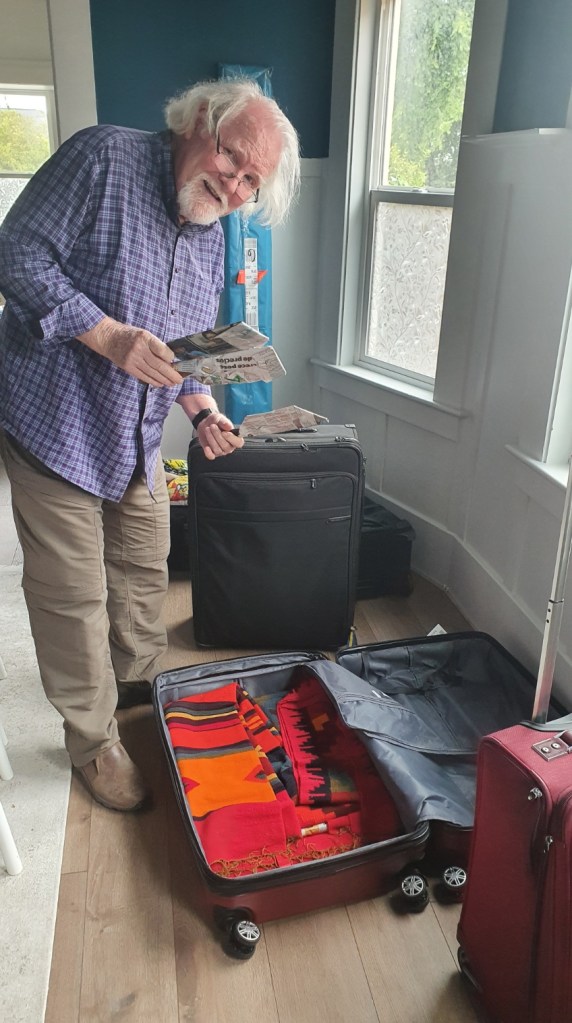
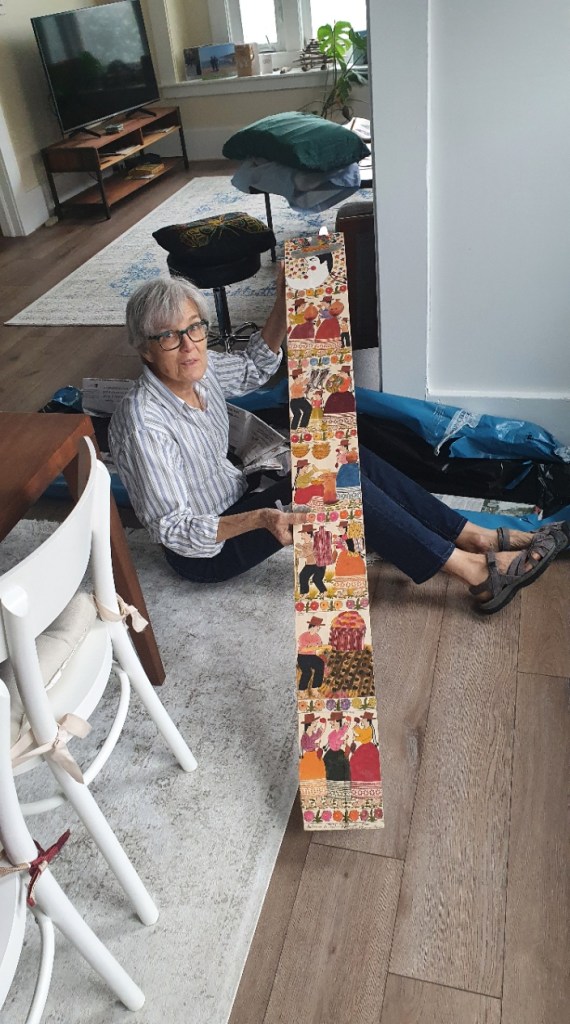
Jonathan unpacking his knives while I unwrap our Sarhua boards.
Regional airlines, even those affiliated with the largest companies, do not have to accept extra luggage, and generally refuse third checked bags (despite the fact that the airlines claim it is possible to check up to ten additional bags!). For that reason we disembarked in San Francisco and rented a car for the rest of our trip home. We do not yet own a car, and decided to keep the rental for a week in hopes of finding a Prius to purchase. All our luggage made it onto and off our flights, and safely into our large vehicle. We saw that TSA opened the package of painted boards, but taped it up thoroughly afterward.
We stayed overnight in the San Francisco area, though we were driving across the Golden Gate bridge in thick fog the next morning at 10 am. We arrived in Eureka by mid-afternoon. It felt good to walk in the door and have familiar things around us rather than another empty Airbnb. We enjoyed opening our bags and pulling out the useful and quirky things that we packed in them, setting objects around the house. By the end of the week, all was unpacked and more rearranging had taken place. There is still a “To Do” list–but isn’t there always?
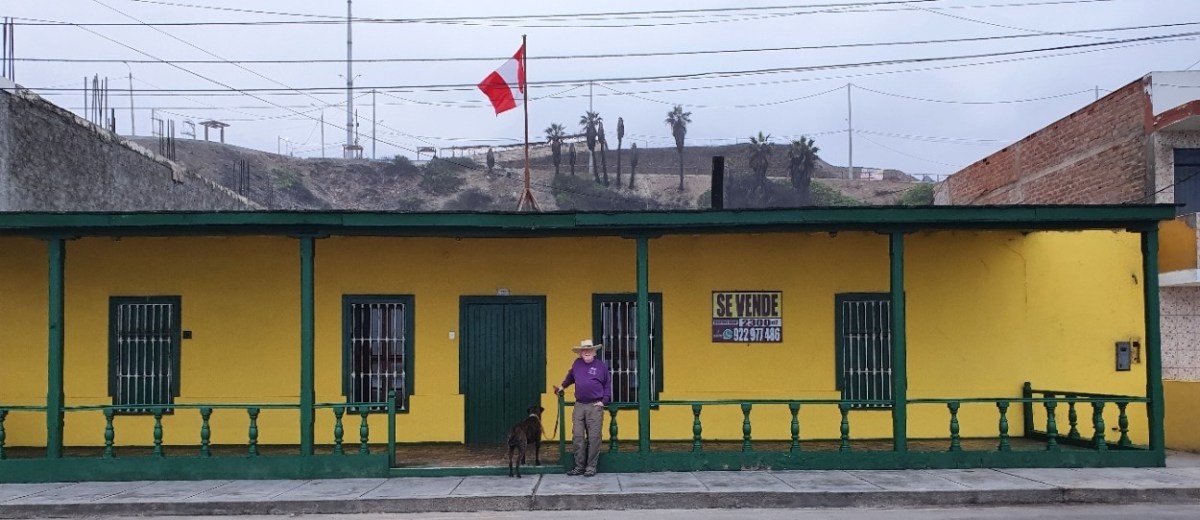
I began to notice a kind of reverse culture shock. Some of the zoning, or lack thereof, in Eureka, reminds me of the beach in Peru, where ramshackle and upscale sit cheek by jowl, though the truck with two flat front tires parked in front of our house has been repaired over the past six weeks in Eureka. It’s parked in the same spot, but now it also drives around.
We find ourselves comparing things to Peru, some positive (the beach here is cleaner), some negative (the cost of food at the market is much higher). Ironically, the weather is similar, 60s and overcast with heavy fog/light rain.
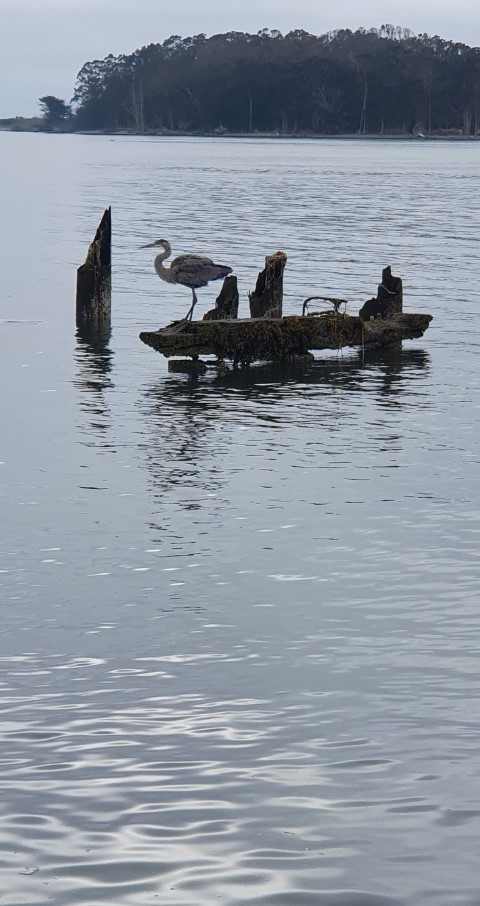
Top and L: Humboldt Bay; Bottom: Barranca, Peru
There are some sunny days now in Eureka because it is summer. When it gets to be summer in Peru, the days will be much hotter and sunnier. I have to remember we live in Eureka to avoid 100+ heat and extreme drought.
There are thrift shops and garage sales in the US, making it easy to find things we need until the contents of our storage unit arrive. In Peru, if you want something specific, you probably can’t get it, though you can usually make do. In the US, there’s Amazon, and you can have anything, any time. That’s a bit scary.
I think about little things: I guess I don’t need to carry my passport everywhere with me. Where should I store it? I can set up a home workshop for my jewelry-making: what should it look like? Do I need more tools, a dust extractor, a desk?
One of the nice things about Eureka that it shares with Barranca, is the range of people we see. Our neighbors in Peru included hacienda managers, artists, bakers, teachers, restaurant owners, taxi drivers, surfing instructors, along with families that ride the bus down from the hills on market day, wearing their best outfits, complete with women in hats encircled with plastic flowers, a signal of where they come from (the town of Pararin).
Eureka has entrepreneurs, journalists, glassblowers, artists of all sorts, lots of people with tattoos, lots of unhoused people who camp wherever they can, college students, and people with regular jobs, like ranchers, lawyers, doctors, and water quality specialists. We like the diversity of people.
Right now, I have no one to speak Spanish with. In the US, Spanish speakers are sometimes insulted to be spoken to in Spanish. If they don’t speak any English it’s ok, but how can I tell? My elderly friends in Peru don’t use much internet, and their postal service is broken. I need to figure out how to send them messages. I’ll work on my Whatsapp skills.
Little by little, we’ll settle in and get used to our new town.
We’re heading back to the US after what is probably our penultimate trip to Peru. Somehow twenty years has gone by since we settled in the beachside neighborhood of Barranca. As we leave, I hold on to my memories and stories from the neighborhood.
When we first visited, the house had been empty for three years. It was owned by San Antonio, a big fish processing company in nearby Supe, as a residence for the plant manager. After a number of years in the house, the manager’s family moved to Lima for the children to attend high school, and the manager decided to live in an apartment close to the plant. We believe he imagined moving back into the house when he retired, so it sat empty. When we visited, it seemed the caretaker rarely entered the front rooms. They were dark and empty, with a single light bulb dangling from a cord in the center of each room. From the almost palpable gloom, he invited us to the back yard, where we stood blinking. It was full of palm trees, flowers, and birds. He told us there had been three full-time gardeners.
During the early days, when the house was still largely empty, Fernando, the caretaker, asked whether we were afraid of ghosts, as the ghost of a small woman dressed in white appeared in one of the front rooms. We dismissed the idea, but the story stuck, and once we had enough beds made and blankets purchased, our field crew moved in and we got to work. Back from our field site one afternoon, the three young men who slept in the front corner room rushed out. One of them felt the ghost!
He laid down for a short nap, and after a while someone sat down beside him. He assumed it was one of his roommates, and heard some low murmuring, but couldn’t understand what was being said, so he opened his eyes, and…..No one was there! He was sure it was the ghost, and swore the mattress had compressed where the phantom sat. He took harassment ever after about it.
Humidity and Salt
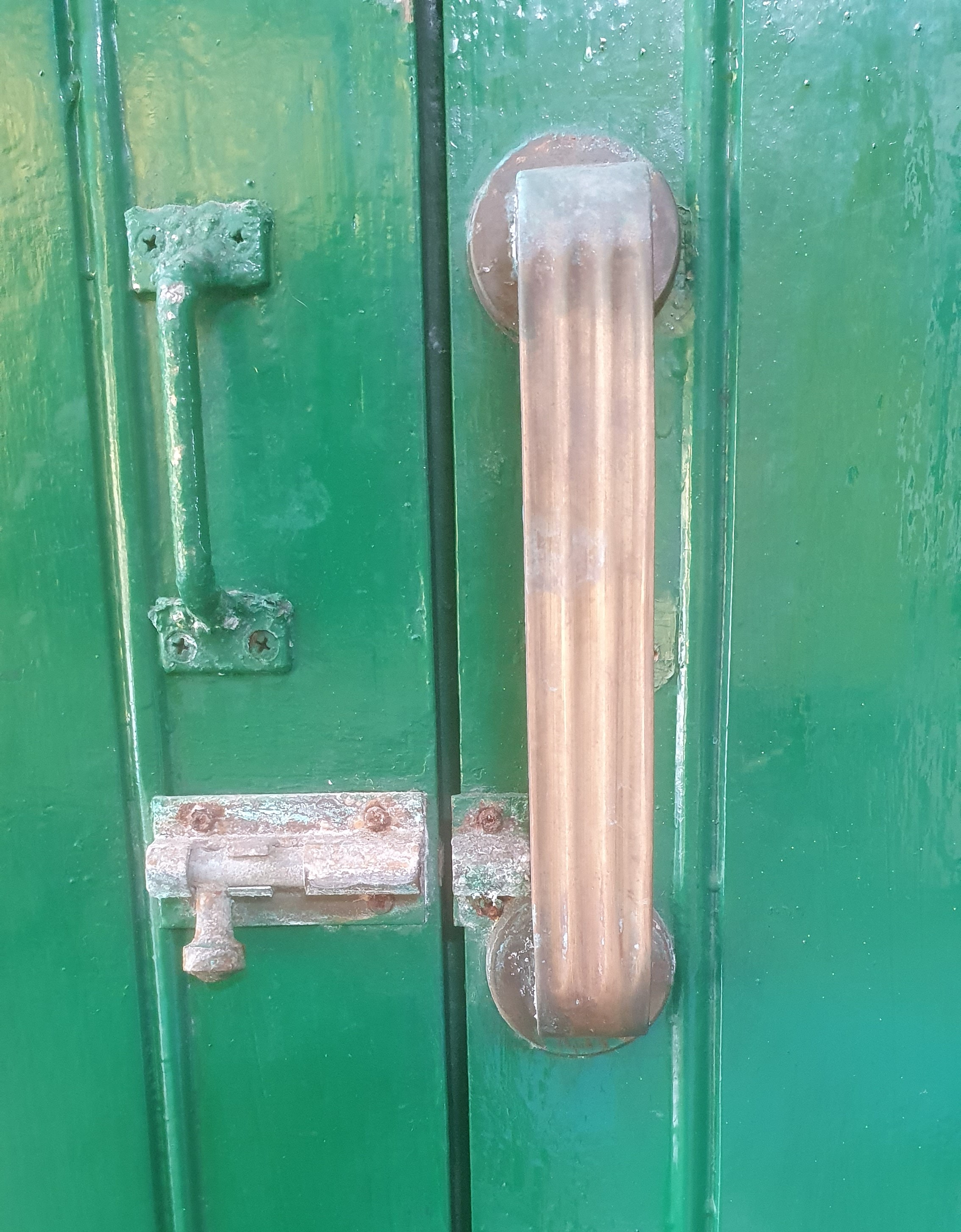
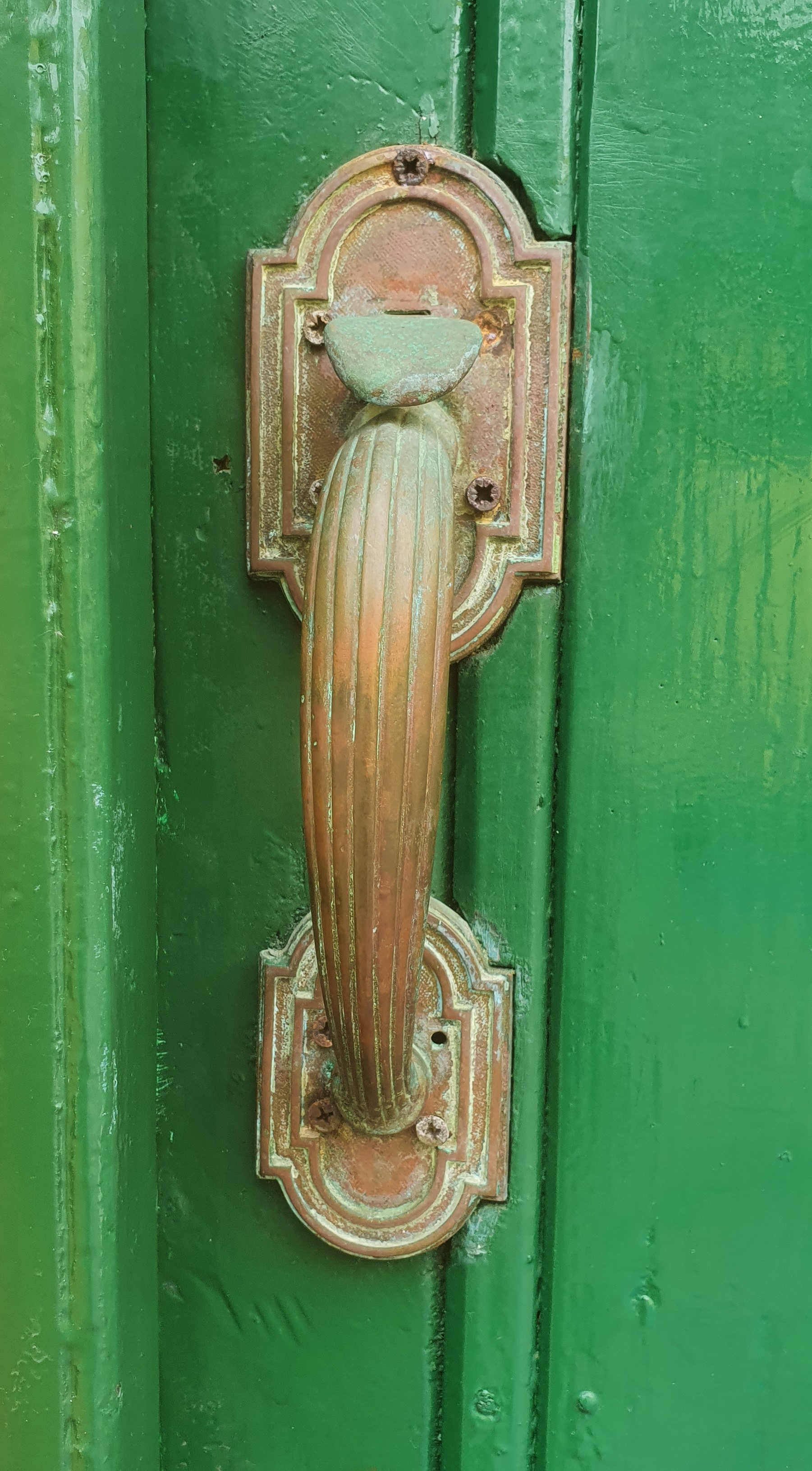
The sea breeze is blamed for everything. Plants that don’t grow, paint peels, doors stick, metal rusts. We learned that the best towel bars are wood, not chrome, that handles and hooks should be brass. Marine paint should be used whenever possible, with annual repainting of every surface.
[Years of garage sale finds of brass door handles and extravagant hooks. One is from a subway or train car, one pair comes from the door of a bank.]
Shrine of appliances
Our kitchen shrine of appliances
We seemed to need a new microwave and toaster oven every year. Somehow, they shorted out after just one season of use. It was quite frustrating, but we view a microwave and toaster as essential appliances. Finally, Dalmira, our housekeeper, explained that the humidity was ruining the appliances, and if we covered them with a towel when they were not in use, they would be protected. It seemed silly, but we tried it and–it worked! We now have a microwave that is a few years old. When it began to short out this year, Fernando took it apart, rinsed some of the wires with fresh water, put it back together and got it to work again. I was astonished. Rinsing wires in water? He says that salt accumulates on everything, and now I believe him.
Size and Shape
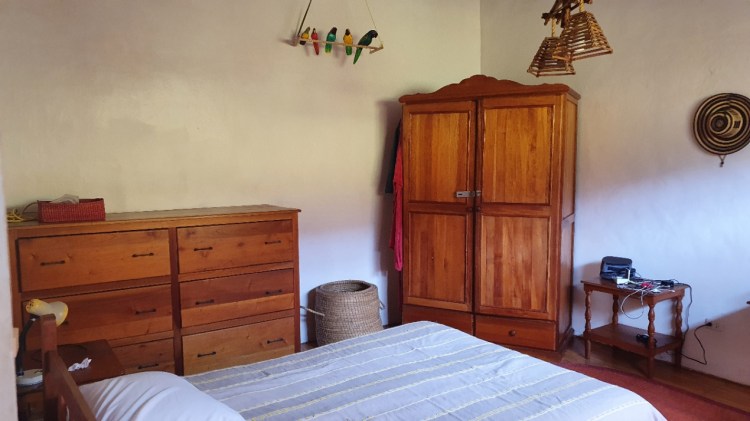
We’re selling our house furnished, in part because the dressers and closets were built for this place. There was a good carpenter, Arquinio, who took on the job of building all the pieces out of wood that wouldn’t get woodworm (cedar?). Jonathan made sketches and measurements. Everyone looked forward to the arrival of furniture. The beds had come first, and we were all tired of keeping our clothing in cardboard boxes or open suitcases on the floor of our rooms. Finally, the dressers began to turn up. They were so big! Everyone was happy to have space to store their clothing, and all were moved in. Next came the closets. A few rooms have built in closets, but they are small and damp, thus a free-standing armoire is very useful. As we moved them it, again they seemed bigger than expected, and when we got to the one for our room in the far corner of the house, it wouldn’t go through the door.
The closet that is firmly in place.
We wrestled the closet in various ways, but it couldn’t bend around the corner, so we took it out and tried coming in through the adjacent storage room. That almost worked. We removed the doorframe, and got the closet in at last. Jonathan could not understand how he could have mis-measured the dimensions, and got out his sketches and measured the finished pieces. The pieces were all equal-sized, but when he compared them to the drawings, he found they were all larger than the specifications. In frustration, he returned to Arquinio and asked how it was that all his furniture was built to different dimensions than those agreed upon. Arquinio shrugged and looked sheepish (very briefly) and said that he hated to waste the high quality wood. Rather than cutting off the boards, he made everything a bit bigger. He was doing us a favor.
Wrangling the refrigerator
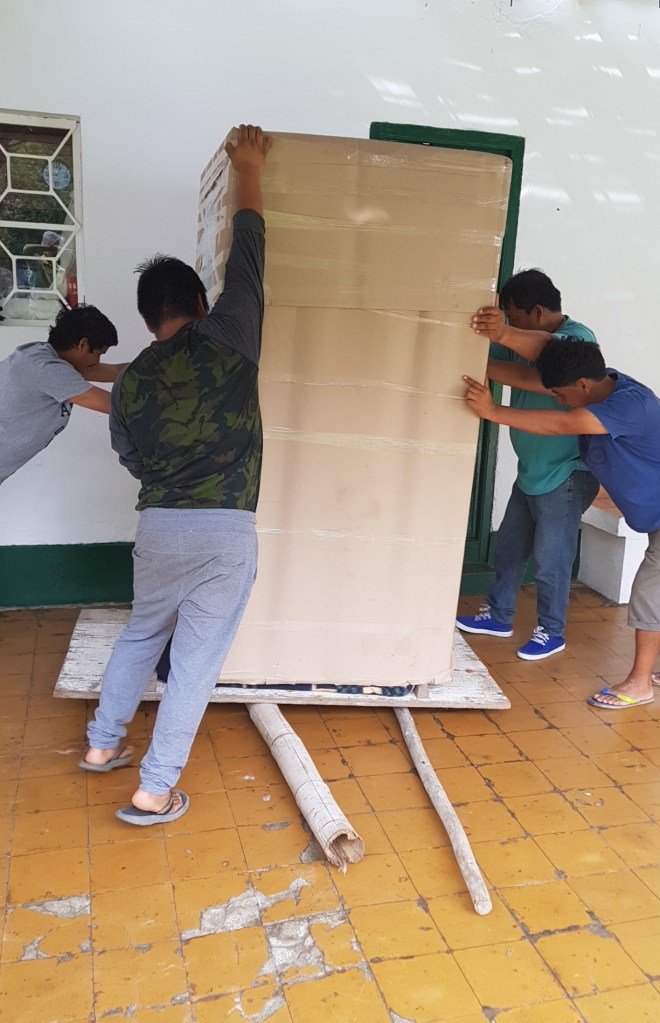
We had to replace our refrigerator after the time we unplugged it, thawed, cleaned, and dried it out between seasons. The wiring all deteriorated from rust or salt. In subsequent years we left the refrigerator running at all times, and that seems to make them last longer. Still, a few years ago we had to purchase a new refrigerator. There is not a lot of choice, and there is usually only one of each model in stock. We found a floor model that was large enough, a few minor dents, but nothing to be concerned about, and we brought it home, only to find that it would not fit into the kitchen through either door or the windows. Returns aren’t generally a thing in Peru, so we were stuck. A lot of measuring revealed that if we removed the door frame, the fridge would fit through. At that time, one section of the door frame was in poor condition, and that decided it. Fernando and Carlos removed the decayed half of the door frame, the fridge was moved in and a carpenter came and replaced one side of the frame. Once plastered and painted, the door was better than before.
That was good for a few years, but we’ve begun to have trouble with the fridge not staying cold. Fernando called a repairman, who after visiting and assessing the situation, said he could repair our fridge in his shop, but would need to take it there. This is a huge appliance, and initially he said he’d tie it to his motorcycle, a laughable image. We finally agreed and went to take the fridge out, which is when Fernando remembered what it had taken to get it in. After much conversation, the repairman agreed to a repair in place, and eventually it was fixed. I’m not sure what will happen when it reaches the end of the line.
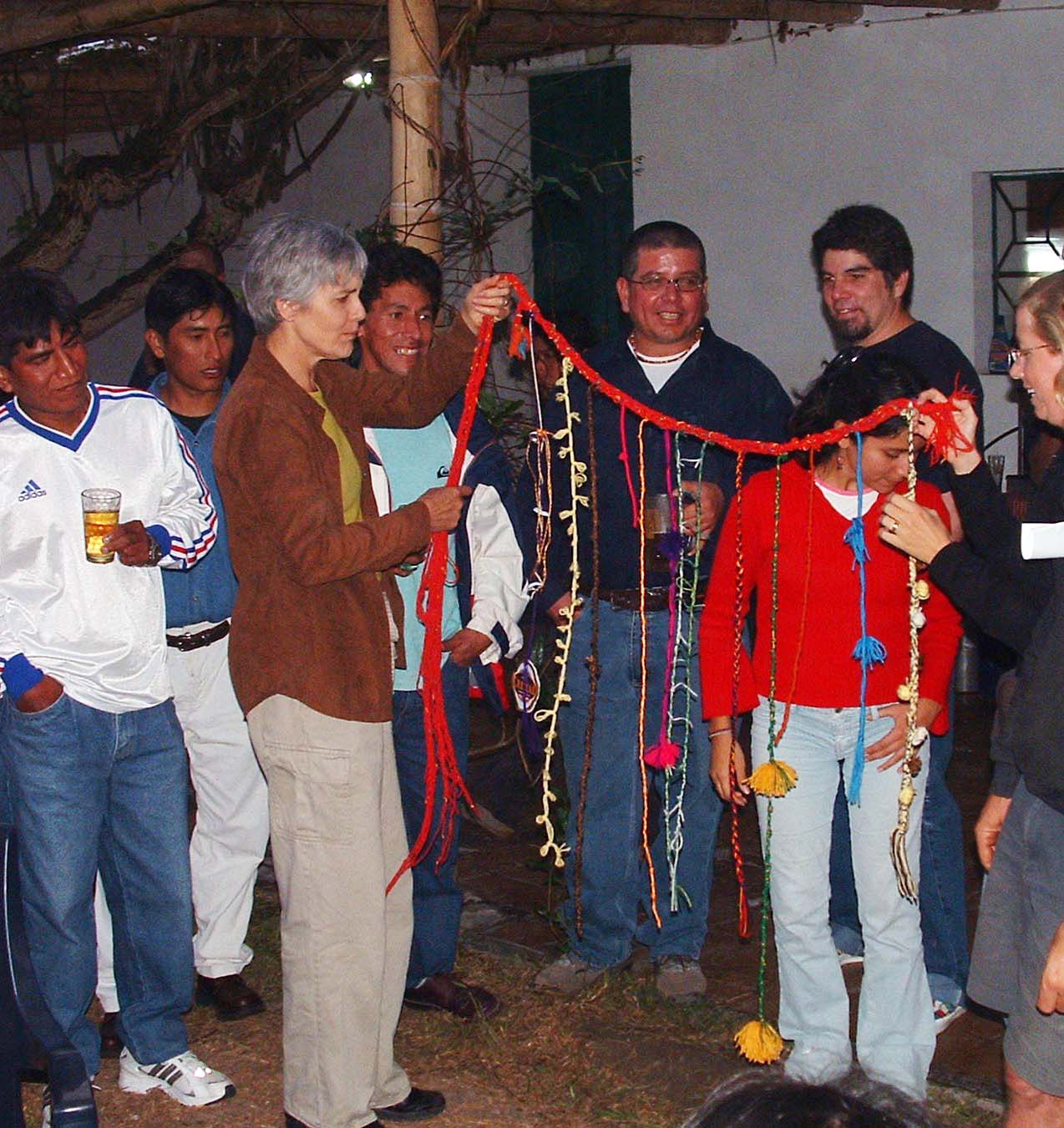
It hasn’t all been repairs. There have been some sensational parties. During our field work, we held an annual pachamanca, where food is cooked over heated rocks. By the time we invited all the crew, our workmen and their families, and our neighbors, there were up to 50 people at the peak moments. One year, our neighbor Gaim brought in a band, and insisted that Jonathan and I have a dance. Other years we put up marquees, and yet another time the students created a “quipu” that recorded all the food, each in a different color or type of yarn or number of knots.
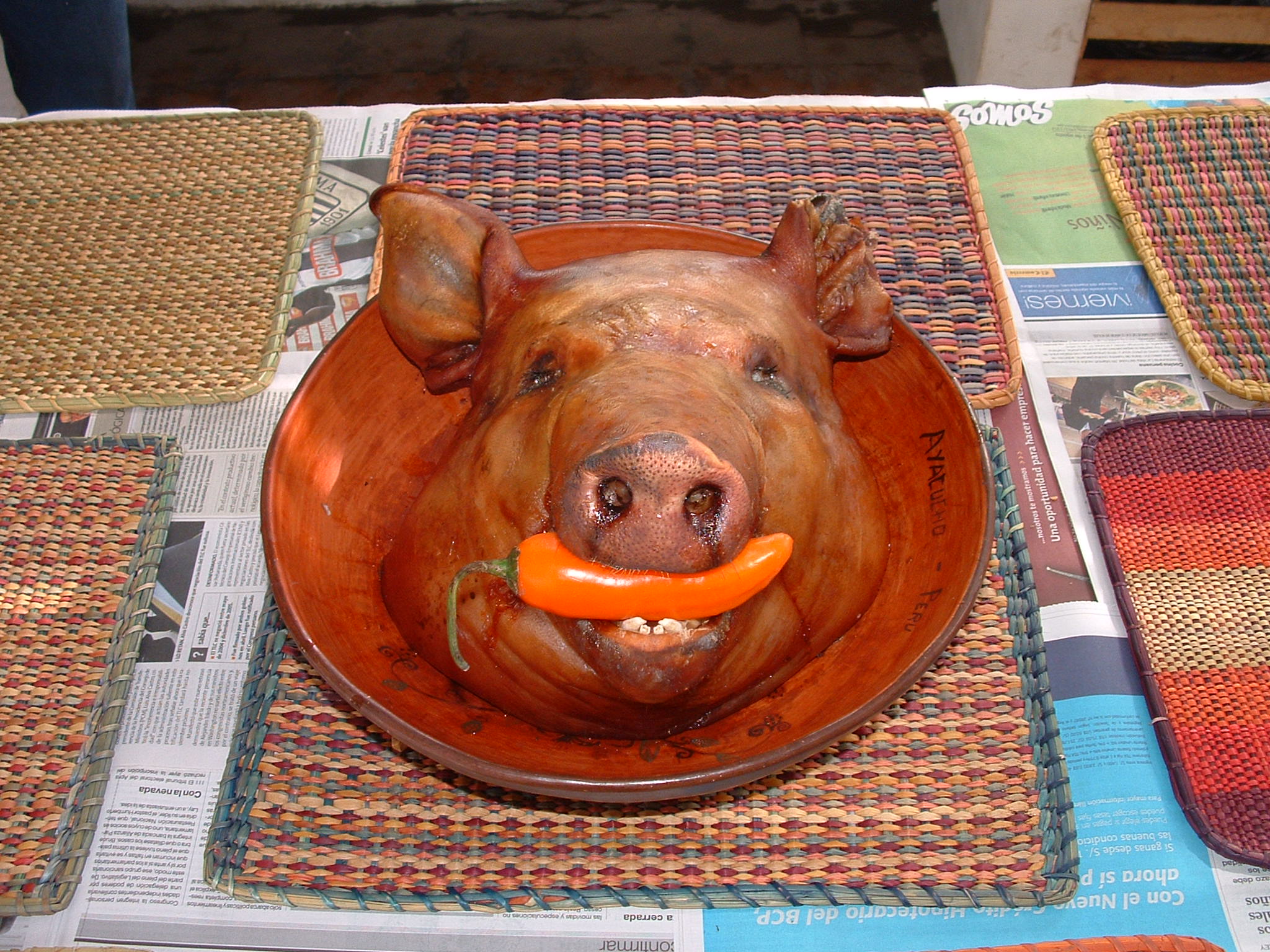
There have been some lovely holiday parties with our daughters and our neighbors’ families. For New Years Eve everyone cooked a dish to share, and son-in-law Neil’s brussels sprouts converted me to actually eating them. Our other son-in-law, Jim, made a Serbian dish popular with his relatives that was a kind of polenta with lots of cheese and cream. (We fought over the leftovers.) Jonathan roasted pigs, I made cake, and everyone celebrated. It is a house full of happy memories.
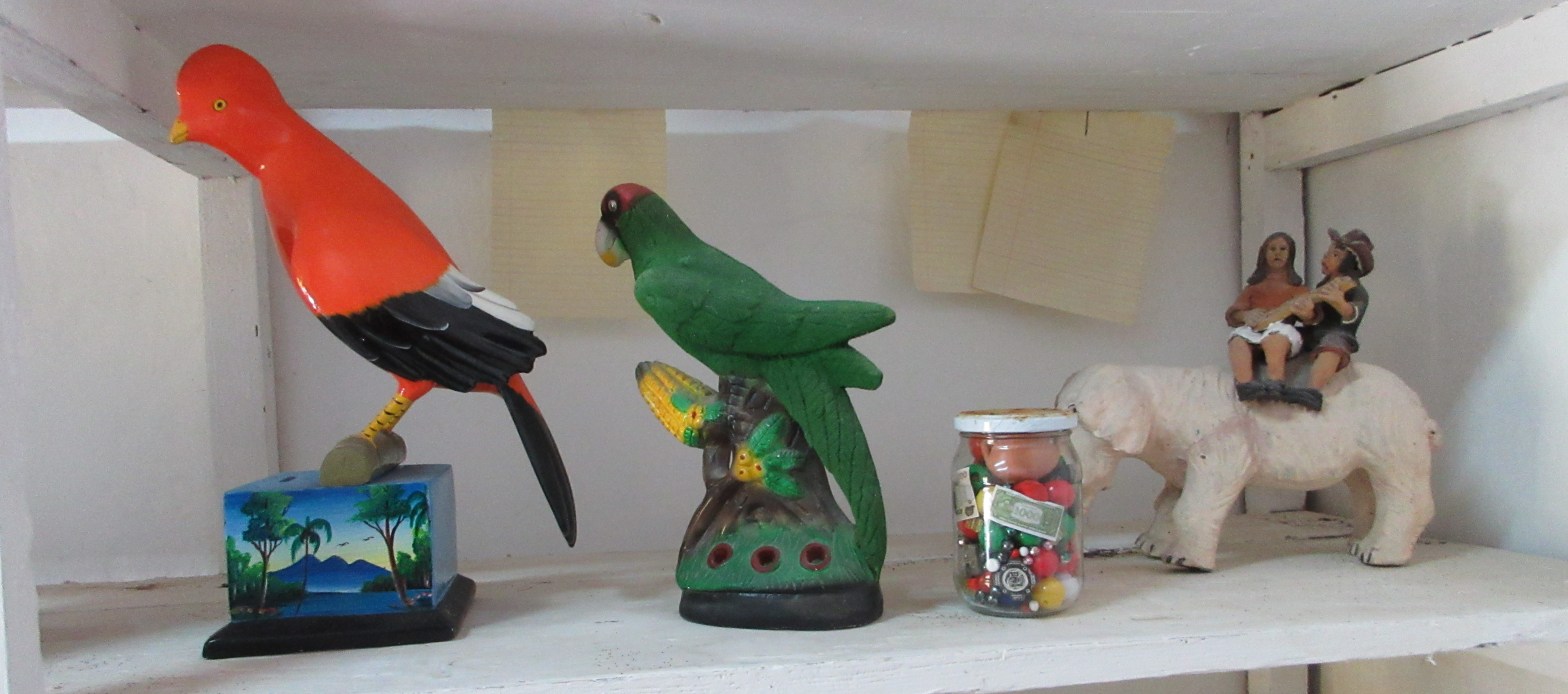
On our previous trip to Peru in January, we contacted a shipping company to move some of our favorite objects, mostly traditional Peruvian crafts, to the US. We asked for a quote on shipping to Chicago, and were startled to find the cost would be over $4,000. We set that plan aside, and returned to the US in February with full suitcases. By June, we’d decided to move to Eureka, CA, and reconsidered shipping. We’d be near a coast, perhaps lowering the cost a bit (less trucking from a port). Perhaps we could move our treasures, after all.
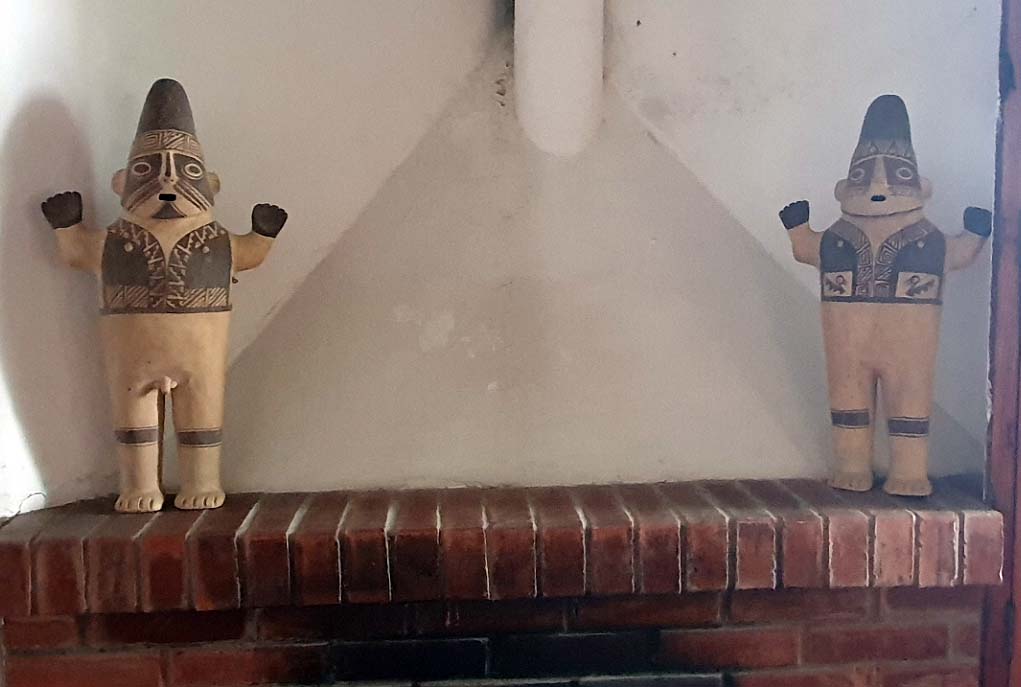
Two replica Chancay figurines on the fireplace mantel.
Now that we have been in Peru for a month and we have found a good real estate agent, we are beginning to plan our return to California, so we contacted the shipping company again and asked for a quote. We sent the same file of photos, and an updated inventory, with our new address in Eureka as the destination. The woman Jonathan spoke to put him off, explaining how busy they are, but promised to get us an estimate by the end of this week.
Replica Chancay figurine, purchased at Larcomar around 2004.
You may recall that the war in Ukraine began Feb. 20, 2022, and that could have changed shipping costs. It did, and when our estimate arrived on Friday afternoon, it was four times the cost quoted in early February. It’s only money, yes, but there’s a limit. We now plan to return to the US with as much as we can pack in our suitcases once again. We’re still looking for a way to take a couple of oversized items. On the other hand, we have wonderful memories of Barranca, and the objects are not central to our well-being.
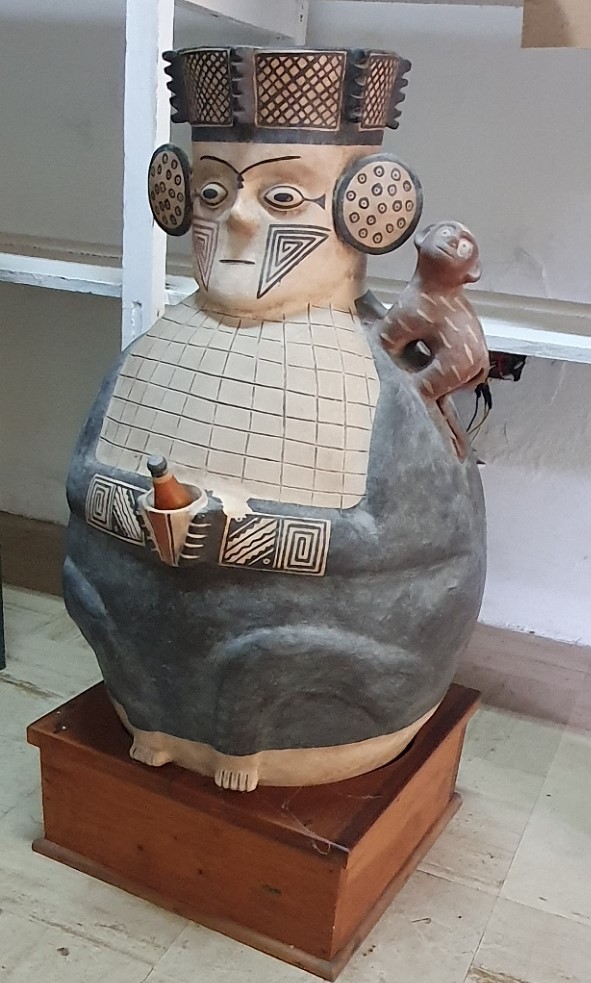
There is a pair of figures, man and woman, typical of the Chancay region, and a large pot of a man wearing a headdress and earspools, with a monkey on his shoulder, holding a cup. A joker put the little gourd of lime for chewing coca in the cup years ago.
Painting of Barranca beach community by Del Nino Ladron (Jose Humberto Guevara Hurtado) that we commissioned around 2005
We met the painter Jose Humberto Guevara Hurtado in Parque Kennedy, Miraflores, Lima, years ago, when painters set up their easels and work for sale around the sides of the park on Sunday afternoons. We were intrigued by his satirical paintings and over the course of several visits, asked whether he would consider doing a painting for us. He agreed, and spent two or three weekends in Barranca sketching and taking photos. The resulting painting is very large–he said it got away from him. There are a few satirical touches you can find, including the sign “Toledo–Give Me Back My Vote!” that refers to a former president of Peru. These are some of the things that may be just too big to move with us.
A sunny day makes everything better. We’ve been in Barranca for two weeks, with only an occasional hour of afternoon sun. It felt like we had been here for months. Yesterday, the sun was out early and it stayed out all day. I didn’t realize what a difference sunshine makes until yesterday, when everything felt better in the brighter light.
Fiestas Patrias on the beach in Barranca
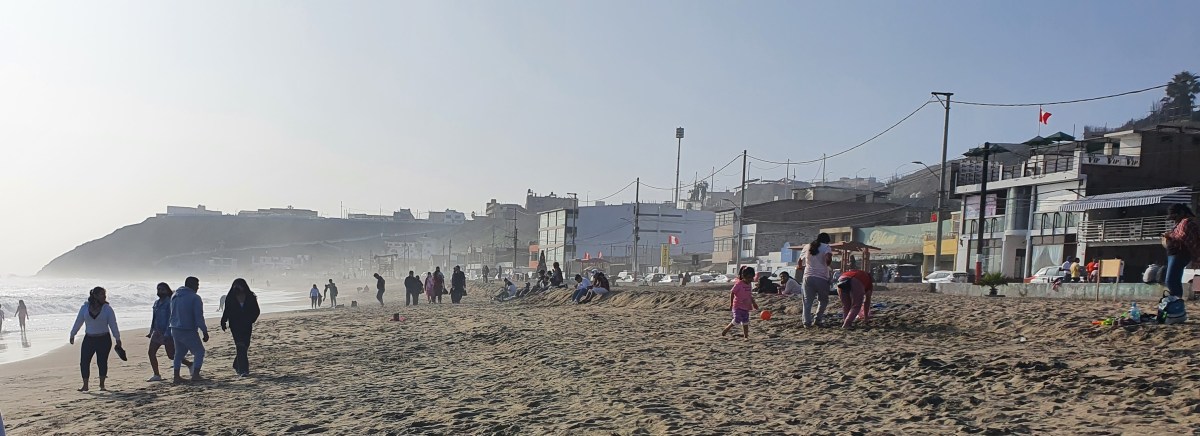
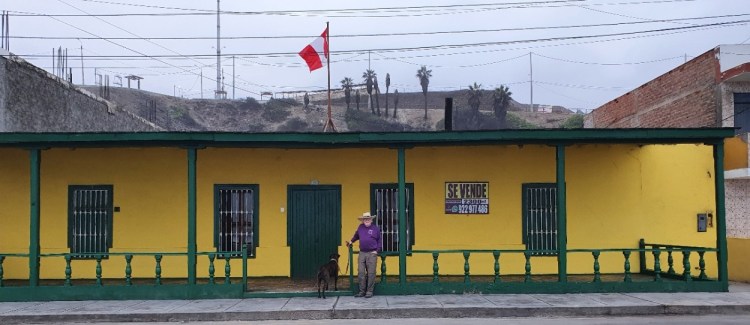
This week included July 28, the national day of Peru, Fiestas Patrias. Thursday and Friday, the 28th and 29th, were national holidays, followed by the weekend. Children have two weeks of vacation from school, and many people visit the beach. We aren’t crazy about all the traffic the visitors bring, the trash they leave on the beach, and the disco that thumps music until 6 am on some nights. I like the flags that wave over most houses, the tradition of cleaning up around houses and repainting the facades, and the general cheerfulness that the holiday brings.
We dreaded Fiestas Patrias this year because all business comes to a halt for the long weekend. We’d like to get our house in the hands of a responsible realtor and begin to plan our trip back to the US. We knew that no progress would be made this week. The good news is, we seem to have been wrong…
After spending six months in an exclusive contract with a local realtor, we were happy to have that over. Nothing happened. Disappointed and a bit confused by the lack of any interest in our house since we were last here, we chatted with a neighbor who is building a group of apartments down the street. Miguel is a charming guy, and a great neighbor. He pointed out that he is in the neighborhood full time managing his project, and his sister-in-law, someone we know well, is a realtor. Her work is largely in Lima, but she grew up here and understands the ups and downs of having a house on the beach. She spends holiday weekends here, and has a space in her mothers house, just a few doors down from us. Miguel thought that if we worked with Bertha, he could help out showing the house as needed. We were bowled over by his offer.
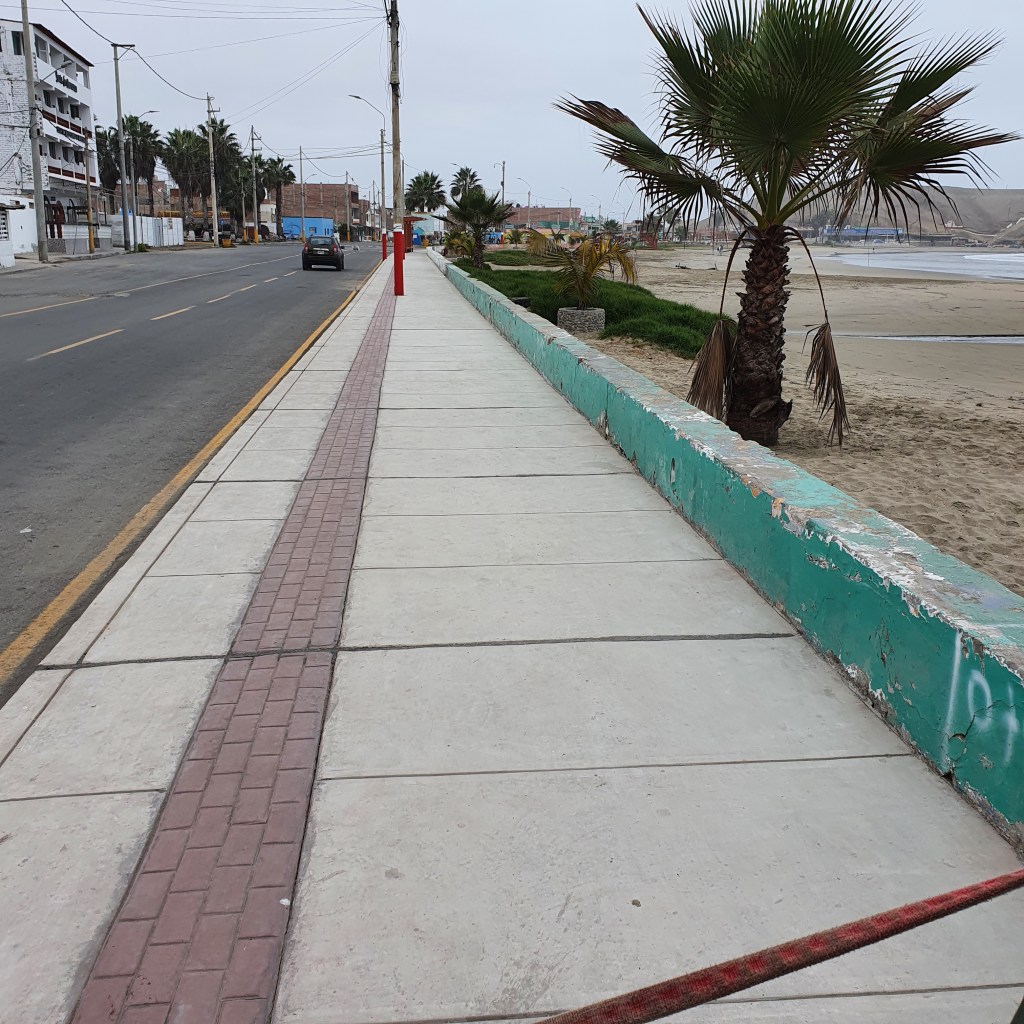
Newly replaced sidewalk along the beach
I contacted Bertha, and rather than setting a time after the holidays to chat, she said she was coming out to Barranca for the holiday weekend and would stop by. The next afternoon, we got together and chatted about the house, our plans, and hers. We walked around so she could see all the rooms, and in the end, we agreed to work together starting Monday. Jonathan sent her photos of the house. We already felt that it would be possible to leave for the US. Bertha is a cosmopolitan person, familiar with both city and beach life in Peru, and should be able to get our house sold for us.
We pointed out to her that we do have one lead pending that predates our new agreement. Back in February when we were here, Jhon, who lives down the beach, stopped in to say he knew people interested in buying the house, and that he’d line them up for us. We encouraged him, but promises are easy to make. Jonathan got in touch when we were returning, and he assured us that his group was still interested. Last weekend, when we expected a visit, no one showed up. That’s not an unusual outcome here. Monday afternoon, there was a knock on the door, and it was Jhon and three men, ready to have a look around. We gave them the tour, and they seemed interested, surprised at how nice the interior is, and how well maintained. That’s a pretty common reaction to our house.
After some muttering among them, the group left with promises that an offer would be forthcoming. We figured that would be the end of it, but on Saturday one member of the group returned to chitchat. His aim seemed to be to feel us out about whether we’re serious about selling, and how far below our asking price we’re willing to go. We settled on his returning with an actual offer on Monday afternoon. We may get an offer, and we’ll see where the negotiation takes us.
All in all, things are looking up. After our first week here, when no one turned up to see the house after various promises, we were discouraged. The gray weather didn’t help. Our mood is better because of the sunny day, and because perhaps something is happening on the real estate front. We’ll see where it goes. Even if we don’t sell the house immediately, it will be in the hands of someone we trust, and that will allow us to move on for now.
We stayed for three nights after arriving from the US. On previous trips, we have tended to stay overnight, shop, and head north out of town. This time, we’ve had some free time while waiting for people to get back to us, and we’ve done a little bit of walking around the neighborhood.
Miraflores, the area where we stay in Lima, has undergone tremendous changes over the past twenty years. Large family homes, or casonas, were the principal houses. Some of these were turned into small hotels, like the Senorial, where we stay, then adjacent houses were added. Next, old houses were knocked down to make space for six-eight story apartment buildings. Along the cliffs by the sea, fifteen stories has become common, while the old casonas are largely gone. There is more housing, and there are more hotels, but the graceful curves of creative architecture are also gone. We saw a doorway to nowhere that turns out to be the entrance to an older house now surrounded by a mature garden.
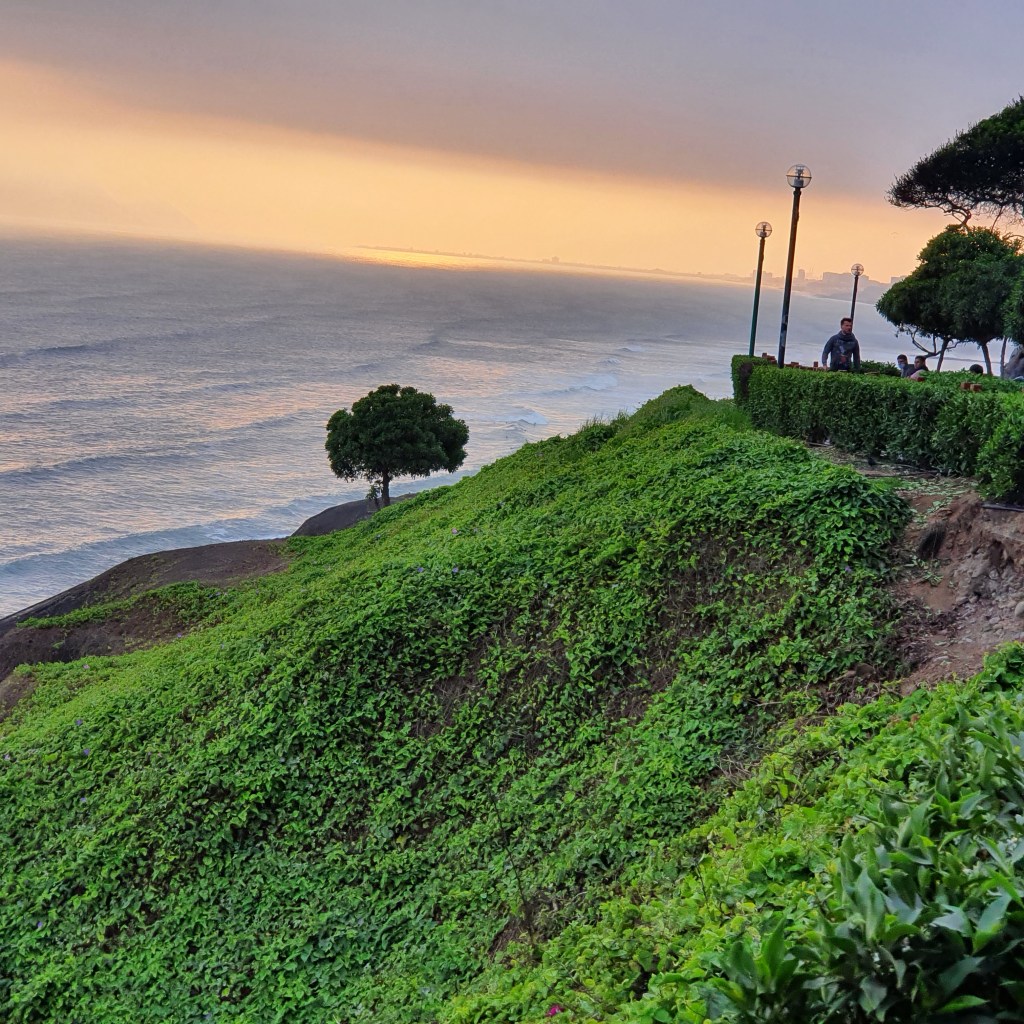
(L-R) Sunset in Lima, doorway to nowhere, saffron finch
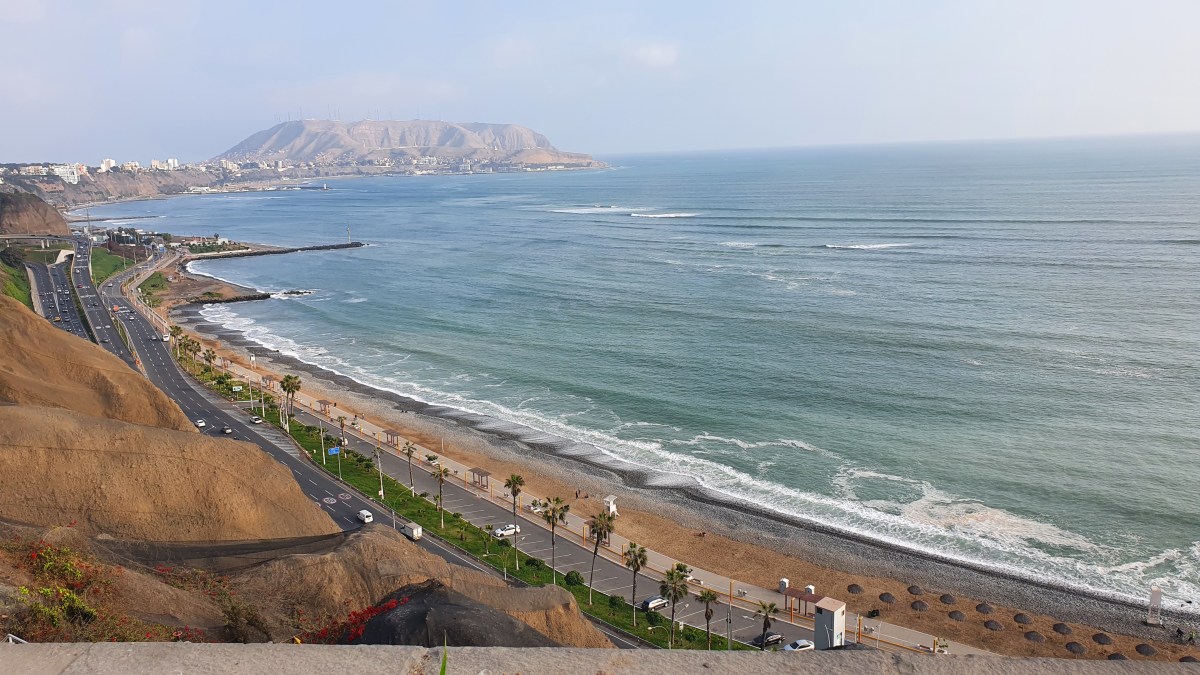
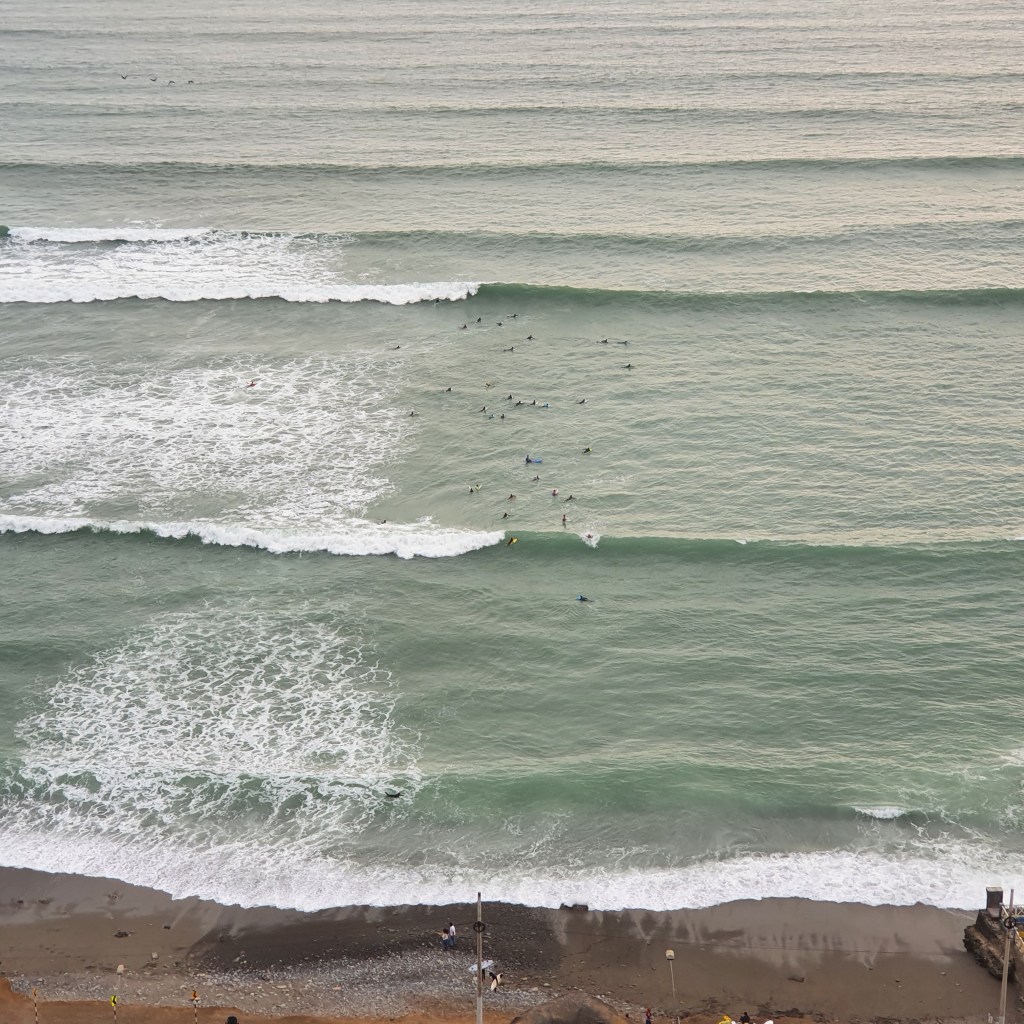
One of Lima’s great achievements of the past twenty years is the extension of the shore at the base of the cliffs into the sea to create space for a highway and a coastline park. Surfers occupy the waters off Miraflores, and there are miles of parks and playing fields extending along the edge of the city. Pedestrian bridges descend from the cliffs and over the highway, and there is parking. It’s a project worthy of Robert Moses, reshaper of New York, and we often wonder how it came about in a city composed of 50 districts with competing agendas.
(L-R) Pier with restaurant La Rosa Nautica, waves and surfers, surfers closeup
We did not visit any museums or famous sites in Lima, but we did have some excellent meals. We always like Punta Azul, a seafood restaurant on Cantuarias in Miraflores. Their tiradito is delicious (Raw fish, like ceviche). We had three sauces, purple olive, rocoto (chili), and Parmesan, and there are other options. Their risotto Punta Azul with squid ink, was also delicious. The restaurant is always crowded at lunch time, but not usually at dinner. At one pm, there was a long line, but at 7 pm, we had our choice of tables.
The next night we tried for sushi, but after being seated and ignored for ten minutes we left, uncertain of where to go next. Fortunately, we looked at Amore, next door, and gave it a try. This restaurant is a block from the N end of Parque Kennedy, just around the side of the Saga Falabella department store. We shared pasta with oxtail ragout, and “drunken” arroz con pato (duck fried rice with duck leg cooked in beer), both very good. Lima is full of good restaurants.
Covid infections are fewer in Peru than the US, and more people wear masks on the street. Masks are required at most indoor localities, restaurants, stores, even the markets. Lots of people are on the streets.
The next day, we slipped back into our regular mold, visited the Surquillo market, where we buy Uruguayan parmesan cheese (excellent!), nuts, and spices. Flags are for sale everywhere. Fiestas Patrias, the national day of Peru, is July 28, and municipalities can require homeowners to display the flag. We went on to the supermarket, then headed for Barranca, where our flag is up for the next couple of weeks.
For a different view: I have followed the blog of a Canadian couple, Les Voyages de Suzanne & Pierre for several years. They travel widely and they take sublime photos. In June 2022, they visited Peru, and I have been enjoying their take on Lima and the other places they visited. I urge you to take a look at their blog for another perspective.
I was not looking forward to our trip to Peru. We have been enjoying Eureka, and it is quite a slog to Peru from there.
And yet.
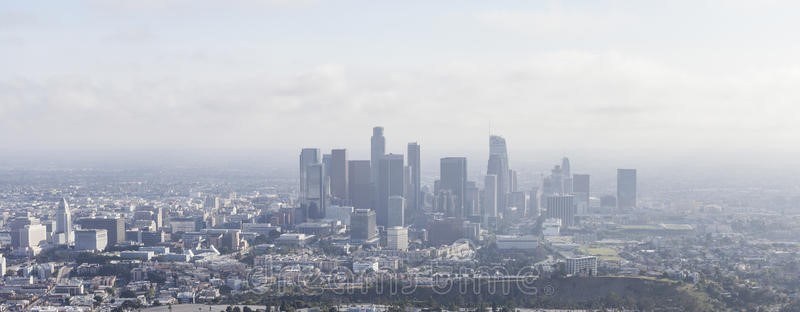
Downtown Los Angeles in light smog (Wikimedia Commons)
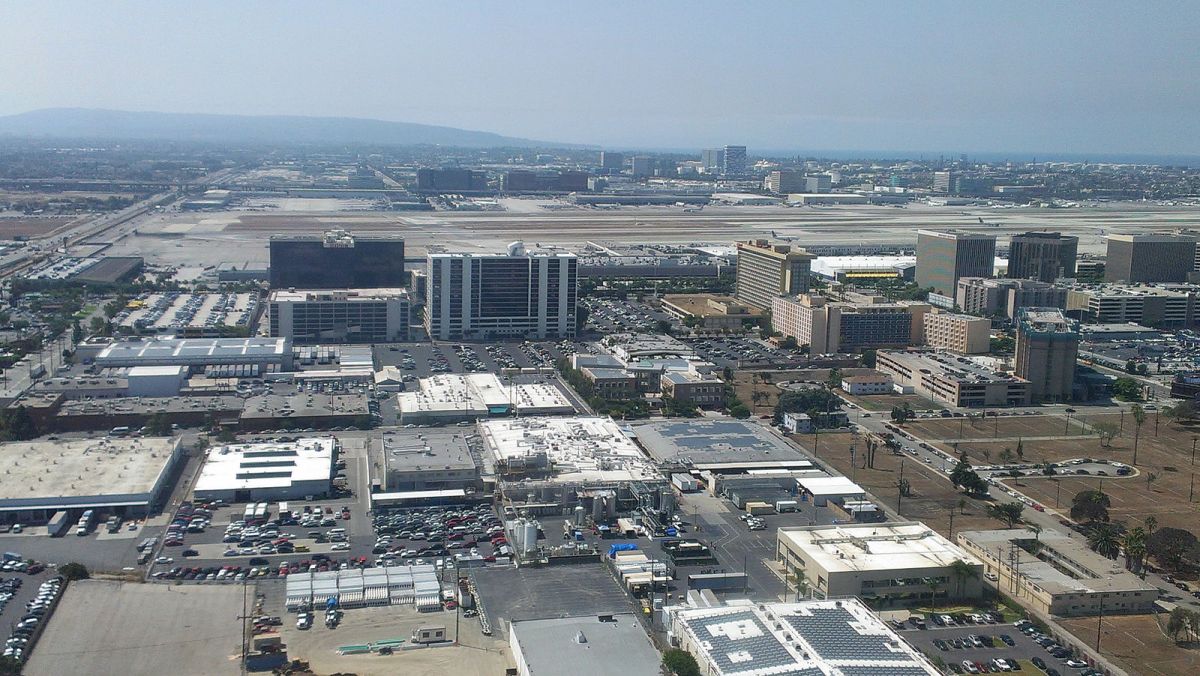
LAX (Internet photo)
Flying into Los Angeles we paralleled the gorgeous coast for a while, crossed immense tracts of single family houses, skirted the skyscrapers of downtown, and landed among the warehouses and hangars that turn the ground into a cement checkerboard. It’s an impressive cityscape. We overnighted near the airport, watching a corner of sunset from the rooftop dining area.
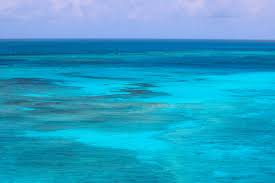
Most of the next day was our transit to Miami. In the early evening, flying up out of Miami toward South America, we crossed spectacular blue-green water streaked with sandbars pointing offshore. Where the sandbars end and the water deepens, clusters of tiny white sport fishing boats perch on the dark surface below me, like fluff from dandelions on a pond.
Clouds over Cuba (Internet photo)
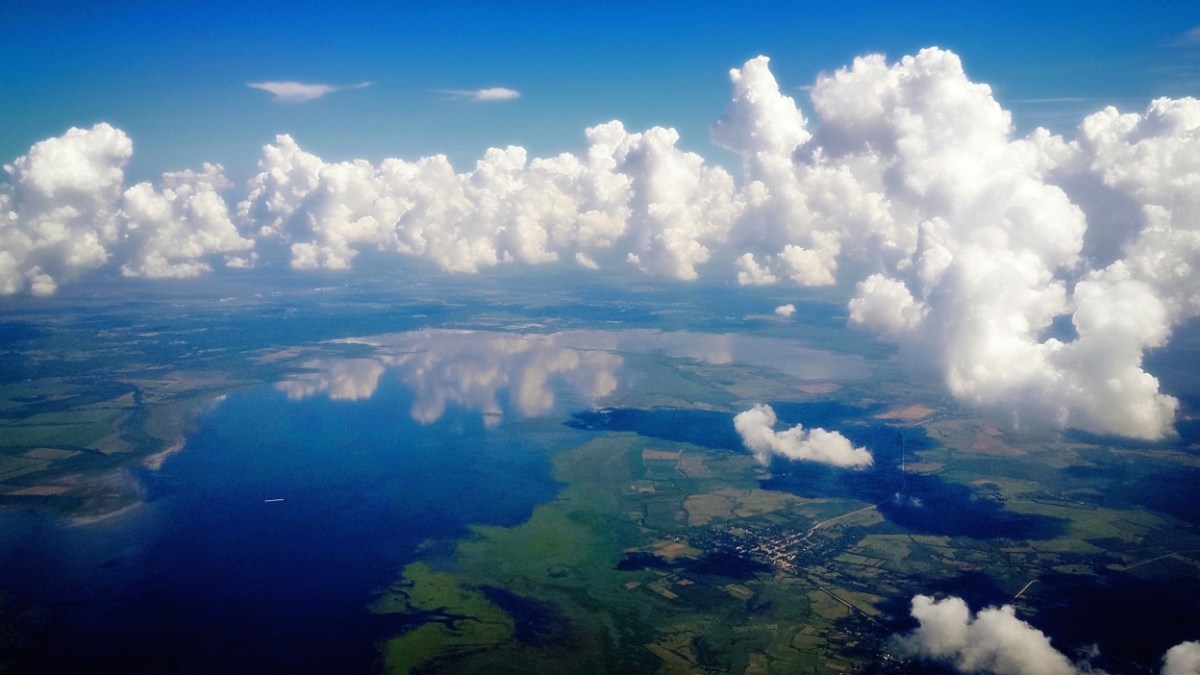
The flight crosses Cuba, where I see late afternoon storms forming under cumulous clouds that are impossibly high billows of white, so much taller from a plane than from the ground. I could see the different sides of a mountain range, one drier, one greener from the prevailing winds carrying rain.
These sights are an inspiration. The immensity of nature, the power of air and water, the beauty of patterns that form on their own from these forces at work, are the miracles of life.
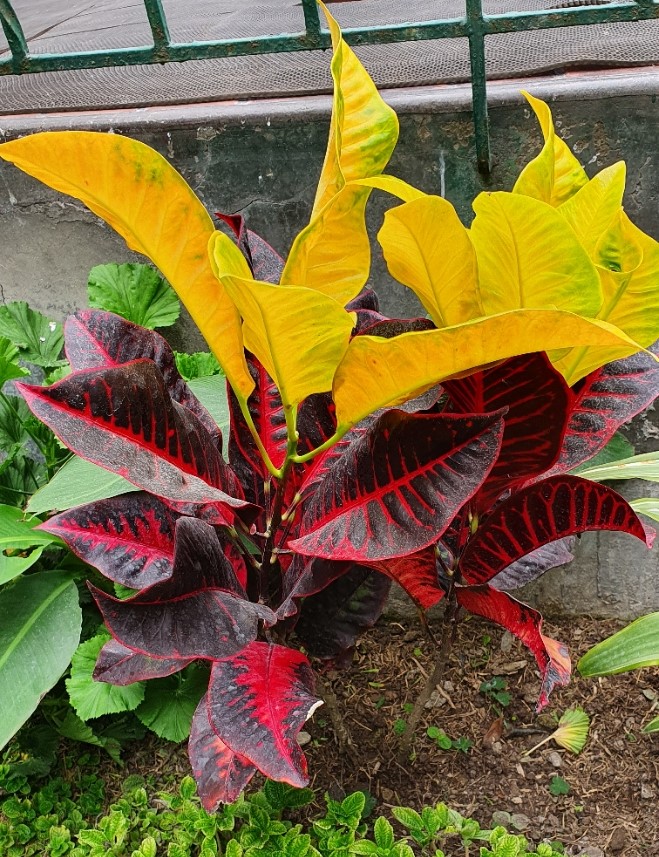
We arrive in Lima at 10 pm, speed through immigration and customs and are in bed at the hotel by 11:30 pm, as good an outcome as possible. The next morning on my way to breakfast I see one of the plants in the meticulously kept garden has sent out new leaves of shiny yellow in startling contrast to the dark maroon red they will become. Nature is full of surprises.
Hotel Senorial, Lima, Peru
I am amazed and delighted by my ability to see these things, to travel in planes and look out the window, and to have the time to think about the wonders around me.
We drive to Santa Rosa once a month so that I can see a retina specialist. On our first visit last month, we drove up and back in the same day. Three and a half hours to get there, a two hour appointment, and three and a half hours home. It was a long and tiring visit. This month, we decided to drive to Santa Rosa on one day, and return on the next. This gave us the chance to rest between drives, and we could have a nice dinner in honor of my birthday, which fell on the day of my appointment.
Lambretta scooters
The result was very pleasant. We stayed overnight at the Sandman Motel, and it has a pool. Though the weather has been overcast and cool in Eureka, it was in the mid-80s in Santa Rosa, and I was able to go for a swim after we arrived. There were a lot of little scooters parked in the lot, so many that we thought the motel rented them to guests for trips around town. On my way to the pool, I asked a man whether the scooters were for something special, and he told me about the annual Lambretta Jamboree. Owners of vintage versions of this Italian-made scooter (smaller than a Vespa), gather for a weekend celebration and this year the Sandman was hosting. We appear to have gotten a reservation by miraculous means, as the hotel was completely sold out for the weekend. My informant had come all the way from Italy to be part of the event, borrowing a Lambretta from a friend in California for the events.
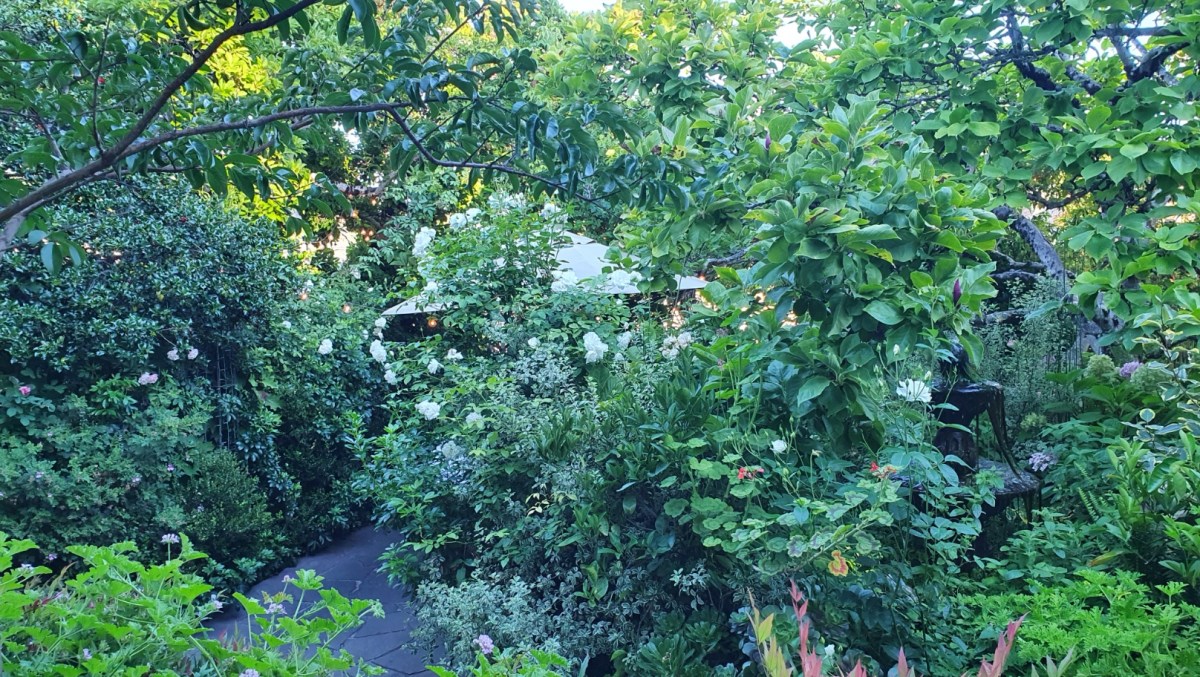
We left the party at the motel and went into Santa Rosa to do some wine tasting. We stopped at 4th Street Cellars, where Jonathan had a glass of wine, and I tasted Bambury Collection white and rosé, all very good. From there, we went a few blocks to Ca’Bianco. This restaurant began as a white house in what is locally called Victorian style. There are some lovely details of metal work, stained glass, and tiled floors. The most attractive feature, though was the garden, with trees, mature plants, and lots of white flowers including jasmine and roses. The plants are so tall that they screen many of the tables from one another, so dining outdoors is a bit like having your own little salon. It was lovely, and the air was faintly scented with flowers. Dinner was good, though perhaps not earth-shaking, and we enjoyed our surroundings most of all. We arrived back at the motel to find the Lambretta Jamboree well underway.
The Jamboree website told us about the many events, mostly group excursions into the hills or down to the coast. These took place every day and were graded from ‘easy’, 2-3 hours, to ‘difficult’ 6-7 hours. There were t-shirts and hats, barbecue grills and lots of beer. We were a bit concerned that the festivities would go on all night, based on our one previous experience with a group event at a motel.
[In the late summer of 1985, we drove from our home in Santa Fe to San Diego for a celebration of my parents 40th wedding anniversary. Amanda was tiny, and the three of us made the trip in our first family car, a Toyota sedan. We drove all day, heading for the California border, and decided to stop for the night in Yuma, AZ. Yuma being a pretty out of the way place, we didn’t make a hotel reservation, but stopped in at the first motel we came to that looked promising. There was no room, so we kept going. After the fourth motel, we began to get worried. It was late and we were tired.
At our next stop, we explained that we had to get going again early and were just looking for a short stay. Somehow, we got a room, and on the way in we asked why all the hotels in Yuma were full that night. The clerk looked at us with surprise (how could we not know this), and told us it was the first day of dove-hunting season. People had gone out all day and were now back at the motel setting up grills, cleaning and plucking birds, and having a late night cookout with the first catch of the season.
Feathers eddied around our feet as we carried Amanda and all her gear up to the room and got settled. No one told the hunters, however. The pool deck and the parking lot were lined with barbecues glowing red, people sitting in lawn chairs chatting and drinking. The clerk had mentioned that they’d all be going out to hunt again at 4 am. I figured they’d need some sleep in the meantime, but I was wrong. Just about the time it quieted down enough for us to fall asleep, the alarms began to go off, there was a general stampede, doors slamming, engines racing, and the crowd left to go hunting.
There was still a small snowdrift of feathers around the parked cars when we left later that morning.]
You can imagine why a similar festival all these years later might make us wary, but we had no cause for concern. The entire Lambretta group seems to have turned in around 10 pm, and the music and carousing dissipated until morning.
My appointment was early, and I was finished in record time, 45 minutes, including an injection. I guess that’s the advantage of being a known patient. I often see a new doctor every month, so I’m accustomed to the entire sequence: history, eye exam, pressure, dilation, OCT, consultation, prep, injection. We skipped several of these steps, and off I went, ready to enjoy the trip home. My eyes didn’t itch or hurt, they weren’t dilated, and the day was young.
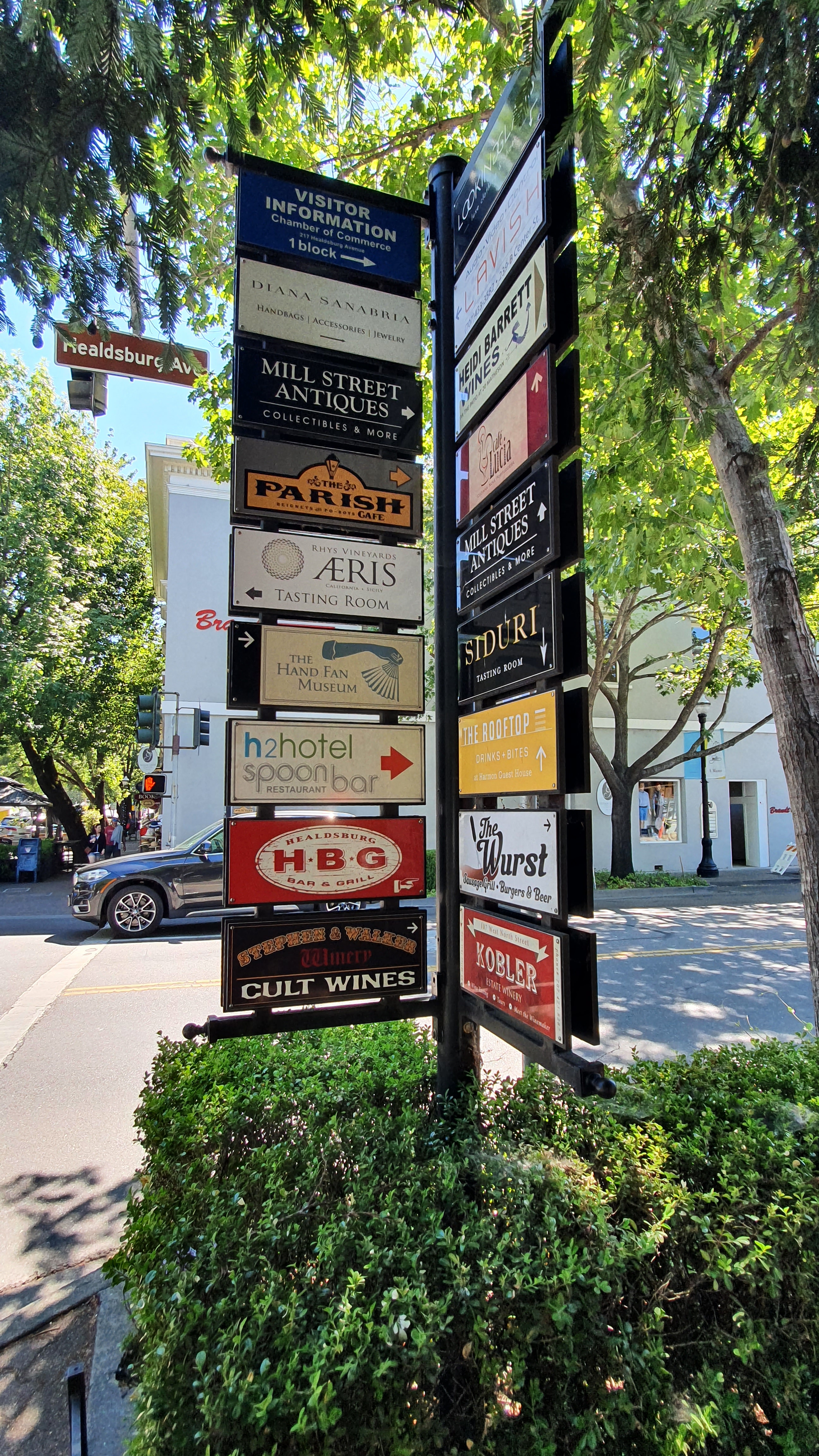
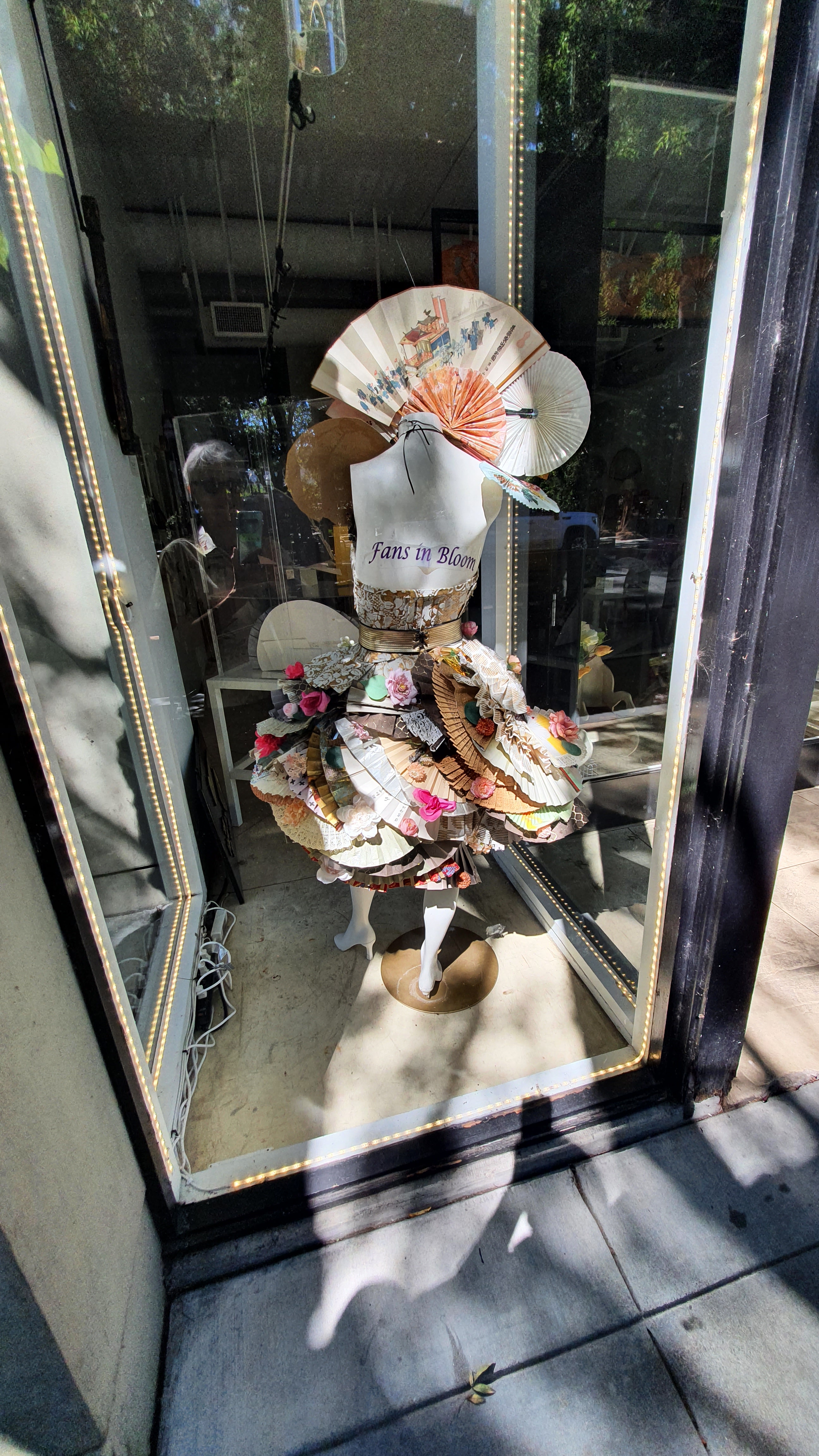
We decided to stop in Healdsburg, just ten miles down the road toward Eureka, to walk around the plaza and see what it looked like. These days the town is a wine destination, with tasting rooms on every block along with hotels, restaurants, and boutiques. There were some lovely things in the windows, and Jonathan enjoyed the cookware store. We asked a man holding a nice looking pastry where it came from, and he directed us to Quail & Condor, a very fine pastry shop. It was late morning and a lot of the pastry was sold out, so we’ll have to stop in earlier next time. After our stroll, it was time to head back to Eureka. We drove through 80 degree weather most of the trip, then descended into the mist as we approached the coast, arriving home again by about 3:30 pm to temperatures in the 60s .
There is more to see in Santa Rosa and surroundings. Countless wineries, more small towns, and in a few weeks, the wild blackberries will ripen, and there will be berry-picking for anyone who would like some jam or a tasty fruit dessert. We will miss some of this, but we’ll be back for another visit.
The more you travel outside the US, the more you find elements of other countries here at home.
This week, as the rest of the country stayed very warm, Eureka was largely overcast and quite cool, with temperatures in the 50s and 60s. The sun came out occasionally in the afternoon, but it was jacket weather. It reminded us both of Ireland.
Plants love to be under the mist. Like Ireland, there are bushes entirely covered with primroses, all kinds of flowers in gardens, and the (invasive) blackberries will be ripe in a week or two. This is similar to our impression of Dingle, Ireland, where we made blackberry jam and took lots of long walks.
The beach here is similar to Ireland, as well. Today we went to Manila Dunes, where in a light mist, there were only a few other people in the distance. We walked and beach combed, not finding much other than a beach toy and a big clam shell. No matter, it was good to be outside enjoying the day.
We’ve just finished our first full month in Eureka, and we like it here. Our rental home is comfortable, the neighborhood is interesting, and definitely on an upswing. We’ve met a couple of the neighbors, and are taking walks to get the lay of the land. It will take some time for us to become part of the community.
We are among the ever-smaller group of people who have never had Covid. We still wear masks when indoors, and we avoid crowds, apart from the farmers market. Our Audubon walk was enjoyable, and we’ll keep going out with them, but we don’t envision much indoor fun for a while yet.
We look forward to getting more settled and exploring more of the coast. We’re already getting used to ignoring the rain unless its a downpour.
One constant for us is to walk along as much of the shore as we can, wherever we are. California is an excellent place for this, as the law strongly protects public access to the shore. Some landowners have tried to oppose this system, but all they’ve done is unloaded some of their excess cash in pursuit of things that are not theirs (Hello, David Geffen).
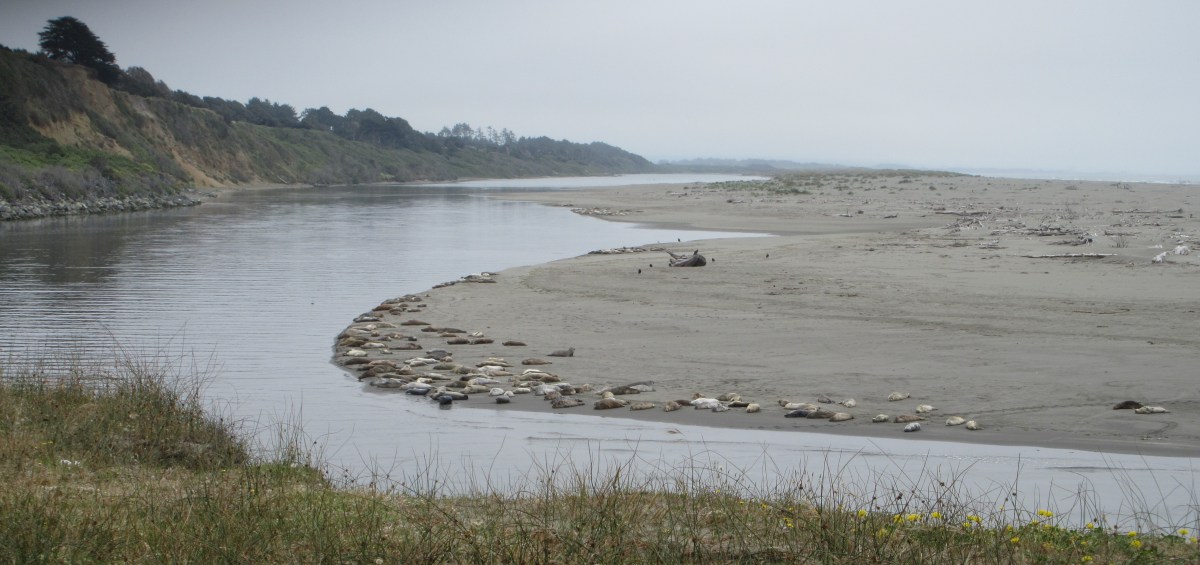
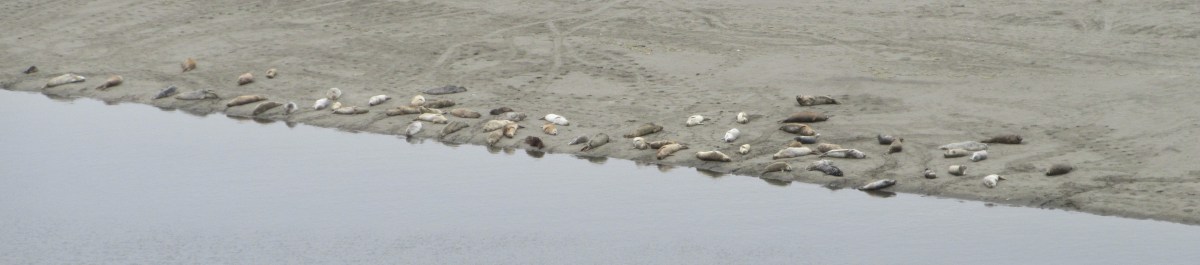
In northern California, there are lots of new places for us to visit. The only limit to how much of the shore we see is how long we can keep walking. We had to make a stop at the Arcata-Eureka Airport. I looked for a place nearby for a walk and found Letz Ave., right across from the airport turnoff. We drove north as far as it went, then parked. The Hammond Trail passes by the parking area and we headed north past another parking spot, Vista Point, where you can see out over the mouth of the Mad River. The river has worn a channel parallel to the shore for over three miles before making its way to the ocean, creating a narrow island. The island’s end at the river mouth is quite remote. We could see across the narrow span of water, but it’s only accessible from far to the south. The tip of the peninsula is quiet, serene, and empty, except for the seals.
Harbor seals at the mouth of the Mad River
The beach was lined with harbor seals! More than 100, casually hauled out, with a few more swimming around nearby. With their tiny rear flippers, these seals move like inchworms, wiggling up onto the beach, and eventually waggling back into the water. Their motion is called “galumphing.” (Not kidding.) People stop to get a view of the shore and the animals. From where we parked, a gentle downhill trail led us all the way to the beach opposite the seals, the far south end of Crab Beach.
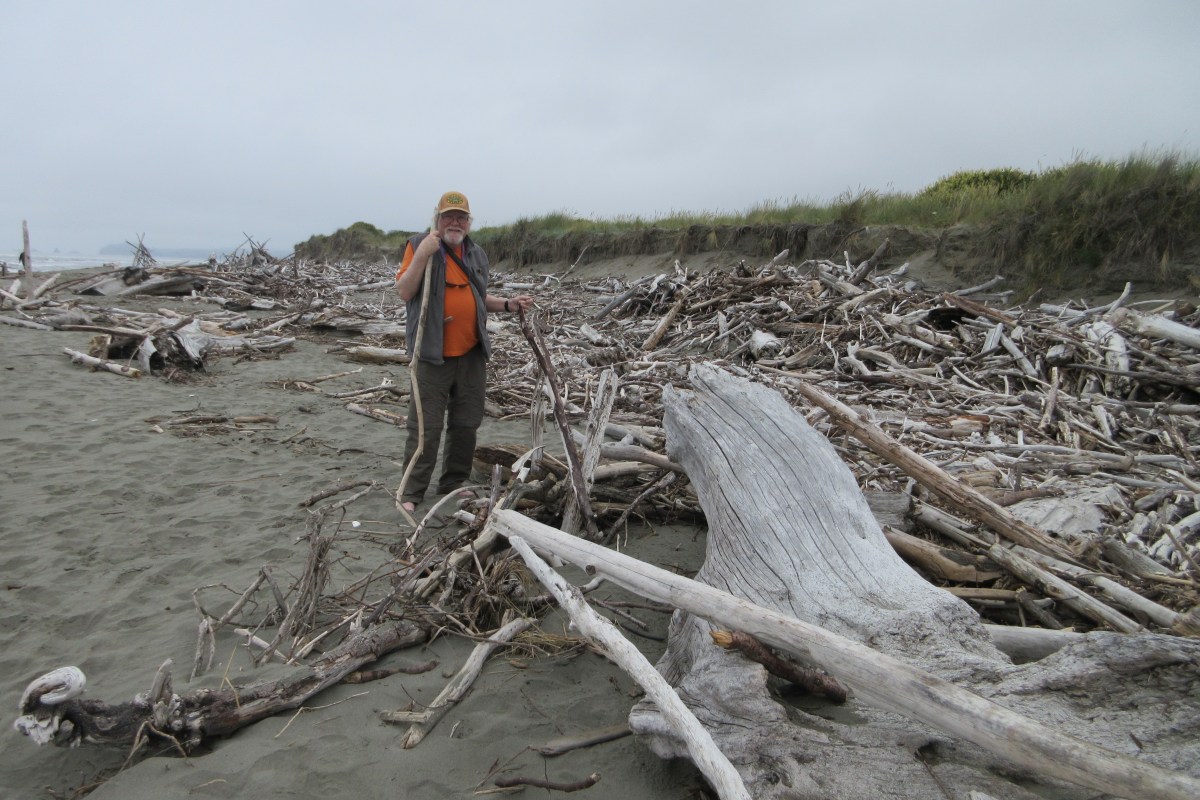
We could see the seals just across the river mouth, but they stayed on their side and avoided our side. Once we headed up the beach we were surprised by the huge amount of driftwood that has piled up. Currents must bring it in during storms and on high tides, as a lot of the tree trunks were very large, and perched well above the normal high tide line. It must be quite something to see during a winter storm–from a safe distance.
At the far south end of Clam Beach
We strolled up the beach looking for shells and beach glass, picking up a large clam shell to use as a soap dish, driftwood sticks for our jenga pile, and our biggest sand dollar thus far. We looked at the seals for a while, watching them do nothing, and occasionally galumph their way in and out of the water. With almost no human company on an overcast day, we had another beautiful walk.
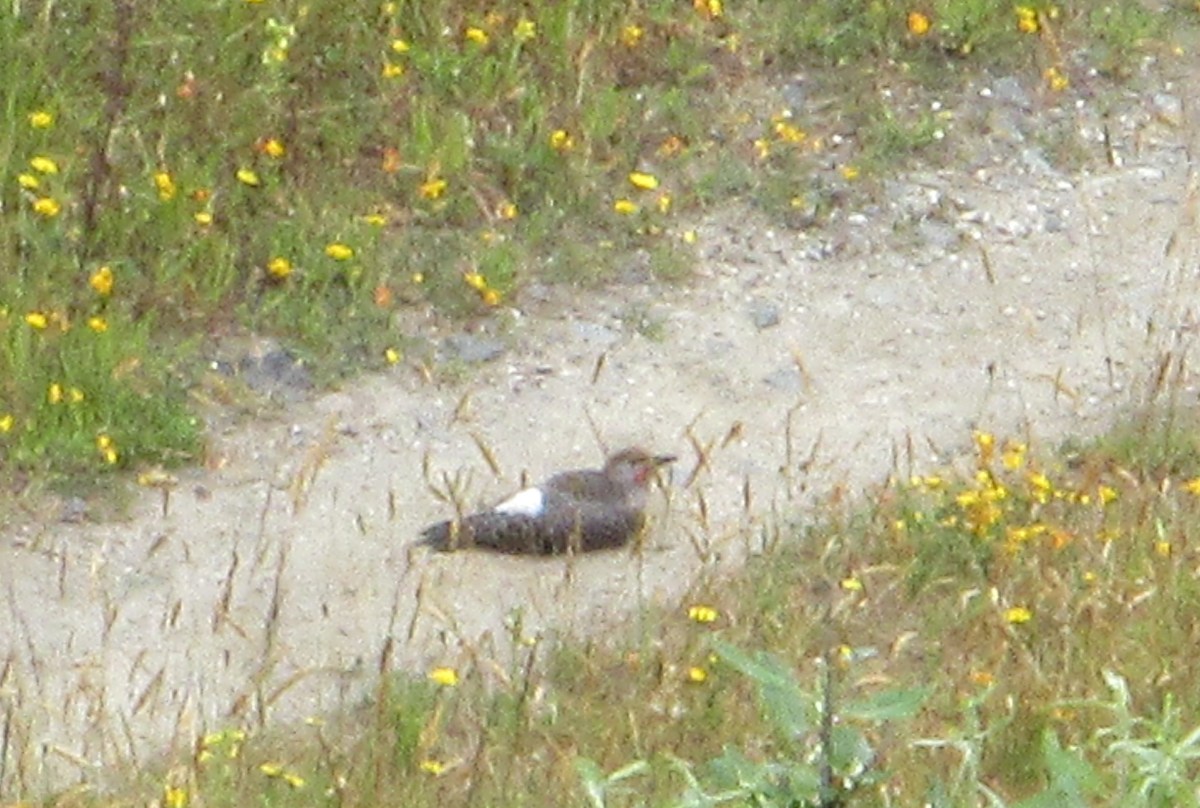
Flicker
A small stand of trees leans across part of the path, blown by the constant wind into a permanent arc. On the way back to the car, it provided excellent birdwatching: an osprey overhead, a yellow warbler and a wrentit in the trees, and down below us, like a chicken on a nest, a flicker sat in the middle of the path.

























 Llywindatravels 2025