The wrong way to Portland: Music, Wine, Family

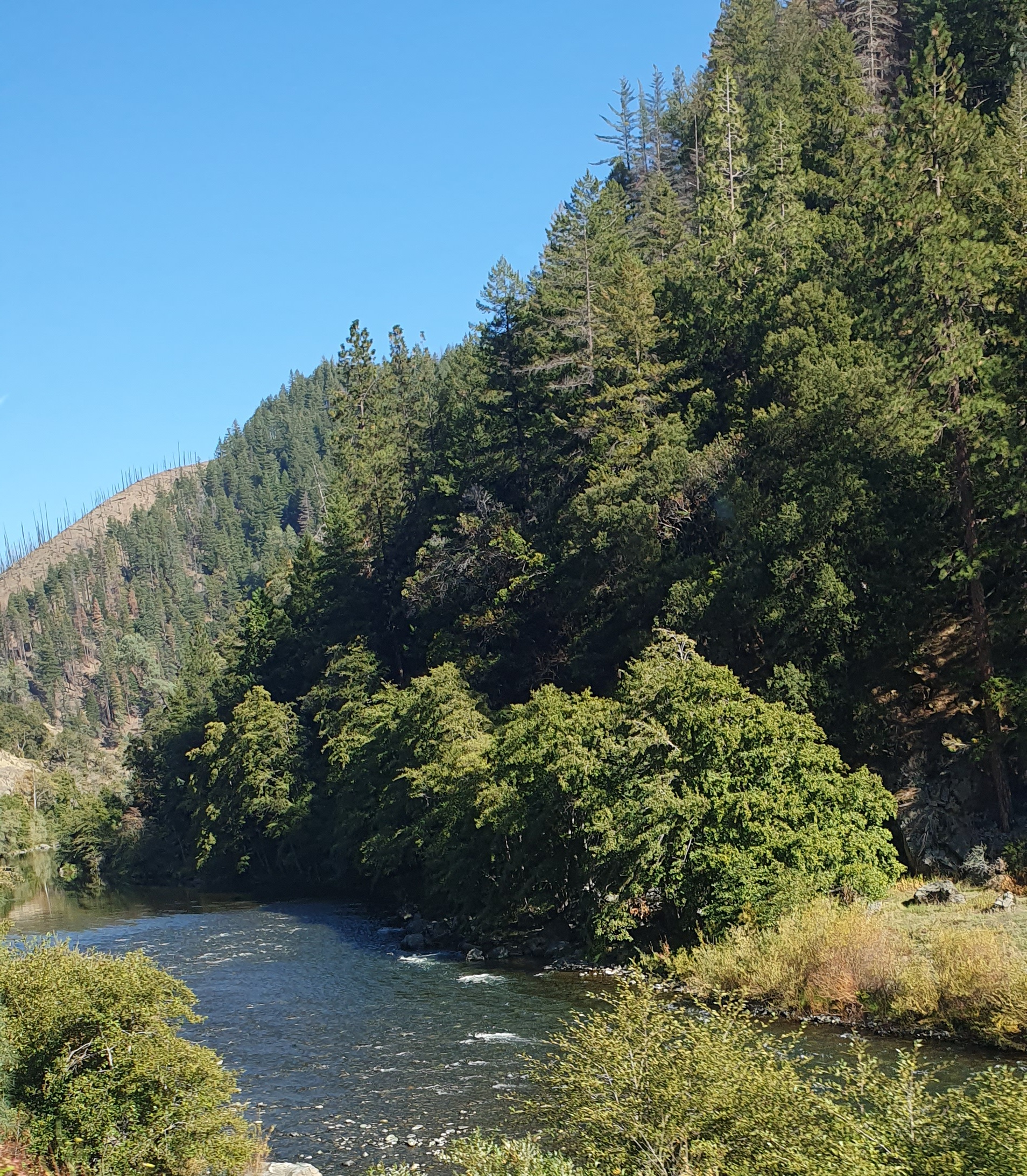
We planned an easy trip to Portland, driving from Eureka, CA to Grant’s Pass, OR on Friday afternoon and on to Portland on Saturday. We’d drive four hours each day. The road winds through the forests of far northern California, and straightens out in Oregon at Interstate 5.

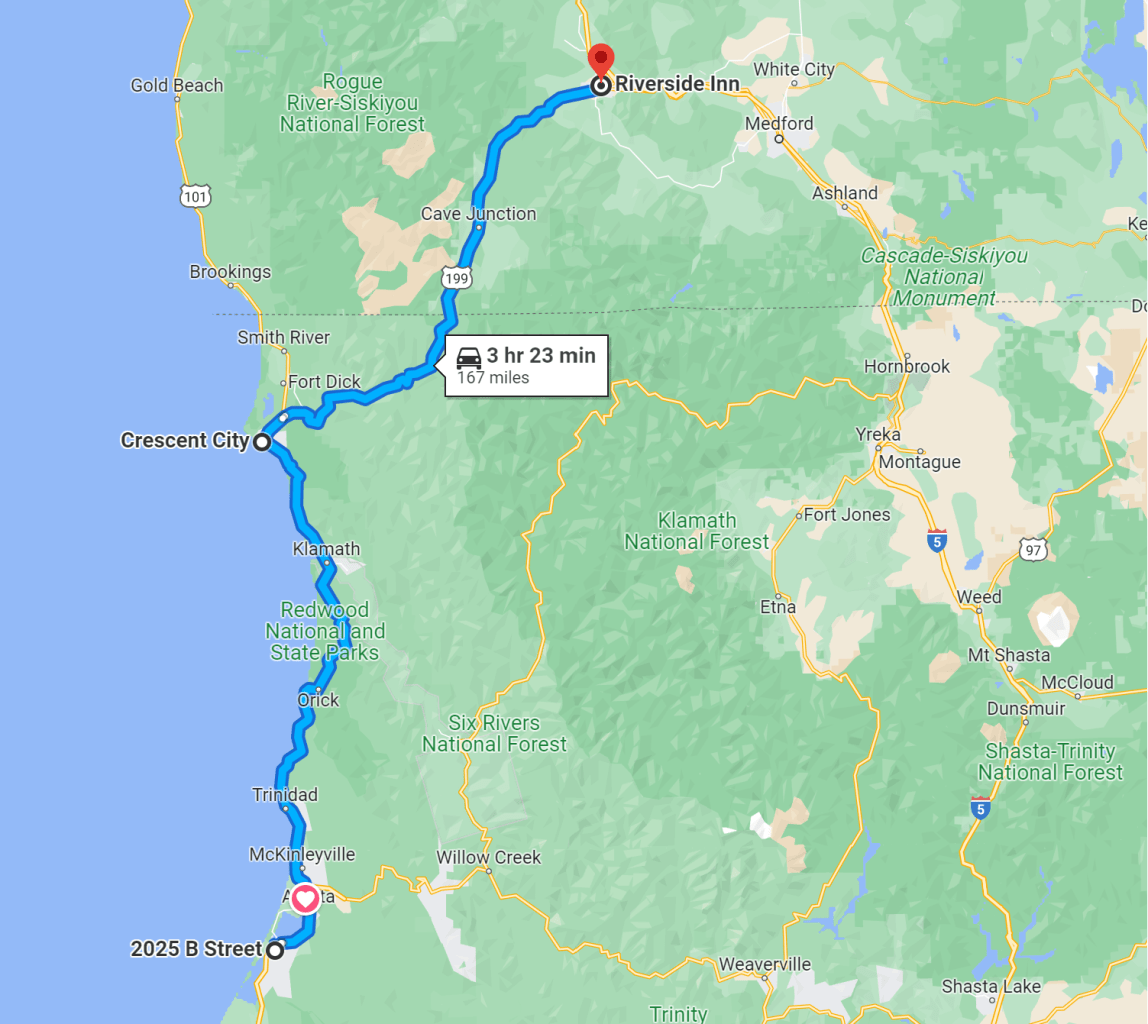
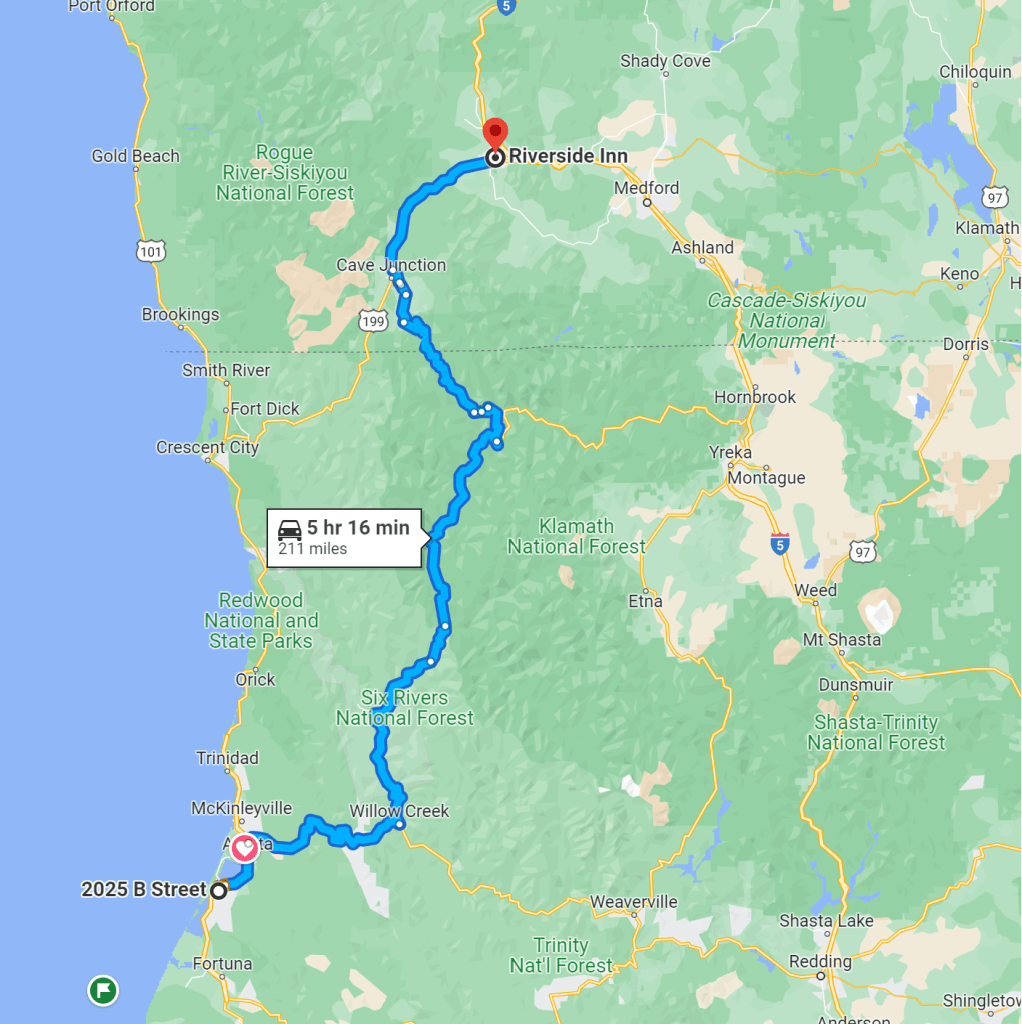
It’s been just long enough since we last made this drive that I forgot the only important caveat to the journey–there is no cell service for most of the first day’s route. A road map is helpful, a route saved off-line on your phone, or a copy printed on paper. Without this kind of backup, we got well into our drive before realizing that we’d failed to make a turn at Willow Creek.

Here’s what happened:

L: The route we planned to take

C: The route we should have taken in the first place.

R: The route we took
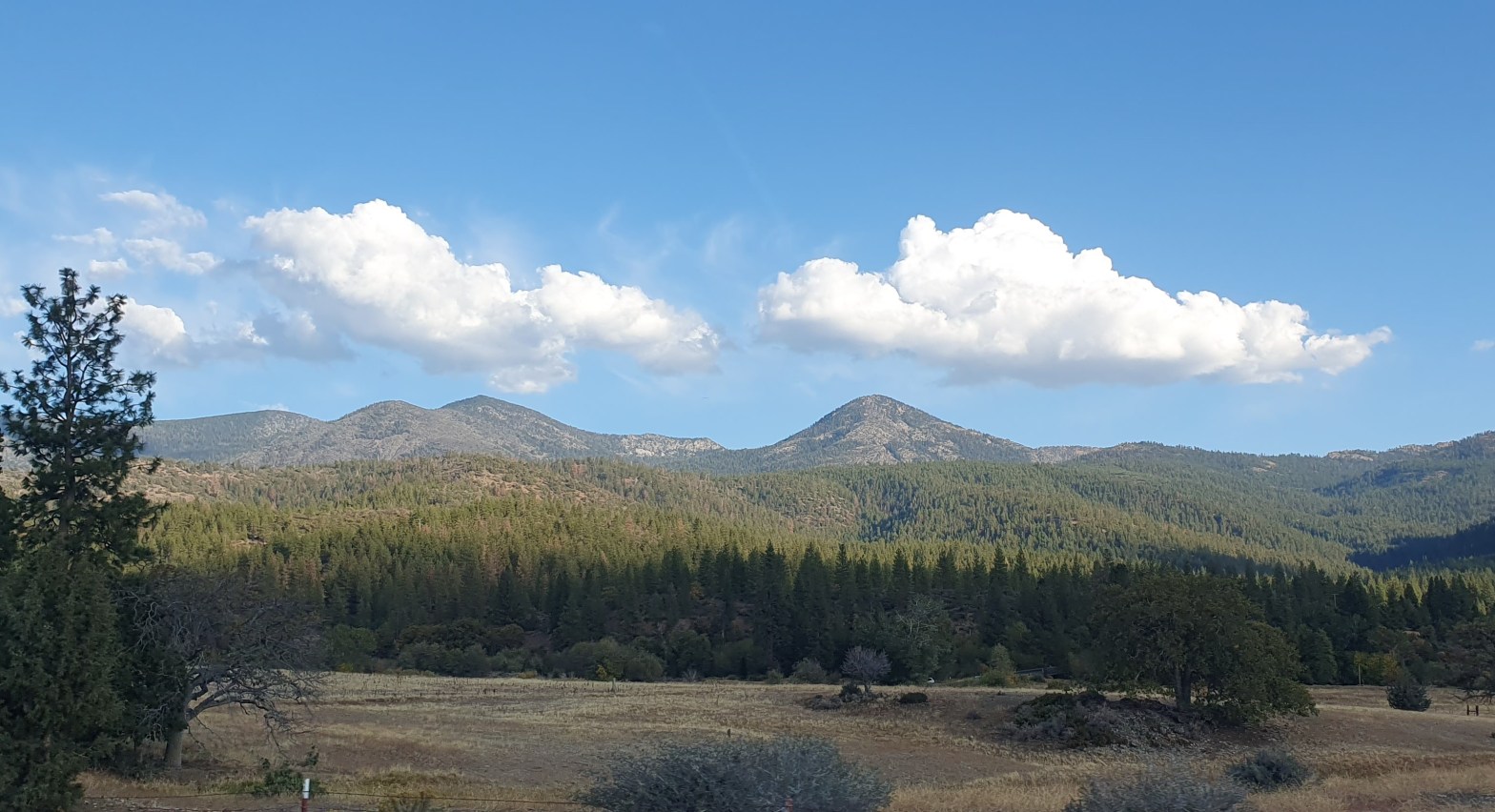
Right about when we got to Gazelle, CA and had a gorgeous view of Mount Shasta, we wished we’d gone via the coast route, foregone the views and had time to sip wine at the Riverside Inn’s happy hour.

This is similar to our view of Mt. Shasta, though I did not take the photo (Wikimedia Commons)

We arrived at our motel at about 6:30 pm rather than four-ish, pretty tired and grumpy. The Riverside Inn seems perfectly nice, but we were in the “cottage”, a room attached to the breakfast room, away from the main building, and dark outside. We were concerned about parking our car in the otherwise empty parking area. Fortunately, nothing happened. We stopped at the hot breakfast included with our room. I was torn between making my own waffle, and biscuits and gravy, so that was a good start to the day.
We hit the road to Portland, thinking how much shorter the drive would be. Just north of Salem, however, our directions showed multiple car crashes and a lengthy backup on our route. I directed us to an alternate route–my next mistake. The back road became crowded and was full of twists and turns. After a hour, we finally made it back to the highway and realized we should have just stayed on the highway. The road was indeed closed, but only in the opposite direction.

Still, we got to Portland by about 4 pm, with time for a short rest before heading to an early dinner at Rocio’s, a Mexican restaurant just around the corner from my sister Paula, with whom we stayed.

The rest of the trip is all good news. We went to two concerts. Saturday night’s was, In Mulieribus, (Among Women, in Latin). The group is eight professional singers featuring music written before 1750. They’ve added pieces written by women composers in recent years, and the music was ethereal and lovely. The contemporary music fit in surprisingly well with the ancient pieces, and the director, Anna Song, gets high marks for the selection.
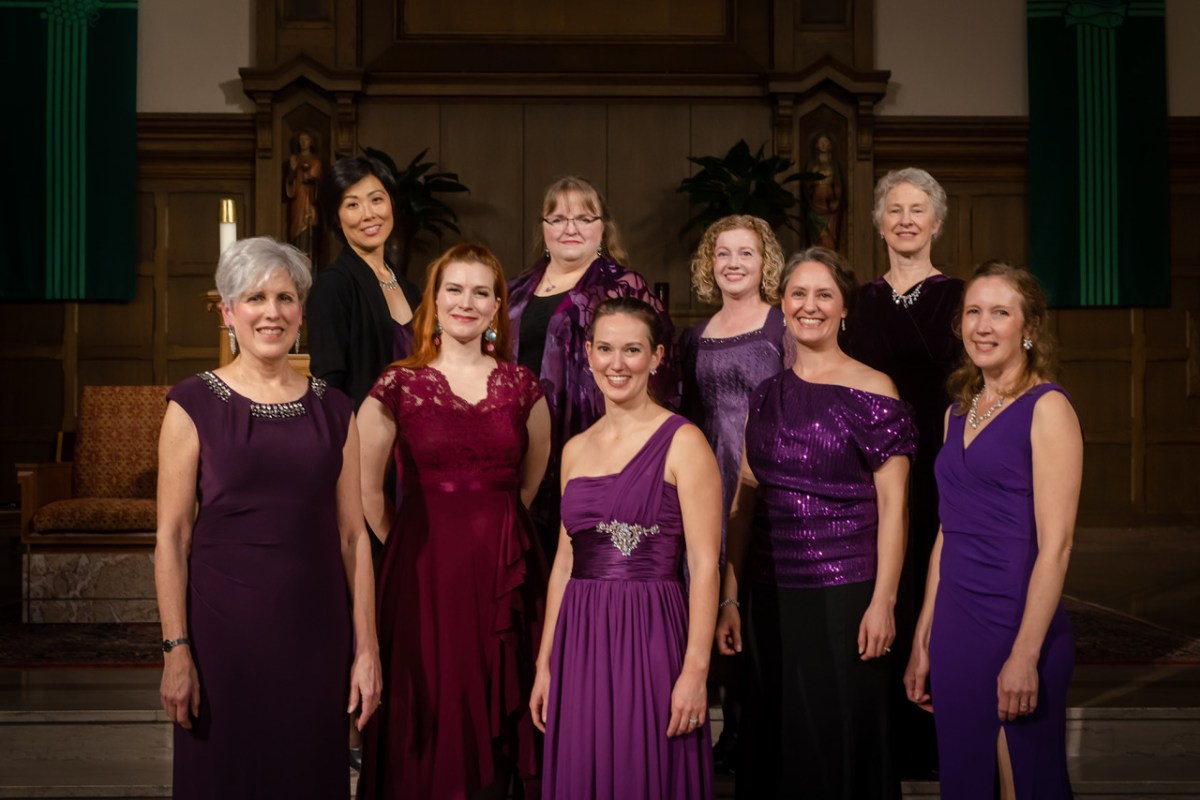
In Mulieribus ensemble, before their Oct. 24, 2023 concert. They wear different coordinated ensembles at every concert. One member is a fantastic stylist/shopper.

Strangely, though, the program was called Songs of Loss and Lamentation, with a program cover of a classical statue of a drooping woman. Who would go to a concert with that title? We went because Paula is on the board, and were surprised and delighted at the excellent concert. It should have been titled Songs of Hope and Renewal, but I guess no one looked closely at the title and thought about the impression it might make.

The next afternoon at 4 pm, we attended the Oregon Repertory Singers concert, in which Paula sang along with the other 119 members of the group. The program was a bit out of the ordinary, a single piece, Rachmaninoff’s “All Night Vigil” Vespers. It has 15 sections, making a 90 minute concert without an intermission. I could imagine it as an overnight vigil, with a group singing one section every half hour from 11 pm until morning. The group sang in Russian, and it was a fine concert of a piece not often performed. We enjoyed it thoroughly.

On the plus side, the concert was over in time to make a stop at home before going to dinner at Sushi and Maki, a delicious sushi place on SE 32nd Ave. in Portland. The good food kept on coming. On Monday night, Wayne cooked ribs on his Traeger and they came out lightly smoked and falling off the bone tender, accompanied by cornbread and salad.

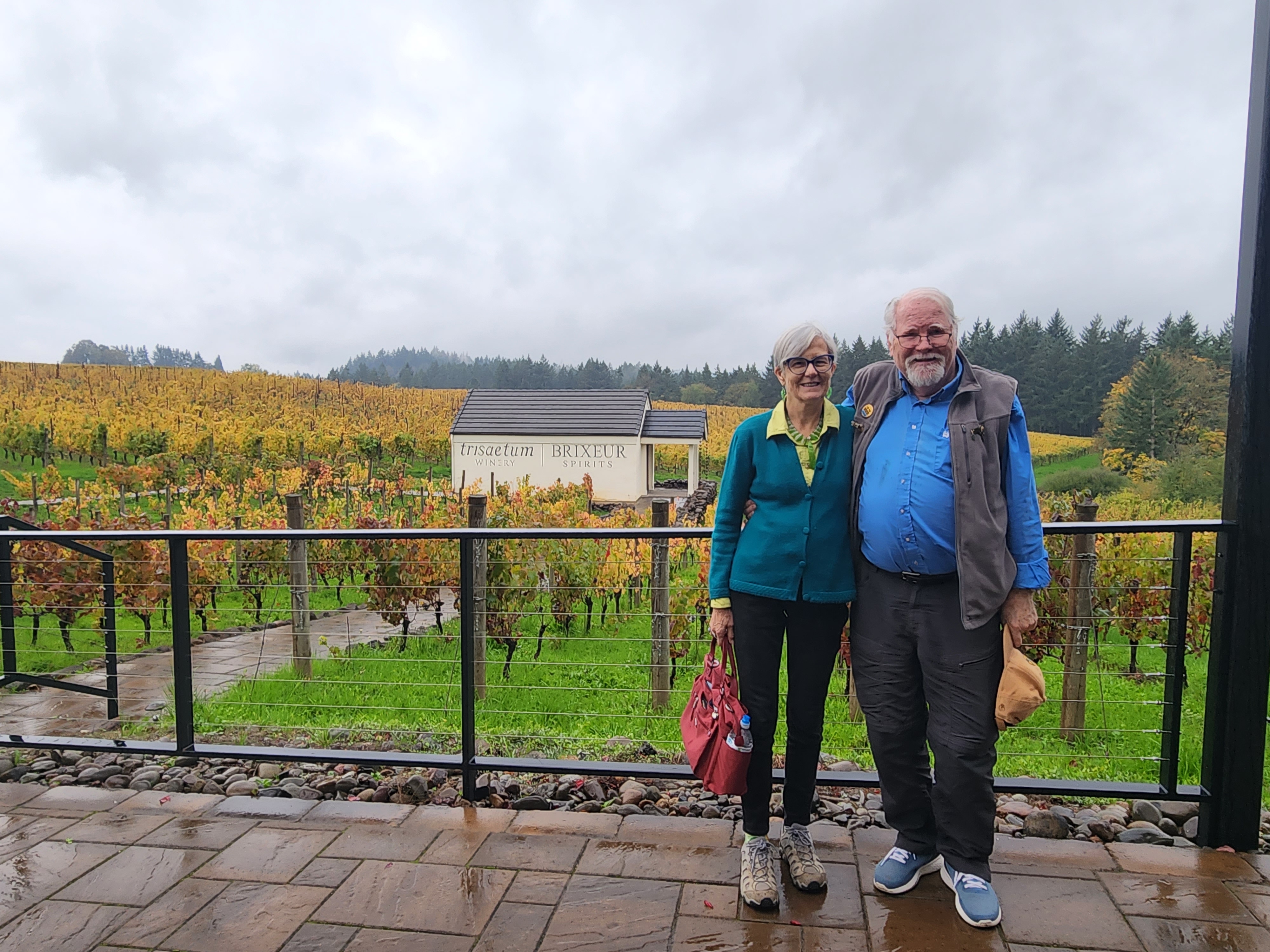
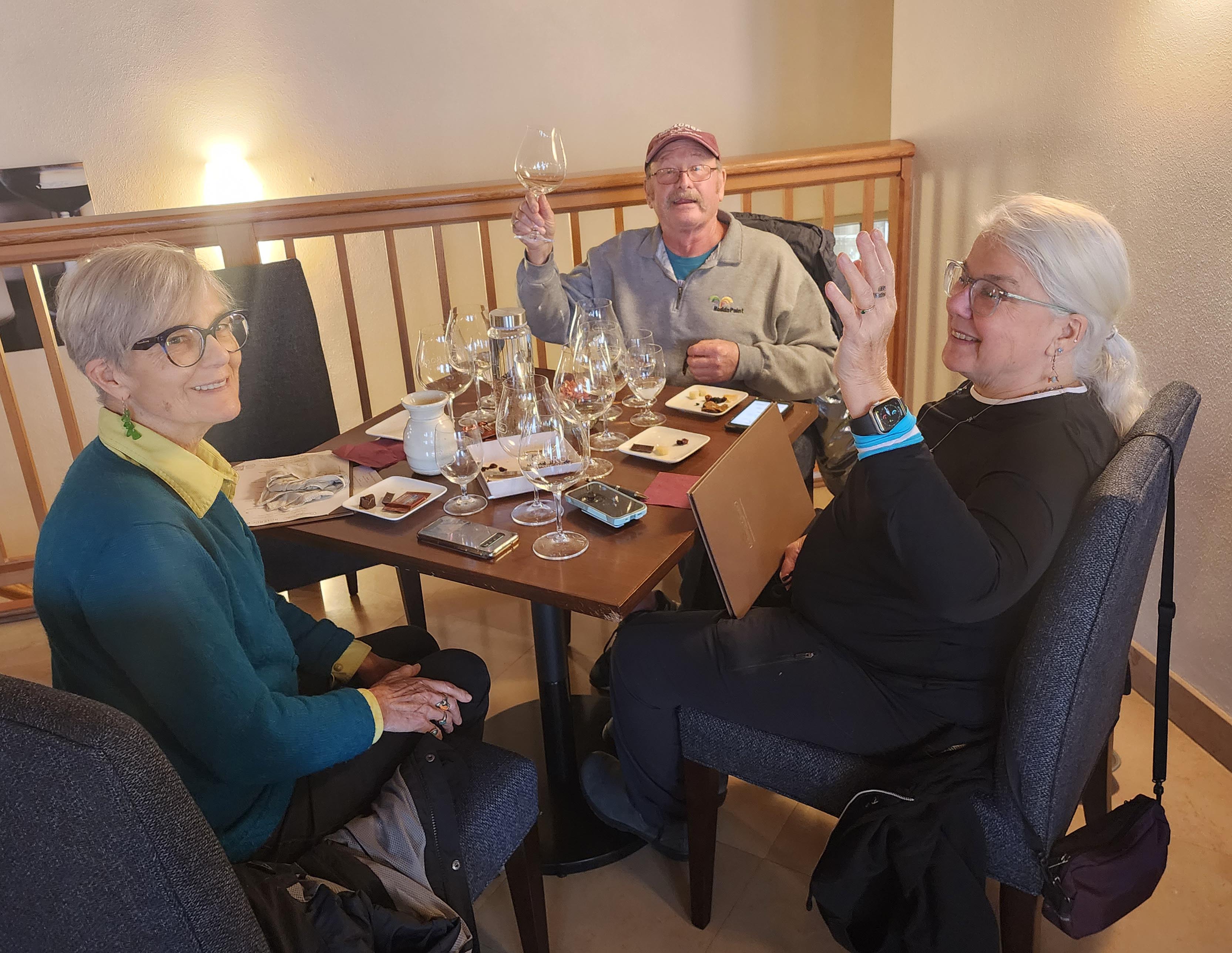
Tuesday was wine tasting day, and we visited Paula’s two wine club vineyards, Drouhin and Trisaetum. At both places, she’s on a first name basis with the host, and we were treated well. We tasted all the wine we possibly could, and Paula collected her quarterly allotment. On the drive back into town, we decided to eat dinner out and ended up with a reservation at Nostrada, which has excellent food. We were a bit surprised to find that there is a mandatory 22% tip added to every tab, especially when our server made it clear the 22% was shared, and if we wanted to leave him personally a tip, we could do that. We decided that we had contributed enough, delicious as it all was. Have you had this experience?

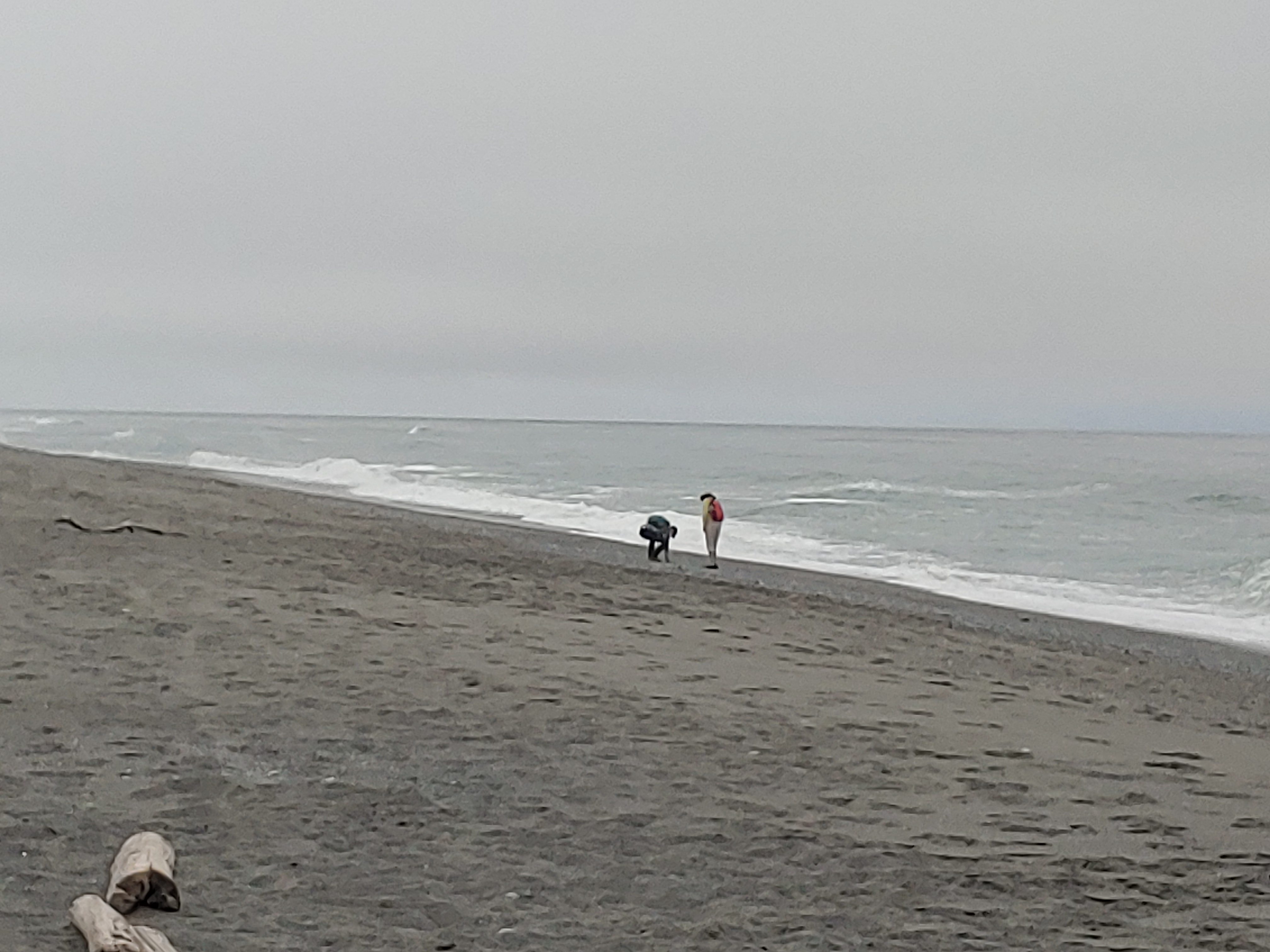
Wednesday we left Portland for home, stopping overnight in Gold Beach, Oregon. We walked on the beach, had dinner at a local spot and enjoyed a quiet night. The last leg of our trip went through Crescent City, CA, where we stopped to do some beachcombing, found some beach glass, and some agates. It was a really nice break on the drive.

We were glad we went to Portland, and we were glad to be home again.

Morris Graves Museum “Junque Arte”

I recoil slightly at the term Junk Art, as I don’t view my jewelry as junk at all. Our local museum, the Morris Graves Museum of Art has an annual Junque Arte exhibit, a juried show of objects made from reused materials. I entered two pieces and both were accepted.

Roman Holiday L-R: (top) Mondrian, Romulus, Remus & the she-wolf, Canova, Matisse; (center) Virgin, Botticelli, ( ), Bernini; (bottom) Raphael, Bernini, Raphael, Virgin

Since we traveled to Italy in 2017, I’ve been making jewelry from sea glass, pieces we’ve collected along different shores. It gives me something to do with my finds other than pile them up or fill a lamp base. Initially, though, I began putting things together out of household scraps, and my first necklace was made of prosecco caps and images cut from ticket stubs and guides from the museums we visited in Rome. The chain came from a broken light pull. I entered that necklace in the exhibit, calling it “Roman Holiday.”

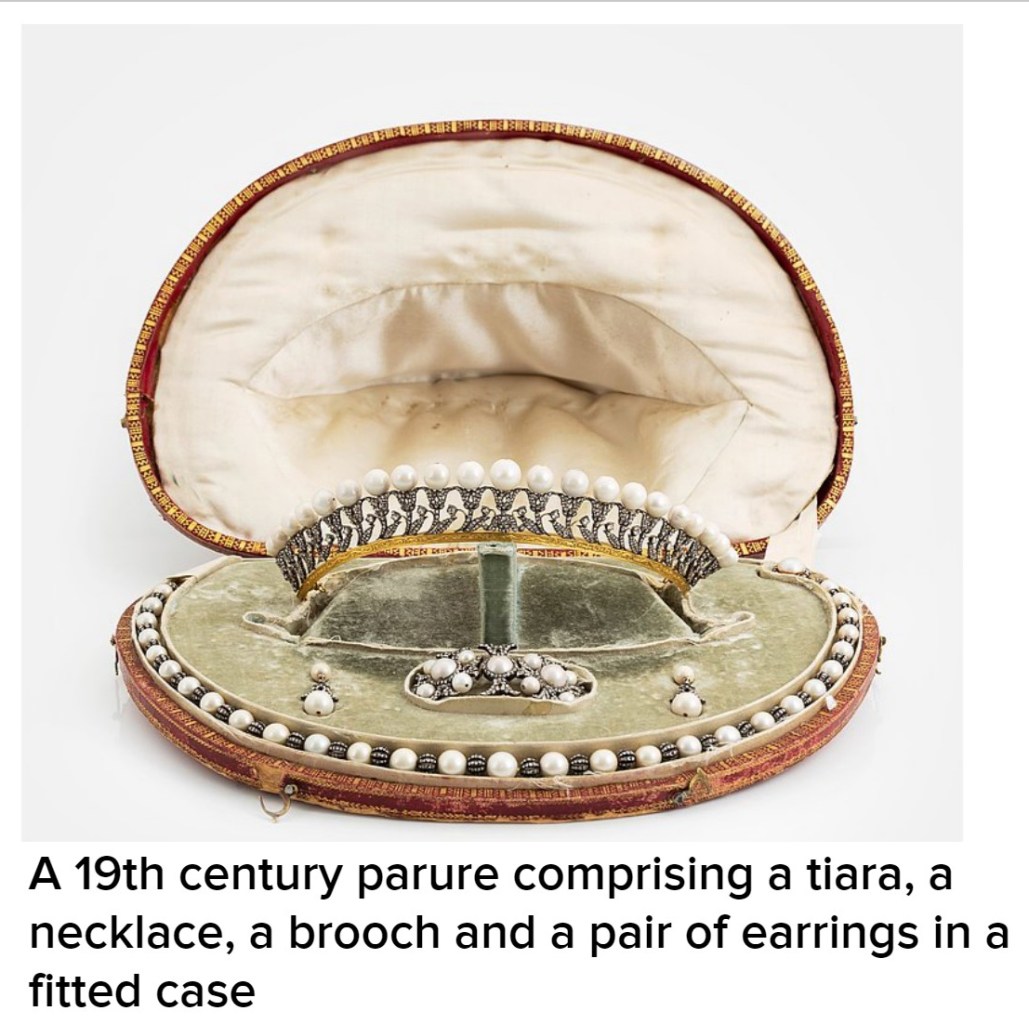
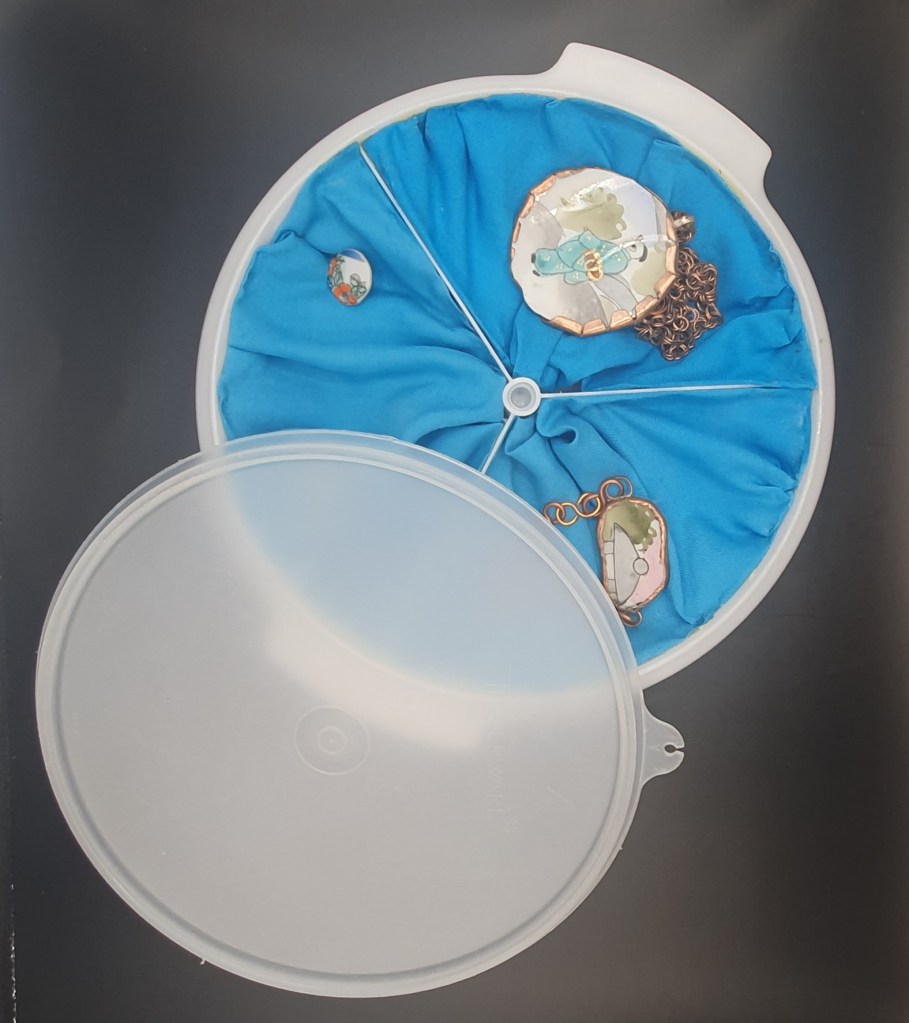
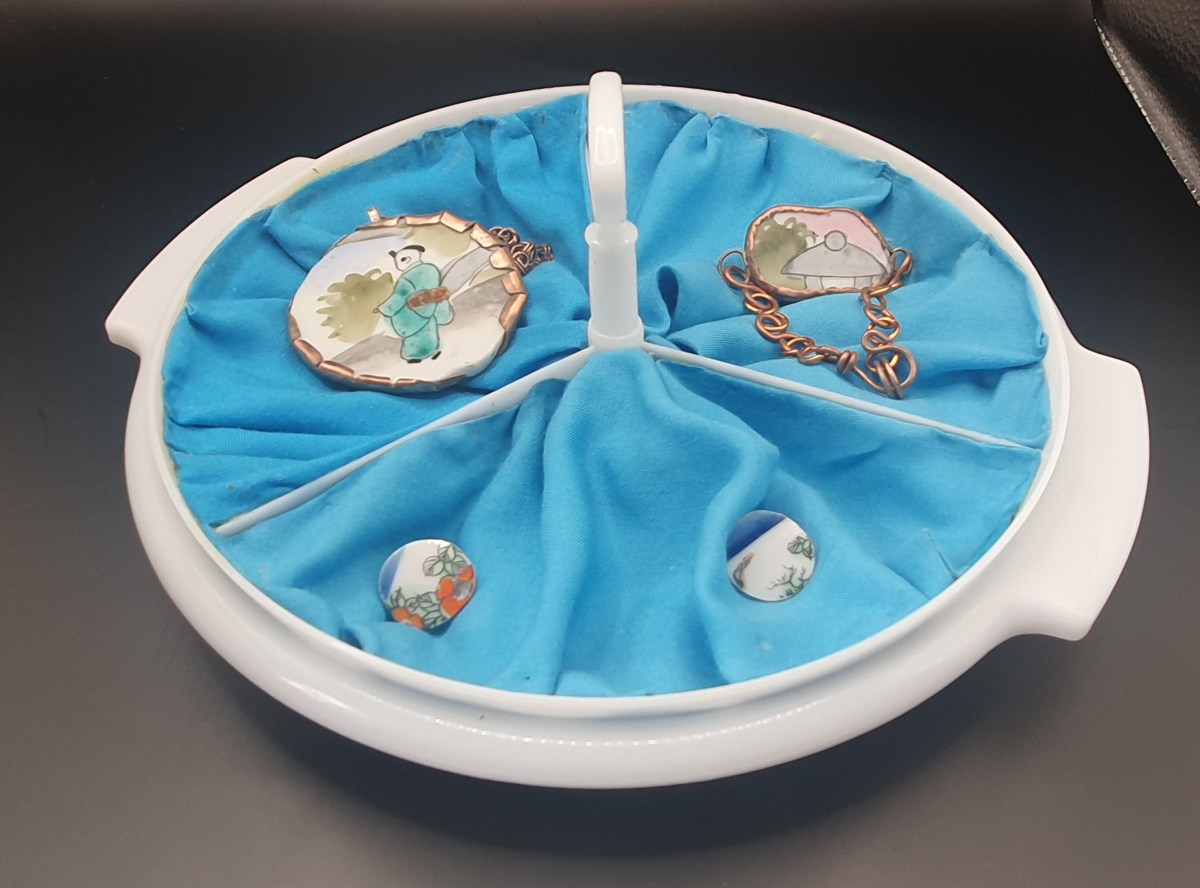
The second piece I entered was my Earthquake parure. I used pieces of my daughter’s vintage Japanese porcelain cups and saucers that broke during the December 2022 earthquake in Rio Dell, CA set in recycled copper, to make a pendant necklace, a bracelet, and earrings. A parure is a set of jewelry meant to be worn together. A century ago, a parure was likely to include a tiara, a necklace, a bracelet, a brooch, or a pair of dress clips, and earrings presented in an elaborate, custom-fitted box.

In the spirit of a true parure, but using recycled or used materials, I found a Tupperware with three sections and lined it with cloth from an old skirt that I had cut up.

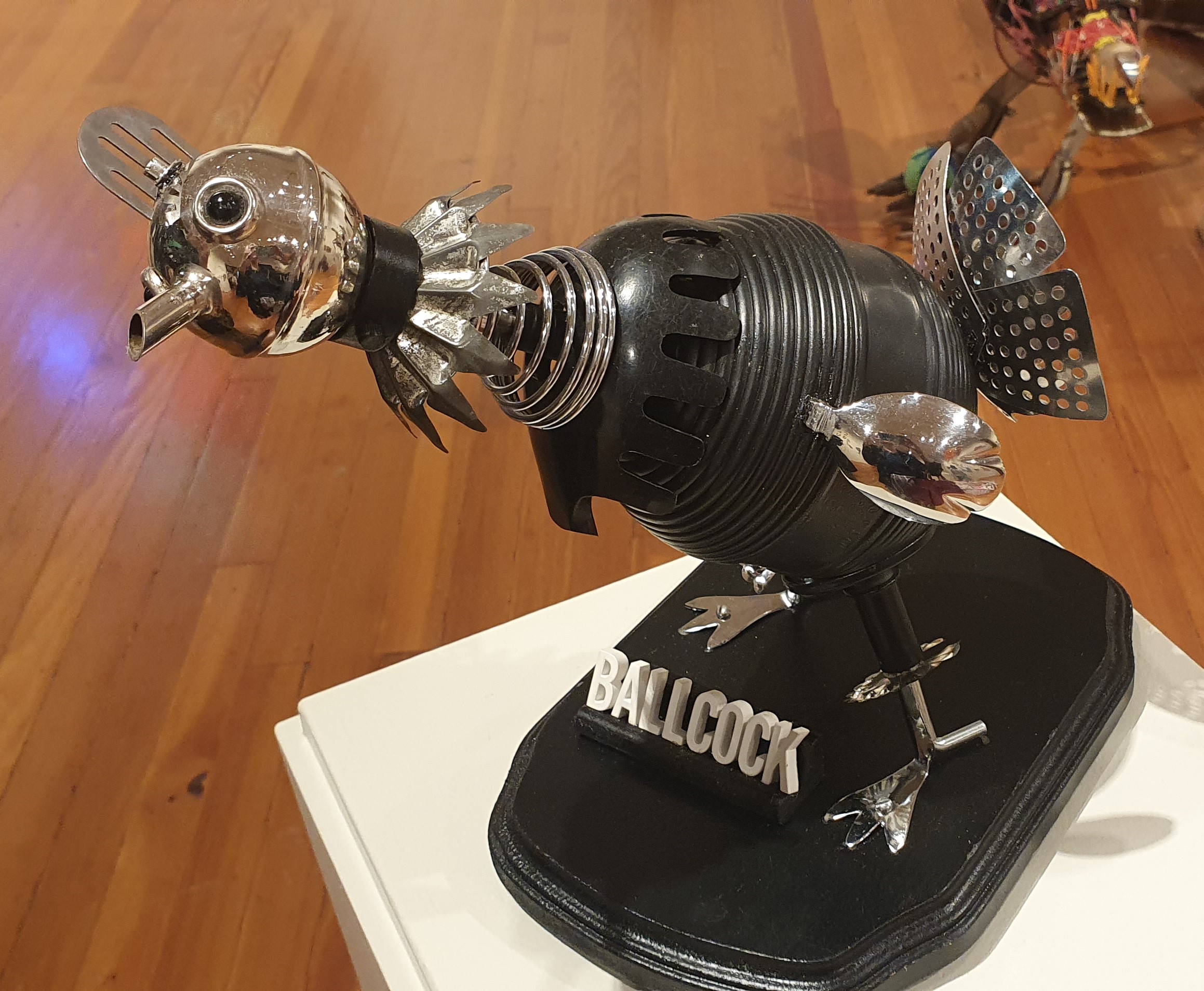
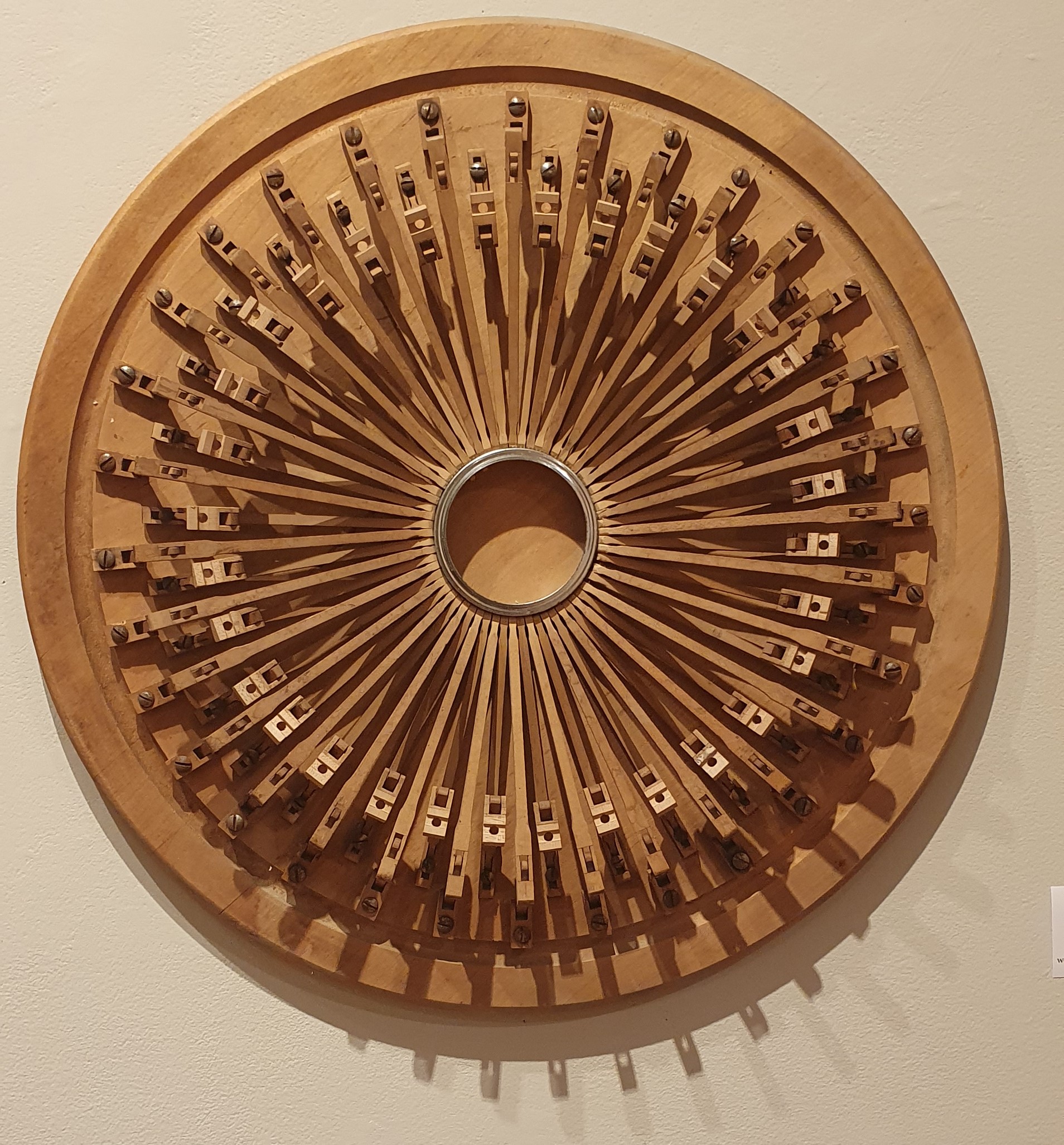
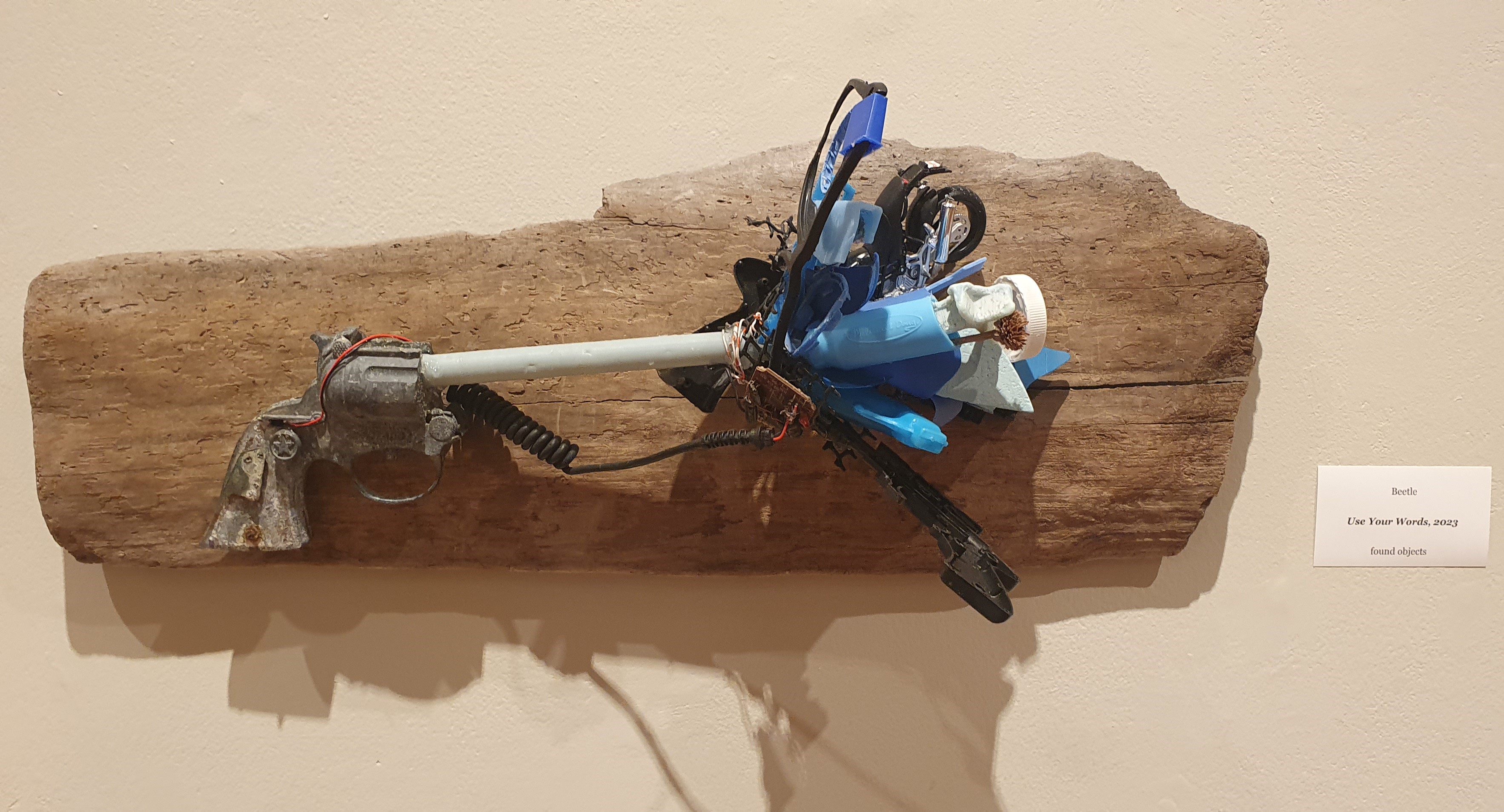
I went to the museum when the exhibit opened to see the other pieces. They were delightful. People put a lot of work into their ideas and the results were creative, interesting, and full of whimsy. The exhibit may have been sponsored by our waste disposal service, Recology, but the artwork was not trashy at all.

Clockwise from upper left: Ballcock, Sewing Fairy, Belly of the Beast, Use Your Words, (no title).

The best piece of all was a thought-provoking sculpture, Blinde Injustice. I spoke to the artist who explained that her piece comes from real life. She doesn’t believe in suppressing any book, and she has a Little Library box in front of her house that has been set on fire on three different occasions by people who believe her book sharing is dangerous. “When they banned Charlotte’s Web because the animals could talk,” she said, “I knew I had to put it in my library.” Thousands of books we all read as children and students have been banned in the US, for reasons that are often implausible. For me, this piece was Best in Show by a long stretch, a reminder that art can make us think, and perhaps, act.

The equinox hints at fall

I believed that September 21 was always the start of Autumn, but I am wrong. This year the fall equinox when night and day are the same length on the Equator, is September 23, in the middle of the night.

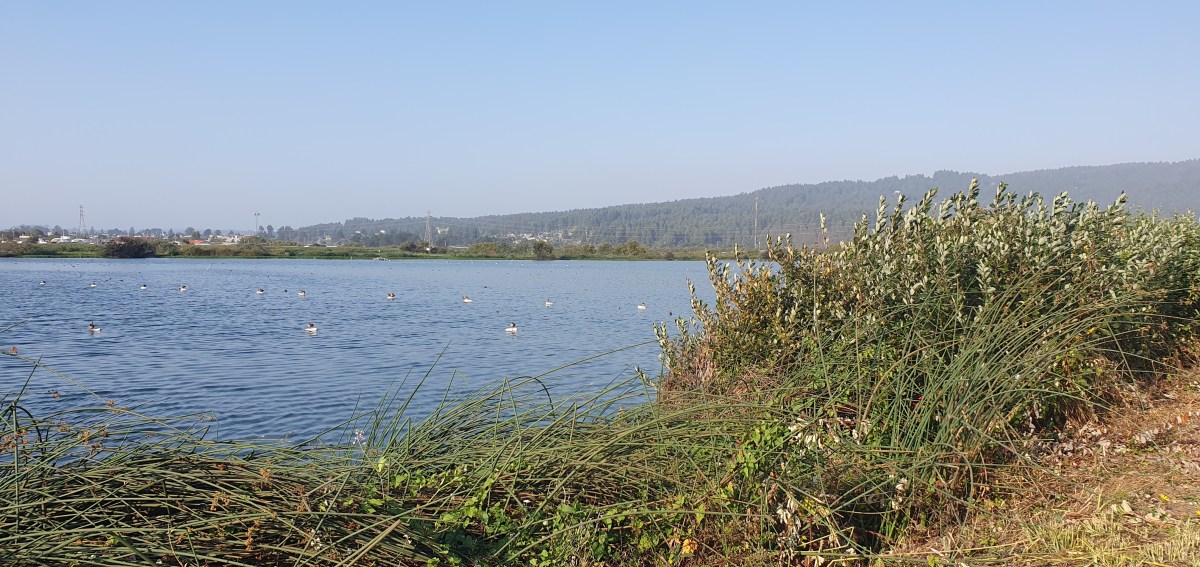
The past few days have hinted that the seasons are beginning to change. I went for a walk and heard the rustling of leaves on the trees that somehow foretells fall. Why do the leaves sound different this week? I cannot say, but the afternoon light is beginning to slant in a way that also tells me fall is coming. For birdwatchers, migratory birds are beginning to show up in the brushy trees along walking paths, and at Arcata Marsh where thousands of shorebirds stop on their seasonal journeys.

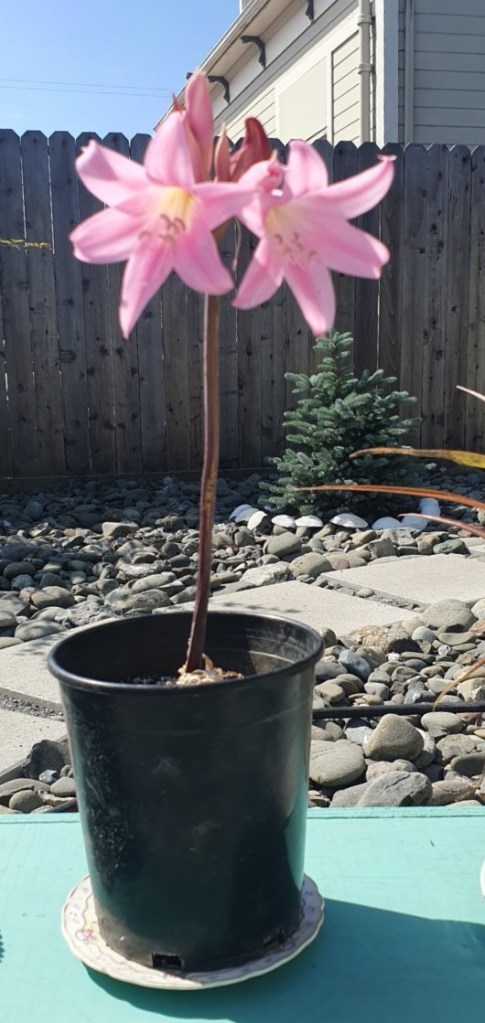
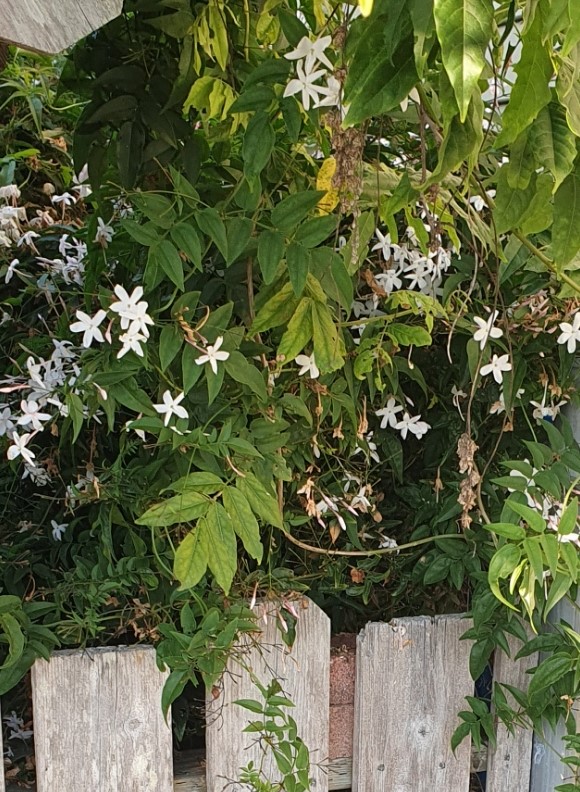
Northern California continues to surprise me, with many flowers still in bloom in late summer. A favorite is the Naked Lady (or Pink Lady, if you wish), a bulb that blooms on a leafless stalk after all its greenery has died back. They are in full flower now, lovely and a bit strange. I’m also surprised that the scent of jasmine is in the air. It’s blooming on fences all around Eureka. I thought it was a spring flower!

With the beautiful late sun and flowers all around, there is the natural flip side. Rain is scheduled to start again at the end of this weekend, and should increase and continue through the winter months. It’s the price of trees and flowers that start to bloom in March and continue through September. Though it has barely rained since June, I’ve been able to cover about 80% of my watering with gray water I collect in the kitchen. Our contact heater takes 1-3 gallons to go from cold to hot, and I run all that water into a bucket that I put on the plants. That and a bit of rinse water from things that need hand washing, I get 5-6 gallons a day to put on my plants.

By doing this, I hope to have tomatoes for another month or more. I didn’t do very well with our tomato plant and had to move it, so it’s just hitting its stride and putting out a lot of flowers now. I guess we’ll at least have some home grown green tomatoes for frying.

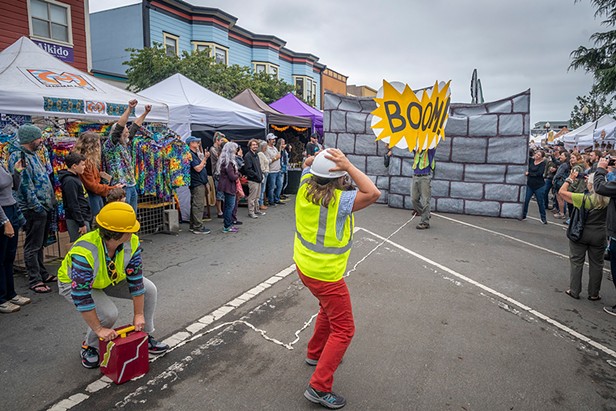
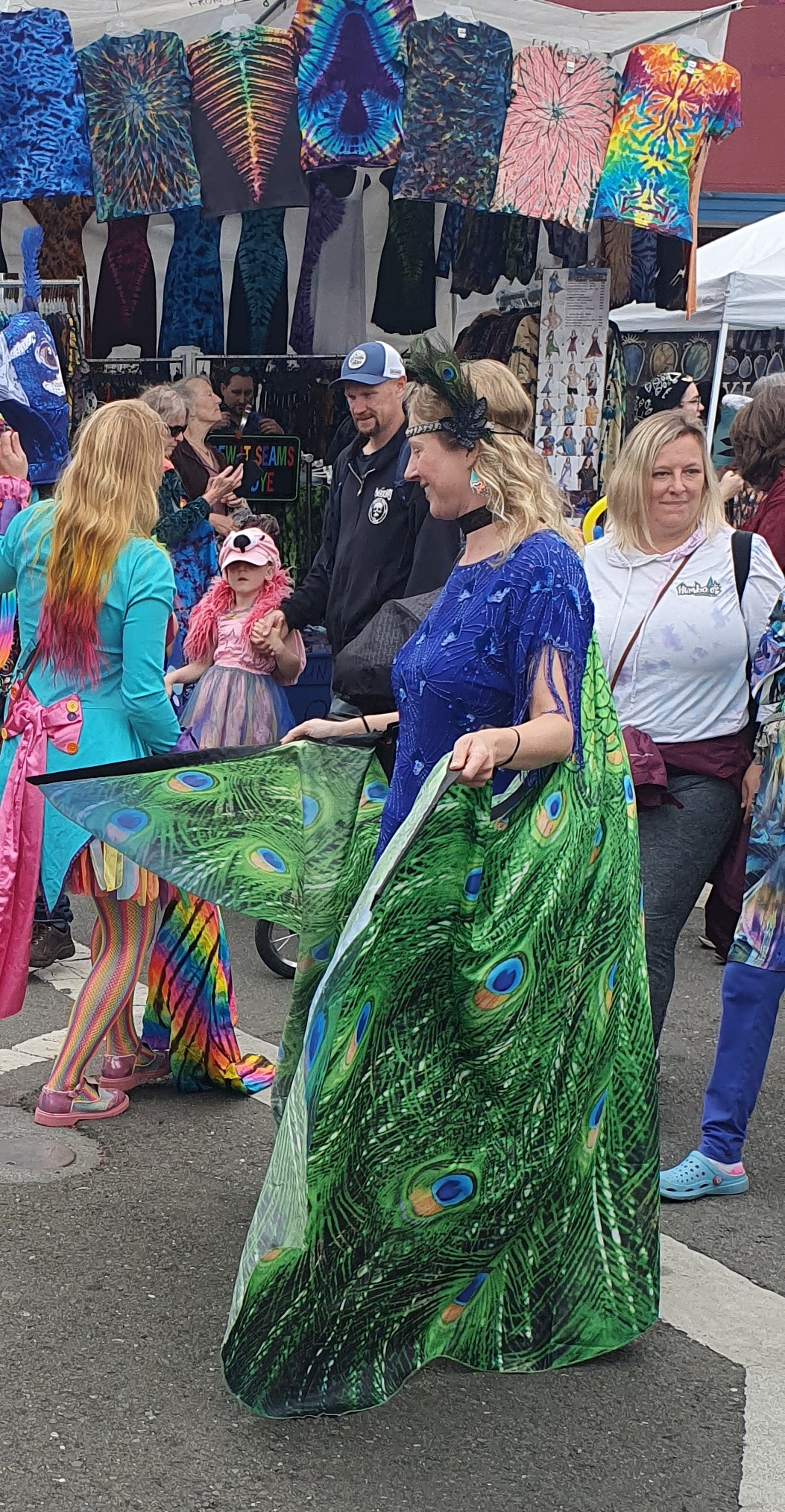
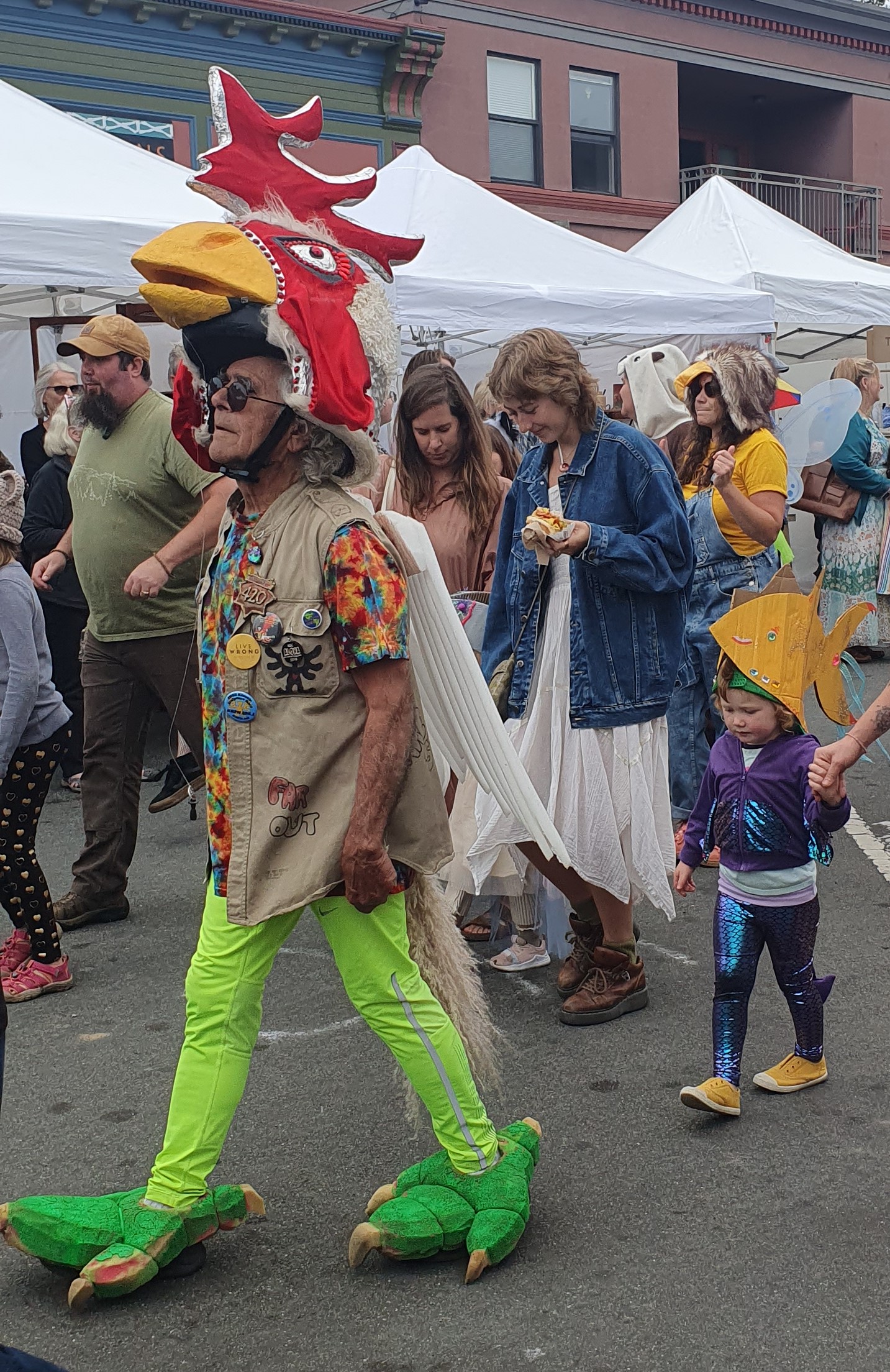
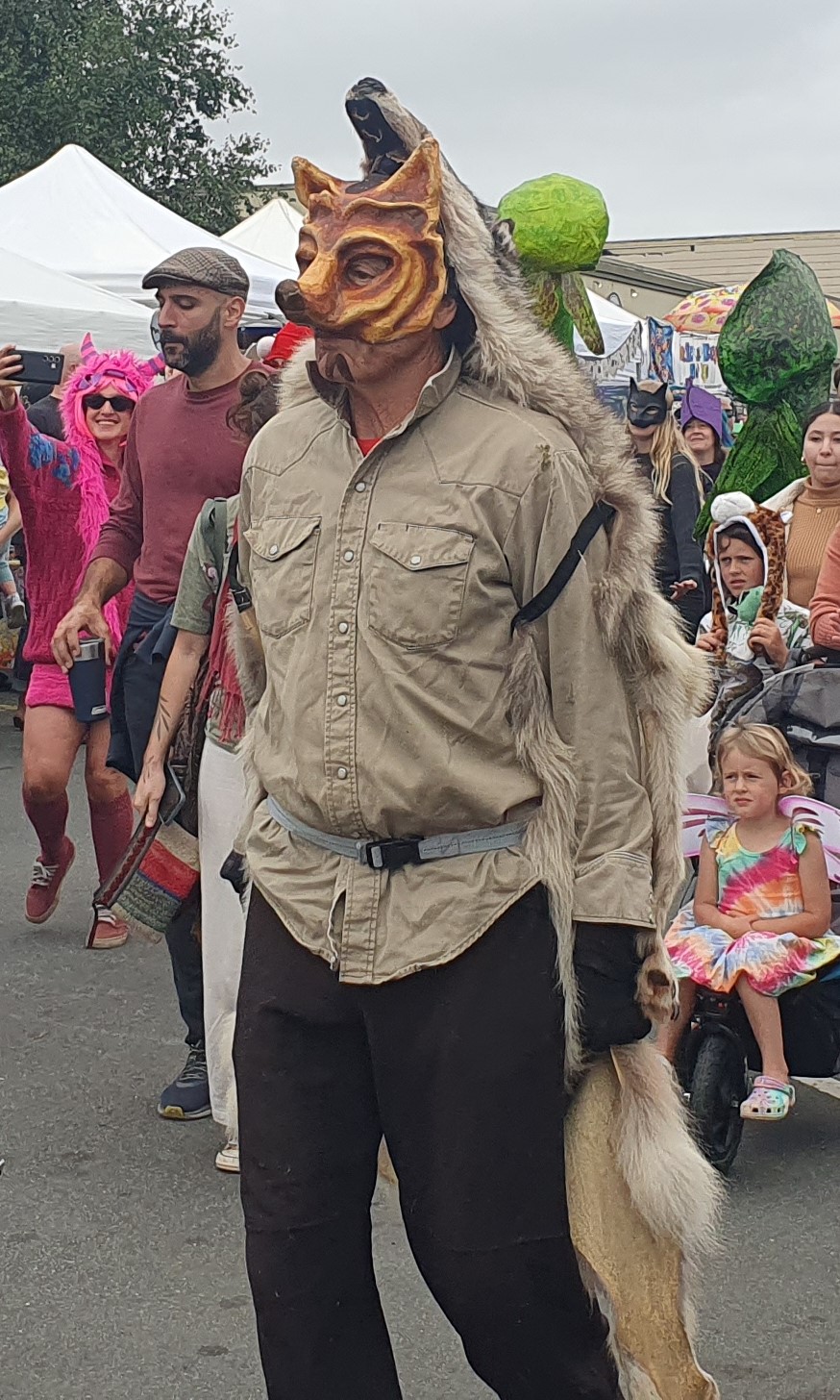
The North Country Fair last weekend provided some punctuation to the summer season, highlighted by the All-Species parade. This year it celebrated the removal of four dams from the Klamath River, a change that may increase salmon spawning which has decreased disastrously in recent years. A wall, “the dam”, led the parade. Immediately behind it were many “salmon”, leaping for the chance to reach their traditional spawning grounds. Periodically, a big “BOOM” sign opened, the dam parted, and the fish ran forward happily.

The rest of the parade consisted of people dressed as every imaginable creature. One of my favorites was the flock of peacocks.

With that excellent celebration and enough memories of the wackiness that is the heart of Humboldt, we’ll get through the drippy months ahead.

Salmon jumping down the river in the All Species Parade

Where to spend August

You can go anywhere in the world in April and May. (Springtime in Paris!) But where do you go in August, when everyone in Italy is on vacation, Europe is overrun with Americans, and it’s broiling almost everywhere?

Eureka, California, is your answer. Summer didn’t really arrive until around the Fourth of July, and now that it’s August, every day is glorious, with bright sun and temperatures peaking a bit over 70°. There is always breeze off the ocean. As soon as the sun goes down, temperatures drop. You can open your windows and cool your surroundings without any air conditioning. It may be misty in the morning, but that gives you a chance to enjoy your coffee and get a start on the day.

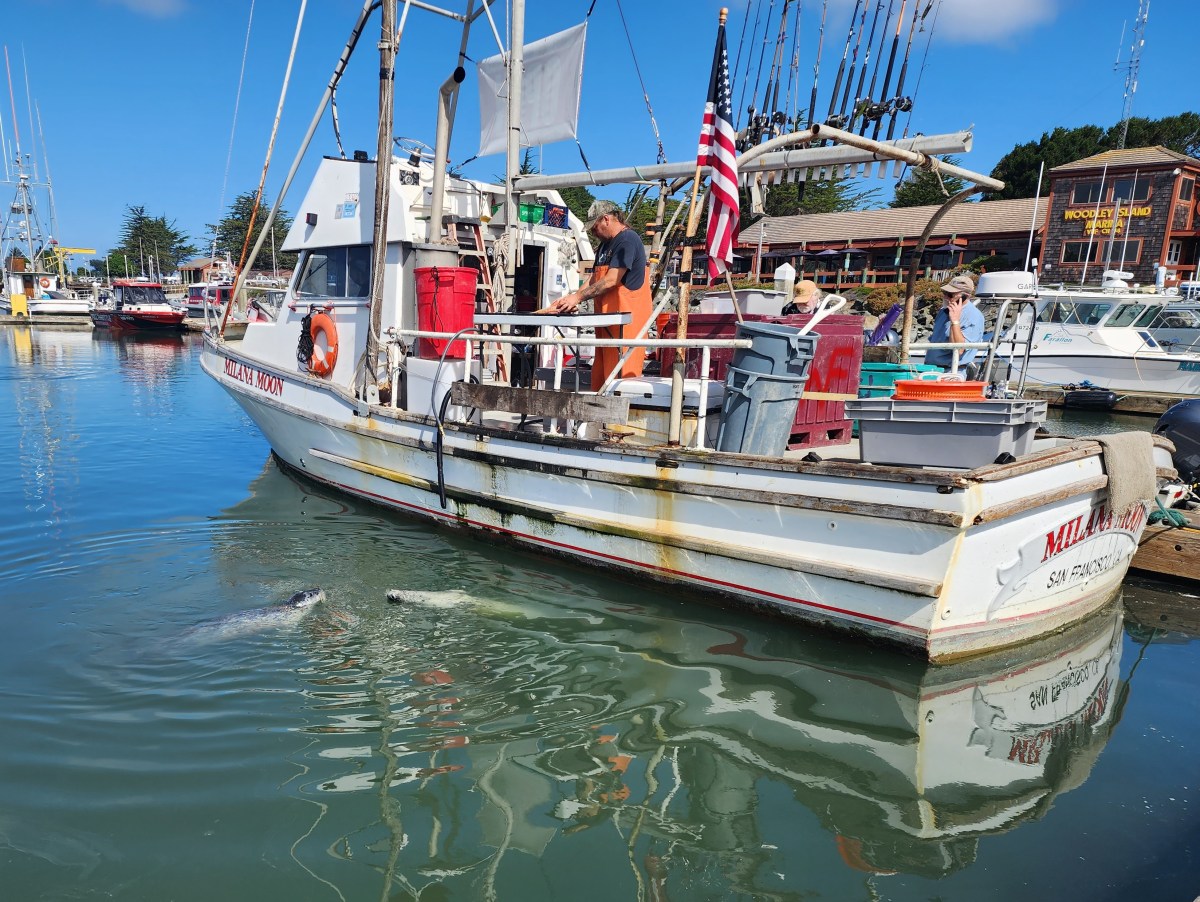
Wine country is hot at this time of year, but it is not too far from Eureka. You can drive out during the day, taste some excellent wine, and retreat to cool weather. You can purchase fresh fish from a boat moored at Woodley Island and watch the seals beg for scraps.

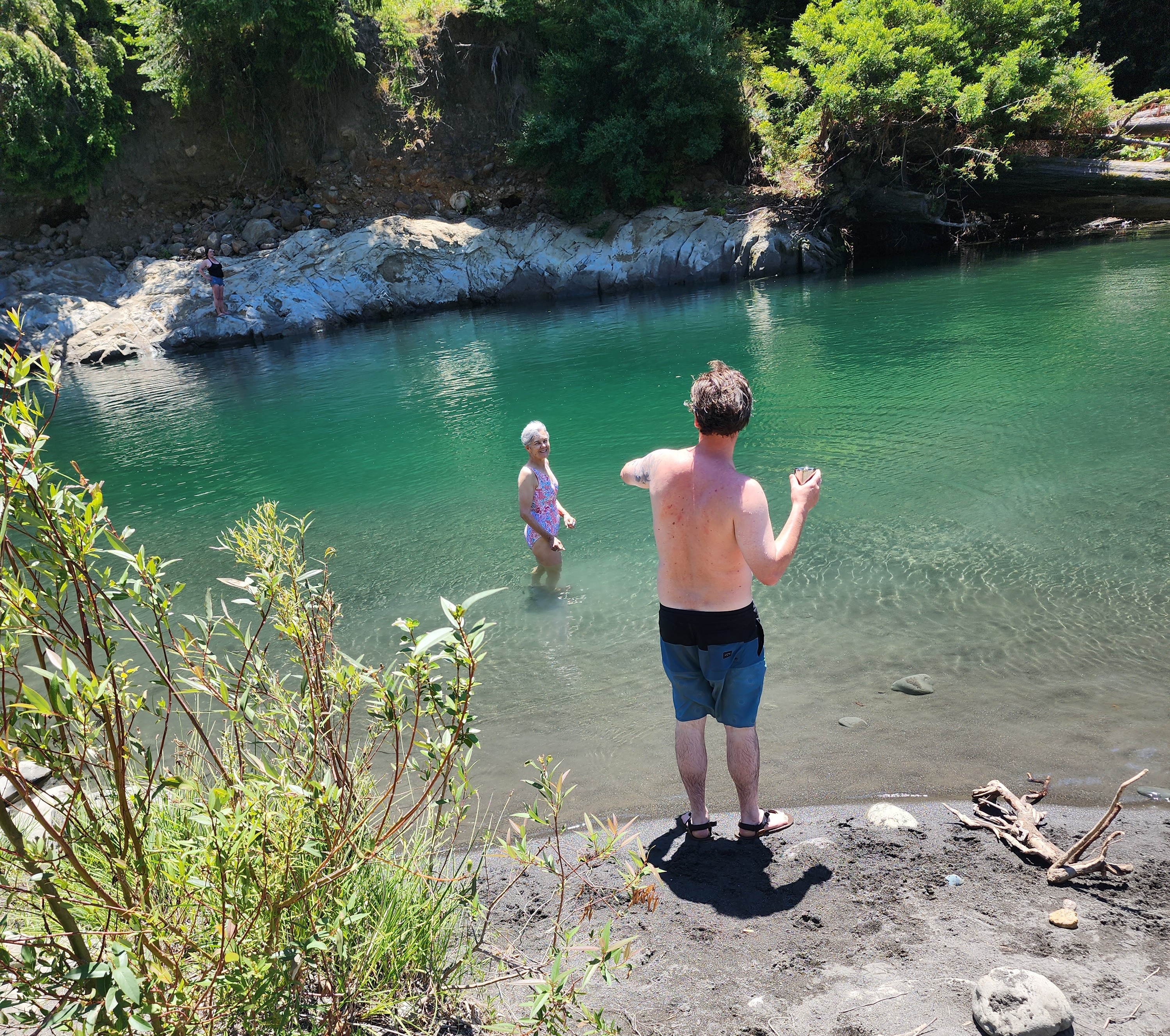
At the edge of town, you can walk along nearly deserted beaches, hike among the redwoods, or set up your lawn chairs and cooler at a swimming hole along one of the rivers. I always recall August as empty of activities, but not here. There are festivals every weekend, farmers markets, night markets, and the Victorian main street of Ferndale to visit.

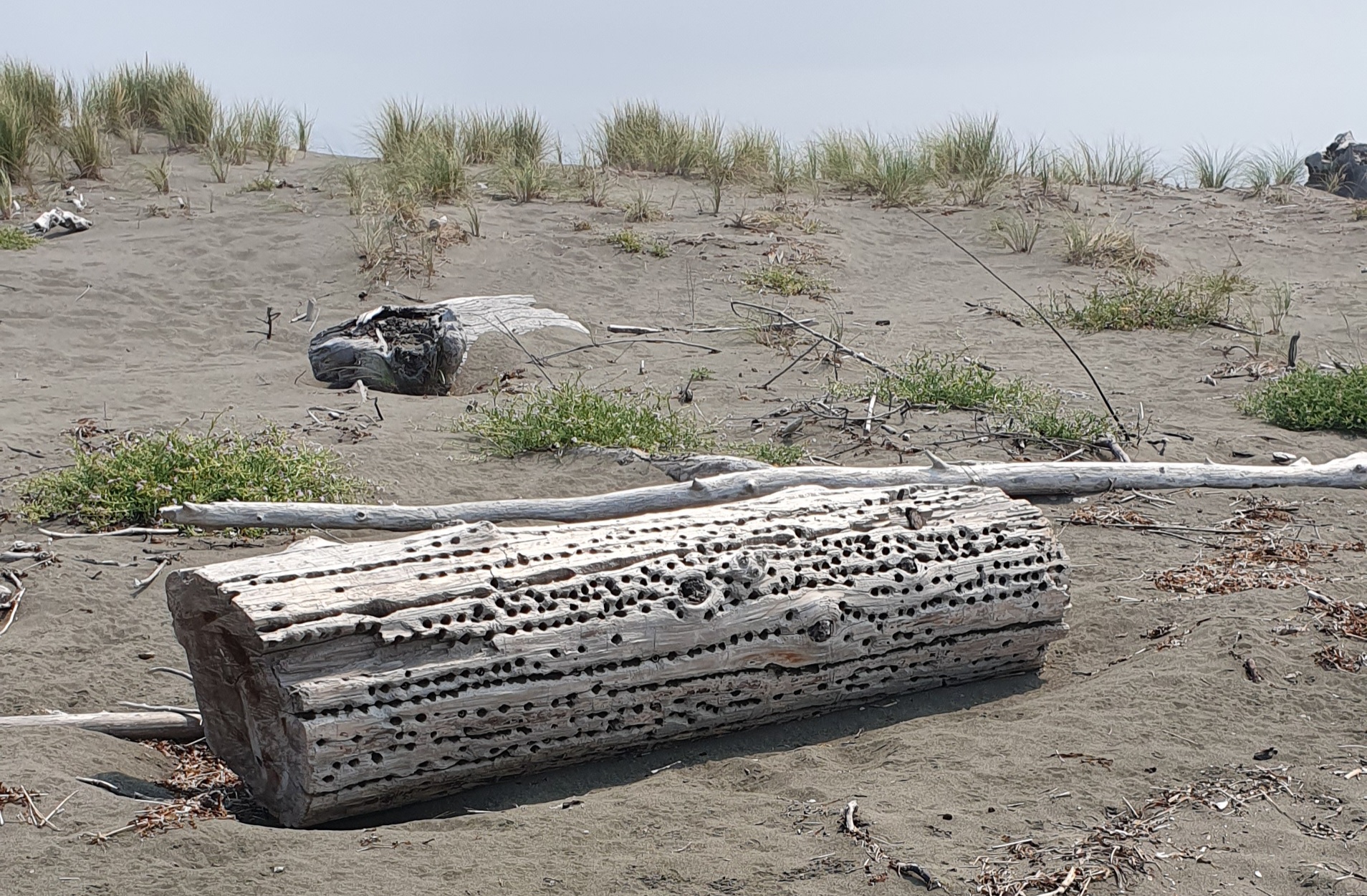
Clockwise from upper L: Swimming along the Eel River; a beachcombing trophy (No, I didn’t bring it home); Oyster farming basket that got loose during a storm; tree trunk full of woodpecker holes.

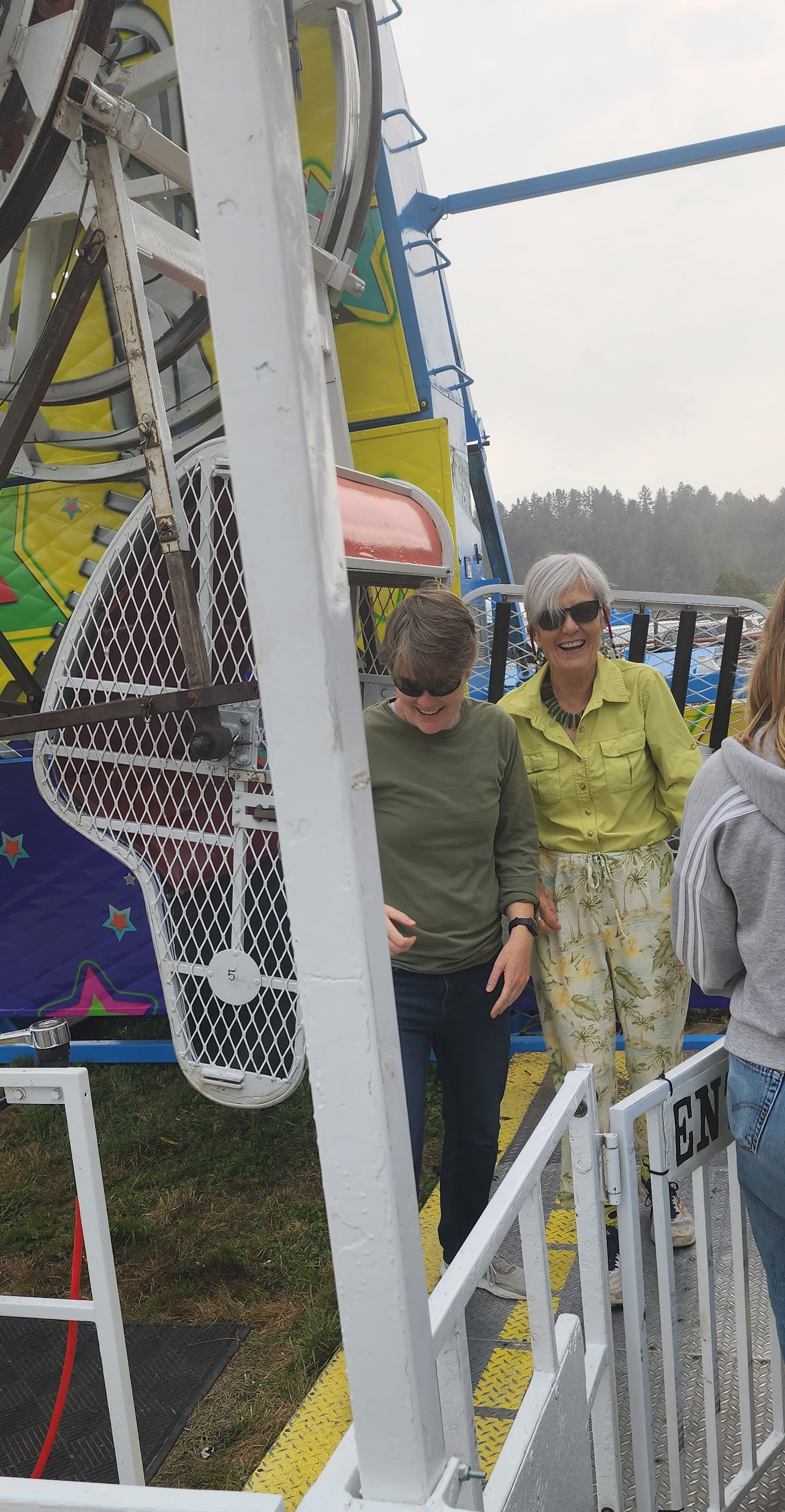
The Humboldt County Fair is this week, if you’d like to see livestock and eat funnel cakes. We went to a preview of the horticultural building with the Garden Club, then returned to see the animals and I even went on a ride.

Clockwise from upper left: Lyra on the climbing wall, the Zipper, getting off the Zipper, specialty chicken, guinea pig in a sleeping bag.

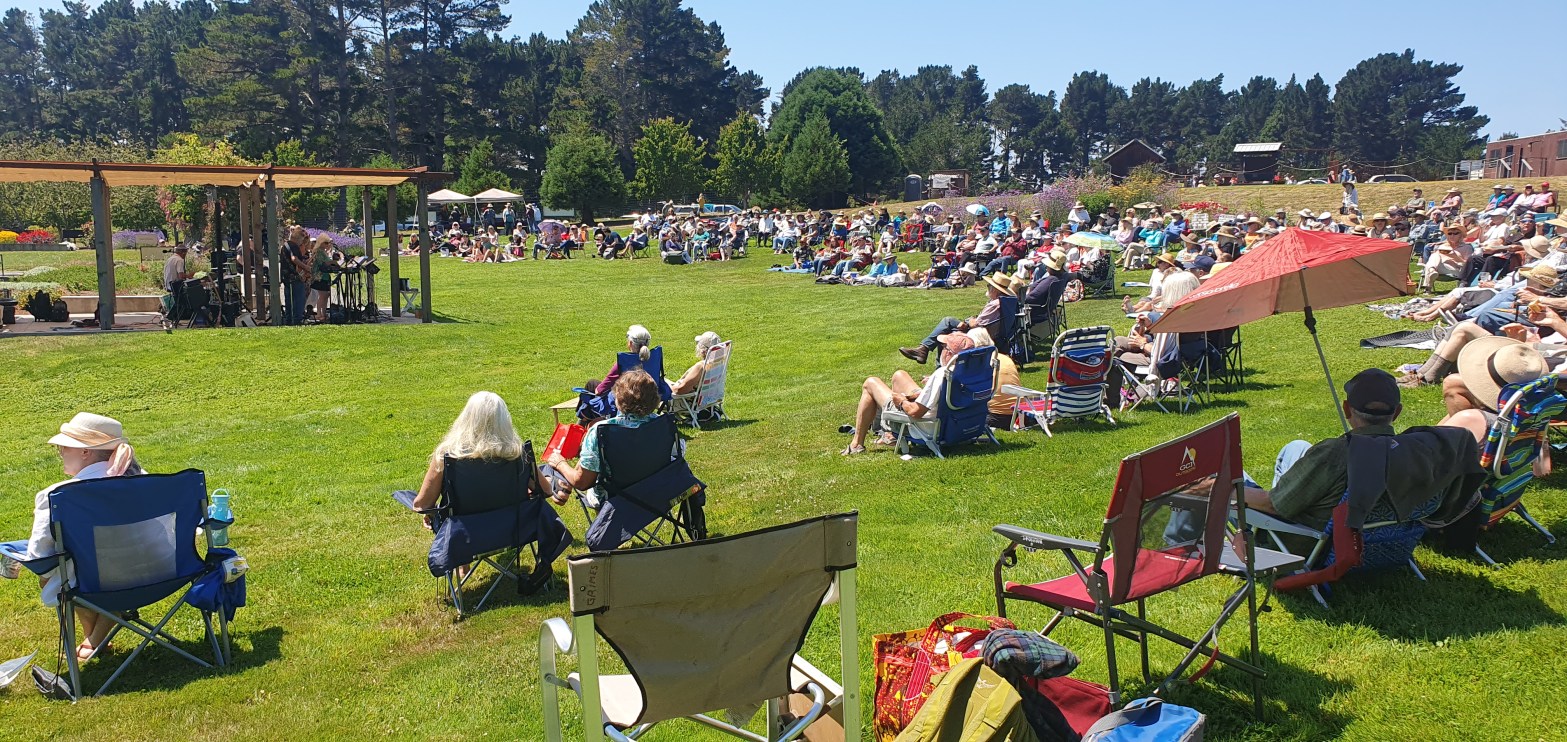
If you are not in the mood for the Humboldt County Fair, there’s music. The SoHum Girls played at one of the concerts at the Humboldt Botanical Garden (photo in the banner of this post) or the Trinity Alps Chamber Music Festival. The chamber music was excellent. We saw them last month (Chamber Music) and looked forward to their second swing through our area. This time the setting was the most beautiful church imaginable, set at the edge of the woods. Who needs stained glass when there’s a view of redwoods from every window?

Edwin Huizinga playing Chaconne from Violin Partita in D Minor by J.S. Bach at the Arcata Lutheran Church

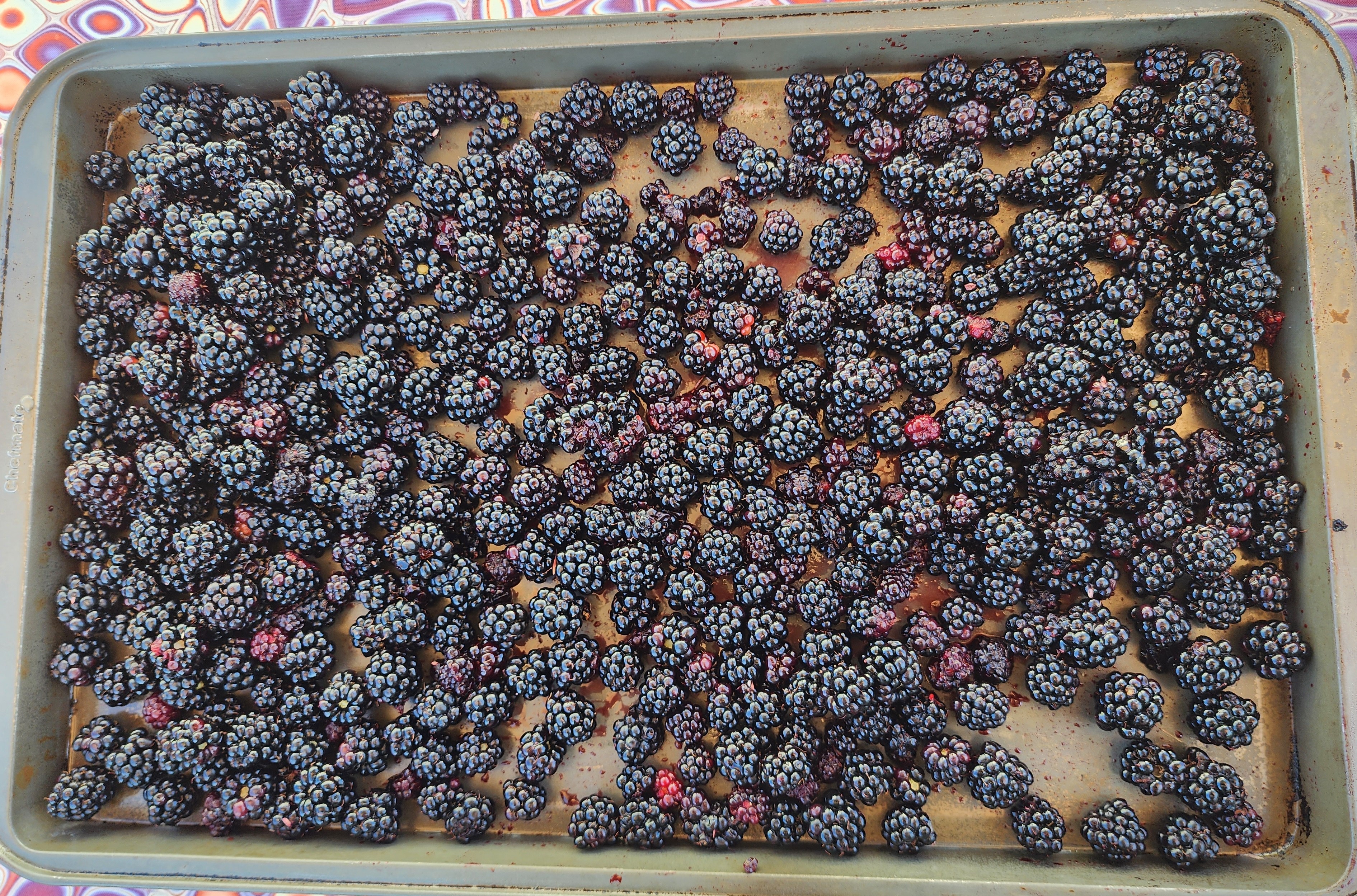
In August, there are wild blackberries, fruit of the invasive Himalayan blackberry, a prickly weed that overtakes anything it can. The berries are full of seeds, too, but they are abundant. Jonathan and I can pick enough for jam or sorbet in 30 minutes or less. After sorting through the berries to remove twigs and leaves, we cook the berries for about ten minutes and then strain the pulp. To make sorbet, all I add is a cup of water, a cup of sugar, and the juice of a lime. Every hour I stir the mix, and after 2-3 hours, I whip it in the mixer for a minute or so and put the resulting sorbet in the freezer.

There’s a terrible irony to these lovely surroundings. While those of us in Eureka enjoy perfect weather, most places around us are hot. A heat wave is engulfing California and Oregon. Portland, more than 400 miles north of us, has had highs over 100°. Fires are igniting from lightning strikes in the mountains east of us, and much of the rest of California is hot, as well. This week it also poured rain in Southern California as the tail of the first hurricane to make landfall since 1850 swirled up the Sea of Cortez and through downtown LA. In Eureka, we are a small green spot on the weather map.

(and we’ve only had one noticeable earthquake this month…)

Eureka may be a bit remote for some people. During the month of August, though, it is the perfect spot.

See my posts about other August activities:

Fern Canyon Walk

Summer in California: The Fortuna Rodeo

Fern Canyon walk

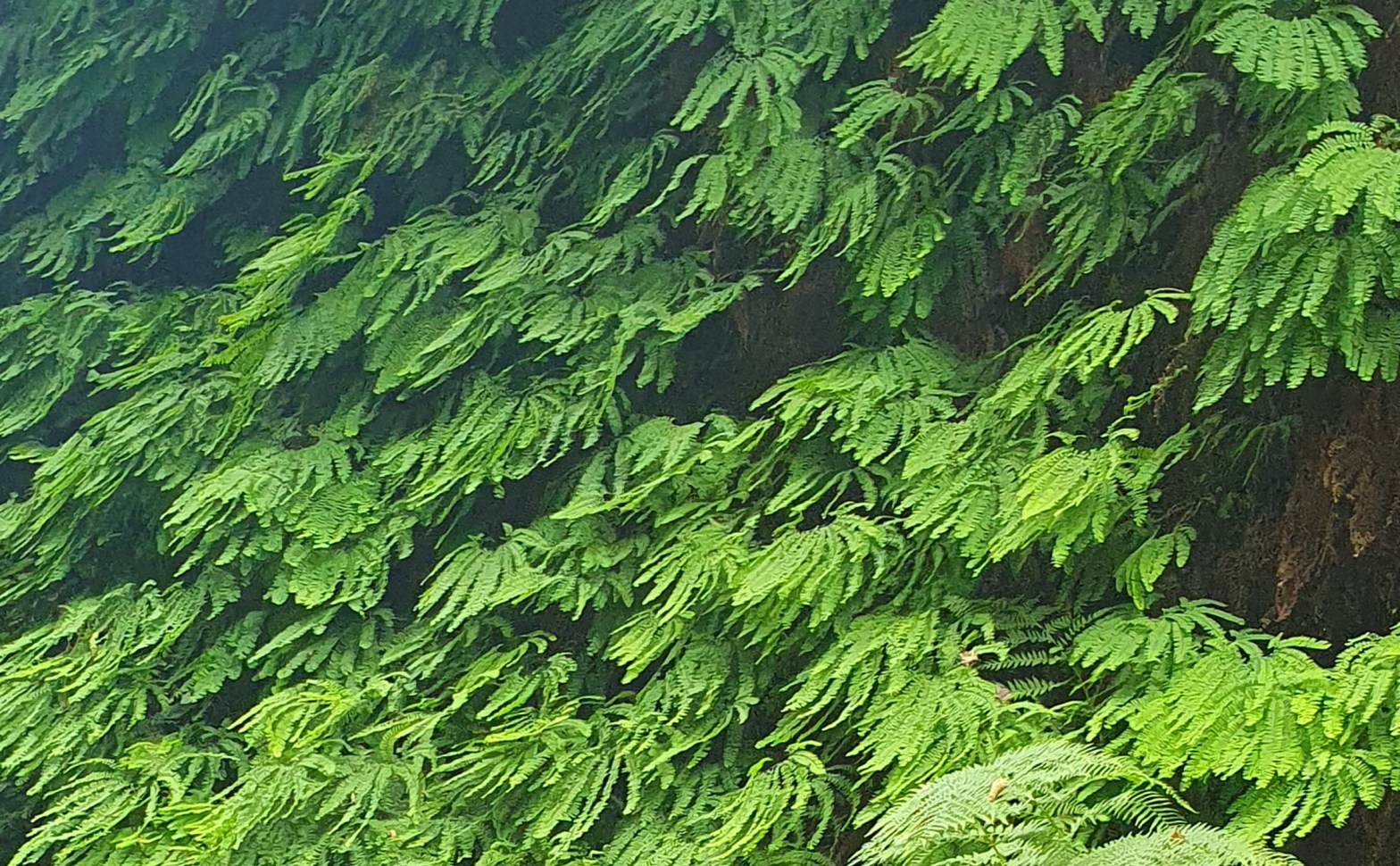
Fern Canyon is a natural gully of fern covered walls up to 50 feet high along both sides of a stream near Orrick, CA. The access road is five miles of unpaved gravel and dust. There are several dips over ruts from storm runoff, and two places where you drive through water in the creek. The park website doesn’t recommend driving in a low center auto, but we did pass a Prius coming out as we went in. July and August are the driest months and most amenable to visiting is a regular sedan. I wouldn’t try it during the rainy season (Nov-May).
It’s become quite a draw for visitors, and this year the park service instituted a reservation system. Never having visited before, the need for a reservation didn’t bother me, I picked a date a few weeks ahead and made a reservation. I read there were no stores or restaurants nearby, making a picnic essential. Packed and ready, we headed north. It takes just about an hour to get to the turnoff for Fern Canyon from Eureka. We were able to carpool from the Elk Prairie Picnic area, and were able to use a single reservation for our group despite the two cars.
The new permit system means that parking was available at the trailhead, and we set off on our hike. We walked a loop up the canyon, then back along the cliff edge looking down over the creek.

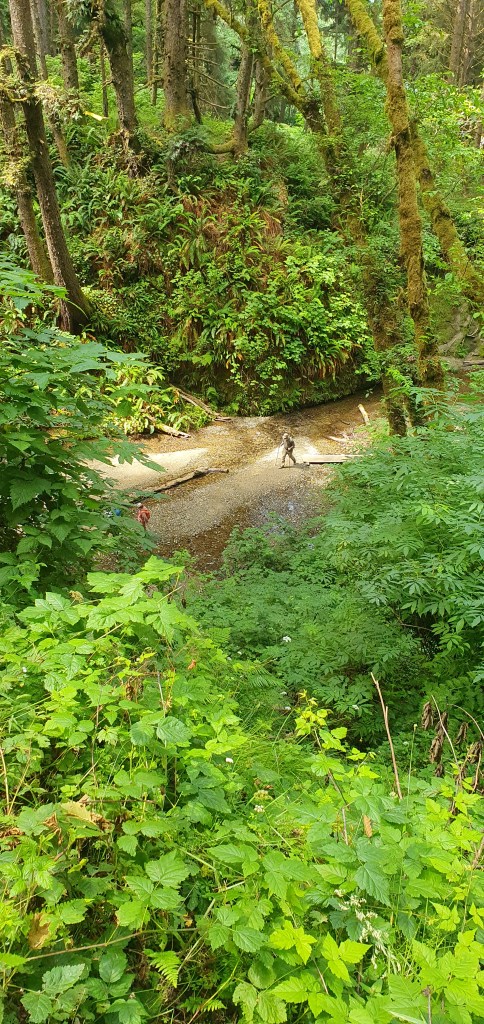
The trail follows the creekbed and in the middle of summer when we visited, it was possible to walk without getting wet by following the trail and walking on the board sections set down over the water. There were lots of opportunities for wading by those who wanted to, though in the rainy months, wet feet are a near-certainty.

There is a lot more climbing up and down than the words “creek bed” suggest, too. A lot of trees fell during the storms of last winter, and though gaps have been cut to make the path accessible, tree trunks extend into the path in many places. It was not a difficult walk, but there was a lot of up and down.

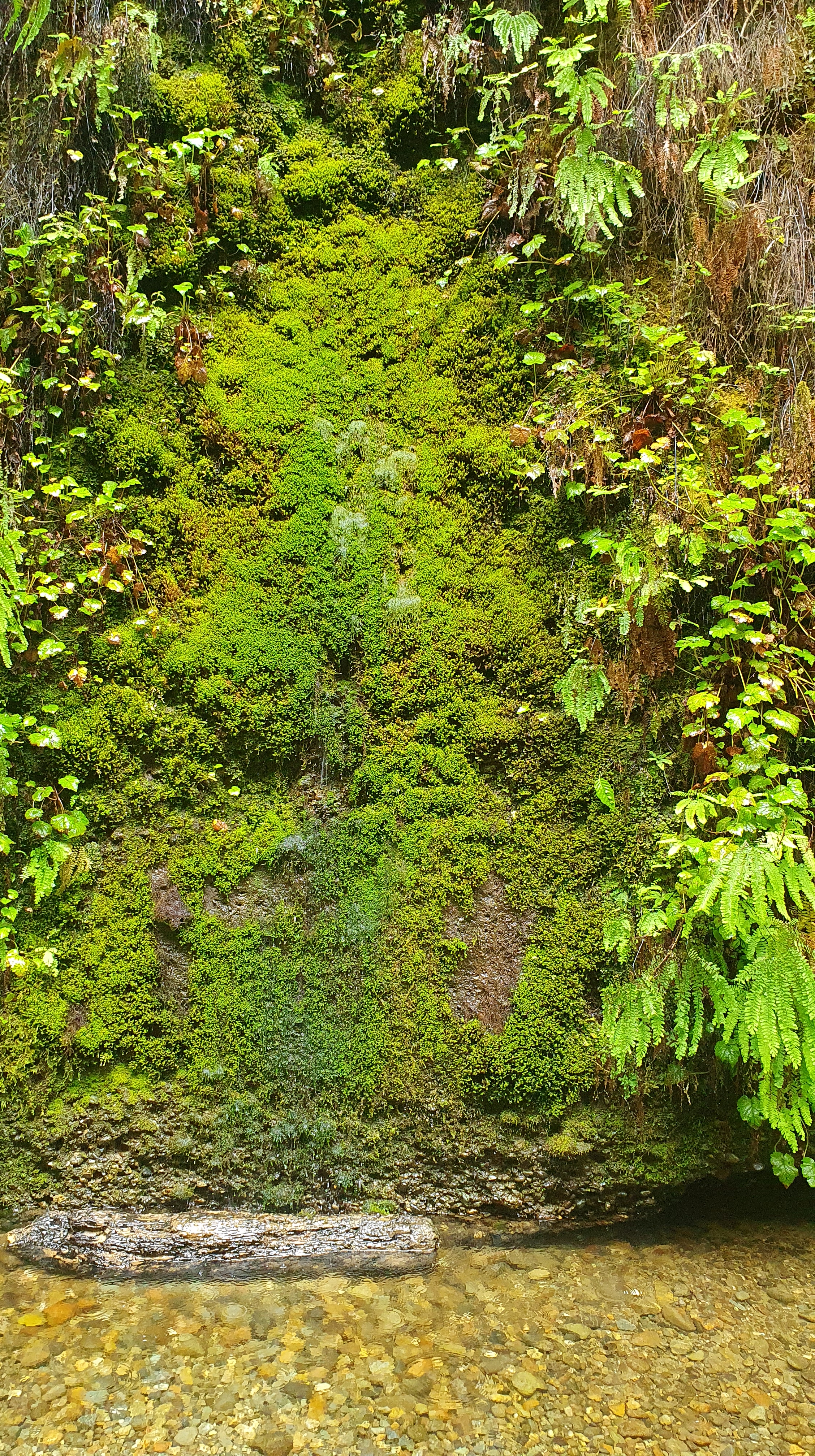
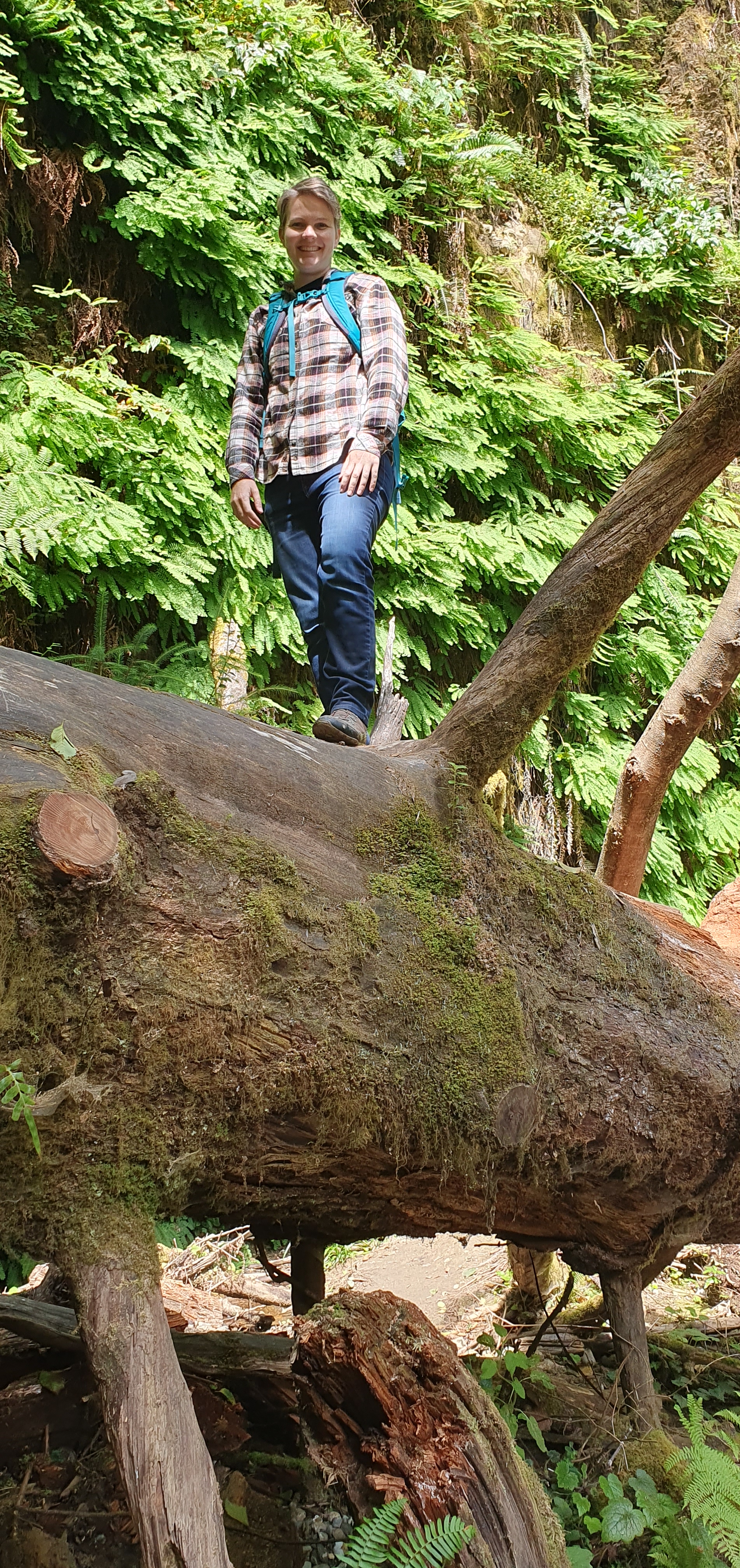
The walls of ferns and moss were beautiful, accompanied by the sound of trickling water. It was a live sound machine. We took photos of each other in front of the ferns and moss, and chatted with the hikers we passed. You don’t see them in the photos, but we visited on a Saturday when all the permits for the day were issued. We passed hikers in one and twos every couple of minutes–it’s not a solitary ramble.

I should have realized there had to be stairs as part of this loop, and our route back included steps up the side of the canyon and then back down again when we approached our starting point at the end. It wasn’t a difficult hike at all, and takes about an hour, but it’s not comfortable for anyone who struggles with stairs and slippery spots.

We picnicked at the tables near the trailhead, and agreed that Fern Canyon was a beautiful and relaxing spot. Gold Bluffs Beach is only a short walk away and is covered by the same reservation/parking permit. We went for a stroll along the waves after lunch. I’d visit again to spend more time along the beach, or make it a separate trip. The beach is very long–I could easily spend a couple of hours. This is a place worth visiting on your way through from California to Oregon, or as a day trip from either Eureka or Crescent City.

Summer in California: the Fortuna Rodeo

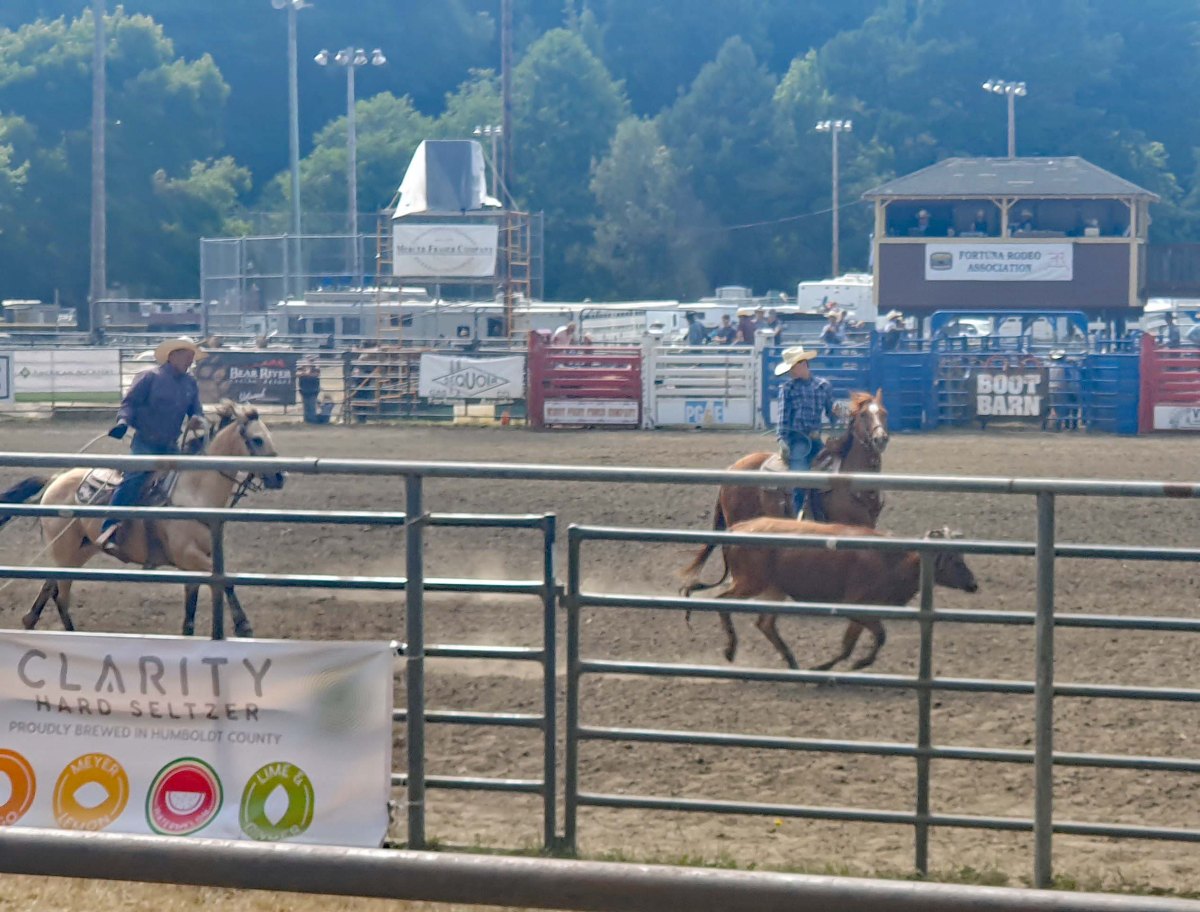
June through September are the months of summer in Humboldt, but July has the best sun. The Fortuna Rodeo is a fixture of summer, taking place the weekend after July 4. Amanda and Jim are fans, so we went along, and they were right, it’s one of the best activities out here. Our choice was to go on Sunday, to see the barrel-racing. This event seems to be the province of young women, though I’ve read that it is for everyone among younger riders.

Fortunately for us, the Fortuna Rodeo Grounds has a huge set of bleachers, barely occupied when we arrived, where we found seats without having to do much climbing. From our base, we strolled the booths of food, drink, and rodeo souvenirs, returning to perch on the bleachers. We’ll remember to bring cushions to sit on next year.

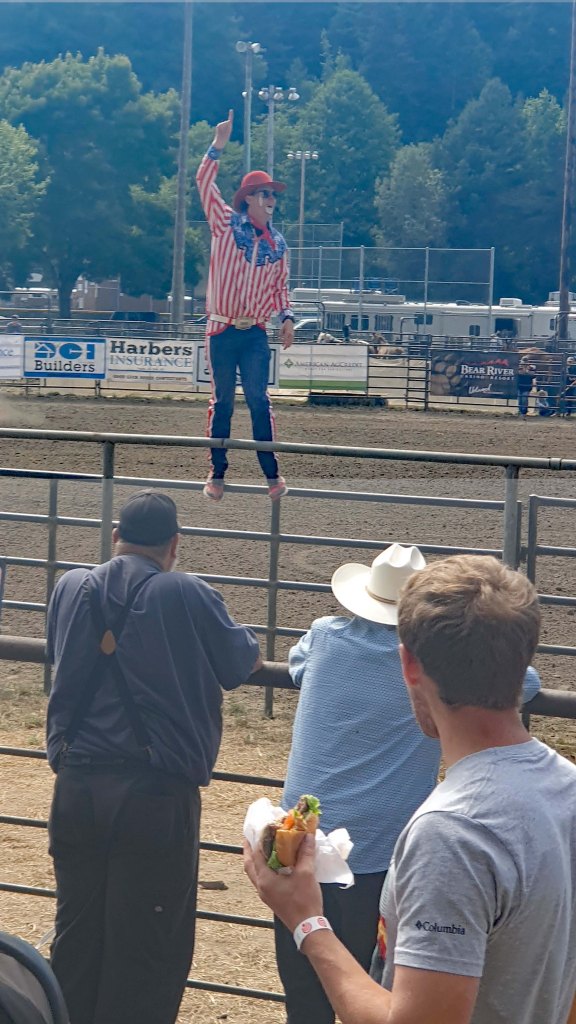
Events got underway promptly at noon, complete with a rodeo clown between events. The day was cool and sunny when we arrived, perfect weather. A stream of people arrived from the very start and continued all afternoon. More were arriving even as we left in the late afternoon.

Internet photo

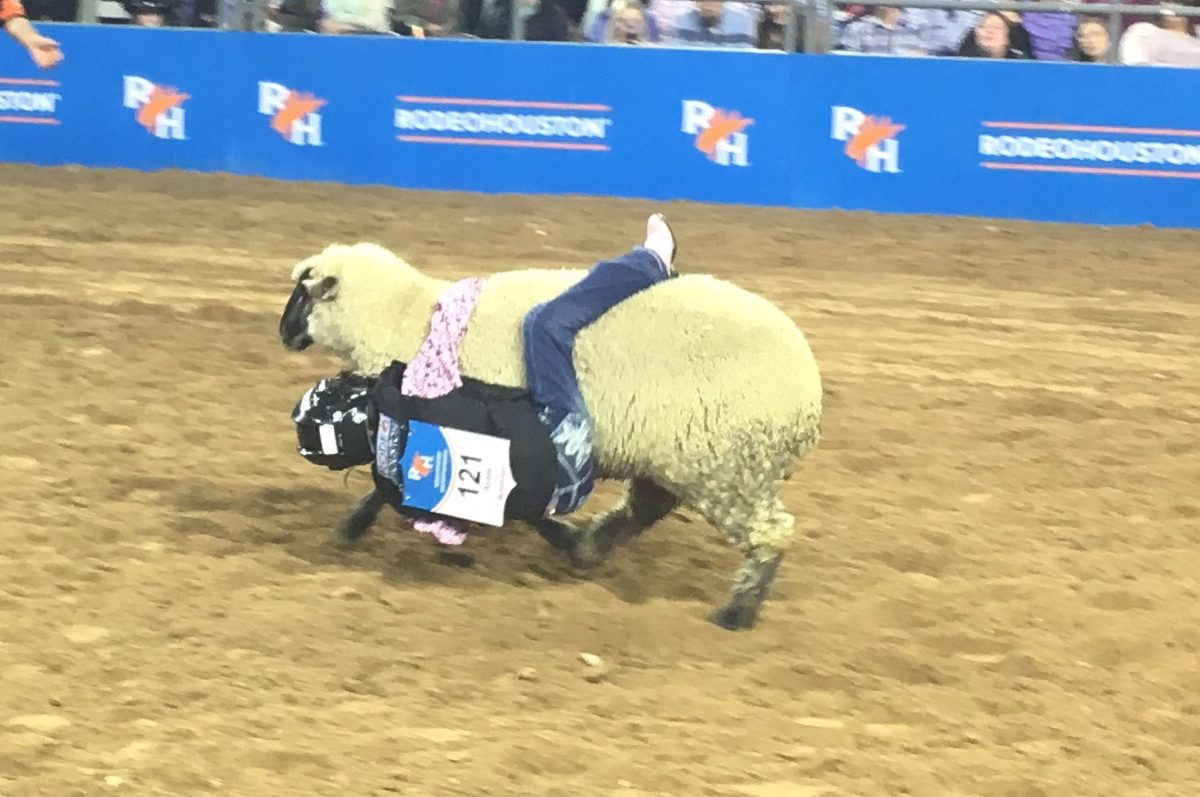
The first event was by far the funniest. I’d never heard of mutton-busting, but it seems to be a well-known rodeo event. It introduces small children to rodeo competition. Kids aged 4-7 who weigh less than 55 lbs. try to stay on the back of an adult sheep for eight seconds. The sheep don’t buck, but are terrified to have something on them. They run out of the same gate as the bucking broncos and head for the fence, or the nearest sheep. The kids dig their hands into the sheep’s fleece and hold on for dear life, gradually slipping to the side and off into the dirt (yes, they wear helmets). Some kids hit the dirt just out of the gate, and others hang on for several seconds. They don’t fall much more than 18 inches, so it’s not a big bump, but it is in the middle of the field in front of all those people. The winner of our competition got on the sheep backwards, putting one foot on each side of its head, and digging his hands into the fleecy rear flanks. He stayed on for the entire eight seconds. [Jada, the woman who cuts my hair, turns out to be a rodeo girl. She started with mutton-busting as a kid. I asked whether she wanted to do it and she said her mom had been a high school rodeo rider and insisted she try. They put her on the sheep crying and yelling and her mom said, “Don’t you let go until the announcer says time.” She hung on because that’s what her mom told her to do. She didn’t hear any of the announcements and they had to come and take her off the sheep in a pen around in the back where it had gone to be with the other sheep. She won the event.]

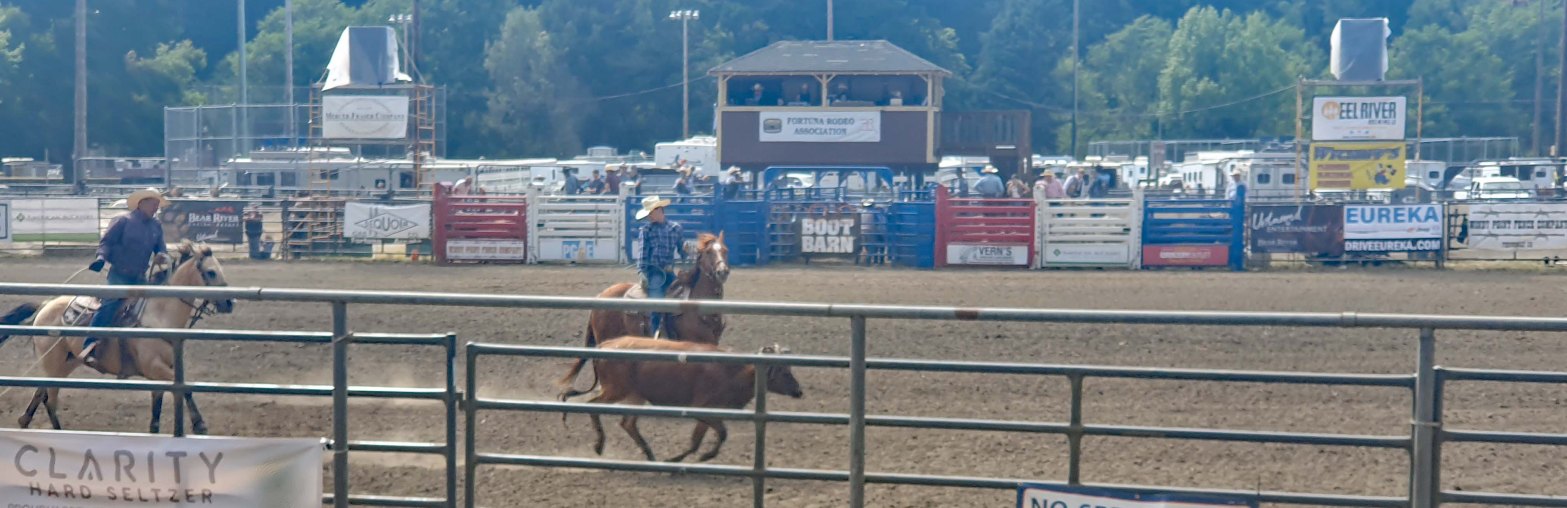
The rider on the right has roped the horns of the calf. The rider on the left is trying to rope a rear leg. He missed.

We saw bronc-riding. At my age all I can think of is how hard it shakes each rider’s bones. Only one of the riders we watched managed to stay on the entire ten seconds, and then he had to get off a bucking horse. There were a few events that involved roping calves. In one, the calf is roped, the rider dismounts and throws the animal on its side. In another, the legs of the calf have to be tied together. In team events, one rider ropes the calf around the horns, while the other has to rope one hoof, a feat that proved nearly impossible. Ribbon-roping was a fun one, as the mounted member of the team has to rope the calf’s horns or head, then the other team member runs out from the side of the arena to pull off the blue ribbon attached to the animal’s tail. That turns out to be more difficult than it sounds, as the runner has to avoid getting kicked.

The best came last, barrel-racing. It’s a timed event where each rider circles three barrels in a set pattern, starting and ending behind a line about 20 yards away. It was my favorite event, and we cheered for everyone. [Jada now competes in the ribbon roping and barrel racing. This year she declined to participate after her partner in the ribbon roping broke his collarbone in another event. She didn’t want to risk bruises on her face when she gets married–the week after the rodeo].

Sunday afternoon at the rodeo. Aurora was about ready to head for home, but no one got sunburned.

I definitely recommend the Fortuna Rodeo if you’re in the Humboldt region in early July.

Celebrating a birthday in Northern California

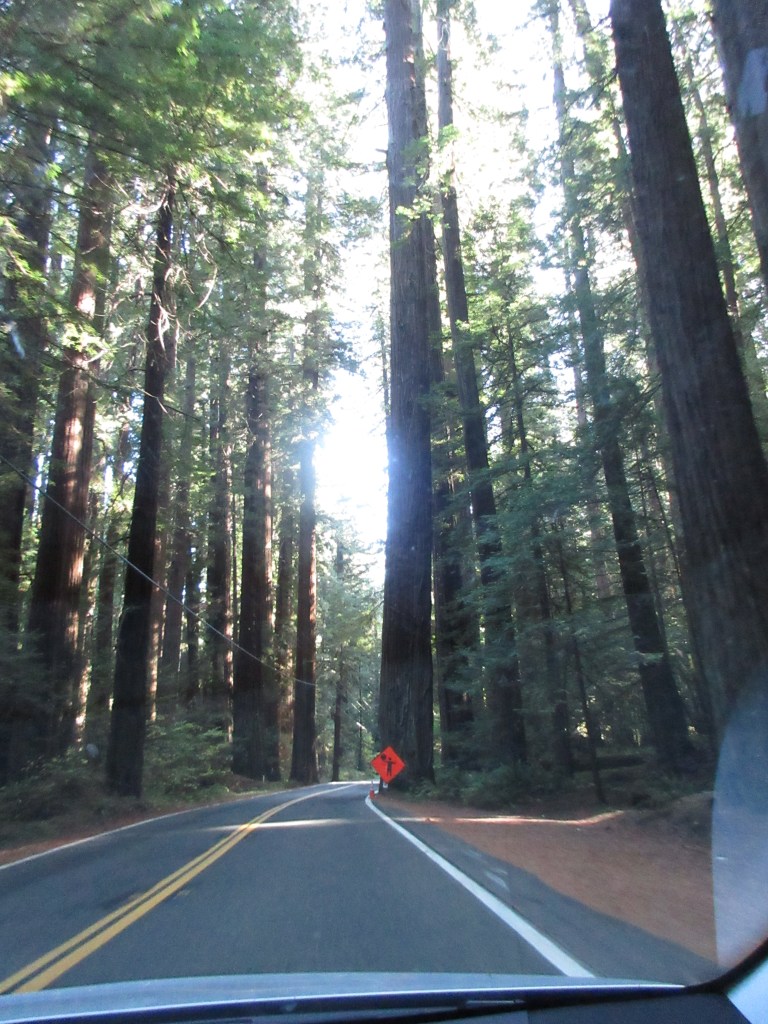
It takes about 3 ½ hours to get to Santa Rosa from our home in Eureka. It’s a beautiful drive through redwood forests and the rural California landscape of dry pastures, grazing cattle, and grapevines. We recently made our monthly trip to Santa Rosa and while there, took some extra time to celebrate my birthday. 

In the summer, I appreciate that Santa Rosa is much warmer than Eureka. I took a dip in the hotel pool as soon as we arrived, since I have to stay out of the water for a couple of days after my eye injection. After my late afternoon appointment and a short nap, we were ready to celebrate by having dinner at a lovely restaurant in Healdsburg, CA, where we usually stay.

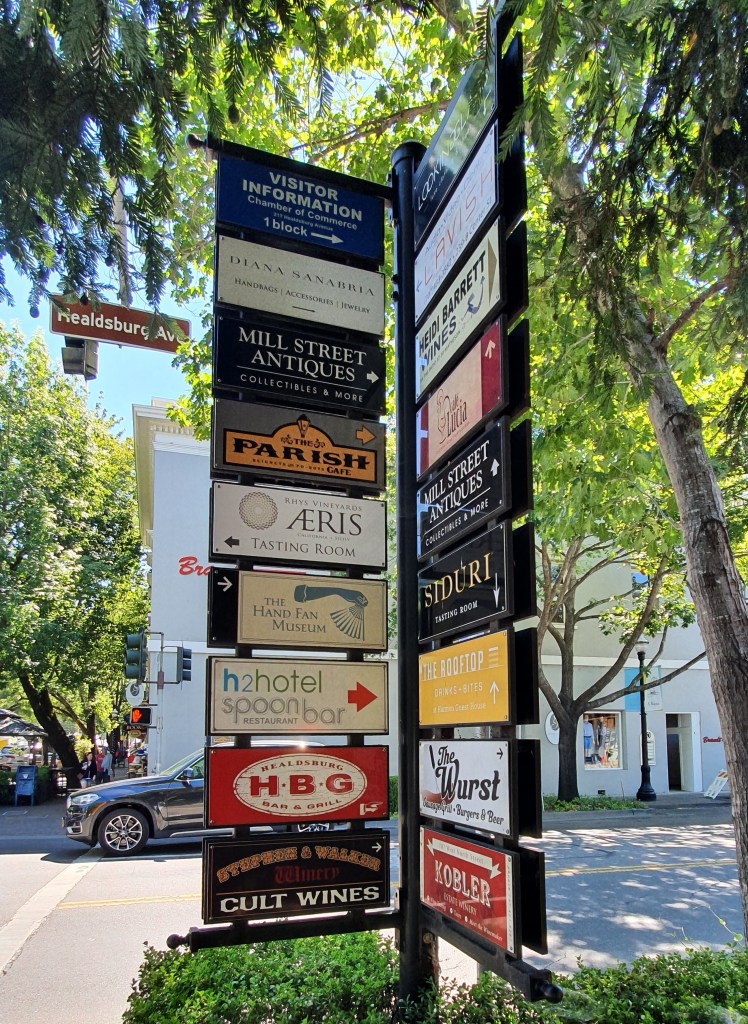
Healdsburg has gone from a tiny settlement serving rural communities to a wine destination full of upscale stores and fine restaurants. We went to dinner at The Matheson, a relatively new restaurant that is now listed in the Michelin guide. It may become competition for the Michelin-starred restaurants in the area, Single Thread and Barndiva.  It was not difficult to get a reservation at The Matheson for Thursday at 7 pm.

When we arrived, we found The Matheson is known for its Wine Wall, a selection of more than 90 wines by the glass, sold in portions ranging from a quarter to a full glass. A personal tasting can be assembled from their lengthy wine list by anyone sitting in the bar area. Diners can order from a slightly less extensive wine list, again in a variety of sizes. The list allowed each of us to have two different wines with dinner. I think it’s a great idea. I’d like to go back and try more.

There is a chef’s menu of four courses each evening. Wine pairings are available, too, either local selections or international. Our server went over the chef’s menu that evening but we opted to make our own choices. We shared an appetizer of risotto that was a lovely green color, seasoned with nettle, green garlic, and pale rock shrimp. All I tasted was deliciousness. Our main dishes were duck, and halibut, each accompanied by airy blends of potato and root vegetable.  Dessert was another high point, I had chocolate in several forms and Jonathan had apricot sorbet and pastry. We went home happy.

In the morning we got coffee and found some breakfast.  Our goal for the day was to go wine tasting. We stopped to buy some wine at Graziano, where we belong to the wine club, and to say hello to John, our favorite wine rep.

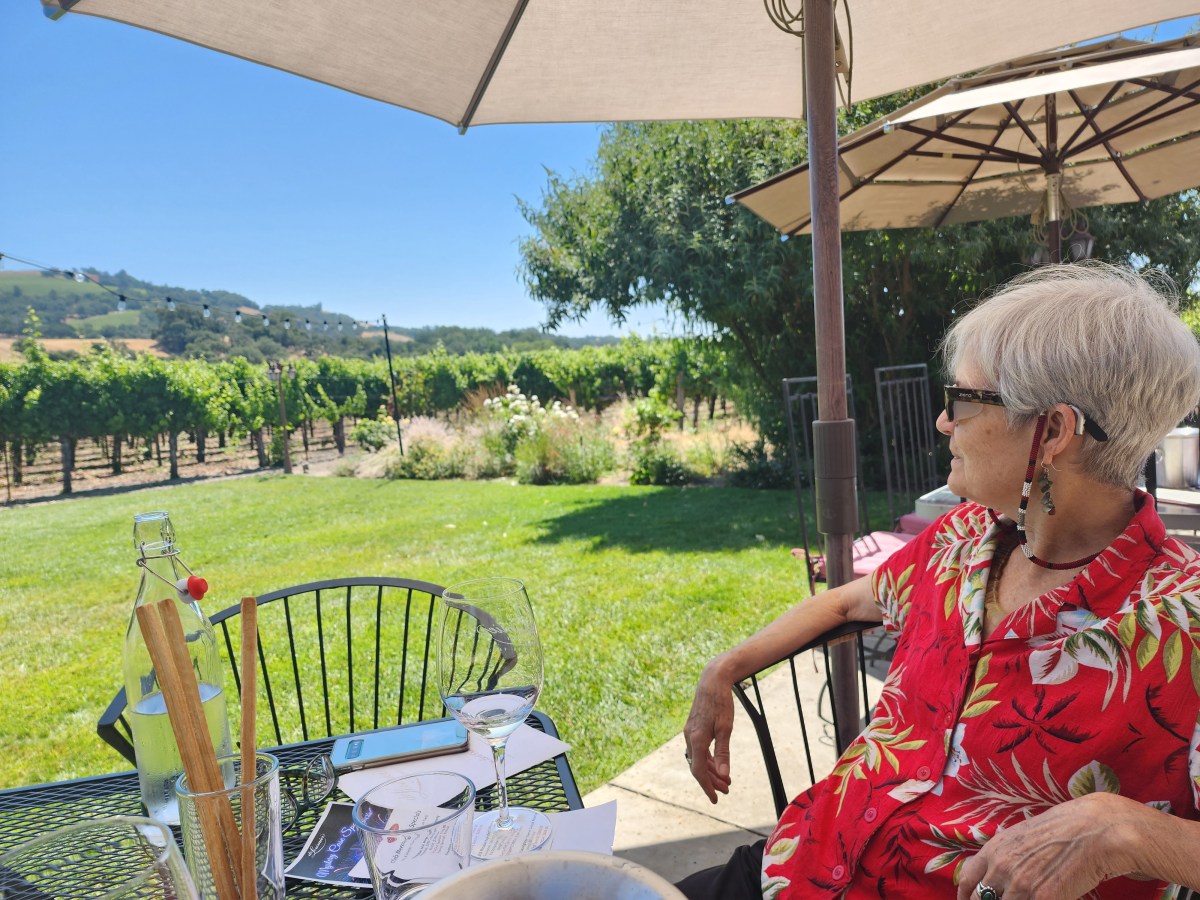
With wine stowed in the car we went on to visit a new winery for us, the DeLorimier Vineyards, and on a sunny day like this one, we sat on the patio with a view over the fields.  It was Friday, still relatively early, and we were almost the only people there. The host asked what we were interested in, offering to let us taste whatever we liked best.  I tasted whites, Jonathan tasted reds, and we left with a case of wine. The outdoor patio at DeLorimier is comfortable and shady.  We would go back there with friends for tasting. We arrived home mid-afternoon, well supplied with wine until next month’s journey.

Sunday, we held a birthday party.  I decided that we would have tea sandwiches and quiche followed by sparkling wine and cake.  The festivities started at 11:30 AM so that we could go to the Trinity Alps Chamber Music Festival at 2:00 PM. The concert was held at the Morris Graves Art Museum in downtown Eureka.  Jonathan made finger sandwiches and I made a wonderful birthday cake.  Called Italian cream cake, the recipe included pecans and coconut. I put extra coconut between the layers along with chopped pecan brittle that I made myself and topped it all with cream cheese frosting.  The result was so delicious that I only have photographs of the food.  (And a picture of baby Aurora in her new Heidi dress from her great aunt and uncle’s trip to Switzerland.) There were funny cards and sparkling rosé, and we swept off to the concert.

Trinity Alps Chamber Music Festival is a real find. This group of musicians gathers in rural Humboldt County over the summer and makes two swings through the region, playing in venues from Weaverville to Mendocino. The program had to be changed at the last minute due to illness of a violinist, but the second half, Ravel’s Piano Trio, and the summer movement of The Four Seasons of Buenos Aires by Astor Piazzolla, were both excellent. I love Piazzolla’s music—he wrote a lot of pieces for tango, and this year’s composer in residence at Trinity Alps plays accordion as well as piano, and thus knows the world-famous tango composer’s music.

The Ravel was also excellent. I was thinking Bolero, but his piano trio has a lot going on in it and a very dramatic final movement. I’ve put the festival’s August swing through our area on the calendar. The audience was very enthusiastic and elicited one of the best encores I’ve ever experienced, Oblivion, another piece by Piazzolla. It was entrancing, and a fitting birthday celebration.

Hotel: Best Western Dry Creek Inn, Healdsburg

Restaurant: The Matheson, 106 Matheson St. Healdsburg, CA  https://www.thematheson.com/

Wineries: Nelson Family Vineyards, 550 Nelson Ranch Rd. Ukiah, CA https://www.nelsonfamilyvineyards.com/

Graziano Family of Wines Tasting Room, 13275 South Hwy 101, Suite #1 Hopland, CA https://www.grazianofamilyofwines.com/

Music: Trinity Alps Chamber Music Festival, https://www.trinityalpscmf.org/

**A note about ads that appear when you read Llywinda Travels**

I don’t ordinarily see any of the ads that appear in my blog. I have no control over who advertises and where the ads appear, it’s the cost of using WordPress. I have seen some that I personally do not like. For example, I just noticed something that mentioned Eminem, whose lyrics are strongly prejudiced against women. I would never willingly advertise anything he or his name was attached to. Let me know if you see an offensive ad. I can always reconsider what platform I use.

Thebes to Athens (8)

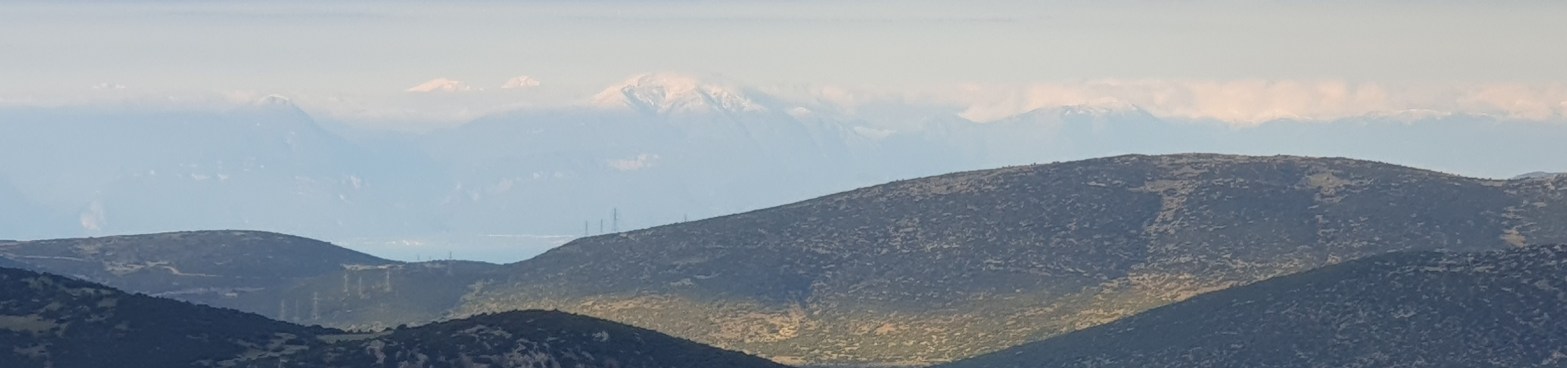
Our final day on tour took us from chilly Arachova back to Athens. We saw beautiful snow-capped mountains off to the north as we headed south, then turned off the highway to visit one last Mycenean site.

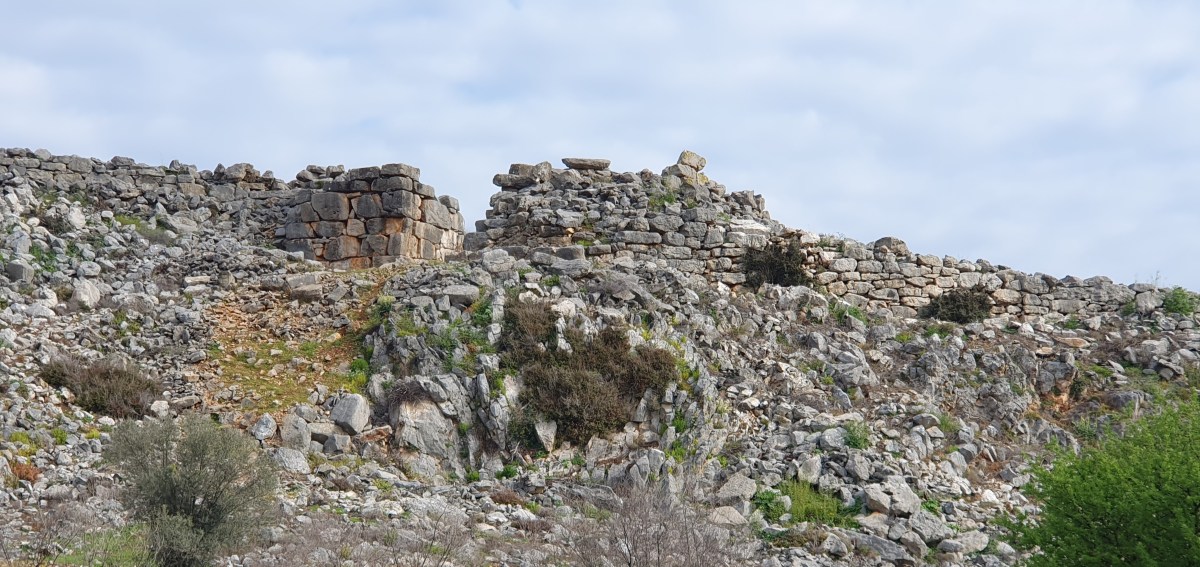
Gla, or Glas, was a large Mycenean fortress that was the center of a network of forts during the end of the Mycenean era, around 1300 BC. We saw the remains of imposing gateways through walls of huge stone quarried nearby and rolled into place.

One of the four main gates of Gla

Having just visited beautifully restored Mycenae, the Treasury of Atreus, and the Palace of Nestor, we didn’t take a long walk at Gla. Perhaps we should have. This lesser known site may be the ancient city of Orchomenos, now attributed to a nearby locality. Archaeological research that began in 2010 has shown that the extensive city walls (seven times the length of Mycenae’s) enclosed houses, shops, and small fields. Two structures may have been for agricultural storage, and the collection of taxes (in goods). Most Bronze Age sites like this one are mentioned by Homer in the Iliad, and during excavation yield offices full of clay tablets that provide names and dates. An intriguing suggestion is that the single badly eroded corner of Gla held records that were destroyed in the collapse. Thus, Gla has remained unidentified. An article that digs into the mystery of the site and how it is being unraveled is below.

More on archaeology at Gla

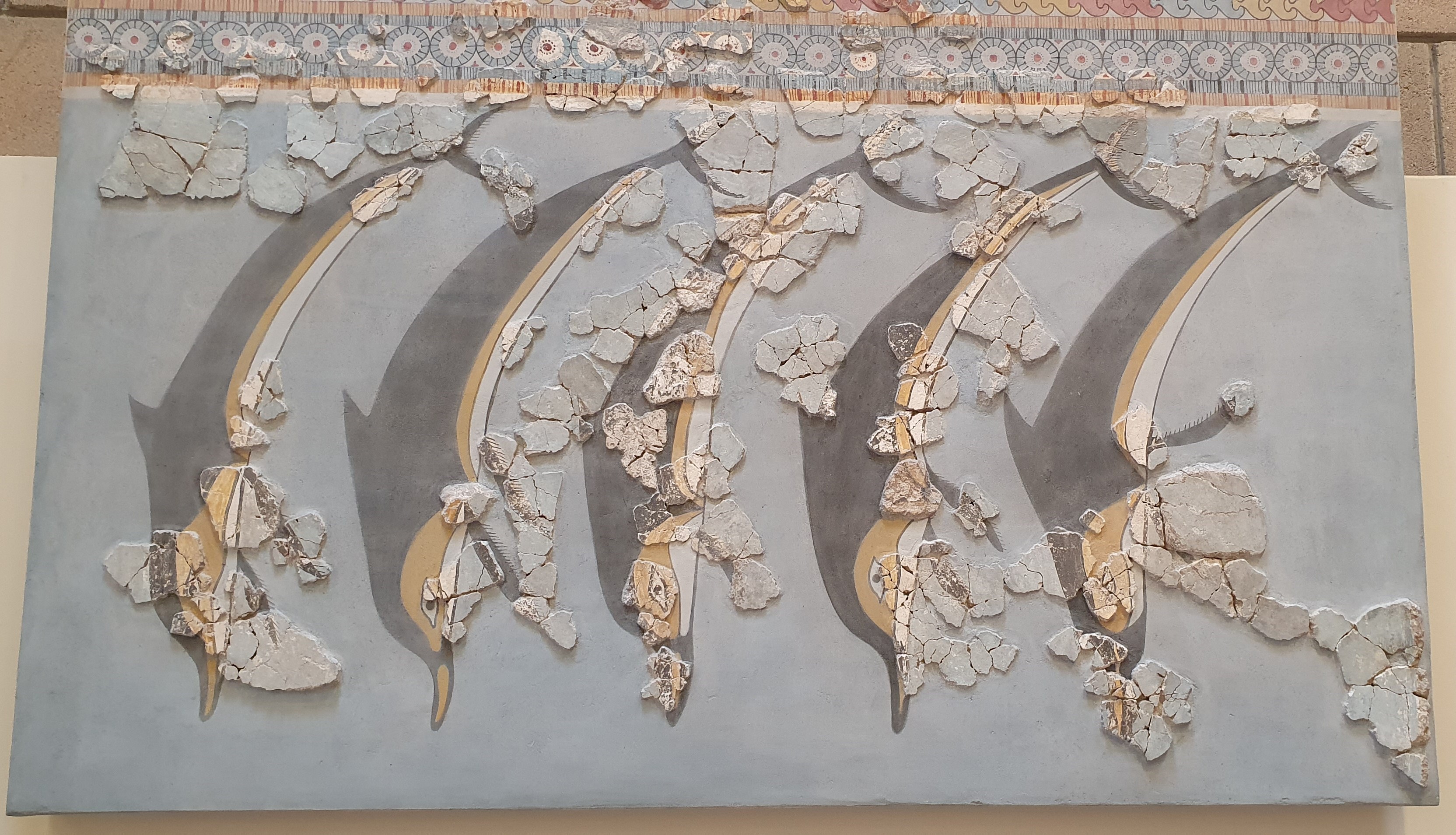
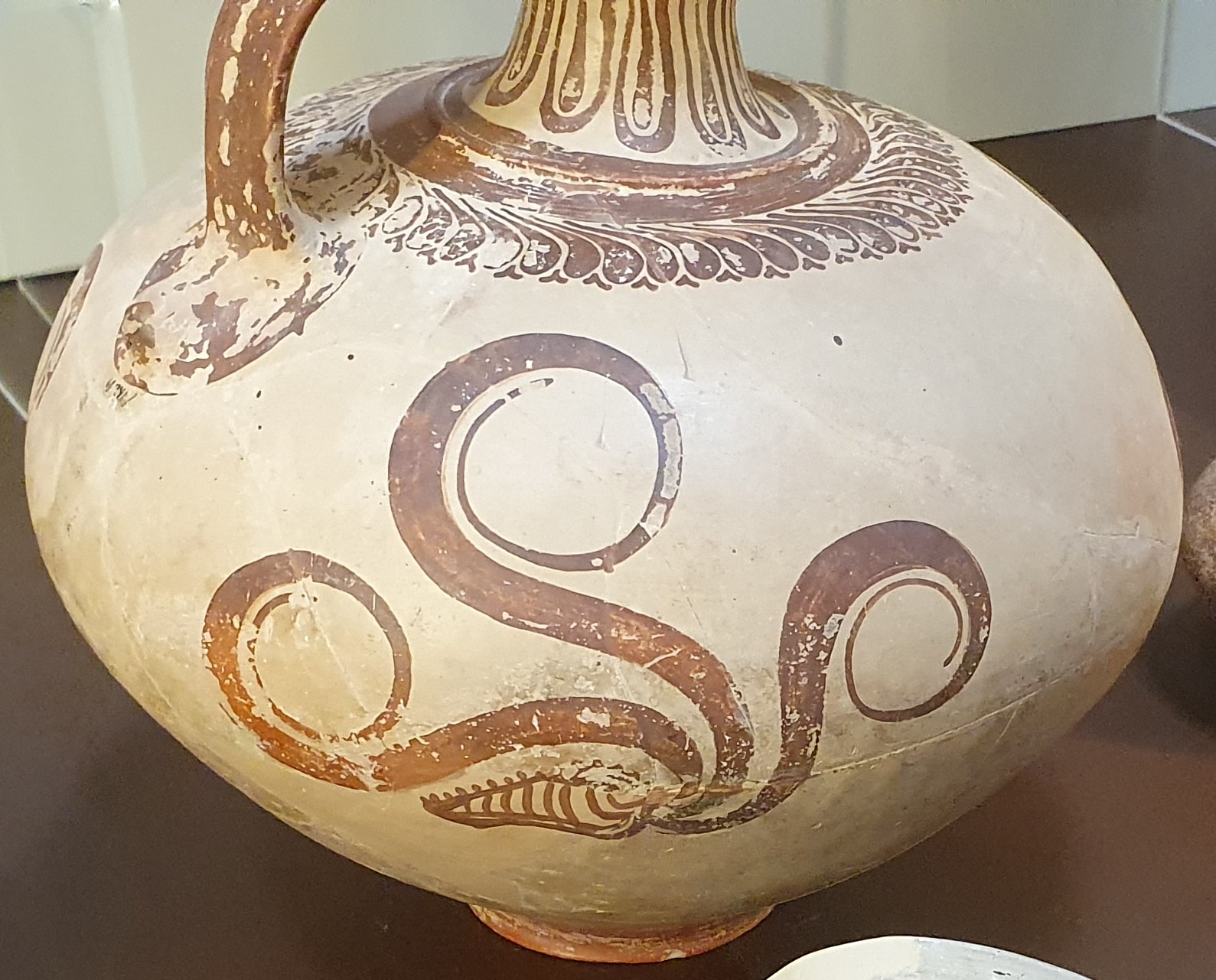
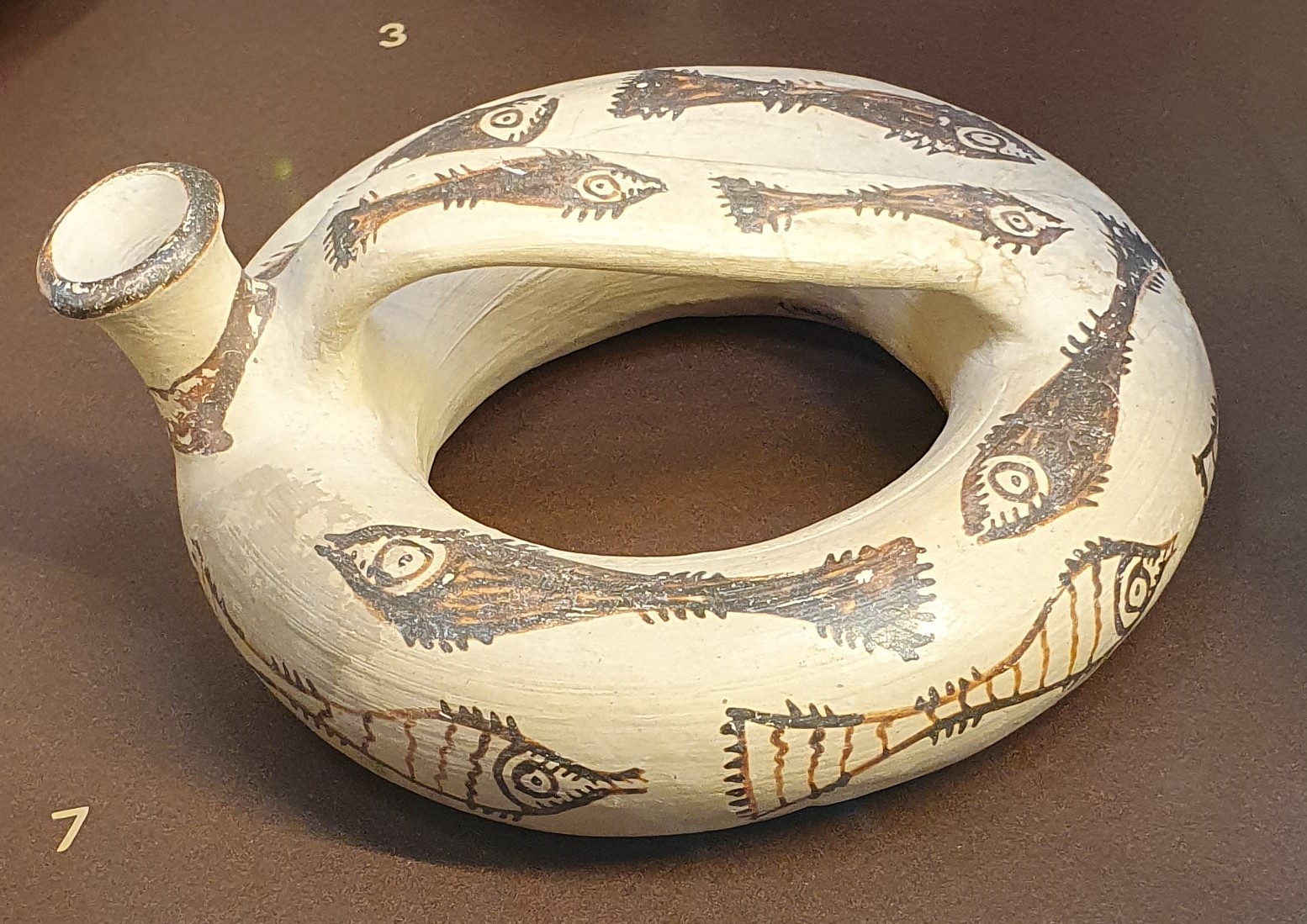
Our final stop was the Archaeological Museum in the city of Thebes. Like other museums, it has some spectacular items on display collected from sites in the region including Orchomenos. It may add pieces from Gla in future years. I particularly liked the depictions of sea creatures, octopus, squid, and fish. The dolphins are painted in Minoan style similar to the wall paintings at Knossos on Crete.

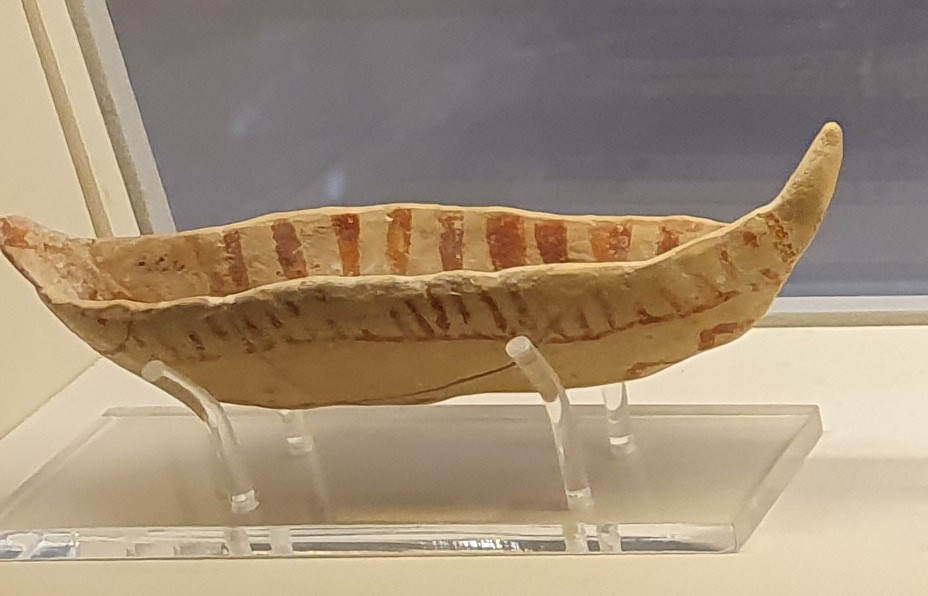
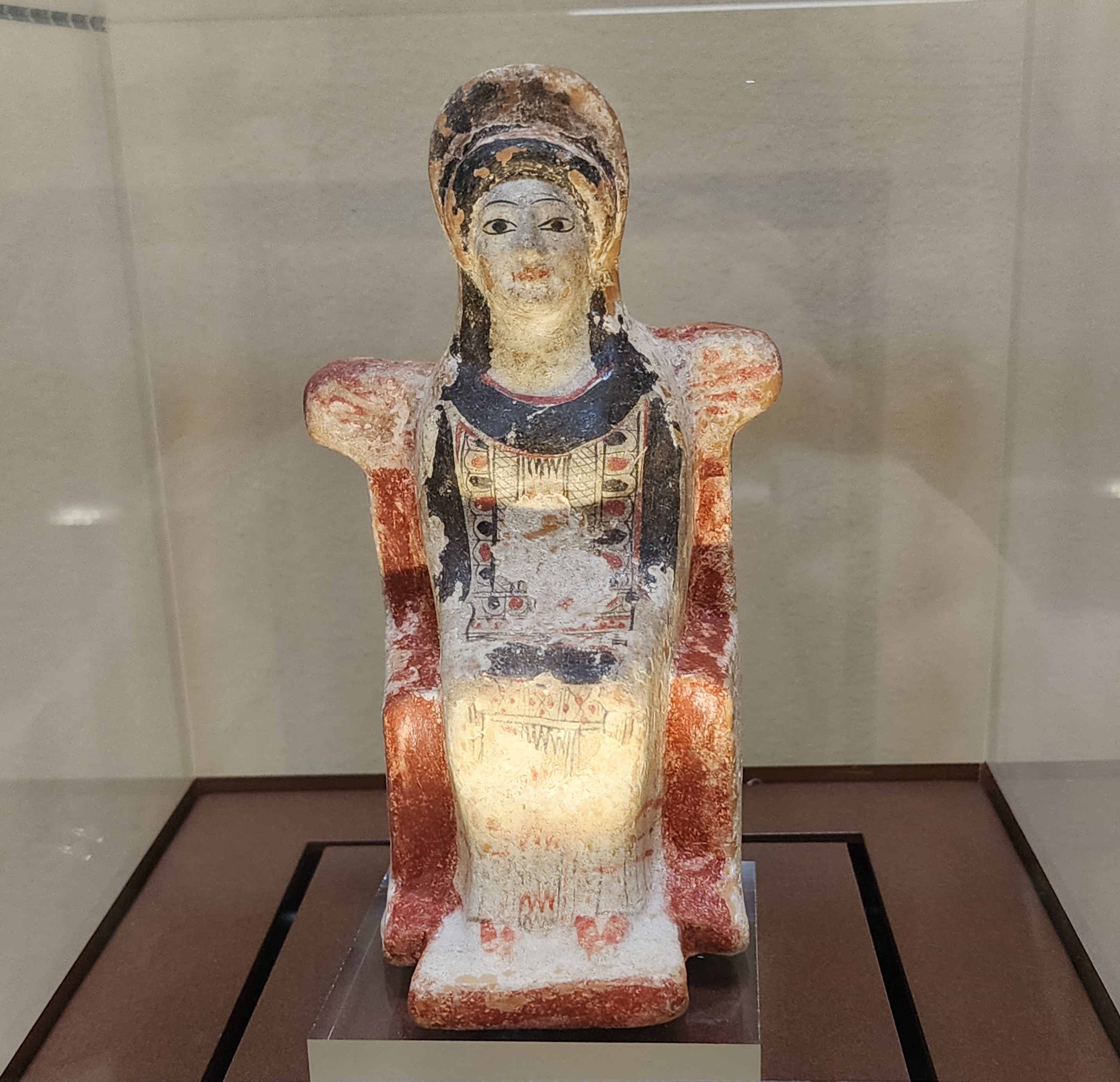
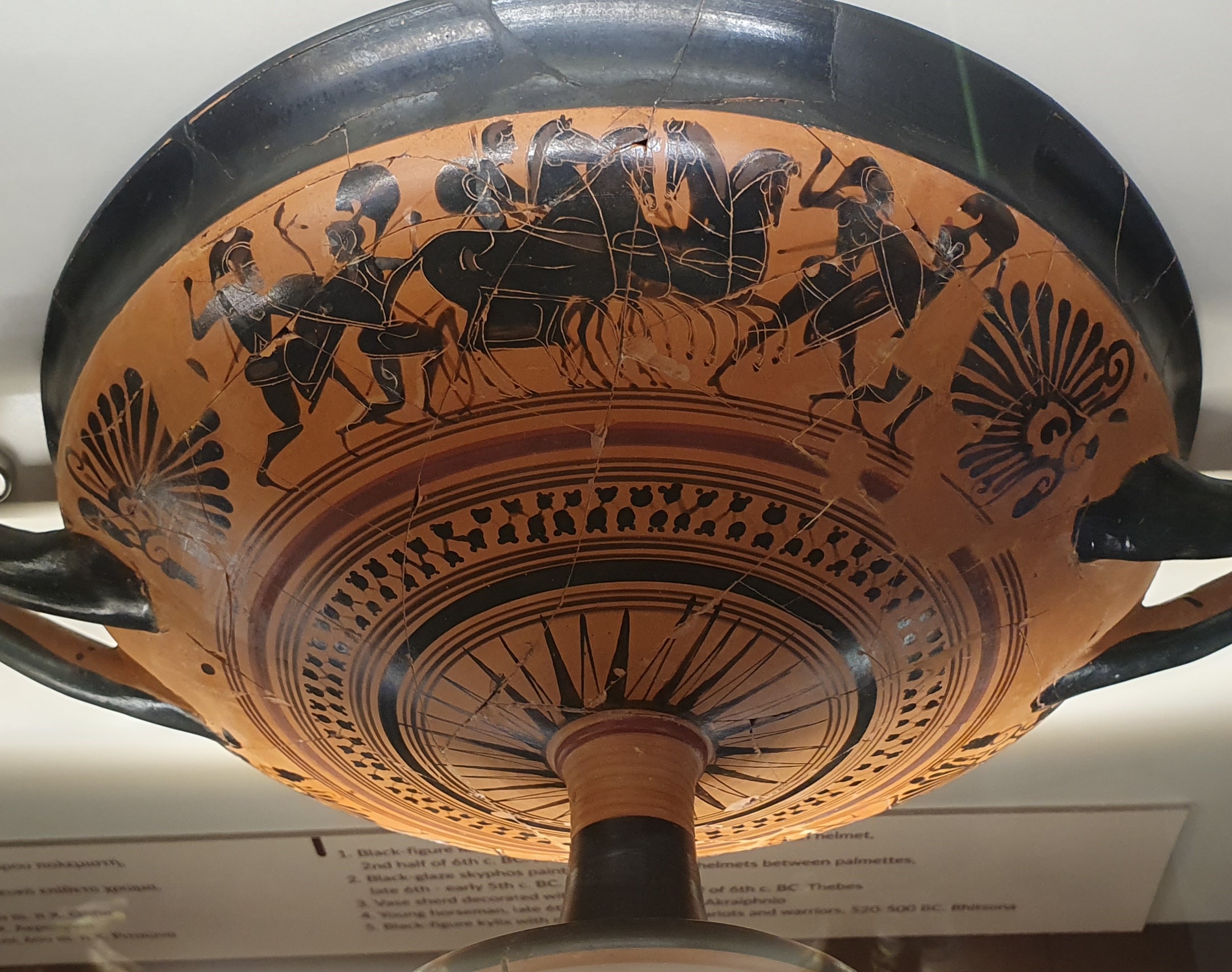
As always, there were many beautiful objects, mostly from tombs, that showed the artistry of people long ago.

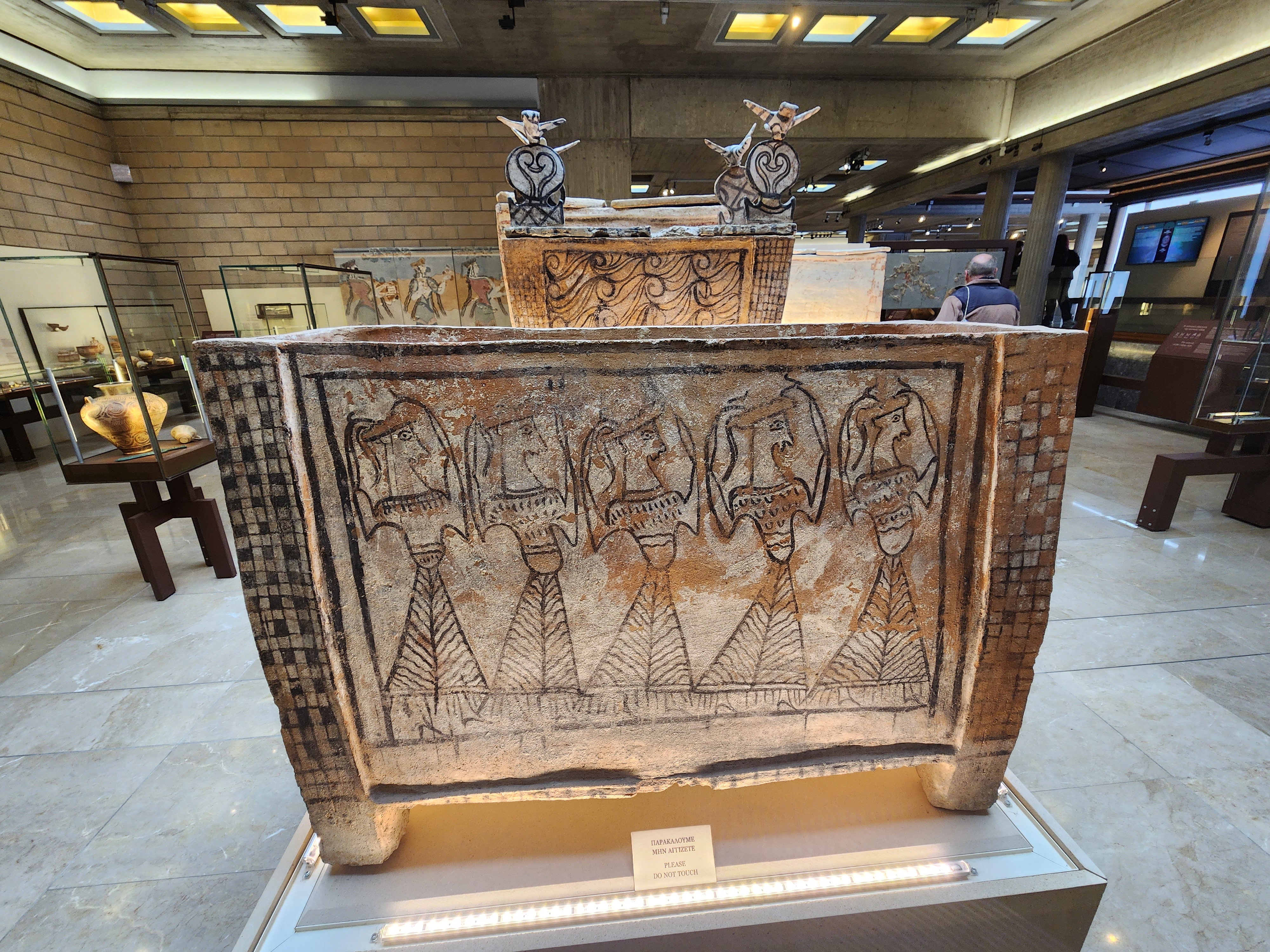
Every different style that we associate with ancient Greece was represented in the collection at Thebes.

It certainly looks like the designers from Star Wars stopped by to take notes. Eventually, we had to keep going. There was lunch on the horizon back in Athens at Strofi, a very nice restaurant with a view of the Acropolis that George was able to get us into. It’s moussaka is legendary, and was absolutely delicious.

Overall, our trip around the Peloponnese was magical. We saw all the archaeological sites we had longed to see, and others like Gla that we knew nothing about but were glad to be introduced to. The museums hold so many treasures that we become jaded by yet another lifelike sculpture, golden bead, or signet ring carved with a team of horses. We are grateful to Aristotle and George for making it all work.

Tour Manager:

George Gaitis, Pictours of Greece, 0030 697 2026 519

info@pictoursofgreece.com

Guide: Aristotle

Lunch with a view of the Acropolis: Strofi (excellent)

Dinner: Sea Wolf, Athens (excellent)

(I’ve already posted about our final weekend in Athens as part of the post About Athens)

Olympia to Delphi (7): Nafpaktos→Delphi→Arachova (Peloponnese to Mainland)

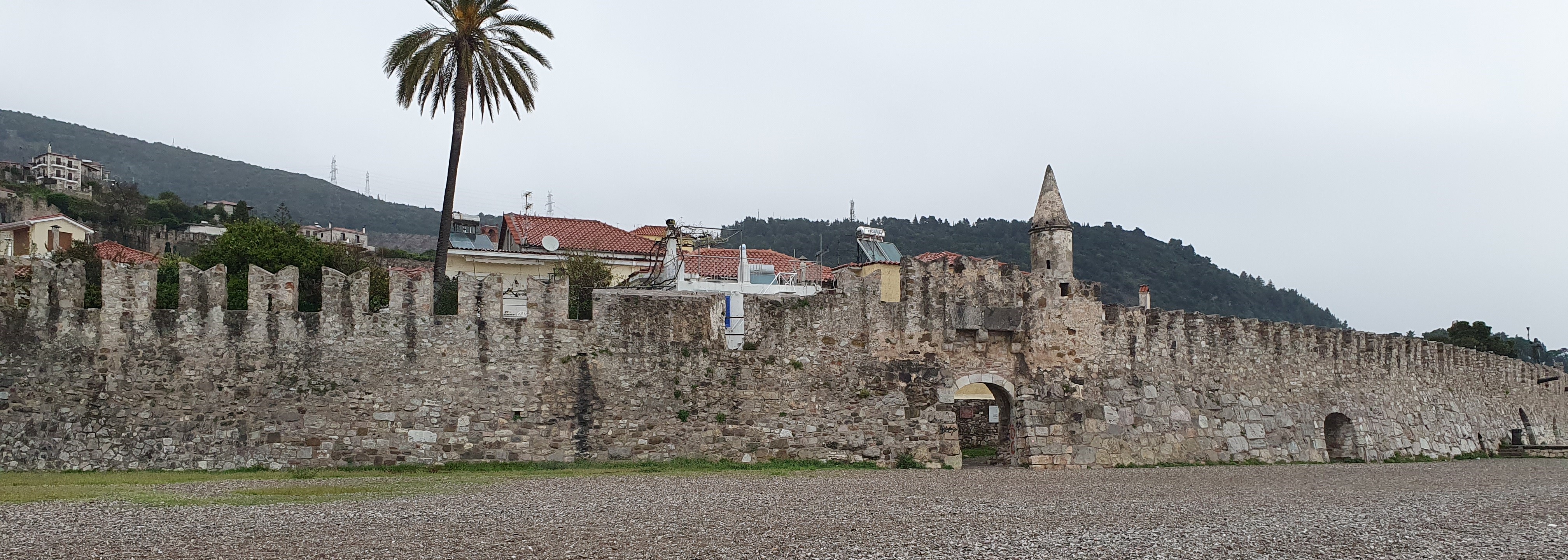
It rained overnight in Nafpaktos. I went out to the shore in the morning between showers, saw some fishermen heading home, and the remains of a Venetian fortress, but didn’t find any beach glass.

We headed for Delphi to hear from the oracle. Delphi is located in rough country, a lovely drive when someone else is at the wheel.

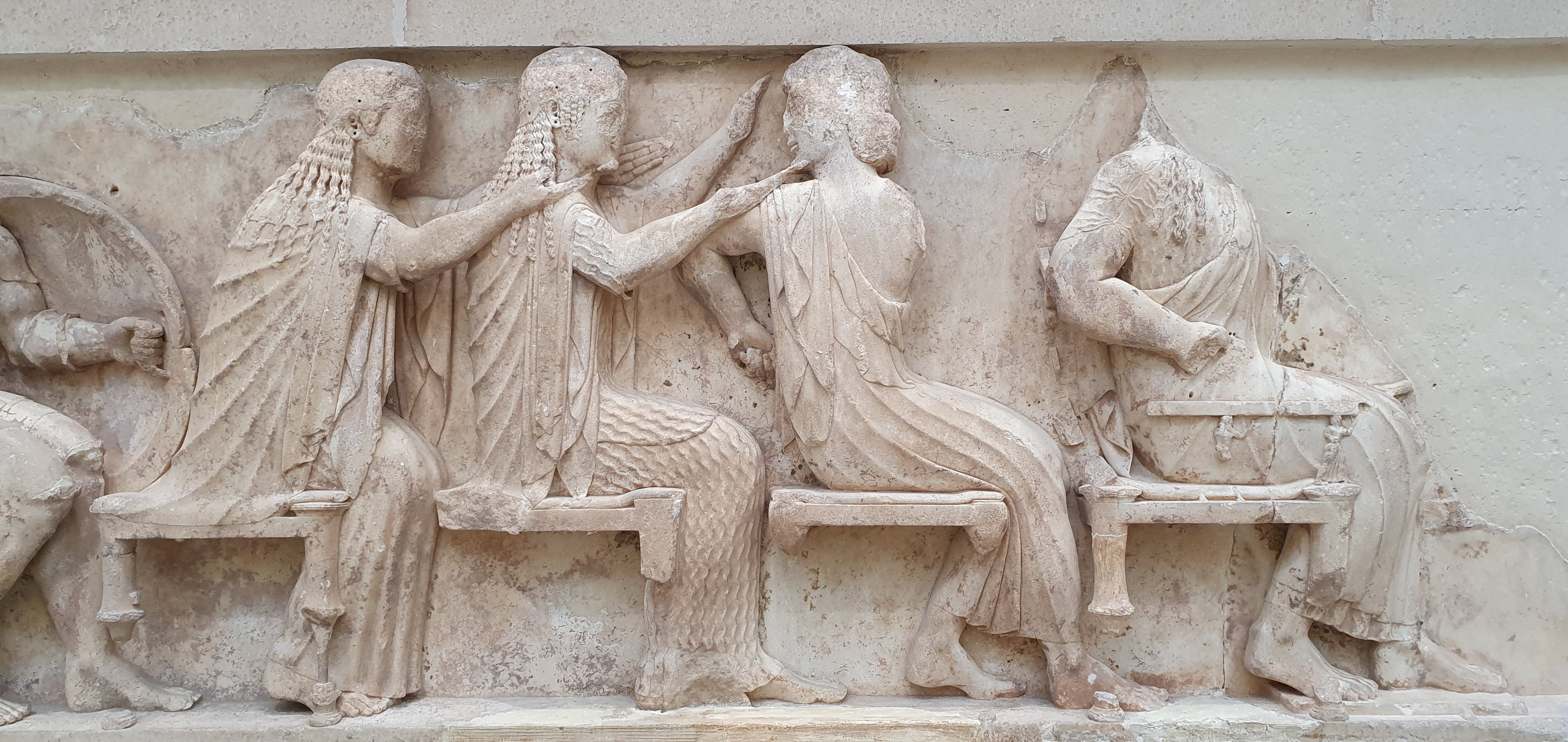
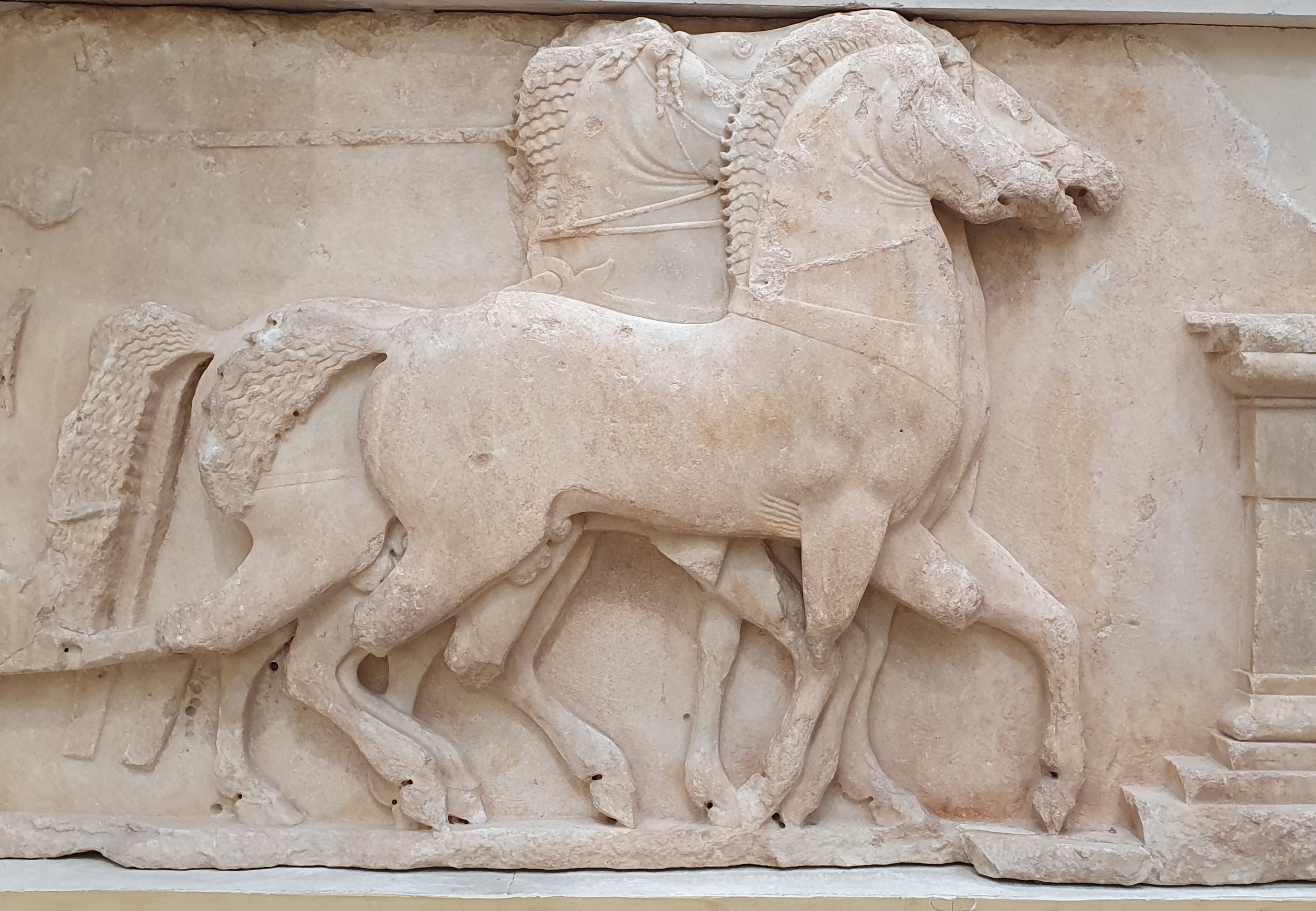
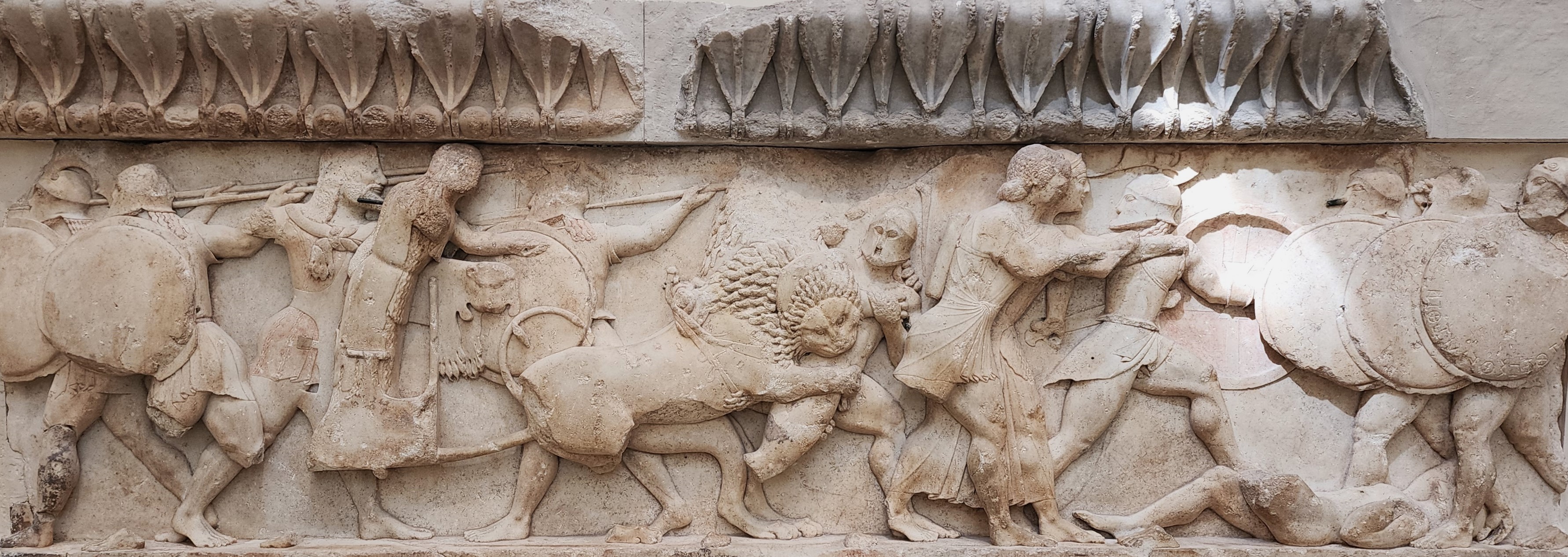
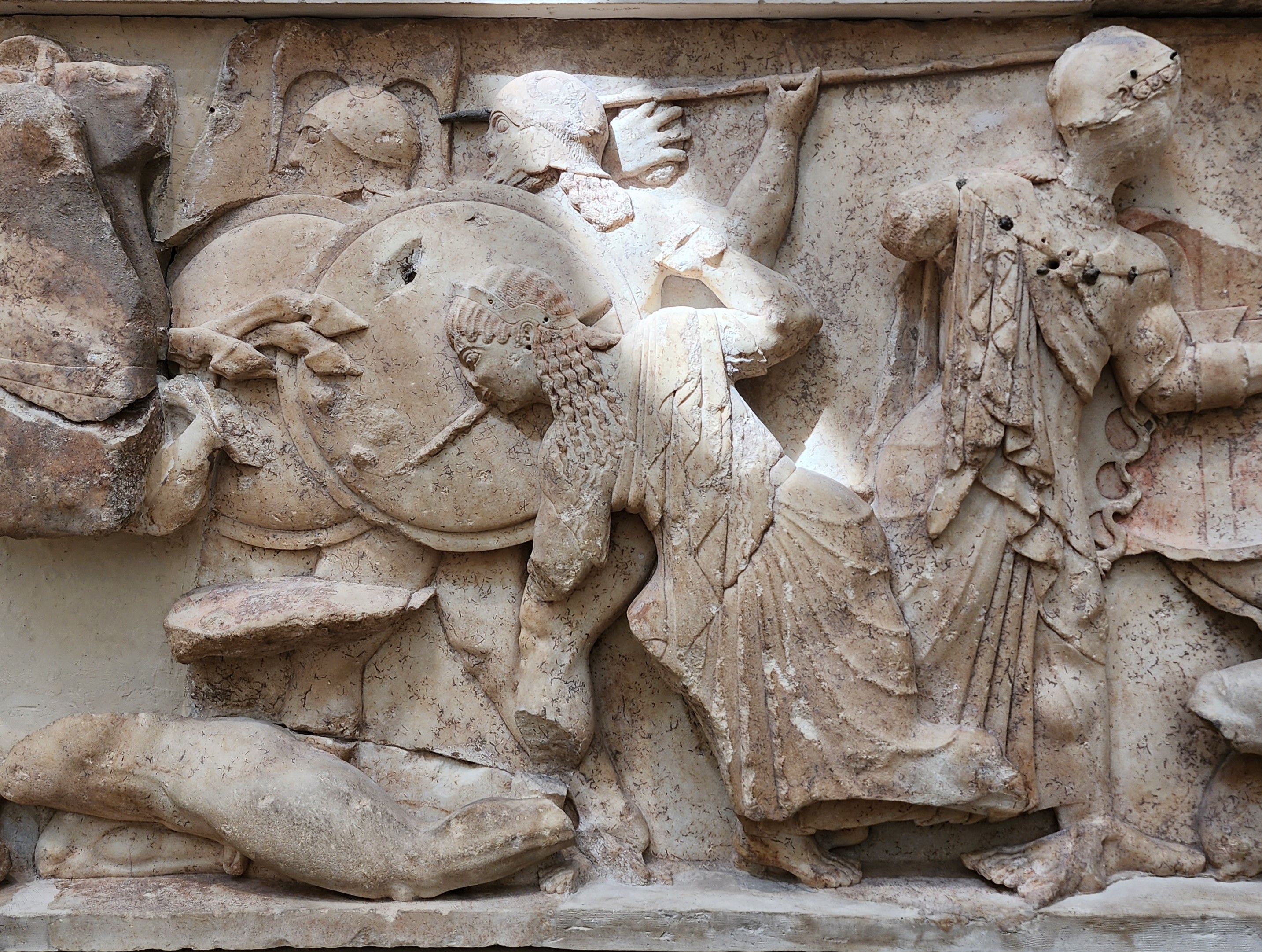
We visited the museum first, where we admired relief carvings made for the Sifnian Treasury. Treasuries held donations and offerings to the temples from specific localities. The Athenian Treasury at Delphi was known for displaying items captured in the Battle of Marathon.

Upper L: The Athenian Treasury; All others: Panels that surrounded the Sifnian Treasury.

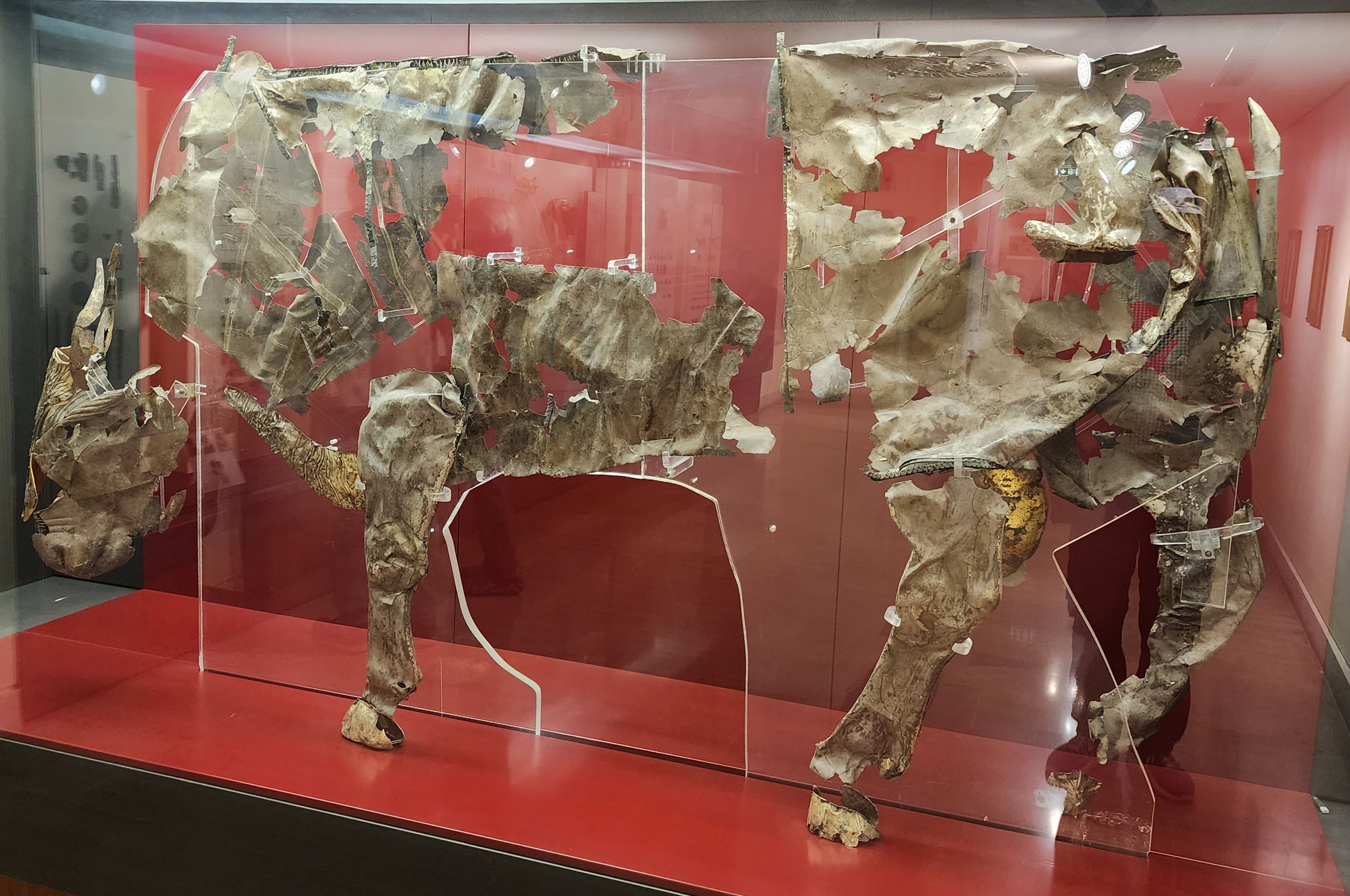
Cities vied for position–Sifnos hired famous sculptors, Naxos installed a Sphinx atop a column 36 ft (12 m) high. Other offerings included a life sized bull made of beaten gold and silver, and three ivory and gold statues (Apollo, Artemis, and Leto).

In the museum at Delphi: The Sphinx of Naxos, down from its tall perch; the beaten gold and silver, bull; and a goddess feeling rather smug because she’s made of ivory and gold.

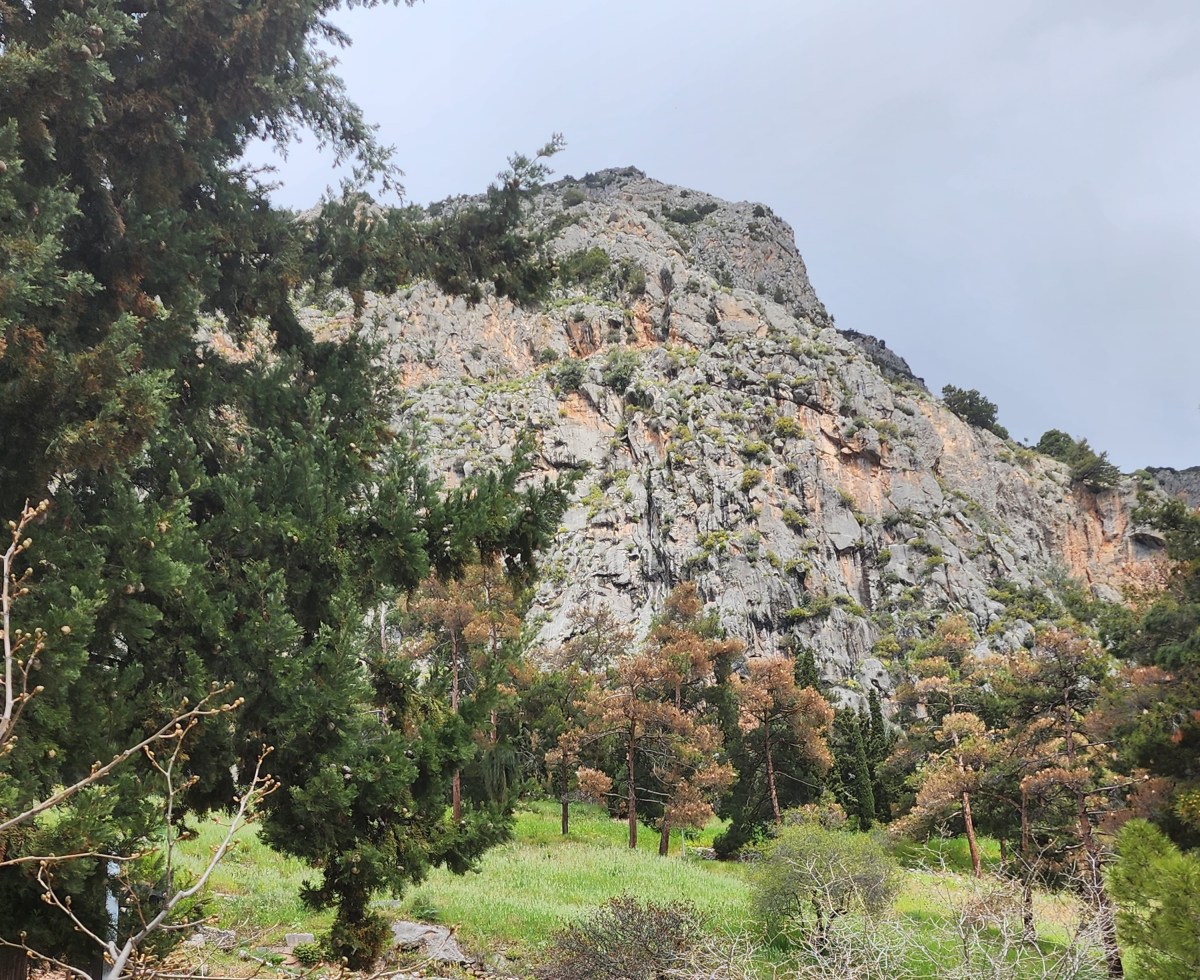
We stopped for a late lunch at Baxos (Bacchus) in Delphi and went on to the site. Delphi stretches up the slope of a mountain to the base of a cliff. It reminded me of Kayenta, AZ.

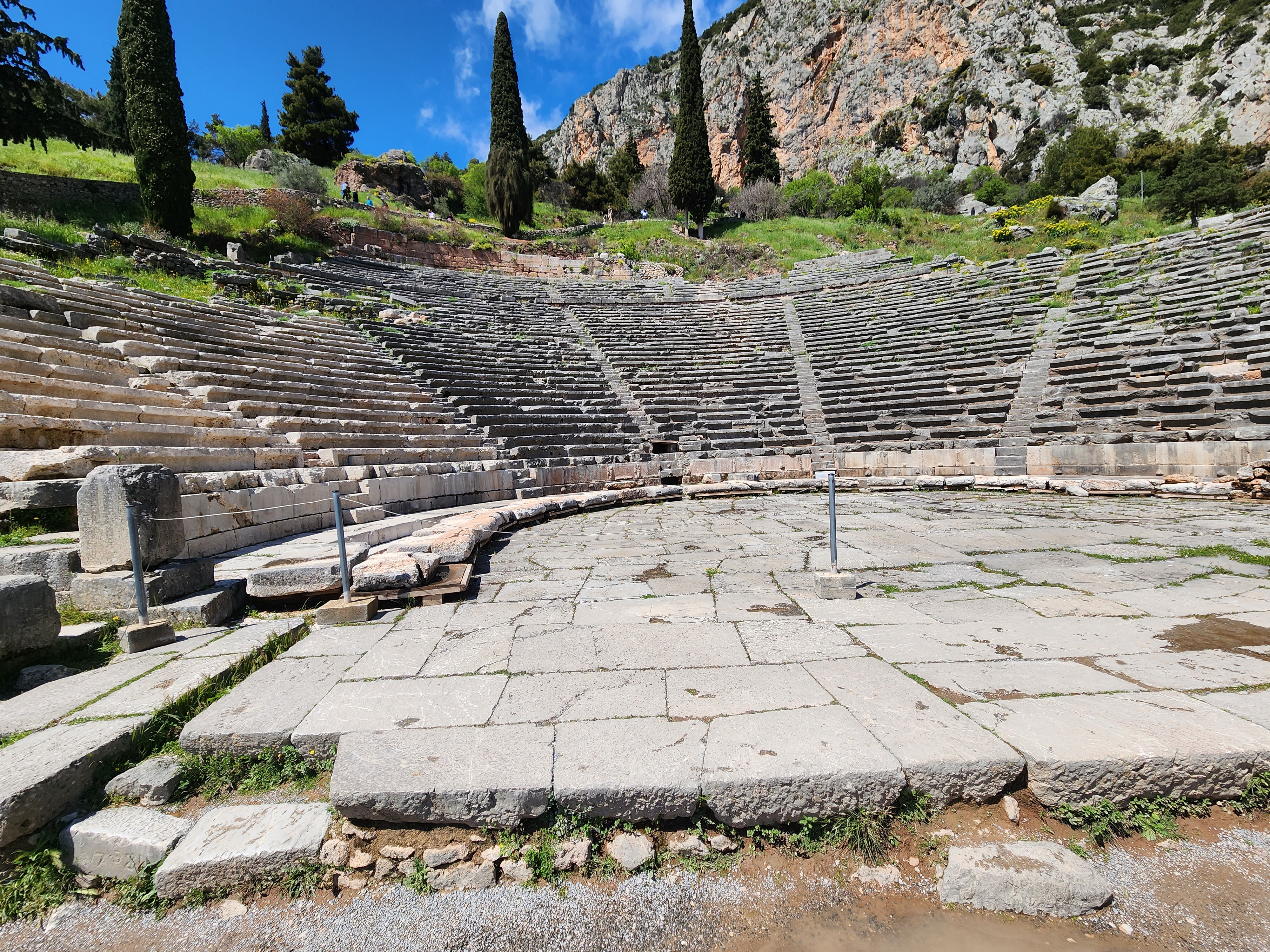
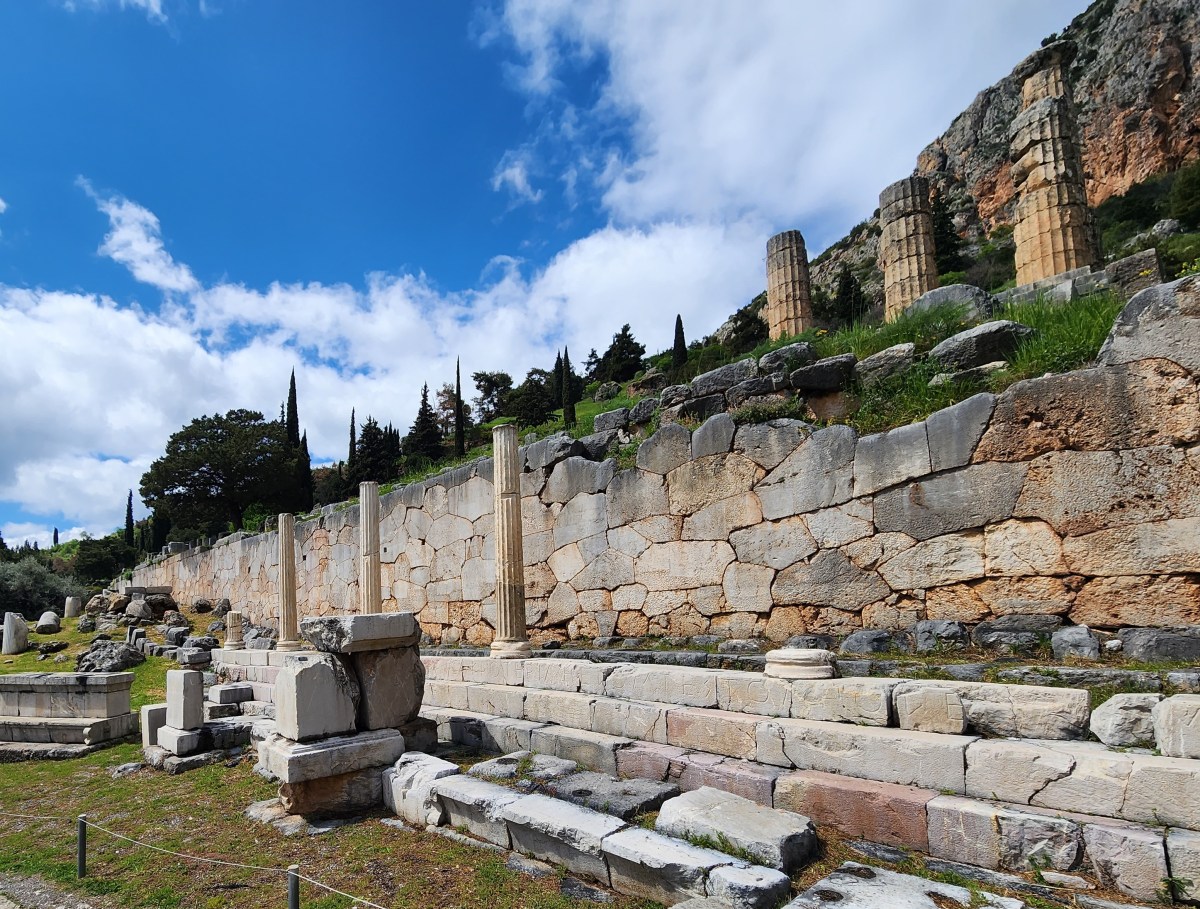
Despite its location on a rocky hillside, Delphi had all the features of a Greek city. In addition to its agora and theater it had a stadium, a bouleterion (council room), asklepion (for healing), lots of treasuries, and a remarkable number of inscriptions by those who visited.

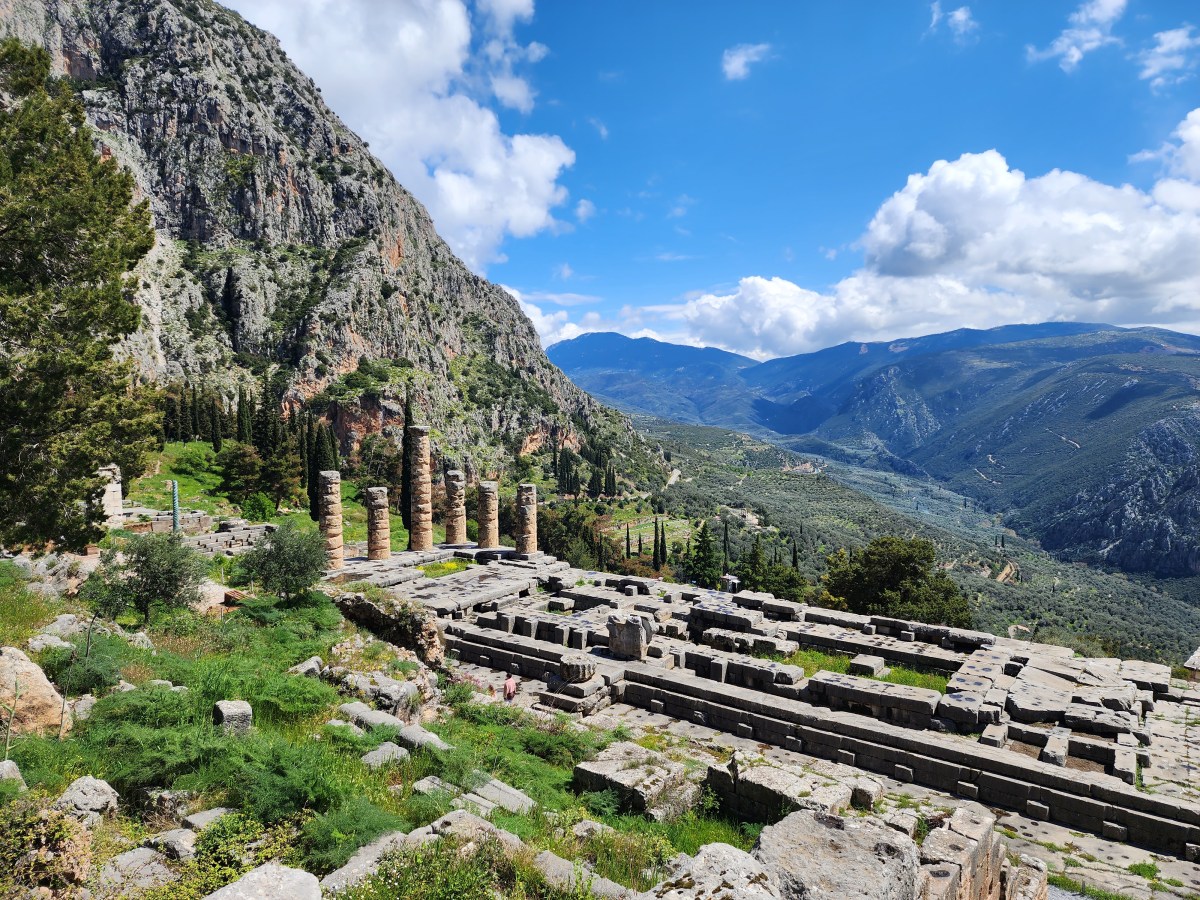
(Clockwise from L): The Temple of Apollo; the theater; a view over the agora at Delphi.

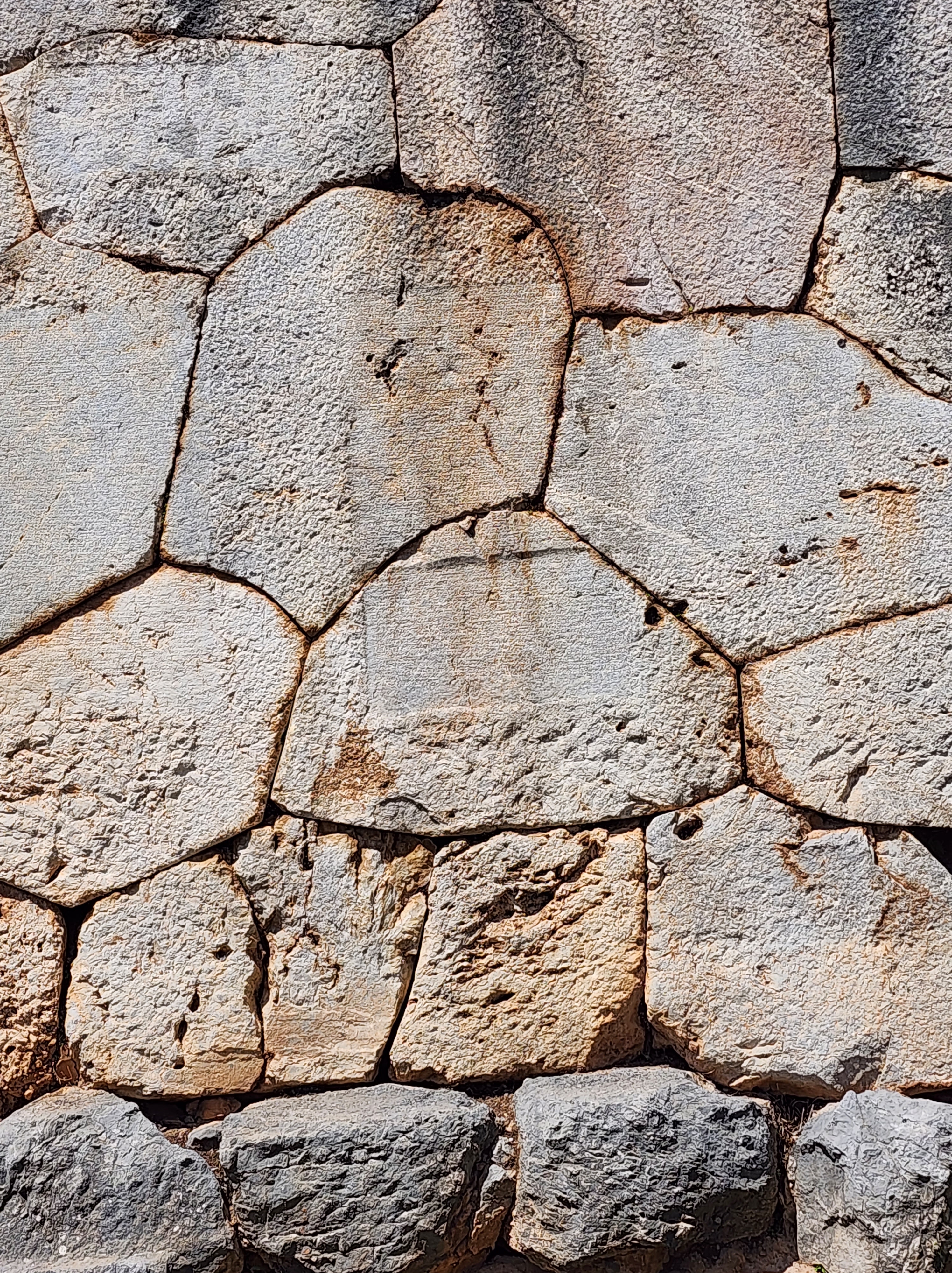
In Olympia, each dedication might have been part of a freestanding monument, but at Delphi there are so many that a carefully constructed stone wall turns out to have inscriptions carved into many of its component blocks.

The Temple of Apollo was the place from which the oracle delivered prophesies. Sadly, there was no oracle in attendance. We enjoyed the sun and the whispering of the breeze, but couldn’t make out the words. There are many theories about what made the oracle at Delphi so highly regarded for so long, from at least 800 BC to around AD 600. A favorite is that vapors emerging from the crevices in the earth below the Temple of Apollo put the individual into a drugged state from which their speech emerged. Others say the oracle spoke gibberish, and priests translated her words into poetic, enigmatic prophesies. Both of these interpretations are highly contested. Probably neither is true.

We may not have seen the future, but we enjoyed the day very much. It was a highlight of our tour, not because it was different from many of the other ancient cities we visited this week, but because it was Delphi, the Delphi, where the oracle spoke. I stood on the hillside and looked out and thought about all the people who have been in the same spot wondering about the world, themselves, their future. It makes you feel like part of something bigger than yourself. I could feel the continuity of history.

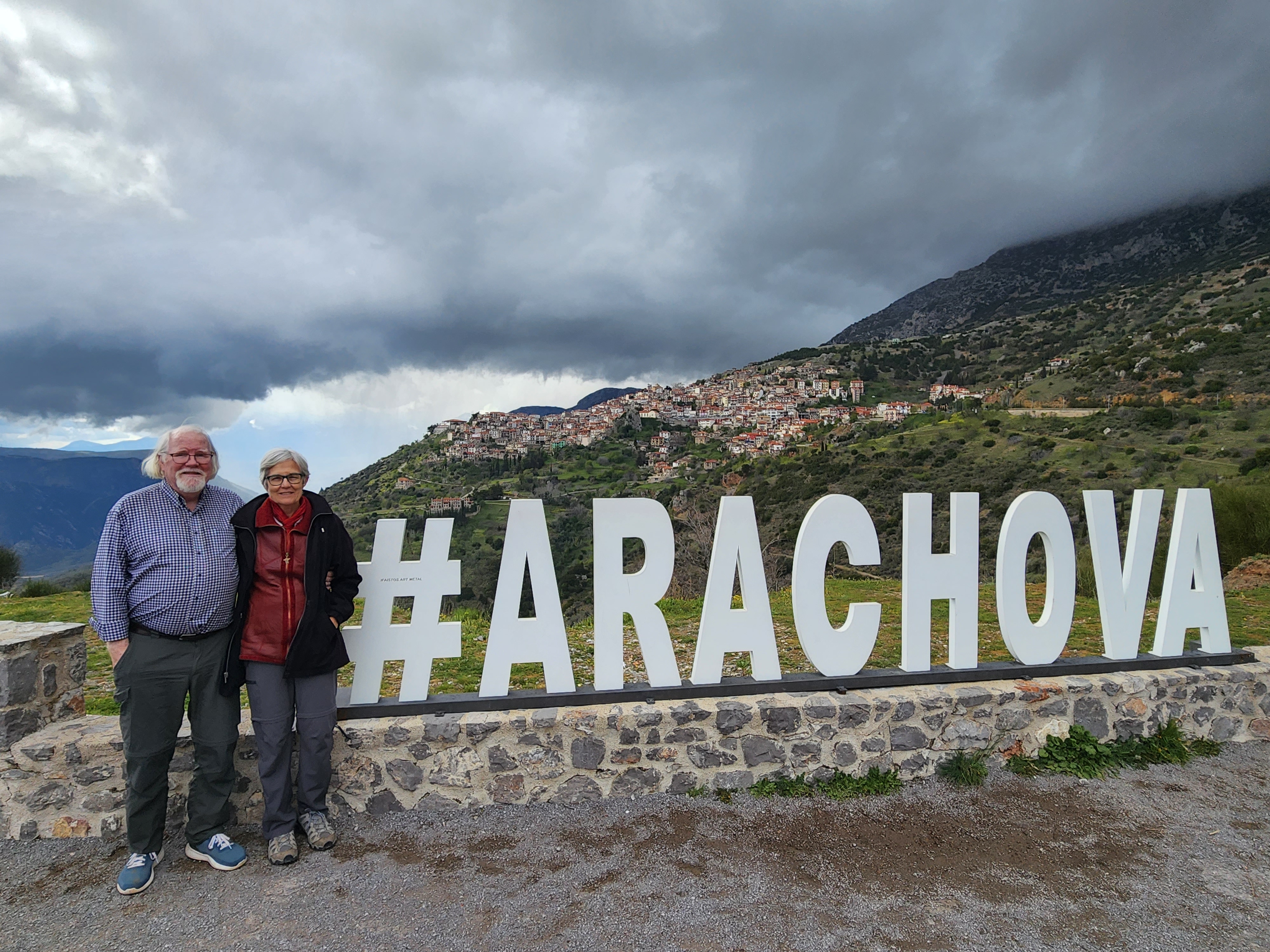
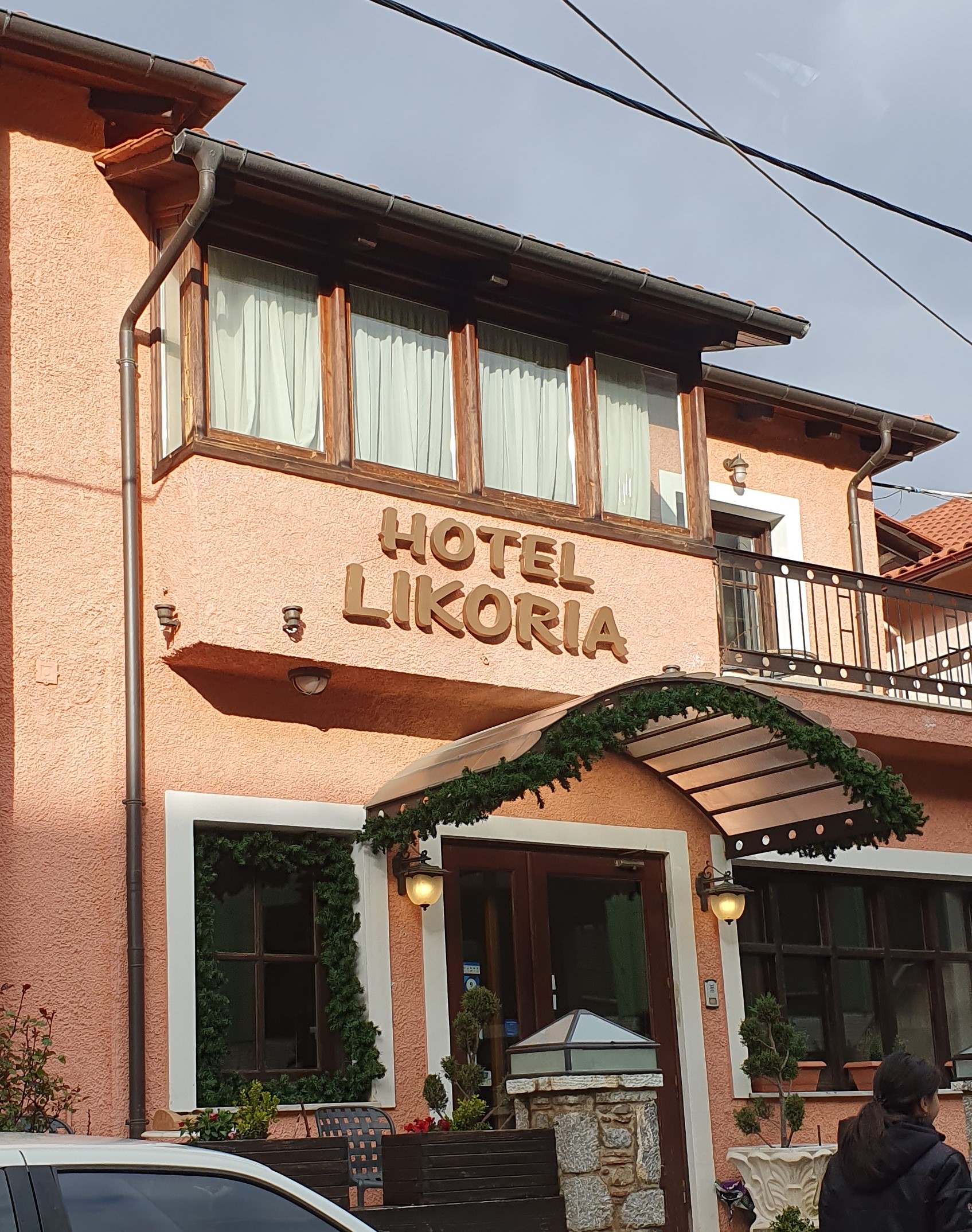
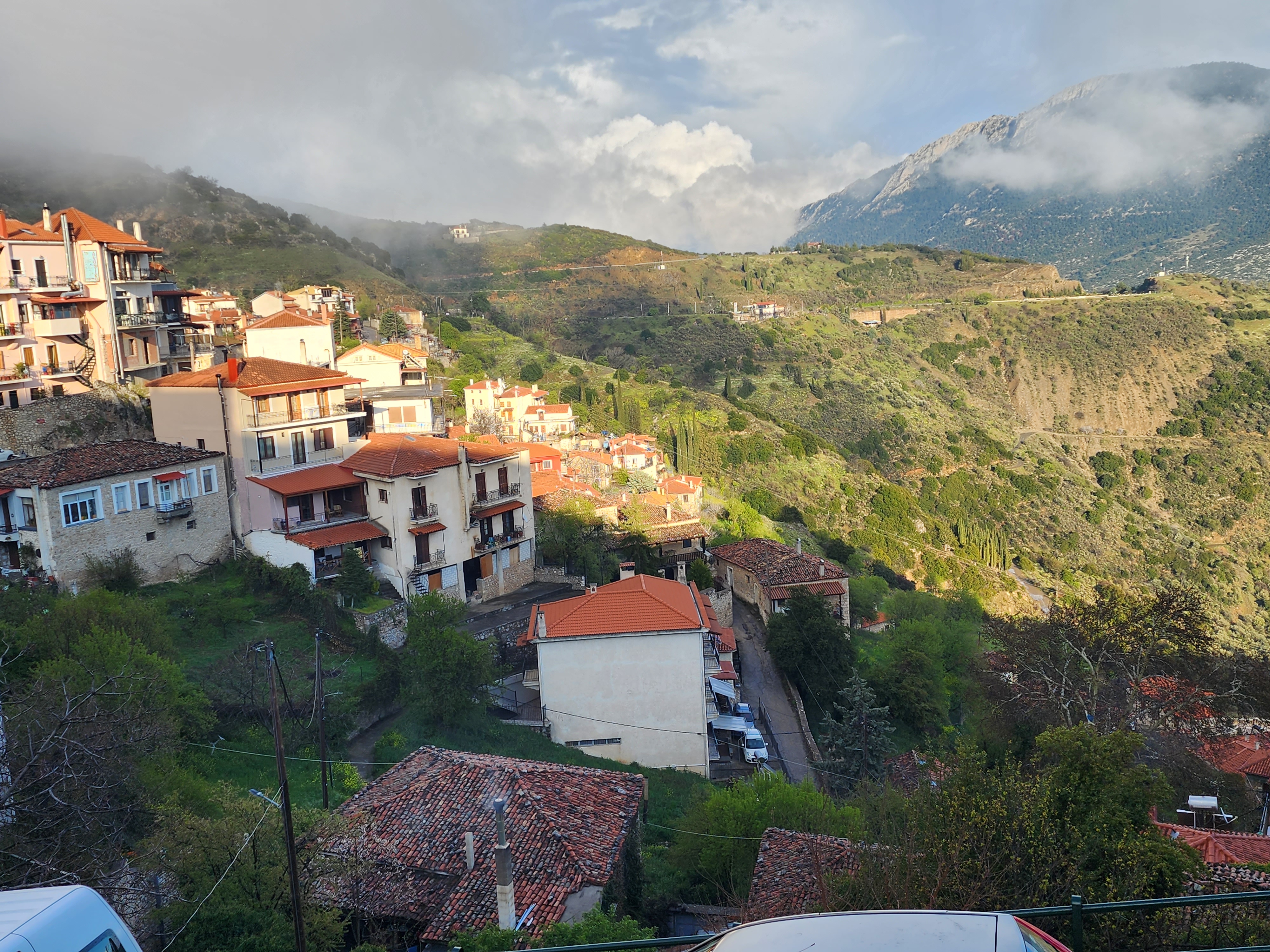
We eventually left for our overnight spot, Likoria Hotel in Arachova, a ski resort part of the year. We saw a bit of late afternoon sun and stopped to take pictures.

L-R: The town perches in the background of the Arachova sign; Our hotel.

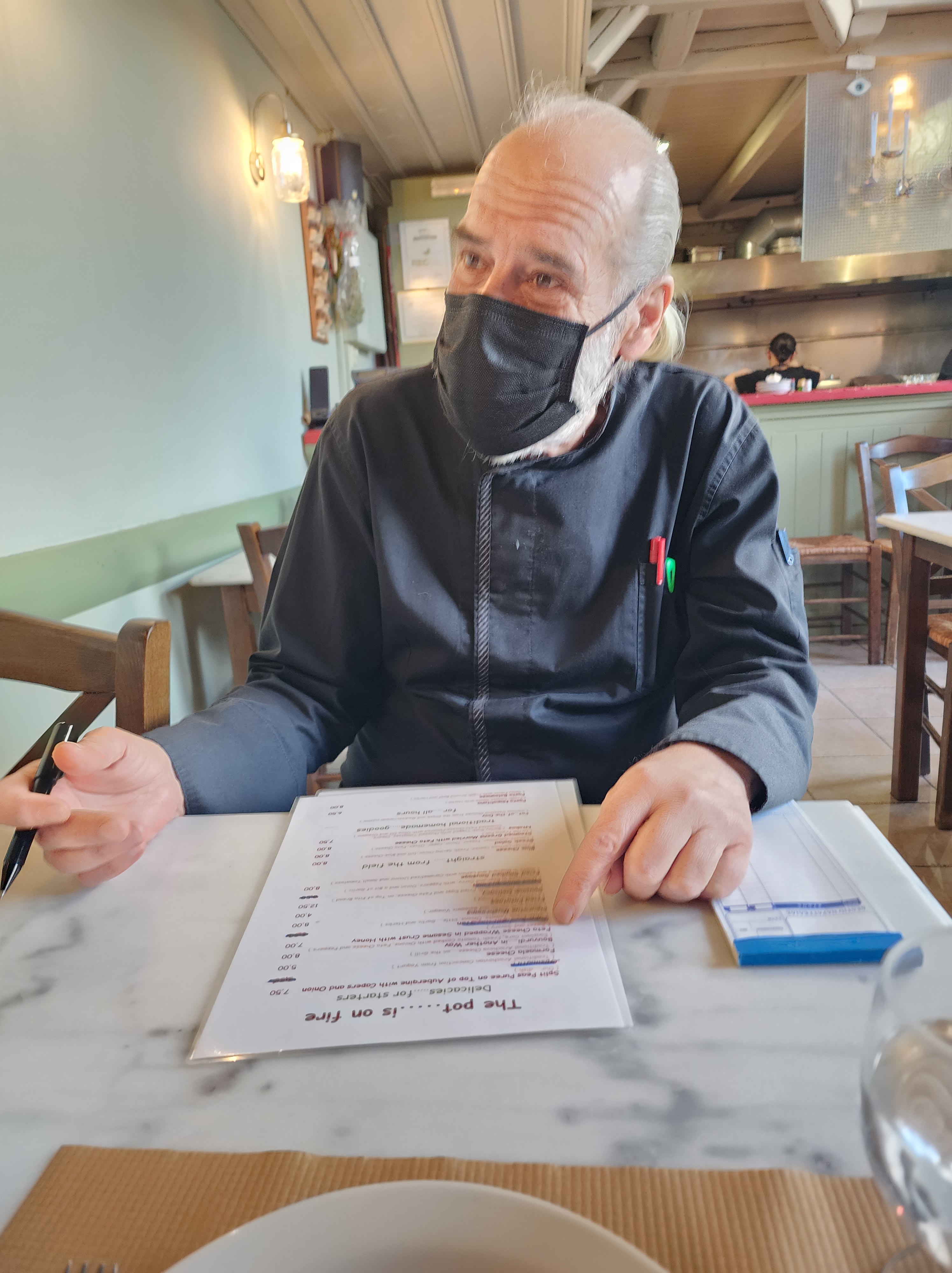
There was time for a stroll through town before sunset. Arachova is a pleasant small town. Most visitors to Delphi are on day trips from Athens and don’t stay overnight in the area. The town was not thronged with visitors in the evening, though that could change in the summer. We enjoyed our stroll to To Tsoukani, where the proprietor sat down with us to go over the menu, to make sure we got what we wanted.

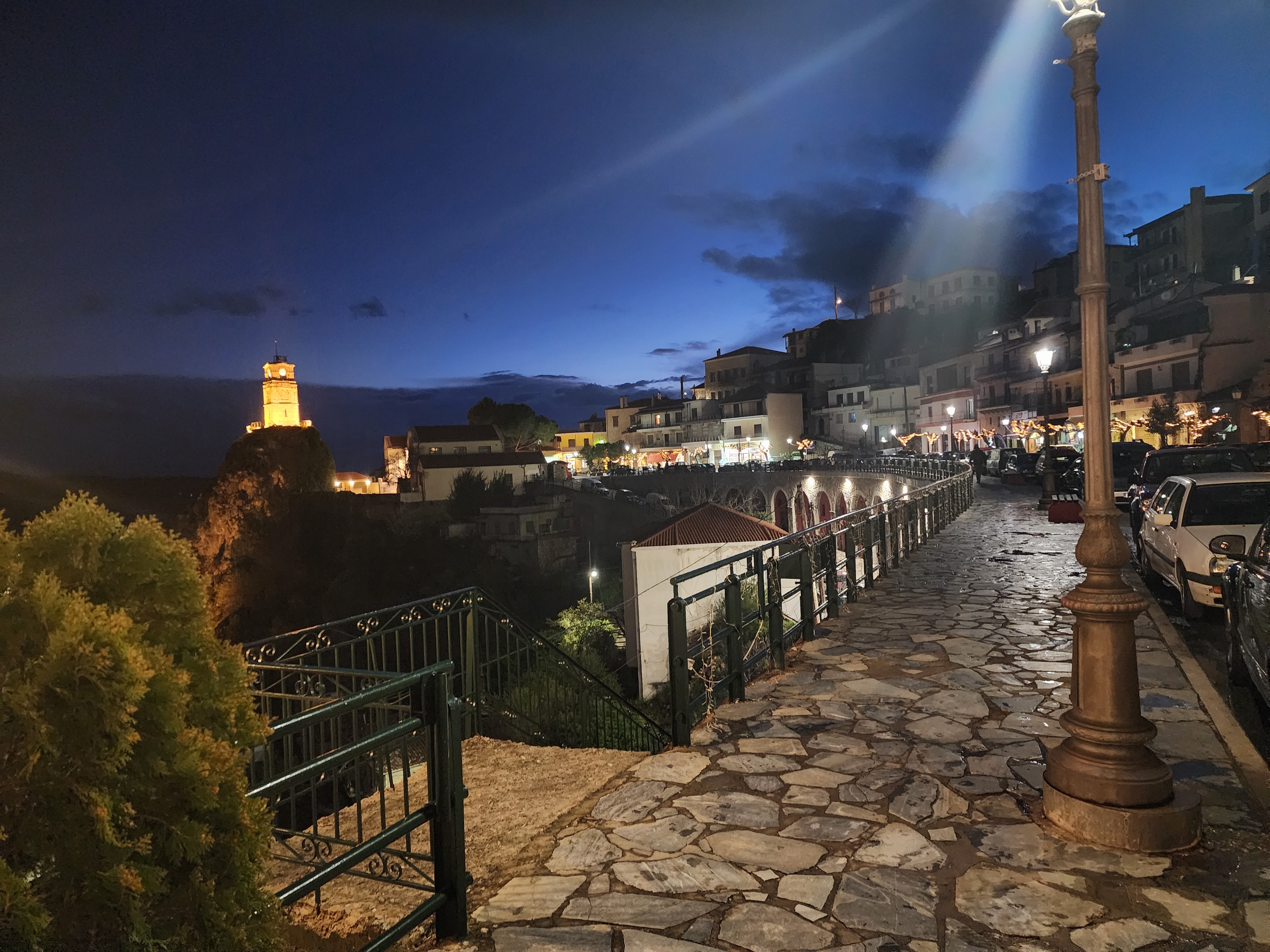
Pre-dinner stroll through Arachova after the rain; Reviewing the menu at To Tsoukani.

Our walk home in the dark highlighted different parts of town.

We realized that our visit to Delphi was the last full day of our tour with George and Artistotle. It’s been a long week, but a lot of fun and a true busman’s holiday for us as archaeologists.

Peloponnese (6): Pylos to Olympia and beyond

Another beautiful day in the Peloponnese began the view out our hotel window over the water looking tranquil in the rising sun. Our first stop was the fortress of Pylos and the small museum. The view over town was gorgeous.

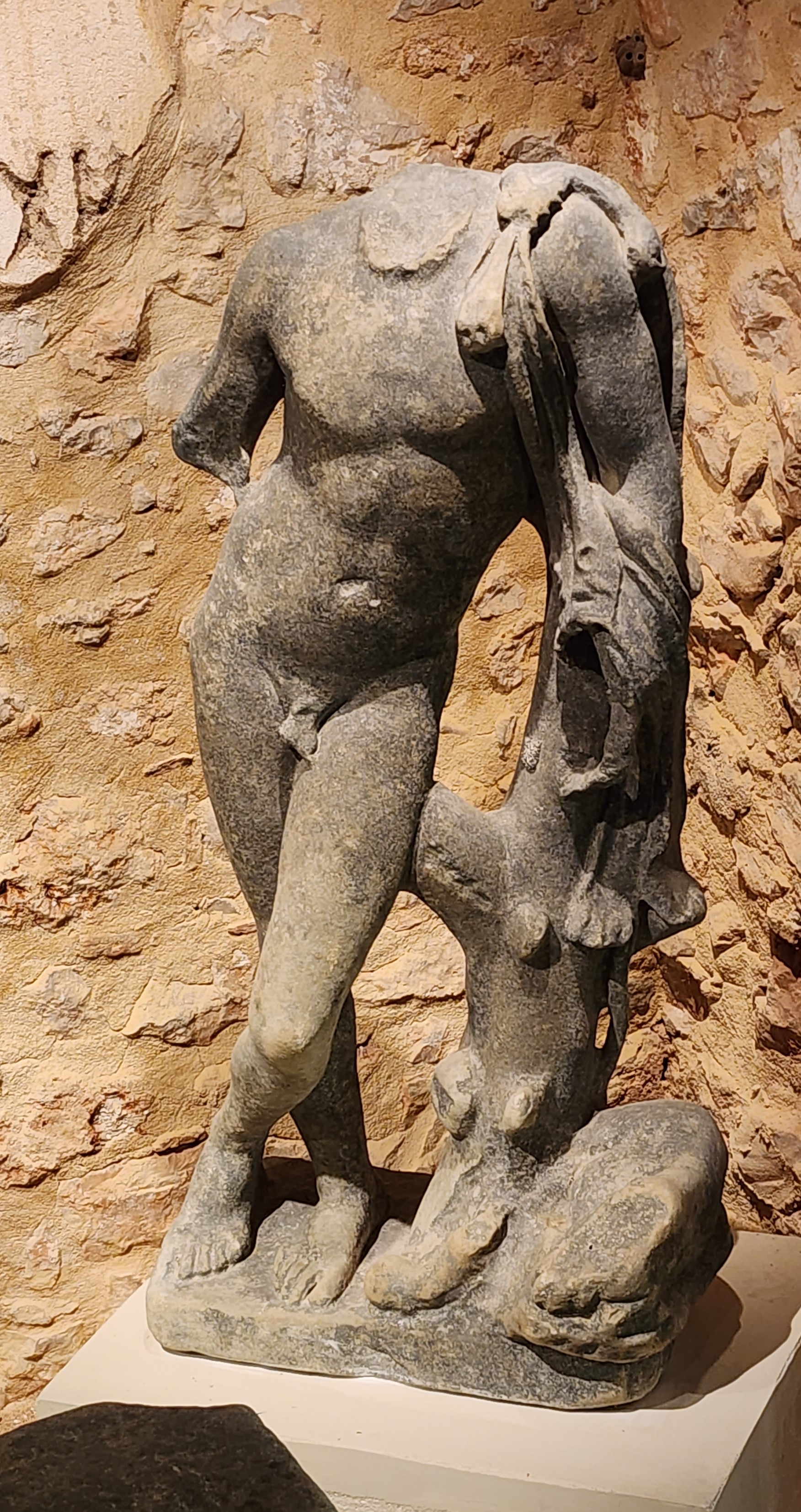
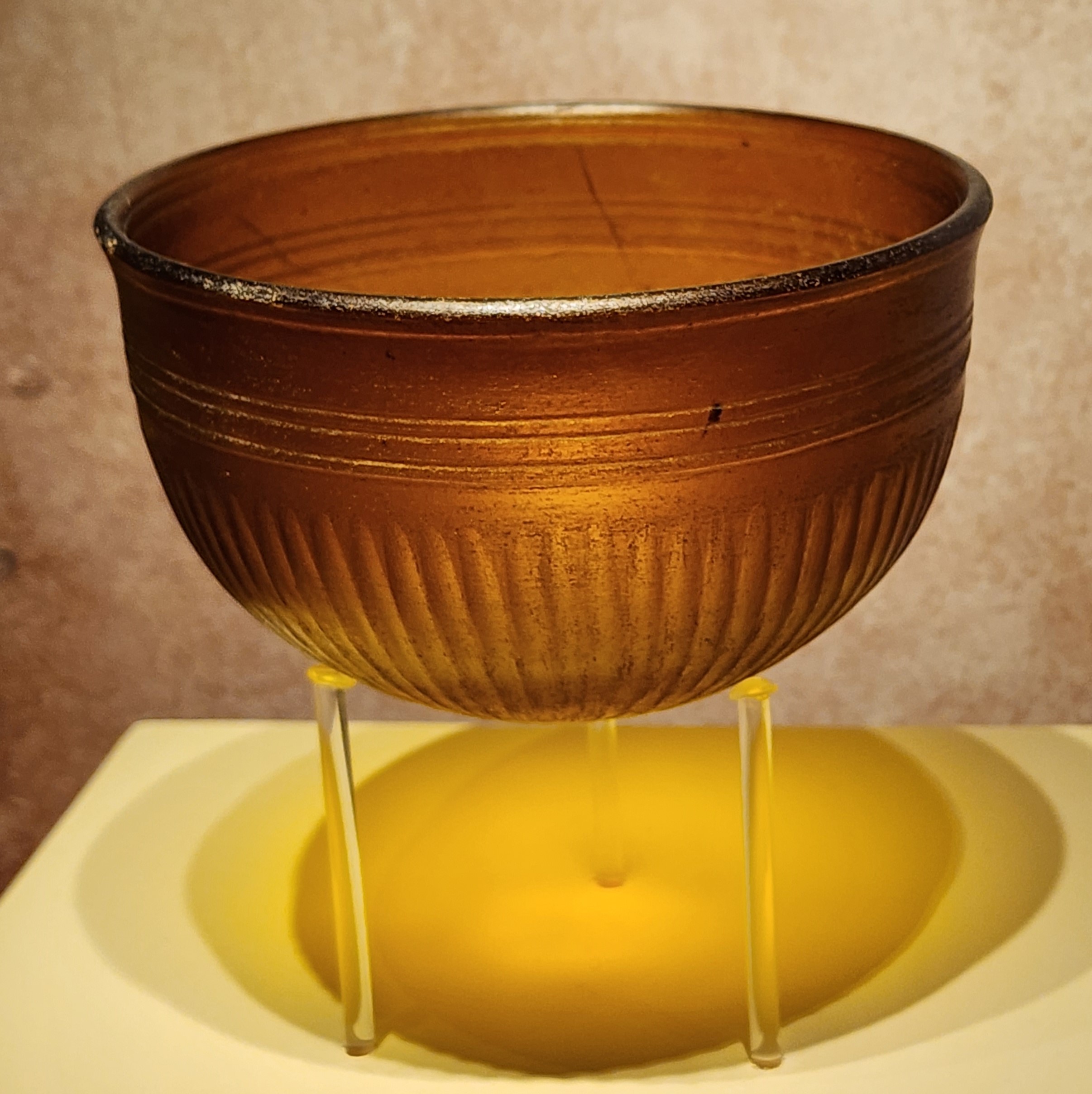
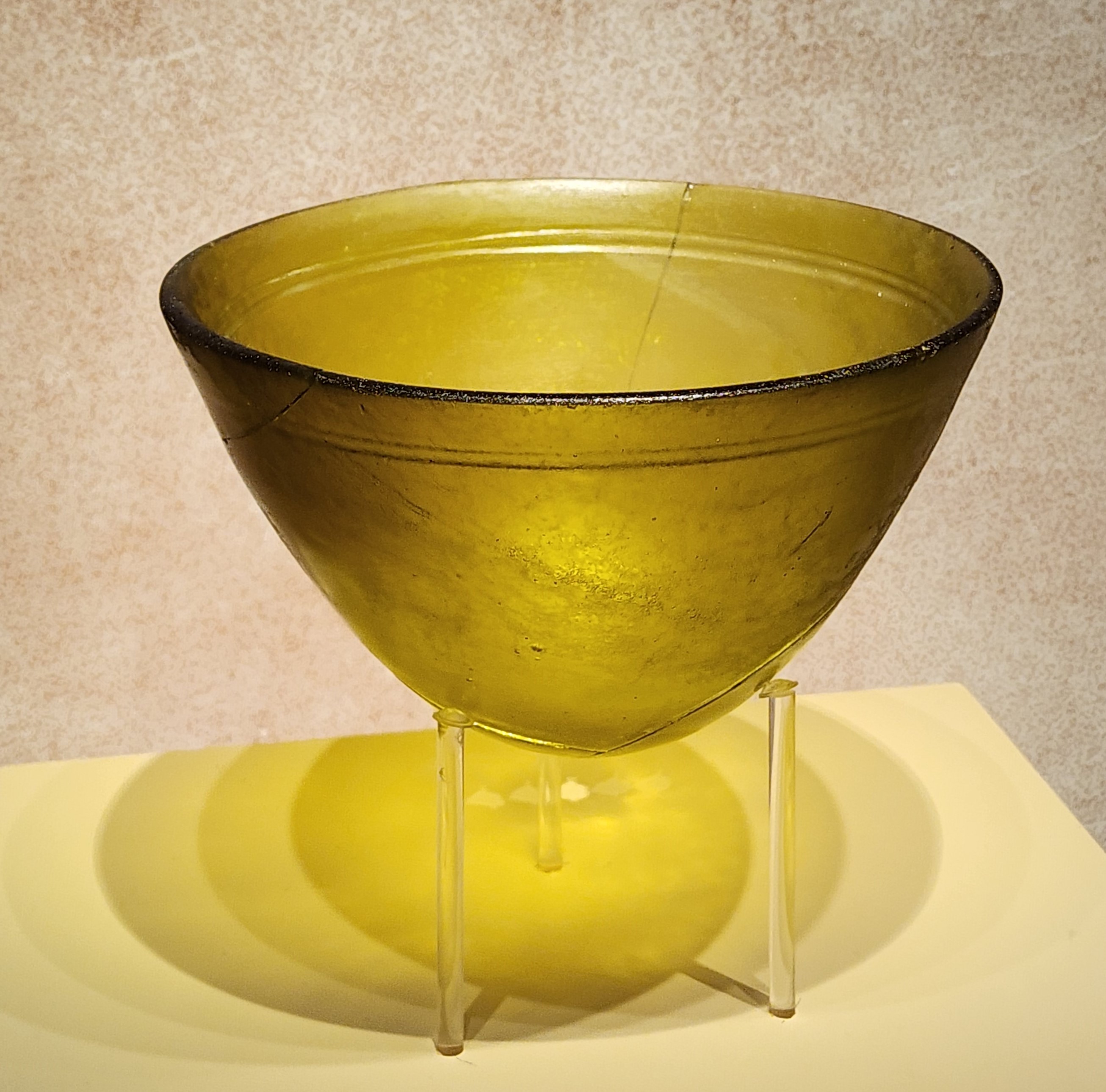
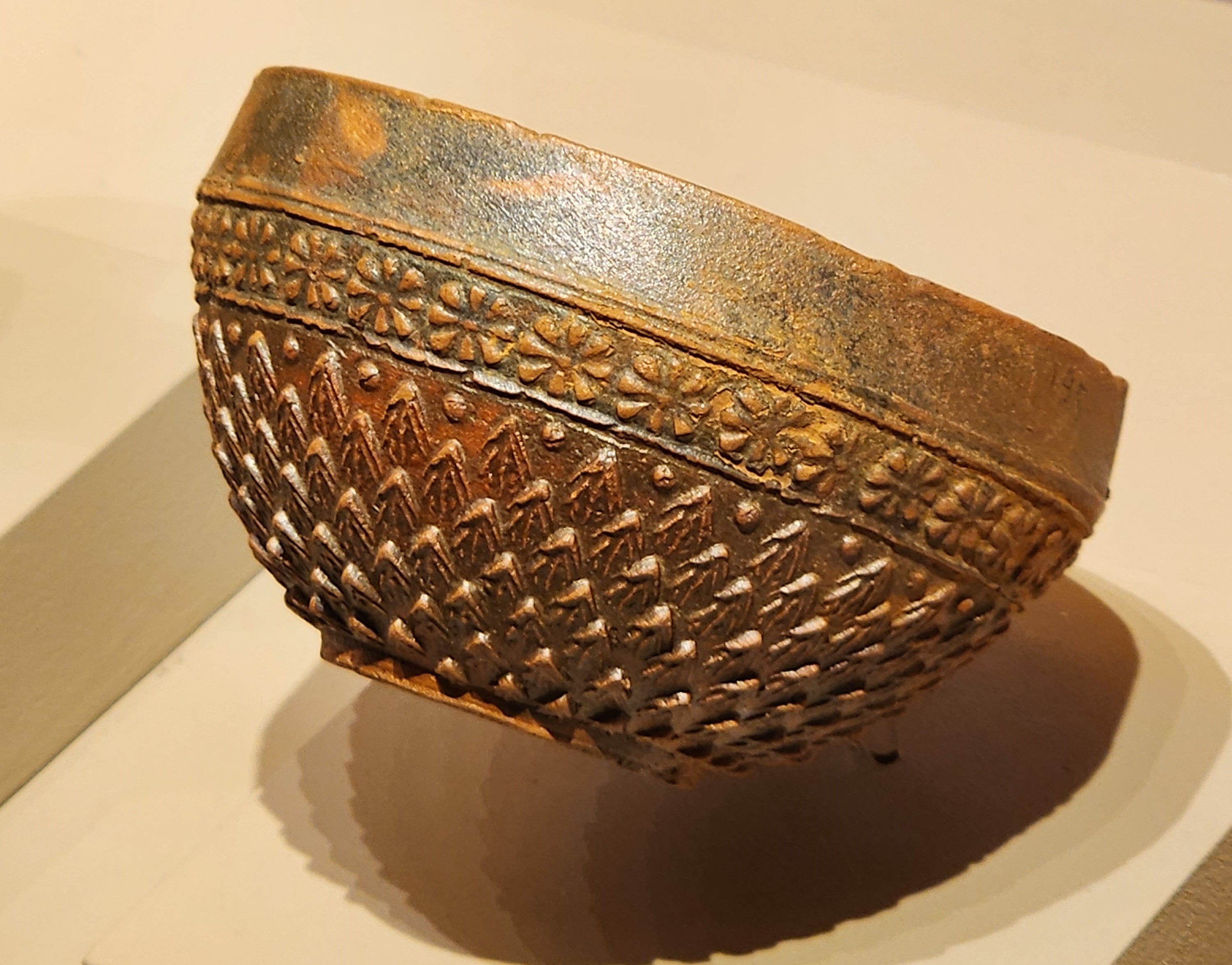
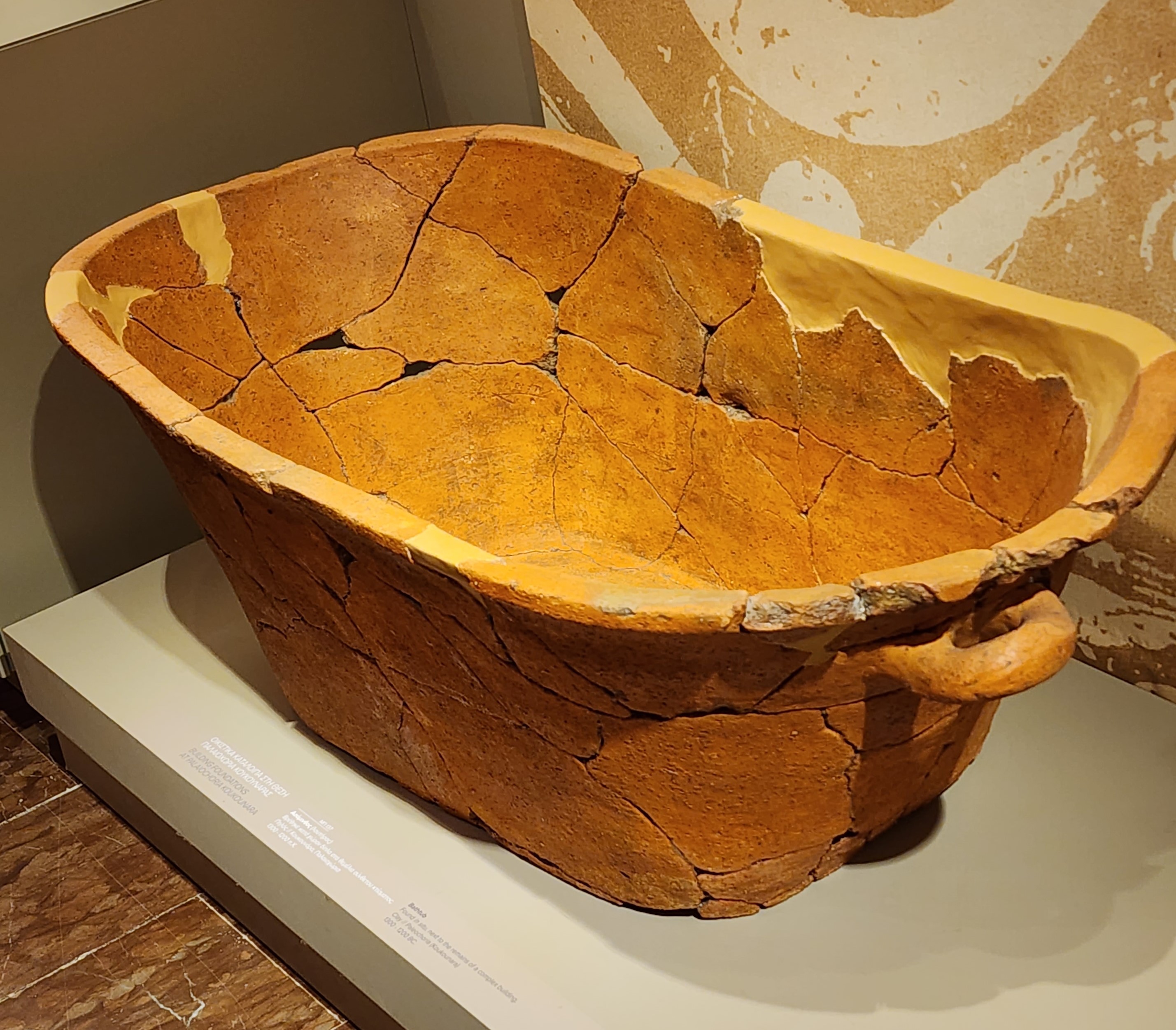
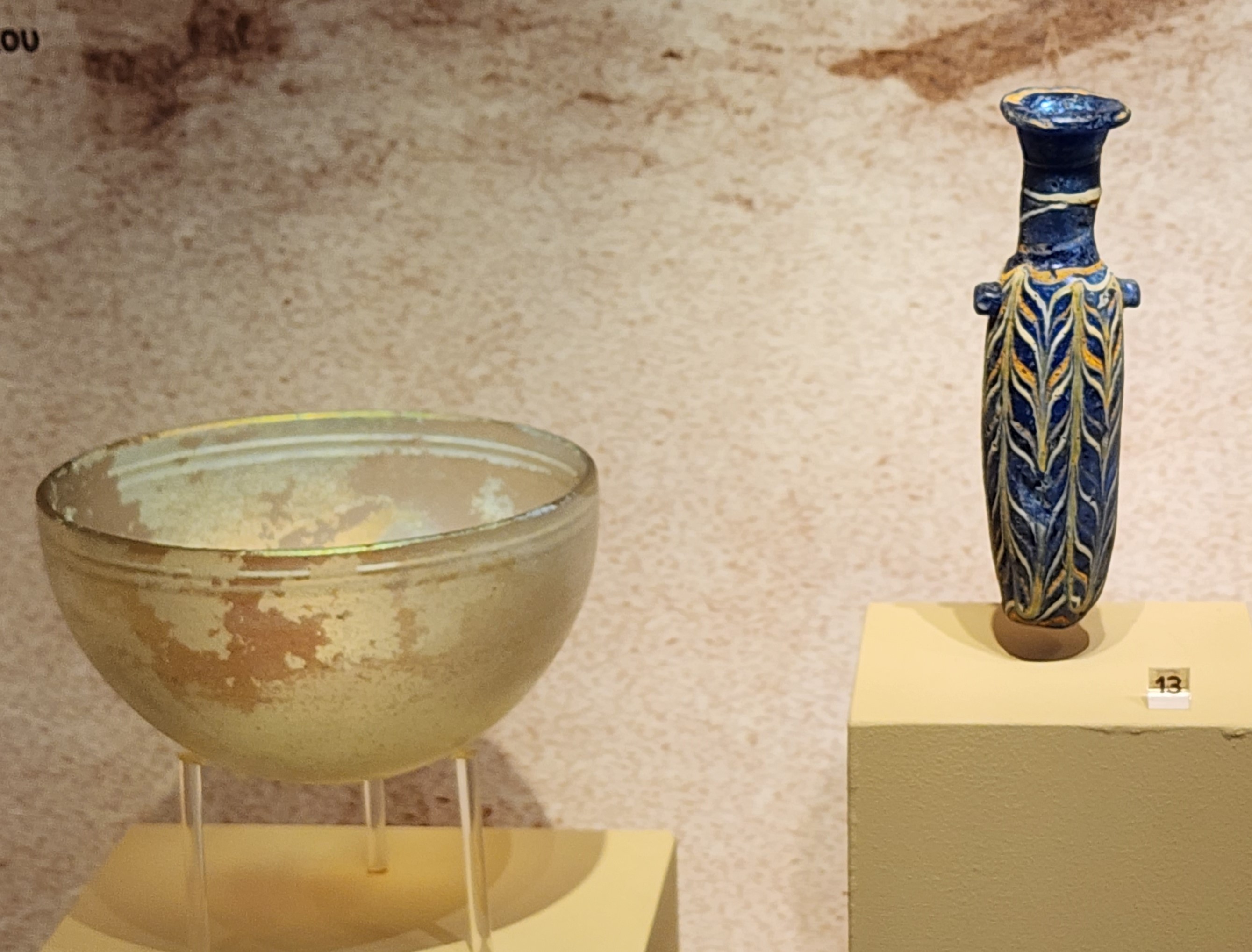
The museum had a few lovely examples of the fine crafts that were traded in and out of Greece in ancient times, glass vessels, fine pottery, a bathtub similar to the one we saw in Nestor’s Palace, and a rather insouciant god leaning on a tree trunk (Bacchus, naturally).

On our way out of Pylos, we stopped at the beach that was probably the “sandy Pylos” mentioned by Homer. The modern city is on a rocky promontory, but along this nearby stretch of coast there are beaches where boats could have landed easily, and a large marshy area that would have been a shallow bay two thousand years ago.

It’s a beautiful spot for birdwatching. We saw a greenfinch, a Sardinian warbler, and a woodchat shrike with a bright red head in just a few minutes. We were on our way to Olympia, so had to tear ourselves away from the beach and the birds.

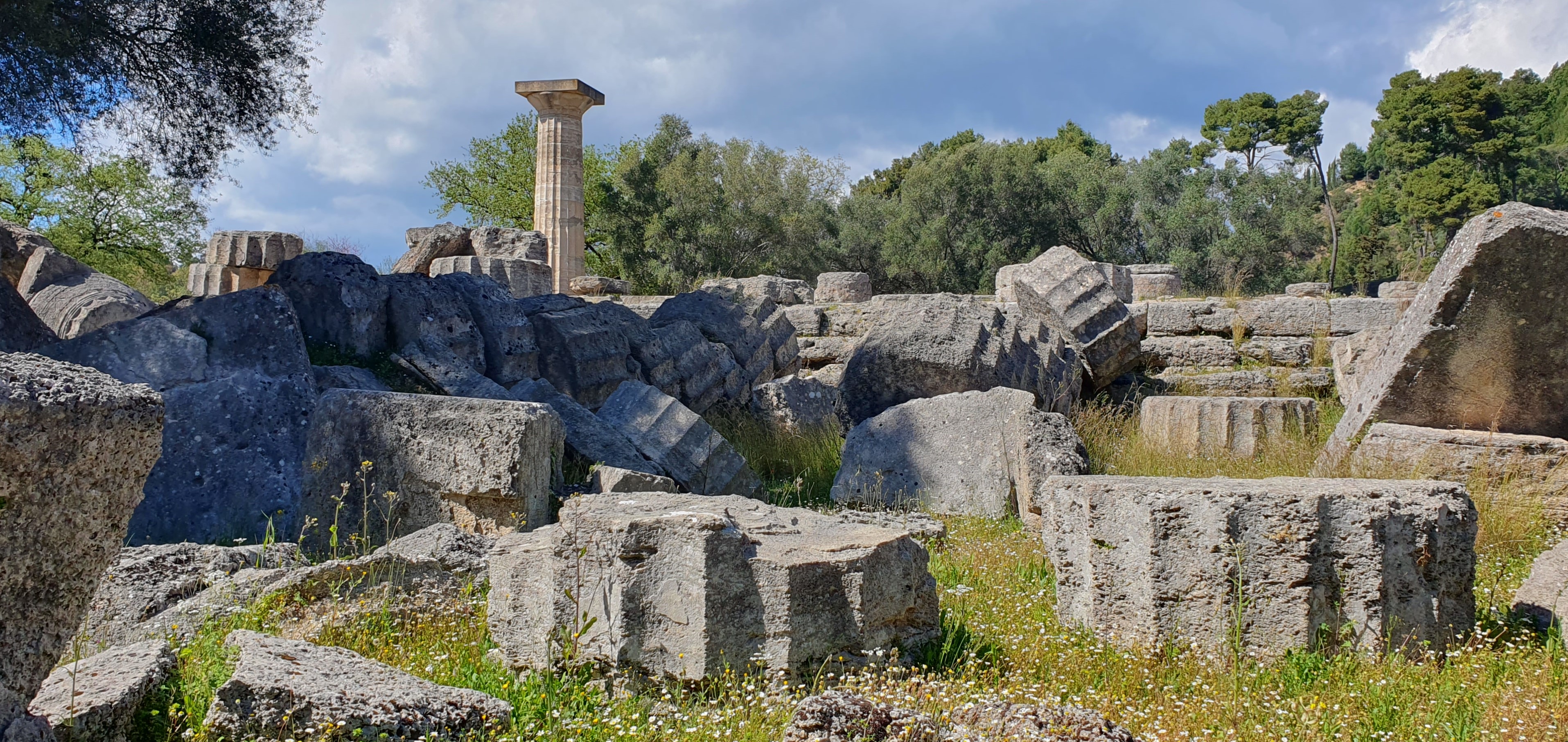
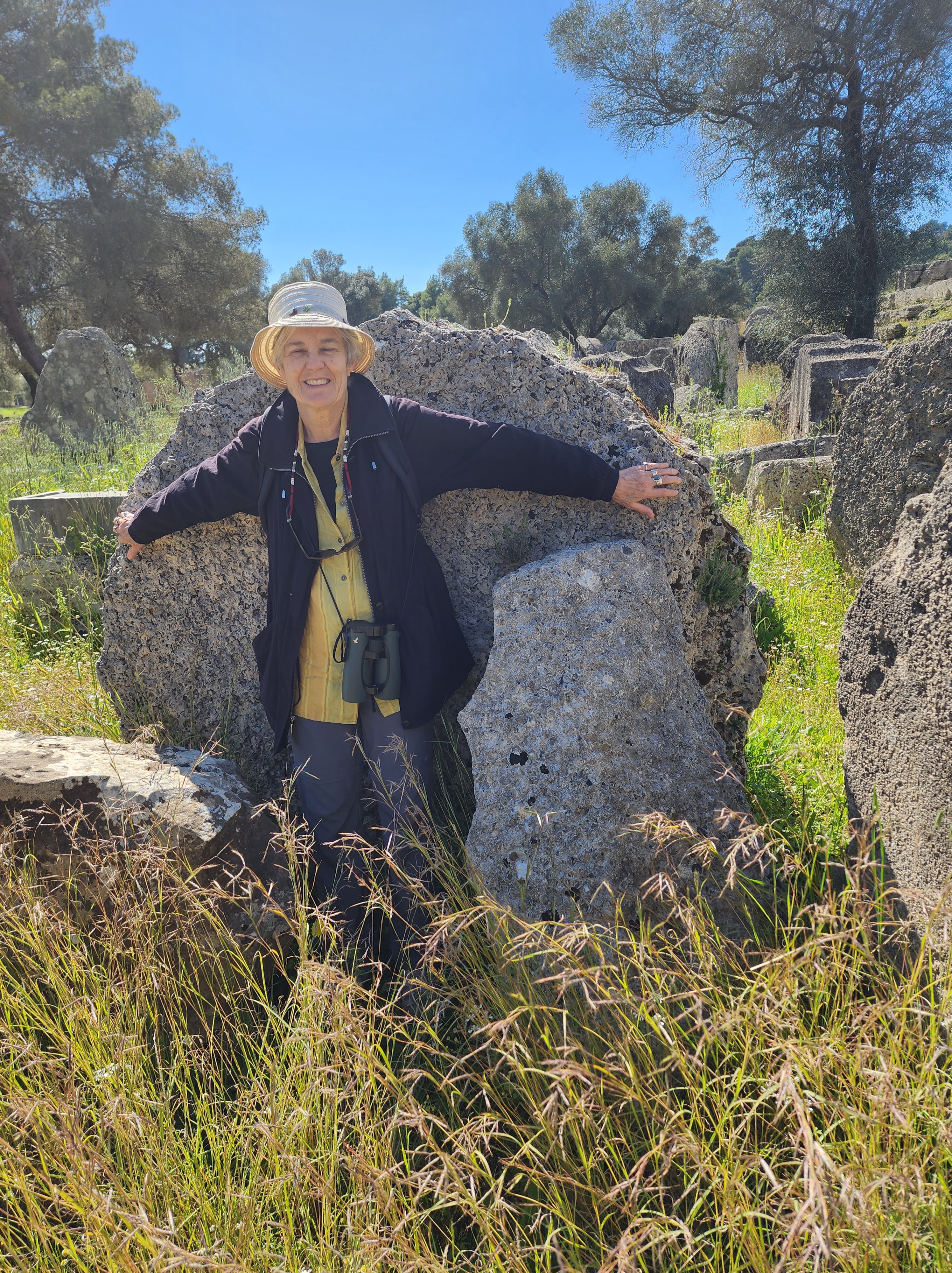
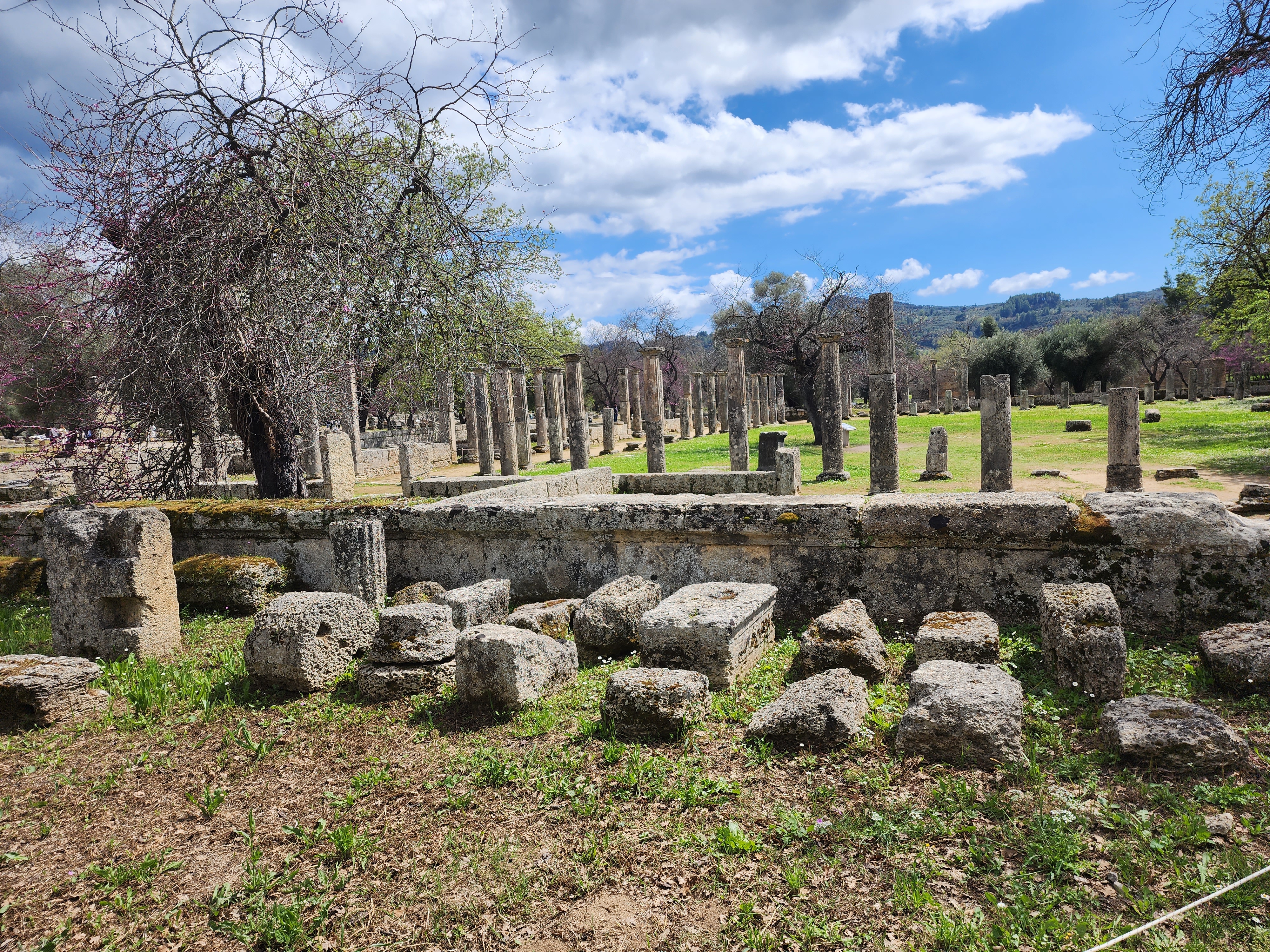
We stopped in Olympia for lunch and then moved on to visit the site and the museum. The ruins of Olympia are enormous. The original games were part of a religious festival in honor of Zeus. There is a sacred precinct, and a huge temple of Zeus. To support the athletes who lived and/or visited, there was a large gymnasium, a palestra (an open area surrounded by colonnades where wrestlers practiced), and a very large stadium. The site was named Olympia after the home of the gods, Mt. Olympus in mainland Greece, as another way to honor Zeus. 776 BC is considered the date of the first Olympic Games, though there is discussion of whether athletic competitions may have been held much earlier there, and whether there was continuity in the games. Olympia has the distinction of being considered the home of Olympic competition, whatever details may turn up over time.

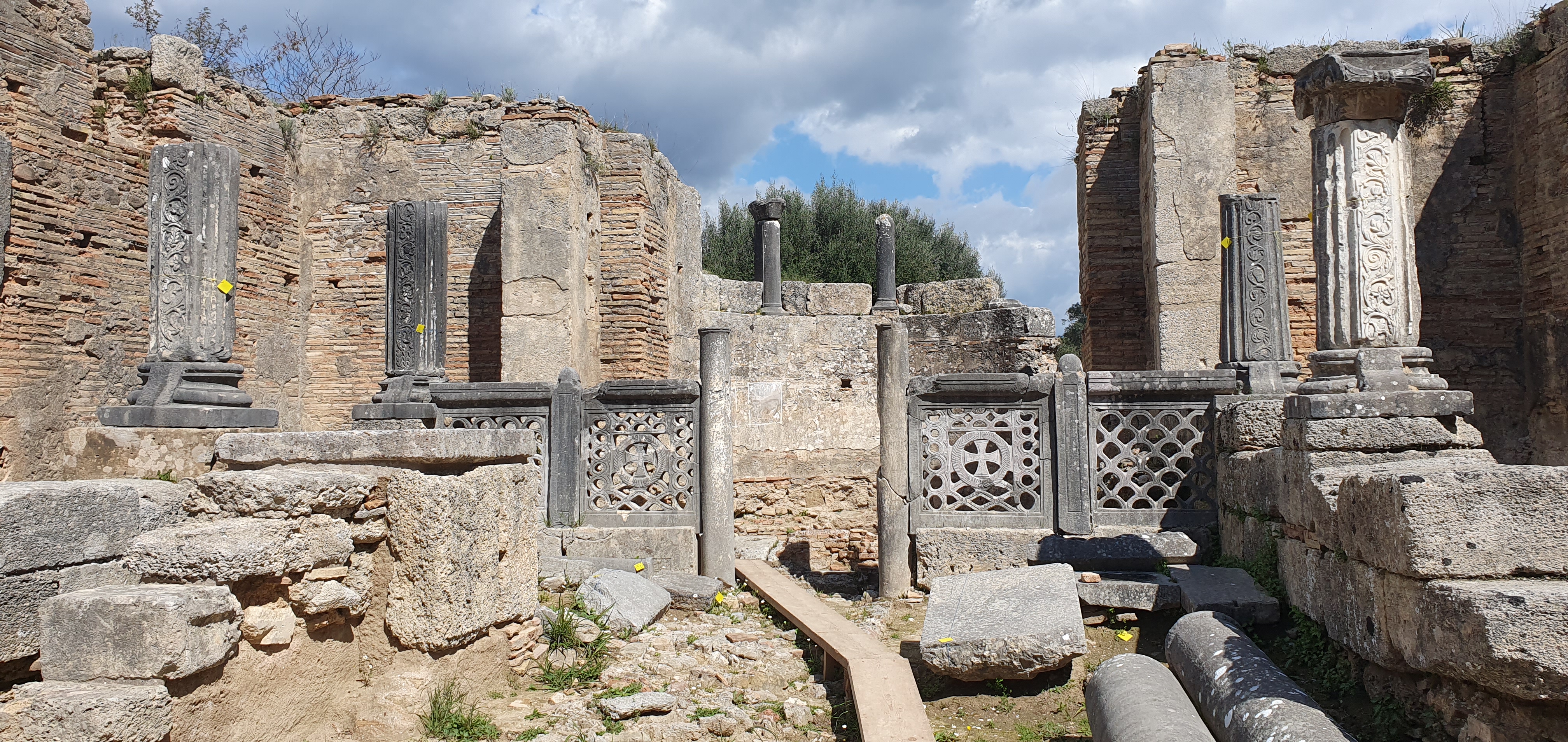
The Olympic Games were held every four years through AD 393. Rome conquered Greece during the 2nd century AD and the games dwindled away after that. Roman emperor Theodosius I banned all pagan cults, and some interpret that to mean the Olympic games were banned, though there are Roman additions to the site that include Christian symbols. The top photo above shows Roman construction with crosses in the decoration.

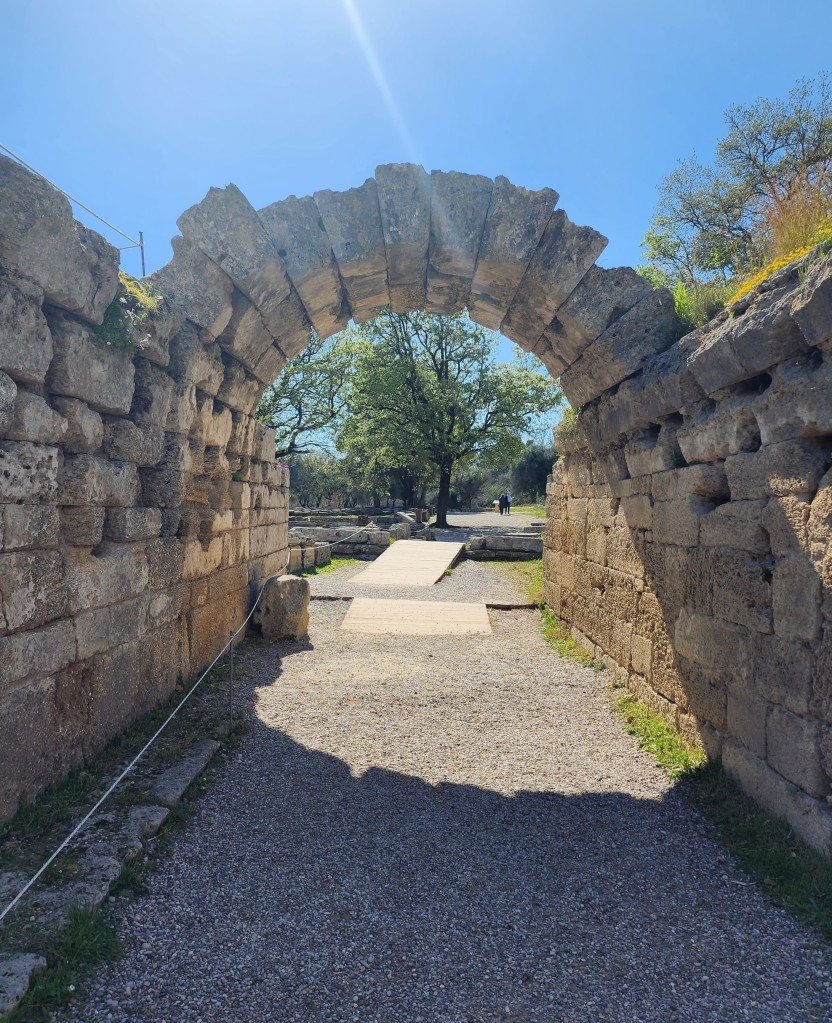
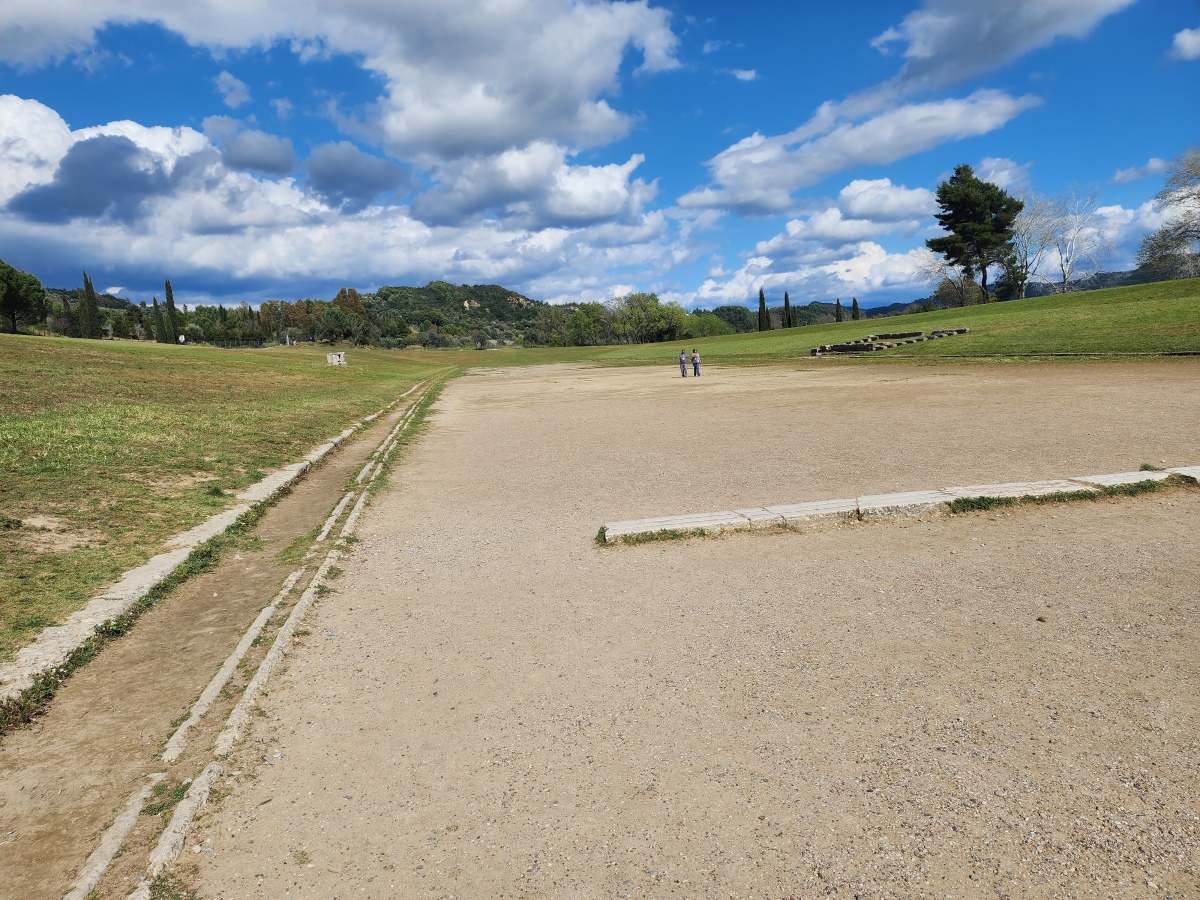
The stadium at Olympia was the heart of the Games, and had its entry tunnel, as every stadium did.

Jonathan and Aristotle staged a brief reenactment of the original Olympic footraces.

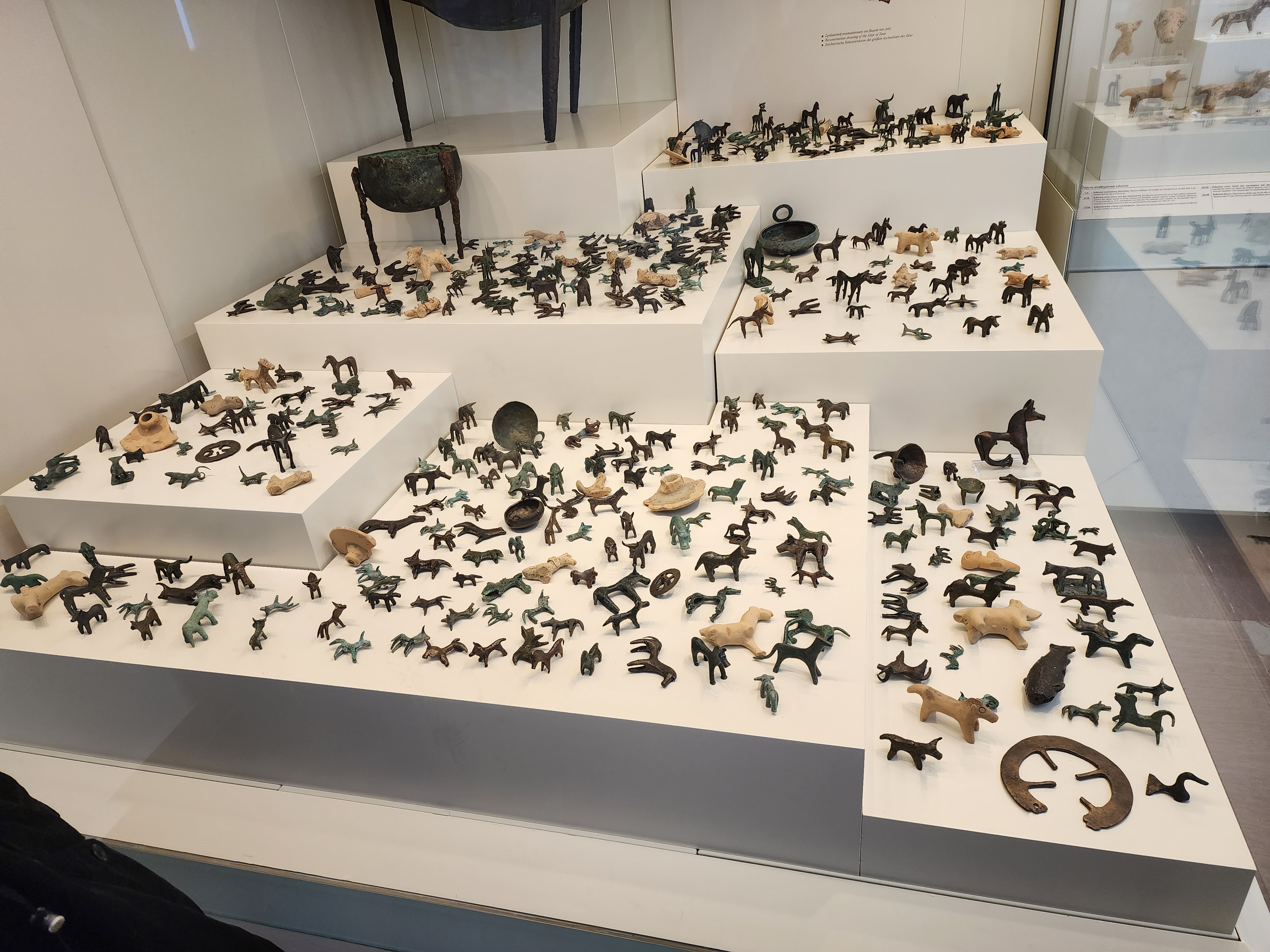
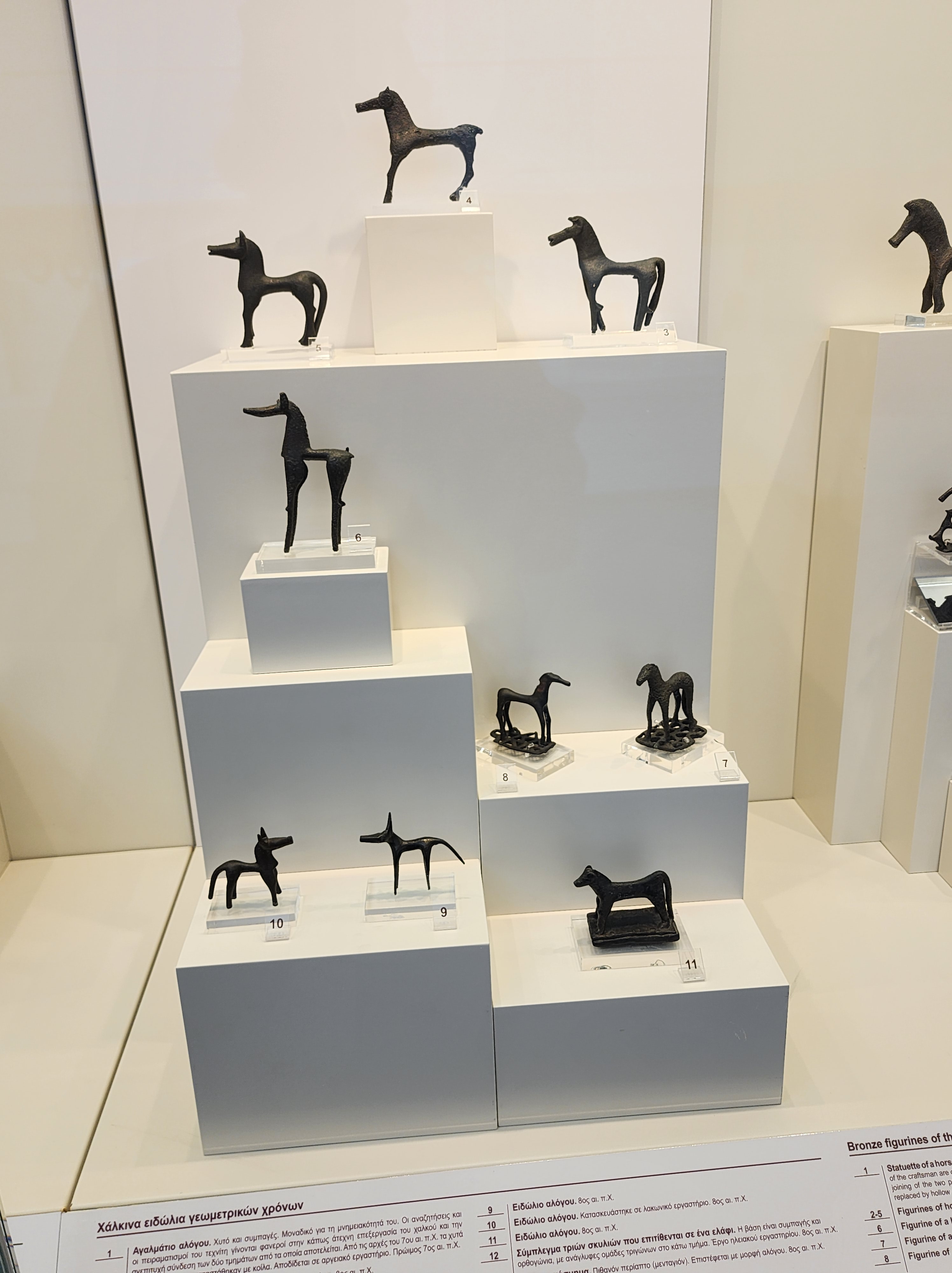
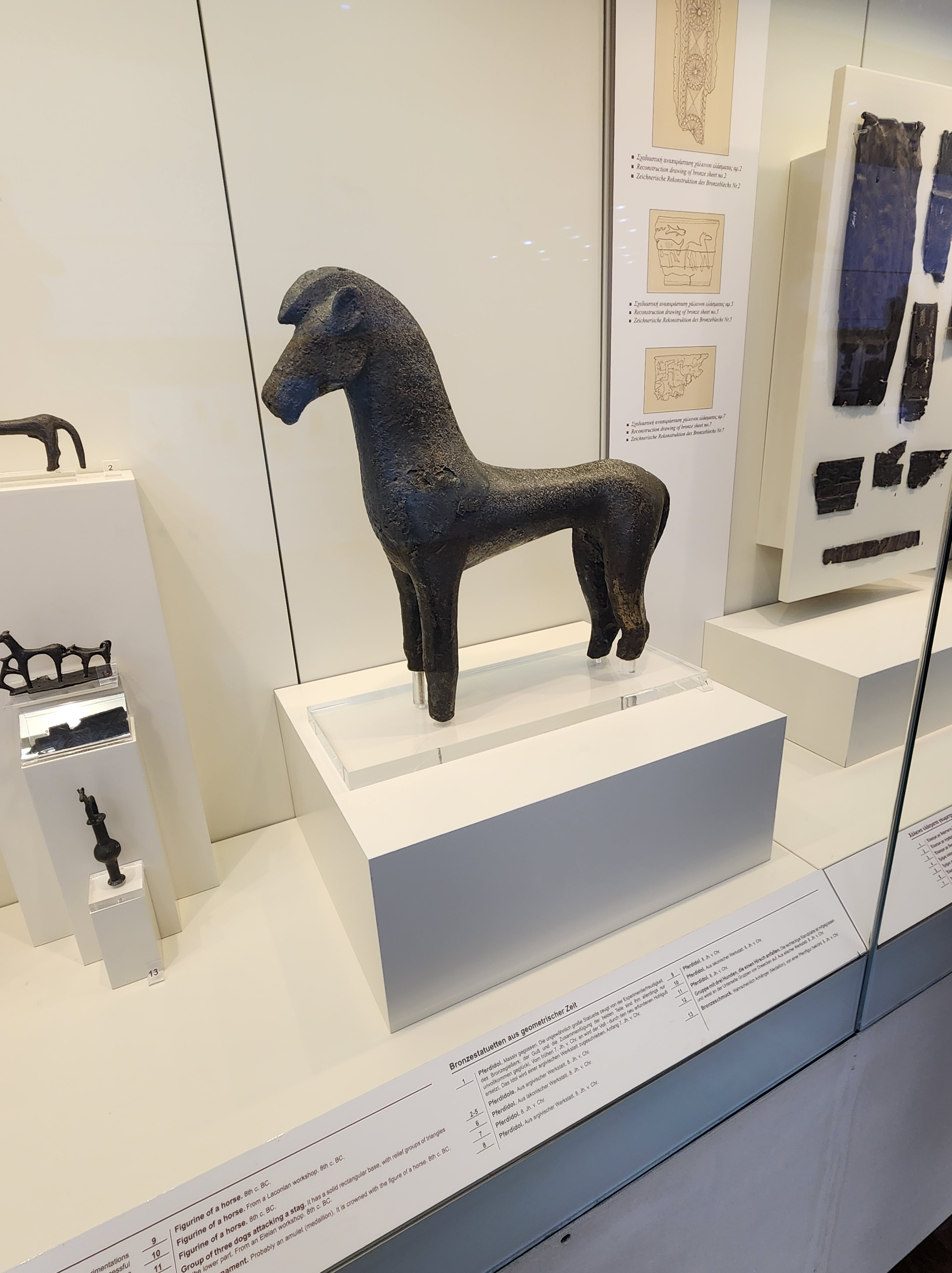
The museum at Olympia is full of objects–as a religious center, people brought offerings, often small statues, and these have been excavated and picked up from the area of the site and its surroundings.

Small, medium, and large offerings of horses by visitors to Olympia–possibly praying their chariot will win the race.

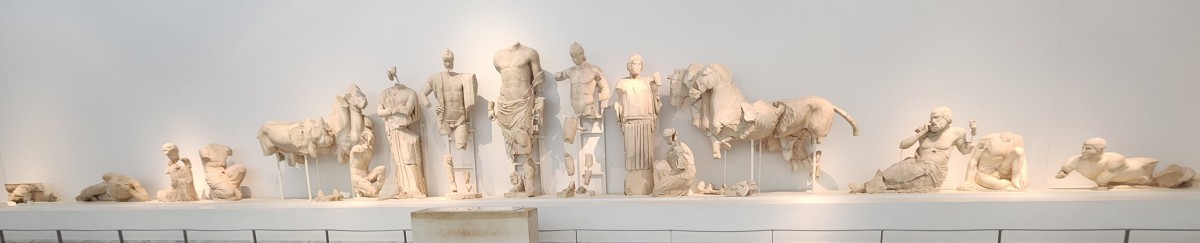
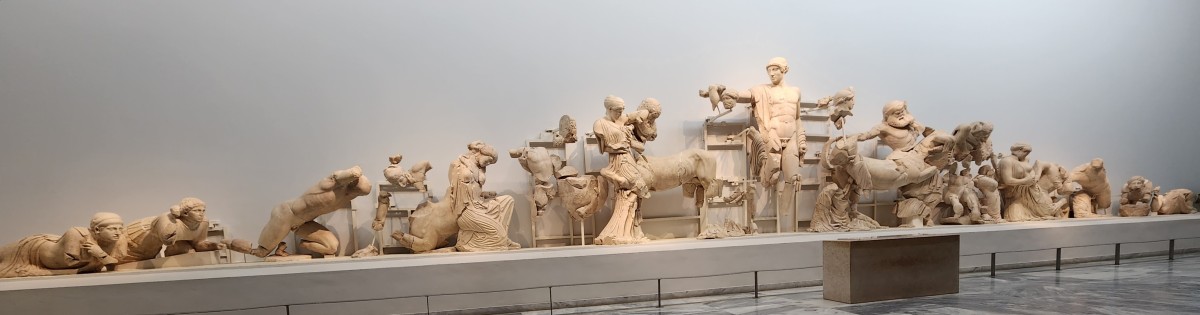
Sculpture on the pediment of the Temple of Zeus at Olympia is much like the sculpture on the Parthenon. The East pediment depicts Zeus with Pelops and Oenomaus. Pelops killed King Oenomaus in a chariot race to win the hand of the king’s daughter Hippodamia.

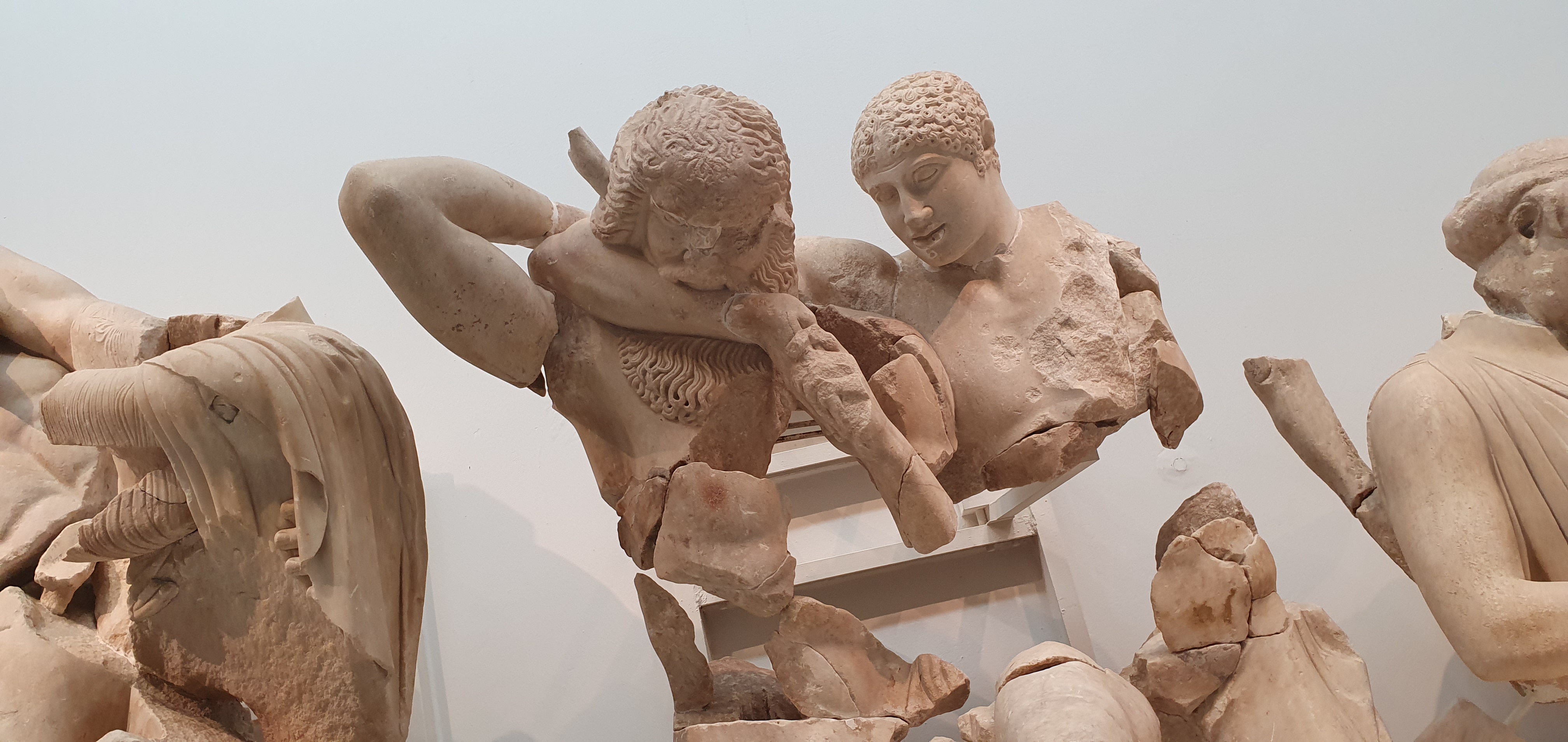
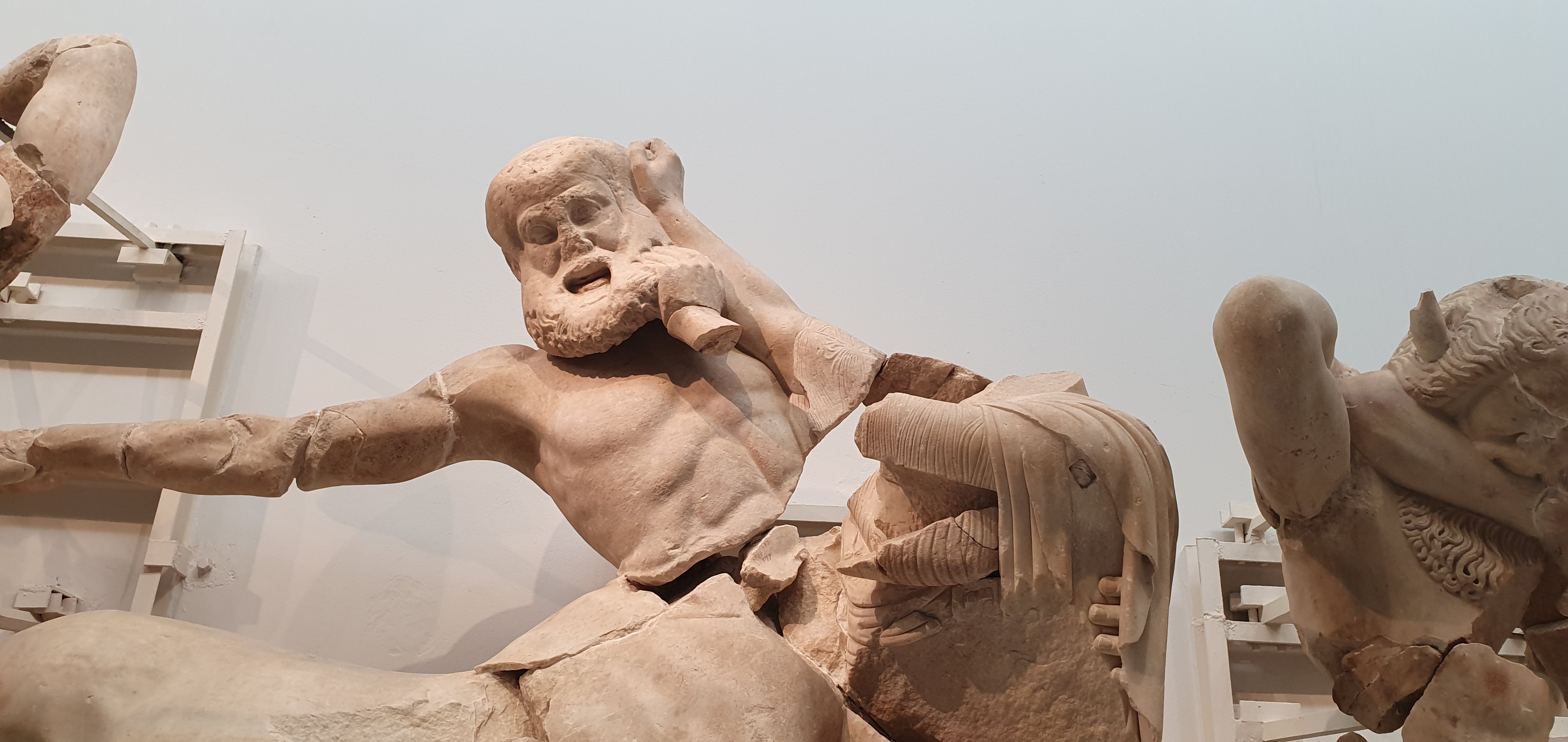
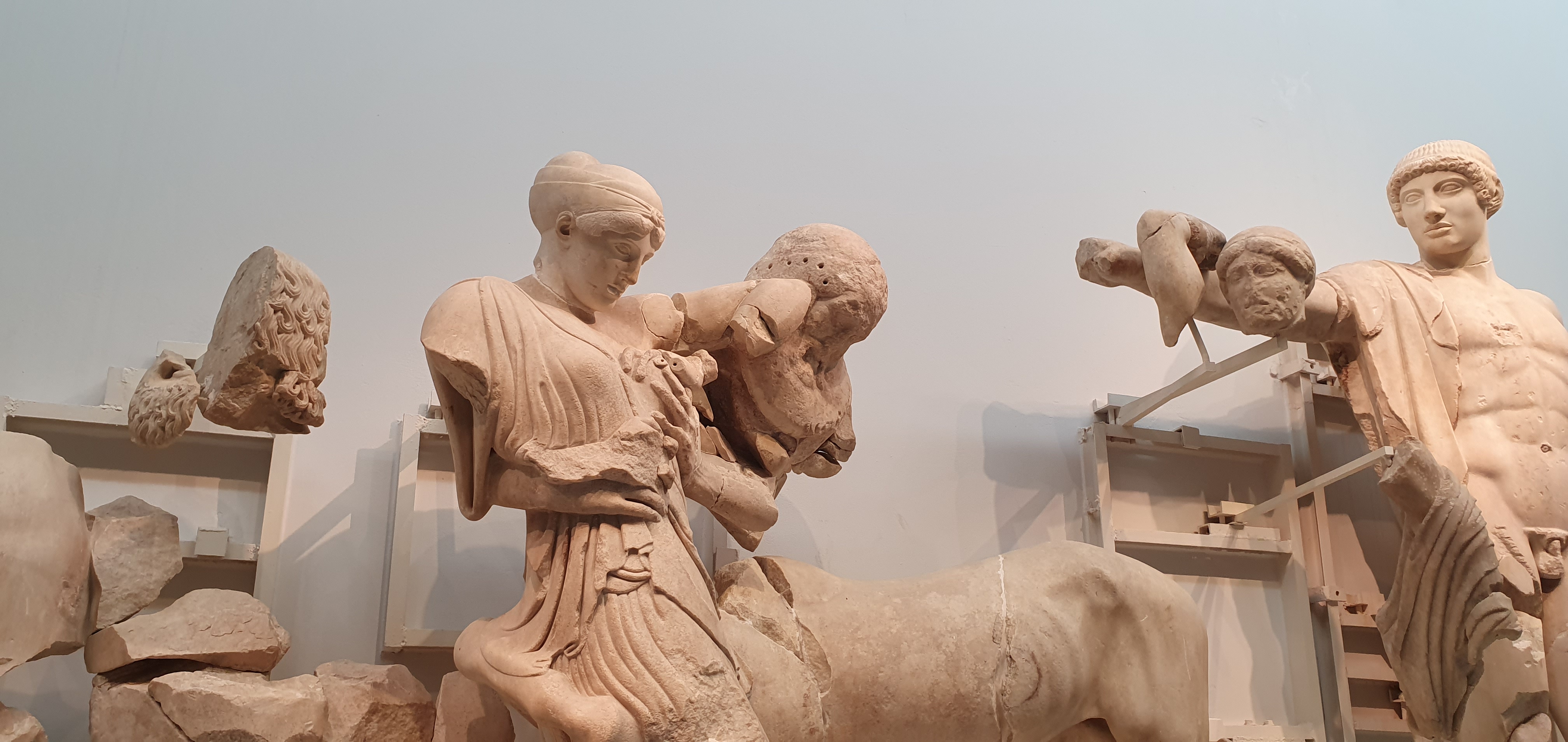
The West pediment shows the battle between the Lapiths of northern Greece and the Centaurs (half man, half horse). This was symbolic of the Greek victory over barbarians, or perhaps reason over savagery. Both of these pediment sculptural friezes are better preserved than the Elgin Marbles. The battle scenes are wonderfully detailed.

Biting was a technique of the brawlers on both sides, as was pinching, punching, and throwing an elbow.

Exhausted by watching the battle, we retreated to the car and headed for our next stop, Nafpaktos. Like Pylos, Nafpaktos had a different name in the past. It was Lepanto, known for the Battle of Lepanto (1571). Where the battle off Pylos (Navarino) in 1827 was the last fought between sailing ships, the Battle of Lepanto was the last major battle fought between rowing ships that were based on the earlier Roman galleys. After the Greek Revolution, Nafpaktos reverted to its Greek name.

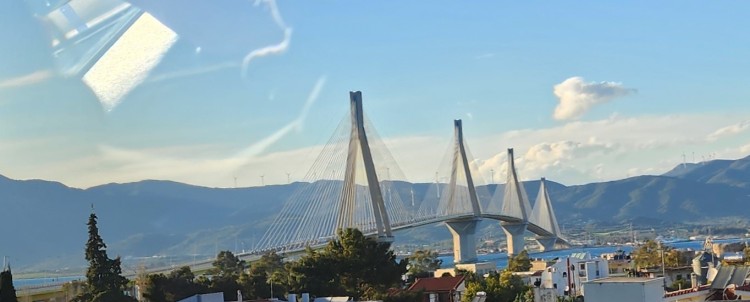
Nafpaktos is across the Strait of Corinth from the Peloponnese, so we bid farewell to the principal area of our explorations by crossing the spectacular Charilaos Trikoupis Bridge–the world’s longest fully suspended multi-span cable-stayed bridge [that’s a mouthful]. It is also very attractive, and has improved access to the Peloponnese since it opened the day before the start of the Olympic Games in Athens in 2004.

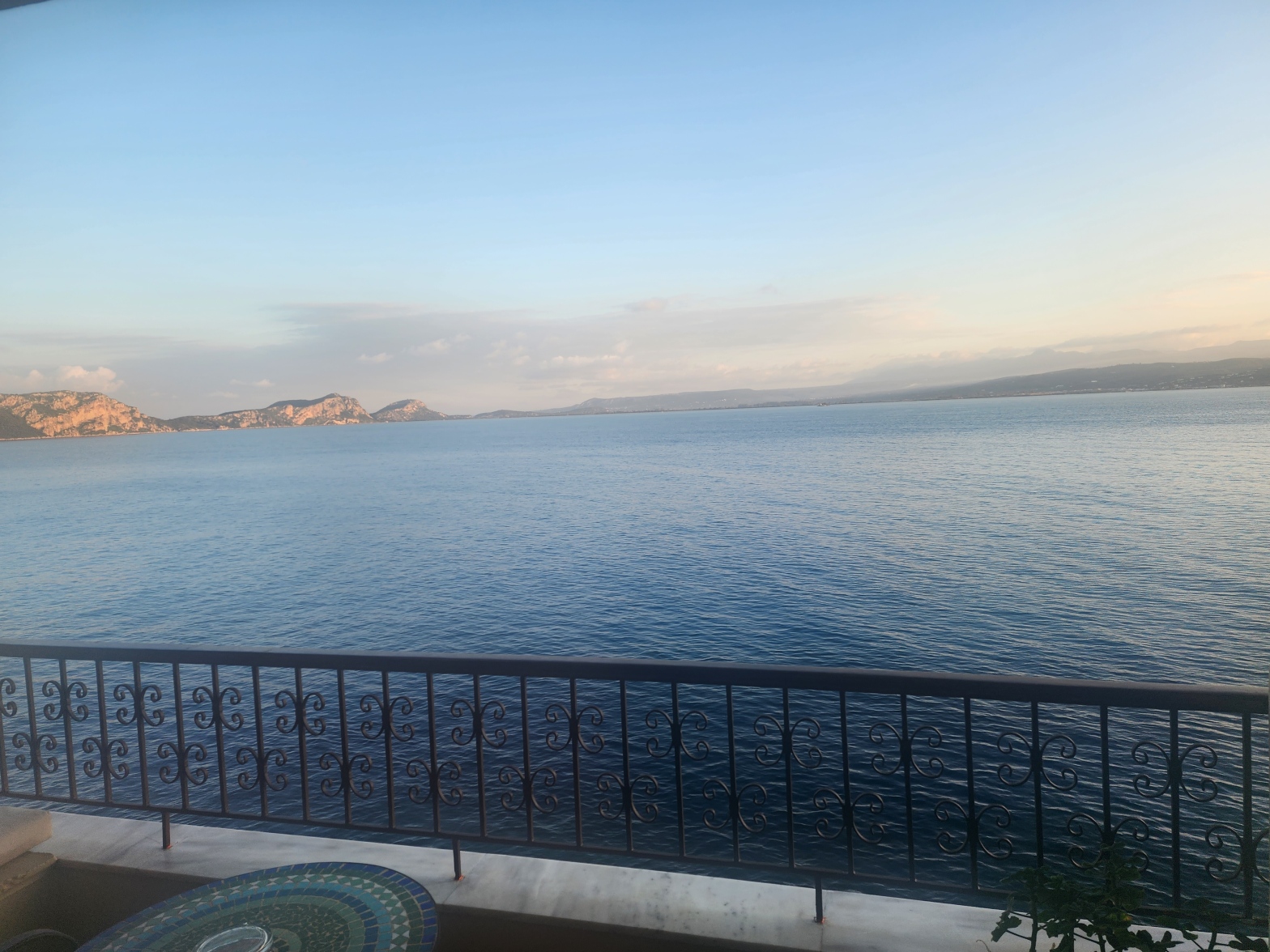
We stayed at the Nafs Hotel in a room that overlooked the water. We had a rare evening of not choosing well for dinner at Sousouro, but called it a night after a piece of chocolate cake on the way home.