Local Color: The Eureka Street Art Festival

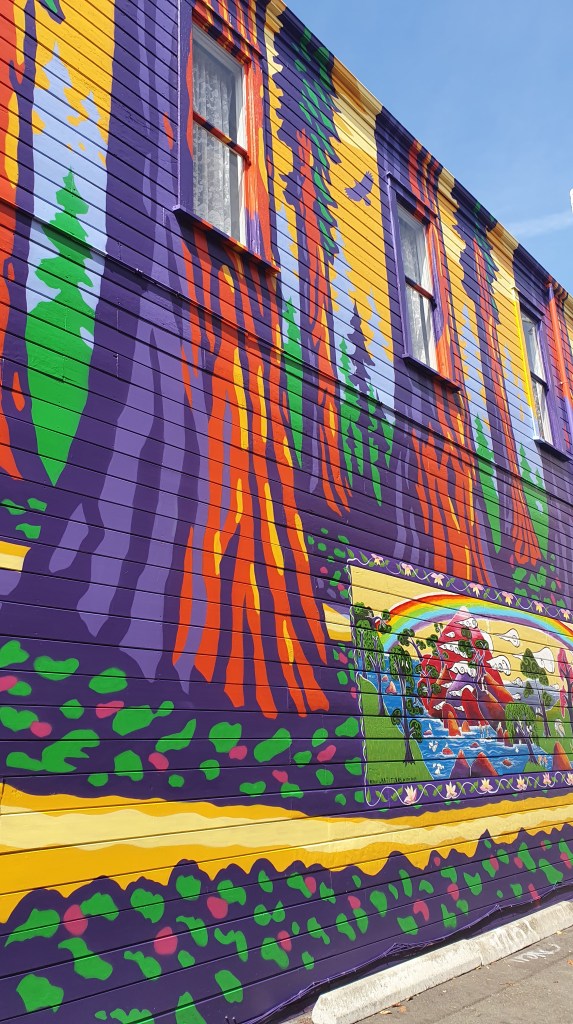
This week, the Eureka Street Art Festival has painters in place at fifteen localities around town, working on new murals. We spent the afternoon driving around town looking at most of the murals indicated on the map for the event.

Map of street art locations for 2024 (By Jenna Catsos, one of the artists, and one of the organizers)

Painters have through the weekend to complete their work, and as a result, there were people at work on most of the sites we visited, and the murals were well along toward completion.

https://www.eurekastreetartfestival.com/about

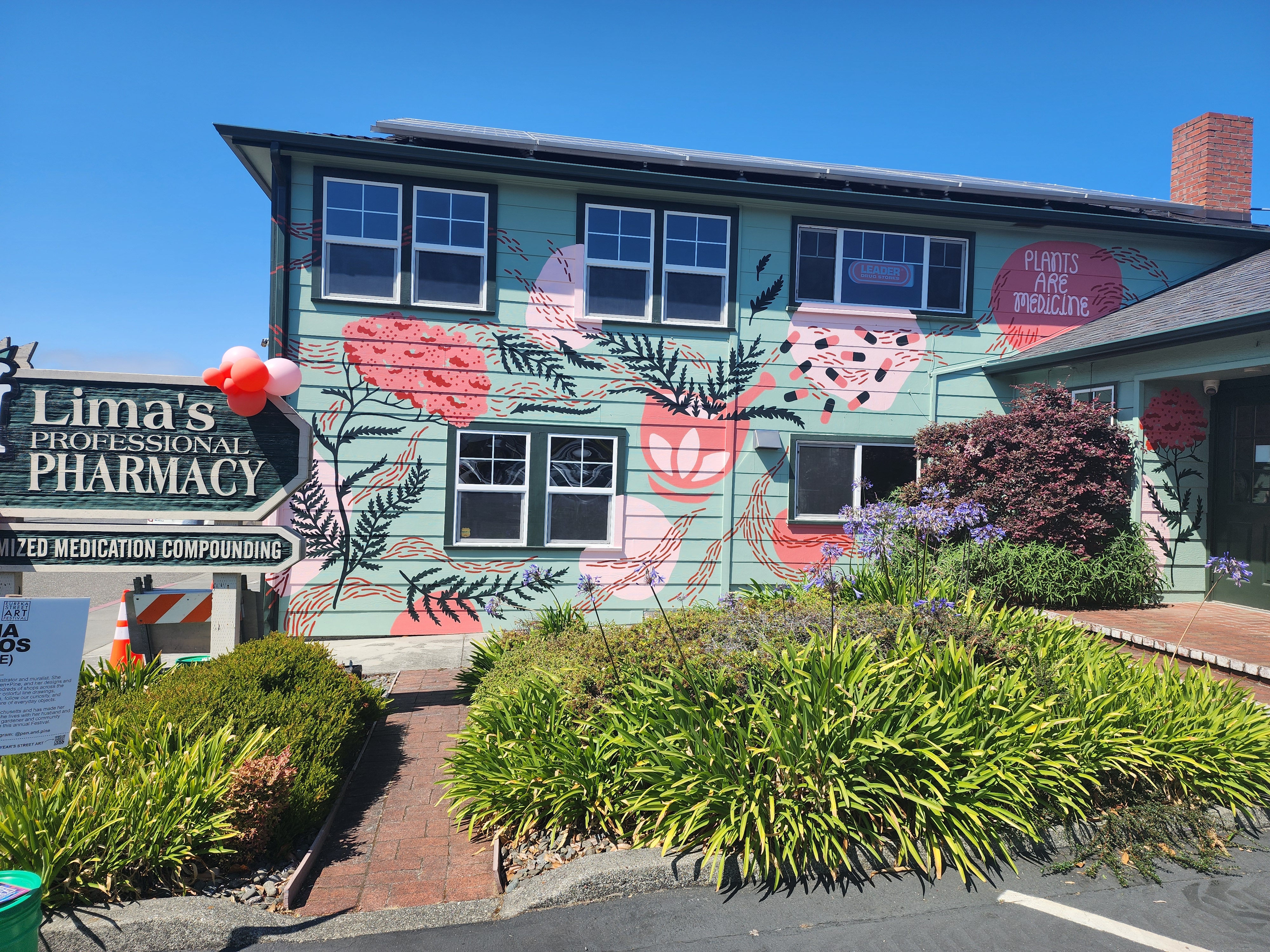
We started at the furthest outlier in terms of location, Lima’s Pharmacy, where a mini festival celebrating the mural was underway. Balloons, a bouncy castle, food and drink, and free pens, all made it a fun stop. The mural depicts medicinal plants in keeping with the pharmacy theme. Every mural has a marker naming the artist and providing a short bio.

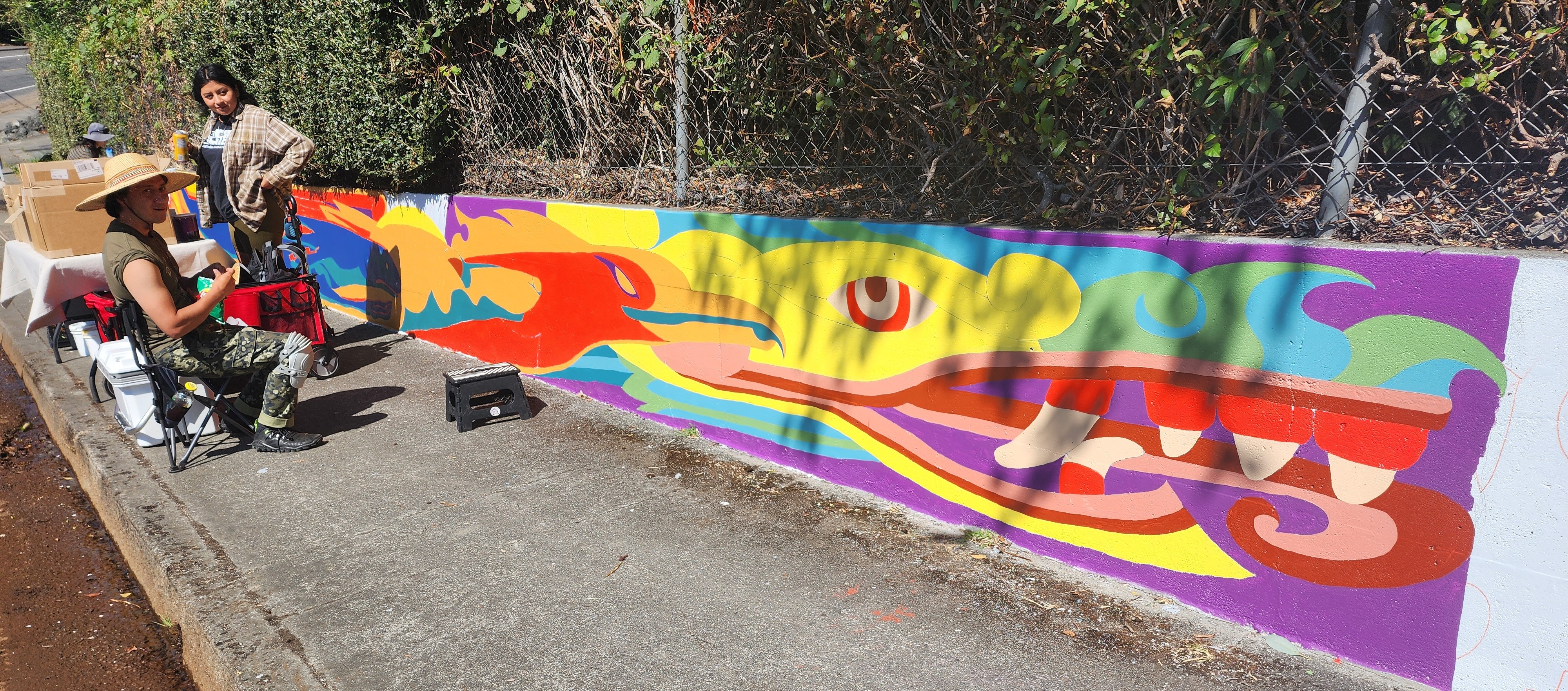
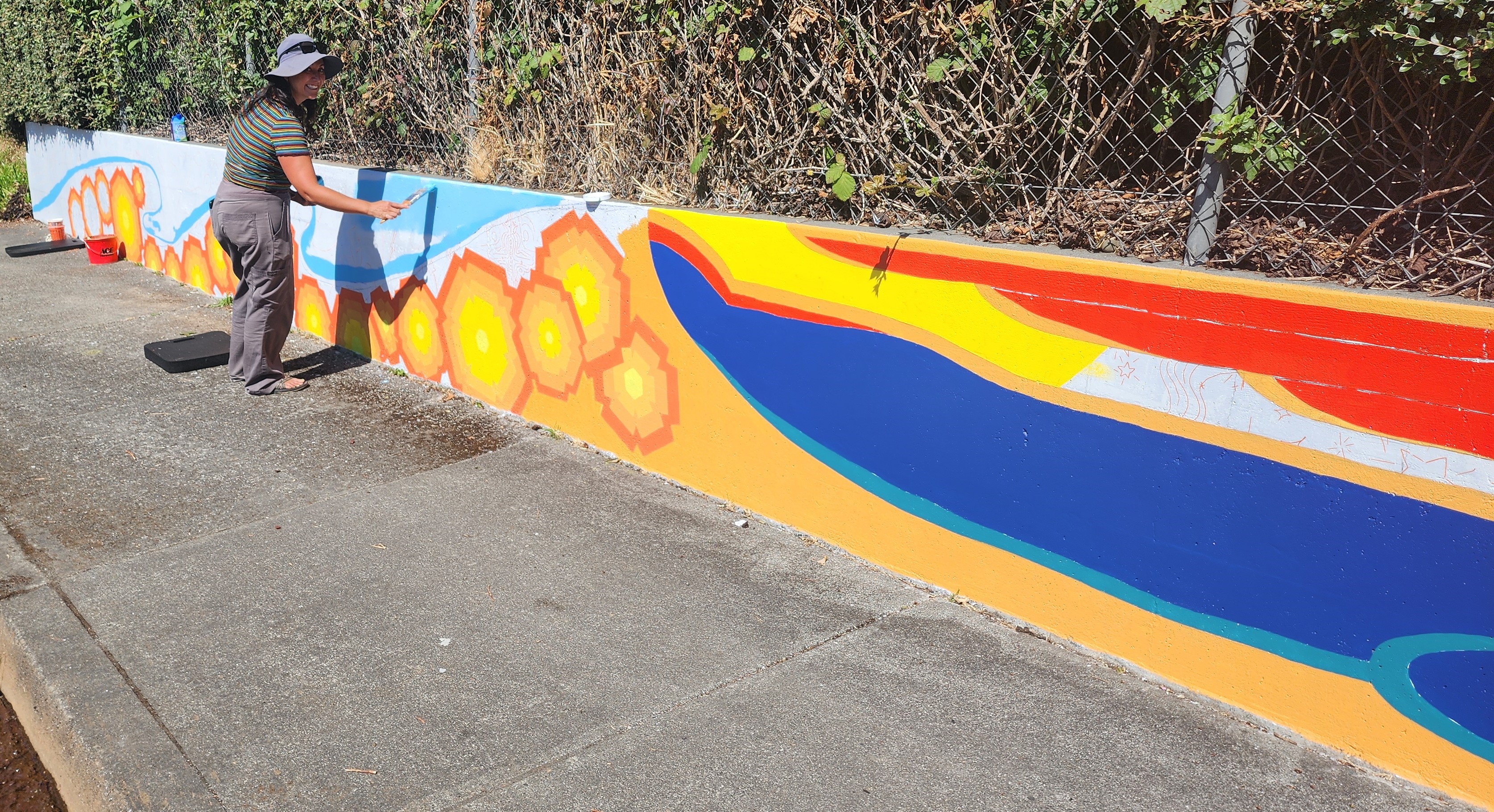
Our next stop was a bit harder to find, since our map was schematic, without most street names. We found it on a section of wall curving down S Street beside a middle school. Jose Moreno and his team were busy painting.
The Journey of Quetzalcoatl (El Viaje de Quetzalcoatl)

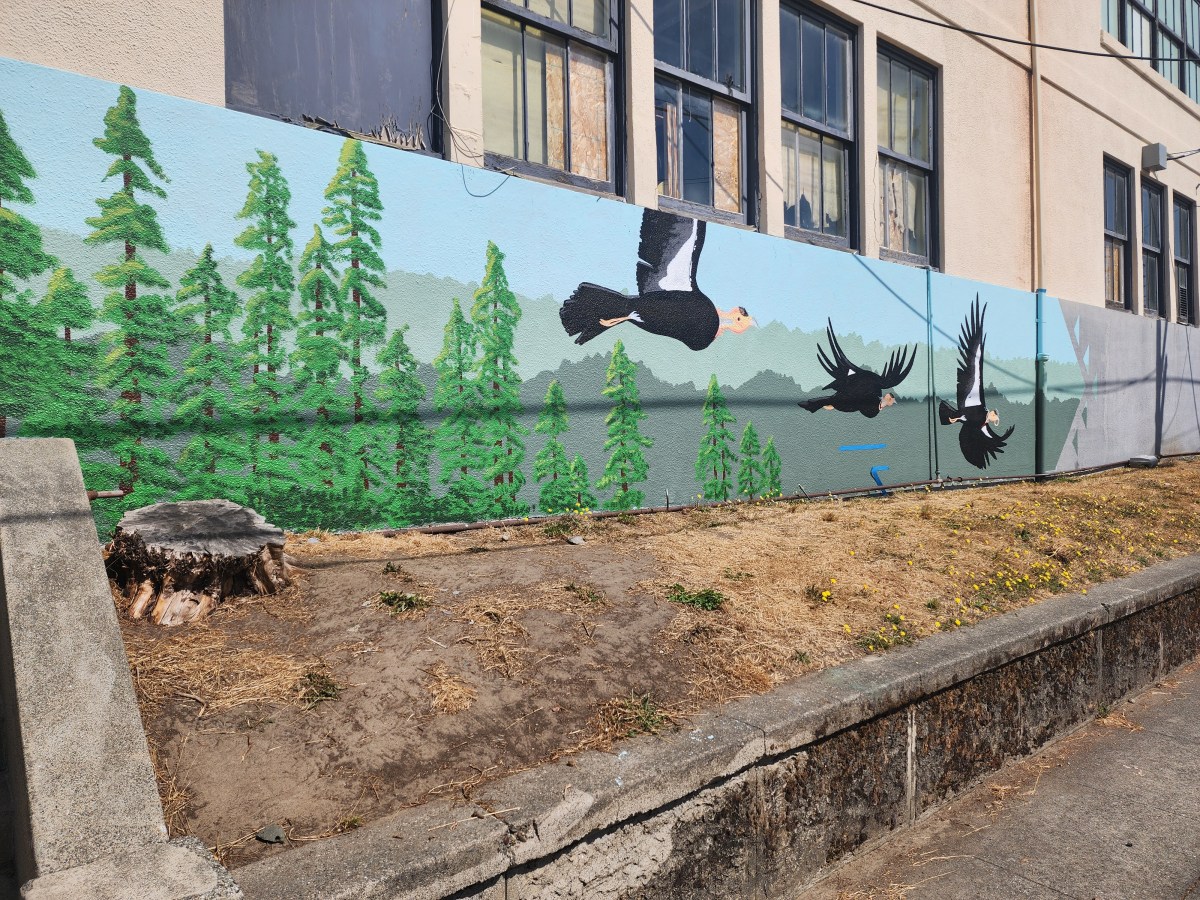
We headed back into Eureka and stopped at the Eureka Municipal Auditorium, where Melitta Jackson was finishing up for the day. Her mural depicts animals that are coming back into this area, the otter and the condor. The title, “Chpaana’r,” means “Stay a Long Time,” in Yurok. Her sponsor is a suicide prevention group.

Our next stop was the Alder Grove Charter School, where a block-long wall was being turned into, “The Lost Pages.” We couldn’t find it, despite driving around the block and up and down neighboring streets. The school isn’t indicated on Google Maps. The schematic map of the mural sites was good, but in the end we moved on. The next morning, on our way to the Farmer’s Market, we drove right by it, a block long and brightly colored, with a painter working from a cherry-picker. It would have been hard to miss. It was nice to see it in the end.

Several more murals were being painted in the downtown area.

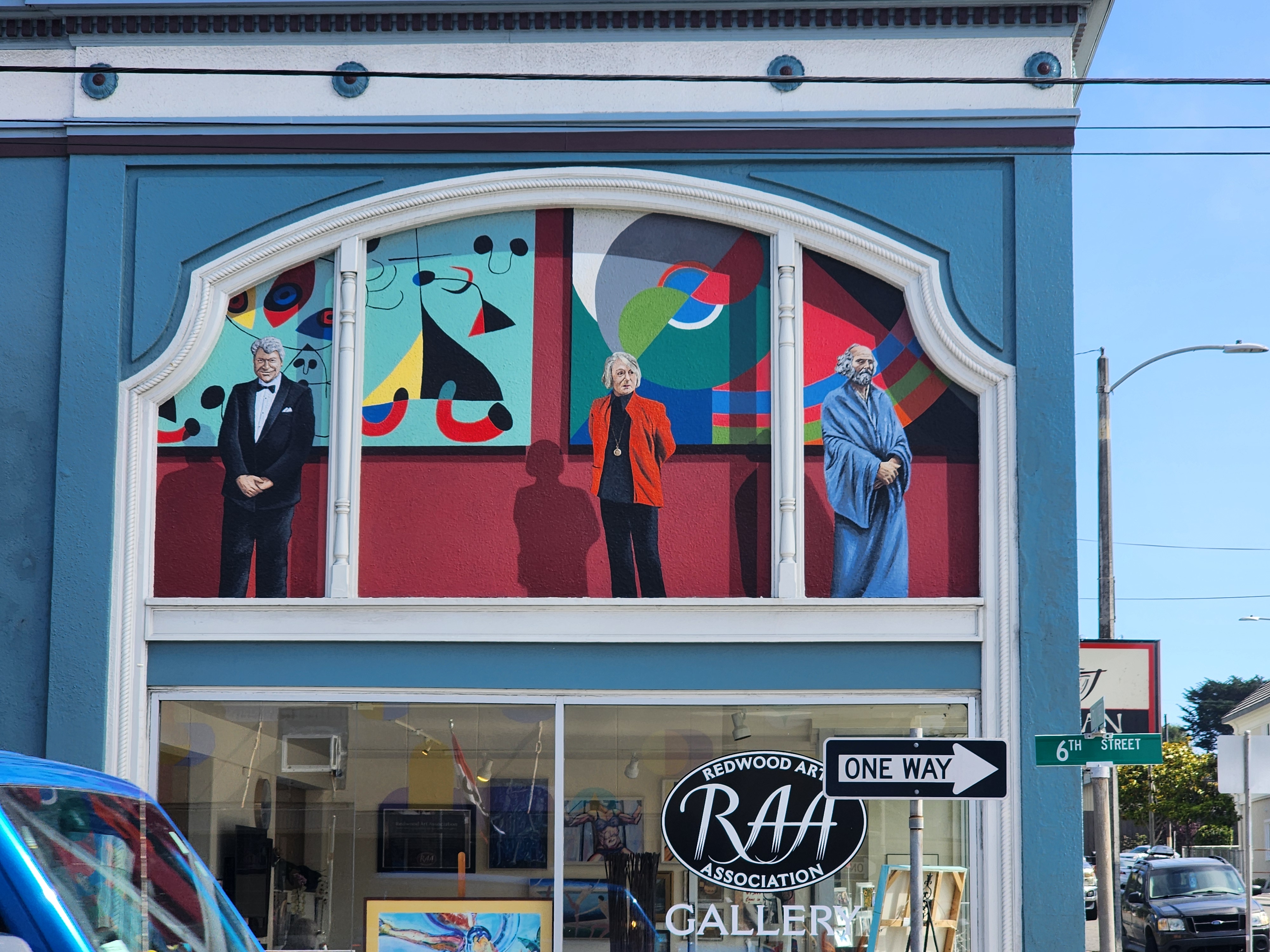
The Decodance mural on the Eureka Theater was fun to examine, as we tried to identify the people and the artwork depicted in each panel. The mural of Billie Holiday on the Opera Alley Bistro was a beautiful piece.

The mural at the far end of Opera Alley was still underway, but I went by two days later and saw the finished version.

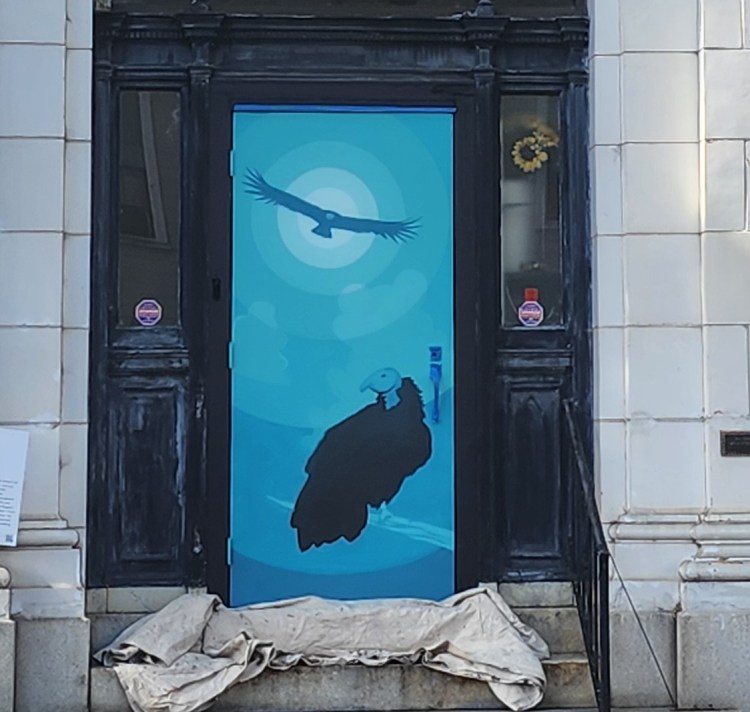
Some of the other murals were much smaller. The Clark Historical Museum mural, The Condor Returns, took us a minute to find because we’d just stopped at a few murals that took up the side of a building, and it was painted on a door. The museum is made of stone, and doesn’t have a surface for a mural other than the door.

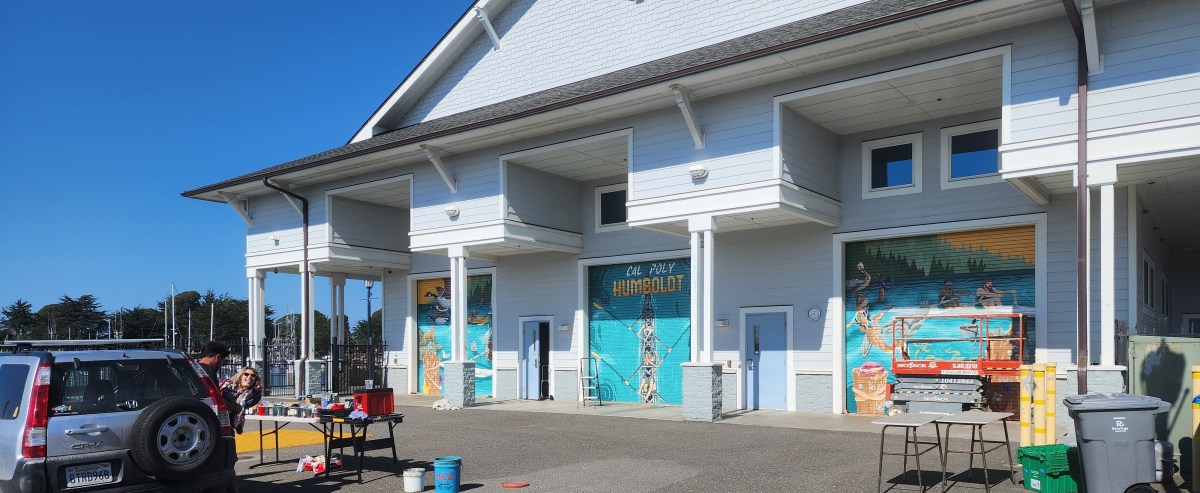
The Humboldt Aquatic Center had three mural panels painted that show rowing, the principal activity at the center. These were attractive, but gated off from visitors and more difficult to see than the others we visited during the afternoon.

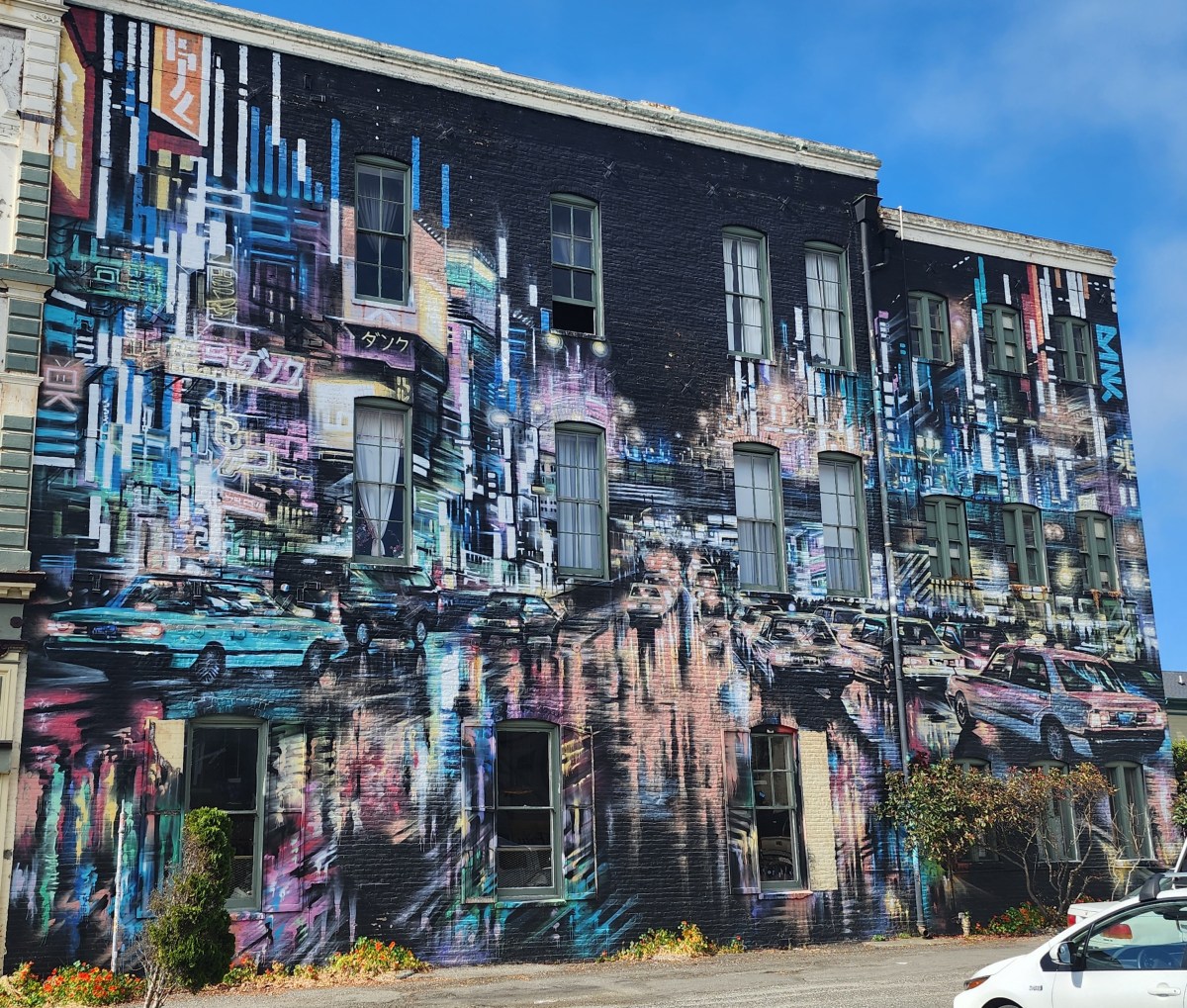
While we were looking for this year’s murals we came across a few impressive works from previous years. Many are marked with the year they were created and ESAF, Eureka Street Art Festival.

The goal of the festival has been to do something creative and uplifting for the city of Eureka. I’d say they succeeded.

Two Weeks in Paris

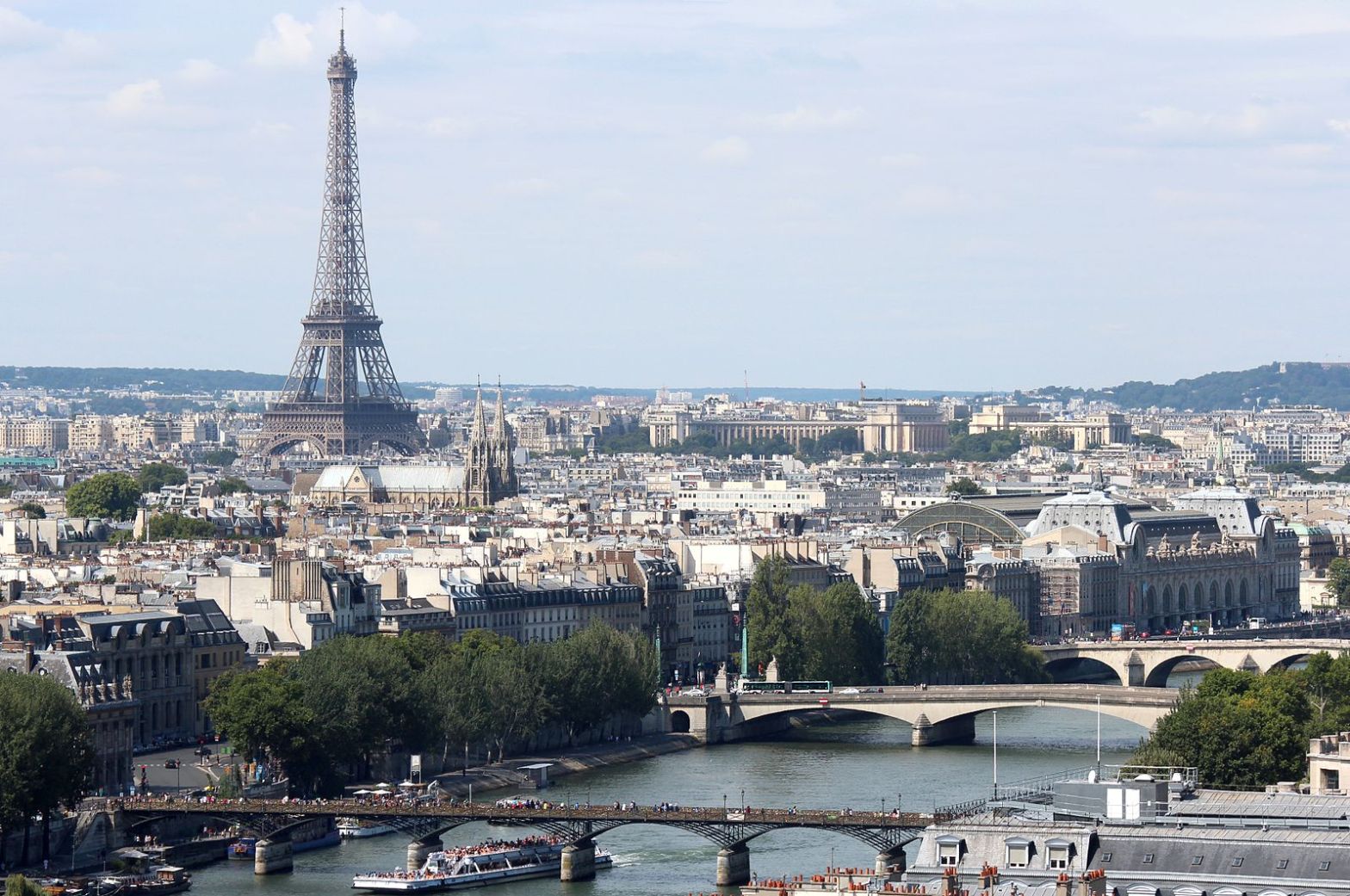
I love Paris. Right now we’re enjoying two solid weeks of Paris sights, boat rides, parades, and fun. We’re watching the Olympic Summer Games, 2024.

A few weeks ago, we decided that we wanted to see a lot of the Olympic events, and found that a subscription to Peacock+ would get us access to all sports, exactly what we wanted. We like to see sports that are not normally on TV.

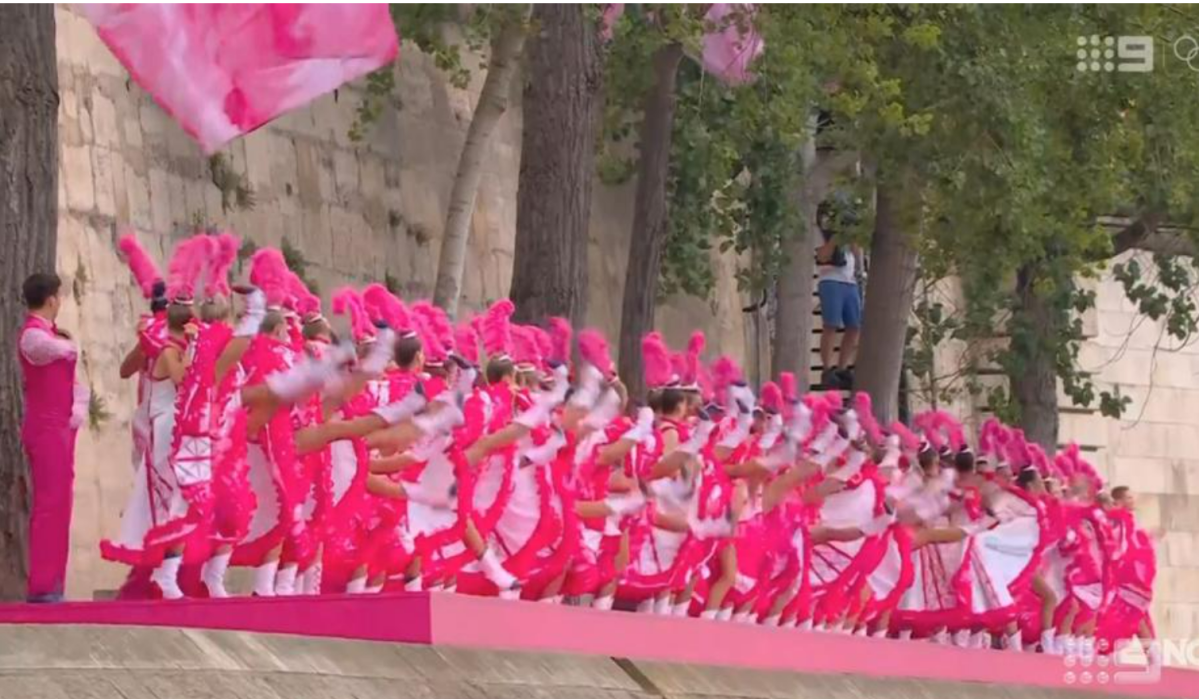
As happy retirees, we were able to watch the Olympic Games Opening Ceremony live, midday our time, when it was evening in Paris. Most of what we saw took place in a downpour. We admired the streetstyle dancers kicking through fountains, making their most energetic moves look fun despite the rain. The long line of cancan dancers had beautiful costumes, but seemed a bit out of their element out in the elements.

The singer Axelle Saint-Cirel appepared to emulate the French icon “Marianne” standing atop the Grand Palais looked brave and wet. We admired her grit.

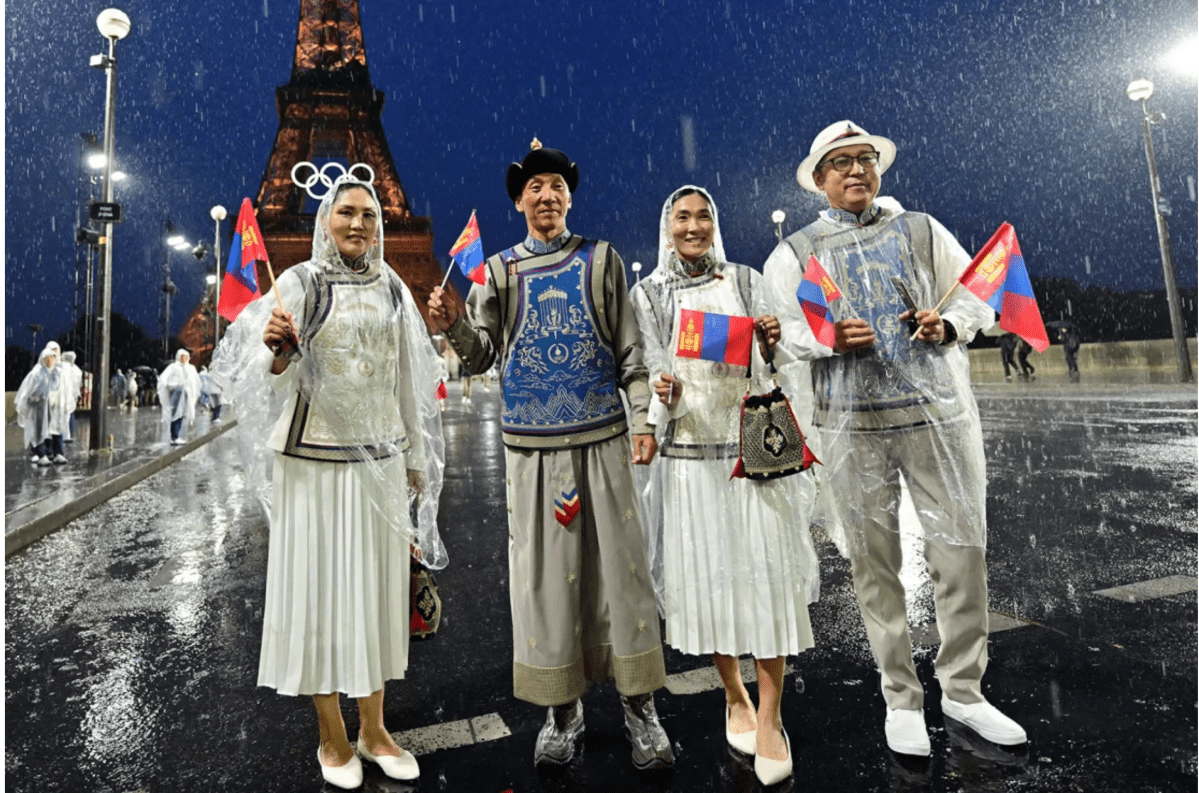
Mongolia Olympic team

All the entertainment filled the time it took for boats of all sizes to carry all the national Olympic teams down the Seine. Each group wore distinctive outfits, whether their delegation included a small group (Mongolia, 2) or many (Mexico, 107). The rain appeared irrelevant to those floating in the boats and watching from the shore.

2024 Mexico Olympic team

Since the games have gotten underway, we’ve watched amazing feats of skill. I didn’t know there was team handball, using a ball the size of a small cantaloupe, that allows running with the ball and a bit of tackling (I think). The canoe slalom was exciting, too, as we watched women paddling like mad through roiling water. Judo is difficult to understand. Many of the sports we watch have rules that aren’t apparent to the uninitiated.

Air gun shooting is new to me. The guns have barrels about a foot long, and shoot small pellets. Women from Korea appear to be the dominant players. It was fascinating to see some of the elaborate effects the shooters try, with eye patches and tiny blinders, and to see how carefully they aim.

All the action doesn’t take place in Paris, either. We watched windsurfers waiting for a breeze in Marseille, and surfers blasting through the waves in Tahiti.

We’re not missing out on the popular events. Swimming is shown during prime time at night in the US, and we watched the heavily hyped relay events. We’ll return every evening to see what is held for the largest US audience.

Every day will be another adventure. We’re looking forward to seeing more aerial views of Paris and environs while we chase esoteric sports around the Olympic venues. All I need to make this perfect would be a beautiful, freshly baked flaky croissant.

The Sweetness of Spring

We haven’t traveled this year, and though I was disappointed at first, I have made peace with staying home. Though best known for marijuana cultivation, Humboldt County’s climate is perfect for flowers. Not only do blossoms appear early in February, they continue through June.

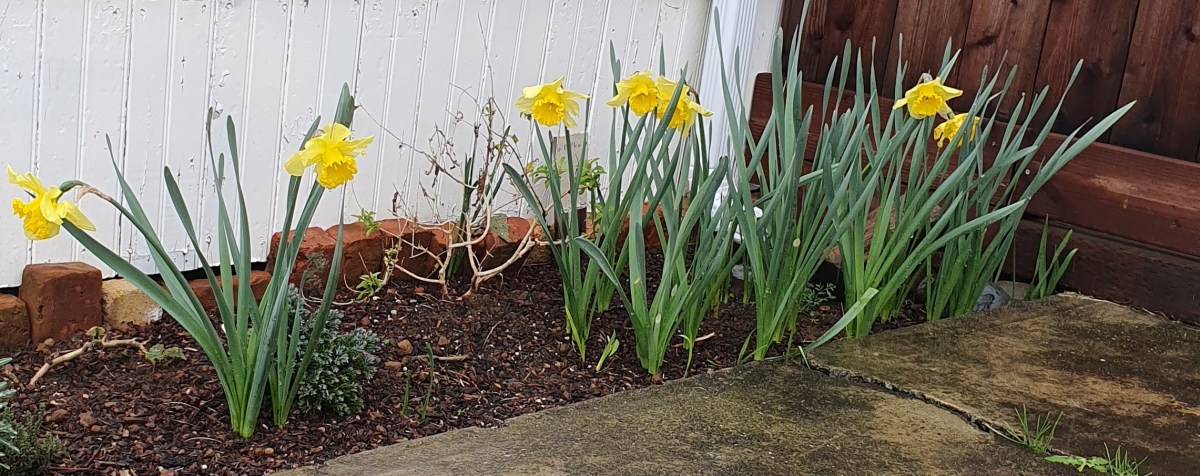
My daffodils were out in mid-March

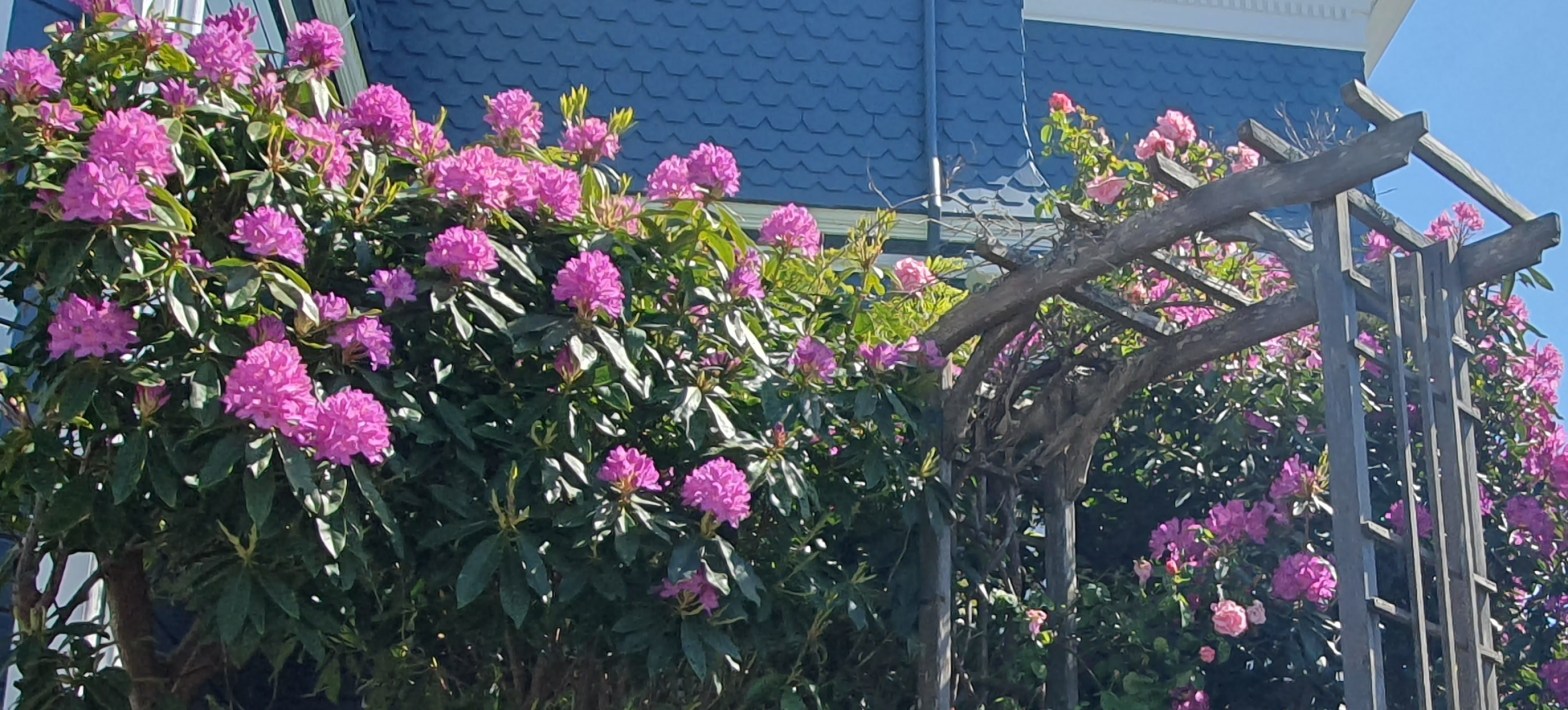
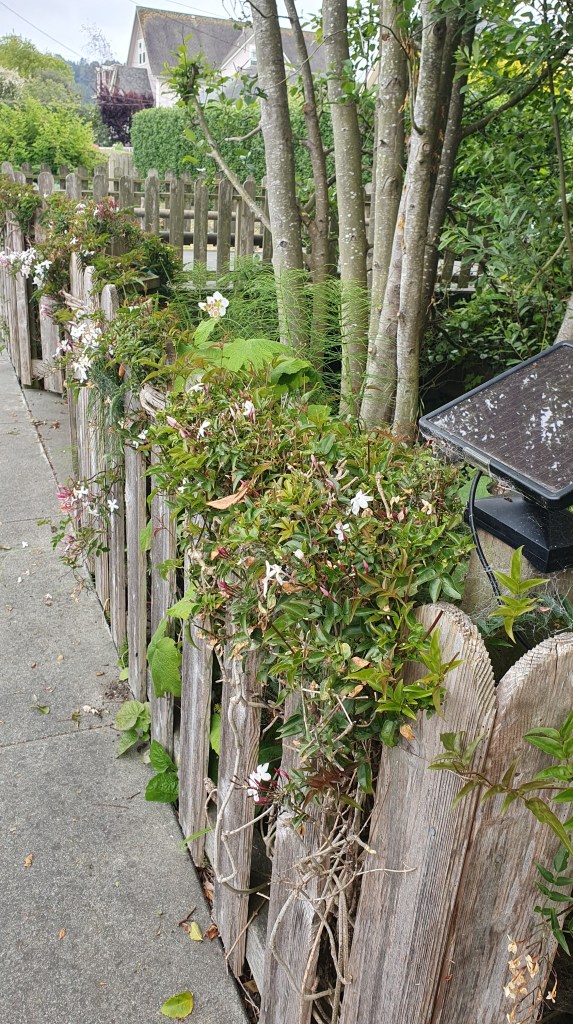
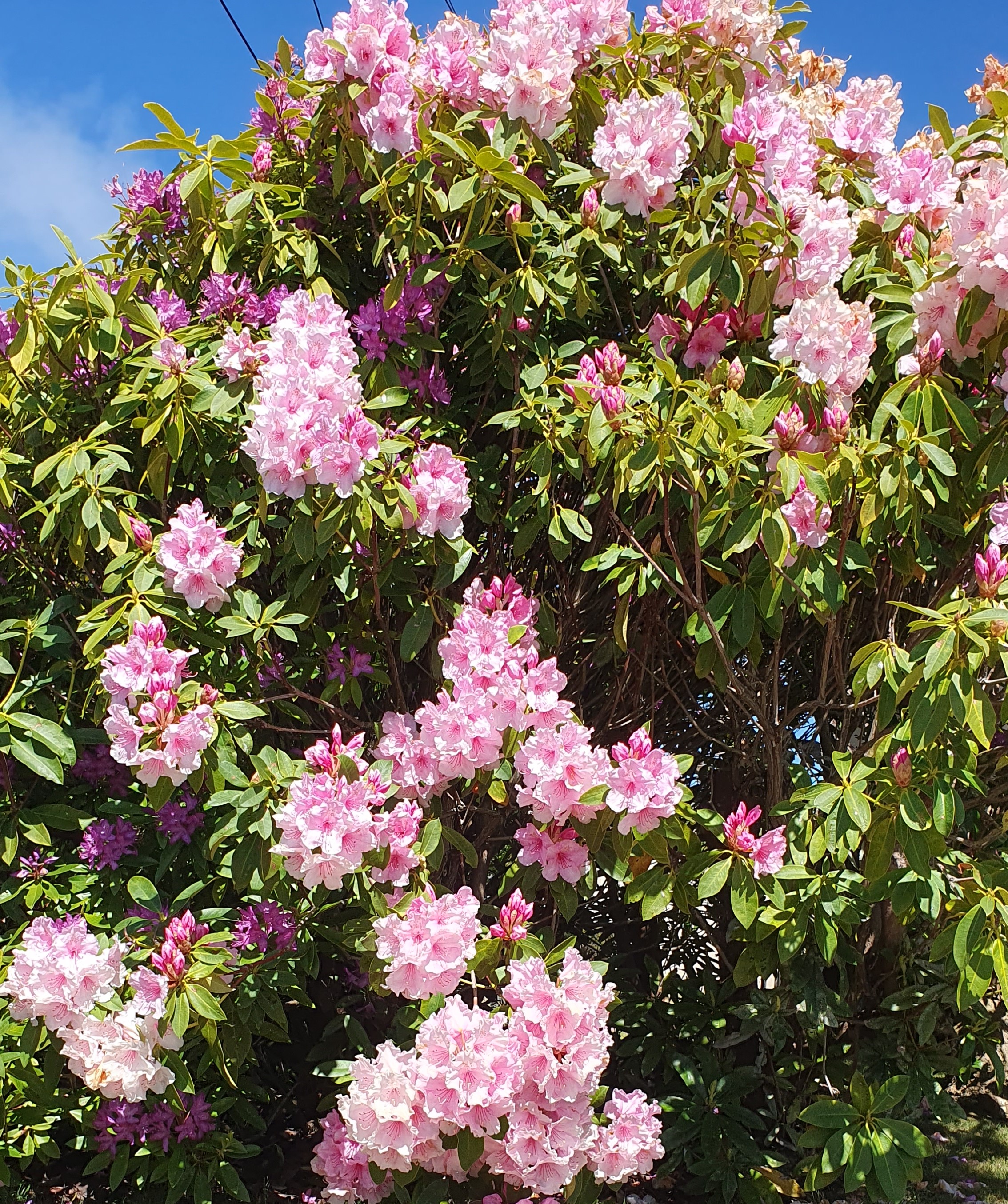
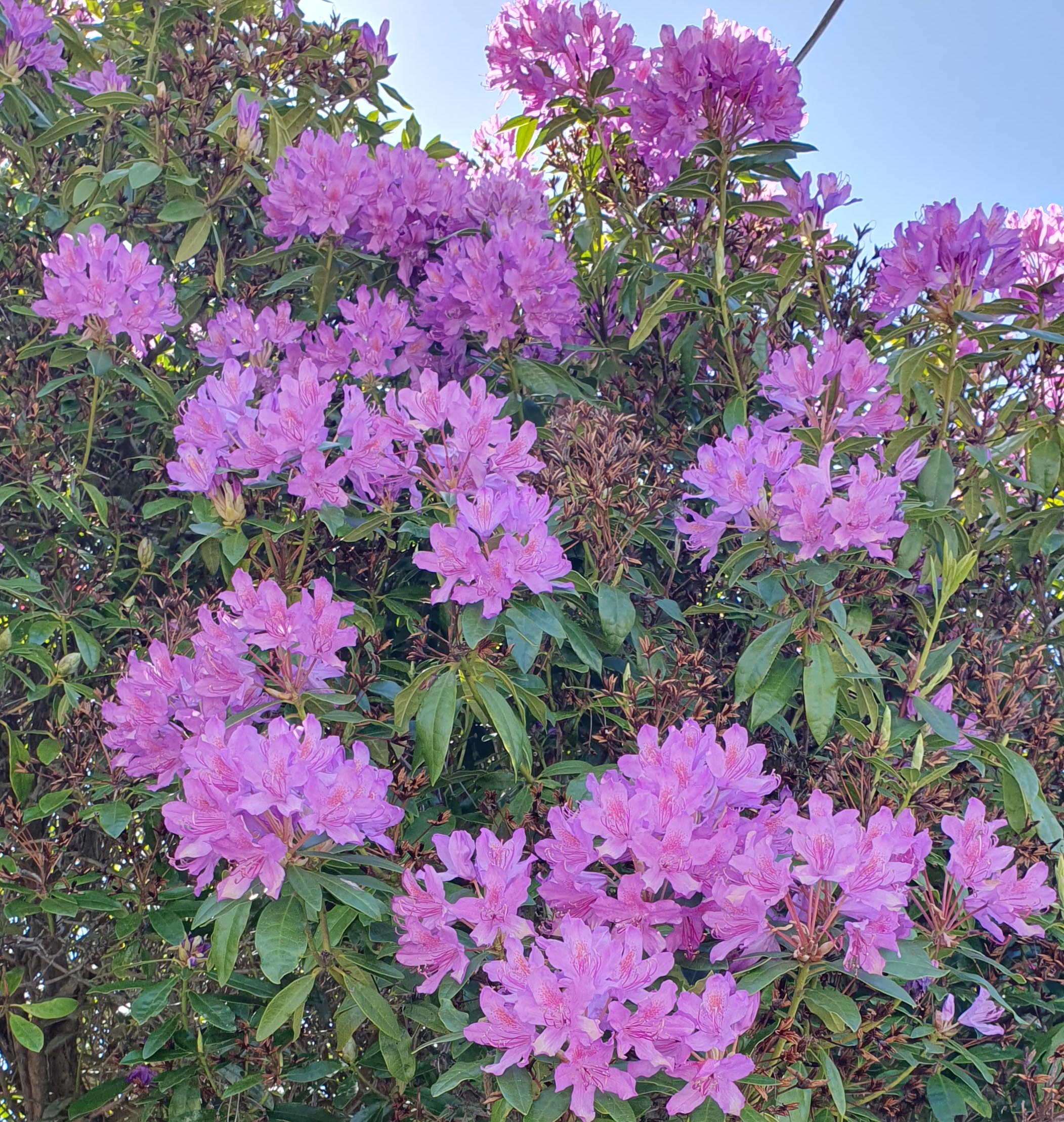
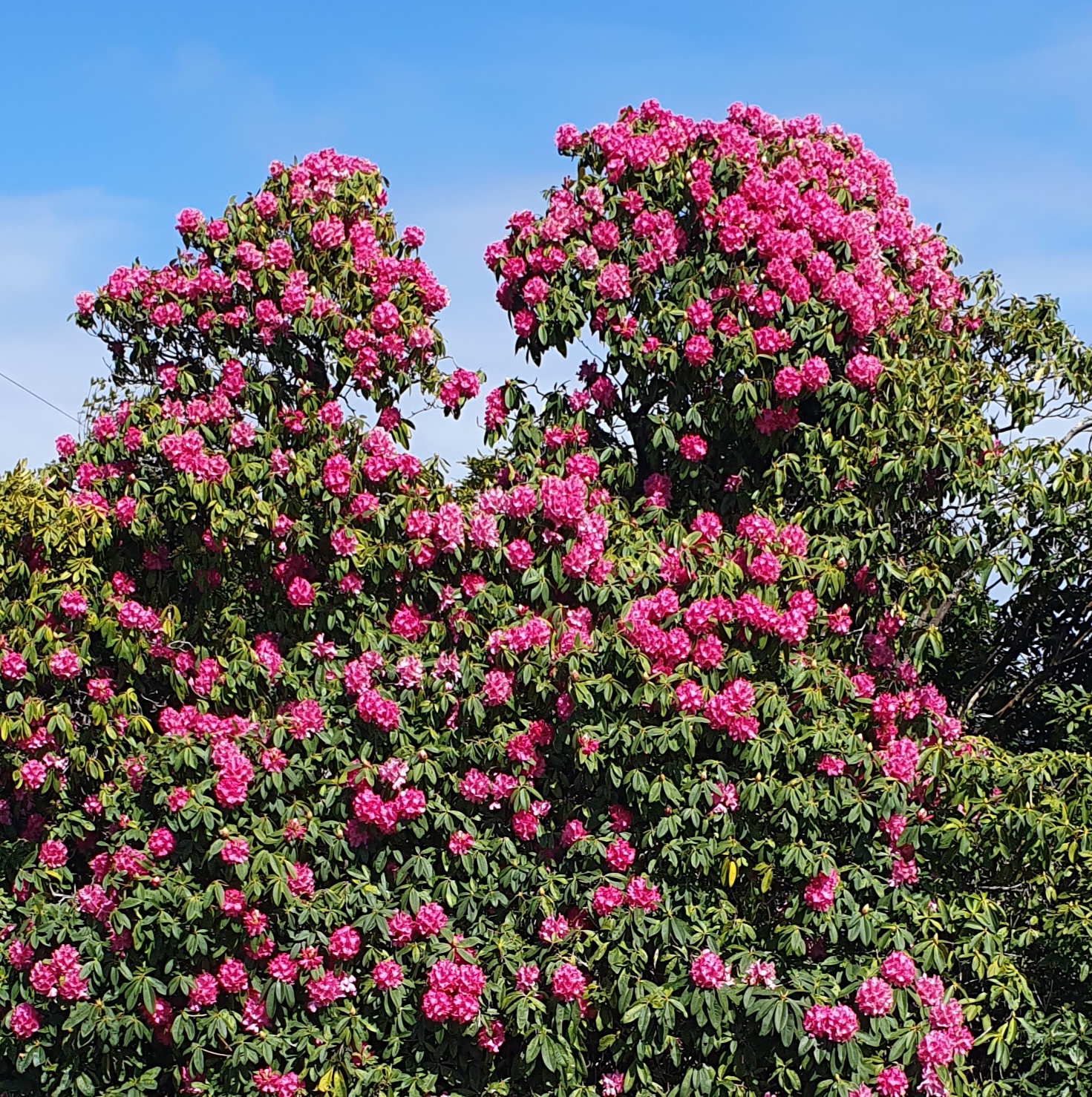
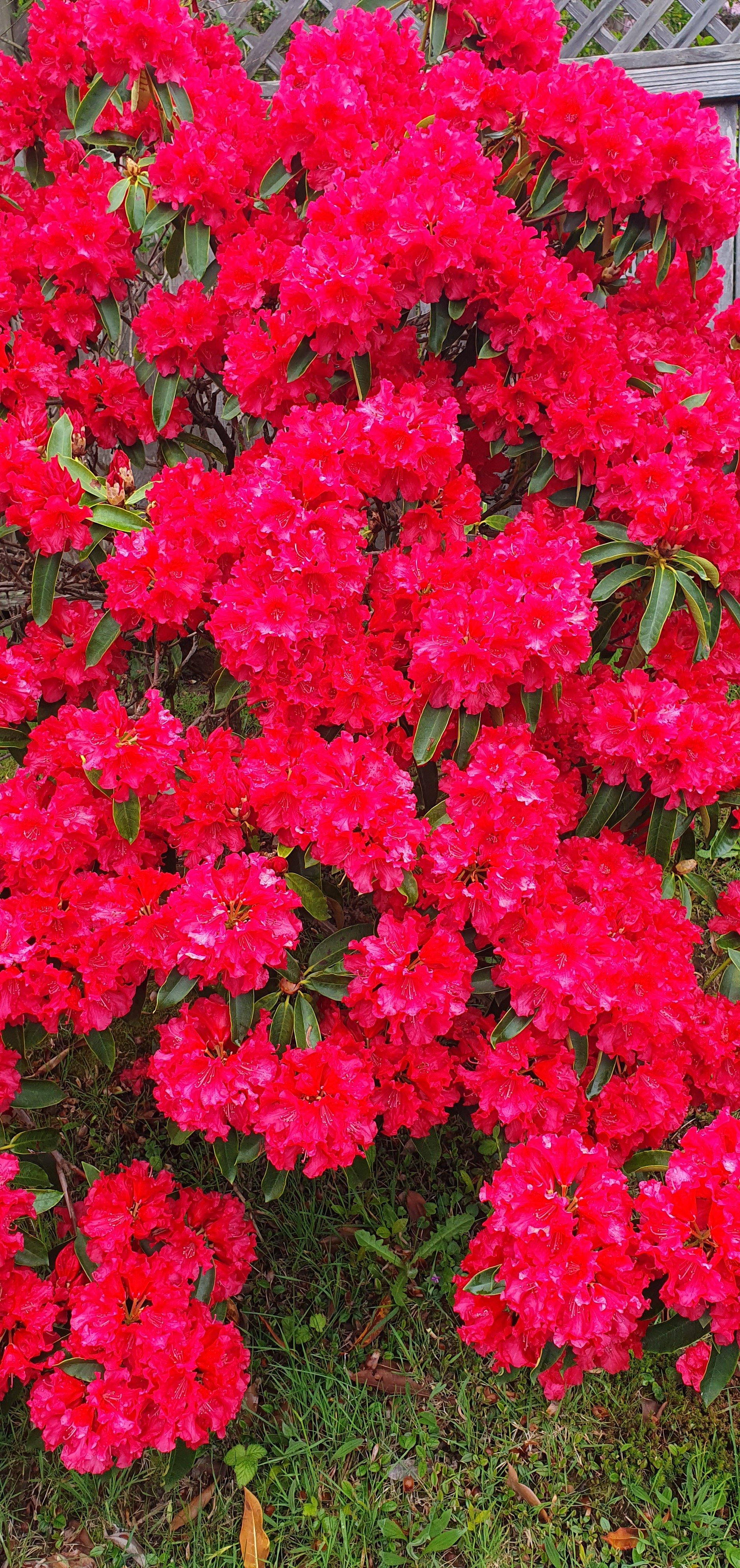
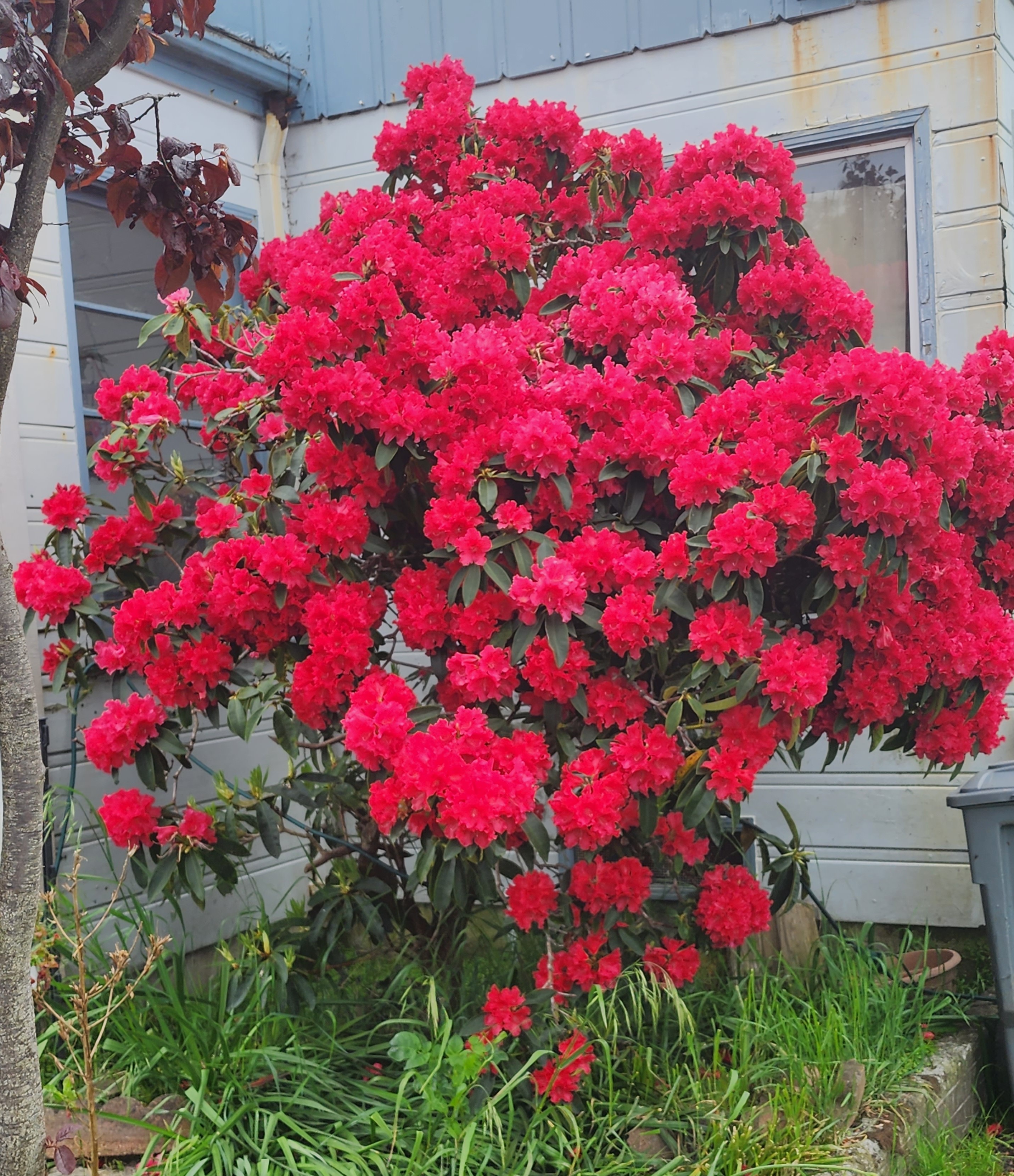
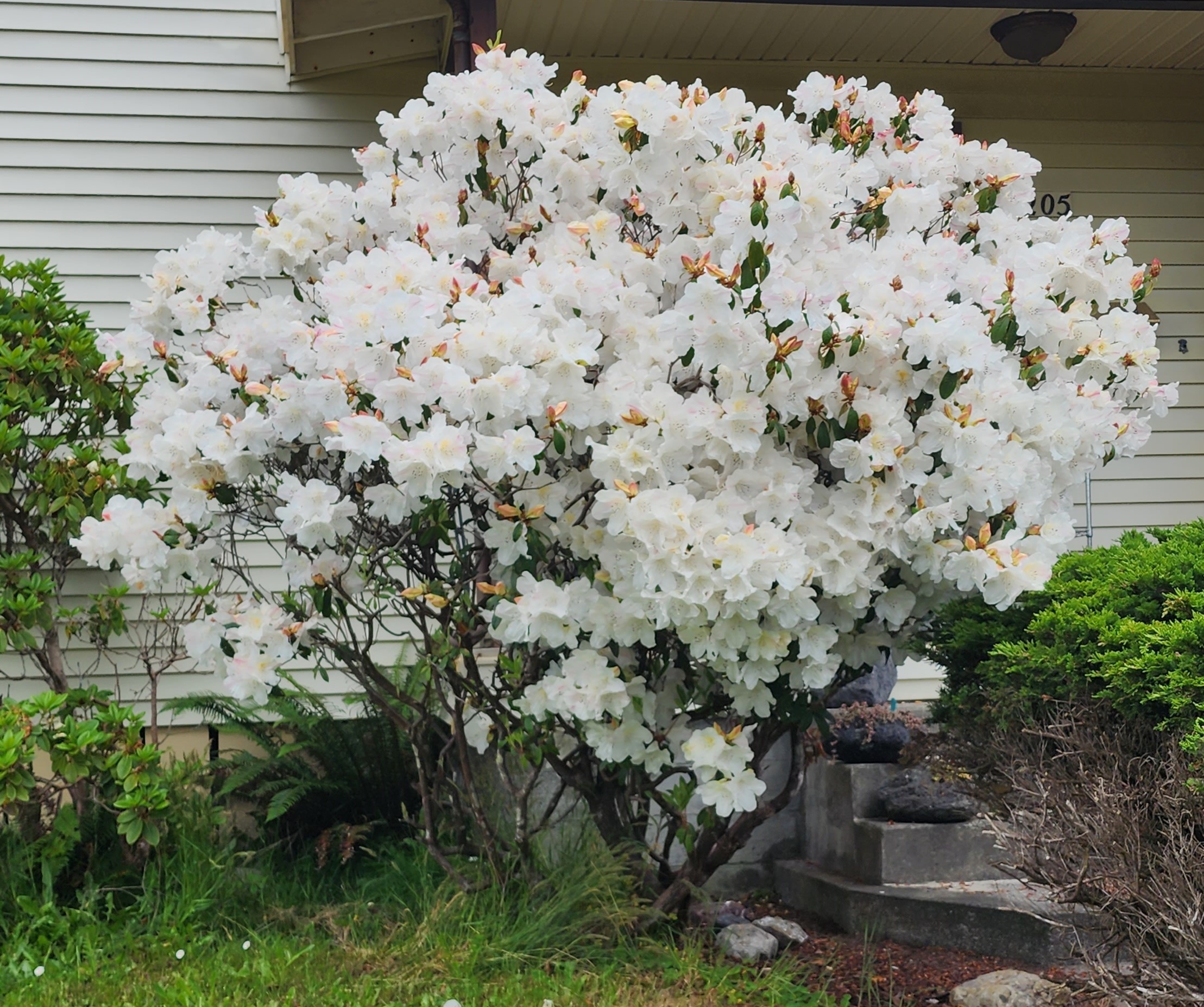
I am amazed by the range of flowers that grow profusely here. As soon as we felt the first few mild days, I began to smell jasmine in the air, and noticed that many fences have jasmine growing on them. Rhododendrons are another species that does well in the Pacific Northwest, and that includes northern California. We have all colors from pale pink and lavender, yellow, peach, and coral through magenta and deep purple. Rhododendron bushes can grow ten feet tall with ease and during the spring they can be thickly covered with flowers. They are spectacular.

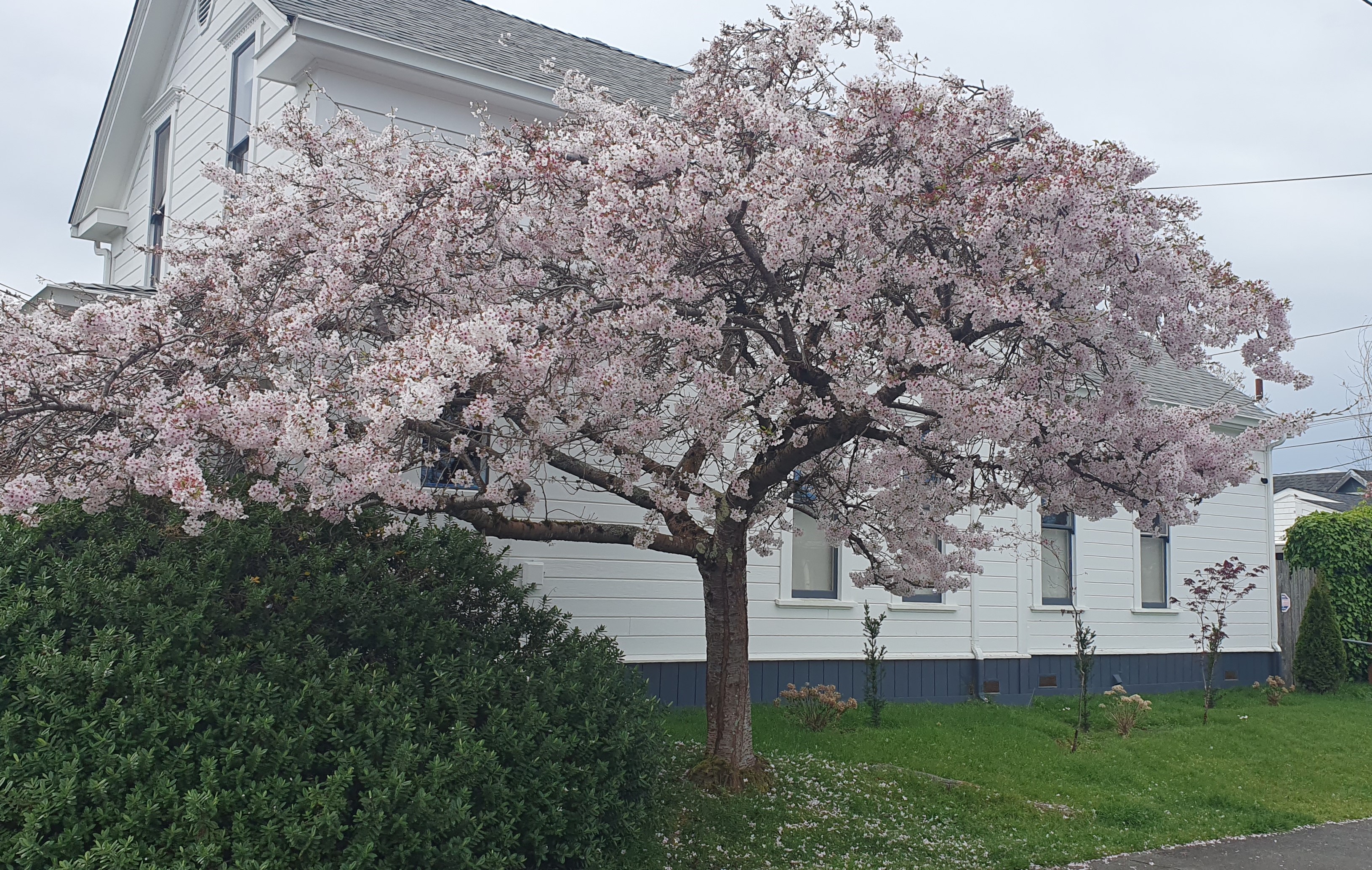
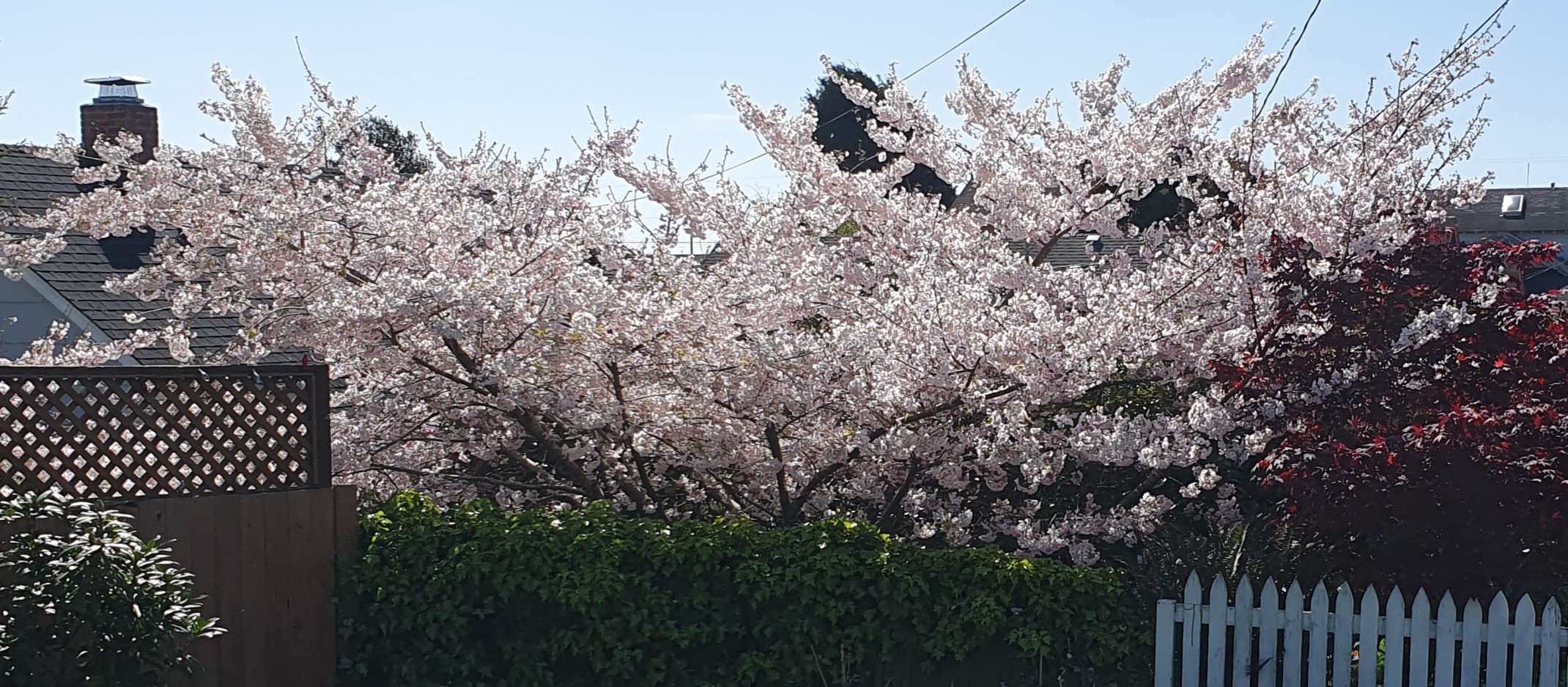
Flowering trees are one of the next steps in the progression of spring. First come the white apple blossoms, then pink crabapples, lavender plum blossoms, dogwoods, and flowering trees that I don’t recognize with clusters of pom-pom like pink flowers. I have stopped the car to take pictures as I drive around town. Many trees are postcard perfect at the height of their bloom.

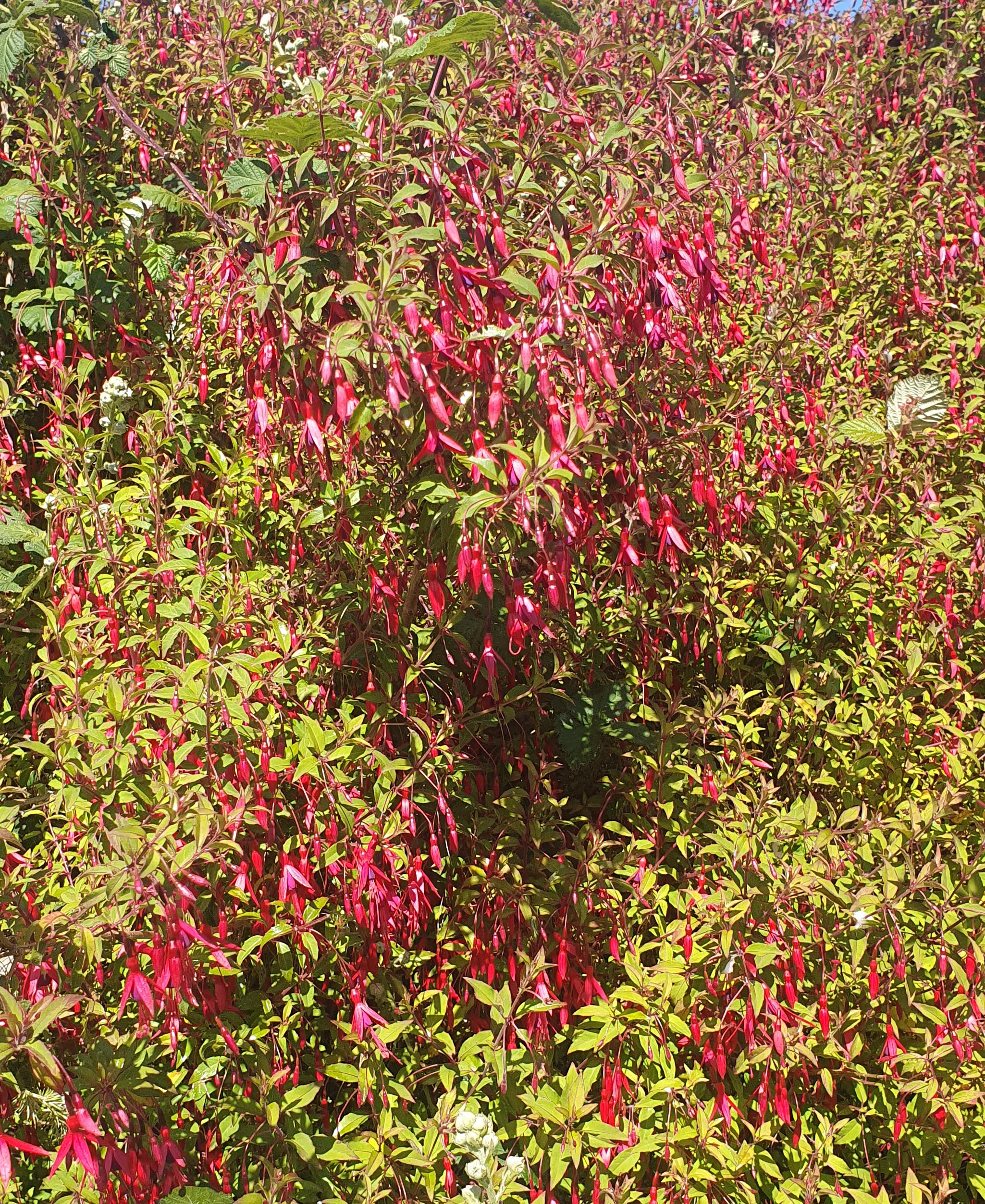
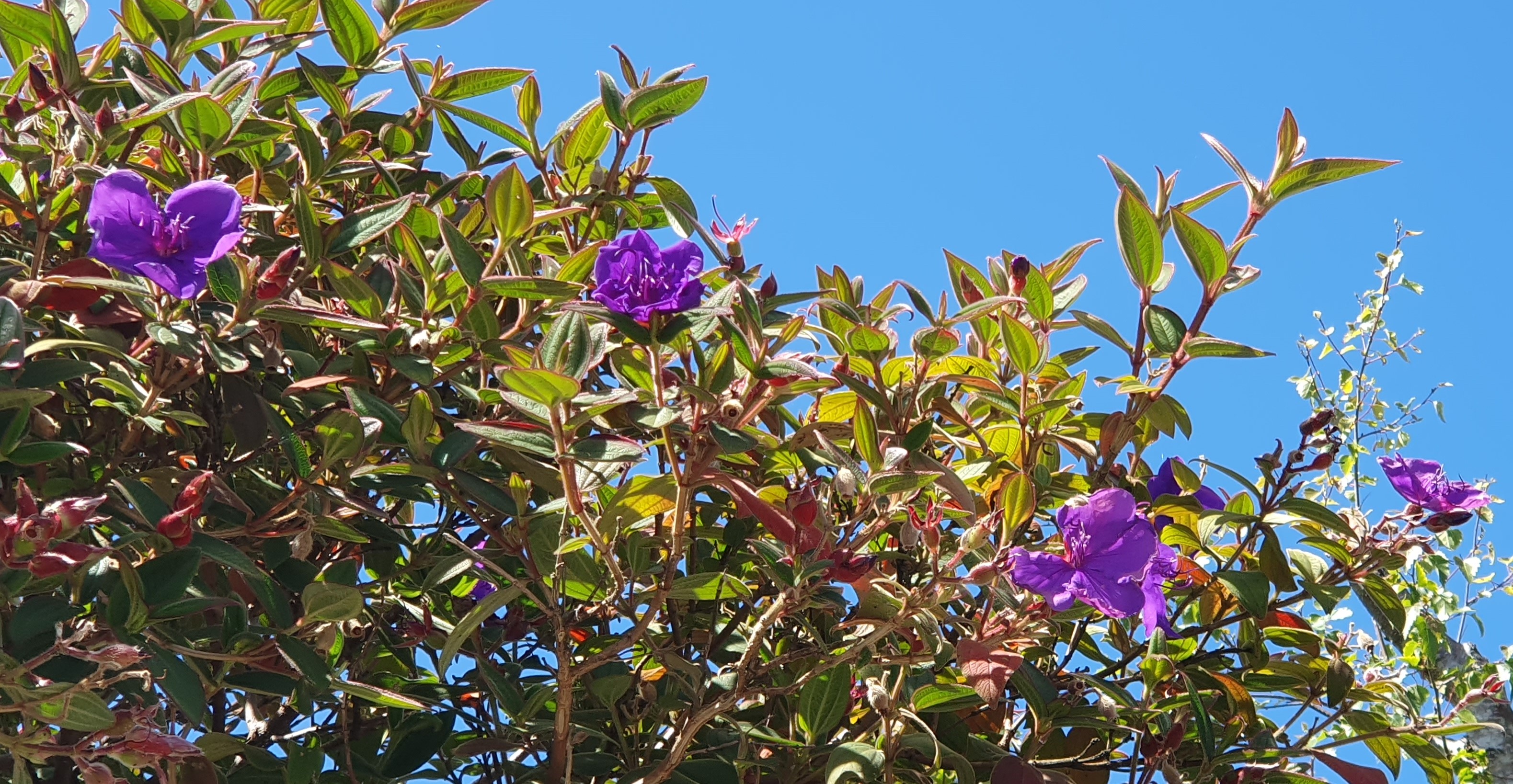
In the Midwest, lilacs are a signature flower of late spring, and their scent is everywhere. In Eureka, lilacs barely poke their stems out of hedges and side yards, overwhelmed by huge bushes of California fuchsia, purple and white wisteria, and flowering bushes. There is the princess flower, a shrub covered in deep purple flowers that is hardy and easy to grow, and there are other flowering shrubs covered with tiny blue, white, or pink flowers.

Clockwise from upper left: Wisteria, California fuschia, princess flower, rose, shasta daisies, and ? (snapdragons?).

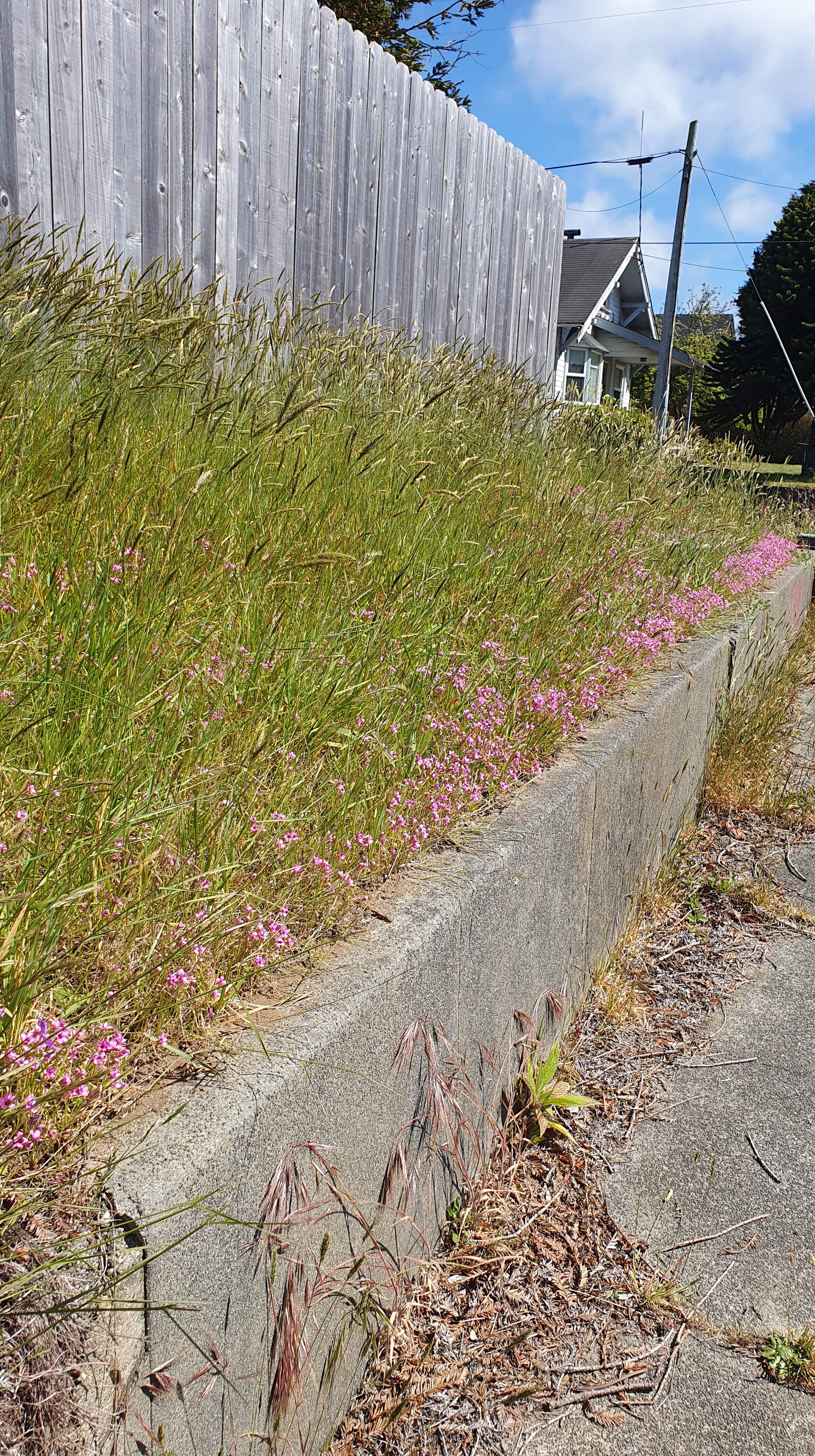
Even unmown lawns are lovely here, sprouting tiny yellow and pink flowers.

All kinds of bulbs grow well here, and daffodils come up in early March, followed by tulips. Later in the summer, we’ll start to see dahlias, grown by every plant fancier in the region. There are so many shapes and colors that no one could have a garden that included all of them. The county fair horticulture display is always full of gorgeous dahlias.

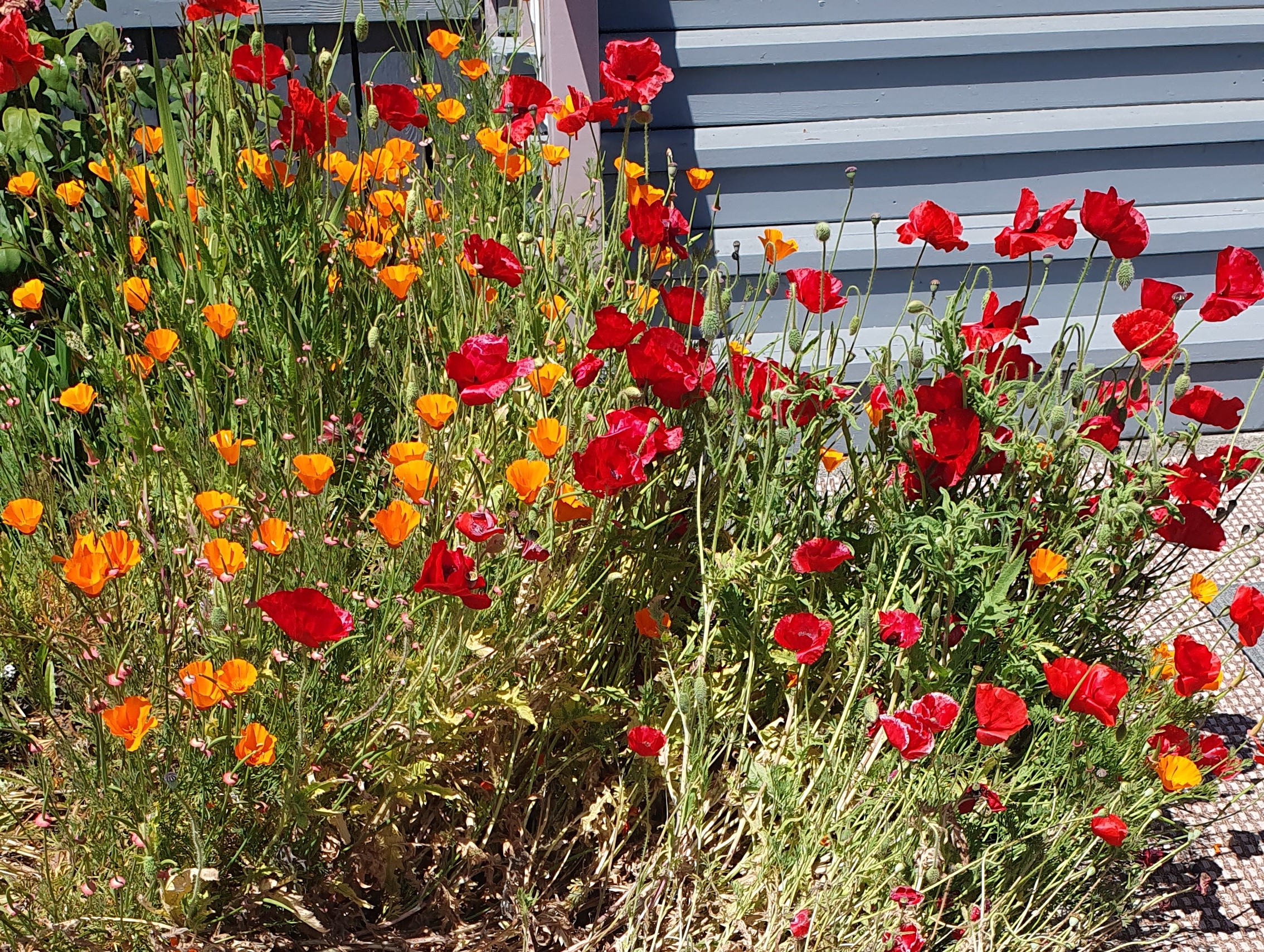
As I walk around the neighborhood, I admire the number of homes with beautiful plants, colorful flowers and shrubs, flowering trees, and plantings of bright orange California poppies. There are other poppies, too, yellow, red-orange, deep red, purple, even blue, the Himalayan poppy. I am always learning something new about the richness of my current home.

Poppies

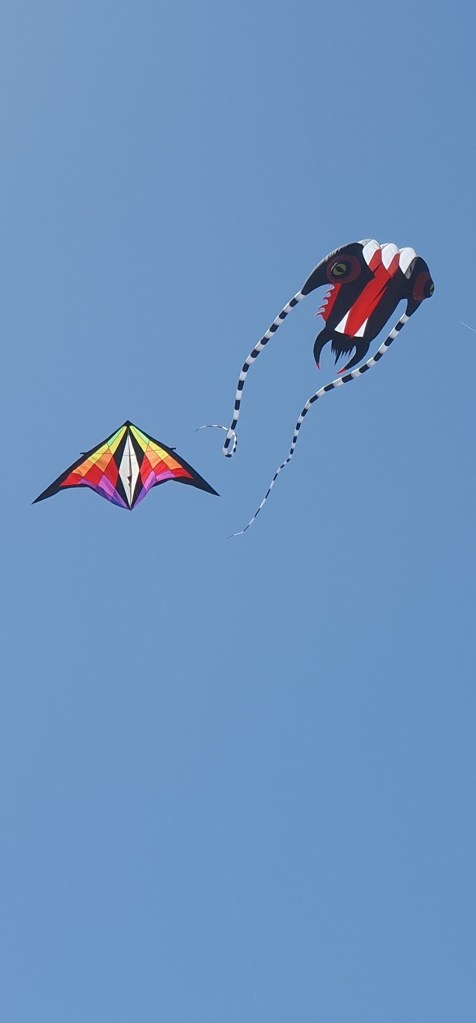
I was reminded of flowers by the kites in the air, too, during last weekend’s Kite Festival.

For the Glory! The Kinetic Grand Championship 2024

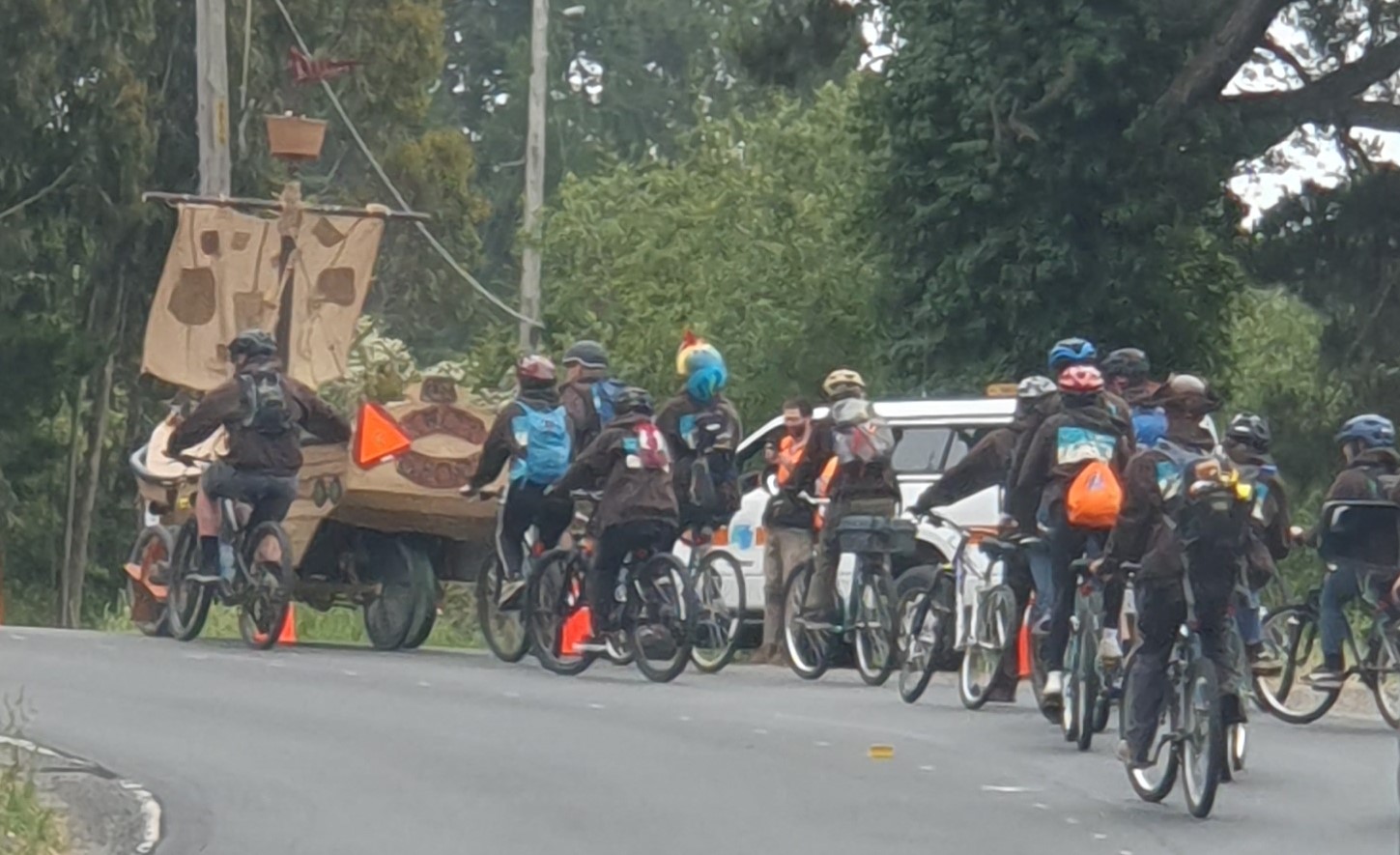
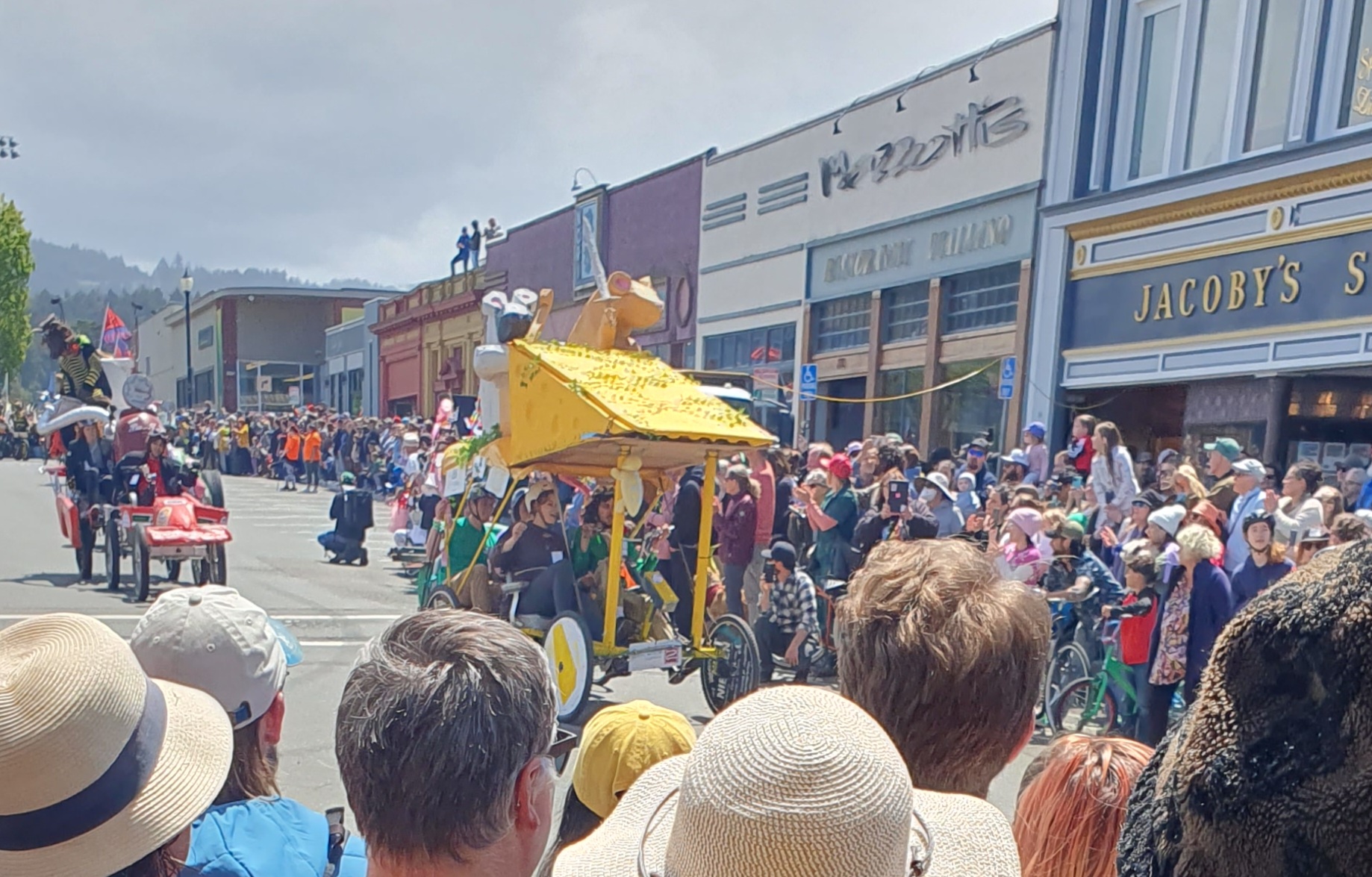
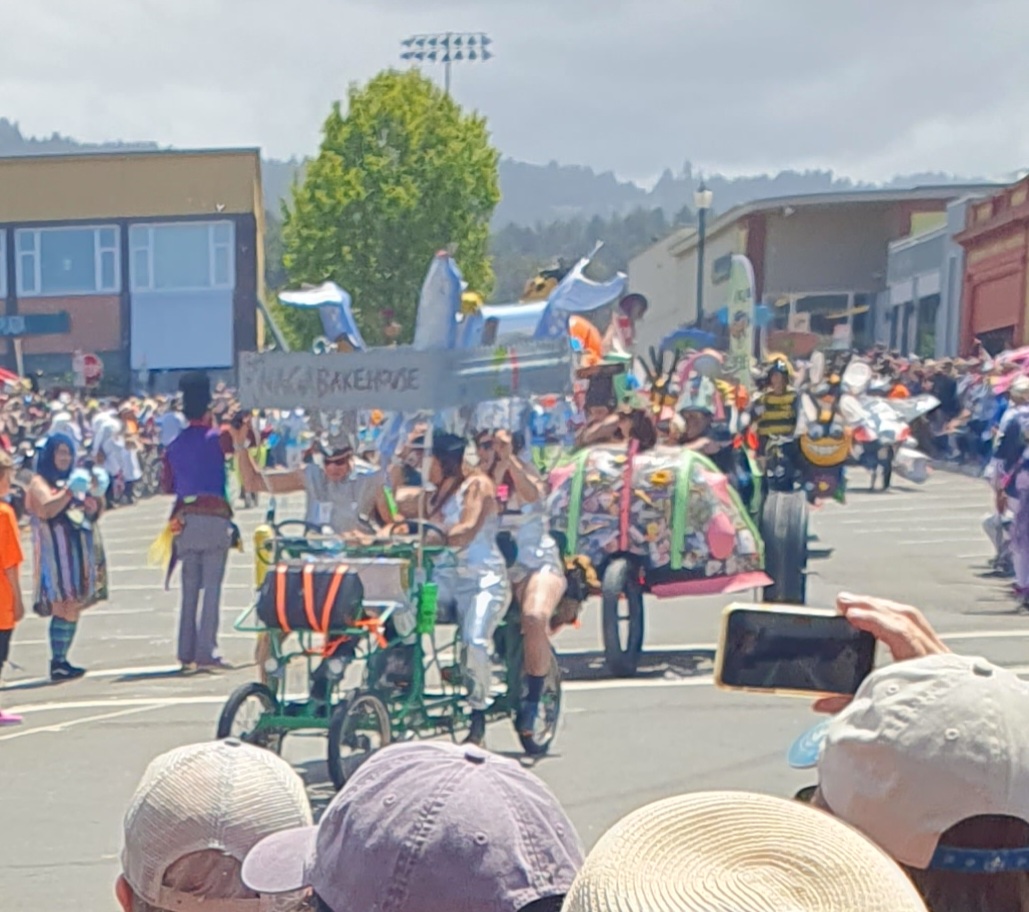
Every Memorial Day weekend there is a uniquely local celebration, the Kinetic Grand Championship race. It’s had different names, and took a break for Covid, but has come back in force, showing the very best in community craziness. To me, this event is the essence of Humboldt. If you want to know why people choose to live here despite problems too numerous to mention, come for race weekend and you’ll have your answer.

“Snowball’s Chance”…..

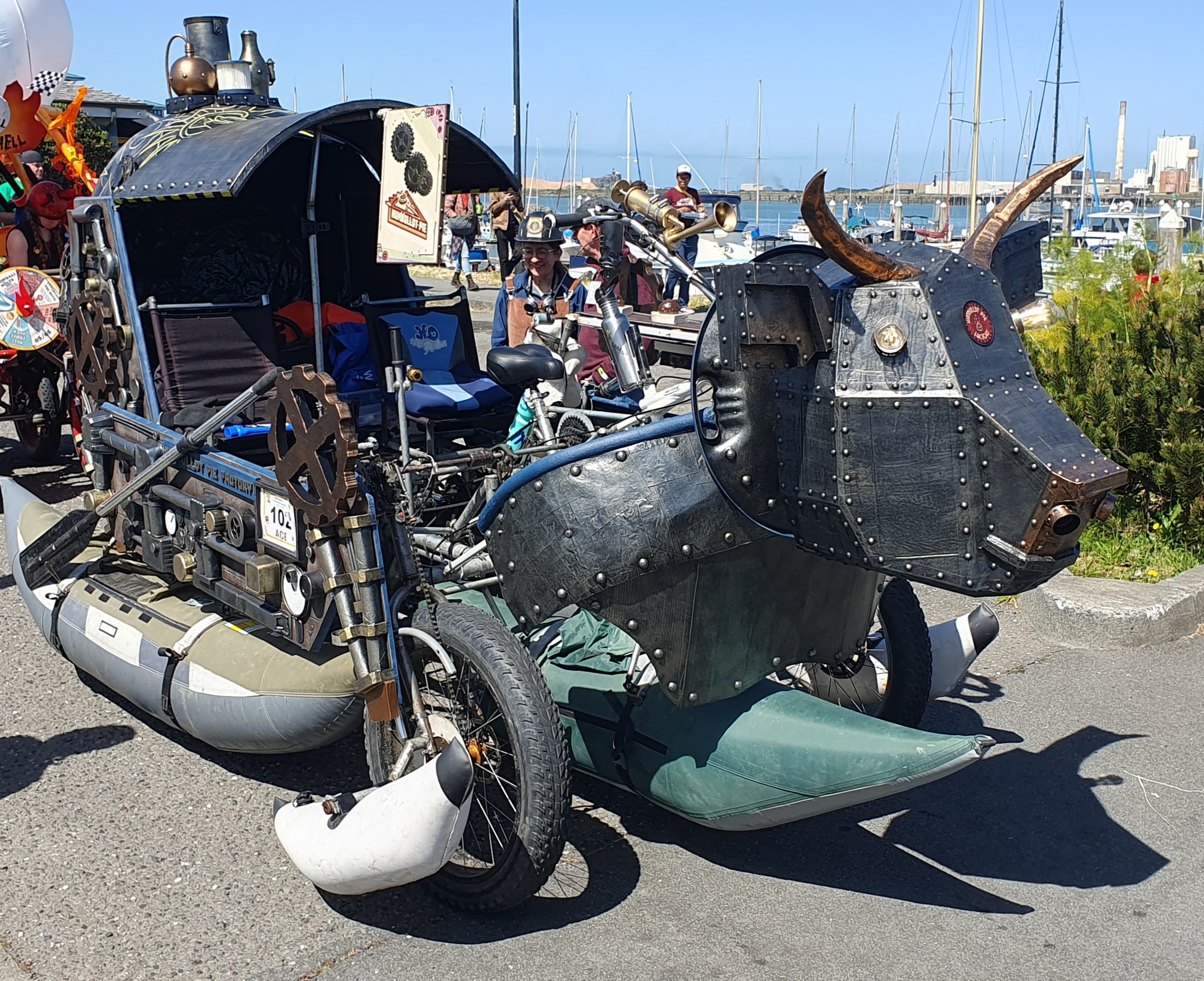
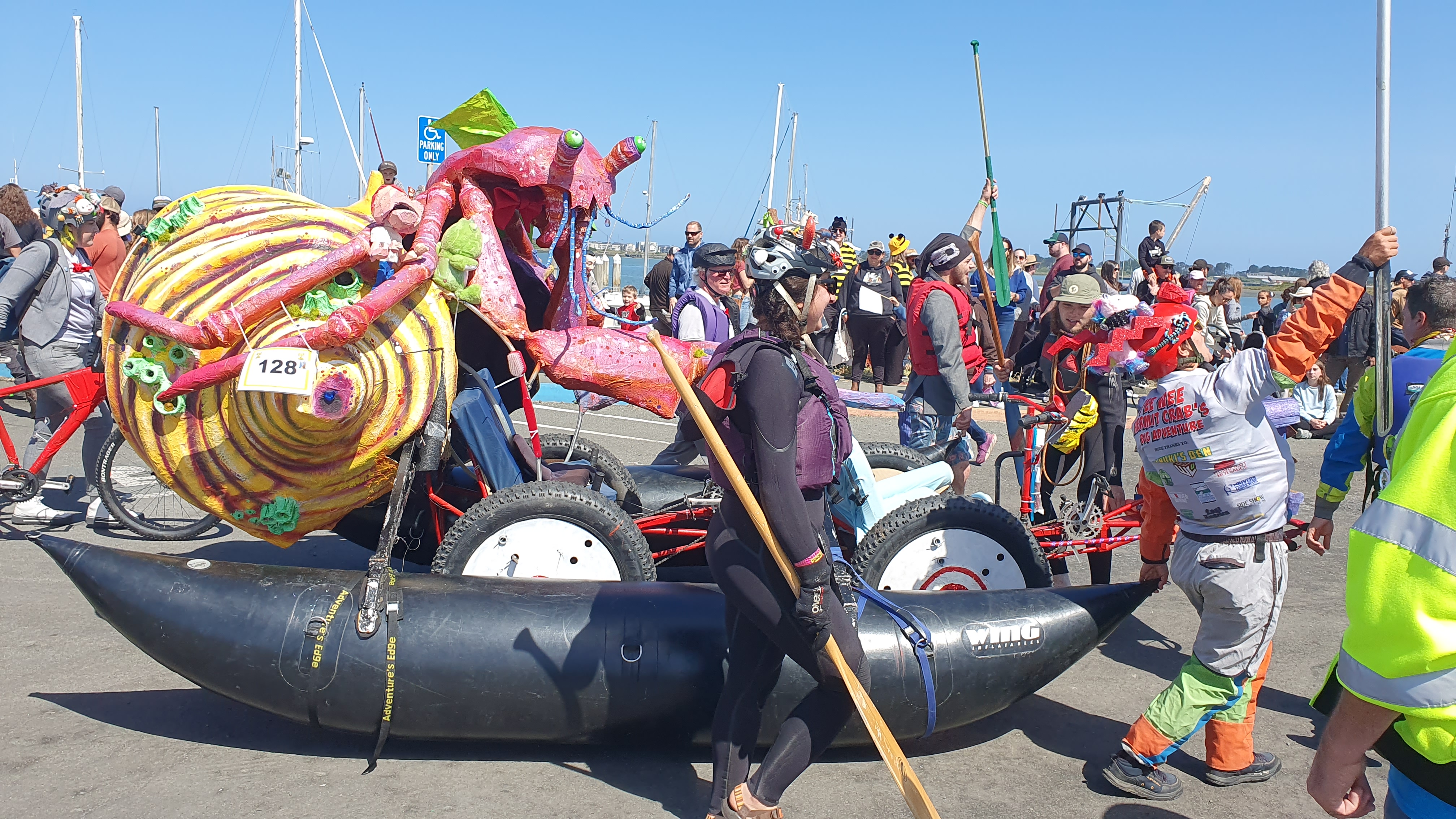
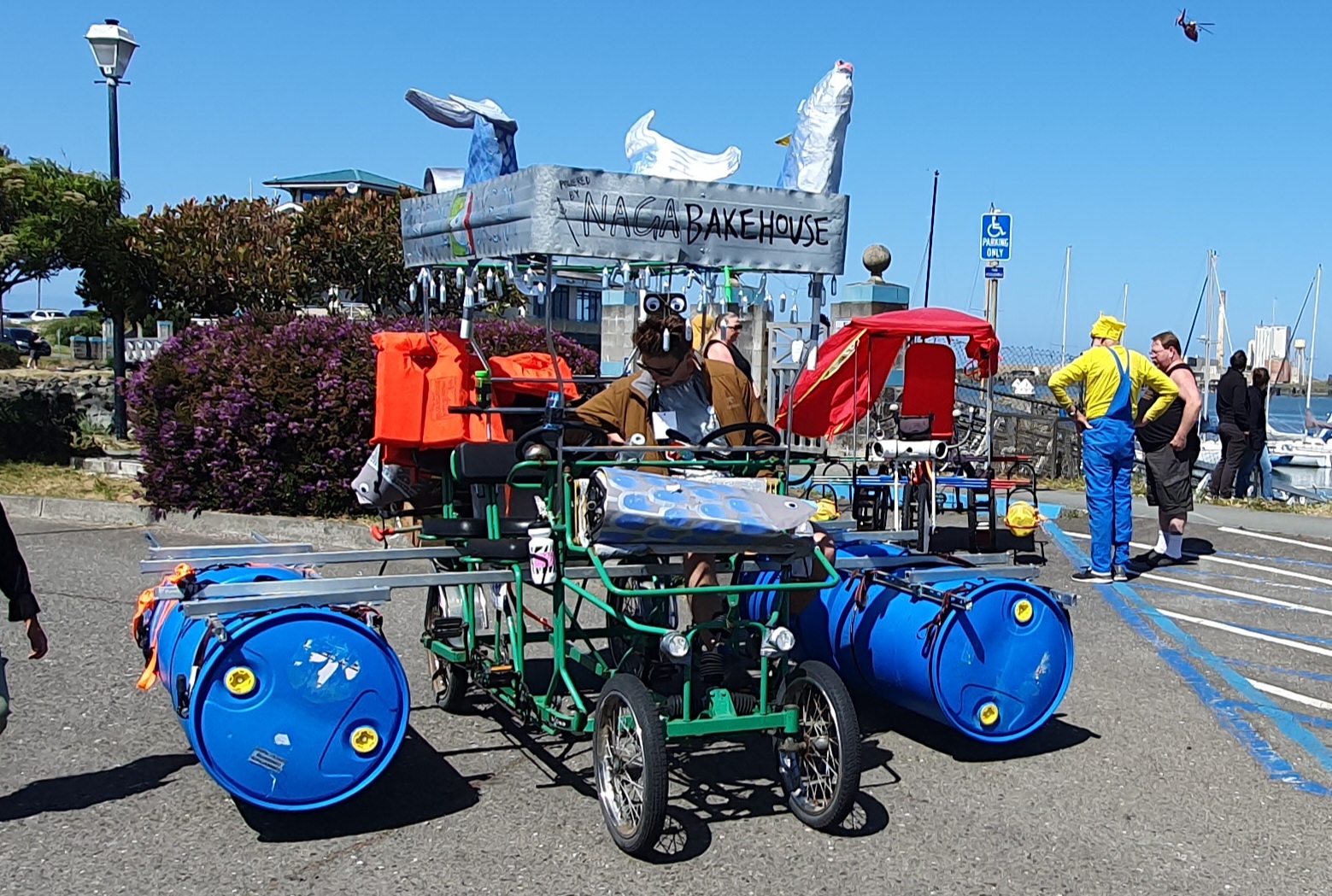
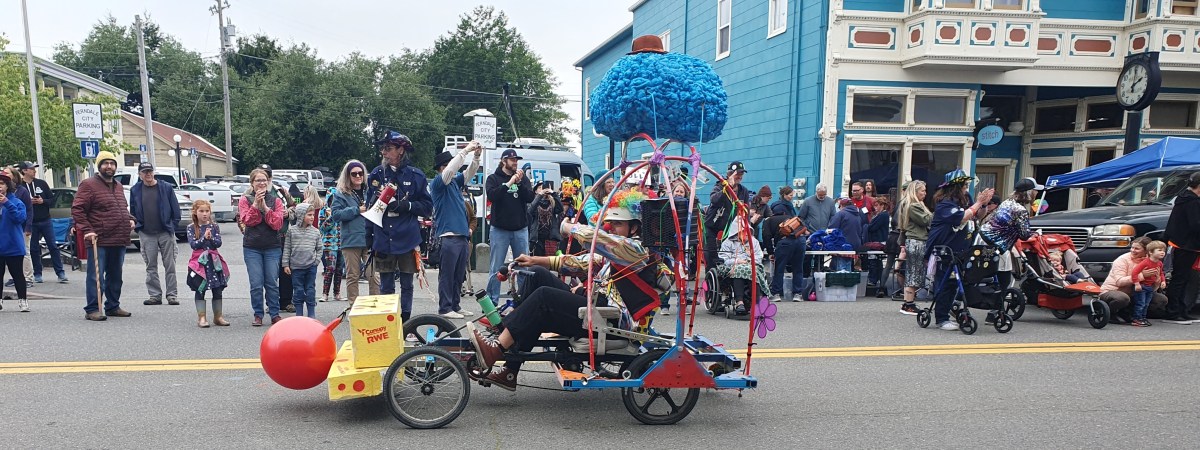
This is a race of human-powered sculptures. The undercarriage of each sculpture is some kind of bicycle mechanism, and over that, anything goes. One of the best known entries is a fully enclosed flying saucer, stored locally and brought out for parades and special occasions. The size of the object and the number of people who propel it along the route depends on the creativity, and perhaps welding skills, of the makers. Though sculptural and covered with everything from paper to fabric to sheet metal, entries must move on their own. Racers lose points for having to tow their piece along the course. And what a course it is!

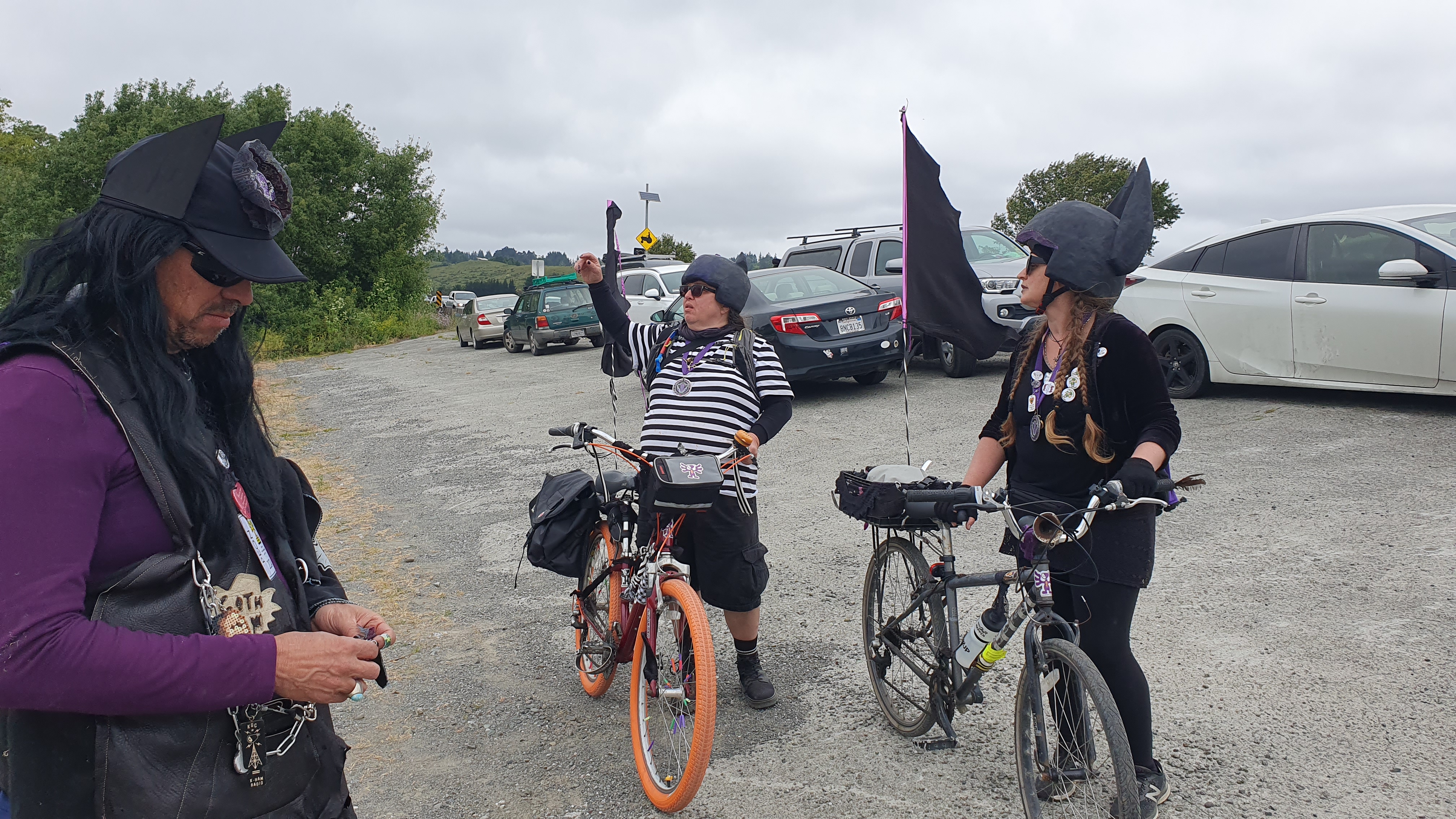
The Grand Championship is a three-day event, starting on Saturday morning at the Arcata Plaza. Throngs of people mob the plaza and surroundings, many wearing costumes. You don’t have to be affiliated with any particular entry, everyone is welcome, encouraged, to wear something outrageous. Men wear Barbie pink, women wear gold lamé, people wear rainbow wigs, black goth outfits, face paint, or just show off their tattoos.

Watch the short video to see the flame-throwing capability of one entry.

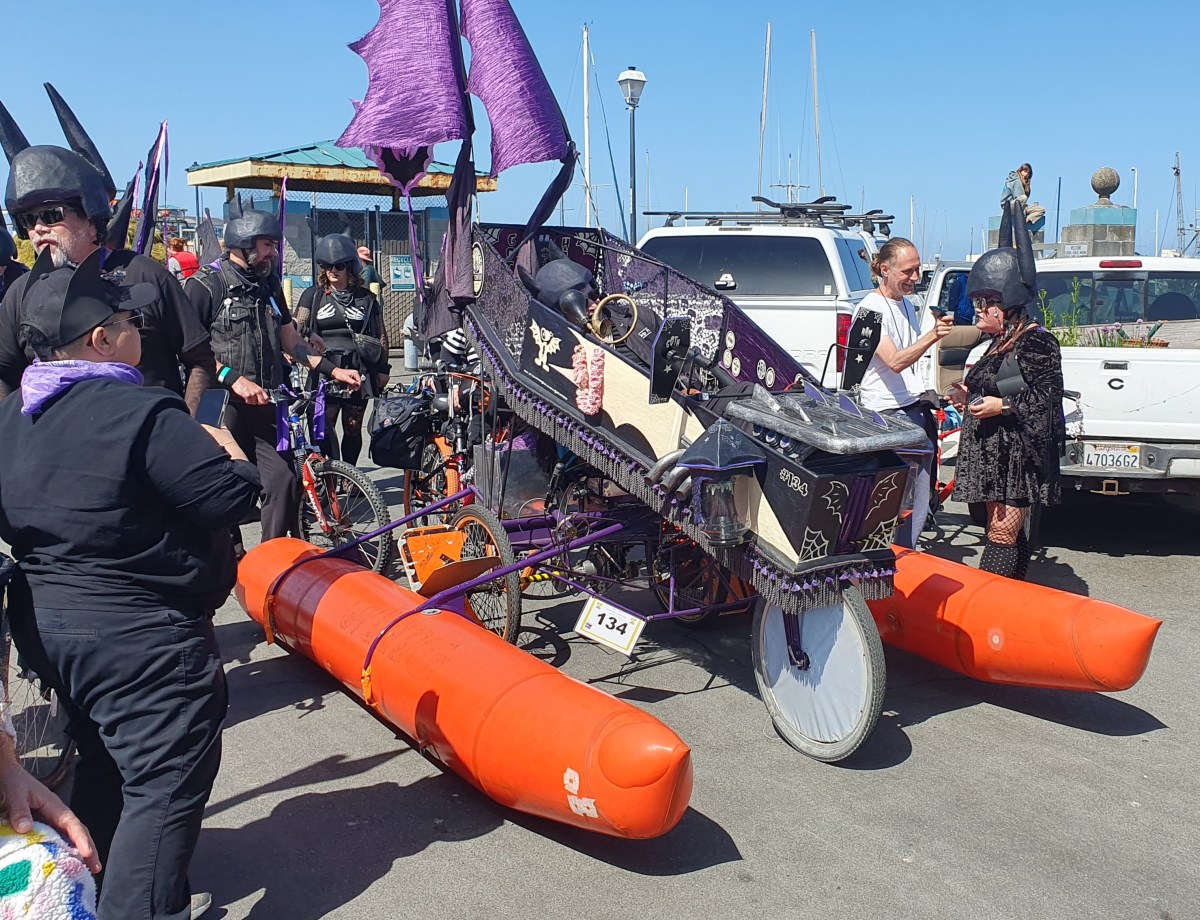
This year there were more than fifty entrants, from individuals to crews of six. Every entry recruits a pit crew, and followers (peons), costumed to match. Teams spend hours before the event making pins and badges, called “bribes” to give away. This encourages viewers to cheer for anyone who has given them a token, and makes spectators feel like part of the event. Last time, I got bribes from the three-humped camel, this year we are committed to Goth-Ham, going for that Hamtastic Glory.

When the race begins at 12 noon (ish), each piece navigates a route to the coast, then along a series of sand dunes, including “Dead Man’s Drop,” which seems to remove a certain number from the competition. I have not seen that part of the race because it is only accessible on foot or by bicycle. Racers turn inland after the dunes and Day One ends at the waterfront park in Eureka. Music and dancing ensue.

The Hamtastic GothHams preparing to get wet

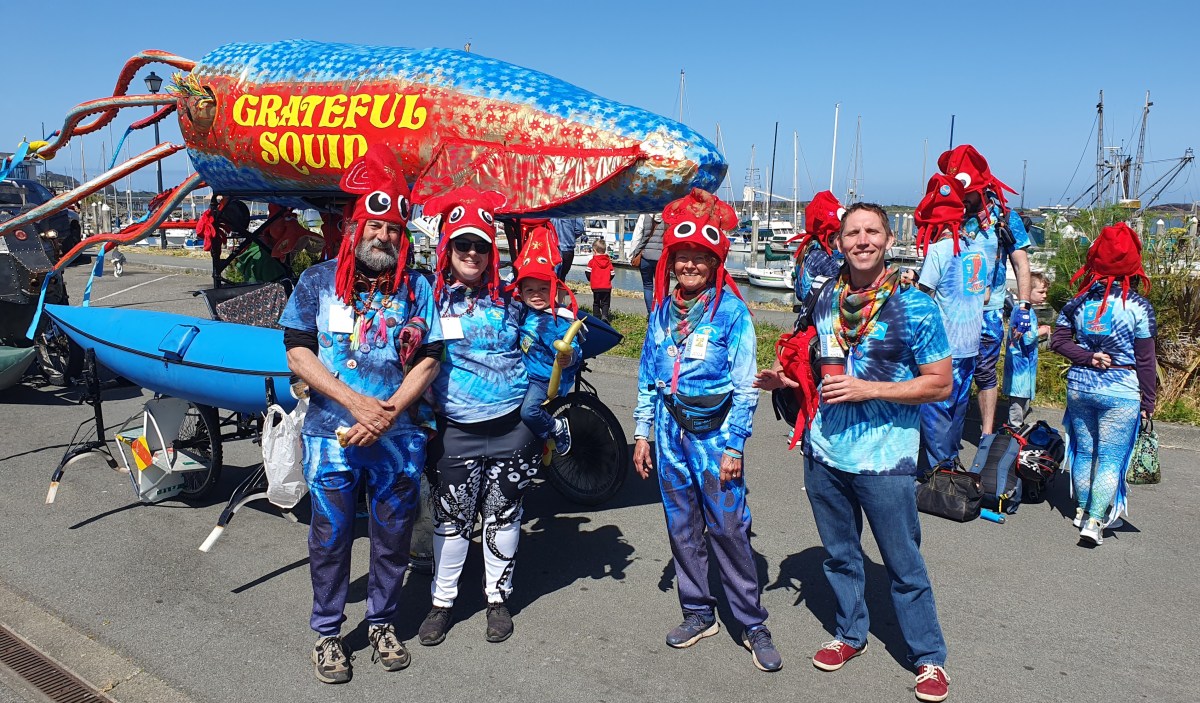
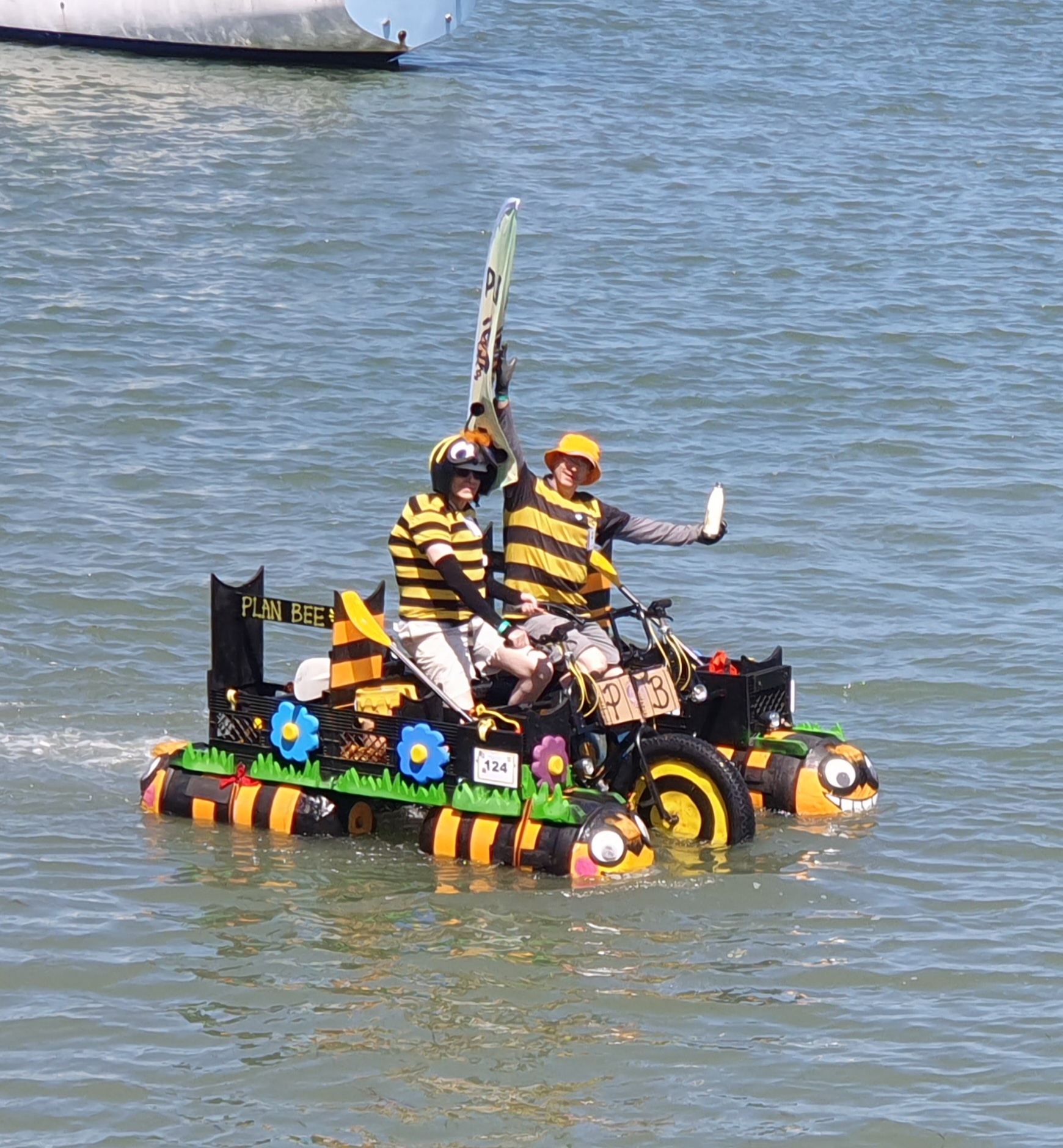
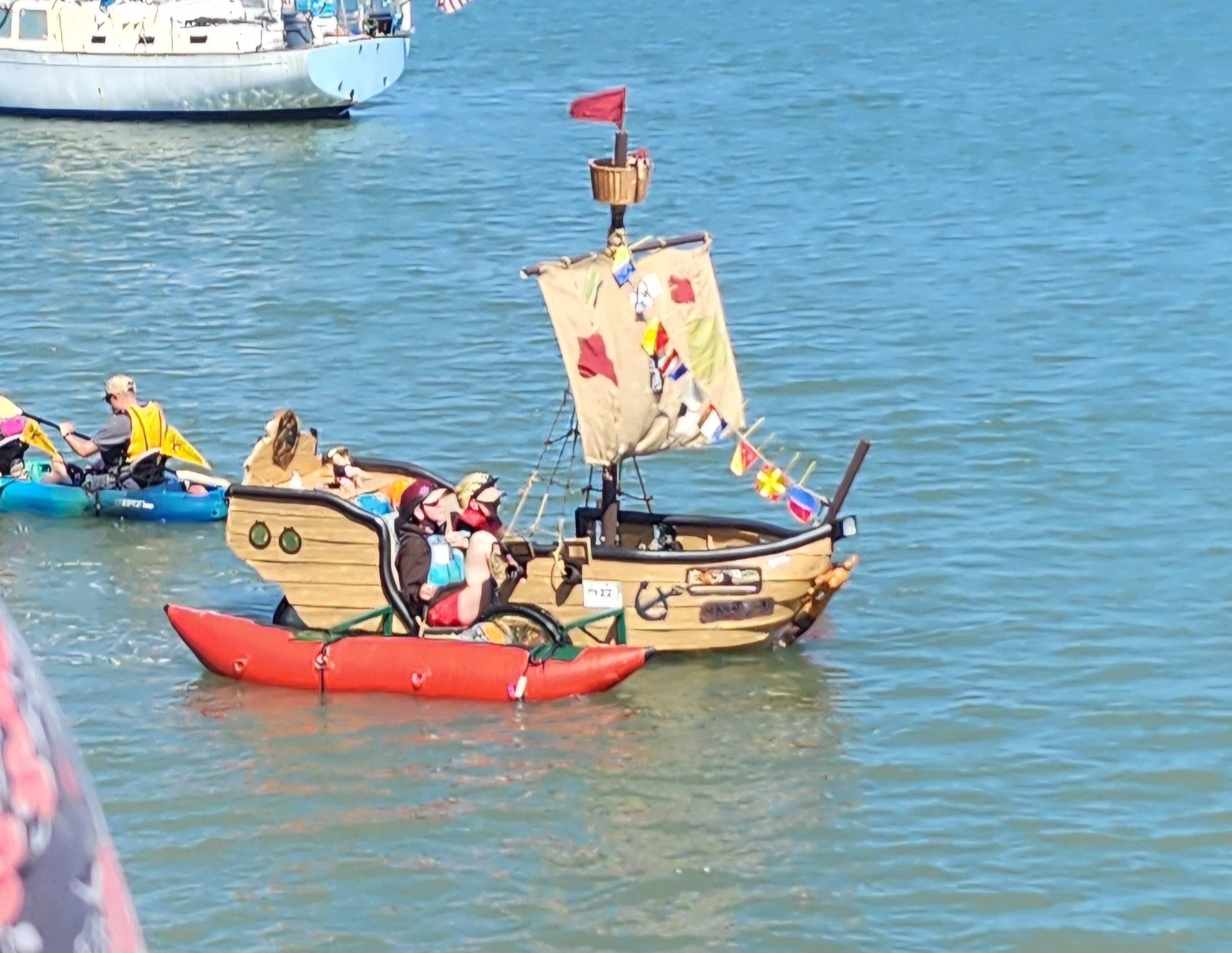
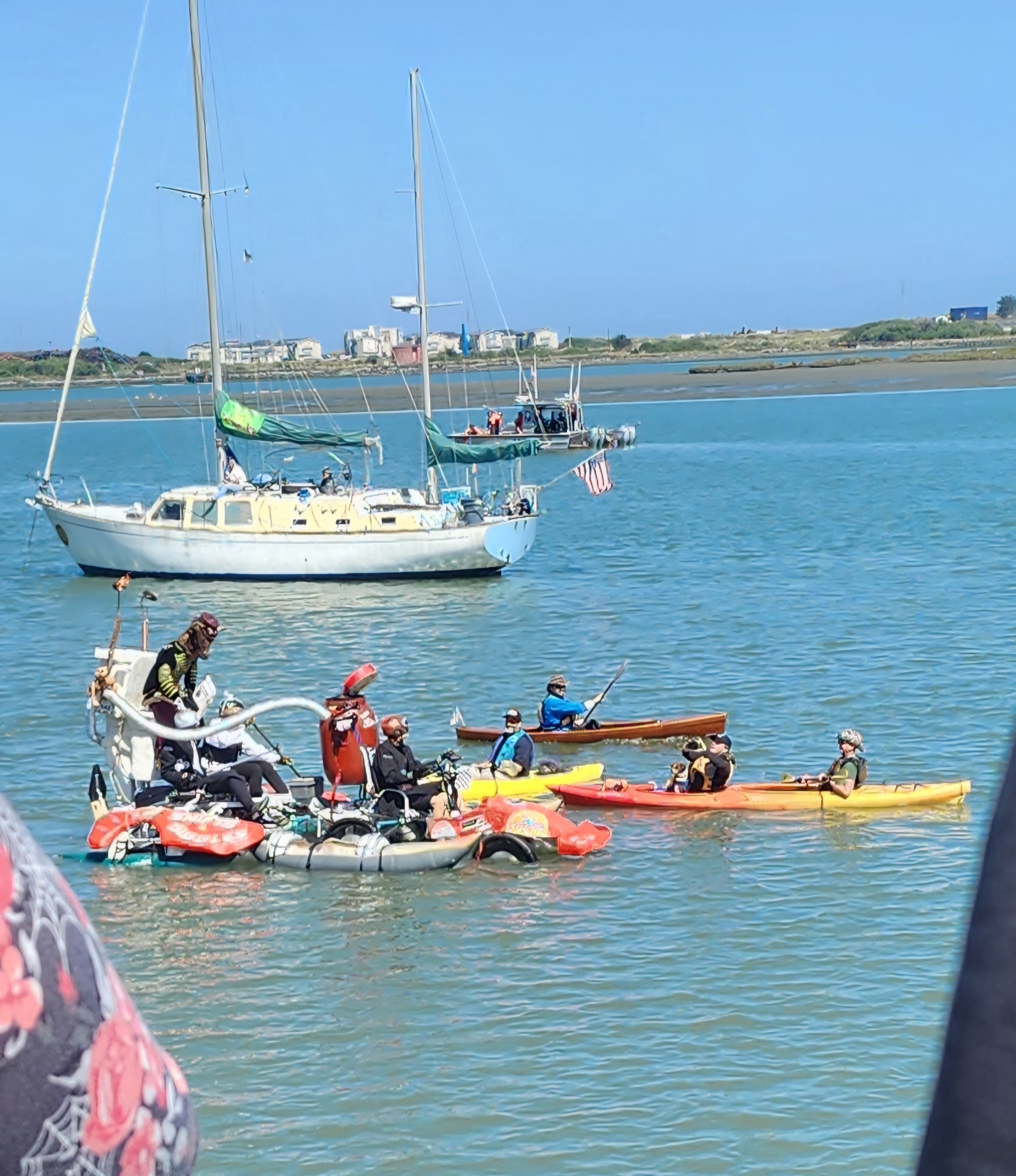
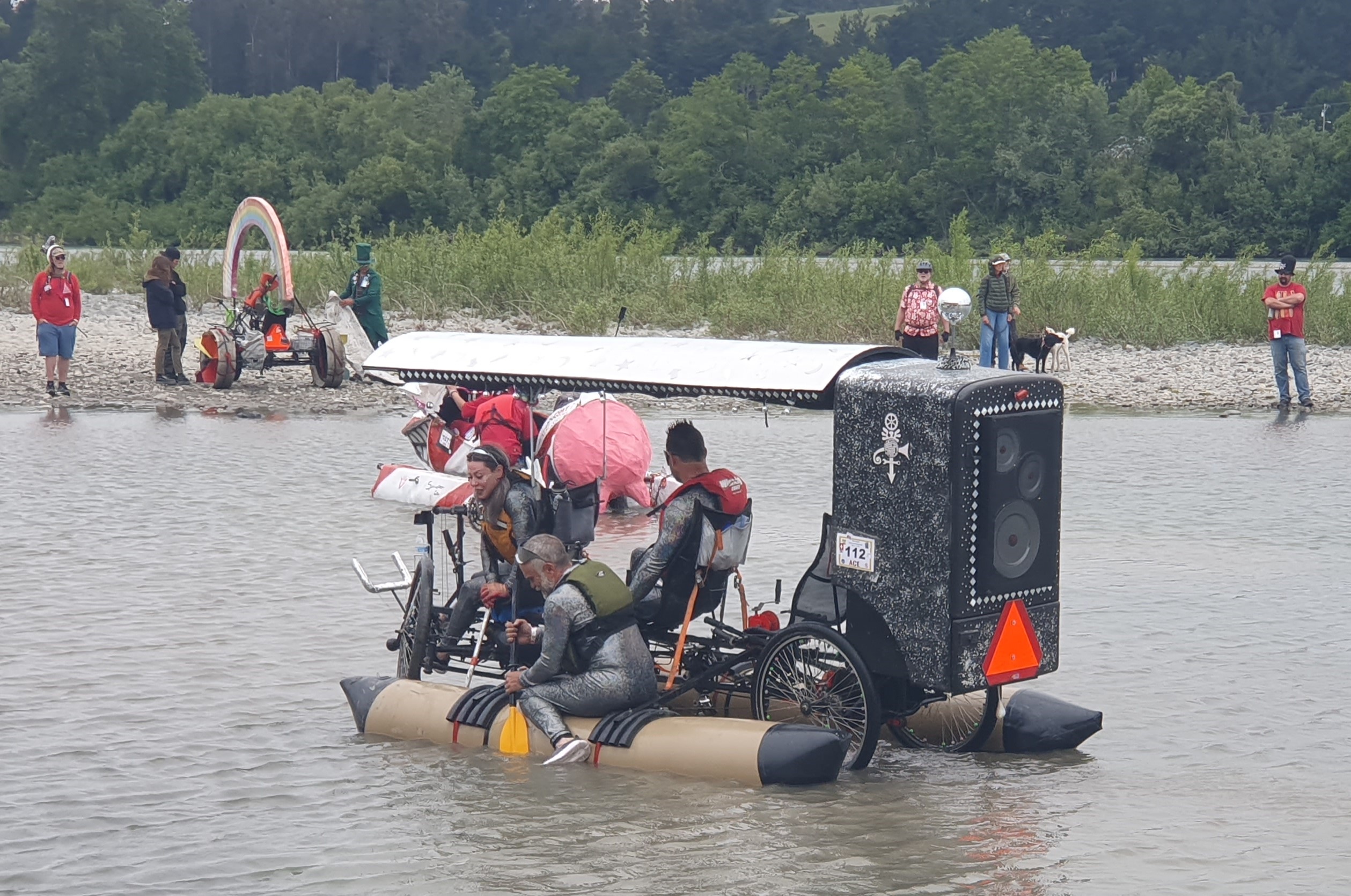
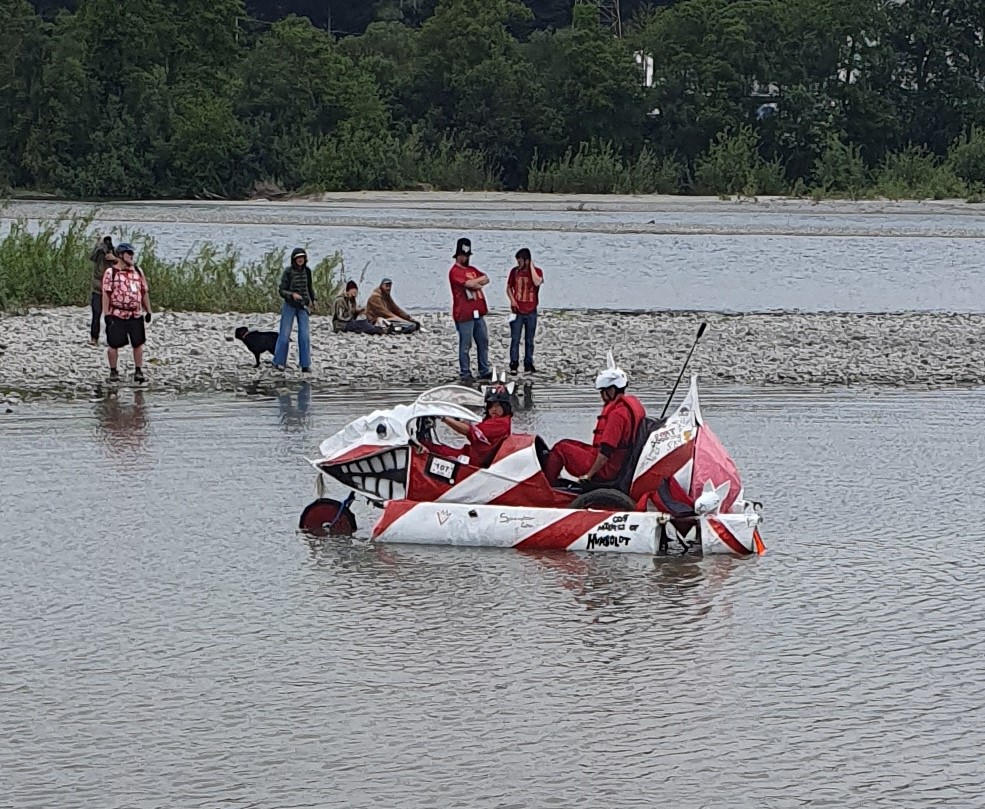
Day 2 takes entries into the water, where they paddle about 500 yards along the shore of Humboldt Bay, waving to spectators. The water is full of kayaks, paddleboards, and other boats full of watchers. Getting into the water is a big test, as each sculpture’s propulsion system has to be converted from moving tires on roads to moving water with paddles. Pontoons, kayaks, barrels, and other devices are used to make this happen. The line of sculptures waiting their turn to enter the water is a great place to take photos. I got a nice group picture of the Grateful Squid team. Sadly, when it was their turn to enter the water, the Grateful Squid itself made them top-heavy, dug its nose (?) into the water and stopped them in their tracks. (I spoke to a team member later and found they made it into the water on their second try.)

When (if) they emerge from Humboldt Bay, the race continues through Eureka to Crab Park, south of town, where there is an overnight encampment. I believe entrants get extra points for camping overnight.

What we notice is that everyone along the course is friendly. People make space for others to get a peek at the action, people chat, pet each others dogs (there are always dogs), and generally strike up conversation with people they don’t know at all. No politics, no antagonism among people of different looks. Everyone cheers, “For the Glory!” because that’s why we’re all there. I’m not sure there are any monetary prizes, but there are plenty of awards, For the Glory!

Racers getting ready to get wet.

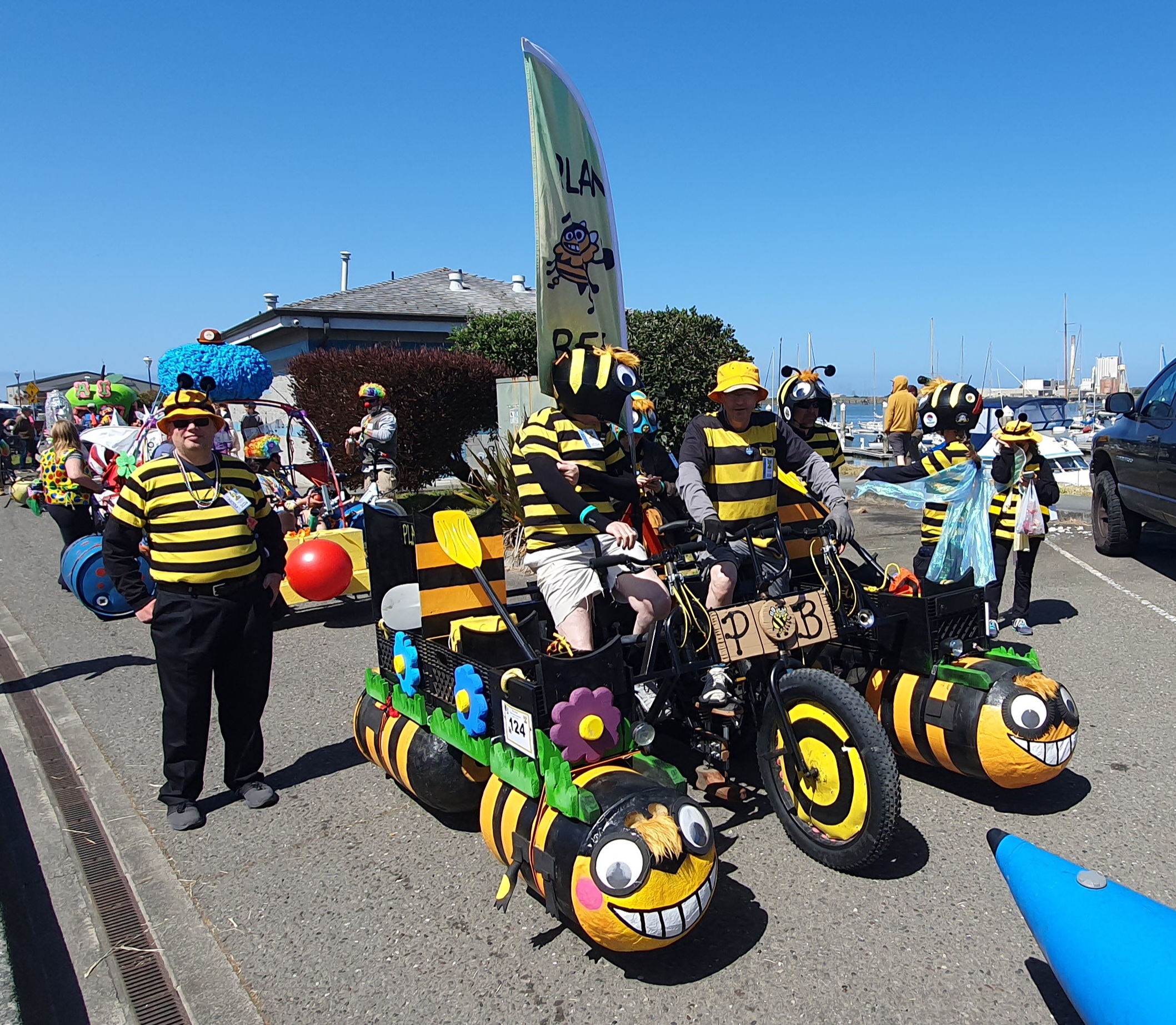
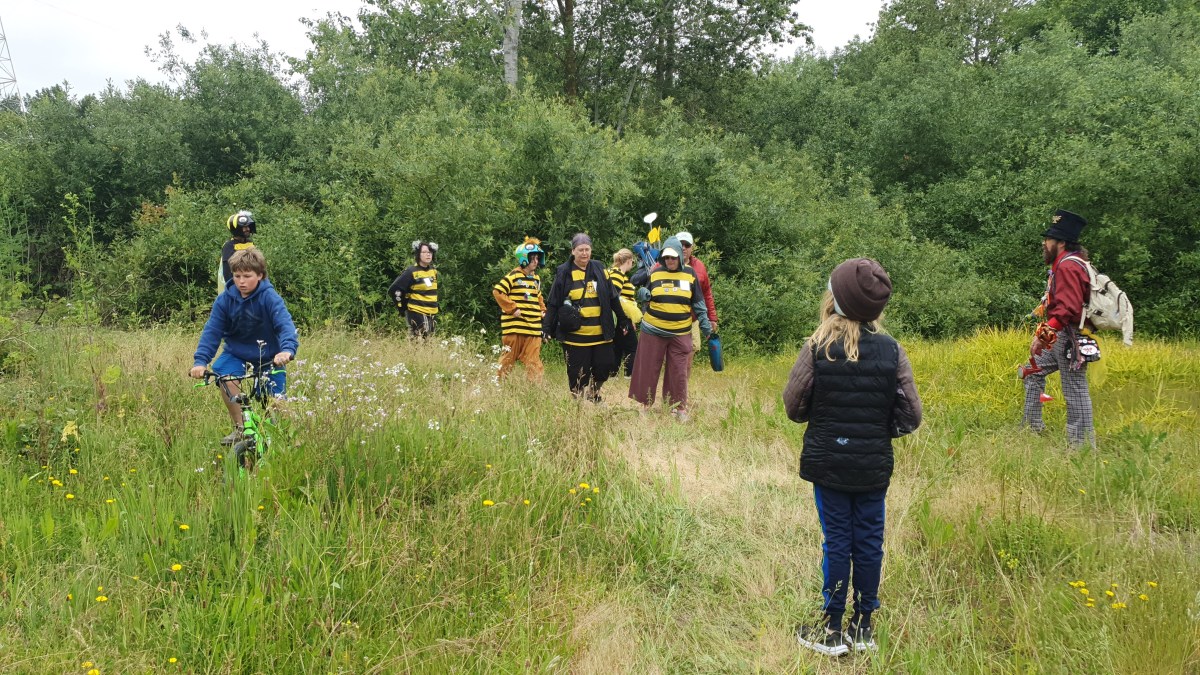
L-R: Plan Bee, Full of Bull, Chick Magnet, and four others…..

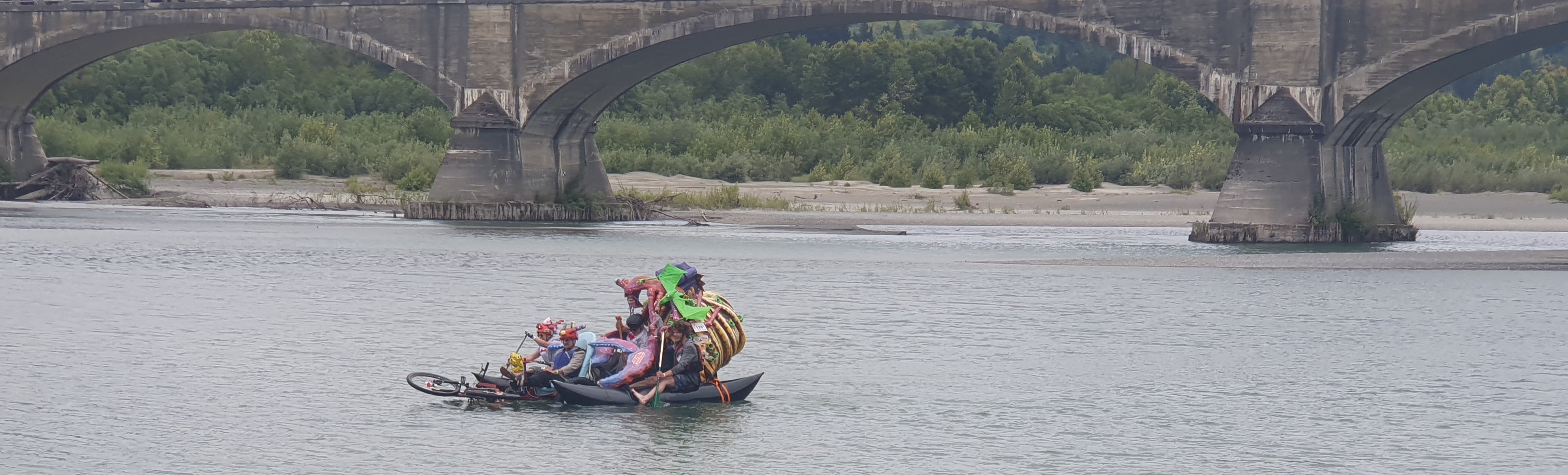
Day 3 heads further south toward the finish line on Main Street in Ferndale, a small town with well-preserved Victorian Main Street. To get there, though, everyone has to cross the Eel River in their machines. The river is not very deep, and there’s usually a large sand bar midway, but it’s a challenge that can be hilarious. Not to minimize the risks, there are monitors along the course to make sure that no one gets hypothermia while trying to get in and out of the water. Rules for those trying for the biggest prize include not moving the vehicle forward with one’s feet. Getting unstuck from the river bottom involves a lot of paddling, rocking, and shouting. But no feet!

Successfully crossing the Eel River, racers head to the finish line in Ferndale.

The path from the shore to the road is not very clear.

Still, most everyone makes it to the finish line, though I understand that the first finisher was a sculpture that doesn’t brave the water, but gets trucked in. That’s a different category in the competition. The finale extends over about five hours of honking, the band playing, cheering, and general merrymaking.

Some of the finishers, and the Rutabaga Queen (elected at the Rutabaga Ball the night before the race begins).

A good time was had by all.

Article in Times Standard about the 2024 Kinetic Grand Championship

Eureka’s Rhododendron Parade

Like the Pacific Northwest, the Eureka area has climate particularly friendly to cultivation of the rhododendron family of flowering bushes–they include azaleas and a lot of varieties of “rhodys” of all sizes. There is a Rhododendron Society, and an annual Rhododendron Parade, this year it was Saturday April 27, 2024.

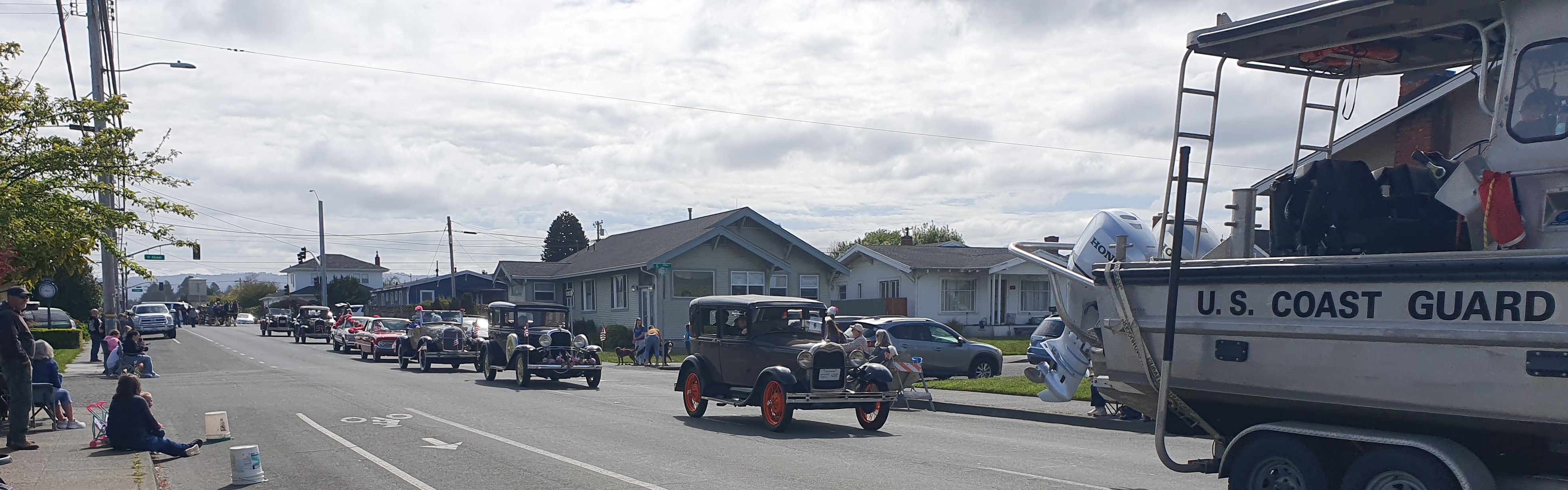
I love the Rhododendron Parade, it’s a hometown event. Anyone can enter, and that usually includes everyone from people who attach rhododendron blossoms to their dog’s collar and walk along, to large floats of Boy Scouts, a 4-H club, vintage vehicles of all ages, trucks of service providers festooned with flowers, and several marching bands.

That’s in addition to police cars, fire trucks, ambulances, and vehicles from the Forest Service. The Coast Guard pulled a boat in the parade and their rescue helicopter did several flyovers of the reviewing stand. The giant metal crab seems to have been created out of pieces of corrugated metal roofing. It’s parked in an empty lot in downtown Eureka, and I’ve wondered what it is for. Apparently, it waits for a parade.

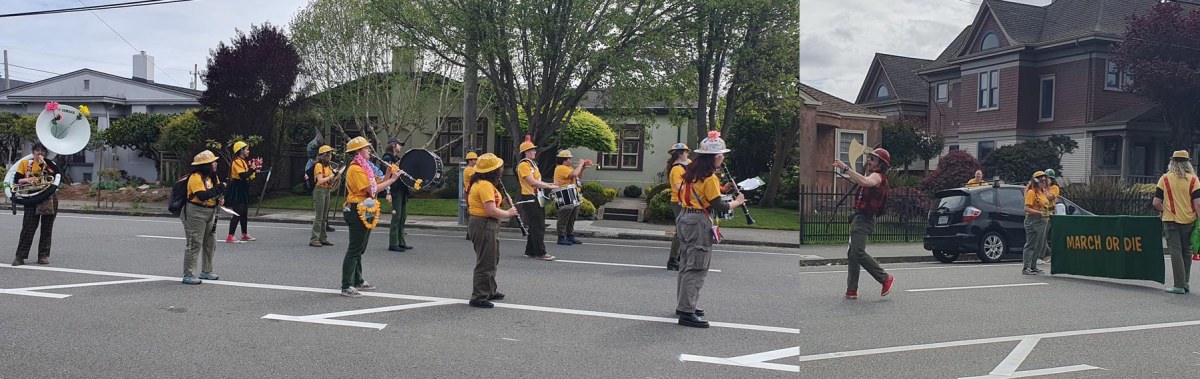
One of my favorite groups is the Cal Poly Humboldt Marching Lumberjacks, a band that emphasizes dancing and singing along with playing music. Their banner says Cal Poly Humboldt on one side and “March Or Die” on the other. They are always a highlight.

Oh, yes, and here’s a few rhododendrons in person:

Our neighborhood is lovely to walk around at this time of year.

For a few more fun photos, check out @rockchickmonica on Instagram.

Greece, Anyone?

A year ago, we were in Greece. We spent a delightful month in Athens, and went on a private tour around the Peloponnese with PicTours of Greece. Our coordinator was the owner of the agency, George Gaitos, and our trip was terrific (A Week of Ruins in the Peloponnese (1)) Our trip was different from the one George is leading. The description of the trip he will be leading May 10-17, 2024 is below, the Amazing Aegean.

https://pictoursofgreece.com/tour/amazing-aegean/

George has organized a week-long tour to Crete and Santorini coming up in May and is looking for another couple of participants for his group of six. I took a look at the itinerary, and it hits the high spots. George is offering this trip for $4000 per person, a 20% discount from the regular price.

This is not an archaeological tour (there’s lots of food, wine, and local culture), but the group will stop at two archaeological sites that are among the most iconic in Greece.

Megaron královny. Knóssos.

The palace at Knossos in Crete is a place I’d love to visit. The wall murals are distinctive, and there is interesting controversy over whether some the artifacts discovered at the site were crafted by the workmen (!) In those days, workers were paid for each artifact found as a way to keep them from pocketing finds to sell after hours.

Spring fresco (wall painting) from Akrotiri. Part of the Room D1 from Akrotiri.

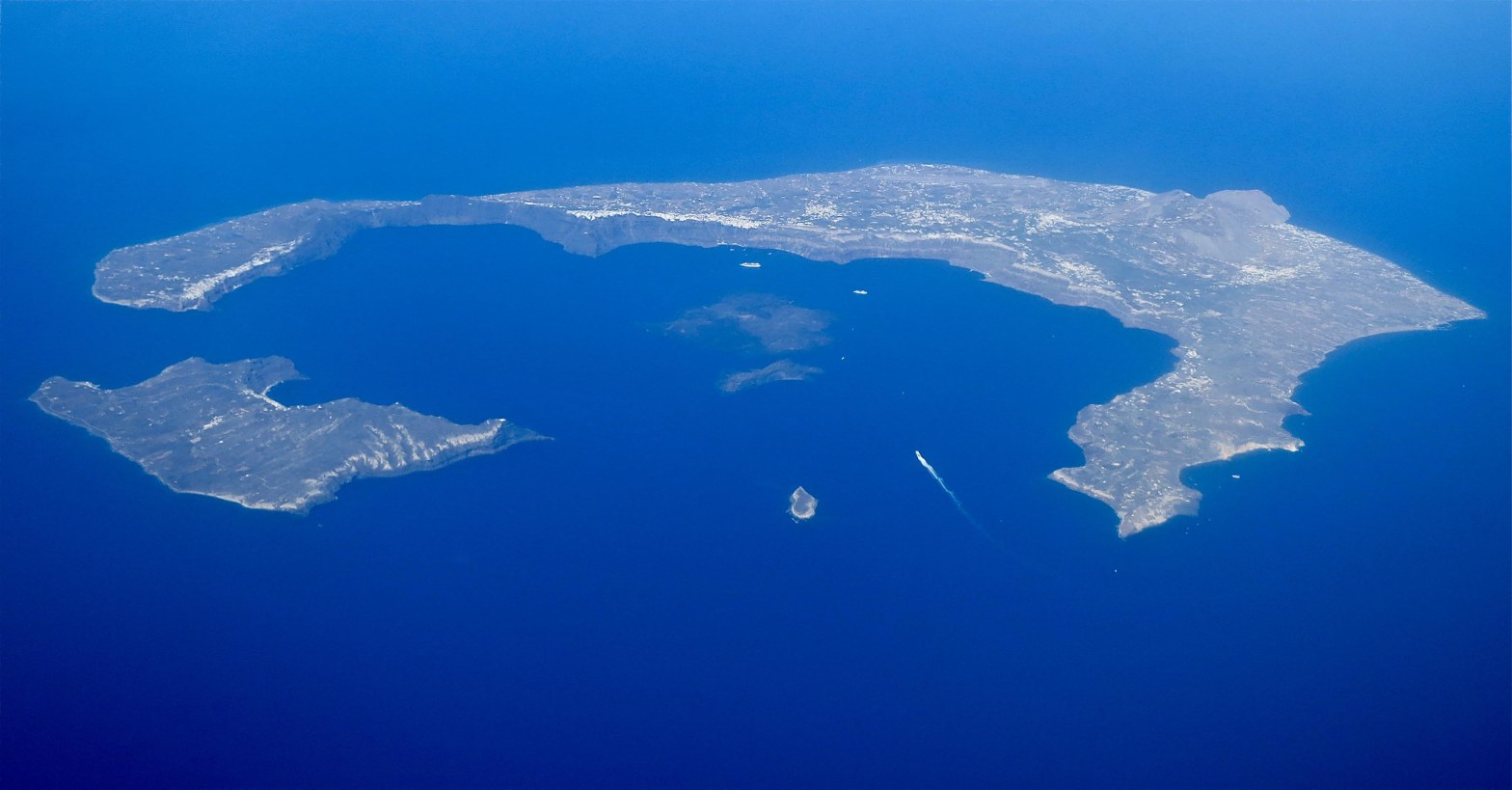
The Greek island of Santorini, the other stop on the tour, is home to the archaeological site of Akrotiri, part of which fell into the ocean during a volcanic eruption around 1500 BC. Akrotiri may be the original Atlantis, city found under the waves.

Please contact George directly to answer questions and help you book at the special price.* If you take this trip, please let me know, and consider writing a guest post I can share.

GEORGE GAITIS
CEO – Tour Manager

pictoursofgreece.com

mobile: 0030 697 2026 519

* I have been offered a commission if you book this tour and mention my name. This is the only time I have made this kind of endorsement, and it is because I have personal experience working with George and I am confident that he will provide a quality experience. If you read my blog, you know that I am not normally a fan of tours, but our week with George was memorable.

Spring arrives

Daffodils have been blooming for two weeks or more but it hasn’t seemed like spring because of the near-constant rain. The downpours have abated, the sun is out and spring is really visible all around us.

The sky is light later in the day, and the sun seems brighter. I see colors that remind me of spring and Easter eggs all around me, in some surprising places.

Tell me where you see spring.

Renting a Hyundai Kona

Paula and I arrived at the Enterprise counter in the Syracuse New York airport just after 11 pm. We’d managed to find flights from our respective homes that converged at about the same time so that we could share a car and Airbnb. The counter offered us an all-electric vehicle. It sounded fun and we went for it.

The Hyundai Kona is a mini-SUV. It looks like an SUV, but only a single suitcase fit in the luggage area at the back of the vehicle. We managed to get our other bags in the car and were grateful to be on the road. The small size wasn’t a problem–we had no plans to drive with other passengers. The agent at the desk said we could exchange it if we changed our minds about the EV.

A couple of days went smoothly, as we were based in Jamesville, close to my mother. I looked into getting some charge added to the vehicle when it became clear that our 250 mile charge wouldn’t cover the entire week. It wasn’t going back and forth to visit mom, but anything else, especially running out to Otisco Lake to see my brother and his family. The timing of our visits was based on being able to spend a few days with mom and also attend my brother’s 70th birthday celebration at the Vesper Hills Golf Club. We were looking forward to it, though every place we wanted to go seemed to be ten or twenty miles away.

I rapidly learned that there are many electric vehicle (EV) charging apps. I started with ChargePoint, then Volta. (I decided not to add Plugshare, that identifies the location of charging stations.) Each charging app wants credit card information. A user gains access to the charger and pays through the app. I’d rather scan my credit card at the point of sale like a gas pump, but that’s not how they do it.

Good news: My mom’s residential complex has a ChargePoint with two cords. If you scan your phone, you can get a free charge, though it didn’t work well. One day we got about 50 miles worth of charge during our stay, but the other two tries gave us less than 10 miles. I may not have scanned my phone properly one day, but there is nothing to indicate whether your swipe works other than the ability to plug in the cable.

By Saturday night, we realized the car really needed charging, and with nothing nearby, we couldn’t leave the car overnight to charge fully. When I looked closely at the location of charging stations in Greater Syracuse, I discovered there were almost none outside the city limits. There are two in Skaneateles (nowhere near us), but other than the free charge, we’d have to drive about ten miles just to get to a charger. I identified a Volta fast charger at a Wegman’s grocery store in the area called Fairfield.

First thing Sunday, I set off to charge up. After driving around the parking lot for a few minutes, I found the charger, delighted that it was available. I got out to scan my phone and discovered that both ports were out of service. They may never have worked, either brand new and not ready, or already broken. No evidence of use. I had to go elsewhere. I had less than 35 miles of charge left, and a day of activities scheduled. I found a ChargePoint six miles away in Solvay, at an otherwise closed auto repair. On the way, I passed several architecturally interesting buildings that I didn’t have time to investigate, though I couldn’t resist a photo of the Ukrainian Catholic Church*.

Once I found the ChargePoint, I practice the drill: exit the car with keys in hand, press the unlock button, open the charger cover, remove cap. Go to charger stand, scan ChargePoint app, unhook cable and connect to car.

I exchanged messages with Paula for a while. She called the airport to see if we could still swap the EV for a gas vehicle. “That’ll take too long!” I snapped. My mistake. After a half hour, I was desperate for coffee having left home thinking I’d be sitting at a Wegman’s food court all morning. I looked up nearby Recess Coffee, unhooked and drove there for coffee. This popular place was so busy that I could get regular brewed coffee only. It was a 20 minute wait for anything with espresso or steamed milk (sigh). The neighborhood was very interesting, a big sign proclaimed I was in Tipperary Hill, and houses were draped with both Irish and Ukrainian flags.

Back at the ChargePoint, I realized that the car charges very slowly. If it takes ten hours for a full charge, I’d need half that to get what I needed. A few sips of coffee and bites of muffin later, I called Paula. “We’re swapping the car.” I could drive back to Jamesville and out to the airport to switch cars faster than I could charge the Kona.

The people at the Enterprise kiosk in the airport parking garage were very helpful, had a car ready for us and we were back on the road in no time. Our new car was the opposite of our Kona. We got a massive Ford Edge, 22.5 mpg, but enough room to put all our luggage and then some in the rear compartment alone. It was an about-face from an EV.

Driving the Kona was fine, charging was not. It’s a bit of a paradox. If you live in an urban area where you can walk or take public transportation, you can charge an EV relatively easily. If you live outside the urban center, you need to have a charger at your residence, whether it’s your own home, a hotel, or a rental. It’s essential to be able to charge your vehicle overnight. I don’t think I am likely to rent an EV again. When I rent a car, it is usually so that I can travel around, out of town, to visit friends in the suburbs, go exploring, to the beach, or some rural location. For now, I can only do that if the place I stay has an EV charger. That’s something of a limitation.

It appears to be true that the US needs a lot more charging infrastructure if we want everyone to switch to EV in the coming years.

*Many thanks to my cousin Theresa Pizzuti for providing the correct identification of this lovely church.

Flood Stage

California is having record-breaking rain. Yesterday, the Los Angeles area received over 4 inches of rain, more than double the previous record set in the 1920s. Here in Eureka, there hasn’t been as much rain, but it’s been rainy. Today, we decided to do some exploring and go take a look at the Eel River.

We drove south until we could approach the shore and it was easy to see the river is high. Normally there are gravel bars along both sides of the river, but today the river was full to the banks.

After seeing the full river, we headed for Crab Park, where the Eel River empties into the ocean. When we visited in the past, we could see logs and debris floating out the mouth of the river. Today, the water was moving much faster and who knows what we might see. We turned onto Cannibal Island Rd. (!), that runs straight as an arrow to the west for four miles to Crab Park. The rain was not heavy, but continuous, and we didn’t get very far.

Flooding across the road kept us from continuing. We made it through the water in this photo, but found more flooding beyond, where we couldn’t see any break in the water ahead. Driving a Prius rather than a 4 wheel drive truck limits where we can go, and we’ve been stuck in the past. These days we’re trying to stay on the pavement….

Two days later, we drove the other direction to look at Mad River. The river had been flooding, and we wanted to see what it looked like. The water was still very high, filling the river from bank to bank across all the sandbars that are usually visible. 

We had a great view from the footbridge across the river.

Our next stop was once again going to be the nearest beach, and once again, we didn’t get there, with too much water across the road.

The grass is bright green from all the rain. It’s a wonderful color. A flock of white egrets rose out of a field, a larger group than we’ve ever seen.

Rainy Season

Winter in Eureka is often rainy, but rarely colder than 50o F. during the day. I’ve been appreciating that fact this week, when our former home in the midwest was -9o F. Between rainstorms, the sun occasionally comes out in Eureka, and I’ve seen some spectacular clouds bringing the weather in and out.